


2221 Résultats
Classification:
livres
livres
Titre:
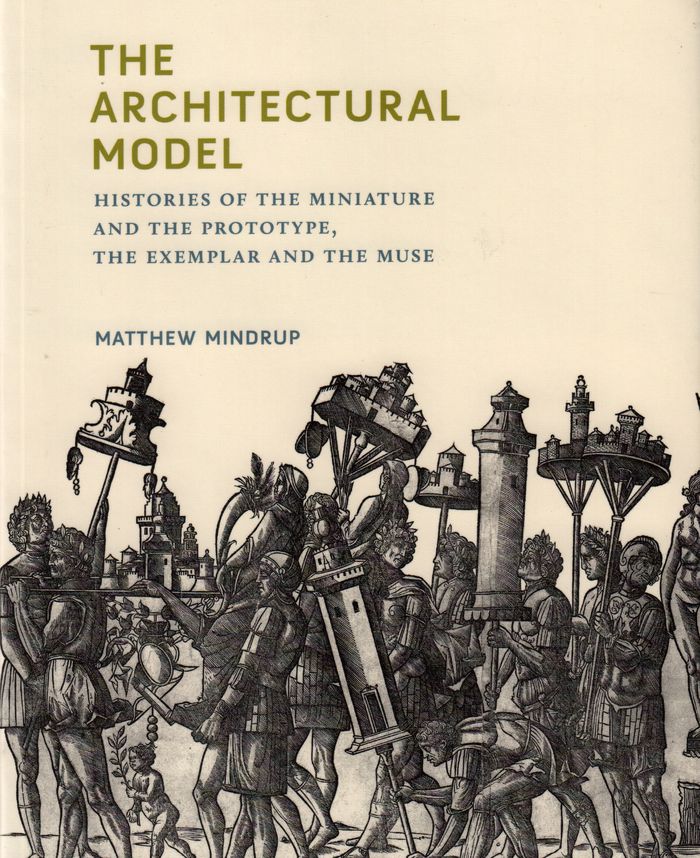
The architectural model: histories of the miniature and the prototype, the exemplar and the muse
The architectural model: histories of the miniature and the prototype, the exemplar and the muse
Actions:
Prix:
$60.00
(disponible sur commande)
Résumé:
For more than five hundred years, architects have employed three-dimensional models as tools to test, refine, and illustrate their ideas. But, as Matthew Mindrup shows, the uses of physical architectural models extend beyond mere representation. An architectural model can also simulate, instruct, inspire, and generate architectural designs. It can be, among other things,(...)
$60.00
(disponible sur commande)
Résumé:
For more than five hundred years, architects have employed three-dimensional models as tools to test, refine, and illustrate their ideas. But, as Matthew Mindrup shows, the uses of physical architectural models extend beyond mere representation. An architectural model can also simulate, instruct, inspire, and generate architectural designs. It can be, among other things,(...)
Titre:
The architectural model: histories of the miniature and the prototype, the exemplar and the muse
Actions:
Prix:
$60.00
(disponible sur commande)
Résumé:
For more than five hundred years, architects have employed three-dimensional models as tools to test, refine, and illustrate their ideas. But, as Matthew Mindrup shows, the uses of physical architectural models extend beyond mere representation. An architectural model can also simulate, instruct, inspire, and generate architectural designs. It can be, among other things, sign, souvenir, toy, funerary object, didactic tool, medium, or muse. In this book, Mindrup surveys the history of architectural models by investigating their uses, both theoretical and practical. Tracing the architectural model's development from antiquity to the present, Mindrup also offers an interpretive framework for understanding each of its applications in the context of time and place. He first examines models meant to portray extant, fantastic, or proposed structures, describing their use in ancient funerary or dedicatory practices, in which models are endowed with magical power; as a medium for architectural reverie and inspiration; and as prototypes for twentieth-century experimental designs. Mindrup then considers models that exemplify certain architectural uses, exploring the influence of Leon Battista Alberti's dictum that models be simple, lest they distract from the architect's ideas; analyzing the model as a generative tool; and investigating allegorical, analogical, and anagogical interpretations of models. Mindrup's histories show how the model can be a surrogate for the architectural structure itself, or for the experience of its formal, tactile, and sensory complexity; and beyond that, that the manipulation, play, experimentation, and dreaming enabled by models allow us to imagine architecture in new ways.
The architectural model: histories of the miniature and the prototype, the exemplar and the muse
Actions:
Prix:
$60.00
(disponible sur commande)
Résumé:
For more than five hundred years, architects have employed three-dimensional models as tools to test, refine, and illustrate their ideas. But, as Matthew Mindrup shows, the uses of physical architectural models extend beyond mere representation. An architectural model can also simulate, instruct, inspire, and generate architectural designs. It can be, among other things, sign, souvenir, toy, funerary object, didactic tool, medium, or muse. In this book, Mindrup surveys the history of architectural models by investigating their uses, both theoretical and practical. Tracing the architectural model's development from antiquity to the present, Mindrup also offers an interpretive framework for understanding each of its applications in the context of time and place. He first examines models meant to portray extant, fantastic, or proposed structures, describing their use in ancient funerary or dedicatory practices, in which models are endowed with magical power; as a medium for architectural reverie and inspiration; and as prototypes for twentieth-century experimental designs. Mindrup then considers models that exemplify certain architectural uses, exploring the influence of Leon Battista Alberti's dictum that models be simple, lest they distract from the architect's ideas; analyzing the model as a generative tool; and investigating allegorical, analogical, and anagogical interpretations of models. Mindrup's histories show how the model can be a surrogate for the architectural structure itself, or for the experience of its formal, tactile, and sensory complexity; and beyond that, that the manipulation, play, experimentation, and dreaming enabled by models allow us to imagine architecture in new ways.
Classification:
livres
livres
Publication:
octobre 2019
octobre 2019
Sujet:
Théorie de l’architecture
Théorie de l’architecture
Classification:
livres
livres
Prix:
$35.00
(disponible sur commande)
Résumé:
In "Pornotopia", Paul Preciado examines popular culture and pornographic spaces as sites of architectural production. Combining historical perspectives with insights from critical theory, gender studies, queer theory, porn studies, and the history of technology, and drawing from a range of primary transdisciplinary sourcestreatises on sexuality, medical and pharmaceutical(...)
$35.00
(disponible sur commande)
Résumé:
In "Pornotopia", Paul Preciado examines popular culture and pornographic spaces as sites of architectural production. Combining historical perspectives with insights from critical theory, gender studies, queer theory, porn studies, and the history of technology, and drawing from a range of primary transdisciplinary sourcestreatises on sexuality, medical and pharmaceutical(...)
Titre:
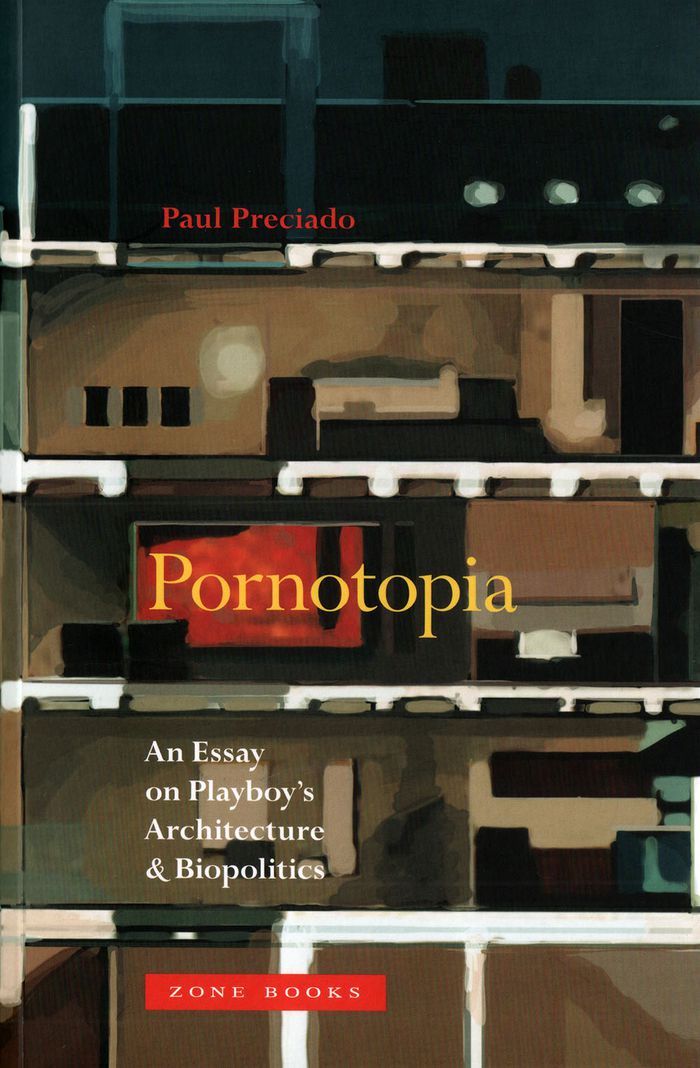
Pornotopia: an essay on Playboy's architecture and biopolitics
Actions:
Prix:
$35.00
(disponible sur commande)
Résumé:
In "Pornotopia", Paul Preciado examines popular culture and pornographic spaces as sites of architectural production. Combining historical perspectives with insights from critical theory, gender studies, queer theory, porn studies, and the history of technology, and drawing from a range of primary transdisciplinary sourcestreatises on sexuality, medical and pharmaceutical handbooks, architecture journals, erotic magazines, building manuals, and novels
Pornotopia: an essay on Playboy's architecture and biopolitics
Actions:
Prix:
$35.00
(disponible sur commande)
Résumé:
In "Pornotopia", Paul Preciado examines popular culture and pornographic spaces as sites of architectural production. Combining historical perspectives with insights from critical theory, gender studies, queer theory, porn studies, and the history of technology, and drawing from a range of primary transdisciplinary sourcestreatises on sexuality, medical and pharmaceutical handbooks, architecture journals, erotic magazines, building manuals, and novels
Classification:
livres
livres
Publication:
octobre 2019
octobre 2019
Sujet:
Théorie de l’architecture
Théorie de l’architecture
Classification:
livres
livres
Actions:
Prix:
$54.95
(disponible sur commande)
Résumé:
Montage has been hailed as one of the key structural principles of modernity, yet its importance to the history of modern thought about cities and their architecture has never been adequately explored. In this new work, Martino Stierli charts the history of montage in late 19th-century urban and architectural contexts, its application by the early 20th-century(...)
$54.95
(disponible sur commande)
Résumé:
Montage has been hailed as one of the key structural principles of modernity, yet its importance to the history of modern thought about cities and their architecture has never been adequately explored. In this new work, Martino Stierli charts the history of montage in late 19th-century urban and architectural contexts, its application by the early 20th-century(...)
Titre:
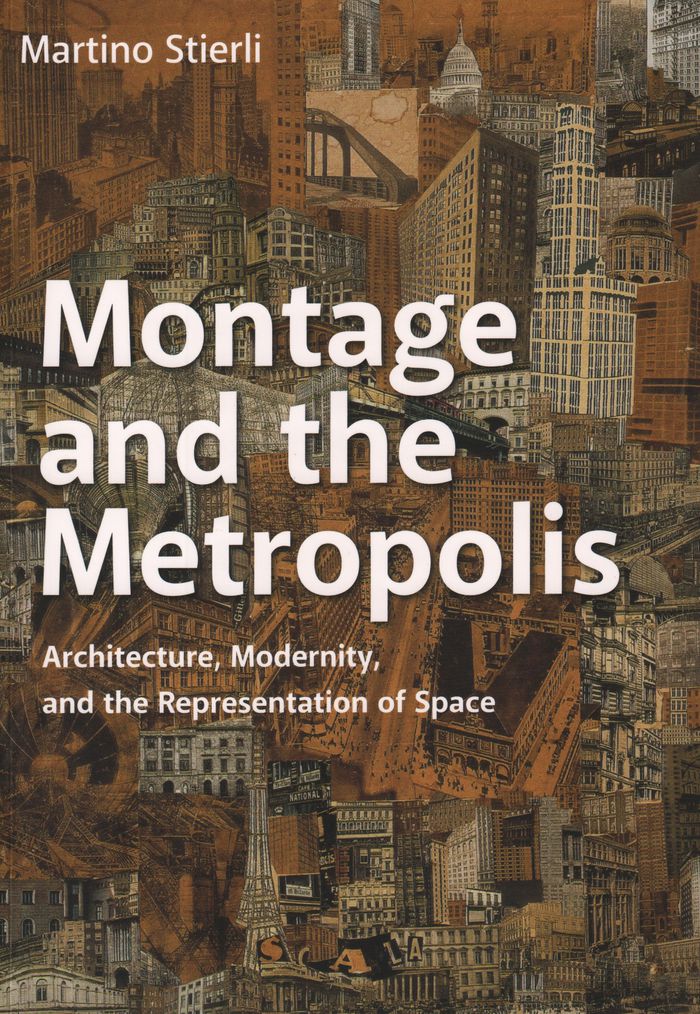
Montage and the metropolis: architecture, modernity, and the representation of space
Actions:
Prix:
$54.95
(disponible sur commande)
Résumé:
Montage has been hailed as one of the key structural principles of modernity, yet its importance to the history of modern thought about cities and their architecture has never been adequately explored. In this new work, Martino Stierli charts the history of montage in late 19th-century urban and architectural contexts, its application by the early 20th-century avant-gardes, and its eventual appropriation in the postmodern period. With chapters focusing on photomontage, the film theories of Sergei Eisenstein, Mies van der Rohe’s spatial experiments, and Rem Koolhaas’s use of literary montage in his seminal manifesto Delirious New York (1978), Stierli demonstrates the centrality of montage in modern explorations of space, and in conceiving and representing the contemporary city.
Montage and the metropolis: architecture, modernity, and the representation of space
Actions:
Prix:
$54.95
(disponible sur commande)
Résumé:
Montage has been hailed as one of the key structural principles of modernity, yet its importance to the history of modern thought about cities and their architecture has never been adequately explored. In this new work, Martino Stierli charts the history of montage in late 19th-century urban and architectural contexts, its application by the early 20th-century avant-gardes, and its eventual appropriation in the postmodern period. With chapters focusing on photomontage, the film theories of Sergei Eisenstein, Mies van der Rohe’s spatial experiments, and Rem Koolhaas’s use of literary montage in his seminal manifesto Delirious New York (1978), Stierli demonstrates the centrality of montage in modern explorations of space, and in conceiving and representing the contemporary city.
Classification:
livres
livres
Publication:
septembre 2019
septembre 2019
Sujet:
Théorie de l’architecture
Théorie de l’architecture
Classification:
livres
livres
Titre:
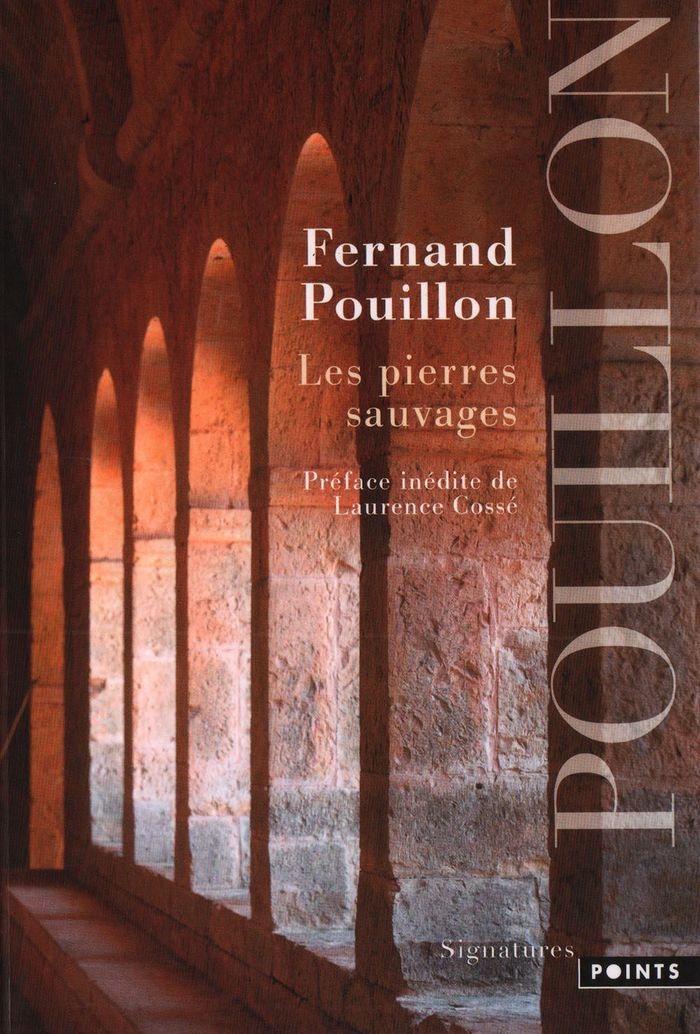
Les pierres sauvages
Les pierres sauvages
Actions:
Prix:
$16.95
(disponible sur commande)
Résumé:
Une chronique de la naissance de l'abbaye du Thoronet en Provence au XIIe siècle, sous la forme du journal du maître d'oeuvre. Grâce à des recherches historiques et à son expérience d'architecte, l'auteur fait revivre un chantier médiéval avec les problèmes techniques, financiers ou doctrinaux qui pouvaient se poser.
$16.95
(disponible sur commande)
Résumé:
Une chronique de la naissance de l'abbaye du Thoronet en Provence au XIIe siècle, sous la forme du journal du maître d'oeuvre. Grâce à des recherches historiques et à son expérience d'architecte, l'auteur fait revivre un chantier médiéval avec les problèmes techniques, financiers ou doctrinaux qui pouvaient se poser.
Titre:
Les pierres sauvages
Actions:
Prix:
$16.95
(disponible sur commande)
Résumé:
Une chronique de la naissance de l'abbaye du Thoronet en Provence au XIIe siècle, sous la forme du journal du maître d'oeuvre. Grâce à des recherches historiques et à son expérience d'architecte, l'auteur fait revivre un chantier médiéval avec les problèmes techniques, financiers ou doctrinaux qui pouvaient se poser.
Les pierres sauvages
Actions:
Prix:
$16.95
(disponible sur commande)
Résumé:
Une chronique de la naissance de l'abbaye du Thoronet en Provence au XIIe siècle, sous la forme du journal du maître d'oeuvre. Grâce à des recherches historiques et à son expérience d'architecte, l'auteur fait revivre un chantier médiéval avec les problèmes techniques, financiers ou doctrinaux qui pouvaient se poser.
Classification:
livres
livres
Publication:
mars 2019
mars 2019
Sujet:
Théorie de l’architecture
Théorie de l’architecture
Classification:
livres
livres
Actions:
Prix:
$45.00
(disponible sur commande)
Résumé:
Since the 1960s, art and architecture have experienced a series of radical and reciprocal trades. Just as artists have simulated “architectural” means like plans and models, built structures and pavilions, or intervened in urban and public spaces, architects have employed “artistic” strategies in art institutions, exhibitions, and more. Likewise, art galleries and museums(...)
$45.00
(disponible sur commande)
Résumé:
Since the 1960s, art and architecture have experienced a series of radical and reciprocal trades. Just as artists have simulated “architectural” means like plans and models, built structures and pavilions, or intervened in urban and public spaces, architects have employed “artistic” strategies in art institutions, exhibitions, and more. Likewise, art galleries and museums(...)
Sujet:
Théorie de l’architecture
Théorie de l’architecture
Publication:
septembre 2019
septembre 2019
Titre:
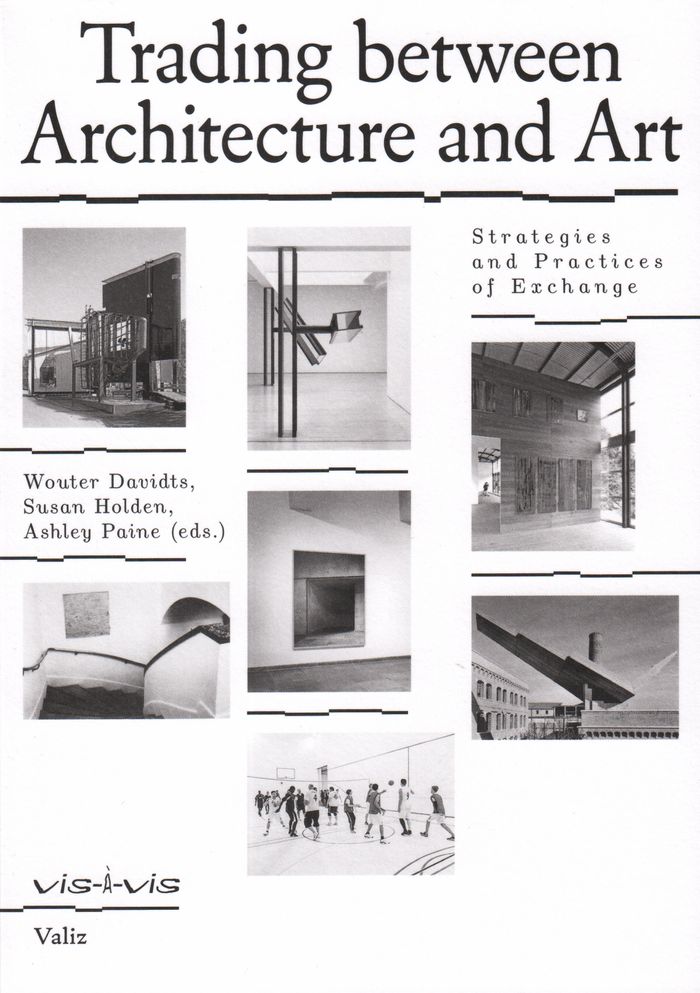
Trading between architecture and art: strategies and practices of exchange
Actions:
Prix:
$45.00
(disponible sur commande)
Résumé:
Since the 1960s, art and architecture have experienced a series of radical and reciprocal trades. Just as artists have simulated “architectural” means like plans and models, built structures and pavilions, or intervened in urban and public spaces, architects have employed “artistic” strategies in art institutions, exhibitions, and more. Likewise, art galleries and museums have combined both activities, playing with the conditional differences between inside and outside the institutions. This book focuses on specific case studies of these two-way, interdisciplinary transactions. Included are texts and visual essays by Mark Dorrian, Rosemary Willink, Sarah Oppenheimer, and many others.
Trading between architecture and art: strategies and practices of exchange
Actions:
Prix:
$45.00
(disponible sur commande)
Résumé:
Since the 1960s, art and architecture have experienced a series of radical and reciprocal trades. Just as artists have simulated “architectural” means like plans and models, built structures and pavilions, or intervened in urban and public spaces, architects have employed “artistic” strategies in art institutions, exhibitions, and more. Likewise, art galleries and museums have combined both activities, playing with the conditional differences between inside and outside the institutions. This book focuses on specific case studies of these two-way, interdisciplinary transactions. Included are texts and visual essays by Mark Dorrian, Rosemary Willink, Sarah Oppenheimer, and many others.
Classification:
livres
livres
Publication:
septembre 2019
septembre 2019
Sujet:
Théorie de l’architecture
Théorie de l’architecture
Classification:
livres
livres
Prix:
$33.00
(disponible sur commande)
Résumé:
Architecture, we like to believe, is an elevated art form that shapes the world as it pleases. Four Walls and a Roof challenges this notion, presenting a candid account of what it is really like to work as an architect. Drawing on his own tragicomic experiences in the field, Reinier de Graaf reveals the world of contemporary architecture in vivid snapshots: from suburban(...)
$33.00
(disponible sur commande)
Résumé:
Architecture, we like to believe, is an elevated art form that shapes the world as it pleases. Four Walls and a Roof challenges this notion, presenting a candid account of what it is really like to work as an architect. Drawing on his own tragicomic experiences in the field, Reinier de Graaf reveals the world of contemporary architecture in vivid snapshots: from suburban(...)
Titre:
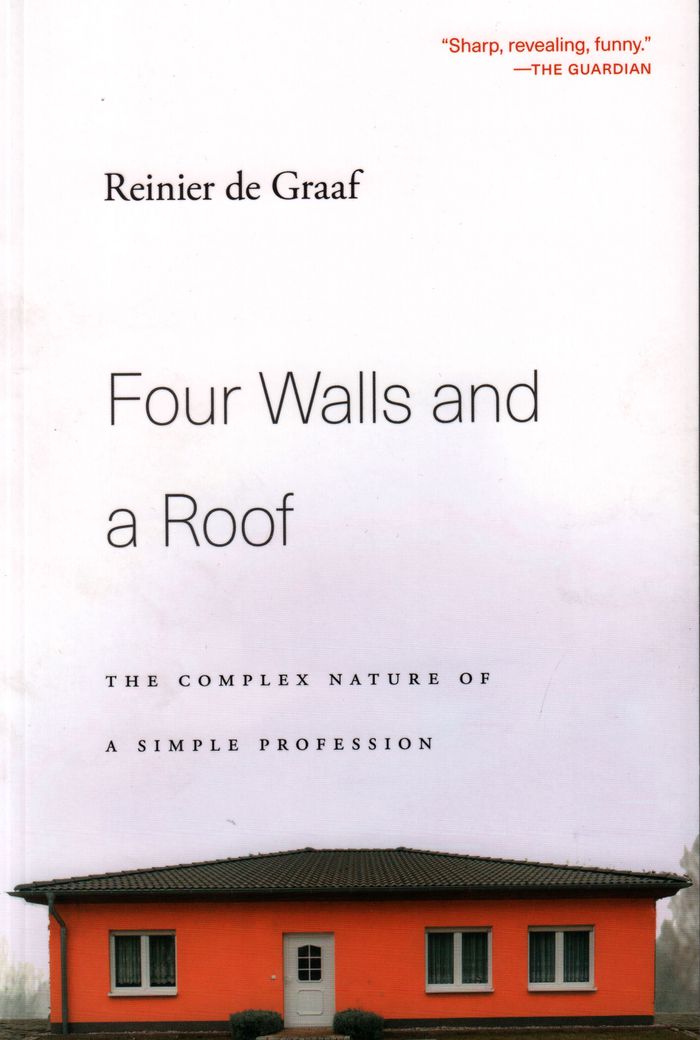
Four walls and a roof: the complex nature of a simple profession
Actions:
Prix:
$33.00
(disponible sur commande)
Résumé:
Architecture, we like to believe, is an elevated art form that shapes the world as it pleases. Four Walls and a Roof challenges this notion, presenting a candid account of what it is really like to work as an architect. Drawing on his own tragicomic experiences in the field, Reinier de Graaf reveals the world of contemporary architecture in vivid snapshots: from suburban New York to the rubble of northern Iraq, from the corridors of wealth in London, Moscow, and Dubai to garbage-strewn wastelands that represent the demolished hopes of postwar social housing. We meet oligarchs determined to translate ambitions into concrete and steel, developers for whom architecture is mere investment, and the layers of politicians, bureaucrats, consultants, and mysterious hangers-on who lie between any architectural idea and the chance of its execution. Four Walls and a Roof tells the story of a profession buffeted by external forces that determine—at least as much as individual inspiration—what architects design. Perhaps the most important myth debunked is success itself. To achieve anything, architects must serve the powers they strive to critique, finding themselves in a perpetual conflict of interest. Together, architects, developers, politicians, and consultants form an improvised world of contest and compromise that none alone can control.
Four walls and a roof: the complex nature of a simple profession
Actions:
Prix:
$33.00
(disponible sur commande)
Résumé:
Architecture, we like to believe, is an elevated art form that shapes the world as it pleases. Four Walls and a Roof challenges this notion, presenting a candid account of what it is really like to work as an architect. Drawing on his own tragicomic experiences in the field, Reinier de Graaf reveals the world of contemporary architecture in vivid snapshots: from suburban New York to the rubble of northern Iraq, from the corridors of wealth in London, Moscow, and Dubai to garbage-strewn wastelands that represent the demolished hopes of postwar social housing. We meet oligarchs determined to translate ambitions into concrete and steel, developers for whom architecture is mere investment, and the layers of politicians, bureaucrats, consultants, and mysterious hangers-on who lie between any architectural idea and the chance of its execution. Four Walls and a Roof tells the story of a profession buffeted by external forces that determine—at least as much as individual inspiration—what architects design. Perhaps the most important myth debunked is success itself. To achieve anything, architects must serve the powers they strive to critique, finding themselves in a perpetual conflict of interest. Together, architects, developers, politicians, and consultants form an improvised world of contest and compromise that none alone can control.
Classification:
livres
livres
Publication:
octobre 2019
octobre 2019
Sujet:
Théorie de l’architecture
Théorie de l’architecture
Classification:
livres
livres
Prix:
$55.50
(disponible sur commande)
Résumé:
Human obsolescence is imminent. The factories of the future will be dark, staffed by armies of tireless robots. The hospitals of the future will have fewer doctors, depending instead on cloud-based AI to diagnose patients and recommend treatments. The homes of the future will anticipate our wants and needs and provide all the entertainment, food, and distraction we could(...)
$55.50
(disponible sur commande)
Résumé:
Human obsolescence is imminent. The factories of the future will be dark, staffed by armies of tireless robots. The hospitals of the future will have fewer doctors, depending instead on cloud-based AI to diagnose patients and recommend treatments. The homes of the future will anticipate our wants and needs and provide all the entertainment, food, and distraction we could(...)
Titre:
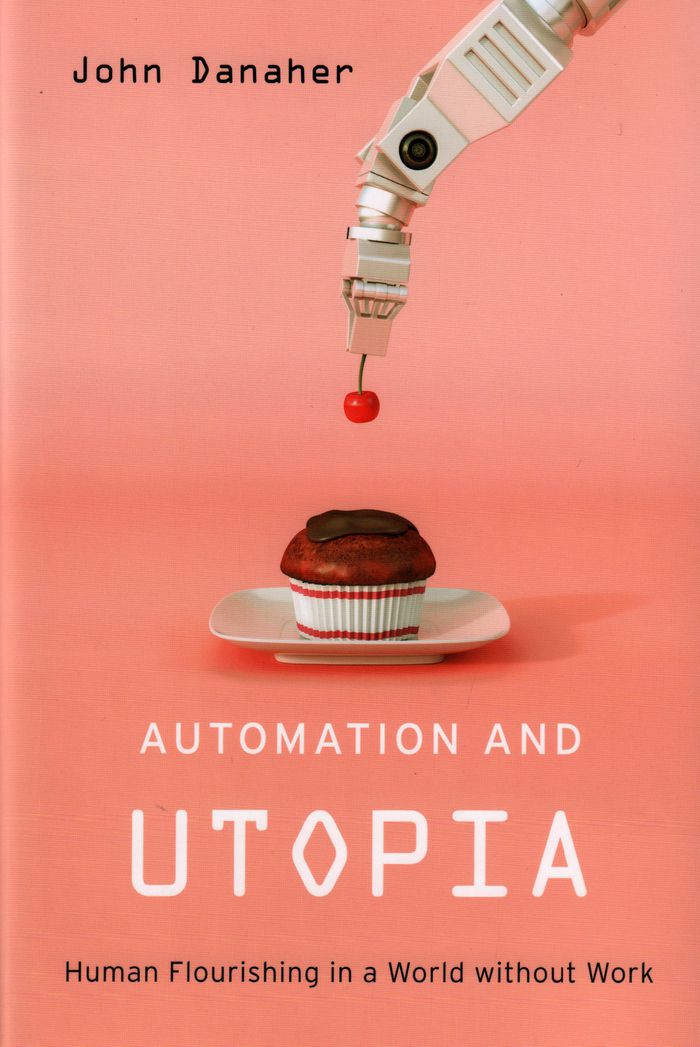
Automation and utopia: human flourishing in a world without work
Actions:
Prix:
$55.50
(disponible sur commande)
Résumé:
Human obsolescence is imminent. The factories of the future will be dark, staffed by armies of tireless robots. The hospitals of the future will have fewer doctors, depending instead on cloud-based AI to diagnose patients and recommend treatments. The homes of the future will anticipate our wants and needs and provide all the entertainment, food, and distraction we could ever desire. To many, this is a depressing prognosis, an image of civilization replaced by its machines. But what if an automated future is something to be welcomed rather than feared? Work is a source of misery and oppression for most people, so shouldn’t we do what we can to hasten its demise? Automation and Utopia makes the case for a world in which, free from need or want, we can spend our time inventing and playing games and exploring virtual realities that are more deeply engaging and absorbing than any we have experienced before, allowing us to achieve idealized forms of human flourishing. The idea that we should “give up” and retreat to the virtual may seem shocking, even distasteful. But John Danaher urges us to embrace the possibilities of this new existence. The rise of automating technologies presents a utopian moment for humankind, providing both the motive and the means to build a better future.
Automation and utopia: human flourishing in a world without work
Actions:
Prix:
$55.50
(disponible sur commande)
Résumé:
Human obsolescence is imminent. The factories of the future will be dark, staffed by armies of tireless robots. The hospitals of the future will have fewer doctors, depending instead on cloud-based AI to diagnose patients and recommend treatments. The homes of the future will anticipate our wants and needs and provide all the entertainment, food, and distraction we could ever desire. To many, this is a depressing prognosis, an image of civilization replaced by its machines. But what if an automated future is something to be welcomed rather than feared? Work is a source of misery and oppression for most people, so shouldn’t we do what we can to hasten its demise? Automation and Utopia makes the case for a world in which, free from need or want, we can spend our time inventing and playing games and exploring virtual realities that are more deeply engaging and absorbing than any we have experienced before, allowing us to achieve idealized forms of human flourishing. The idea that we should “give up” and retreat to the virtual may seem shocking, even distasteful. But John Danaher urges us to embrace the possibilities of this new existence. The rise of automating technologies presents a utopian moment for humankind, providing both the motive and the means to build a better future.
Classification:
livres
livres
Publication:
septembre 2019
septembre 2019
Sujet:
Théorie de l’architecture
Théorie de l’architecture
Classification:
livres
livres
Actions:
Prix:
$47.95
(disponible en magasin)
Résumé:
Modernists of the early twentieth century were transfixed by the X-ray—a means of seeing through skin into systems of bones and tissue. What, nearly a century later, can X-rays reveal about the systems of modernism itself? 'Modern Management Methods' asks how the value of a building is produced through instruments of expertise, management ideologies, and historical narratives.
$47.95
(disponible en magasin)
Résumé:
Modernists of the early twentieth century were transfixed by the X-ray—a means of seeing through skin into systems of bones and tissue. What, nearly a century later, can X-rays reveal about the systems of modernism itself? 'Modern Management Methods' asks how the value of a building is produced through instruments of expertise, management ideologies, and historical narratives.
Publication:
novembre 2019
novembre 2019
Titre:
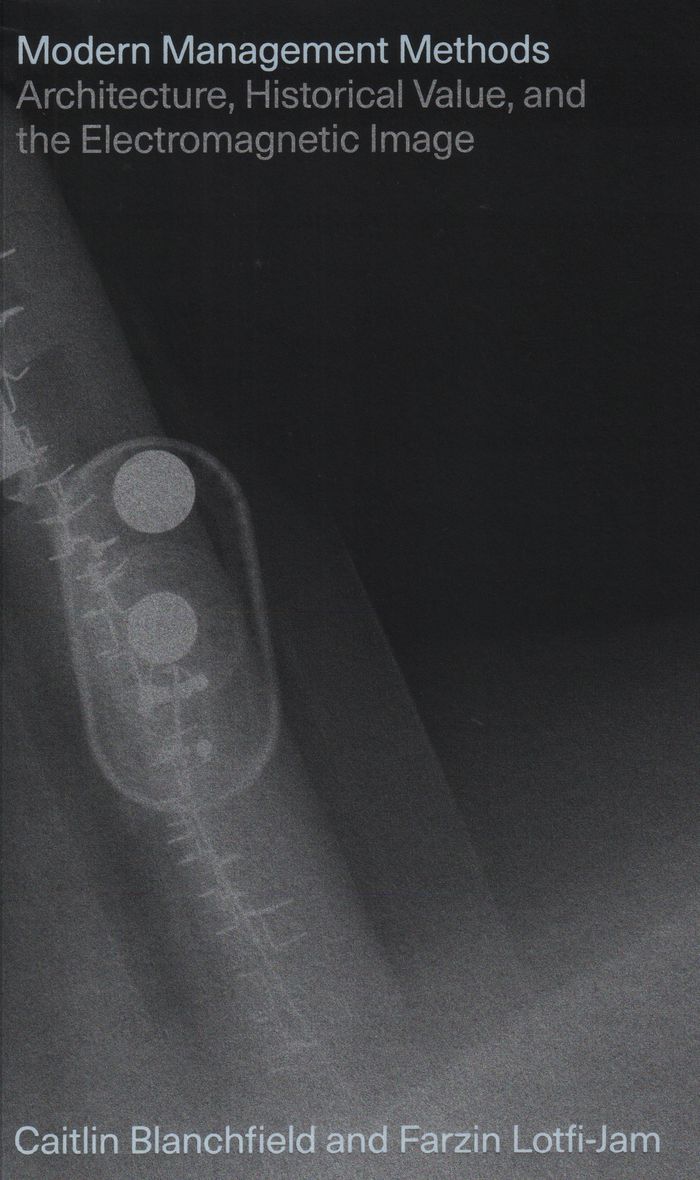
Modern management methods: architecture, historical value, and the electromagnetic image
Actions:
Prix:
$47.95
(disponible en magasin)
Résumé:
Modernists of the early twentieth century were transfixed by the X-ray—a means of seeing through skin into systems of bones and tissue. What, nearly a century later, can X-rays reveal about the systems of modernism itself? 'Modern Management Methods' asks how the value of a building is produced through instruments of expertise, management ideologies, and historical narratives.
Modern management methods: architecture, historical value, and the electromagnetic image
Actions:
Prix:
$47.95
(disponible en magasin)
Résumé:
Modernists of the early twentieth century were transfixed by the X-ray—a means of seeing through skin into systems of bones and tissue. What, nearly a century later, can X-rays reveal about the systems of modernism itself? 'Modern Management Methods' asks how the value of a building is produced through instruments of expertise, management ideologies, and historical narratives.
Classification:
livres
livres
Publication:
novembre 2019
novembre 2019
Classification:
livres
livres
Prix:
$54.95
(disponible sur commande)
Résumé:
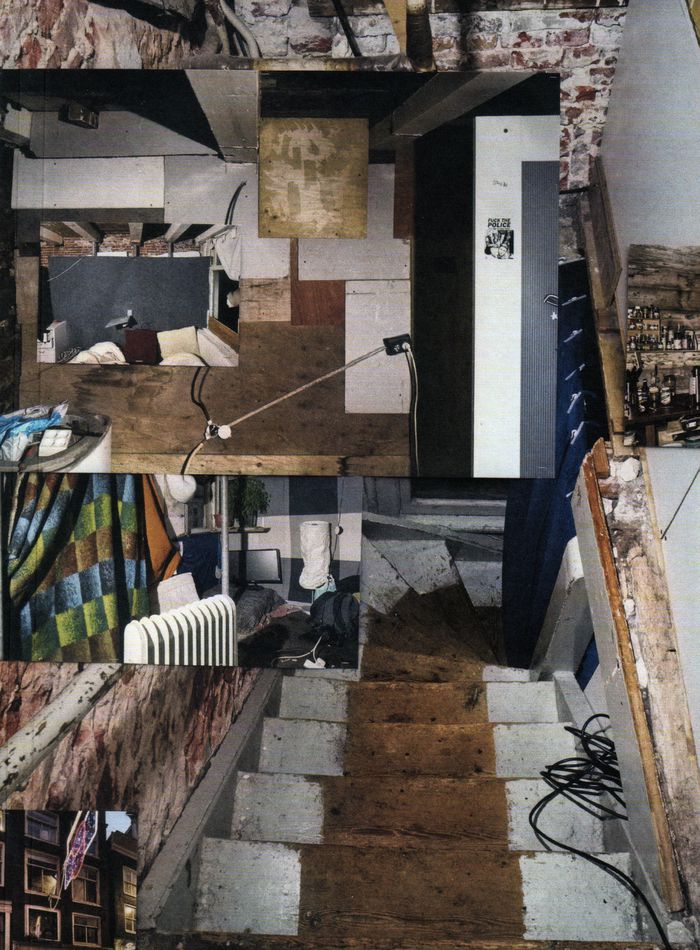
The squatting movement in the Netherlands has played a major role in the design of both the urban fabric and domestic interior, and continues to offer alternatives to the dominant, market-oriented housing policies. This book acknowledges squatting as an architectural practice, analysing six locations through drawings, interviews, and archival material to create a record(...)
$54.95
(disponible sur commande)
Résumé:
The squatting movement in the Netherlands has played a major role in the design of both the urban fabric and domestic interior, and continues to offer alternatives to the dominant, market-oriented housing policies. This book acknowledges squatting as an architectural practice, analysing six locations through drawings, interviews, and archival material to create a record(...)
Publication:
septembre 2019
septembre 2019
Titre:
Architecture of appropriation: on squatting as spatial practice
Actions:
Prix:
$54.95
(disponible sur commande)
Résumé:
The squatting movement in the Netherlands has played a major role in the design of both the urban fabric and domestic interior, and continues to offer alternatives to the dominant, market-oriented housing policies. This book acknowledges squatting as an architectural practice, analysing six locations through drawings, interviews, and archival material to create a record of past and current struggles, spaces, and oral histories, thereby forming the basis for a new governmental acquisition policy. It brings together the expertise of the squatting movement with architects, archivists, scholars, and lawyers in order to discuss approaches to what are often criminalised spatial practices.
Architecture of appropriation: on squatting as spatial practice
Actions:
Prix:
$54.95
(disponible sur commande)
Résumé:
The squatting movement in the Netherlands has played a major role in the design of both the urban fabric and domestic interior, and continues to offer alternatives to the dominant, market-oriented housing policies. This book acknowledges squatting as an architectural practice, analysing six locations through drawings, interviews, and archival material to create a record of past and current struggles, spaces, and oral histories, thereby forming the basis for a new governmental acquisition policy. It brings together the expertise of the squatting movement with architects, archivists, scholars, and lawyers in order to discuss approaches to what are often criminalised spatial practices.
Classification:
livres
livres
Publication:
septembre 2019
septembre 2019
Classification:
livres
livres
Actions:
Prix:
$45.00
(disponible sur commande)
Résumé:
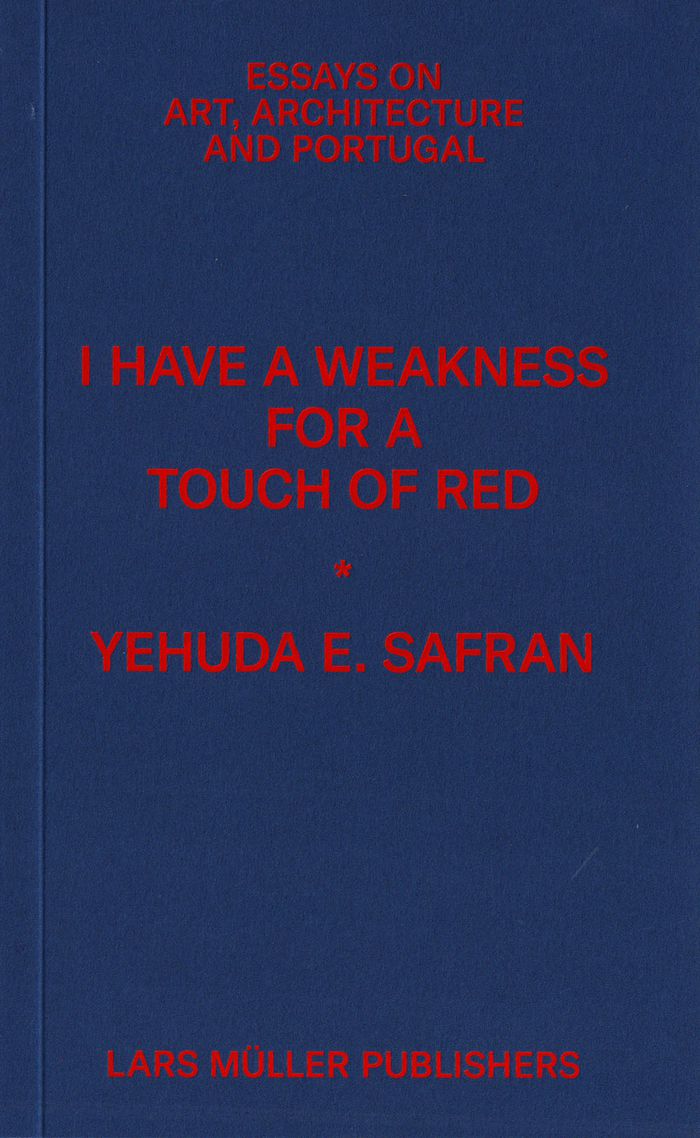
"I have a weakness for a touch of red" is a selection of essays on the art and architecture of Portugal by Yehuda Safran, who has been a professor at the Graduate School of Architecture, Planning and Preservation at Columbia University and Pratt Institute, as well as the director of Potlach journal. Safran, who has previously written books on Adolf Loos, Mies van der(...)
$45.00
(disponible sur commande)
Résumé:
"I have a weakness for a touch of red" is a selection of essays on the art and architecture of Portugal by Yehuda Safran, who has been a professor at the Graduate School of Architecture, Planning and Preservation at Columbia University and Pratt Institute, as well as the director of Potlach journal. Safran, who has previously written books on Adolf Loos, Mies van der(...)
Titre:
I have a weakness for a touch of red: essays on architecture and Portugal
Actions:
Prix:
$45.00
(disponible sur commande)
Résumé:
"I have a weakness for a touch of red" is a selection of essays on the art and architecture of Portugal by Yehuda Safran, who has been a professor at the Graduate School of Architecture, Planning and Preservation at Columbia University and Pratt Institute, as well as the director of Potlach journal. Safran, who has previously written books on Adolf Loos, Mies van der Rohe, Anthony Gormley and Anish Kapoor, is not himself Portuguese; he writes here from the perspective of a traveler, enamored with the work of major architects Alvaro Siza and Eduardo Souto de Moura and artist Pedro Cabrita Reis, among others. In an interview with the Portuguese website Virose, Safran said of Siza: “there is always a Portuguese accent to it, but he is really addressing universal architectural issues. The great poet writes normally in his own language."
I have a weakness for a touch of red: essays on architecture and Portugal
Actions:
Prix:
$45.00
(disponible sur commande)
Résumé:
"I have a weakness for a touch of red" is a selection of essays on the art and architecture of Portugal by Yehuda Safran, who has been a professor at the Graduate School of Architecture, Planning and Preservation at Columbia University and Pratt Institute, as well as the director of Potlach journal. Safran, who has previously written books on Adolf Loos, Mies van der Rohe, Anthony Gormley and Anish Kapoor, is not himself Portuguese; he writes here from the perspective of a traveler, enamored with the work of major architects Alvaro Siza and Eduardo Souto de Moura and artist Pedro Cabrita Reis, among others. In an interview with the Portuguese website Virose, Safran said of Siza: “there is always a Portuguese accent to it, but he is really addressing universal architectural issues. The great poet writes normally in his own language."
Classification:
livres
livres
Publication:
octobre 2019
octobre 2019
Sujet:
Théorie de l’architecture
Théorie de l’architecture


