


2244 Résultats
Classification:
livres
livres
Titre:
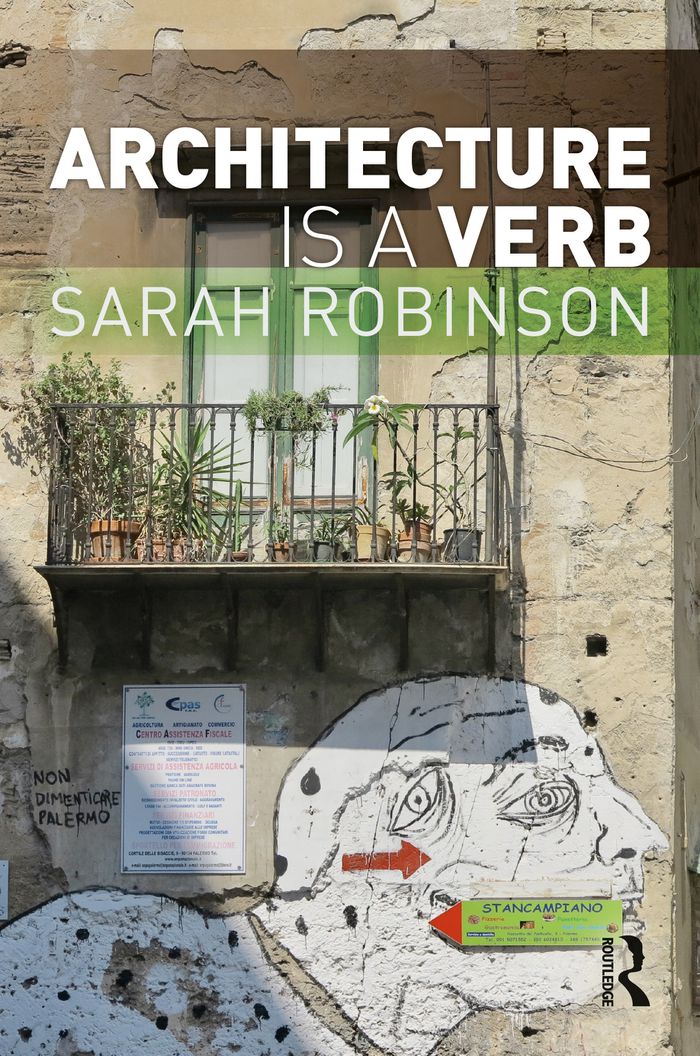
Architecture is a verb
Architecture is a verb
Actions:
Prix:
$61.95
(disponible sur commande)
Résumé:
This publication outlines an approach that shifts the fundamental premises of architectural design and practice in several important ways. First, it acknowledges the centrality of the human organism as an active participant interdependent in its environment. Second, it understands human action in terms of radical embodiment — grounding the range of human activities(...)
Titre:
Architecture is a verb
Actions:
Prix:
$61.95
(disponible sur commande)
Résumé:
This publication outlines an approach that shifts the fundamental premises of architectural design and practice in several important ways. First, it acknowledges the centrality of the human organism as an active participant interdependent in its environment. Second, it understands human action in terms of radical embodiment — grounding the range of human activities traditionally attributed to mind and cognition: imagining, thinking, remembering — in the body. Third, it asks what a building does—that is, extends the performative functional interpretation of design to interrogate how buildings move and in turn move us, how they shape thought and action. Finally, it is committed to articulating concrete situations by developing a taxonomy of human/building interactions.
Classification:
livres
livres
Publication:
mars 2021
mars 2021
Sujet:
Théorie de l’architecture
Théorie de l’architecture
Classification:
livres
livres
Titre:
Freud for architects
Freud for architects
Actions:
Prix:
$35.95
(disponible sur commande)
Résumé:
''Freud for architects'' explains what Freud offers to the understanding of architectural creativity and architectural experience, with case examples from early modern architecture to the present. Freud’s observations on the human psyche and its influence on culture and social behavior have generated a great deal of discussion since the 19th century. Yet, what Freud’s(...)
Titre:
Freud for architects
Actions:
Prix:
$35.95
(disponible sur commande)
Résumé:
''Freud for architects'' explains what Freud offers to the understanding of architectural creativity and architectural experience, with case examples from early modern architecture to the present. Freud’s observations on the human psyche and its influence on culture and social behavior have generated a great deal of discussion since the 19th century. Yet, what Freud’s key ideas offer to the understanding of architectural creativity and experience has received little direct attention. That is partly because Freud opened the door to a place where conventional research in architecture has little traction, the unconscious. Adding to the difficulties, Freud’s collection of work is vast and daunting. ''Freud for architects'' navigates Freud’s key ideas and bridges a chasm between architecture and psychoanalytic theory. The book highlights Freud’s ideas on the foundational developments of childhood, developments on which the adult psyche is based. It explains why and how the developmental stages could influence adult architectural preferences and preoccupations, spatial intuition, and beliefs about what is proper and right for architectural design. As such, ''Freud for architects'' will be of great interest to students, practitioners, and scholars in a range of disciplines including architecture, psychoanalysis, and philosophy.
Classification:
livres
livres
Publication:
novembre 2020
novembre 2020
Sujet:
Théorie de l’architecture
Théorie de l’architecture
Classification:
livres
livres
Actions:
Prix:
$45.00
(disponible sur commande)
Résumé:
This publication offers a renewed and radical theorization of the relations between capital and architecture. It explicates the theoretical gymnastics through which architecture legitimates its services to neoliberalism, examines the discipline’s production of platforms for happily compliant consumers, and challenges its entrepreneurial self-image. 'Critique of(...)
Titre:
Critique of architecture: essays on theory, autonomy, and political economy
Actions:
Prix:
$45.00
(disponible sur commande)
Résumé:
This publication offers a renewed and radical theorization of the relations between capital and architecture. It explicates the theoretical gymnastics through which architecture legitimates its services to neoliberalism, examines the discipline’s production of platforms for happily compliant consumers, and challenges its entrepreneurial self-image. 'Critique of Architecture' also addresses the discourse of autonomy, questioning its capacity to engage effectively with the terms and conditions of capitalism today, analyses the post-political turns of contemporary architecture theory, and reckons with the legacies and limitations of critical theory.
Classification:
livres
livres
Publication:
janvier 2021
janvier 2021
Sujet:
Théorie de l’architecture
Théorie de l’architecture
Classification:
livres
livres

Prix:
$58.95
(disponible sur commande)
Résumé:
Première traduction française de l'essai fondateur de l'architecte espagnol sur le type en architecture. Après avoir déjà traduit en 2019 un autre livre – Silencios elocuentes – du même auteur, les éditions Cosa Mentale veulent continuer à rendre possible la découverte de la leçon de Carlos Martí Arís, la considérant d'une importance fondamentale pour la culture(...)
Titre:
Les variations de l'identité : le type en architecture
Actions:
Prix:
$58.95
(disponible sur commande)
Résumé:
Première traduction française de l'essai fondateur de l'architecte espagnol sur le type en architecture. Après avoir déjà traduit en 2019 un autre livre – Silencios elocuentes – du même auteur, les éditions Cosa Mentale veulent continuer à rendre possible la découverte de la leçon de Carlos Martí Arís, la considérant d'une importance fondamentale pour la culture architecturale actuelle. En particulier, dans ce livre, l'auteur présente une théorie de la conception architecturale selon laquelle l'idée de type n'est pas conçue comme un mécanisme de reproduction mais comme une structure de la forme capable de développements multiples. Cette édition comprend une introduction rédigée par Raphael Moneo, l'un des architectes espagnols les plus connus sur la scène internationale, dont le regard lucide sur le passé et le présent souligne l'extrême actualité du contenu d'un ouvrage originellement publié en 1993.
Classification:
livres
livres
Publication:
février 2021
février 2021
Sujet:
Théorie de l’architecture
Théorie de l’architecture
Classification:
livres
livres
Prix:
$47.95
(disponible sur commande)
Résumé:
Applying the insights of neuroscience to architecture has the potential to deliver buildings and spaces that measurably promote well-being and create healthier or more effective environments for specific activities. There is, however, a risk that neuroarchitecture will become just another buzzword, a passing architectural fashion or a marketing exercise just as 'eco',(...)
Titre:
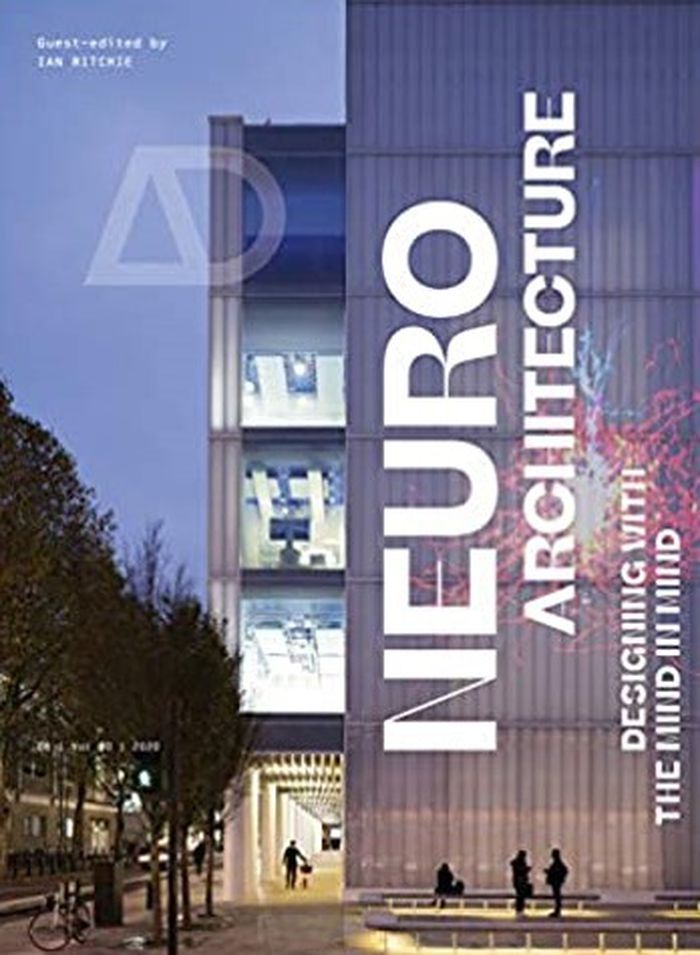
AD 90:06 Neuroarchitecture. Designing with the mind in mind
Actions:
Prix:
$47.95
(disponible sur commande)
Résumé:
Applying the insights of neuroscience to architecture has the potential to deliver buildings and spaces that measurably promote well-being and create healthier or more effective environments for specific activities. There is, however, a risk that neuroarchitecture will become just another buzzword, a passing architectural fashion or a marketing exercise just as 'eco', 'green' and 'sustainable' have become. This issue of AD offers the reader an alternative to 'neuro' sound-bites and exposes them to the thinking which led to the design of the Sainsbury Wellcome Centre for Neural Circuits and Behaviour (SWC), a pioneering medical research facility designed to foster collaboration between researchers.
Classification:
livres
livres
Publication:
janvier 2021
janvier 2021
Sujet:
Théorie de l’architecture
Théorie de l’architecture
Classification:
livres
livres
Actions:
Prix:
$63.00
(disponible sur commande)
Résumé:
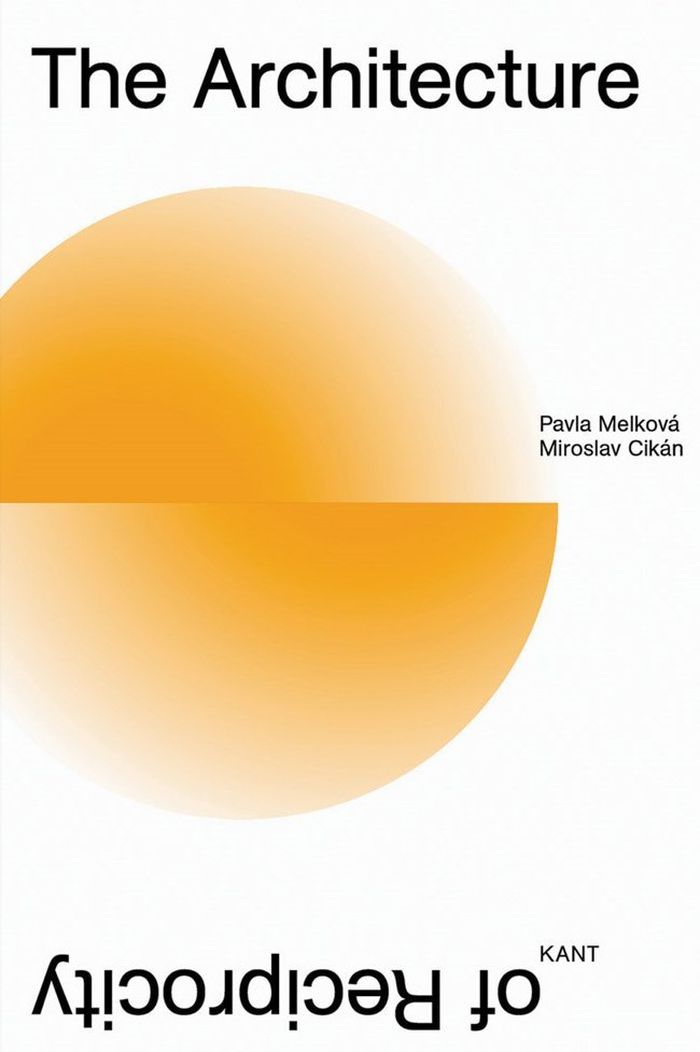
This volume responds to current thinking on the built environment, foregrounding the ways in which architecture fosters relations between people and to nature, and asking: what forms of social life does architecture cause, after it's built?
$63.00
(disponible sur commande)
Résumé:
This volume responds to current thinking on the built environment, foregrounding the ways in which architecture fosters relations between people and to nature, and asking: what forms of social life does architecture cause, after it's built?
Titre:
The architecture of reciprocity
Actions:
Prix:
$63.00
(disponible sur commande)
Résumé:
This volume responds to current thinking on the built environment, foregrounding the ways in which architecture fosters relations between people and to nature, and asking: what forms of social life does architecture cause, after it's built?
Classification:
livres
livres
Publication:
avril 2021
avril 2021
Sujet:
Théorie de l’architecture
Théorie de l’architecture
Classification:
livres
livres

Prix:
$45.00
(disponible sur commande)
Résumé:
'iheartblob' avails itself of a new visual vocabulary of architecture. Here designs are visualized not in the form of ground plans and sections. Instead, renderings, mixed-reality objects (which are depicted physically and in augmented reality) and animations are the media which reflect the legacy of the mathematician Lagrange. Visually, but also on the basis of short(...)
Titre:
iheartblob: Augmented architectural objects, a new visual language
Actions:
Prix:
$45.00
(disponible sur commande)
Résumé:
'iheartblob' avails itself of a new visual vocabulary of architecture. Here designs are visualized not in the form of ground plans and sections. Instead, renderings, mixed-reality objects (which are depicted physically and in augmented reality) and animations are the media which reflect the legacy of the mathematician Lagrange. Visually, but also on the basis of short theoretical texts, the book facilitates new discussions about the contemporary theoretical and cultural framework – and thus also about the “crisis of philosophy” faced not only by architecture. While the theoretical framework here invokes the principles of object-oriented ontology, in a subsequent step it attempts to unravel the theoretical principles of postmodernity and poststructural formalism.
Classification:
livres
livres
Publication:
juin 2020
juin 2020
Sujet:
Théorie de l’architecture
Théorie de l’architecture
Classification:
livres
livres

Titre:
Mid-century modernism and the American body: race, gender, and the politics of power in design
Mid-century modernism and the American body: race, gender, and the politics of power in design
Actions:
Prix:
$50.00
(disponible sur commande)
Résumé:
In the world of interior design, mid-century Modernism has left an indelible mark still seen and felt today in countless open-concept floor plans and spare, geometric furnishings. Yet despite our continued fascination, we rarely consider how this iconic design sensibility was marketed to the diverse audiences of its era. Examining advice manuals, advertisements in Life(...)
Titre:
Mid-century modernism and the American body: race, gender, and the politics of power in design
Actions:
Prix:
$50.00
(disponible sur commande)
Résumé:
In the world of interior design, mid-century Modernism has left an indelible mark still seen and felt today in countless open-concept floor plans and spare, geometric furnishings. Yet despite our continued fascination, we rarely consider how this iconic design sensibility was marketed to the diverse audiences of its era. Examining advice manuals, advertisements in Life and Ebony, furniture, art, and more, 'Mid-Century Modernism and the American Body' offers a powerful new look at how codes of race, gender, and identity influenced — and were influenced by — Modern design and shaped its presentation to consumers.
Classification:
livres
livres
Publication:
avril 2021
avril 2021
Sujet:
Théorie de l’architecture
Théorie de l’architecture
Classification:
livres
livres
Prix:
$59.50
(disponible en magasin)
Résumé:
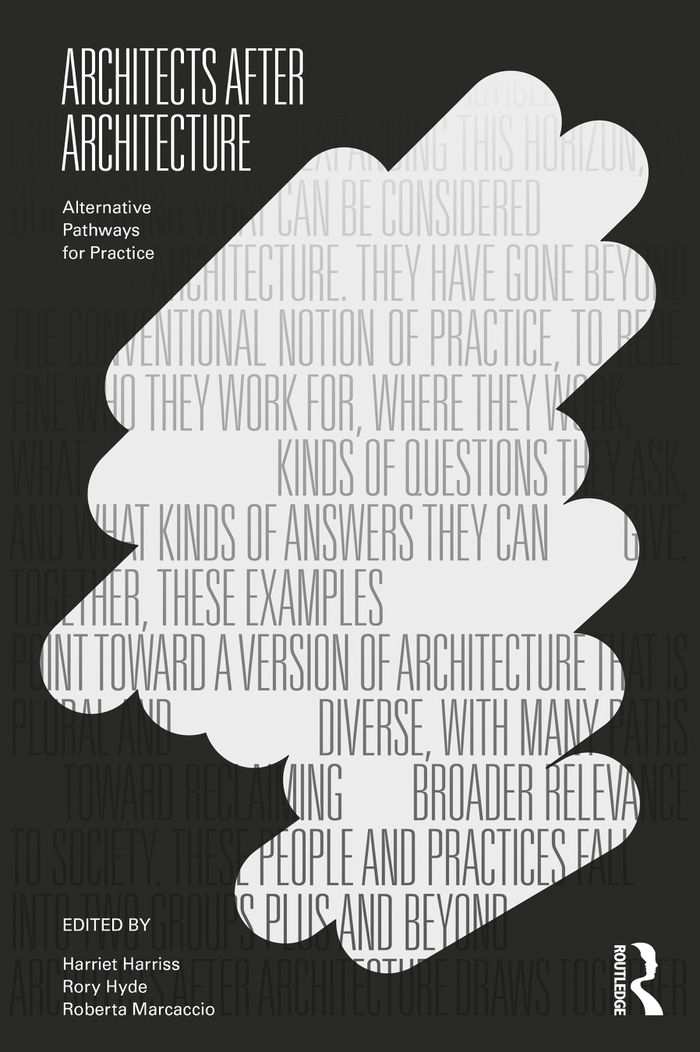
What can you do with a degree in architecture? Where might it take you? What kind of challenges could you address? Architects After Architecture reframes architecture as a uniquely versatile way of acting on the world, far beyond that of designing buildings. In this volume, we meet forty practitioners through profiles, case studies, and interviews, who have used their(...)
Sujet:
Théorie de l’architecture
Théorie de l’architecture
Publication:
décembre 2020
décembre 2020
Titre:
Architects after architecture: alternative pathways for practice
Actions:
Prix:
$59.50
(disponible en magasin)
Résumé:
What can you do with a degree in architecture? Where might it take you? What kind of challenges could you address? Architects After Architecture reframes architecture as a uniquely versatile way of acting on the world, far beyond that of designing buildings. In this volume, we meet forty practitioners through profiles, case studies, and interviews, who have used their architectural training in new and resourceful ways to tackle the climate crisis, work with refugees, advocate for diversity, start tech companies, become leading museum curators, tackle homelessness, draft public policy, become developers, design videogames, shape public discourse, and much more. Together, they describe a future of architecture that is diverse and engaged, expanding the limits of the discipline, and offering new paths forward in times of crisis.
Classification:
livres
livres
Publication:
décembre 2020
décembre 2020
Sujet:
Théorie de l’architecture
Théorie de l’architecture
Classification:
livres
livres
Actions:
Prix:
$42.00
(disponible sur commande)
Résumé:
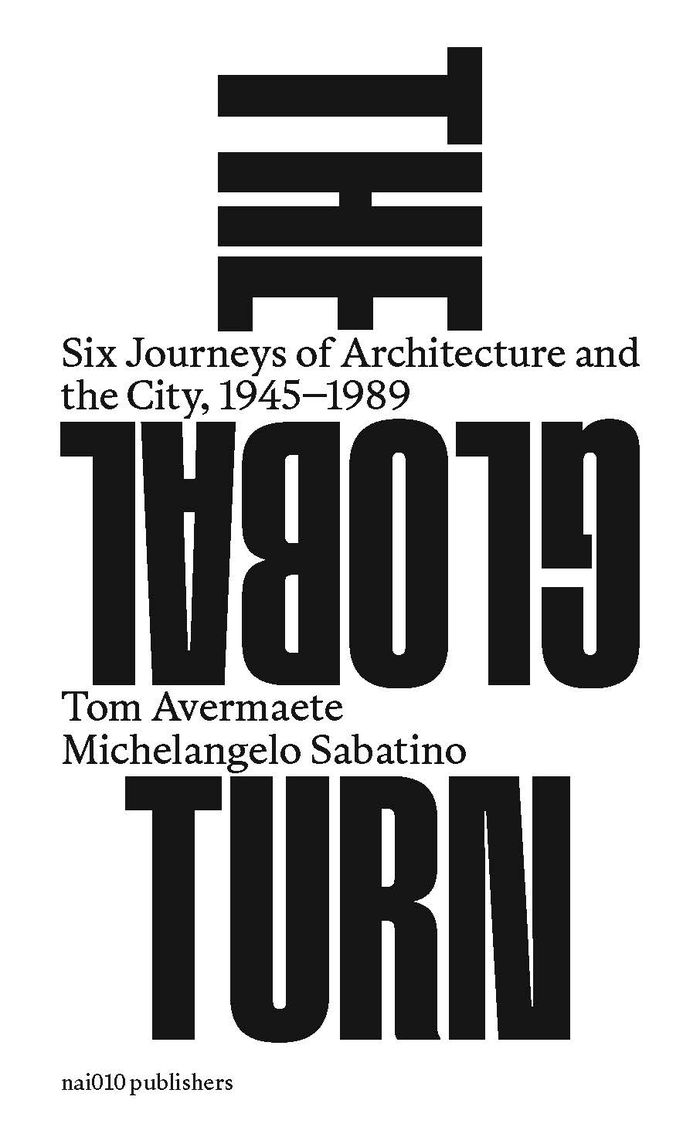
To what extent did the circulation of people, commodities and knowledge affect architecture and urban design between World War II and the fall of the Berlin Wall in 1989? Swiss urban studies professor Tom Avermaete teams up with Chicago-based architect Michelangelo Sabatino to interrogate the influence of globalization on postwar architecture. Globalization is a complex(...)
Titre:
The global turn: six journeys of architecture and the city, 1945-1989
Actions:
Prix:
$42.00
(disponible sur commande)
Résumé:
To what extent did the circulation of people, commodities and knowledge affect architecture and urban design between World War II and the fall of the Berlin Wall in 1989? Swiss urban studies professor Tom Avermaete teams up with Chicago-based architect Michelangelo Sabatino to interrogate the influence of globalization on postwar architecture. Globalization is a complex phenomenon that has profoundly affected the practice of designers and engineers in the postwar era as it simultaneously expands and shrinks the world in which we live. Avermaete and Sabatino arrive at several conclusions through a diligent analysis of spatial, political and social geographies, from airports and hotels to construction materials and labor. ''The Global Turn'' presents their findings in a series of six short essays, providing a fresh viewpoint on a new worldwide environment that gives as much as it takes.
Classification:
livres
livres
Publication:
juin 2025
juin 2025
Sujet:
Théorie de l’architecture
Théorie de l’architecture


