


2221 Résultats
Classification:
livres
livres
Actions:
Prix:
$40.00
(disponible sur commande)
Résumé:
This book presents the untold stories of the people, politics, and production chains behind architecture, real estate, and construction in areas surrounding New Delhi, India. The personal histories of those in India's large laboring classes are brought to life as Namita Vijay Dharia discusses the aggressive environmental and ecological metamorphosis of the region in the(...)
$40.00
(disponible sur commande)
Résumé:
This book presents the untold stories of the people, politics, and production chains behind architecture, real estate, and construction in areas surrounding New Delhi, India. The personal histories of those in India's large laboring classes are brought to life as Namita Vijay Dharia discusses the aggressive environmental and ecological metamorphosis of the region in the(...)
Titre:
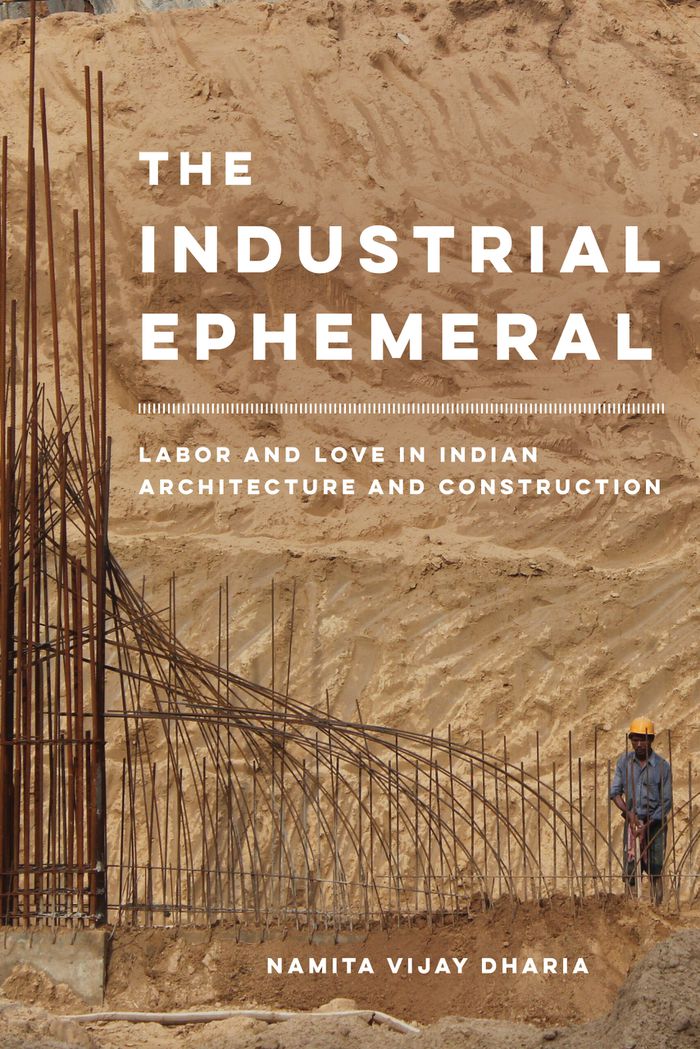
The industrial ephemeral: Labor and love in Indian architecture and construction
Actions:
Prix:
$40.00
(disponible sur commande)
Résumé:
This book presents the untold stories of the people, politics, and production chains behind architecture, real estate, and construction in areas surrounding New Delhi, India. The personal histories of those in India's large laboring classes are brought to life as Namita Vijay Dharia discusses the aggressive environmental and ecological metamorphosis of the region in the twenty-first century. Urban planning and architecture are messy processes that intertwine migratory pathways, corruption politics, labor struggle, ecological transformations, and technological development. Rampant construction activity produces an atmosphere of ephemerality in urban regions, creating an aesthetic condition that supports industrial political economy. Dharia's brilliant analysis of the sensibilities and experiences of work lends visibility to the struggle of workers in an era of growing urban inequality.
The industrial ephemeral: Labor and love in Indian architecture and construction
Actions:
Prix:
$40.00
(disponible sur commande)
Résumé:
This book presents the untold stories of the people, politics, and production chains behind architecture, real estate, and construction in areas surrounding New Delhi, India. The personal histories of those in India's large laboring classes are brought to life as Namita Vijay Dharia discusses the aggressive environmental and ecological metamorphosis of the region in the twenty-first century. Urban planning and architecture are messy processes that intertwine migratory pathways, corruption politics, labor struggle, ecological transformations, and technological development. Rampant construction activity produces an atmosphere of ephemerality in urban regions, creating an aesthetic condition that supports industrial political economy. Dharia's brilliant analysis of the sensibilities and experiences of work lends visibility to the struggle of workers in an era of growing urban inequality.
Classification:
livres
livres
Publication:
juillet 2022
juillet 2022
Sujet:
Théorie de l’architecture
Théorie de l’architecture
Classification:
livres
livres
Actions:
Prix:
$72.00
(disponible sur commande)
Résumé:
Lara Schrijver examines the work of Oswald Mathias Ungers and Rem Koolhaas as intellectual legacy of the 1970s for architecture today. Particularly in the United States, this period focused on the autonomy of architecture as a correction to the social orientation of the 1960s. Yet, these two architects pioneered a more situated autonomy, initiating an intellectual(...)
$72.00
(disponible sur commande)
Résumé:
Lara Schrijver examines the work of Oswald Mathias Ungers and Rem Koolhaas as intellectual legacy of the 1970s for architecture today. Particularly in the United States, this period focused on the autonomy of architecture as a correction to the social orientation of the 1960s. Yet, these two architects pioneered a more situated autonomy, initiating an intellectual(...)
Titre:
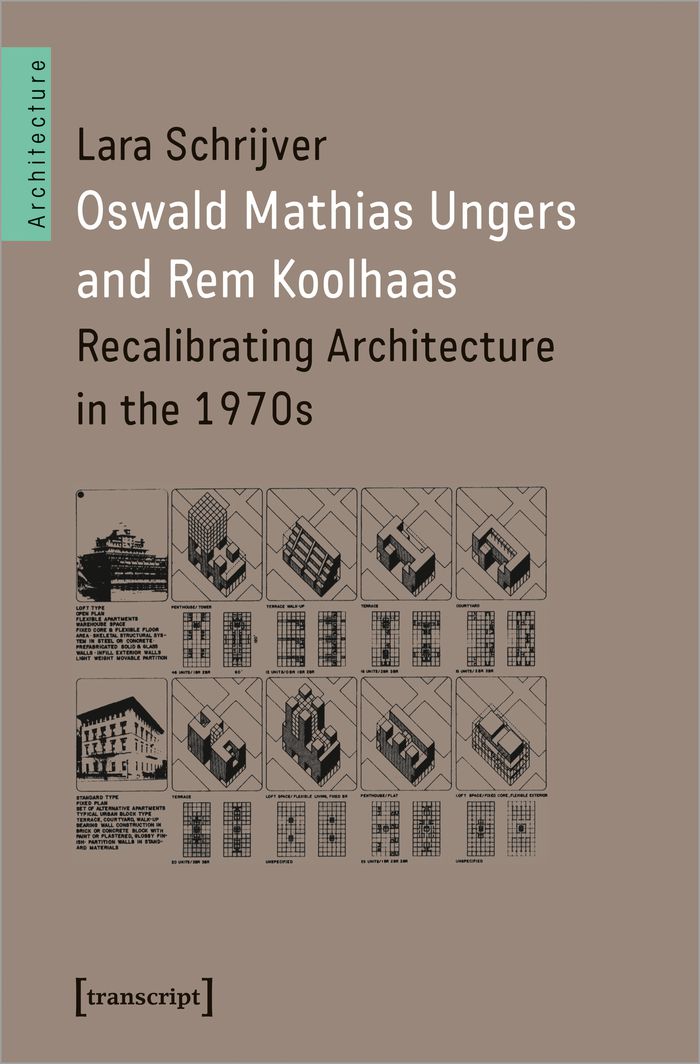
Oswald Mathias Ungers and Rem Koolhaas : Recalibrating Architecture in the 1970s
Actions:
Prix:
$72.00
(disponible sur commande)
Résumé:
Lara Schrijver examines the work of Oswald Mathias Ungers and Rem Koolhaas as intellectual legacy of the 1970s for architecture today. Particularly in the United States, this period focused on the autonomy of architecture as a correction to the social orientation of the 1960s. Yet, these two architects pioneered a more situated autonomy, initiating an intellectual discourse on architecture that was inherently design-based. Their work provides room for interpreting social conditions and disciplinary formal developments, thus constructing a `plausible' relationship between the two that allows the life within to flourish and adapt. In doing so, they provide a foundation for recalibrating architecture today.
Oswald Mathias Ungers and Rem Koolhaas : Recalibrating Architecture in the 1970s
Actions:
Prix:
$72.00
(disponible sur commande)
Résumé:
Lara Schrijver examines the work of Oswald Mathias Ungers and Rem Koolhaas as intellectual legacy of the 1970s for architecture today. Particularly in the United States, this period focused on the autonomy of architecture as a correction to the social orientation of the 1960s. Yet, these two architects pioneered a more situated autonomy, initiating an intellectual discourse on architecture that was inherently design-based. Their work provides room for interpreting social conditions and disciplinary formal developments, thus constructing a `plausible' relationship between the two that allows the life within to flourish and adapt. In doing so, they provide a foundation for recalibrating architecture today.
Classification:
livres
livres
Publication:
février 2022
février 2022
Sujet:
Théorie de l’architecture
Théorie de l’architecture
Classification:
livres
livres
Titre:
The ethics of architecture
The ethics of architecture
Actions:
Prix:
$42.99
(disponible en magasin)
Résumé:
A discussion of how architecture functions in a complex world of obligation and responsibility, with a preface offering specific discussion of architecture during and after the COVID-19 pandemic. What are the special ethical obligations assumed by architects? Because their work creates the basic material conditions that make all other human activity possible, architects(...)
$42.99
(disponible en magasin)
Résumé:
A discussion of how architecture functions in a complex world of obligation and responsibility, with a preface offering specific discussion of architecture during and after the COVID-19 pandemic. What are the special ethical obligations assumed by architects? Because their work creates the basic material conditions that make all other human activity possible, architects(...)
Titre:
The ethics of architecture
Actions:
Prix:
$42.99
(disponible en magasin)
Résumé:
A discussion of how architecture functions in a complex world of obligation and responsibility, with a preface offering specific discussion of architecture during and after the COVID-19 pandemic. What are the special ethical obligations assumed by architects? Because their work creates the basic material conditions that make all other human activity possible, architects and their associates in building enjoy vast influence on how we all live, work, play, worship, and think. With this influence comes tremendous, and not always examined, responsibility. This book addresses the range of ethical issues that architects face, with a broad understanding of ethics. Beyond strictly professional duties - transparency, technical competence, fair trading - lie more profound issues that move into aesthetic, political, and existential realms. Does an architect have a duty to create art, if not always beautiful art? Should an architect feel obliged to serve a community and not just a client? Is justice a possible orientation for architectural practice? Is there such a thing as feeling compelled to "shelter being" in architectural work? By taking these usually abstract questions into the region of physical creation, the book attempts a reformulation of "architectural ethics" as a matter of deep reflection on the architect's role as both citizen and caretaker.
The ethics of architecture
Actions:
Prix:
$42.99
(disponible en magasin)
Résumé:
A discussion of how architecture functions in a complex world of obligation and responsibility, with a preface offering specific discussion of architecture during and after the COVID-19 pandemic. What are the special ethical obligations assumed by architects? Because their work creates the basic material conditions that make all other human activity possible, architects and their associates in building enjoy vast influence on how we all live, work, play, worship, and think. With this influence comes tremendous, and not always examined, responsibility. This book addresses the range of ethical issues that architects face, with a broad understanding of ethics. Beyond strictly professional duties - transparency, technical competence, fair trading - lie more profound issues that move into aesthetic, political, and existential realms. Does an architect have a duty to create art, if not always beautiful art? Should an architect feel obliged to serve a community and not just a client? Is justice a possible orientation for architectural practice? Is there such a thing as feeling compelled to "shelter being" in architectural work? By taking these usually abstract questions into the region of physical creation, the book attempts a reformulation of "architectural ethics" as a matter of deep reflection on the architect's role as both citizen and caretaker.
Classification:
livres
livres
Publication:
mars 2021
mars 2021
Sujet:
Théorie de l’architecture
Théorie de l’architecture
Classification:
livres
livres
Actions:
Prix:
$39.95
(disponible sur commande)
Résumé:
Menna Agha and Ola Hassanain edit, curate, and annotate this collection of stories by black Europeans, in which they tell stories of African peoplehood in cities that didn’t want them. They gather and tell stories of care, refusal, and the many place-making emotions that carved black spaces despite European cities. This collection includes stories by k. eltinaé, Mário(...)
$39.95
(disponible sur commande)
Résumé:
Menna Agha and Ola Hassanain edit, curate, and annotate this collection of stories by black Europeans, in which they tell stories of African peoplehood in cities that didn’t want them. They gather and tell stories of care, refusal, and the many place-making emotions that carved black spaces despite European cities. This collection includes stories by k. eltinaé, Mário(...)
Publication:
février 2022
février 2022
Titre:
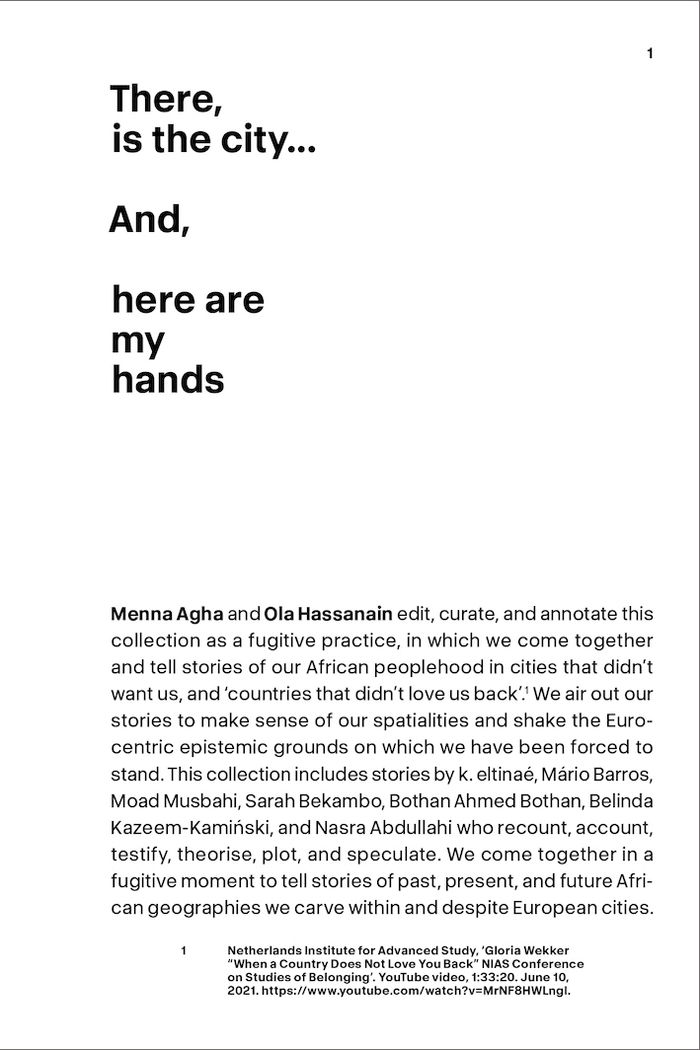
There, is the city... and, here are my hands
Actions:
Prix:
$39.95
(disponible sur commande)
Résumé:
Menna Agha and Ola Hassanain edit, curate, and annotate this collection of stories by black Europeans, in which they tell stories of African peoplehood in cities that didn’t want them. They gather and tell stories of care, refusal, and the many place-making emotions that carved black spaces despite European cities. This collection includes stories by k. eltinaé, Mário Barros, Moad Musbahi, Sarah Bekambo, Bothan Ahmed Botan, Belinda Kazeem-Kaminski, and Nasra Abdullahi who recount, account, testify, theorize, plot, and speculate. The storytellers write in a sense-making exercise that seeks to shake the epistemic grounds on which they were forced to stand.
There, is the city... and, here are my hands
Actions:
Prix:
$39.95
(disponible sur commande)
Résumé:
Menna Agha and Ola Hassanain edit, curate, and annotate this collection of stories by black Europeans, in which they tell stories of African peoplehood in cities that didn’t want them. They gather and tell stories of care, refusal, and the many place-making emotions that carved black spaces despite European cities. This collection includes stories by k. eltinaé, Mário Barros, Moad Musbahi, Sarah Bekambo, Bothan Ahmed Botan, Belinda Kazeem-Kaminski, and Nasra Abdullahi who recount, account, testify, theorize, plot, and speculate. The storytellers write in a sense-making exercise that seeks to shake the epistemic grounds on which they were forced to stand.
Classification:
livres
livres
Publication:
février 2022
février 2022
Classification:
livres
livres
Titre:
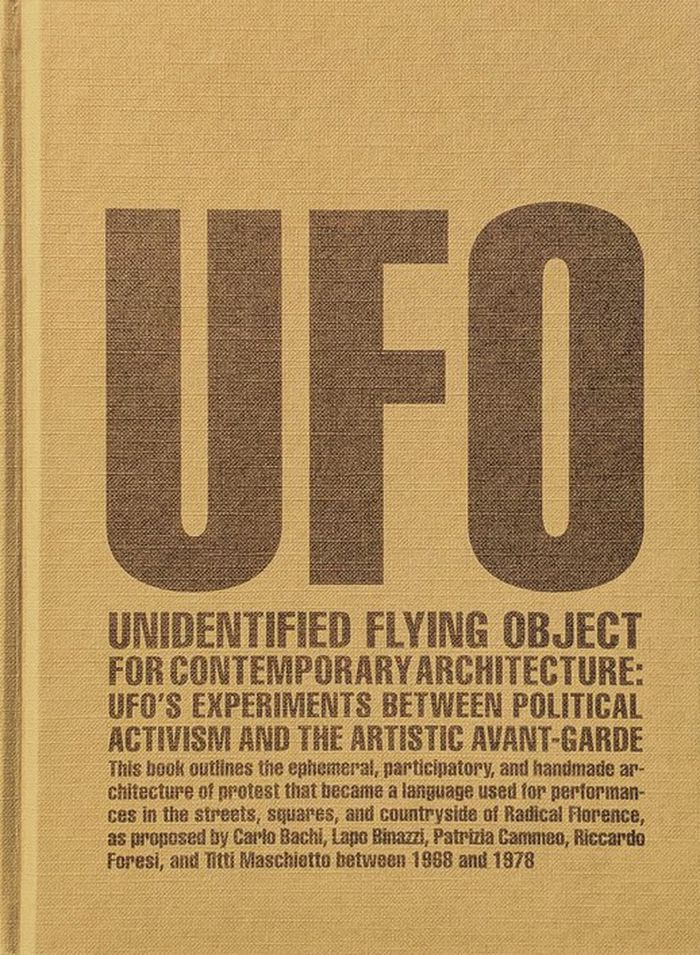
Unidentified flying object for contemporary architecture: ufo's experiments between political
Unidentified flying object for contemporary architecture: ufo's experiments between political
Actions:
Prix:
$60.00
(disponible en magasin)
Résumé:
The contemporary context is defined by a unique conjuncture. On one hand, we witness the revival of the radical architecture that from the avant-garde experiments of the origins recovers creative processes and iconographic fragments while nullifying the original ideological and political values. On the other hand, we see social protests in defense of fundamental rights(...)
$60.00
(disponible en magasin)
Résumé:
The contemporary context is defined by a unique conjuncture. On one hand, we witness the revival of the radical architecture that from the avant-garde experiments of the origins recovers creative processes and iconographic fragments while nullifying the original ideological and political values. On the other hand, we see social protests in defense of fundamental rights(...)
Sujet:
Théorie de l’architecture
Théorie de l’architecture
Publication:
mai 2022
mai 2022
Titre:
Unidentified flying object for contemporary architecture: ufo's experiments between political
Actions:
Prix:
$60.00
(disponible en magasin)
Résumé:
The contemporary context is defined by a unique conjuncture. On one hand, we witness the revival of the radical architecture that from the avant-garde experiments of the origins recovers creative processes and iconographic fragments while nullifying the original ideological and political values. On the other hand, we see social protests in defense of fundamental rights of democracy, as in 1968. Architecture is now reinvestigating those ephemeral experiments that have endured half a century as new "stone monuments" capable of indicating new perspectives for both research and design. Placing UFO group at the core of the contemporary debate means investigating their formal and seductive aspects, but also the ideological, political and social values with which objects, installations and happenings have been innervated, transforming them into devices of an architecture nourished by literature, art and political commitment for the foundation of an eloquent and activist project even more radical than the well-known Superstudio and Archizoom. The collaboration between Beatrice Lampariello and False Mirror Office lead to a monograph focused on the UFO’s work and an evaluation of their legacy relative to contemporary architecture.
Unidentified flying object for contemporary architecture: ufo's experiments between political
Actions:
Prix:
$60.00
(disponible en magasin)
Résumé:
The contemporary context is defined by a unique conjuncture. On one hand, we witness the revival of the radical architecture that from the avant-garde experiments of the origins recovers creative processes and iconographic fragments while nullifying the original ideological and political values. On the other hand, we see social protests in defense of fundamental rights of democracy, as in 1968. Architecture is now reinvestigating those ephemeral experiments that have endured half a century as new "stone monuments" capable of indicating new perspectives for both research and design. Placing UFO group at the core of the contemporary debate means investigating their formal and seductive aspects, but also the ideological, political and social values with which objects, installations and happenings have been innervated, transforming them into devices of an architecture nourished by literature, art and political commitment for the foundation of an eloquent and activist project even more radical than the well-known Superstudio and Archizoom. The collaboration between Beatrice Lampariello and False Mirror Office lead to a monograph focused on the UFO’s work and an evaluation of their legacy relative to contemporary architecture.
Classification:
livres
livres
Publication:
mai 2022
mai 2022
Sujet:
Théorie de l’architecture
Théorie de l’architecture
Classification:
livres
livres
Actions:
Prix:
$49.95
(disponible sur commande)
Résumé:
''Inventing Greenland'' is a critical and timely assemblage of stories highlighting a shifting landscape – one born from the imagination, projections, and ambitions of a wide range of actors. Geared towards a design audience, this book combines spatial sensibilities with Greenland's local cultural, social, and environmental realities. ''Inventing Greenland'' is a critical(...)
$49.95
(disponible sur commande)
Résumé:
''Inventing Greenland'' is a critical and timely assemblage of stories highlighting a shifting landscape – one born from the imagination, projections, and ambitions of a wide range of actors. Geared towards a design audience, this book combines spatial sensibilities with Greenland's local cultural, social, and environmental realities. ''Inventing Greenland'' is a critical(...)
Titre:
Inventing Greenland: designing an arctic nation
Actions:
Prix:
$49.95
(disponible sur commande)
Résumé:
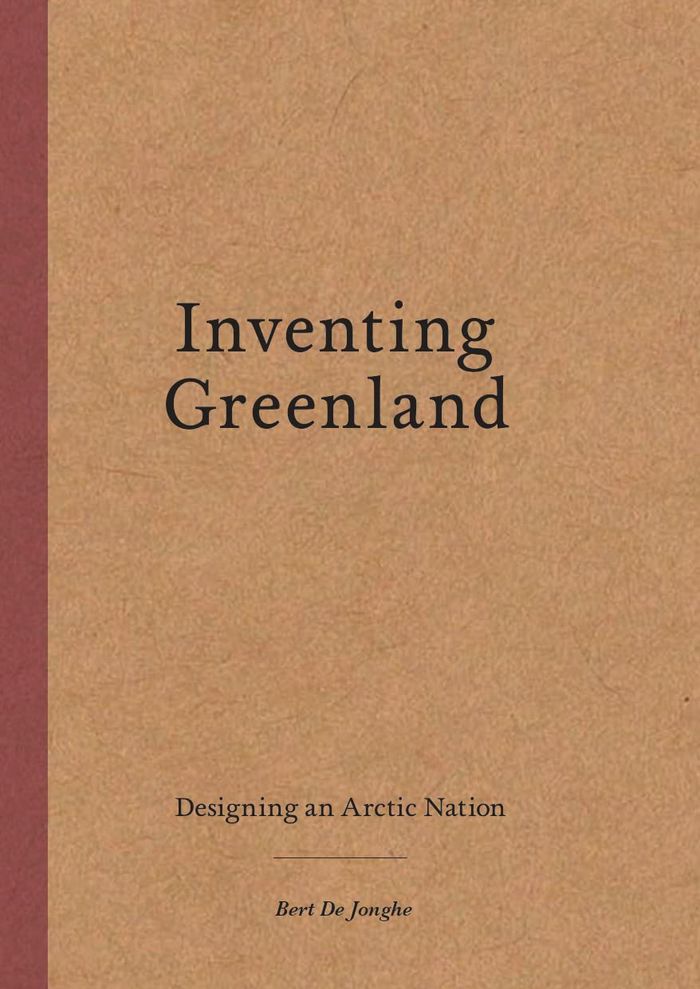
''Inventing Greenland'' is a critical and timely assemblage of stories highlighting a shifting landscape – one born from the imagination, projections, and ambitions of a wide range of actors. Geared towards a design audience, this book combines spatial sensibilities with Greenland's local cultural, social, and environmental realities. ''Inventing Greenland'' is a critical and timely assemblage of stories highlighting a shifting landscape – one born from the imagination, projections, and ambitions of a wide range of actors. Today, especially within the design discipline, there is a lack of understanding of Greenland as a complex constellation of perspectives, histories, and forces. This book aims to fill that knowledge vacuum. Geared towards architects, landscape architects, and urban planners, this book combines spatial sensibilities with local cultural, social, and environmental realities. More specifically, spatial sensibility is a way of responding to and reading beyond a diverse array of relationships in the built environment. Furthermore, ''Inventing Greenland'' provides a broad understanding of a unique island undergoing intense transformation while drawing attention to its historical and current challenges and emerging opportunities.
Inventing Greenland: designing an arctic nation
Actions:
Prix:
$49.95
(disponible sur commande)
Résumé:
''Inventing Greenland'' is a critical and timely assemblage of stories highlighting a shifting landscape – one born from the imagination, projections, and ambitions of a wide range of actors. Geared towards a design audience, this book combines spatial sensibilities with Greenland's local cultural, social, and environmental realities. ''Inventing Greenland'' is a critical and timely assemblage of stories highlighting a shifting landscape – one born from the imagination, projections, and ambitions of a wide range of actors. Today, especially within the design discipline, there is a lack of understanding of Greenland as a complex constellation of perspectives, histories, and forces. This book aims to fill that knowledge vacuum. Geared towards architects, landscape architects, and urban planners, this book combines spatial sensibilities with local cultural, social, and environmental realities. More specifically, spatial sensibility is a way of responding to and reading beyond a diverse array of relationships in the built environment. Furthermore, ''Inventing Greenland'' provides a broad understanding of a unique island undergoing intense transformation while drawing attention to its historical and current challenges and emerging opportunities.
Classification:
livres
livres
Publication:
juillet 2022
juillet 2022
Sujet:
Théorie de l’architecture
Théorie de l’architecture
Classification:
livres
livres
Actions:
Prix:
$46.95
(disponible en magasin)
Résumé:
''De architectura'', written by Vitruvius in the first century BCE, is revered as the first treatise on architectural theory. Since its Renaissance resurrection, the enigmatic text has been adapted, refined, and redefined in subsequent iterations. ''Vitruvius without text'' bypasses critical interpretations to focus on the material history of the printed editions that(...)
$46.95
(disponible en magasin)
Résumé:
''De architectura'', written by Vitruvius in the first century BCE, is revered as the first treatise on architectural theory. Since its Renaissance resurrection, the enigmatic text has been adapted, refined, and redefined in subsequent iterations. ''Vitruvius without text'' bypasses critical interpretations to focus on the material history of the printed editions that(...)
Titre:
Vitruvius without text: the biography of a book
Actions:
Prix:
$46.95
(disponible en magasin)
Résumé:
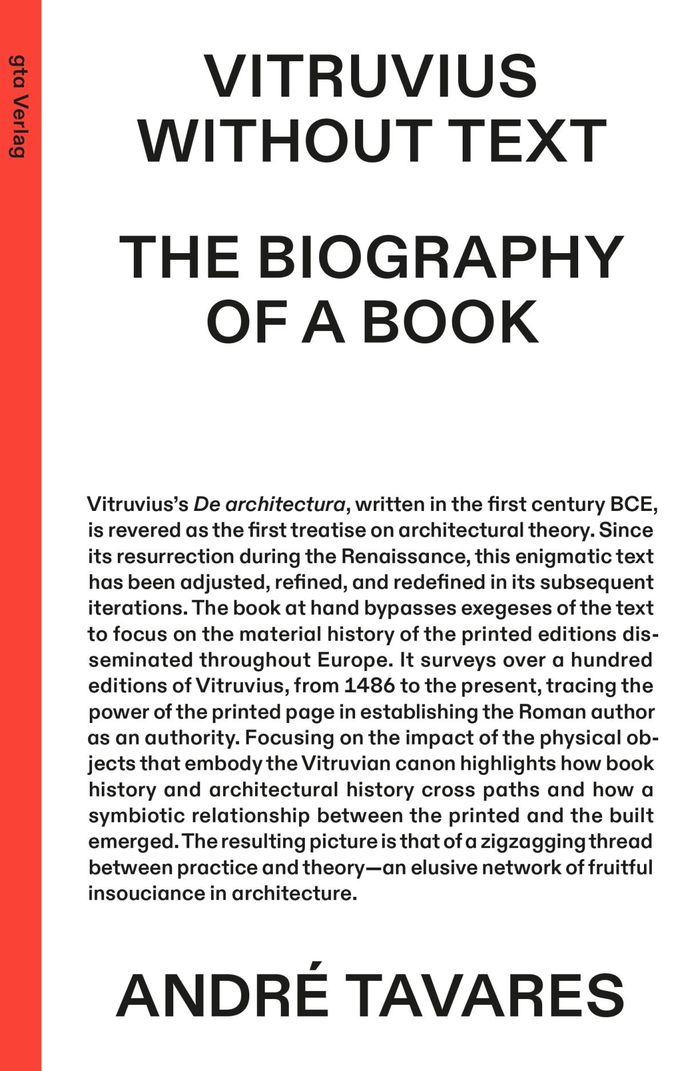
''De architectura'', written by Vitruvius in the first century BCE, is revered as the first treatise on architectural theory. Since its Renaissance resurrection, the enigmatic text has been adapted, refined, and redefined in subsequent iterations. ''Vitruvius without text'' bypasses critical interpretations to focus on the material history of the printed editions that appeared throughout Europe. It surveys over 100 editions from 1486 to the present, tracing the power of the printed page in establishing the Roman author as an authority. By focusing on the impact of the physical objects of the Vitruvian canon, it highlights how the history of printing and architecture intersect to form a symbiotic relationship.
Vitruvius without text: the biography of a book
Actions:
Prix:
$46.95
(disponible en magasin)
Résumé:
''De architectura'', written by Vitruvius in the first century BCE, is revered as the first treatise on architectural theory. Since its Renaissance resurrection, the enigmatic text has been adapted, refined, and redefined in subsequent iterations. ''Vitruvius without text'' bypasses critical interpretations to focus on the material history of the printed editions that appeared throughout Europe. It surveys over 100 editions from 1486 to the present, tracing the power of the printed page in establishing the Roman author as an authority. By focusing on the impact of the physical objects of the Vitruvian canon, it highlights how the history of printing and architecture intersect to form a symbiotic relationship.
Classification:
livres
livres
Publication:
juillet 2022
juillet 2022
Sujet:
Théorie de l’architecture
Théorie de l’architecture
Classification:
livres
livres
Actions:
Prix:
$40.25
(disponible sur commande)
Résumé:
This is a collection of provocative essays that journey into the vexed circumstance of contemporary architectural practice. The nature of the great cultural, social, political, environmental, and consumerist challenges facing the contemporary architect are explored, interpreted, and questioned, while drawing connections from architecture theory, philosophy, science,(...)
$40.25
(disponible sur commande)
Résumé:
This is a collection of provocative essays that journey into the vexed circumstance of contemporary architectural practice. The nature of the great cultural, social, political, environmental, and consumerist challenges facing the contemporary architect are explored, interpreted, and questioned, while drawing connections from architecture theory, philosophy, science,(...)
Titre:
Truth and lies in architecture
Actions:
Prix:
$40.25
(disponible sur commande)
Résumé:
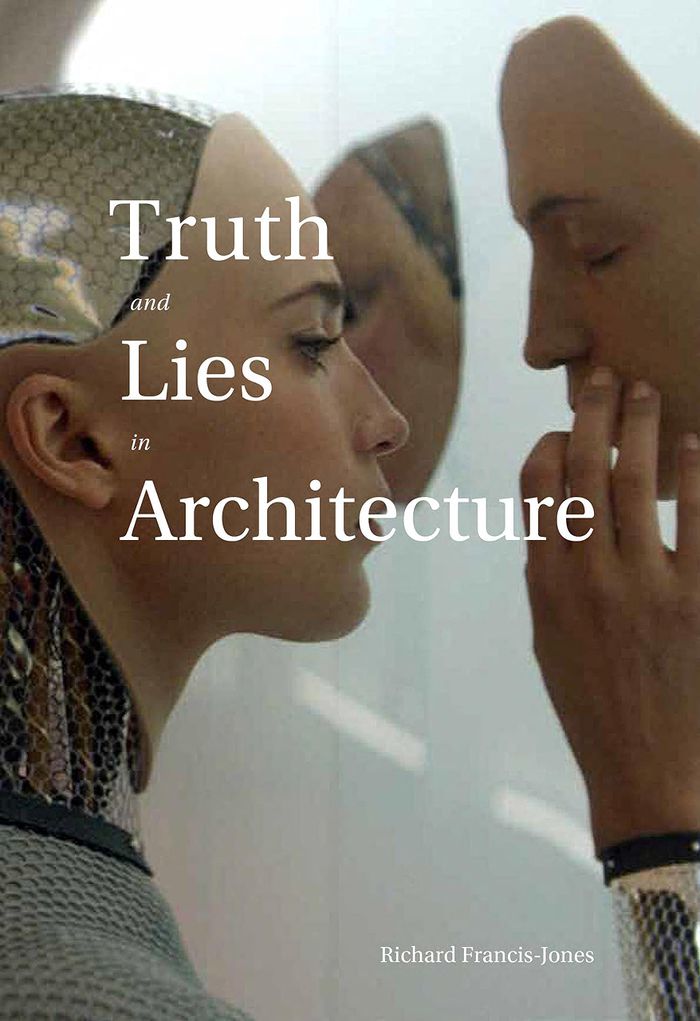
This is a collection of provocative essays that journey into the vexed circumstance of contemporary architectural practice. The nature of the great cultural, social, political, environmental, and consumerist challenges facing the contemporary architect are explored, interpreted, and questioned, while drawing connections from architecture theory, philosophy, science, literature, and film sources in an attempt to negotiate the territory between the truth and lies in architecture.
Truth and lies in architecture
Actions:
Prix:
$40.25
(disponible sur commande)
Résumé:
This is a collection of provocative essays that journey into the vexed circumstance of contemporary architectural practice. The nature of the great cultural, social, political, environmental, and consumerist challenges facing the contemporary architect are explored, interpreted, and questioned, while drawing connections from architecture theory, philosophy, science, literature, and film sources in an attempt to negotiate the territory between the truth and lies in architecture.
Classification:
livres
livres
Publication:
mai 2022
mai 2022
Sujet:
Théorie de l’architecture
Théorie de l’architecture
Classification:
livres
livres
Actions:
Prix:
$29.00
(disponible sur commande)
Résumé:
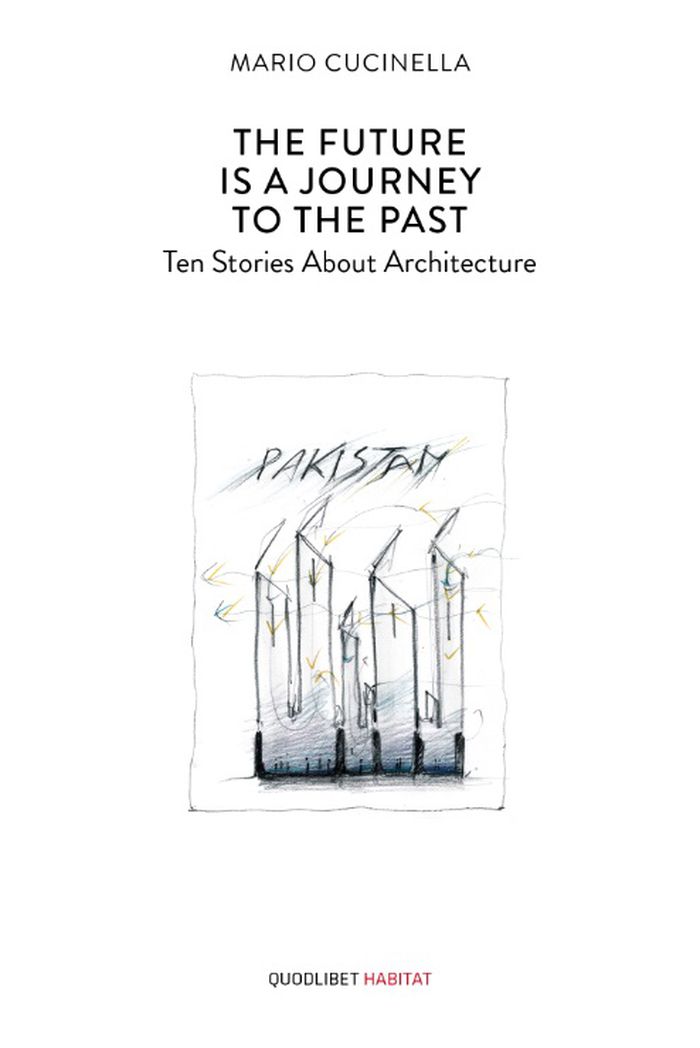
After decades spent sensitizing his own field of work to themes concerning people’s respect for nature, Mario Cucinella has collected his memories of ten journeys to cities and other places. Each one of them provided him with food for thought that was neither exotic nor ''stylistic,'' but rather pragmatically environmental, and helped him to reflect on the rational(...)
$29.00
(disponible sur commande)
Résumé:
After decades spent sensitizing his own field of work to themes concerning people’s respect for nature, Mario Cucinella has collected his memories of ten journeys to cities and other places. Each one of them provided him with food for thought that was neither exotic nor ''stylistic,'' but rather pragmatically environmental, and helped him to reflect on the rational(...)
Titre:
The future is a journey to the past: Ten stories about architecture
Actions:
Prix:
$29.00
(disponible sur commande)
Résumé:
After decades spent sensitizing his own field of work to themes concerning people’s respect for nature, Mario Cucinella has collected his memories of ten journeys to cities and other places. Each one of them provided him with food for thought that was neither exotic nor ''stylistic,'' but rather pragmatically environmental, and helped him to reflect on the rational exploitation of available energy resources – a common practice in the vernacular traditions of every culture, from Iran to China, and from Maghreb to Ireland. These ten stories about architecture project us forward.
The future is a journey to the past: Ten stories about architecture
Actions:
Prix:
$29.00
(disponible sur commande)
Résumé:
After decades spent sensitizing his own field of work to themes concerning people’s respect for nature, Mario Cucinella has collected his memories of ten journeys to cities and other places. Each one of them provided him with food for thought that was neither exotic nor ''stylistic,'' but rather pragmatically environmental, and helped him to reflect on the rational exploitation of available energy resources – a common practice in the vernacular traditions of every culture, from Iran to China, and from Maghreb to Ireland. These ten stories about architecture project us forward.
Classification:
livres
livres
Publication:
avril 2022
avril 2022
Sujet:
Théorie de l’architecture
Théorie de l’architecture
Classification:
livres
livres

Actions:
Prix:
$20.00
(disponible sur commande)
Résumé:
Interior architecture today operates at the intersection between physical and mediated spaces, such as those of mass communications, digital platforms or visual arts. Considering any form of representation as potentially architectural, from writing to photography, drawing to cinema, Javier Fernández Contreras traces the origins of this process of hybridisation between(...)
$20.00
(disponible sur commande)
Résumé:
Interior architecture today operates at the intersection between physical and mediated spaces, such as those of mass communications, digital platforms or visual arts. Considering any form of representation as potentially architectural, from writing to photography, drawing to cinema, Javier Fernández Contreras traces the origins of this process of hybridisation between(...)
Titre:
Manifestes 1: Manifesto of interiors, thinking in the expanded media
Actions:
Prix:
$20.00
(disponible sur commande)
Résumé:
Interior architecture today operates at the intersection between physical and mediated spaces, such as those of mass communications, digital platforms or visual arts. Considering any form of representation as potentially architectural, from writing to photography, drawing to cinema, Javier Fernández Contreras traces the origins of this process of hybridisation between space and media back to the Renaissance and addresses the role of interiors as an experimental laboratory of late modernity. Combining historic scholarship with bold hypotheses, his essay explores contemporary interiors as platforms of ‘expanded media’, examining their belonging to different places and temporalities, whether physical or virtual, close or distant, ultimately reasserting the role of interior architecture in the construction of contemporaneity.
Manifestes 1: Manifesto of interiors, thinking in the expanded media
Actions:
Prix:
$20.00
(disponible sur commande)
Résumé:
Interior architecture today operates at the intersection between physical and mediated spaces, such as those of mass communications, digital platforms or visual arts. Considering any form of representation as potentially architectural, from writing to photography, drawing to cinema, Javier Fernández Contreras traces the origins of this process of hybridisation between space and media back to the Renaissance and addresses the role of interiors as an experimental laboratory of late modernity. Combining historic scholarship with bold hypotheses, his essay explores contemporary interiors as platforms of ‘expanded media’, examining their belonging to different places and temporalities, whether physical or virtual, close or distant, ultimately reasserting the role of interior architecture in the construction of contemporaneity.
Classification:
livres
livres
Publication:
janvier 2022
janvier 2022
Sujet:
Théorie de l’architecture
Théorie de l’architecture


