


2221 Résultats
Classification:
livres
livres
Actions:
Prix:
$65.95
(disponible sur commande)
Résumé:
Presenting the first formulation of the central subject, this volume challenges major assumptions long held by Western art historians and provides new ways of thinking about, looking at, and understanding Byzantine art in its broadest geographic and chronological framework, from A.D. 300 to the early nineteenth century.
$65.95
(disponible sur commande)
Résumé:
Presenting the first formulation of the central subject, this volume challenges major assumptions long held by Western art historians and provides new ways of thinking about, looking at, and understanding Byzantine art in its broadest geographic and chronological framework, from A.D. 300 to the early nineteenth century.
Titre:
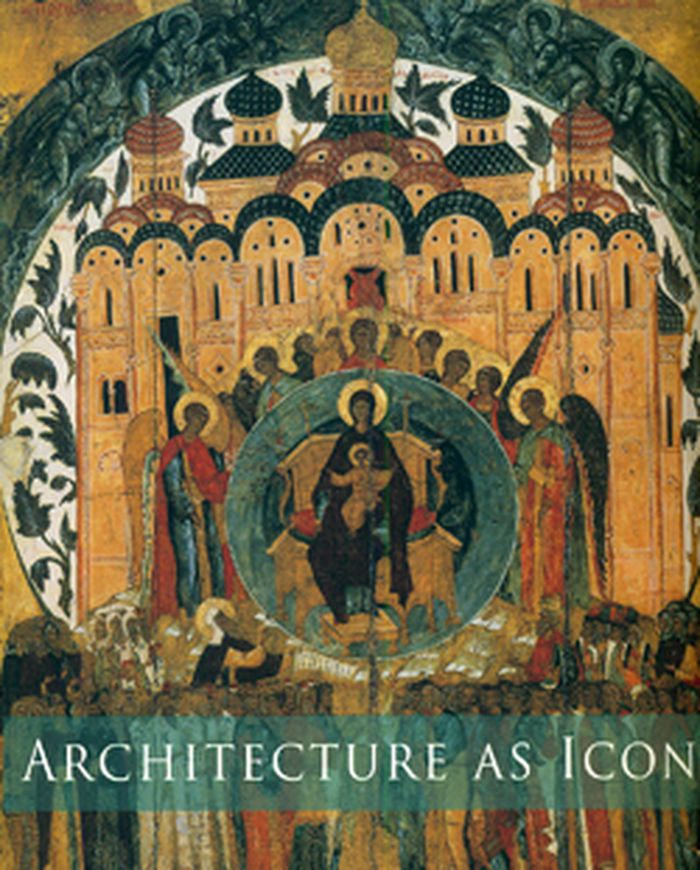
Architecture as icon: Perception and representation of architecture in Byzantine art
Actions:
Prix:
$65.95
(disponible sur commande)
Résumé:
Presenting the first formulation of the central subject, this volume challenges major assumptions long held by Western art historians and provides new ways of thinking about, looking at, and understanding Byzantine art in its broadest geographic and chronological framework, from A.D. 300 to the early nineteenth century.
Architecture as icon: Perception and representation of architecture in Byzantine art
Actions:
Prix:
$65.95
(disponible sur commande)
Résumé:
Presenting the first formulation of the central subject, this volume challenges major assumptions long held by Western art historians and provides new ways of thinking about, looking at, and understanding Byzantine art in its broadest geographic and chronological framework, from A.D. 300 to the early nineteenth century.
Classification:
livres
livres
Publication:
janvier 2010
janvier 2010
Sujet:
Théorie de l’architecture
Théorie de l’architecture
Classification:
livres
livres
Titre:
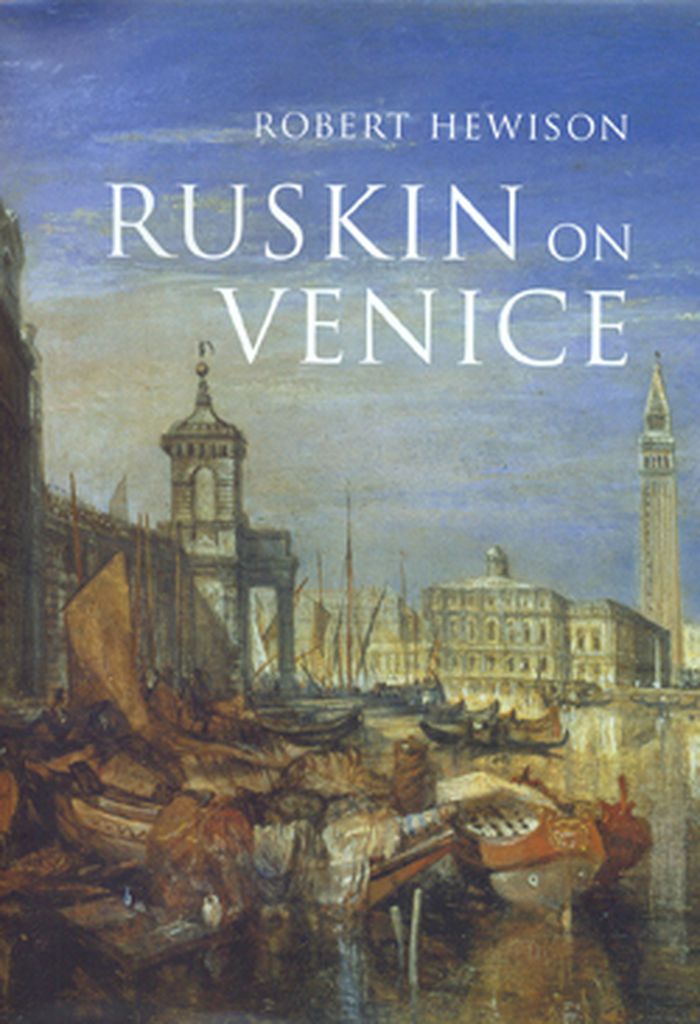
Ruskin on Venice
Ruskin on Venice
Actions:
Prix:
$90.00
(disponible sur commande)
Résumé:
Venice represented John Ruskin’s ideal of civic society—“The Paradise of Cities,” where culture, government, and faith existed in creative harmony. Robert Hewison traces Ruskin’s long and intricate relationship with the city. He shows how Ruskin shed his earlier Romantic vision of the city and developed a harder, clearer conception of neglected Gothic Venice through an(...)
$90.00
(disponible sur commande)
Résumé:
Venice represented John Ruskin’s ideal of civic society—“The Paradise of Cities,” where culture, government, and faith existed in creative harmony. Robert Hewison traces Ruskin’s long and intricate relationship with the city. He shows how Ruskin shed his earlier Romantic vision of the city and developed a harder, clearer conception of neglected Gothic Venice through an(...)
Titre:
Ruskin on Venice
Actions:
Prix:
$90.00
(disponible sur commande)
Résumé:
Venice represented John Ruskin’s ideal of civic society—“The Paradise of Cities,” where culture, government, and faith existed in creative harmony. Robert Hewison traces Ruskin’s long and intricate relationship with the city. He shows how Ruskin shed his earlier Romantic vision of the city and developed a harder, clearer conception of neglected Gothic Venice through an intense study of the city's physical fabric that would change the international understanding of the city. Drawing on the rich resources of Ruskin’s drawings, architectural notebooks, and manuscripts, Hewison offers insights into both Ruskin and nineteenth-century Venice and reveals how Ruskin’s work and his connection with the city from youth to old age have helped to shape the image of the Venice we know today.
Ruskin on Venice
Actions:
Prix:
$90.00
(disponible sur commande)
Résumé:
Venice represented John Ruskin’s ideal of civic society—“The Paradise of Cities,” where culture, government, and faith existed in creative harmony. Robert Hewison traces Ruskin’s long and intricate relationship with the city. He shows how Ruskin shed his earlier Romantic vision of the city and developed a harder, clearer conception of neglected Gothic Venice through an intense study of the city's physical fabric that would change the international understanding of the city. Drawing on the rich resources of Ruskin’s drawings, architectural notebooks, and manuscripts, Hewison offers insights into both Ruskin and nineteenth-century Venice and reveals how Ruskin’s work and his connection with the city from youth to old age have helped to shape the image of the Venice we know today.
Classification:
livres
livres
Publication:
février 2010
février 2010
Sujet:
Théorie de l’architecture
Théorie de l’architecture
Classification:
livres
livres
Actions:
Prix:
$55.00
(disponible sur commande)
Résumé:
"As architects," writes David Chipperfield, "we must both be part of and stand apart from the culture within which we operate. To be effective we must embrace power but also distance ourselves, we must engage in dialogue and we must refuse to listen, we must explore the familiar and the unfamiliar, we must embrace history and reject it. Finally we must resolve our ideas(...)
$55.00
(disponible sur commande)
Résumé:
"As architects," writes David Chipperfield, "we must both be part of and stand apart from the culture within which we operate. To be effective we must embrace power but also distance ourselves, we must engage in dialogue and we must refuse to listen, we must explore the familiar and the unfamiliar, we must embrace history and reject it. Finally we must resolve our ideas(...)
Titre:
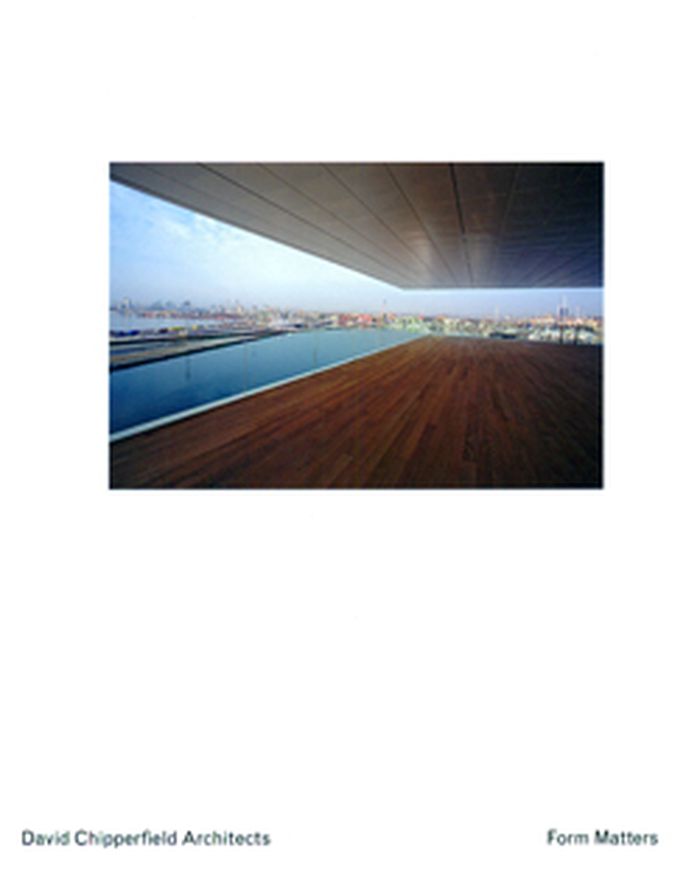
David Chipperfield: form matters
Actions:
Prix:
$55.00
(disponible sur commande)
Résumé:
"As architects," writes David Chipperfield, "we must both be part of and stand apart from the culture within which we operate. To be effective we must embrace power but also distance ourselves, we must engage in dialogue and we must refuse to listen, we must explore the familiar and the unfamiliar, we must embrace history and reject it. Finally we must resolve our ideas in matter and form." This publication was initiated and designed by the architect, who, in four sections, writes on form, language, composition and materiality. His choice of images, including architectural sketches and drawings, help to make this a personal notebook that documents the resolution and realization of formal ideas from his own viewpoint. Also featuring plans and illustrations of built and unbuilt projects, it explores the relationship between form and matter, both theoretically and practically.
David Chipperfield: form matters
Actions:
Prix:
$55.00
(disponible sur commande)
Résumé:
"As architects," writes David Chipperfield, "we must both be part of and stand apart from the culture within which we operate. To be effective we must embrace power but also distance ourselves, we must engage in dialogue and we must refuse to listen, we must explore the familiar and the unfamiliar, we must embrace history and reject it. Finally we must resolve our ideas in matter and form." This publication was initiated and designed by the architect, who, in four sections, writes on form, language, composition and materiality. His choice of images, including architectural sketches and drawings, help to make this a personal notebook that documents the resolution and realization of formal ideas from his own viewpoint. Also featuring plans and illustrations of built and unbuilt projects, it explores the relationship between form and matter, both theoretically and practically.
Classification:
livres
livres
Publication:
mars 2010
mars 2010
Sujet:
Théorie de l’architecture
Théorie de l’architecture
Classification:
livres
livres
Titre:
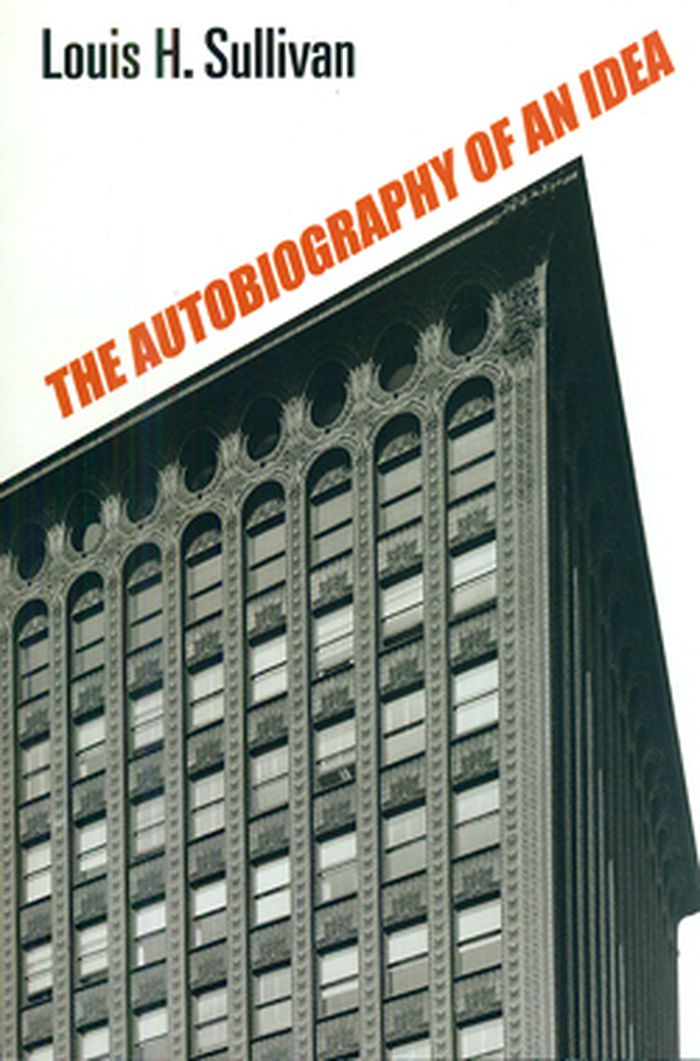
The autobiography of an idea
The autobiography of an idea
Actions:
Prix:
$20.25
(disponible sur commande)
Résumé:
This autobiography is a fascinating look at the early creative years of the pioneering American architect and theorist called the "father of the skyscraper." This publication includes a wealth of projects, insights, and evaluations.
$20.25
(disponible sur commande)
Résumé:
This autobiography is a fascinating look at the early creative years of the pioneering American architect and theorist called the "father of the skyscraper." This publication includes a wealth of projects, insights, and evaluations.
Titre:
The autobiography of an idea
Actions:
Prix:
$20.25
(disponible sur commande)
Résumé:
This autobiography is a fascinating look at the early creative years of the pioneering American architect and theorist called the "father of the skyscraper." This publication includes a wealth of projects, insights, and evaluations.
The autobiography of an idea
Actions:
Prix:
$20.25
(disponible sur commande)
Résumé:
This autobiography is a fascinating look at the early creative years of the pioneering American architect and theorist called the "father of the skyscraper." This publication includes a wealth of projects, insights, and evaluations.
Classification:
livres
livres
Publication:
février 2010
février 2010
Sujet:
Théorie de l’architecture
Théorie de l’architecture
Classification:
livres
livres
Actions:
Prix:
$27.95
(disponible sur commande)
Résumé:
What is Architectural History? considers the questions and problems posed by architectural historians since the rise of the discipline in the late nineteenth century. How do historians of architecture organise past time and relate it to the present? How does historical evidence translate into historical narrative? Leach treats the disciplinarity of architectural history(...)
$27.95
(disponible sur commande)
Résumé:
What is Architectural History? considers the questions and problems posed by architectural historians since the rise of the discipline in the late nineteenth century. How do historians of architecture organise past time and relate it to the present? How does historical evidence translate into historical narrative? Leach treats the disciplinarity of architectural history(...)
Titre:
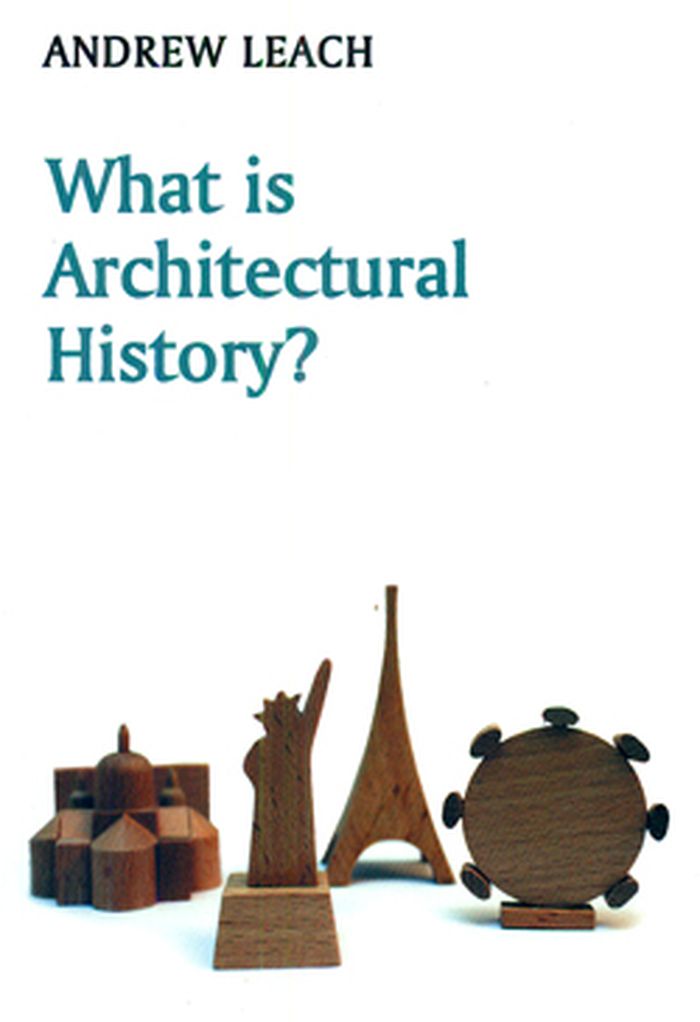
What is architectural history?
Actions:
Prix:
$27.95
(disponible sur commande)
Résumé:
What is Architectural History? considers the questions and problems posed by architectural historians since the rise of the discipline in the late nineteenth century. How do historians of architecture organise past time and relate it to the present? How does historical evidence translate into historical narrative? Leach treats the disciplinarity of architectural history as an open question, moving between three key approaches to historical knowledge of architecture: within art history, as an historical specialisation and, most prominently, within architecture.
What is architectural history?
Actions:
Prix:
$27.95
(disponible sur commande)
Résumé:
What is Architectural History? considers the questions and problems posed by architectural historians since the rise of the discipline in the late nineteenth century. How do historians of architecture organise past time and relate it to the present? How does historical evidence translate into historical narrative? Leach treats the disciplinarity of architectural history as an open question, moving between three key approaches to historical knowledge of architecture: within art history, as an historical specialisation and, most prominently, within architecture.
Classification:
livres
livres
Publication:
mai 2010
mai 2010
Sujet:
Théorie de l’architecture
Théorie de l’architecture
Classification:
livres
livres
Actions:
Prix:
$42.00
(disponible sur commande)
Résumé:
This revealing memoir by Aldo Rossi (1937–1997) intermingles discussions of Rossi's architectural projects—including the major literary and artistic influences on his work—with his personal history. Drawn from notebooks Rossi kept beginning in 1971, these ruminations and reflections range from his obsession with theater to his concept of architecture as ritual. The book(...)
$42.00
(disponible sur commande)
Résumé:
This revealing memoir by Aldo Rossi (1937–1997) intermingles discussions of Rossi's architectural projects—including the major literary and artistic influences on his work—with his personal history. Drawn from notebooks Rossi kept beginning in 1971, these ruminations and reflections range from his obsession with theater to his concept of architecture as ritual. The book(...)
Titre:
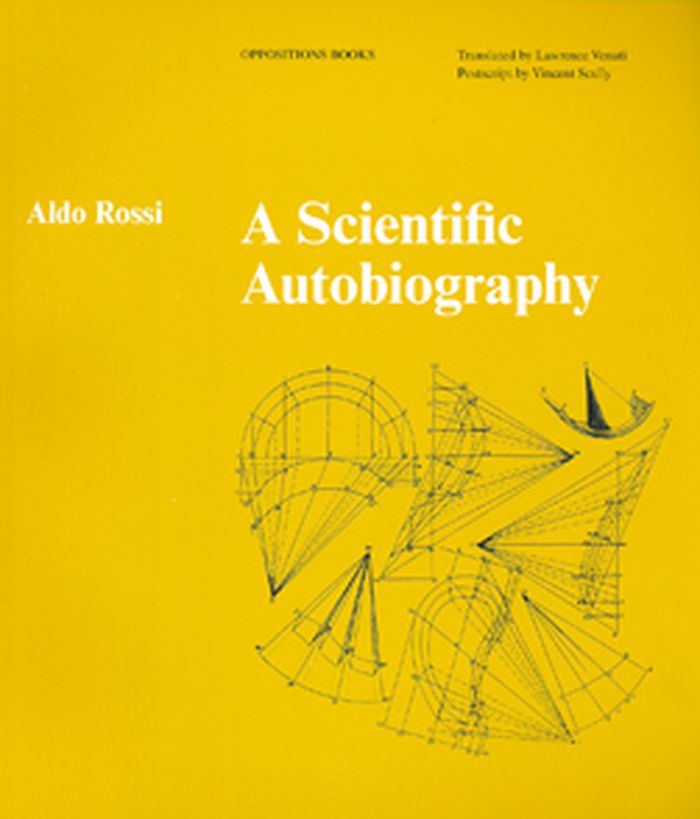
Aldo Rossi: a scientific autobiography
Actions:
Prix:
$42.00
(disponible sur commande)
Résumé:
This revealing memoir by Aldo Rossi (1937–1997) intermingles discussions of Rossi's architectural projects—including the major literary and artistic influences on his work—with his personal history. Drawn from notebooks Rossi kept beginning in 1971, these ruminations and reflections range from his obsession with theater to his concept of architecture as ritual. The book originally appeared as one of the landmark titles in the MIT Press's Oppositions Books series, but has been out of print for many years. This newly issued paperback reprint includes illustrations—photographs, evocative images, and a set of drawings of Rossi's major architectural projects—selected by the author himself to augment the text.
Aldo Rossi: a scientific autobiography
Actions:
Prix:
$42.00
(disponible sur commande)
Résumé:
This revealing memoir by Aldo Rossi (1937–1997) intermingles discussions of Rossi's architectural projects—including the major literary and artistic influences on his work—with his personal history. Drawn from notebooks Rossi kept beginning in 1971, these ruminations and reflections range from his obsession with theater to his concept of architecture as ritual. The book originally appeared as one of the landmark titles in the MIT Press's Oppositions Books series, but has been out of print for many years. This newly issued paperback reprint includes illustrations—photographs, evocative images, and a set of drawings of Rossi's major architectural projects—selected by the author himself to augment the text.
Classification:
livres
livres
Publication:
mars 2010
mars 2010
Sujet:
Théorie de l’architecture
Théorie de l’architecture
Classification:
livres
livres
Prix:
$31.95
(disponible sur commande)
Résumé:
Architecture or Techno-Utopia offers a detailed account of the ways in which the work of architects and designers can speak to the contemporary condition. Felicity Scott traces an alternative genealogy of the postmodern turn in American architecture, focusing on a set of experimental practices and polemics that emerged in the late 1960s and early 1970s.
$31.95
(disponible sur commande)
Résumé:
Architecture or Techno-Utopia offers a detailed account of the ways in which the work of architects and designers can speak to the contemporary condition. Felicity Scott traces an alternative genealogy of the postmodern turn in American architecture, focusing on a set of experimental practices and polemics that emerged in the late 1960s and early 1970s.
Publication:
avril 2010
avril 2010
Titre:
Architecture or Techno-utopia: Politics after Modernism
Actions:
Prix:
$31.95
(disponible sur commande)
Résumé:
Architecture or Techno-Utopia offers a detailed account of the ways in which the work of architects and designers can speak to the contemporary condition. Felicity Scott traces an alternative genealogy of the postmodern turn in American architecture, focusing on a set of experimental practices and polemics that emerged in the late 1960s and early 1970s.
Architecture or Techno-utopia: Politics after Modernism
Actions:
Prix:
$31.95
(disponible sur commande)
Résumé:
Architecture or Techno-Utopia offers a detailed account of the ways in which the work of architects and designers can speak to the contemporary condition. Felicity Scott traces an alternative genealogy of the postmodern turn in American architecture, focusing on a set of experimental practices and polemics that emerged in the late 1960s and early 1970s.
Classification:
livres
livres
Publication:
avril 2010
avril 2010
Classification:
livres
livres
Actions:
Prix:
$34.95
(disponible sur commande)
Résumé:
Jorge Otero-Pailos shows how architectural phenomenology radically transformed how architects engaged, theorized, and produced history. In the first critical intellectual account of the movement, Otero-Pailos discusses the contributions of leading members, including Jean Labatut, Charles Moore, Christian Norberg-Schulz, and Kenneth Frampton. For architects maturing after(...)
$34.95
(disponible sur commande)
Résumé:
Jorge Otero-Pailos shows how architectural phenomenology radically transformed how architects engaged, theorized, and produced history. In the first critical intellectual account of the movement, Otero-Pailos discusses the contributions of leading members, including Jean Labatut, Charles Moore, Christian Norberg-Schulz, and Kenneth Frampton. For architects maturing after(...)
Titre:
Architecture's historical turn: phenomenology and the rise of the postmodern
Actions:
Prix:
$34.95
(disponible sur commande)
Résumé:
Jorge Otero-Pailos shows how architectural phenomenology radically transformed how architects engaged, theorized, and produced history. In the first critical intellectual account of the movement, Otero-Pailos discusses the contributions of leading members, including Jean Labatut, Charles Moore, Christian Norberg-Schulz, and Kenneth Frampton. For architects maturing after World War II, Otero-Pailos contends, architectural history was a problem rather than a given. Paradoxically, their awareness of modernism’s historicity led some of them to search for an ahistorical experiential constant that might underpin all architectural expression. They drew from phenomenology, exploring the work of Bachelard, Merleau-Ponty, Heidegger, and Ricoeur, which they translated for architectural audiences. Initially, the concept that experience could be a timeless architectural language provided a unifying intellectual basis for the stylistic pluralism that characterized postmodernism. It helped give theory—especially the theory of architectural history—a new importance over practice. However, as Otero-Pailos makes clear, architectural phenomenologists could not accept the idea of theory as an end in itself. In the mid-1980s they were caught in the contradictory and untenable position of having to formulate their own demotion of theory.
Architecture's historical turn: phenomenology and the rise of the postmodern
Actions:
Prix:
$34.95
(disponible sur commande)
Résumé:
Jorge Otero-Pailos shows how architectural phenomenology radically transformed how architects engaged, theorized, and produced history. In the first critical intellectual account of the movement, Otero-Pailos discusses the contributions of leading members, including Jean Labatut, Charles Moore, Christian Norberg-Schulz, and Kenneth Frampton. For architects maturing after World War II, Otero-Pailos contends, architectural history was a problem rather than a given. Paradoxically, their awareness of modernism’s historicity led some of them to search for an ahistorical experiential constant that might underpin all architectural expression. They drew from phenomenology, exploring the work of Bachelard, Merleau-Ponty, Heidegger, and Ricoeur, which they translated for architectural audiences. Initially, the concept that experience could be a timeless architectural language provided a unifying intellectual basis for the stylistic pluralism that characterized postmodernism. It helped give theory—especially the theory of architectural history—a new importance over practice. However, as Otero-Pailos makes clear, architectural phenomenologists could not accept the idea of theory as an end in itself. In the mid-1980s they were caught in the contradictory and untenable position of having to formulate their own demotion of theory.
Classification:
livres
livres
Publication:
avril 2010
avril 2010
Sujet:
Théorie de l’architecture
Théorie de l’architecture
Classification:
livres
livres
Prix:
$38.99
(disponible sur commande)
Résumé:
Architectural postmodernism had a significant impact on the broader development of postmodern thought: Utopia’s Ghost is a critical reconsideration of their relationship. Combining discourse analysis, historical reconstruction, and close readings of buildings, projects, and texts from the 1970s and 1980s, Reinhold Martin argues that retheorizing postmodern architecture(...)
$38.99
(disponible sur commande)
Résumé:
Architectural postmodernism had a significant impact on the broader development of postmodern thought: Utopia’s Ghost is a critical reconsideration of their relationship. Combining discourse analysis, historical reconstruction, and close readings of buildings, projects, and texts from the 1970s and 1980s, Reinhold Martin argues that retheorizing postmodern architecture(...)
Titre:
Utopia's ghost: architecture and postmodernism, again
Actions:
Prix:
$38.99
(disponible sur commande)
Résumé:
Architectural postmodernism had a significant impact on the broader development of postmodern thought: Utopia’s Ghost is a critical reconsideration of their relationship. Combining discourse analysis, historical reconstruction, and close readings of buildings, projects, and texts from the 1970s and 1980s, Reinhold Martin argues that retheorizing postmodern architecture gives us new insights into cultural postmodernism and its aftermath.
Utopia's ghost: architecture and postmodernism, again
Actions:
Prix:
$38.99
(disponible sur commande)
Résumé:
Architectural postmodernism had a significant impact on the broader development of postmodern thought: Utopia’s Ghost is a critical reconsideration of their relationship. Combining discourse analysis, historical reconstruction, and close readings of buildings, projects, and texts from the 1970s and 1980s, Reinhold Martin argues that retheorizing postmodern architecture gives us new insights into cultural postmodernism and its aftermath.
Classification:
livres
livres
Publication:
avril 2010
avril 2010
Sujet:
Théorie de l’architecture
Théorie de l’architecture
Classification:
livres
livres

Actions:
Prix:
$32.95
(disponible sur commande)
Résumé:
Abigail A. Van Slyck discusses the most visible and evocative aspect of camp life: its landscape and architecture. She argues that summer camps delivered much more than a simple encounter with the natural world. Instead, she suggests, camps provided a man-made version of wilderness, shaped by middle-class anxieties about gender roles, class tensions, race relations, and(...)
$32.95
(disponible sur commande)
Résumé:
Abigail A. Van Slyck discusses the most visible and evocative aspect of camp life: its landscape and architecture. She argues that summer camps delivered much more than a simple encounter with the natural world. Instead, she suggests, camps provided a man-made version of wilderness, shaped by middle-class anxieties about gender roles, class tensions, race relations, and(...)
Titre:
A manufactured wilderness: Summer camps and the shaping of American youth, 1890-1960
Actions:
Prix:
$32.95
(disponible sur commande)
Résumé:
Abigail A. Van Slyck discusses the most visible and evocative aspect of camp life: its landscape and architecture. She argues that summer camps delivered much more than a simple encounter with the natural world. Instead, she suggests, camps provided a man-made version of wilderness, shaped by middle-class anxieties about gender roles, class tensions, race relations, and modernity and its impact on the lives of children.
A manufactured wilderness: Summer camps and the shaping of American youth, 1890-1960
Actions:
Prix:
$32.95
(disponible sur commande)
Résumé:
Abigail A. Van Slyck discusses the most visible and evocative aspect of camp life: its landscape and architecture. She argues that summer camps delivered much more than a simple encounter with the natural world. Instead, she suggests, camps provided a man-made version of wilderness, shaped by middle-class anxieties about gender roles, class tensions, race relations, and modernity and its impact on the lives of children.
Classification:
livres
livres
Publication:
avril 2010
avril 2010
Sujet:
Théorie de l’architecture
Théorie de l’architecture


