


2221 Résultats
Classification:
livres
livres
Actions:
Prix:
$39.95
(disponible sur commande)
Résumé:
Islandology is a fast-paced, fact-filled comparative essay in critical topography and cultural geography that cuts across different cultures and argues for a world of islands. The book explores the logical consequences of geographic place for the development of philosophy and the study of limits (Greece) and for the establishment of North Sea democracy (England and(...)
$39.95
(disponible sur commande)
Résumé:
Islandology is a fast-paced, fact-filled comparative essay in critical topography and cultural geography that cuts across different cultures and argues for a world of islands. The book explores the logical consequences of geographic place for the development of philosophy and the study of limits (Greece) and for the establishment of North Sea democracy (England and(...)
Titre:
Islandology : geography, rhetoric, politics
Actions:
Prix:
$39.95
(disponible sur commande)
Résumé:
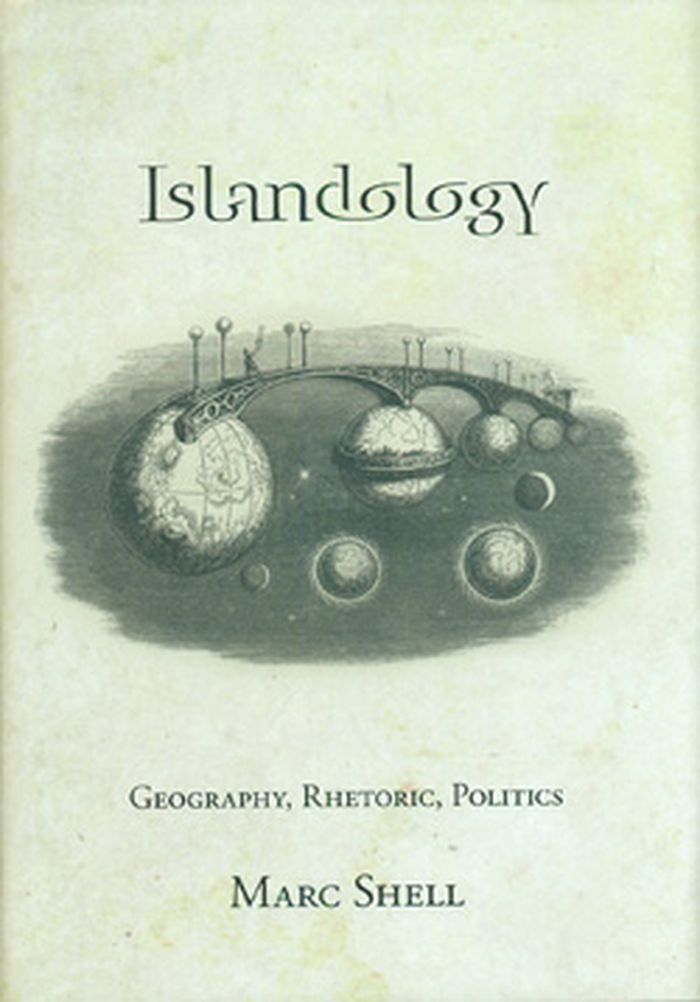
Islandology is a fast-paced, fact-filled comparative essay in critical topography and cultural geography that cuts across different cultures and argues for a world of islands. The book explores the logical consequences of geographic place for the development of philosophy and the study of limits (Greece) and for the establishment of North Sea democracy (England and Iceland), explains the location of military hot-spots and great cities (Hormuz and Manhattan), and sheds new light on dozens of world-historical productions whose motivating islandic aspect has not heretofore been recognized (Shakespeare's Hamlet and Wagner's Ring of the Nibelung). Written by Shell in view of the melting of the world's great ice islands,Islandology shows not only new ways that we think about islands but also why and how we think by means of them.
Islandology : geography, rhetoric, politics
Actions:
Prix:
$39.95
(disponible sur commande)
Résumé:
Islandology is a fast-paced, fact-filled comparative essay in critical topography and cultural geography that cuts across different cultures and argues for a world of islands. The book explores the logical consequences of geographic place for the development of philosophy and the study of limits (Greece) and for the establishment of North Sea democracy (England and Iceland), explains the location of military hot-spots and great cities (Hormuz and Manhattan), and sheds new light on dozens of world-historical productions whose motivating islandic aspect has not heretofore been recognized (Shakespeare's Hamlet and Wagner's Ring of the Nibelung). Written by Shell in view of the melting of the world's great ice islands,Islandology shows not only new ways that we think about islands but also why and how we think by means of them.
Classification:
livres
livres
Publication:
février 2014
février 2014
Sujet:
Théorie de l’architecture
Théorie de l’architecture
Classification:
livres
livres

Actions:
Prix:
$38.95
(disponible sur commande)
Résumé:
Before skyscrapers forever transformed the landscape of the modern metropolis, the conveyance that made them possible had to be created. Invented in New York in the 1850s, the elevator became an urban fact of life on both sides of the Atlantic by the early twentieth century. While it may at first glance seem a modest innovation, it had wide-ranging effects, from(...)
$38.95
(disponible sur commande)
Résumé:
Before skyscrapers forever transformed the landscape of the modern metropolis, the conveyance that made them possible had to be created. Invented in New York in the 1850s, the elevator became an urban fact of life on both sides of the Atlantic by the early twentieth century. While it may at first glance seem a modest innovation, it had wide-ranging effects, from(...)
Titre:
Lifted: a cultural history of the elevator
Actions:
Prix:
$38.95
(disponible sur commande)
Résumé:
Before skyscrapers forever transformed the landscape of the modern metropolis, the conveyance that made them possible had to be created. Invented in New York in the 1850s, the elevator became an urban fact of life on both sides of the Atlantic by the early twentieth century. While it may at first glance seem a modest innovation, it had wide-ranging effects, from fundamentally restructuring building design to reinforcing social class hierarchies by moving luxury apartments to upper levels, previously the domain of the lower classes. The cramped elevator cabin itself served as a reflection of life in modern growing cities, as a space of simultaneous intimacy and anonymity, constantly in motion. In this book, Andreas Bernard explores how the appearance of this new element changed notions of verticality and urban space.
Lifted: a cultural history of the elevator
Actions:
Prix:
$38.95
(disponible sur commande)
Résumé:
Before skyscrapers forever transformed the landscape of the modern metropolis, the conveyance that made them possible had to be created. Invented in New York in the 1850s, the elevator became an urban fact of life on both sides of the Atlantic by the early twentieth century. While it may at first glance seem a modest innovation, it had wide-ranging effects, from fundamentally restructuring building design to reinforcing social class hierarchies by moving luxury apartments to upper levels, previously the domain of the lower classes. The cramped elevator cabin itself served as a reflection of life in modern growing cities, as a space of simultaneous intimacy and anonymity, constantly in motion. In this book, Andreas Bernard explores how the appearance of this new element changed notions of verticality and urban space.
Classification:
livres
livres
Publication:
février 2014
février 2014
Sujet:
Théorie de l’architecture
Théorie de l’architecture
Classification:
livres
livres
Prix:
$36.95
(disponible sur commande)
Résumé:
As a kid growing up in Manhattan, William Helmreich played a game with his father they called "Last Stop." They would pick a subway line and ride it to its final destination, and explore the neighborhood there. Decades later, Helmreich teaches university courses about New York, and his love for exploring the city is as strong as ever. Putting his feet to the test, he(...)
$36.95
(disponible sur commande)
Résumé:
As a kid growing up in Manhattan, William Helmreich played a game with his father they called "Last Stop." They would pick a subway line and ride it to its final destination, and explore the neighborhood there. Decades later, Helmreich teaches university courses about New York, and his love for exploring the city is as strong as ever. Putting his feet to the test, he(...)
Titre:
The New York nobody knows : walking 6000 miles in the city
Actions:
Prix:
$36.95
(disponible sur commande)
Résumé:
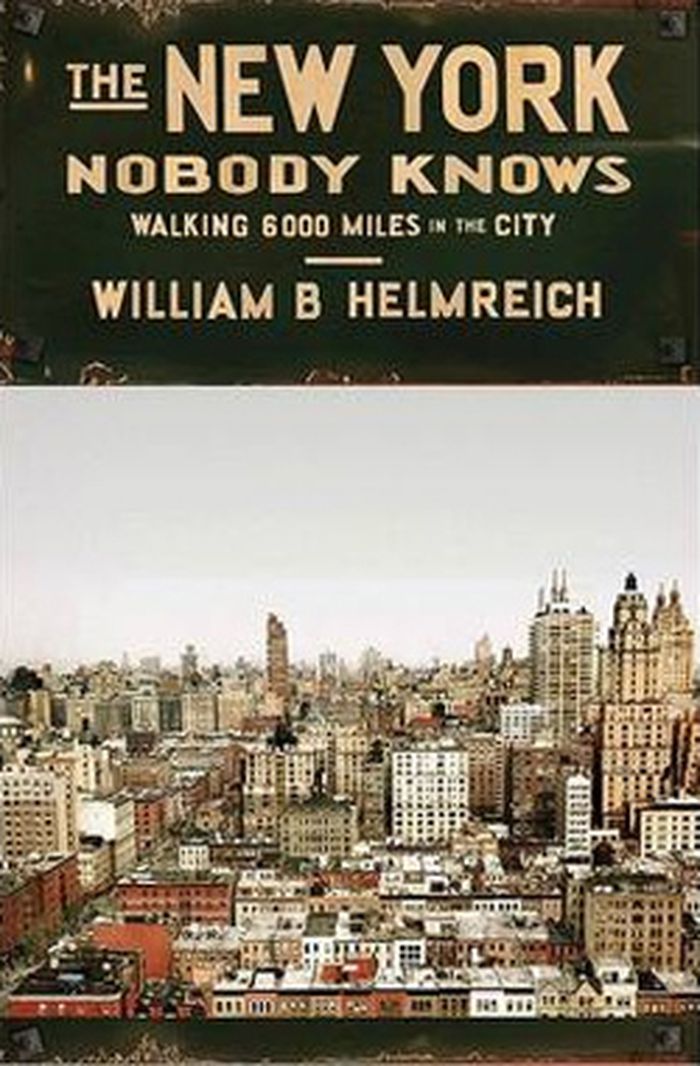
As a kid growing up in Manhattan, William Helmreich played a game with his father they called "Last Stop." They would pick a subway line and ride it to its final destination, and explore the neighborhood there. Decades later, Helmreich teaches university courses about New York, and his love for exploring the city is as strong as ever. Putting his feet to the test, he decided that the only way to truly understand New York was to walk virtually every block of all five boroughs--an astonishing 6,000 miles.
The New York nobody knows : walking 6000 miles in the city
Actions:
Prix:
$36.95
(disponible sur commande)
Résumé:
As a kid growing up in Manhattan, William Helmreich played a game with his father they called "Last Stop." They would pick a subway line and ride it to its final destination, and explore the neighborhood there. Decades later, Helmreich teaches university courses about New York, and his love for exploring the city is as strong as ever. Putting his feet to the test, he decided that the only way to truly understand New York was to walk virtually every block of all five boroughs--an astonishing 6,000 miles.
Classification:
livres
livres
Publication:
novembre 2013
novembre 2013
Sujet:
Théorie de l’architecture
Théorie de l’architecture
Classification:
livres
livres
Prix:
$29.95
(disponible sur commande)
Résumé:
Everyday utopias enact conventional activities in unusual ways. Instead of dreaming about a better world, participants seek to create it. As such, their activities provide vibrant and stimulating contexts for considering the terms of social life, of how we live together and are governed. Weaving conceptual theorizing together with social analysis, Davina Cooper examines(...)
$29.95
(disponible sur commande)
Résumé:
Everyday utopias enact conventional activities in unusual ways. Instead of dreaming about a better world, participants seek to create it. As such, their activities provide vibrant and stimulating contexts for considering the terms of social life, of how we live together and are governed. Weaving conceptual theorizing together with social analysis, Davina Cooper examines(...)
Titre:
Everyday utopias: the conceptual life of promising spaces
Actions:
Prix:
$29.95
(disponible sur commande)
Résumé:
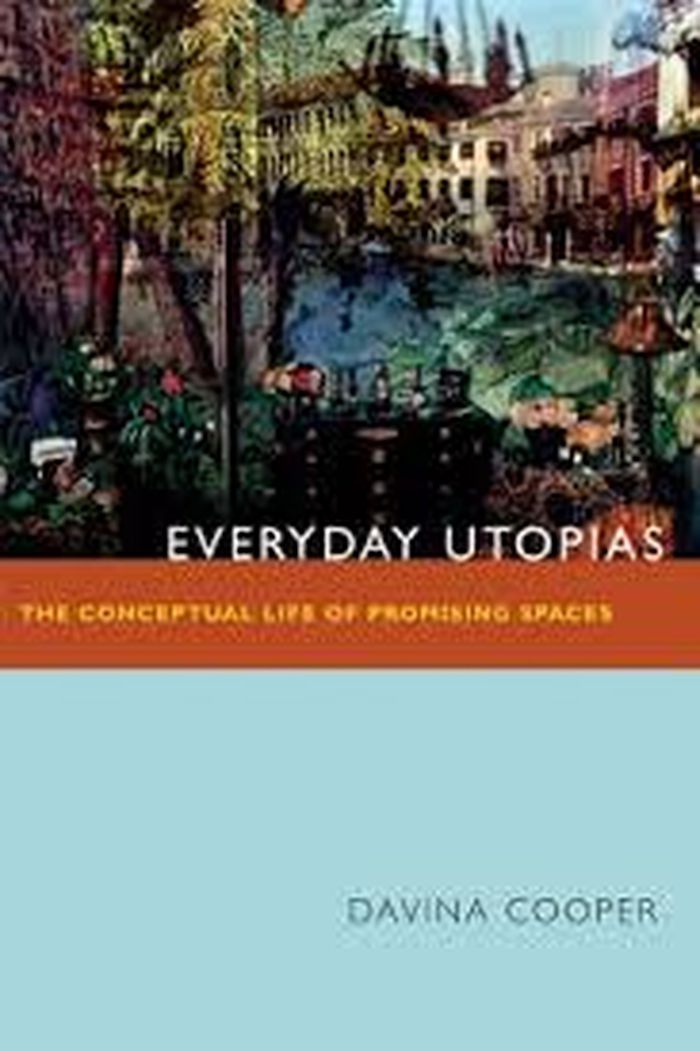
Everyday utopias enact conventional activities in unusual ways. Instead of dreaming about a better world, participants seek to create it. As such, their activities provide vibrant and stimulating contexts for considering the terms of social life, of how we live together and are governed. Weaving conceptual theorizing together with social analysis, Davina Cooper examines utopian projects as seemingly diverse as a feminist bathhouse, state equality initiatives, community trading networks, and a democratic school where students and staff collaborate in governing.
Everyday utopias: the conceptual life of promising spaces
Actions:
Prix:
$29.95
(disponible sur commande)
Résumé:
Everyday utopias enact conventional activities in unusual ways. Instead of dreaming about a better world, participants seek to create it. As such, their activities provide vibrant and stimulating contexts for considering the terms of social life, of how we live together and are governed. Weaving conceptual theorizing together with social analysis, Davina Cooper examines utopian projects as seemingly diverse as a feminist bathhouse, state equality initiatives, community trading networks, and a democratic school where students and staff collaborate in governing.
Classification:
livres
livres
Publication:
janvier 2014
janvier 2014
Sujet:
Théorie de l’architecture
Théorie de l’architecture
Classification:
livres
livres
Actions:
Prix:
$19.95
(disponible sur commande)
Résumé:
From Native American reservations on the US-Mexico border and the "Great Wall of Montreal" to Cyprus's divided capital and the Peace Lines of Belfast, Marcello Di Cintio seeks to understand what these structures say about those who build them and how they influence the cultures that they surround. Some walls define "us" from "them" with medieval clarity. Some walls(...)
$19.95
(disponible sur commande)
Résumé:
From Native American reservations on the US-Mexico border and the "Great Wall of Montreal" to Cyprus's divided capital and the Peace Lines of Belfast, Marcello Di Cintio seeks to understand what these structures say about those who build them and how they influence the cultures that they surround. Some walls define "us" from "them" with medieval clarity. Some walls(...)
Titre:
Walls: travels along the barricades
Actions:
Prix:
$19.95
(disponible sur commande)
Résumé:
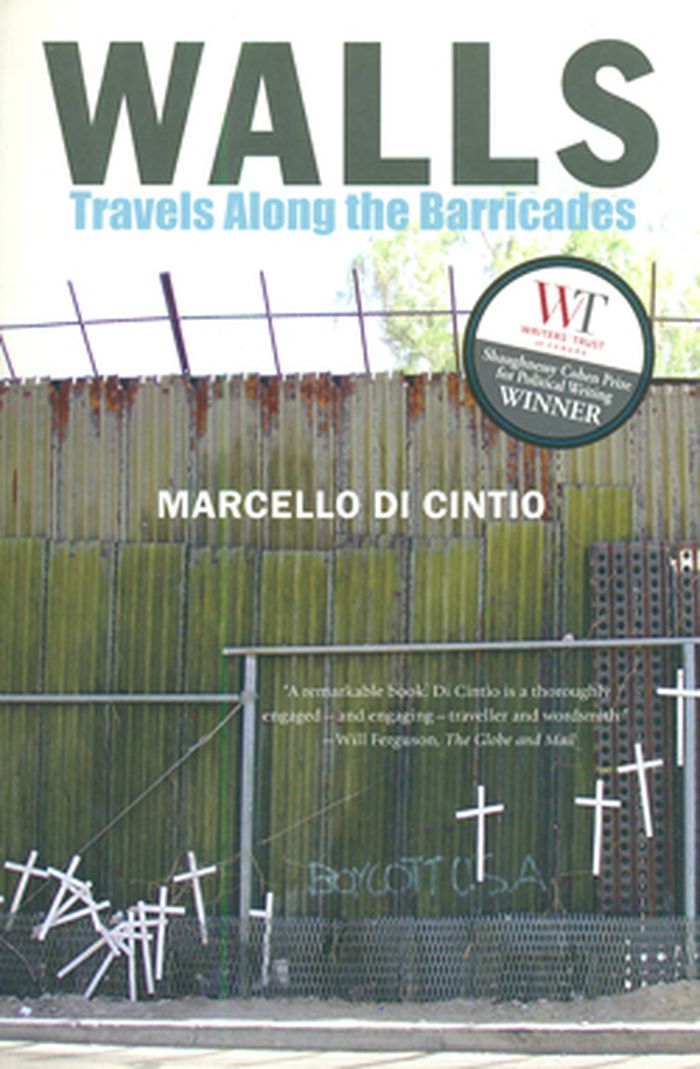
From Native American reservations on the US-Mexico border and the "Great Wall of Montreal" to Cyprus's divided capital and the Peace Lines of Belfast, Marcello Di Cintio seeks to understand what these structures say about those who build them and how they influence the cultures that they surround. Some walls define "us" from "them" with medieval clarity. Some walls encourage fear or feed hate. Others kill. And every wall inspires its own subversion, whether by the infiltrators who dare to go over, under or around them, or by the artists who transform them.
Walls: travels along the barricades
Actions:
Prix:
$19.95
(disponible sur commande)
Résumé:
From Native American reservations on the US-Mexico border and the "Great Wall of Montreal" to Cyprus's divided capital and the Peace Lines of Belfast, Marcello Di Cintio seeks to understand what these structures say about those who build them and how they influence the cultures that they surround. Some walls define "us" from "them" with medieval clarity. Some walls encourage fear or feed hate. Others kill. And every wall inspires its own subversion, whether by the infiltrators who dare to go over, under or around them, or by the artists who transform them.
Classification:
livres
livres
Publication:
septembre 2013
septembre 2013
Sujet:
Théorie de l’architecture
Théorie de l’architecture
Classification:
livres
livres
Titre:
PIN-UP interviews
PIN-UP interviews
Actions:
Prix:
$29.95
(disponible sur commande)
Résumé:
PIN-UP Interviews is a compilation of over 50 of the most fascinating interviews from PIN-UP magazine since its first issue was published in October 2006. Serious, yet accessible, featuring the elegant and modern aesthetic PIN-UP’s readers have come to expect, there is no comparable source available for such an array of contemporary design talent collected in one place.(...)
$29.95
(disponible sur commande)
Résumé:
PIN-UP Interviews is a compilation of over 50 of the most fascinating interviews from PIN-UP magazine since its first issue was published in October 2006. Serious, yet accessible, featuring the elegant and modern aesthetic PIN-UP’s readers have come to expect, there is no comparable source available for such an array of contemporary design talent collected in one place.(...)
Titre:
PIN-UP interviews
Actions:
Prix:
$29.95
(disponible sur commande)
Résumé:
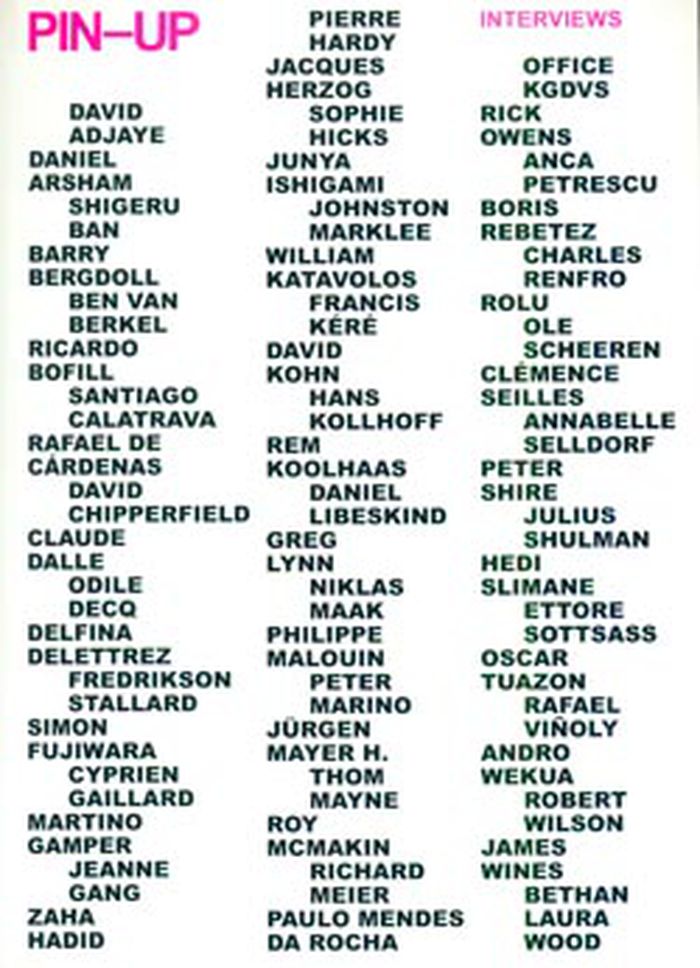
PIN-UP Interviews is a compilation of over 50 of the most fascinating interviews from PIN-UP magazine since its first issue was published in October 2006. Serious, yet accessible, featuring the elegant and modern aesthetic PIN-UP’s readers have come to expect, there is no comparable source available for such an array of contemporary design talent collected in one place. It is indispensable to all lovers of today’s brightest architectural and design ideas. PIN-UP Interviews is the first book produced by PIN-UP, the award-winning, New York-based, biannual architecture and design magazine. Cheekily dubbing itself the “Magazine for Architectural Entertainment,” PIN-UP features interviews with architects, designers, and artists, and presents their work informally—as a fun assembly of ideas, stories, and conversations, all paired with cutting-edge photography and artwork. Included in PIN-UP Interviews are architects such as David Adjaye, Shigeru Ban, David Chipperfield, Zaha Hadid, Junya Ishigami, and Rem Koolhaas.
PIN-UP interviews
Actions:
Prix:
$29.95
(disponible sur commande)
Résumé:
PIN-UP Interviews is a compilation of over 50 of the most fascinating interviews from PIN-UP magazine since its first issue was published in October 2006. Serious, yet accessible, featuring the elegant and modern aesthetic PIN-UP’s readers have come to expect, there is no comparable source available for such an array of contemporary design talent collected in one place. It is indispensable to all lovers of today’s brightest architectural and design ideas. PIN-UP Interviews is the first book produced by PIN-UP, the award-winning, New York-based, biannual architecture and design magazine. Cheekily dubbing itself the “Magazine for Architectural Entertainment,” PIN-UP features interviews with architects, designers, and artists, and presents their work informally—as a fun assembly of ideas, stories, and conversations, all paired with cutting-edge photography and artwork. Included in PIN-UP Interviews are architects such as David Adjaye, Shigeru Ban, David Chipperfield, Zaha Hadid, Junya Ishigami, and Rem Koolhaas.
Classification:
livres
livres
Publication:
septembre 2013
septembre 2013
Sujet:
Théorie de l’architecture
Théorie de l’architecture
Classification:
livres
livres
Actions:
Prix:
$43.00
(disponible sur commande)
Résumé:
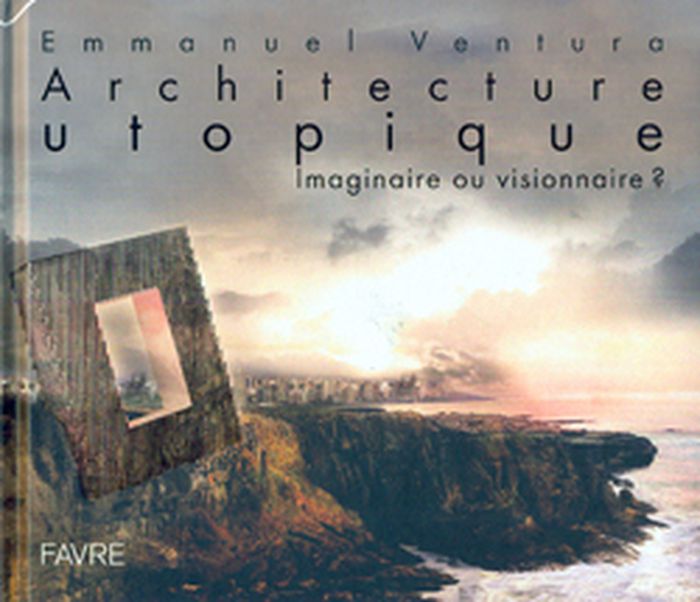
Ce livre entraîne le lecteur dans un voyage à la découverte d’architectures imaginaires ou visionnaires. La poésie du récit met en valeur les images de plus de 100 projets issus de l’esprit d’architectes du monde entier, qui nous montrent à quoi pourrait ressembler, peut-être, le monde de demain.
$43.00
(disponible sur commande)
Résumé:
Ce livre entraîne le lecteur dans un voyage à la découverte d’architectures imaginaires ou visionnaires. La poésie du récit met en valeur les images de plus de 100 projets issus de l’esprit d’architectes du monde entier, qui nous montrent à quoi pourrait ressembler, peut-être, le monde de demain.
Titre:
Architecture utopique: imaginaire ou visionnaire?
Actions:
Prix:
$43.00
(disponible sur commande)
Résumé:
Ce livre entraîne le lecteur dans un voyage à la découverte d’architectures imaginaires ou visionnaires. La poésie du récit met en valeur les images de plus de 100 projets issus de l’esprit d’architectes du monde entier, qui nous montrent à quoi pourrait ressembler, peut-être, le monde de demain.
Architecture utopique: imaginaire ou visionnaire?
Actions:
Prix:
$43.00
(disponible sur commande)
Résumé:
Ce livre entraîne le lecteur dans un voyage à la découverte d’architectures imaginaires ou visionnaires. La poésie du récit met en valeur les images de plus de 100 projets issus de l’esprit d’architectes du monde entier, qui nous montrent à quoi pourrait ressembler, peut-être, le monde de demain.
Classification:
livres
livres
Publication:
septembre 2013
septembre 2013
Sujet:
Théorie de l’architecture
Théorie de l’architecture
Classification:
livres
livres
Titre:
L'architecture de verre
L'architecture de verre
Actions:
Prix:
$14.95
(disponible sur commande)
Résumé:
Traduction de l'œuvre originale allemande parue en 1914.L’allégorie réaliste d’une architecture de verre à l’échelle de la planète entière développe peut-être seulement, à travers la multiplicité de ses descriptions savantes et minutieuses, cette simple leçon d’émancipation : l’humanité peut survivre, malgré tout, si elle sait accepter sa « pauvreté » avérée, c’est-à-dire(...)
$14.95
(disponible sur commande)
Résumé:
Traduction de l'œuvre originale allemande parue en 1914.L’allégorie réaliste d’une architecture de verre à l’échelle de la planète entière développe peut-être seulement, à travers la multiplicité de ses descriptions savantes et minutieuses, cette simple leçon d’émancipation : l’humanité peut survivre, malgré tout, si elle sait accepter sa « pauvreté » avérée, c’est-à-dire(...)
Publication:
septembre 2013
septembre 2013
Titre:
L'architecture de verre
Actions:
Prix:
$14.95
(disponible sur commande)
Résumé:
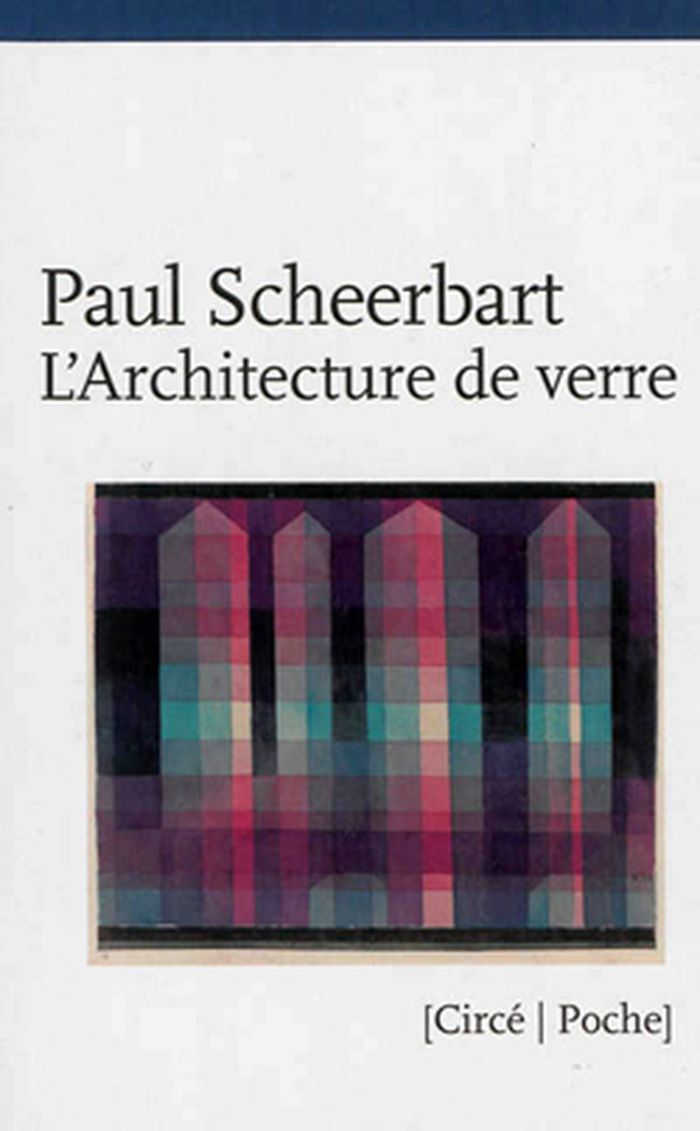
Traduction de l'œuvre originale allemande parue en 1914.L’allégorie réaliste d’une architecture de verre à l’échelle de la planète entière développe peut-être seulement, à travers la multiplicité de ses descriptions savantes et minutieuses, cette simple leçon d’émancipation : l’humanité peut survivre, malgré tout, si elle sait accepter sa « pauvreté » avérée, c’est-à-dire d’abord si elle sait se libérer de la passion des images de soi et des marques d’une puissance désormais dérisoire, si au-delà des propriétés, des clôtures, des replis et des capitalisations qui l’étouffent, elle parvient à inventer les formes d’accueil d’un Nouveau à venir, extérieur et mobile…
L'architecture de verre
Actions:
Prix:
$14.95
(disponible sur commande)
Résumé:
Traduction de l'œuvre originale allemande parue en 1914.L’allégorie réaliste d’une architecture de verre à l’échelle de la planète entière développe peut-être seulement, à travers la multiplicité de ses descriptions savantes et minutieuses, cette simple leçon d’émancipation : l’humanité peut survivre, malgré tout, si elle sait accepter sa « pauvreté » avérée, c’est-à-dire d’abord si elle sait se libérer de la passion des images de soi et des marques d’une puissance désormais dérisoire, si au-delà des propriétés, des clôtures, des replis et des capitalisations qui l’étouffent, elle parvient à inventer les formes d’accueil d’un Nouveau à venir, extérieur et mobile…
Classification:
livres
livres
Publication:
septembre 2013
septembre 2013
Classification:
livres
livres
Actions:
Prix:
$35.00
(disponible sur commande)
Résumé:
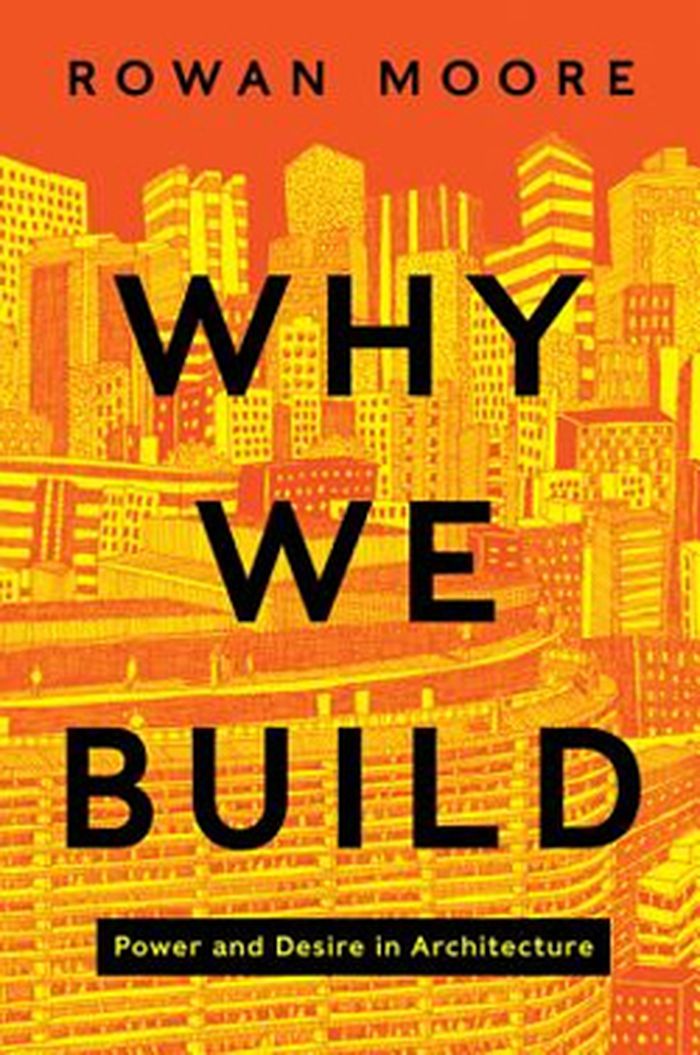
In an era of brash, expensive, provocative new buildings, critic Rowan Moore argues that emotions — hope, power, sex, our changing relationship to the idea of home — are the most powerful force behind architecture, yesterday and (especially) today.
$35.00
(disponible sur commande)
Résumé:
In an era of brash, expensive, provocative new buildings, critic Rowan Moore argues that emotions — hope, power, sex, our changing relationship to the idea of home — are the most powerful force behind architecture, yesterday and (especially) today.
Titre:
Why we build : power and desire in architecture
Actions:
Prix:
$35.00
(disponible sur commande)
Résumé:
In an era of brash, expensive, provocative new buildings, critic Rowan Moore argues that emotions — hope, power, sex, our changing relationship to the idea of home — are the most powerful force behind architecture, yesterday and (especially) today.
Why we build : power and desire in architecture
Actions:
Prix:
$35.00
(disponible sur commande)
Résumé:
In an era of brash, expensive, provocative new buildings, critic Rowan Moore argues that emotions — hope, power, sex, our changing relationship to the idea of home — are the most powerful force behind architecture, yesterday and (especially) today.
Classification:
livres
livres
Publication:
septembre 2013
septembre 2013
Sujet:
Théorie de l’architecture
Théorie de l’architecture
Classification:
livres
livres
Actions:
Prix:
$34.95
(disponible sur commande)
Résumé:
L'architecture, selon la définition courante, existe avant tout pour être au service du corps. la question est de savoir comment se mettre complètement au service du corps. qui ne souhaiterait vivre dans un monde construit pour servir le corps au maximum? Mais la question est aussi de savoir ce qu'est le corps. Être au maximum au service du corps va inclure tout ce dont a(...)
$34.95
(disponible sur commande)
Résumé:
L'architecture, selon la définition courante, existe avant tout pour être au service du corps. la question est de savoir comment se mettre complètement au service du corps. qui ne souhaiterait vivre dans un monde construit pour servir le corps au maximum? Mais la question est aussi de savoir ce qu'est le corps. Être au maximum au service du corps va inclure tout ce dont a(...)
Titre:
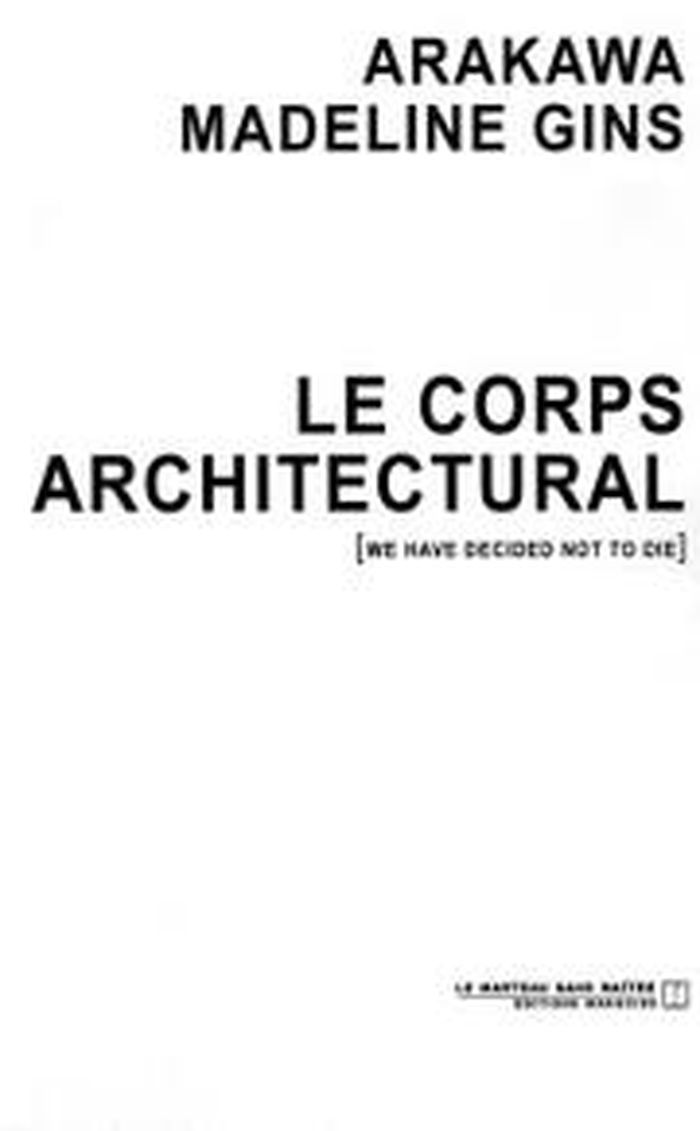
Le corps architectural (we have decided not to die)
Actions:
Prix:
$34.95
(disponible sur commande)
Résumé:
L'architecture, selon la définition courante, existe avant tout pour être au service du corps. la question est de savoir comment se mettre complètement au service du corps. qui ne souhaiterait vivre dans un monde construit pour servir le corps au maximum? Mais la question est aussi de savoir ce qu'est le corps. Être au maximum au service du corps va inclure tout ce dont a besoin le corps et même plus. Le corps a pour mandat de repousser sa propre disparition et une architecture qui serait généreuse envers le corps, qui lui prodiguerait en abondance tout ce dont il semblerait avoir besoin, doit juger de son devoir de remplir ce mandat.
Le corps architectural (we have decided not to die)
Actions:
Prix:
$34.95
(disponible sur commande)
Résumé:
L'architecture, selon la définition courante, existe avant tout pour être au service du corps. la question est de savoir comment se mettre complètement au service du corps. qui ne souhaiterait vivre dans un monde construit pour servir le corps au maximum? Mais la question est aussi de savoir ce qu'est le corps. Être au maximum au service du corps va inclure tout ce dont a besoin le corps et même plus. Le corps a pour mandat de repousser sa propre disparition et une architecture qui serait généreuse envers le corps, qui lui prodiguerait en abondance tout ce dont il semblerait avoir besoin, doit juger de son devoir de remplir ce mandat.
Classification:
livres
livres
Publication:
octobre 2013
octobre 2013
Sujet:
Théorie de l’architecture
Théorie de l’architecture


