


2221 Résultats
Classification:
livres
livres
Titre:
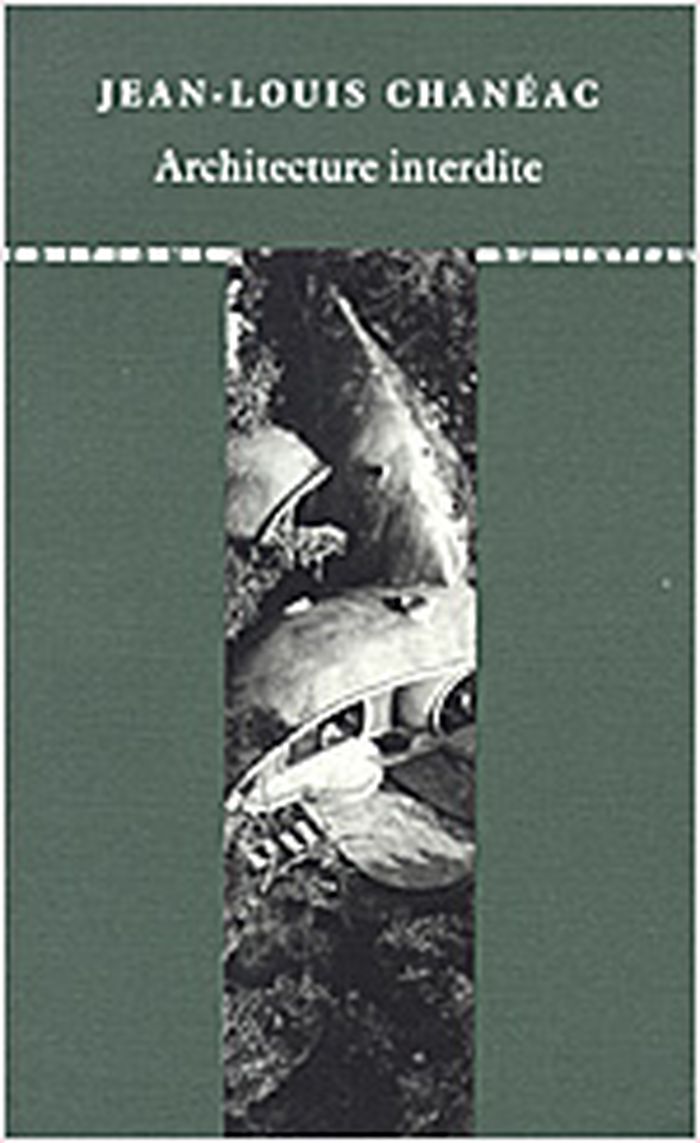
Architecture interdite
Architecture interdite
Actions:
Prix:
$41.95
(disponible sur commande)
Résumé:
L'auteur présente certaines préoccupations actuelles : comment donner une réponse architecturale à la poussée démographique sans polluer les paysages ? Comment garder l'essentiel de l'acquis moderne tout en l'insérant dans le tissu traditionnel ? À ces questions, l'auteur répond par des propositions testées sur le terrain, c'est-à-dire le plan de masse de Douvaine, la(...)
$41.95
(disponible sur commande)
Résumé:
L'auteur présente certaines préoccupations actuelles : comment donner une réponse architecturale à la poussée démographique sans polluer les paysages ? Comment garder l'essentiel de l'acquis moderne tout en l'insérant dans le tissu traditionnel ? À ces questions, l'auteur répond par des propositions testées sur le terrain, c'est-à-dire le plan de masse de Douvaine, la(...)
Titre:
Architecture interdite
Actions:
Prix:
$41.95
(disponible sur commande)
Résumé:
L'auteur présente certaines préoccupations actuelles : comment donner une réponse architecturale à la poussée démographique sans polluer les paysages ? Comment garder l'essentiel de l'acquis moderne tout en l'insérant dans le tissu traditionnel ? À ces questions, l'auteur répond par des propositions testées sur le terrain, c'est-à-dire le plan de masse de Douvaine, la restructuration de Val d'Isère, celle de Saint-Jean-de-Maurienne.
Architecture interdite
Actions:
Prix:
$41.95
(disponible sur commande)
Résumé:
L'auteur présente certaines préoccupations actuelles : comment donner une réponse architecturale à la poussée démographique sans polluer les paysages ? Comment garder l'essentiel de l'acquis moderne tout en l'insérant dans le tissu traditionnel ? À ces questions, l'auteur répond par des propositions testées sur le terrain, c'est-à-dire le plan de masse de Douvaine, la restructuration de Val d'Isère, celle de Saint-Jean-de-Maurienne.
Classification:
livres
livres
Publication:
décembre 2005, Paris
décembre 2005, Paris
Sujet:
Théorie de l’architecture
Théorie de l’architecture
Classification:
livres
livres
Actions:
Prix:
$36.50
(disponible sur commande)
Résumé:
he journey to the ‘place', the beginning and the end of a building, the source of inspiration or failure, sometimes a backdrop, other times a determinant, took this publication through three different continents: from Austria via London, Chile, Finland, Portugal to Australia, through landscapes and cities, societies and cultures, thoughts, motifs and underlying conditions(...)
$36.50
(disponible sur commande)
Résumé:
he journey to the ‘place', the beginning and the end of a building, the source of inspiration or failure, sometimes a backdrop, other times a determinant, took this publication through three different continents: from Austria via London, Chile, Finland, Portugal to Australia, through landscapes and cities, societies and cultures, thoughts, motifs and underlying conditions(...)
Sujet:
Théorie de l’architecture
Théorie de l’architecture
Publication:
décembre 2005, Graz
décembre 2005, Graz
Titre:
Ort : ort means place, site, location and more
Actions:
Prix:
$36.50
(disponible sur commande)
Résumé:
he journey to the ‘place', the beginning and the end of a building, the source of inspiration or failure, sometimes a backdrop, other times a determinant, took this publication through three different continents: from Austria via London, Chile, Finland, Portugal to Australia, through landscapes and cities, societies and cultures, thoughts, motifs and underlying conditions of architectural agency. The result is a diverse and intriguing collection of architectural writings and investigations on ‘place' from 16 contributors including: Adam Caruso, Sean Godsell, Erich Prödl and Brian Carter.
Ort : ort means place, site, location and more
Actions:
Prix:
$36.50
(disponible sur commande)
Résumé:
he journey to the ‘place', the beginning and the end of a building, the source of inspiration or failure, sometimes a backdrop, other times a determinant, took this publication through three different continents: from Austria via London, Chile, Finland, Portugal to Australia, through landscapes and cities, societies and cultures, thoughts, motifs and underlying conditions of architectural agency. The result is a diverse and intriguing collection of architectural writings and investigations on ‘place' from 16 contributors including: Adam Caruso, Sean Godsell, Erich Prödl and Brian Carter.
Classification:
livres
livres
Publication:
décembre 2005, Graz
décembre 2005, Graz
Sujet:
Théorie de l’architecture
Théorie de l’architecture
Classification:
livres
livres
Titre:
Eating architecture
Eating architecture
Actions:
Prix:
$39.95
(disponible sur commande)
Résumé:
The contributors to this collection of essays explore the relationship between food and architecture, asking what can be learned by examining the (often metaphorical) intersection of the preparation of meals and the production of space. In a culture that includes the Food Channel and the knife-juggling chefs of Benihana, food has become not only an obsession but an(...)
$39.95
(disponible sur commande)
Résumé:
The contributors to this collection of essays explore the relationship between food and architecture, asking what can be learned by examining the (often metaphorical) intersection of the preparation of meals and the production of space. In a culture that includes the Food Channel and the knife-juggling chefs of Benihana, food has become not only an obsession but an(...)
Publication:
avril 2006
avril 2006
Titre:
Eating architecture
Actions:
Prix:
$39.95
(disponible sur commande)
Résumé:
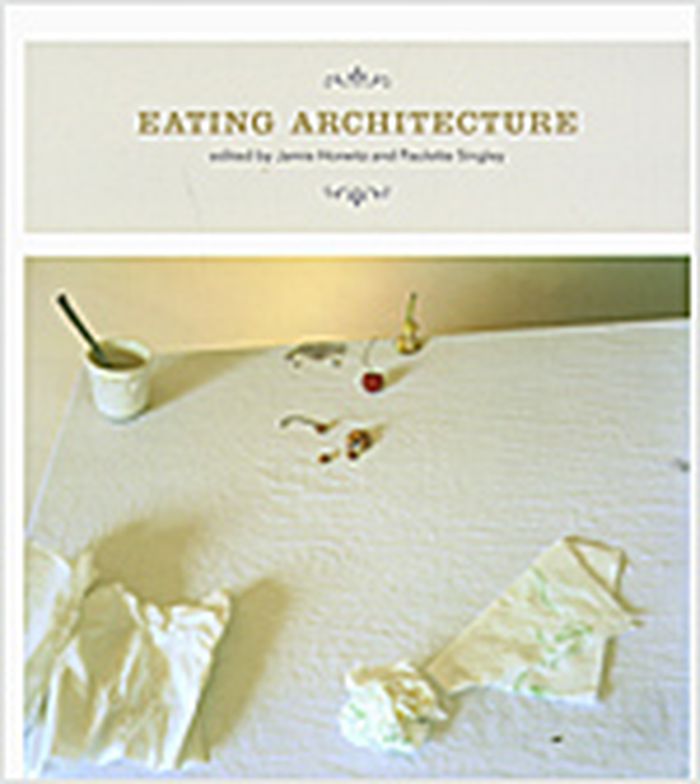
The contributors to this collection of essays explore the relationship between food and architecture, asking what can be learned by examining the (often metaphorical) intersection of the preparation of meals and the production of space. In a culture that includes the Food Channel and the knife-juggling chefs of Benihana, food has become not only an obsession but an alternative art form. The nineteen essays and "Gallery of Recipes" in "Eating architecture" seize this moment to investigate how art and architecture engage issues of identity, ideology, conviviality, memory, and loss that cookery evokes. The essays are organized into four sections that lead the reader from the landscape to the kitchen, the table, and finally the mouth. The essays in "Place settings" examine the relationships between food and location that arise in culinary colonialism and the global economy of tourism. "Philosophy in the kitchen" traces the routines that create a site for aesthetic experimentation, including an examination of gingerbread houses as art, food, and architectural space. The essays in "Table rules" consider the spatial and performative aspects of eating and the ways in which shared meals are among the most perishable and preserved cultural artifacts. Finally, "Embodied taste" considers the sensual apprehension of food and what it means to consume a work of art. The "Gallery of recipes" contains images by contemporary architects on the subject of eating architecture.
Eating architecture
Actions:
Prix:
$39.95
(disponible sur commande)
Résumé:
The contributors to this collection of essays explore the relationship between food and architecture, asking what can be learned by examining the (often metaphorical) intersection of the preparation of meals and the production of space. In a culture that includes the Food Channel and the knife-juggling chefs of Benihana, food has become not only an obsession but an alternative art form. The nineteen essays and "Gallery of Recipes" in "Eating architecture" seize this moment to investigate how art and architecture engage issues of identity, ideology, conviviality, memory, and loss that cookery evokes. The essays are organized into four sections that lead the reader from the landscape to the kitchen, the table, and finally the mouth. The essays in "Place settings" examine the relationships between food and location that arise in culinary colonialism and the global economy of tourism. "Philosophy in the kitchen" traces the routines that create a site for aesthetic experimentation, including an examination of gingerbread houses as art, food, and architectural space. The essays in "Table rules" consider the spatial and performative aspects of eating and the ways in which shared meals are among the most perishable and preserved cultural artifacts. Finally, "Embodied taste" considers the sensual apprehension of food and what it means to consume a work of art. The "Gallery of recipes" contains images by contemporary architects on the subject of eating architecture.
Classification:
livres
livres
Publication:
avril 2006
avril 2006
Classification:
livres
livres
Titre:
Prosthetic gods
Prosthetic gods
Actions:
Prix:
$24.95
(disponible sur commande)
Résumé:
How to imagine not only a new art or architecture but a new self or subject equal to them? In "Prosthetic gods", Hal Foster explores this question through the works and writings of such key modernists as Gauguin and Picasso, F. T. Marinetti and Wyndham Lewis, Adolf Loos and Max Ernst. These diverse figures were all fascinated by fictions of origin, either primordial and(...)
$24.95
(disponible sur commande)
Résumé:
How to imagine not only a new art or architecture but a new self or subject equal to them? In "Prosthetic gods", Hal Foster explores this question through the works and writings of such key modernists as Gauguin and Picasso, F. T. Marinetti and Wyndham Lewis, Adolf Loos and Max Ernst. These diverse figures were all fascinated by fictions of origin, either primordial and(...)
Titre:
Prosthetic gods
Actions:
Prix:
$24.95
(disponible sur commande)
Résumé:
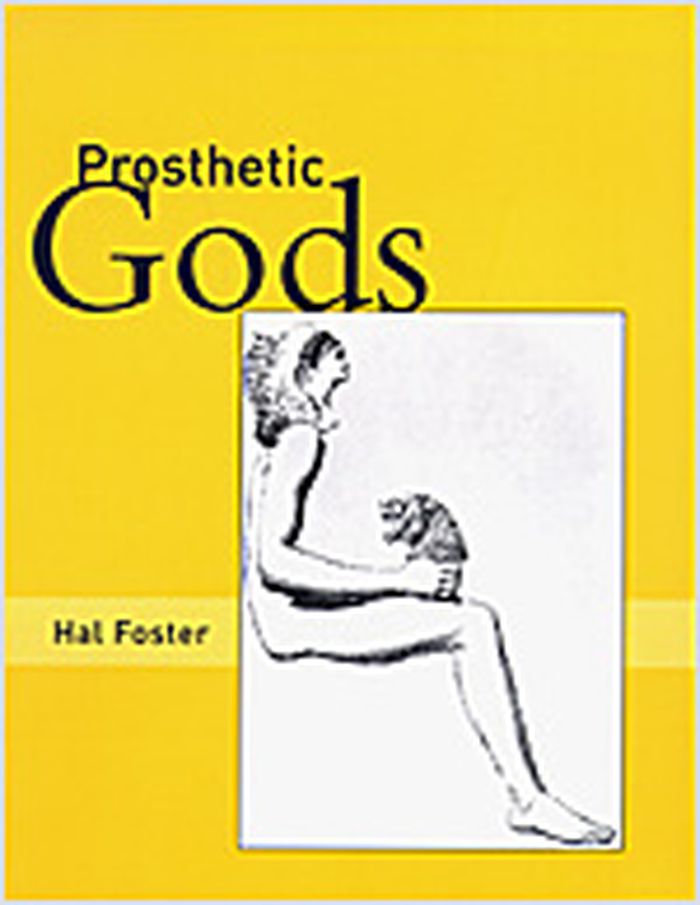
How to imagine not only a new art or architecture but a new self or subject equal to them? In "Prosthetic gods", Hal Foster explores this question through the works and writings of such key modernists as Gauguin and Picasso, F. T. Marinetti and Wyndham Lewis, Adolf Loos and Max Ernst. These diverse figures were all fascinated by fictions of origin, either primordial and tribal or futuristic and technological. In this way, Foster argues, two forms came to dominate modernist art above all others: the primitive and the machine. Foster begins with the primitivist fantasies of Gauguin and Picasso, which he examines through the Freudian lens of the primal scene. He then turns to the purist obsessions of the Viennese architect Loos, who abhorred all things primitive. Next Foster considers the technophilic subjects propounded by the futurist Marinetti and the vorticist Lewis. These "new egos" are further contrasted with the "bachelor machines" proposed by the dadaist Ernst. Foster also explores extrapolations from the art of the mentally ill in the aesthetic models of Ernst, Paul Klee, and Jean Dubuffet, as well as manipulations of the female body in the surrealist photography of Brassai, Man Ray, and Hans Bellmer. Finally, he examines the impulse to dissolve the conventions of art altogether in the drip paintings of Jackson Pollock, the scatter pieces of Robert Morris, and the earthworks of Robert Smithson, and traces the evocation of lost objects of desire in sculptural work from Marcel Duchamp and Alberto Giacometti to Robert Gober. Although its title is drawn from Freud, "Prosthetic gods" does not impose psychoanalytic theory on modernist art; rather, it sets the two into critical relation and scans the greater historical field that they share.
Prosthetic gods
Actions:
Prix:
$24.95
(disponible sur commande)
Résumé:
How to imagine not only a new art or architecture but a new self or subject equal to them? In "Prosthetic gods", Hal Foster explores this question through the works and writings of such key modernists as Gauguin and Picasso, F. T. Marinetti and Wyndham Lewis, Adolf Loos and Max Ernst. These diverse figures were all fascinated by fictions of origin, either primordial and tribal or futuristic and technological. In this way, Foster argues, two forms came to dominate modernist art above all others: the primitive and the machine. Foster begins with the primitivist fantasies of Gauguin and Picasso, which he examines through the Freudian lens of the primal scene. He then turns to the purist obsessions of the Viennese architect Loos, who abhorred all things primitive. Next Foster considers the technophilic subjects propounded by the futurist Marinetti and the vorticist Lewis. These "new egos" are further contrasted with the "bachelor machines" proposed by the dadaist Ernst. Foster also explores extrapolations from the art of the mentally ill in the aesthetic models of Ernst, Paul Klee, and Jean Dubuffet, as well as manipulations of the female body in the surrealist photography of Brassai, Man Ray, and Hans Bellmer. Finally, he examines the impulse to dissolve the conventions of art altogether in the drip paintings of Jackson Pollock, the scatter pieces of Robert Morris, and the earthworks of Robert Smithson, and traces the evocation of lost objects of desire in sculptural work from Marcel Duchamp and Alberto Giacometti to Robert Gober. Although its title is drawn from Freud, "Prosthetic gods" does not impose psychoanalytic theory on modernist art; rather, it sets the two into critical relation and scans the greater historical field that they share.
Classification:
livres
livres
Publication:
avril 2006, Cambridge (MA), London
avril 2006, Cambridge (MA), London
Sujet:
Théorie de l’architecture
Théorie de l’architecture
Classification:
livres
livres
Actions:
Prix:
$45.50
(disponible sur commande)
Résumé:
In this memoir, Johnson shares his personal experiences as a designer and considers the relationship between practice and theory over the last forty years of American architecture. From his childhood days in California's Salinas Valley, to his tenure with legendary architect Philip Johnson, to his time with Skidmore Owings – Merrill, to the formation of his own firm and(...)
$45.50
(disponible sur commande)
Résumé:
In this memoir, Johnson shares his personal experiences as a designer and considers the relationship between practice and theory over the last forty years of American architecture. From his childhood days in California's Salinas Valley, to his tenure with legendary architect Philip Johnson, to his time with Skidmore Owings – Merrill, to the formation of his own firm and(...)
Titre:
The big idea : criticality and practice in contemporary architecture
Actions:
Prix:
$45.50
(disponible sur commande)
Résumé:
In this memoir, Johnson shares his personal experiences as a designer and considers the relationship between practice and theory over the last forty years of American architecture. From his childhood days in California's Salinas Valley, to his tenure with legendary architect Philip Johnson, to his time with Skidmore Owings – Merrill, to the formation of his own firm and its rise toward the top of the architectural firmament, Johnson's insight makes for a discussion of each of the major movements that have characterized the world of architecture since Modernism in Los Angeles. Foreword by Dennis P. Doordan.
The big idea : criticality and practice in contemporary architecture
Actions:
Prix:
$45.50
(disponible sur commande)
Résumé:
In this memoir, Johnson shares his personal experiences as a designer and considers the relationship between practice and theory over the last forty years of American architecture. From his childhood days in California's Salinas Valley, to his tenure with legendary architect Philip Johnson, to his time with Skidmore Owings – Merrill, to the formation of his own firm and its rise toward the top of the architectural firmament, Johnson's insight makes for a discussion of each of the major movements that have characterized the world of architecture since Modernism in Los Angeles. Foreword by Dennis P. Doordan.
Classification:
livres
livres
Publication:
mai 2006
mai 2006
Sujet:
Théorie de l’architecture
Théorie de l’architecture
Classification:
livres
livres
Actions:
Prix:
$81.50
(disponible en magasin)
Résumé:
In this volume, twenty scholars explore the work of two of the twentieth century’s greatest architectural historians: the American Henry-Russell Hitchcock (1903–1987) and the Englishman Sir John Summerson (1904–1992). Both men undertook architectural training and became key polemical figures in the establishment of Modernism in the 1930s. After the war, and especially in(...)
$81.50
(disponible en magasin)
Résumé:
In this volume, twenty scholars explore the work of two of the twentieth century’s greatest architectural historians: the American Henry-Russell Hitchcock (1903–1987) and the Englishman Sir John Summerson (1904–1992). Both men undertook architectural training and became key polemical figures in the establishment of Modernism in the 1930s. After the war, and especially in(...)
Titre:
Summersopn and Hitchcock : centenary essays on architectural historiography
Actions:
Prix:
$81.50
(disponible en magasin)
Résumé:
In this volume, twenty scholars explore the work of two of the twentieth century’s greatest architectural historians: the American Henry-Russell Hitchcock (1903–1987) and the Englishman Sir John Summerson (1904–1992). Both men undertook architectural training and became key polemical figures in the establishment of Modernism in the 1930s. After the war, and especially in the 1950s, both turned more exclusively to historical research and writing. While their areas of interest overlapped, their approaches greatly differed. The contributors to the book investigate the work and methodologies of Summerson and Hitchcock, from their interests in the Northern European (as opposed to Italian) Renaissance, through their studies of the nineteenth century as a precursor to their own times, to their involvement in contemporary issues of design and conservation. The book enhances our understanding of the influences that shaped these two important figures and of the place of architecture within the social and cultural environment.
Summersopn and Hitchcock : centenary essays on architectural historiography
Actions:
Prix:
$81.50
(disponible en magasin)
Résumé:
In this volume, twenty scholars explore the work of two of the twentieth century’s greatest architectural historians: the American Henry-Russell Hitchcock (1903–1987) and the Englishman Sir John Summerson (1904–1992). Both men undertook architectural training and became key polemical figures in the establishment of Modernism in the 1930s. After the war, and especially in the 1950s, both turned more exclusively to historical research and writing. While their areas of interest overlapped, their approaches greatly differed. The contributors to the book investigate the work and methodologies of Summerson and Hitchcock, from their interests in the Northern European (as opposed to Italian) Renaissance, through their studies of the nineteenth century as a precursor to their own times, to their involvement in contemporary issues of design and conservation. The book enhances our understanding of the influences that shaped these two important figures and of the place of architecture within the social and cultural environment.
Classification:
livres
livres
Publication:
janvier 2006, New Haven, London
janvier 2006, New Haven, London
Sujet:
Théorie de l’architecture
Théorie de l’architecture
Classification:
livres
livres
Actions:
Prix:
$37.50
(disponible en magasin)
Résumé:
After September 11, Smith asserts, late modern architecture suddenly seemed an indulgence. With close readings of key buildings - including Jørn Utzon’s Sydney Opera House, Minoru Yamasaki’s World Trade Center, Frank Gehry’s Guggenheim Museum Bilbao, and Richard Meier’s Getty Center - Smith traces the growth of the architecture of modernity and then charts its aftermath(...)
$37.50
(disponible en magasin)
Résumé:
After September 11, Smith asserts, late modern architecture suddenly seemed an indulgence. With close readings of key buildings - including Jørn Utzon’s Sydney Opera House, Minoru Yamasaki’s World Trade Center, Frank Gehry’s Guggenheim Museum Bilbao, and Richard Meier’s Getty Center - Smith traces the growth of the architecture of modernity and then charts its aftermath(...)
Titre:
The architecture of aftermath
Actions:
Prix:
$37.50
(disponible en magasin)
Résumé:
After September 11, Smith asserts, late modern architecture suddenly seemed an indulgence. With close readings of key buildings - including Jørn Utzon’s Sydney Opera House, Minoru Yamasaki’s World Trade Center, Frank Gehry’s Guggenheim Museum Bilbao, and Richard Meier’s Getty Center - Smith traces the growth of the architecture of modernity and then charts its aftermath in the conditions of contemporaneity. Smith focuses on the very culture of aftermath itself, exploring how global politics, clashing cultures, and symbolic warfare have changed the way we experience destination architecture. Like other artists everywhere, architects are responding to the idea of aftermath by questioning the viability of their forms and the validity of their purposes.
The architecture of aftermath
Actions:
Prix:
$37.50
(disponible en magasin)
Résumé:
After September 11, Smith asserts, late modern architecture suddenly seemed an indulgence. With close readings of key buildings - including Jørn Utzon’s Sydney Opera House, Minoru Yamasaki’s World Trade Center, Frank Gehry’s Guggenheim Museum Bilbao, and Richard Meier’s Getty Center - Smith traces the growth of the architecture of modernity and then charts its aftermath in the conditions of contemporaneity. Smith focuses on the very culture of aftermath itself, exploring how global politics, clashing cultures, and symbolic warfare have changed the way we experience destination architecture. Like other artists everywhere, architects are responding to the idea of aftermath by questioning the viability of their forms and the validity of their purposes.
Classification:
livres
livres
Publication:
janvier 2006, Chicago
janvier 2006, Chicago
Sujet:
Théorie de l’architecture
Théorie de l’architecture
Classification:
livres
livres

Actions:
Prix:
$39.95
(disponible sur commande)
Résumé:
As we spend more and more of our time staring at the screens of movies, televisions, computers, and handheld devices--"windows" full of moving images, texts, and icons--how the world is framed has become as important as what is in the frame. In The Virtual Window, Anne Friedberg examines the window as metaphor, as architectural component, and as an opening to the(...)
$39.95
(disponible sur commande)
Résumé:
As we spend more and more of our time staring at the screens of movies, televisions, computers, and handheld devices--"windows" full of moving images, texts, and icons--how the world is framed has become as important as what is in the frame. In The Virtual Window, Anne Friedberg examines the window as metaphor, as architectural component, and as an opening to the(...)
Titre:
The virtual window : from Alberti to Microsoft
Actions:
Prix:
$39.95
(disponible sur commande)
Résumé:
As we spend more and more of our time staring at the screens of movies, televisions, computers, and handheld devices--"windows" full of moving images, texts, and icons--how the world is framed has become as important as what is in the frame. In The Virtual Window, Anne Friedberg examines the window as metaphor, as architectural component, and as an opening to the dematerialized reality we see on the screen. In De pictura (1435), Leon Battista Alberti famously instructed painters to consider the frame of the painting as an open window. Taking Alberti's metaphor as her starting point, Friedberg tracks shifts in the perspectival paradigm as she gives us histories of the architectural window, developments in glass and transparency, and the emerging apparatuses of photography, cinema, television, and digital imaging. Single-point perspective--Alberti's metaphorical window--has long been challenged by modern painting, modern architecture, and moving-image technologies. And yet, notes Friedberg, for most of the twentieth century the dominant form of the moving image was a single image in a single frame. The fractured modernism exemplified by cubist painting, for example, remained largely confined to experimental, avant-garde work. On the computer screen, however, where multiple "windows" coexist and overlap, perspective may have met its end. In this wide-ranging book, Friedberg considers such topics as the framed view of the camera obscura, Le Corbusier's mandates for the architectural window, Eisenstein's opinions on the shape of the movie screen, and the multiple images and nested windows commonly displayed on screens today. The Virtual Window proposes a new logic of visuality, framed and virtual: an architecture not only of space but of time.
The virtual window : from Alberti to Microsoft
Actions:
Prix:
$39.95
(disponible sur commande)
Résumé:
As we spend more and more of our time staring at the screens of movies, televisions, computers, and handheld devices--"windows" full of moving images, texts, and icons--how the world is framed has become as important as what is in the frame. In The Virtual Window, Anne Friedberg examines the window as metaphor, as architectural component, and as an opening to the dematerialized reality we see on the screen. In De pictura (1435), Leon Battista Alberti famously instructed painters to consider the frame of the painting as an open window. Taking Alberti's metaphor as her starting point, Friedberg tracks shifts in the perspectival paradigm as she gives us histories of the architectural window, developments in glass and transparency, and the emerging apparatuses of photography, cinema, television, and digital imaging. Single-point perspective--Alberti's metaphorical window--has long been challenged by modern painting, modern architecture, and moving-image technologies. And yet, notes Friedberg, for most of the twentieth century the dominant form of the moving image was a single image in a single frame. The fractured modernism exemplified by cubist painting, for example, remained largely confined to experimental, avant-garde work. On the computer screen, however, where multiple "windows" coexist and overlap, perspective may have met its end. In this wide-ranging book, Friedberg considers such topics as the framed view of the camera obscura, Le Corbusier's mandates for the architectural window, Eisenstein's opinions on the shape of the movie screen, and the multiple images and nested windows commonly displayed on screens today. The Virtual Window proposes a new logic of visuality, framed and virtual: an architecture not only of space but of time.
Classification:
livres
livres
Publication:
janvier 2006, Cambridge
janvier 2006, Cambridge
Sujet:
Théorie de l’architecture
Théorie de l’architecture
Classification:
livres
livres
Titre:
Camouflage
Camouflage
Actions:
Prix:
$28.95
(disponible sur commande)
Résumé:
The desire for camouflage is a desire to feel connected--to find our place in the world and to feel at home. In Camouflage Neil Leach analyzes this desire and its consequences for architectural concerns. Design, Leach argues, can aid the process of assimilation we go through when we adapt to our surroundings. Design can provide a form of connectivity--a mediation between(...)
$28.95
(disponible sur commande)
Résumé:
The desire for camouflage is a desire to feel connected--to find our place in the world and to feel at home. In Camouflage Neil Leach analyzes this desire and its consequences for architectural concerns. Design, Leach argues, can aid the process of assimilation we go through when we adapt to our surroundings. Design can provide a form of connectivity--a mediation between(...)
Titre:
Camouflage
Actions:
Prix:
$28.95
(disponible sur commande)
Résumé:
The desire for camouflage is a desire to feel connected--to find our place in the world and to feel at home. In Camouflage Neil Leach analyzes this desire and its consequences for architectural concerns. Design, Leach argues, can aid the process of assimilation we go through when we adapt to our surroundings. Design can provide a form of connectivity--a mediation between us and our environment--and it can contribute to a sense of belonging. Architecture, and indeed all forms of design and creativity--fashion, art, cinema, and others--can be an effective realm for forging a sense of belonging and establishing an identity. Camouflage offers a range of overlapping and intersecting theoretical perspectives--from an overview of psychoanalytic insights to an account of the magical properties of architectural models--that together suggest a way to rethink our relationship to the world and the role that design plays in that relationship.
Camouflage
Actions:
Prix:
$28.95
(disponible sur commande)
Résumé:
The desire for camouflage is a desire to feel connected--to find our place in the world and to feel at home. In Camouflage Neil Leach analyzes this desire and its consequences for architectural concerns. Design, Leach argues, can aid the process of assimilation we go through when we adapt to our surroundings. Design can provide a form of connectivity--a mediation between us and our environment--and it can contribute to a sense of belonging. Architecture, and indeed all forms of design and creativity--fashion, art, cinema, and others--can be an effective realm for forging a sense of belonging and establishing an identity. Camouflage offers a range of overlapping and intersecting theoretical perspectives--from an overview of psychoanalytic insights to an account of the magical properties of architectural models--that together suggest a way to rethink our relationship to the world and the role that design plays in that relationship.
Classification:
livres
livres
Publication:
juin 2006, Cambridge
juin 2006, Cambridge
Sujet:
Théorie de l’architecture
Théorie de l’architecture
Classification:
livres
livres
Actions:
Prix:
$48.00
(disponible sur commande)
Résumé:
The forced polarity between form and function in considerations of architecture - opposing art to social interests, ethics to poetic expression - obscures the deep connections between ethical and poetical values in architectural tradition. Architecture has been, and must continue to be, writes Alberto Pérez-Gómez, built upon love. Modernity has rightly rejected past(...)
$48.00
(disponible sur commande)
Résumé:
The forced polarity between form and function in considerations of architecture - opposing art to social interests, ethics to poetic expression - obscures the deep connections between ethical and poetical values in architectural tradition. Architecture has been, and must continue to be, writes Alberto Pérez-Gómez, built upon love. Modernity has rightly rejected past(...)
Sujet:
Théorie de l’architecture
Théorie de l’architecture
Publication:
janvier 2006, Cambridge, Mass.
janvier 2006, Cambridge, Mass.
Titre:
Built upon love : architectural longing after ethics and aesthetics
Actions:
Prix:
$48.00
(disponible sur commande)
Résumé:
The forced polarity between form and function in considerations of architecture - opposing art to social interests, ethics to poetic expression - obscures the deep connections between ethical and poetical values in architectural tradition. Architecture has been, and must continue to be, writes Alberto Pérez-Gómez, built upon love. Modernity has rightly rejected past architectural excesses, but, Pérez-Gómez argues, the materialistic and technological alternatives it proposes do not answer satisfactorily the complex desire that defines humanity. True architecture is concerned with far more than fashionable form, affordable homes, and sustainable development; it responds to a desire for an eloquent place to dwell- one that lovingly provides a sense of order resonant with our dreams. In "Built upon love" Pérez-Gómez uncovers the relationship between love and architecture in order to find the points of contact between poetics and ethics - between the architect's wish to design a beautiful world and architecture's imperative to provide a better place for society. Eros, as first imagined by the early lyric poets of classical Greece, is the invisible force at the root of our capacity to create and comprehend the poetic image. Pérez-Gómez examines the nature of architectural form in the light of eros, seduction, and the tradition of the poetic image in Western architecture. He charts the ethical dimension of architecture, tracing the connections between philia - the love of friends that entails mutual responsibility among equals - and architectural program. He explores the position of architecture at the limits of language and discusses the analogical language of philia in modernist architectural theory. Finally, he uncovers connections between ethics and poetics, describing a contemporary practice of architecture under the sign of love, incorporating both eros and philia.
Built upon love : architectural longing after ethics and aesthetics
Actions:
Prix:
$48.00
(disponible sur commande)
Résumé:
The forced polarity between form and function in considerations of architecture - opposing art to social interests, ethics to poetic expression - obscures the deep connections between ethical and poetical values in architectural tradition. Architecture has been, and must continue to be, writes Alberto Pérez-Gómez, built upon love. Modernity has rightly rejected past architectural excesses, but, Pérez-Gómez argues, the materialistic and technological alternatives it proposes do not answer satisfactorily the complex desire that defines humanity. True architecture is concerned with far more than fashionable form, affordable homes, and sustainable development; it responds to a desire for an eloquent place to dwell- one that lovingly provides a sense of order resonant with our dreams. In "Built upon love" Pérez-Gómez uncovers the relationship between love and architecture in order to find the points of contact between poetics and ethics - between the architect's wish to design a beautiful world and architecture's imperative to provide a better place for society. Eros, as first imagined by the early lyric poets of classical Greece, is the invisible force at the root of our capacity to create and comprehend the poetic image. Pérez-Gómez examines the nature of architectural form in the light of eros, seduction, and the tradition of the poetic image in Western architecture. He charts the ethical dimension of architecture, tracing the connections between philia - the love of friends that entails mutual responsibility among equals - and architectural program. He explores the position of architecture at the limits of language and discusses the analogical language of philia in modernist architectural theory. Finally, he uncovers connections between ethics and poetics, describing a contemporary practice of architecture under the sign of love, incorporating both eros and philia.
Classification:
livres
livres
Publication:
janvier 2006, Cambridge, Mass.
janvier 2006, Cambridge, Mass.
Sujet:
Théorie de l’architecture
Théorie de l’architecture


