


2221 Résultats
Classification:
livres
livres
Titre:
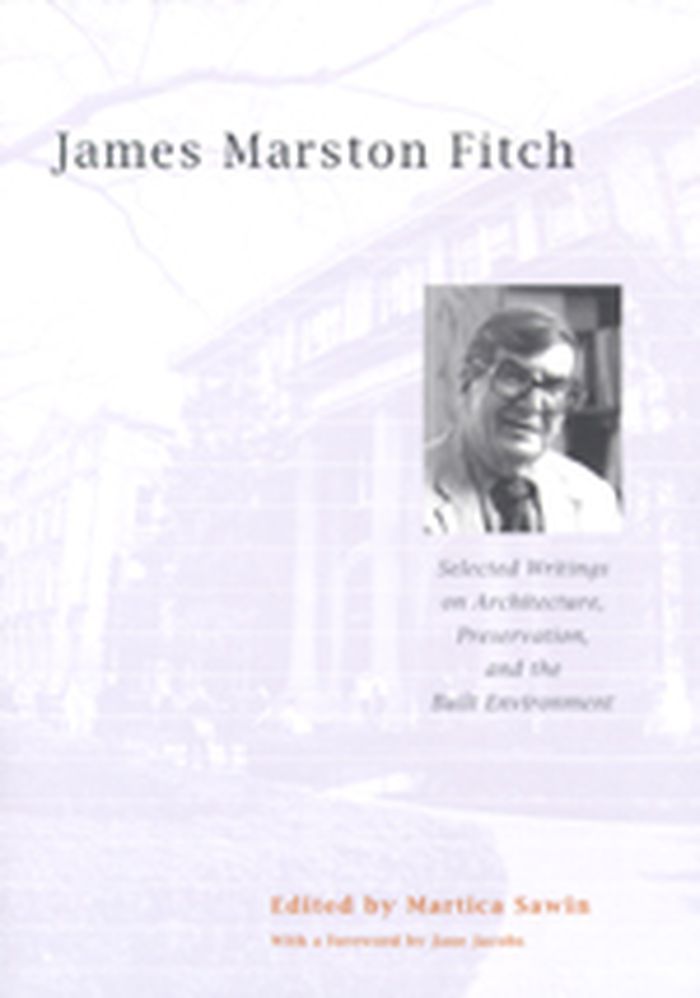
James Marston Fitch
James Marston Fitch
Actions:
Prix:
$35.00
(disponible sur commande)
Résumé:
Founder of the nation's first graduate program in historic preservation, at Columbia University, architect James Marston Fitch was a prolific critic, historian, preservationist, environmentalist, and philosopher. In this, the first anthology of his writings—some never before published—Fitch's ideas and observations on a range of subjects are brought to light in a single,(...)
$35.00
(disponible sur commande)
Résumé:
Founder of the nation's first graduate program in historic preservation, at Columbia University, architect James Marston Fitch was a prolific critic, historian, preservationist, environmentalist, and philosopher. In this, the first anthology of his writings—some never before published—Fitch's ideas and observations on a range of subjects are brought to light in a single,(...)
Sujet:
Théorie de l’architecture
Théorie de l’architecture
Publication:
avril 2007, New York London
avril 2007, New York London
Titre:
James Marston Fitch
Actions:
Prix:
$35.00
(disponible sur commande)
Résumé:
Founder of the nation's first graduate program in historic preservation, at Columbia University, architect James Marston Fitch was a prolific critic, historian, preservationist, environmentalist, and philosopher. In this, the first anthology of his writings—some never before published—Fitch's ideas and observations on a range of subjects are brought to light in a single, invaluable volume. 30 illustrations.
James Marston Fitch
Actions:
Prix:
$35.00
(disponible sur commande)
Résumé:
Founder of the nation's first graduate program in historic preservation, at Columbia University, architect James Marston Fitch was a prolific critic, historian, preservationist, environmentalist, and philosopher. In this, the first anthology of his writings—some never before published—Fitch's ideas and observations on a range of subjects are brought to light in a single, invaluable volume. 30 illustrations.
Classification:
livres
livres
Publication:
avril 2007, New York London
avril 2007, New York London
Sujet:
Théorie de l’architecture
Théorie de l’architecture
Classification:
livres
livres
Titre:
Architecture & mobility
Architecture & mobility
Actions:
Prix:
$38.00
(disponible sur commande)
Résumé:
Finizio’s theme is one we can see on the streets: having changed the 19th-century city into a “metropolis” of suburbs and highways, the car as an object is, in turn, changing in relation to the modern city. A leading Italian design professional, Finizio has gathered an international symposium of architects to explore how urban planning, architecture, and design ideas can(...)
$38.00
(disponible sur commande)
Résumé:
Finizio’s theme is one we can see on the streets: having changed the 19th-century city into a “metropolis” of suburbs and highways, the car as an object is, in turn, changing in relation to the modern city. A leading Italian design professional, Finizio has gathered an international symposium of architects to explore how urban planning, architecture, and design ideas can(...)
Titre:
Architecture & mobility
Actions:
Prix:
$38.00
(disponible sur commande)
Résumé:
Finizio’s theme is one we can see on the streets: having changed the 19th-century city into a “metropolis” of suburbs and highways, the car as an object is, in turn, changing in relation to the modern city. A leading Italian design professional, Finizio has gathered an international symposium of architects to explore how urban planning, architecture, and design ideas can create a new design philosophy for the automobile as a sort of domestic moving space that interacts with the new urban environment. This richly illustrated book focuses on the relationship between the static city and “mobile architecture” of the car through the works of some of the most important contemporary international architects such as Frank Gehry, Rem Koolhass, Jean Nouvel, Massimiliano Fuksas, and Alessandro Mendini.This is an urgent, exciting design mission that finally deals with how thinking about the urban car must coevolve in profound new ways.
Architecture & mobility
Actions:
Prix:
$38.00
(disponible sur commande)
Résumé:
Finizio’s theme is one we can see on the streets: having changed the 19th-century city into a “metropolis” of suburbs and highways, the car as an object is, in turn, changing in relation to the modern city. A leading Italian design professional, Finizio has gathered an international symposium of architects to explore how urban planning, architecture, and design ideas can create a new design philosophy for the automobile as a sort of domestic moving space that interacts with the new urban environment. This richly illustrated book focuses on the relationship between the static city and “mobile architecture” of the car through the works of some of the most important contemporary international architects such as Frank Gehry, Rem Koolhass, Jean Nouvel, Massimiliano Fuksas, and Alessandro Mendini.This is an urgent, exciting design mission that finally deals with how thinking about the urban car must coevolve in profound new ways.
Classification:
livres
livres
Publication:
octobre 2007, New York
octobre 2007, New York
Sujet:
Théorie de l’architecture
Théorie de l’architecture
Classification:
livres
livres
Titre:
Avant - Garde Fascism
Avant - Garde Fascism
Actions:
Prix:
$27.95
(disponible sur commande)
Résumé:
Investigating the central role that theories of the visual arts and creativity played in the development of fascism in France, Mark Antliff examines the aesthetic dimension of fascist myth-making within the history of the avant-garde. Between 1909 and 1939, a surprising array of modernists were implicated in this project, including such well-known figures as the symbolist(...)
$27.95
(disponible sur commande)
Résumé:
Investigating the central role that theories of the visual arts and creativity played in the development of fascism in France, Mark Antliff examines the aesthetic dimension of fascist myth-making within the history of the avant-garde. Between 1909 and 1939, a surprising array of modernists were implicated in this project, including such well-known figures as the symbolist(...)
Titre:
Avant - Garde Fascism
Actions:
Prix:
$27.95
(disponible sur commande)
Résumé:
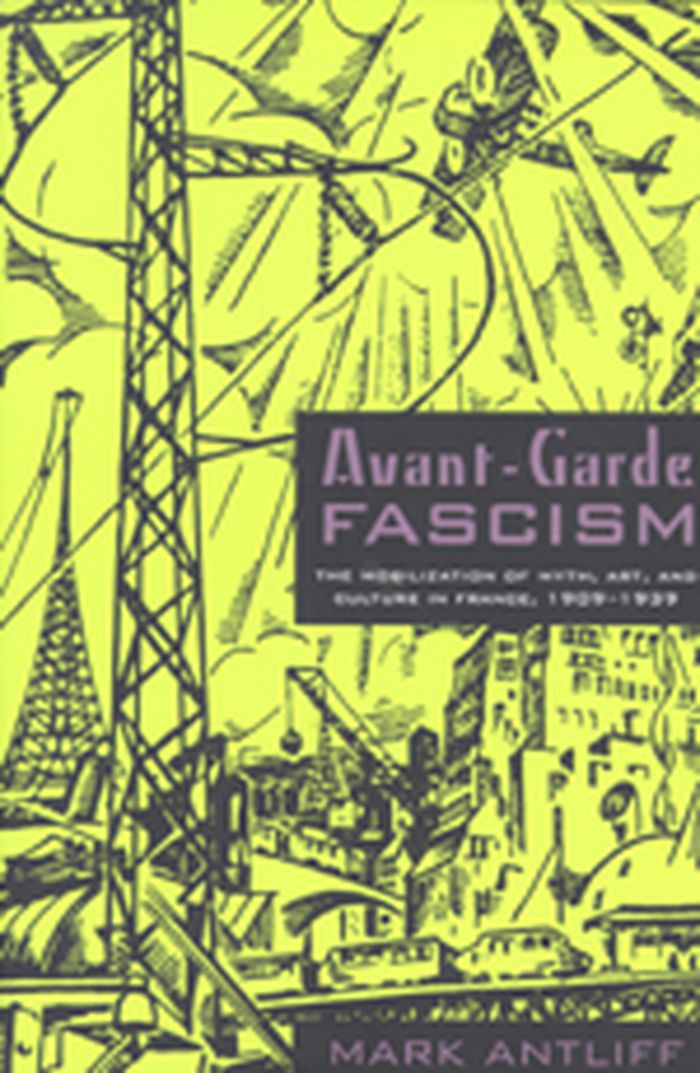
Investigating the central role that theories of the visual arts and creativity played in the development of fascism in France, Mark Antliff examines the aesthetic dimension of fascist myth-making within the history of the avant-garde. Between 1909 and 1939, a surprising array of modernists were implicated in this project, including such well-known figures as the symbolist painter Maurice Denis, the architects Le Corbusier and Auguste Perret, the sculptors Charles Despiau and Aristide Maillol, the “New Vision” photographer Germaine Krull, and the fauve Maurice Vlaminck.
Avant - Garde Fascism
Actions:
Prix:
$27.95
(disponible sur commande)
Résumé:
Investigating the central role that theories of the visual arts and creativity played in the development of fascism in France, Mark Antliff examines the aesthetic dimension of fascist myth-making within the history of the avant-garde. Between 1909 and 1939, a surprising array of modernists were implicated in this project, including such well-known figures as the symbolist painter Maurice Denis, the architects Le Corbusier and Auguste Perret, the sculptors Charles Despiau and Aristide Maillol, the “New Vision” photographer Germaine Krull, and the fauve Maurice Vlaminck.
Classification:
livres
livres
Publication:
septembre 2007, Durham London
septembre 2007, Durham London
Sujet:
Théorie de l’architecture
Théorie de l’architecture
Classification:
livres
livres
Actions:
Prix:
$22.95
(disponible sur commande)
Résumé:
In a volume that brings together a wide range of disciplines - art history, sociology, architecture, cultural anthropology, and environmental psychology - Irene Cieraad presents a collection of articles that focuses on the practices and symbolism of domestic space in Western society. These essays go beyond the discussion of conventional issues such as aesthetics and(...)
$22.95
(disponible sur commande)
Résumé:
In a volume that brings together a wide range of disciplines - art history, sociology, architecture, cultural anthropology, and environmental psychology - Irene Cieraad presents a collection of articles that focuses on the practices and symbolism of domestic space in Western society. These essays go beyond the discussion of conventional issues such as aesthetics and(...)
Titre:
At home : An anthroplogy of domestic space
Actions:
Prix:
$22.95
(disponible sur commande)
Résumé:
In a volume that brings together a wide range of disciplines - art history, sociology, architecture, cultural anthropology, and environmental psychology - Irene Cieraad presents a collection of articles that focuses on the practices and symbolism of domestic space in Western society. These essays go beyond the discussion of conventional issues such as aesthetics and social standing. At Home takes an in-depth anthropological look at how different cultures use their homes as a visual model of the culture's social structure.
At home : An anthroplogy of domestic space
Actions:
Prix:
$22.95
(disponible sur commande)
Résumé:
In a volume that brings together a wide range of disciplines - art history, sociology, architecture, cultural anthropology, and environmental psychology - Irene Cieraad presents a collection of articles that focuses on the practices and symbolism of domestic space in Western society. These essays go beyond the discussion of conventional issues such as aesthetics and social standing. At Home takes an in-depth anthropological look at how different cultures use their homes as a visual model of the culture's social structure.
Classification:
livres
livres
Publication:
octobre 2006, Syracuse
octobre 2006, Syracuse
Sujet:
Théorie de l’architecture
Théorie de l’architecture
Classification:
livres
livres
Actions:
Prix:
$32.95
(disponible sur commande)
Résumé:
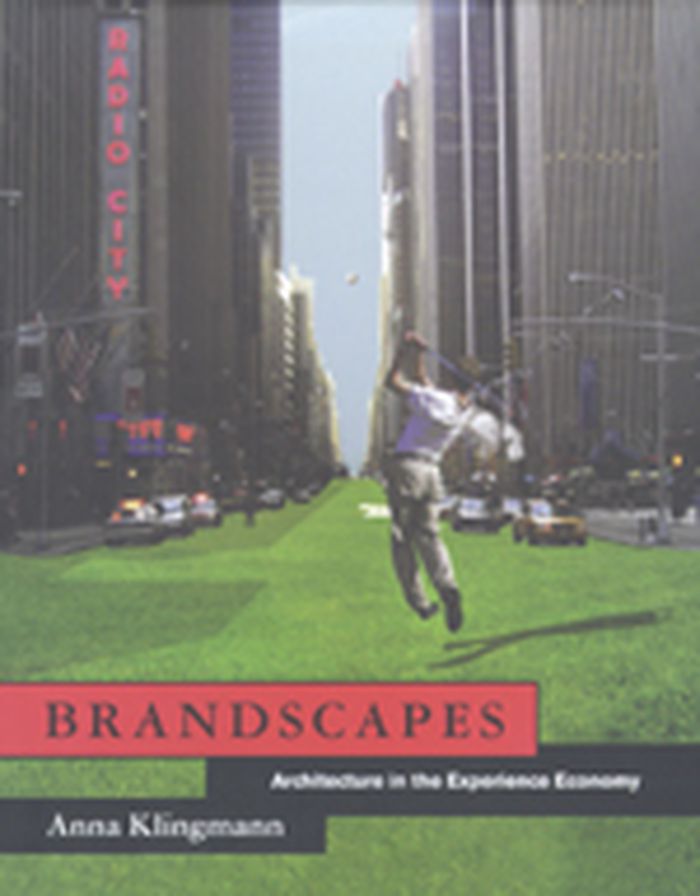
How can architects use branding as a means to differentiate places from the inside out--and not, as current development practices seem to dictate, from the outside in? When architecture brings together ecology, economics, and social well-being to help people and places regain self-sufficiency, writes Klingmann, it can be a catalyst for cultural and economic transformation.
$32.95
(disponible sur commande)
Résumé:
How can architects use branding as a means to differentiate places from the inside out--and not, as current development practices seem to dictate, from the outside in? When architecture brings together ecology, economics, and social well-being to help people and places regain self-sufficiency, writes Klingmann, it can be a catalyst for cultural and economic transformation.
Sujet:
Théorie de l’architecture
Théorie de l’architecture
Publication:
septembre 2007, Cambridge London
septembre 2007, Cambridge London
Titre:
Brandscapes : Architecture in the experience economy
Actions:
Prix:
$32.95
(disponible sur commande)
Résumé:
How can architects use branding as a means to differentiate places from the inside out--and not, as current development practices seem to dictate, from the outside in? When architecture brings together ecology, economics, and social well-being to help people and places regain self-sufficiency, writes Klingmann, it can be a catalyst for cultural and economic transformation.
Brandscapes : Architecture in the experience economy
Actions:
Prix:
$32.95
(disponible sur commande)
Résumé:
How can architects use branding as a means to differentiate places from the inside out--and not, as current development practices seem to dictate, from the outside in? When architecture brings together ecology, economics, and social well-being to help people and places regain self-sufficiency, writes Klingmann, it can be a catalyst for cultural and economic transformation.
Classification:
livres
livres
Publication:
septembre 2007, Cambridge London
septembre 2007, Cambridge London
Sujet:
Théorie de l’architecture
Théorie de l’architecture
Classification:
livres
livres
Prix:
$35.00
(disponible sur commande)
Résumé:
In Architecture or Techno-Utopia, Felicity Scott traces an alternative genealogy of the postmodern turn in American architecture, focusing on a set of experimental practices and polemics that emerged in the late 1960s and early 1970s. Scott examines projects, conceptual work, exhibitions, publications, pedagogical initiatives, and agitprop performances that had as their(...)
$35.00
(disponible sur commande)
Résumé:
In Architecture or Techno-Utopia, Felicity Scott traces an alternative genealogy of the postmodern turn in American architecture, focusing on a set of experimental practices and polemics that emerged in the late 1960s and early 1970s. Scott examines projects, conceptual work, exhibitions, publications, pedagogical initiatives, and agitprop performances that had as their(...)
Sujet:
Théorie de l’architecture
Théorie de l’architecture
Publication:
novembre 2007, Cambridge, London
novembre 2007, Cambridge, London
Titre:
Architecture or Techno-utopia : politics after modernism
Actions:
Prix:
$35.00
(disponible sur commande)
Résumé:
In Architecture or Techno-Utopia, Felicity Scott traces an alternative genealogy of the postmodern turn in American architecture, focusing on a set of experimental practices and polemics that emerged in the late 1960s and early 1970s. Scott examines projects, conceptual work, exhibitions, publications, pedagogical initiatives, and agitprop performances that had as their premise the belief that architecture could be ethically and politically relevant. Although most of these strategies were far from the mainstream of American architectural practice, Scott suggests that their ambition-the demonstration of architecture's ongoing potential for social and political engagement-was nonetheless remarkable.
Architecture or Techno-utopia : politics after modernism
Actions:
Prix:
$35.00
(disponible sur commande)
Résumé:
In Architecture or Techno-Utopia, Felicity Scott traces an alternative genealogy of the postmodern turn in American architecture, focusing on a set of experimental practices and polemics that emerged in the late 1960s and early 1970s. Scott examines projects, conceptual work, exhibitions, publications, pedagogical initiatives, and agitprop performances that had as their premise the belief that architecture could be ethically and politically relevant. Although most of these strategies were far from the mainstream of American architectural practice, Scott suggests that their ambition-the demonstration of architecture's ongoing potential for social and political engagement-was nonetheless remarkable.
Classification:
livres
livres
Publication:
novembre 2007, Cambridge, London
novembre 2007, Cambridge, London
Sujet:
Théorie de l’architecture
Théorie de l’architecture
Classification:
livres
livres
Actions:
Prix:
$32.95
(disponible sur commande)
Résumé:
In "Enduring innocence", Keller Easterling tells the stories of outlaw "spatial products" -resorts, information technology campuses, retail chains, golf courses, ports, and other hybrid spaces that exist outside normal constituencies and jurisdictions, in difficult political situations around the world. These spaces -familiar commercial formulas of retail, business, and(...)
$32.95
(disponible sur commande)
Résumé:
In "Enduring innocence", Keller Easterling tells the stories of outlaw "spatial products" -resorts, information technology campuses, retail chains, golf courses, ports, and other hybrid spaces that exist outside normal constituencies and jurisdictions, in difficult political situations around the world. These spaces -familiar commercial formulas of retail, business, and(...)
Sujet:
Théorie de l’architecture
Théorie de l’architecture
Publication:
octobre 2007, Cambridge (MA), London
octobre 2007, Cambridge (MA), London
Titre:
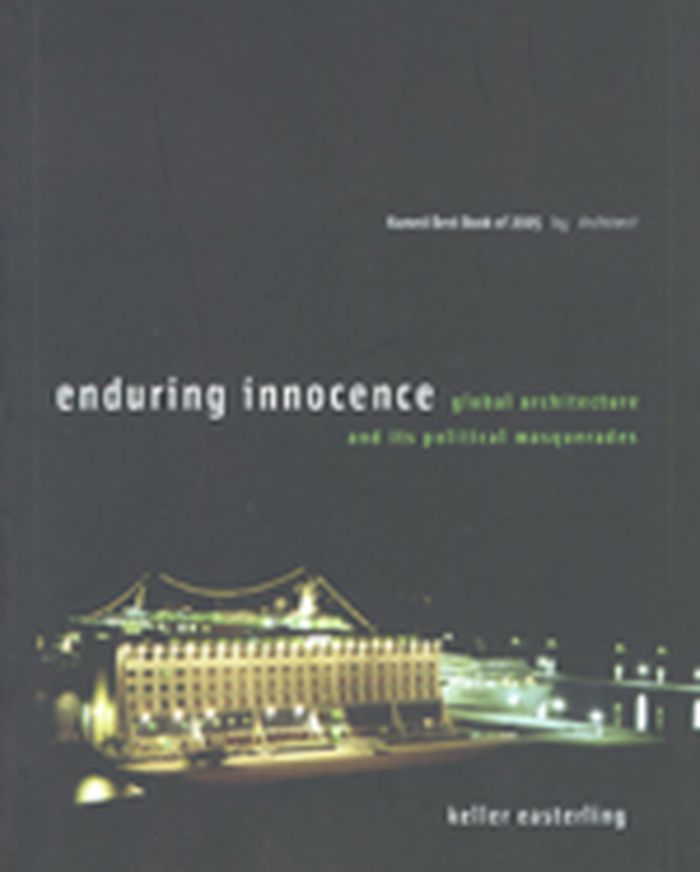
Enduring innocence : global archtitecture and its political masquerades
Actions:
Prix:
$32.95
(disponible sur commande)
Résumé:
In "Enduring innocence", Keller Easterling tells the stories of outlaw "spatial products" -resorts, information technology campuses, retail chains, golf courses, ports, and other hybrid spaces that exist outside normal constituencies and jurisdictions, in difficult political situations around the world. These spaces -familiar commercial formulas of retail, business, and trade - aspire to be worlds unto themselves, self-reflexive and innocent of politics. But as Easterling shows, these enclaves can become political pawns and objects of contention. Jurisdictionally ambiguous, they are imbued with myths, desires, and symbolic capital. Their hilarious and dangerous masquerades often mix quite easily with the cunning of political platforms. Easterling argues that the study of such "real estate cocktails" provides vivid evidence of the market's weakness, resilience, or violence. These regimes of nonnational sovereignty, she writes, "move around the world like weather fronts"; Easterling focuses not on their blending - their global connectivity - but on their segregation and the cultural collisions that ensue. "Enduring innocence" resists the dream of one globally legible world found in many architectural discourses on globalization. Instead, Easterling's consideration of these segregated worlds provides new tools for practitioners sensitive to the political composition of urban landscapes.
Enduring innocence : global archtitecture and its political masquerades
Actions:
Prix:
$32.95
(disponible sur commande)
Résumé:
In "Enduring innocence", Keller Easterling tells the stories of outlaw "spatial products" -resorts, information technology campuses, retail chains, golf courses, ports, and other hybrid spaces that exist outside normal constituencies and jurisdictions, in difficult political situations around the world. These spaces -familiar commercial formulas of retail, business, and trade - aspire to be worlds unto themselves, self-reflexive and innocent of politics. But as Easterling shows, these enclaves can become political pawns and objects of contention. Jurisdictionally ambiguous, they are imbued with myths, desires, and symbolic capital. Their hilarious and dangerous masquerades often mix quite easily with the cunning of political platforms. Easterling argues that the study of such "real estate cocktails" provides vivid evidence of the market's weakness, resilience, or violence. These regimes of nonnational sovereignty, she writes, "move around the world like weather fronts"; Easterling focuses not on their blending - their global connectivity - but on their segregation and the cultural collisions that ensue. "Enduring innocence" resists the dream of one globally legible world found in many architectural discourses on globalization. Instead, Easterling's consideration of these segregated worlds provides new tools for practitioners sensitive to the political composition of urban landscapes.
Classification:
livres
livres
Publication:
octobre 2007, Cambridge (MA), London
octobre 2007, Cambridge (MA), London
Sujet:
Théorie de l’architecture
Théorie de l’architecture
Classification:
livres
livres
Actions:
Prix:
$35.00
(disponible sur commande)
Résumé:
In the past, buildings and other constructions representing singular moments for the community were called monuments. Their origin was expression of power, celebration of ritual or collective affirmation. In the contemporary world, a project that aspires to be exceptionally expressive is commonly called an icon. This book claims that star-architects and their “iconic”(...)
$35.00
(disponible sur commande)
Résumé:
In the past, buildings and other constructions representing singular moments for the community were called monuments. Their origin was expression of power, celebration of ritual or collective affirmation. In the contemporary world, a project that aspires to be exceptionally expressive is commonly called an icon. This book claims that star-architects and their “iconic”(...)
Publication:
janvier 2010
janvier 2010
Titre:
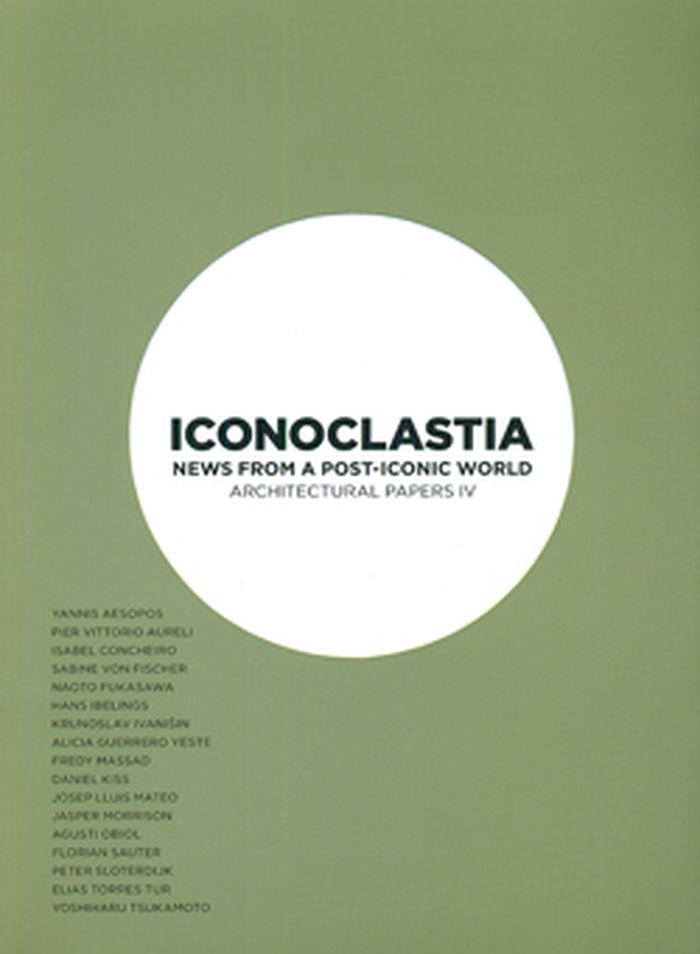
Architectural Papers IV : iconoclastia, news from a post-iconic world
Actions:
Prix:
$35.00
(disponible sur commande)
Résumé:
In the past, buildings and other constructions representing singular moments for the community were called monuments. Their origin was expression of power, celebration of ritual or collective affirmation. In the contemporary world, a project that aspires to be exceptionally expressive is commonly called an icon. This book claims that star-architects and their “iconic” architecture are no longer valid today, as these projects are all driven by marketing machineries. Architecture should re-emerge as a credible artefact and fulfill the transcendent demands of our time.The publication begins with a series of general texts on themes that vary but all share a common critical look at the role of the iconic on the recent architecture scene.
Architectural Papers IV : iconoclastia, news from a post-iconic world
Actions:
Prix:
$35.00
(disponible sur commande)
Résumé:
In the past, buildings and other constructions representing singular moments for the community were called monuments. Their origin was expression of power, celebration of ritual or collective affirmation. In the contemporary world, a project that aspires to be exceptionally expressive is commonly called an icon. This book claims that star-architects and their “iconic” architecture are no longer valid today, as these projects are all driven by marketing machineries. Architecture should re-emerge as a credible artefact and fulfill the transcendent demands of our time.The publication begins with a series of general texts on themes that vary but all share a common critical look at the role of the iconic on the recent architecture scene.
Classification:
livres
livres
Publication:
janvier 2010
janvier 2010
Classification:
livres
livres
Prix:
$64.95
(disponible sur commande)
Résumé:
Aeolian Winds and the Spirit in Renaissance Architecture introduces new dimensions of thinking about architectural theory. Investigating Renaissance pneumatic architecture with respect to other disciplines of arts and sciences, the collected essays substantiate the thesis that pneuma (air, wind, spirit, soul) is a fundamental link for establishing harmony among the human(...)
$64.95
(disponible sur commande)
Résumé:
Aeolian Winds and the Spirit in Renaissance Architecture introduces new dimensions of thinking about architectural theory. Investigating Renaissance pneumatic architecture with respect to other disciplines of arts and sciences, the collected essays substantiate the thesis that pneuma (air, wind, spirit, soul) is a fundamental link for establishing harmony among the human(...)
Titre:
Aeolian winds and the spirit in renaissance architecture
Actions:
Prix:
$64.95
(disponible sur commande)
Résumé:
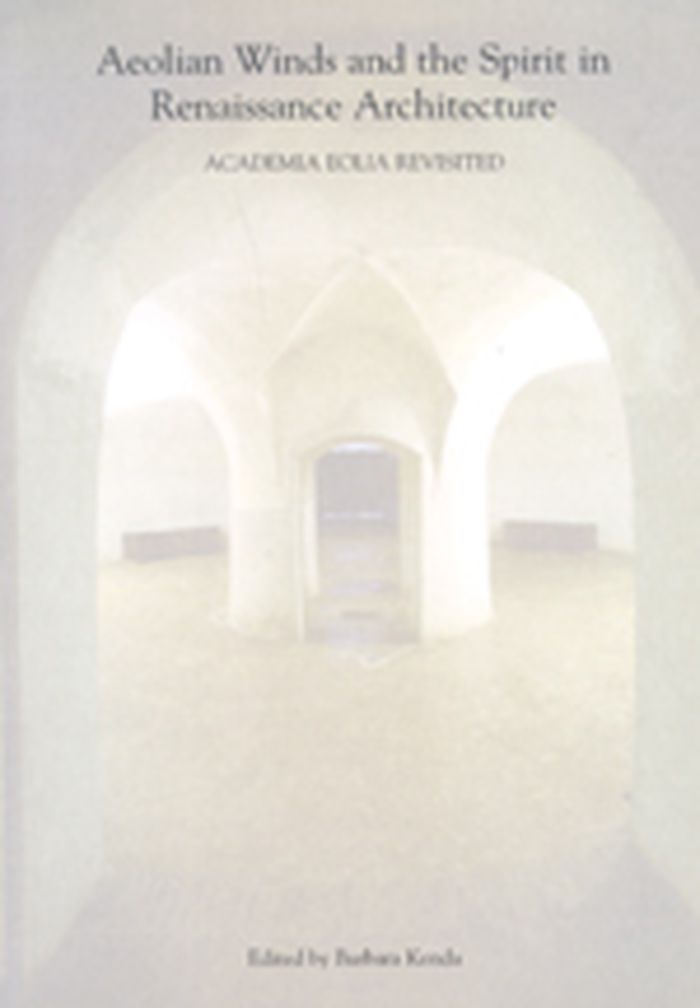
Aeolian Winds and the Spirit in Renaissance Architecture introduces new dimensions of thinking about architectural theory. Investigating Renaissance pneumatic architecture with respect to other disciplines of arts and sciences, the collected essays substantiate the thesis that pneuma (air, wind, spirit, soul) is a fundamental link for establishing harmony among the human body, a building, and the cosmos. While much of sixteenth and seventeenth century scholarship has been devoted to the mathematics of ideal architecture, the book proves that essence, wind and ventilation are all part of the classical principles of building, and that one of the primary goals of Renaissance architects was to enhance the powers of pneuma so as to foster the art of well-being. This volume, written by leading architectural historians and scholars, delineates ancient and Renaissance theories and practice of pneumatology, and indicates a link to contemporary environmental questions. It examines Anaximenes, Hippocrates, Galen, Trento, Romano, Alberti, Serlio, Palladio, Scamozzi and other thinkers and humanists. Moreover, the essays illustrate the most famous examples of hygienico-therapeutic villas, including Rotonda, La Rocca Pisana and Eolia, a pneumatic model of Renaissance Venetian architecture.
Aeolian winds and the spirit in renaissance architecture
Actions:
Prix:
$64.95
(disponible sur commande)
Résumé:
Aeolian Winds and the Spirit in Renaissance Architecture introduces new dimensions of thinking about architectural theory. Investigating Renaissance pneumatic architecture with respect to other disciplines of arts and sciences, the collected essays substantiate the thesis that pneuma (air, wind, spirit, soul) is a fundamental link for establishing harmony among the human body, a building, and the cosmos. While much of sixteenth and seventeenth century scholarship has been devoted to the mathematics of ideal architecture, the book proves that essence, wind and ventilation are all part of the classical principles of building, and that one of the primary goals of Renaissance architects was to enhance the powers of pneuma so as to foster the art of well-being. This volume, written by leading architectural historians and scholars, delineates ancient and Renaissance theories and practice of pneumatology, and indicates a link to contemporary environmental questions. It examines Anaximenes, Hippocrates, Galen, Trento, Romano, Alberti, Serlio, Palladio, Scamozzi and other thinkers and humanists. Moreover, the essays illustrate the most famous examples of hygienico-therapeutic villas, including Rotonda, La Rocca Pisana and Eolia, a pneumatic model of Renaissance Venetian architecture.
Classification:
livres
livres
Publication:
décembre 2006, London New York
décembre 2006, London New York
Sujet:
Théorie de l’architecture
Théorie de l’architecture
Classification:
livres
livres
Actions:
Prix:
$83.95
(disponible sur commande)
Résumé:
Taking a radical position counter to many previous histories and theories of the interior, domesticity and the home, "The emergence of the interior" considers how the concept and experience of the domestic interior have been formed from the beginning of the nineteenth century. It considers the interior's emergence in relation to the thinking of Walter Benjamin and Sigmund(...)
$83.95
(disponible sur commande)
Résumé:
Taking a radical position counter to many previous histories and theories of the interior, domesticity and the home, "The emergence of the interior" considers how the concept and experience of the domestic interior have been formed from the beginning of the nineteenth century. It considers the interior's emergence in relation to the thinking of Walter Benjamin and Sigmund(...)
Titre:
The emergence of the interior : architecture, modernity, domesticity
Actions:
Prix:
$83.95
(disponible sur commande)
Résumé:
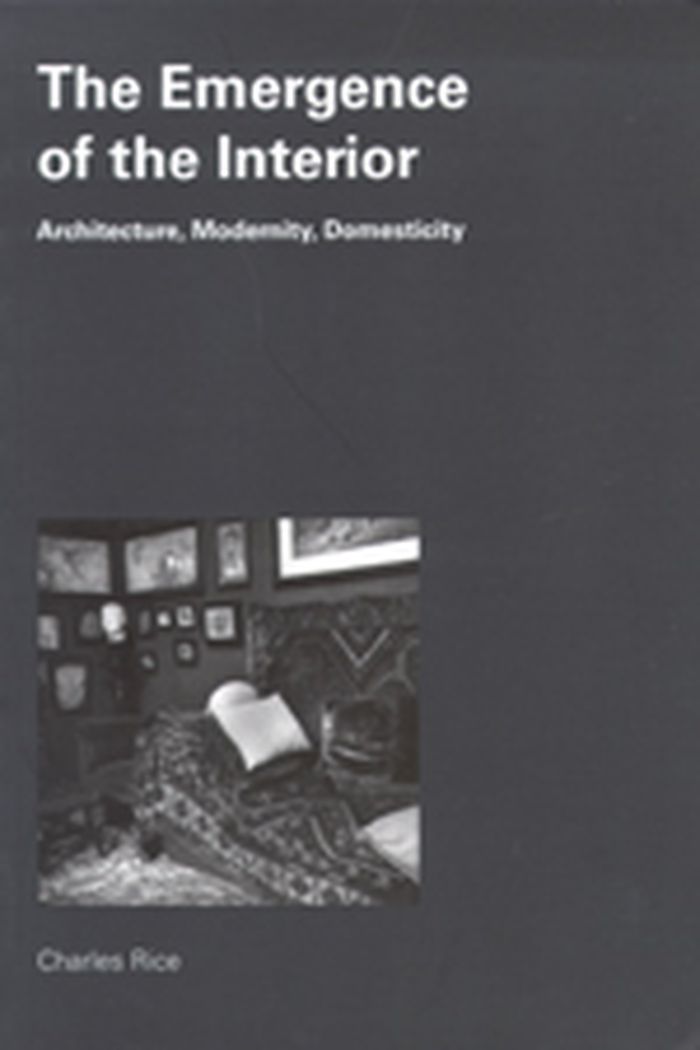
Taking a radical position counter to many previous histories and theories of the interior, domesticity and the home, "The emergence of the interior" considers how the concept and experience of the domestic interior have been formed from the beginning of the nineteenth century. It considers the interior's emergence in relation to the thinking of Walter Benjamin and Sigmund Freud, and, through case studies, in architecture's trajectories toward modernism. The book argues that the interior emerged with a sense of 'doubleness', being understood and experienced as both a spatial and an image-based condition. Incorporating perspectives from architecture, critical history and theory, and psychoanalysis, "The emergence of the interior" will be of interest to academics and students of the history and theory of architecture and design, social history, and cultural studies.
The emergence of the interior : architecture, modernity, domesticity
Actions:
Prix:
$83.95
(disponible sur commande)
Résumé:
Taking a radical position counter to many previous histories and theories of the interior, domesticity and the home, "The emergence of the interior" considers how the concept and experience of the domestic interior have been formed from the beginning of the nineteenth century. It considers the interior's emergence in relation to the thinking of Walter Benjamin and Sigmund Freud, and, through case studies, in architecture's trajectories toward modernism. The book argues that the interior emerged with a sense of 'doubleness', being understood and experienced as both a spatial and an image-based condition. Incorporating perspectives from architecture, critical history and theory, and psychoanalysis, "The emergence of the interior" will be of interest to academics and students of the history and theory of architecture and design, social history, and cultural studies.
Classification:
livres
livres
Publication:
décembre 2006, London, New York
décembre 2006, London, New York
Sujet:
Théorie de l’architecture
Théorie de l’architecture


