


319 Résultats
Classification:
livres
livres

Actions:
Prix:
$14.50
(disponible en magasin)
Résumé:
"Travail utile, fatigue inutile" est un texte fondamental. À l’heure des bullshit jobs, ce texte prémonitoire fait figure de manifeste, de bréviaire, alors que le modèle économique dévastateur mis en place depuis un demi-siècle semble parvenu en bout de course. La révolution industrielle, la démesure de la production dans le capitalisme émergent, nourri de la pensée(...)
$14.50
(disponible en magasin)
Résumé:
"Travail utile, fatigue inutile" est un texte fondamental. À l’heure des bullshit jobs, ce texte prémonitoire fait figure de manifeste, de bréviaire, alors que le modèle économique dévastateur mis en place depuis un demi-siècle semble parvenu en bout de course. La révolution industrielle, la démesure de la production dans le capitalisme émergent, nourri de la pensée(...)
Titre:
Travail utile, fatigue inutile
Actions:
Prix:
$14.50
(disponible en magasin)
Résumé:
"Travail utile, fatigue inutile" est un texte fondamental. À l’heure des bullshit jobs, ce texte prémonitoire fait figure de manifeste, de bréviaire, alors que le modèle économique dévastateur mis en place depuis un demi-siècle semble parvenu en bout de course. La révolution industrielle, la démesure de la production dans le capitalisme émergent, nourri de la pensée libérale utilitariste, ont consacré l’idée d’un travail de plus en plus aliénant, qui a rompu avec le réel, le monde et la nature.
Travail utile, fatigue inutile
Actions:
Prix:
$14.50
(disponible en magasin)
Résumé:
"Travail utile, fatigue inutile" est un texte fondamental. À l’heure des bullshit jobs, ce texte prémonitoire fait figure de manifeste, de bréviaire, alors que le modèle économique dévastateur mis en place depuis un demi-siècle semble parvenu en bout de course. La révolution industrielle, la démesure de la production dans le capitalisme émergent, nourri de la pensée libérale utilitariste, ont consacré l’idée d’un travail de plus en plus aliénant, qui a rompu avec le réel, le monde et la nature.
Classification:
livres
livres
Publication:
mars 2023
mars 2023
Sujet:
Théorie du design
Théorie du design
Classification:
livres
livres
Titre:
La puissance des images
La puissance des images
Actions:
Prix:
$39.95
(disponible en magasin)
Résumé:
« La puissance des images » croise Art X (1952) de Charles et Ray Eames, George Nelson et Alexander Girard avec la Knowledge Box (1962) de Ken Isaacs, deux pédagogies révolutionnaires de l'art et du design par l'image. Héritières des dispositifs immersifs de projections du XIXe siècle d'une démocratisation du savoir à grande échelle, ces avalanches d'images expérimentales(...)
$39.95
(disponible en magasin)
Résumé:
« La puissance des images » croise Art X (1952) de Charles et Ray Eames, George Nelson et Alexander Girard avec la Knowledge Box (1962) de Ken Isaacs, deux pédagogies révolutionnaires de l'art et du design par l'image. Héritières des dispositifs immersifs de projections du XIXe siècle d'une démocratisation du savoir à grande échelle, ces avalanches d'images expérimentales(...)
Titre:
La puissance des images
Actions:
Prix:
$39.95
(disponible en magasin)
Résumé:
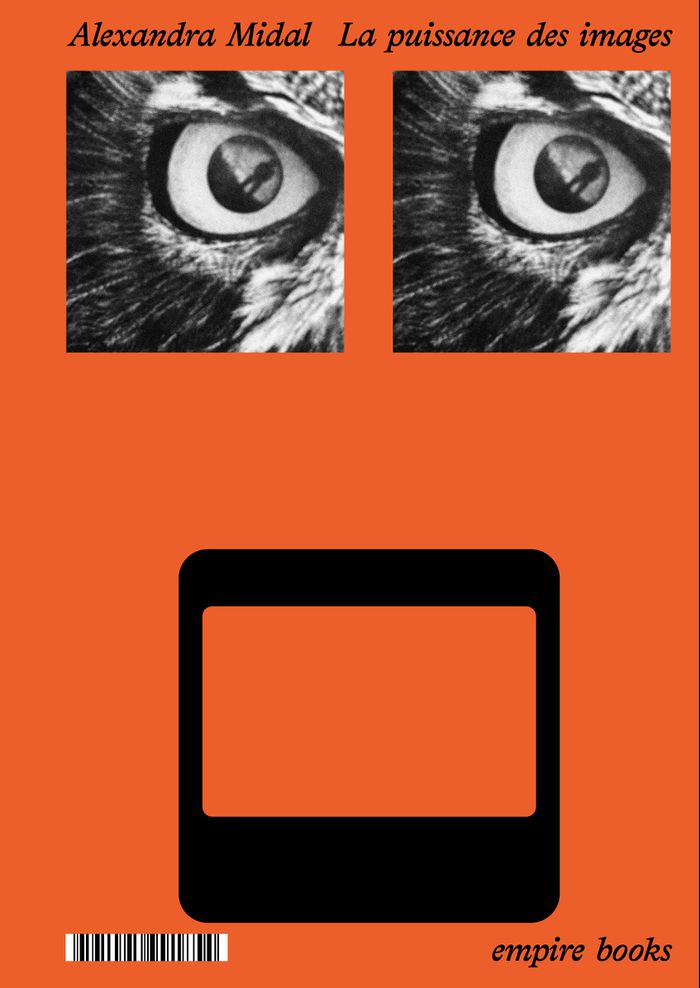
« La puissance des images » croise Art X (1952) de Charles et Ray Eames, George Nelson et Alexander Girard avec la Knowledge Box (1962) de Ken Isaacs, deux pédagogies révolutionnaires de l'art et du design par l'image. Héritières des dispositifs immersifs de projections du XIXe siècle d'une démocratisation du savoir à grande échelle, ces avalanches d'images expérimentales procèdent par un court-circuit des raisonnements inductifs, l'abolition des frontières entre les disciplines, et entre les champs de la connaissance et de l'apprentissage. Loin d'être des cas d'étude du passé, elles tentent de contrecarrer la perte d'attention liée aux séductions technologiques de la vision et leur impact, une préoccupation dont nous faisons l'expérience encore aujourd'hui.
La puissance des images
Actions:
Prix:
$39.95
(disponible en magasin)
Résumé:
« La puissance des images » croise Art X (1952) de Charles et Ray Eames, George Nelson et Alexander Girard avec la Knowledge Box (1962) de Ken Isaacs, deux pédagogies révolutionnaires de l'art et du design par l'image. Héritières des dispositifs immersifs de projections du XIXe siècle d'une démocratisation du savoir à grande échelle, ces avalanches d'images expérimentales procèdent par un court-circuit des raisonnements inductifs, l'abolition des frontières entre les disciplines, et entre les champs de la connaissance et de l'apprentissage. Loin d'être des cas d'étude du passé, elles tentent de contrecarrer la perte d'attention liée aux séductions technologiques de la vision et leur impact, une préoccupation dont nous faisons l'expérience encore aujourd'hui.
Classification:
livres
livres
Publication:
avril 2026
avril 2026
Sujet:
Théorie du design
Théorie du design
Classification:
livres
livres
Titre:
The little know it all
The little know it all
Actions:
Prix:
$48.95
(disponible sur commande)
Résumé:
What is a Meta-Tag? What kind of measurement is DIN A1? What kind of clearance and documents do you need before using copyrighted material? An interdisciplinary knowledge and understanding of design is practically requisite these days with the integration and crossover of evolving media. This book is divided into sections explicating unique vocabulary used in(...)
$48.95
(disponible sur commande)
Résumé:
What is a Meta-Tag? What kind of measurement is DIN A1? What kind of clearance and documents do you need before using copyrighted material? An interdisciplinary knowledge and understanding of design is practically requisite these days with the integration and crossover of evolving media. This book is divided into sections explicating unique vocabulary used in(...)
Sujet:
Théorie du design
Théorie du design
Publication:
octobre 2007, Berlin
octobre 2007, Berlin
Titre:
The little know it all
Actions:
Prix:
$48.95
(disponible sur commande)
Résumé:
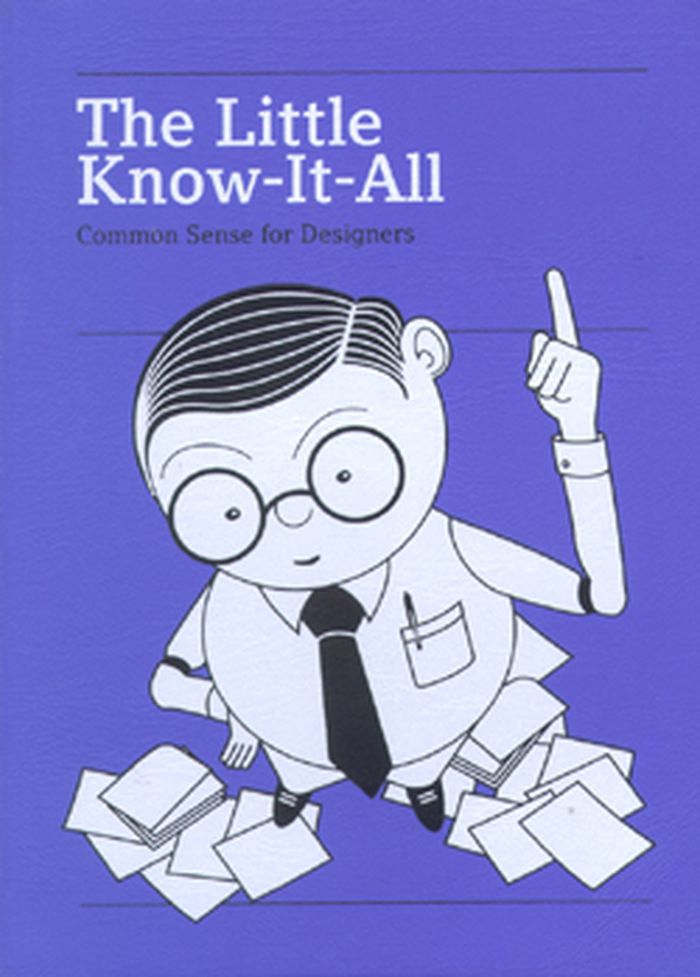
What is a Meta-Tag? What kind of measurement is DIN A1? What kind of clearance and documents do you need before using copyrighted material? An interdisciplinary knowledge and understanding of design is practically requisite these days with the integration and crossover of evolving media. This book is divided into sections explicating unique vocabulary used in design, printing, typography and photography and includes helpful tips and concise analysis in contiguous areas such as advertising, mulimedia, business, copyright and project management. It is structured thematically and equipped with a resourceful index that references numerous sources and links. This indispensable manual is complete with graphics that illustrate and supplement the texts, making it a stimulating reference book for students and newcomers while serving as a trusty companion for professional designers and media professionals alike in their everyday work.
The little know it all
Actions:
Prix:
$48.95
(disponible sur commande)
Résumé:
What is a Meta-Tag? What kind of measurement is DIN A1? What kind of clearance and documents do you need before using copyrighted material? An interdisciplinary knowledge and understanding of design is practically requisite these days with the integration and crossover of evolving media. This book is divided into sections explicating unique vocabulary used in design, printing, typography and photography and includes helpful tips and concise analysis in contiguous areas such as advertising, mulimedia, business, copyright and project management. It is structured thematically and equipped with a resourceful index that references numerous sources and links. This indispensable manual is complete with graphics that illustrate and supplement the texts, making it a stimulating reference book for students and newcomers while serving as a trusty companion for professional designers and media professionals alike in their everyday work.
Classification:
livres
livres
Publication:
octobre 2007, Berlin
octobre 2007, Berlin
Sujet:
Théorie du design
Théorie du design
Classification:
livres
livres
Actions:
Prix:
$17.95
(disponible sur commande)
Résumé:
The Inner Studio unveils a place of learning inside each of us where we can learn lessons about ourselves that are inseperable from what we design and build. Filled with anecdotes, examples and exercises, The Inner Studio guides readers into deeper levels of our imagination and decision making, focusing squareley on the experience of the designer during the creative act(...)
$17.95
(disponible sur commande)
Résumé:
The Inner Studio unveils a place of learning inside each of us where we can learn lessons about ourselves that are inseperable from what we design and build. Filled with anecdotes, examples and exercises, The Inner Studio guides readers into deeper levels of our imagination and decision making, focusing squareley on the experience of the designer during the creative act(...)
Titre:
The inner studio: a designer's guide to the resources of the psyche
Actions:
Prix:
$17.95
(disponible sur commande)
Résumé:
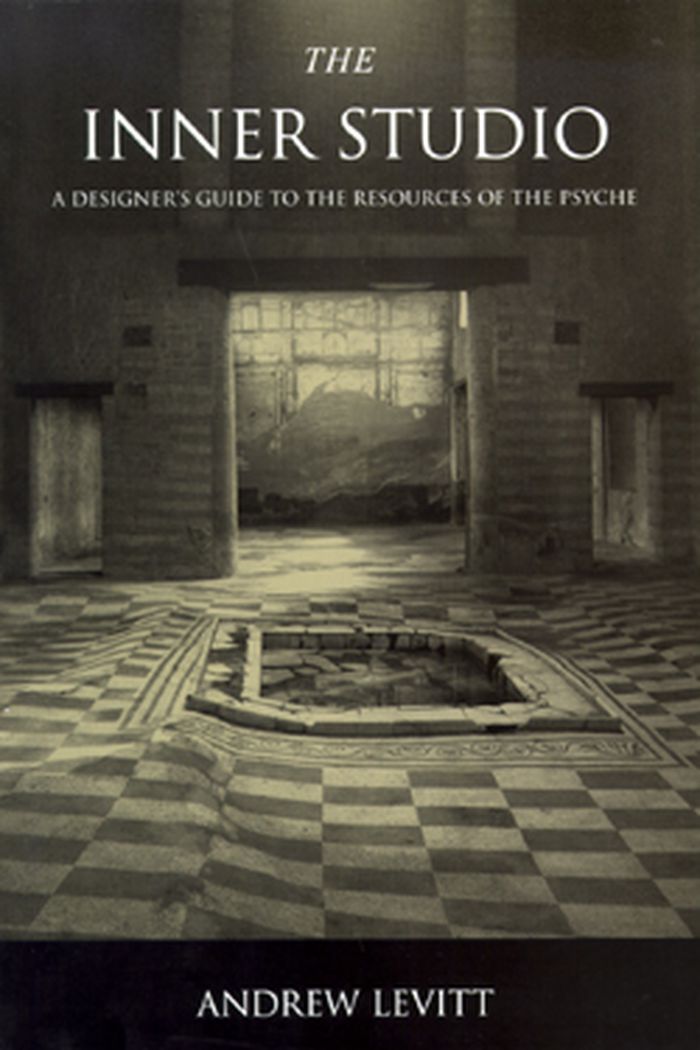
The Inner Studio unveils a place of learning inside each of us where we can learn lessons about ourselves that are inseperable from what we design and build. Filled with anecdotes, examples and exercises, The Inner Studio guides readers into deeper levels of our imagination and decision making, focusing squareley on the experience of the designer during the creative act of design. How do designers convert their subjective and often unconscious experience of the world into design? What are the creative consequencesof what we may call, designing from within?" Welcome to the The Inner Studio.
The inner studio: a designer's guide to the resources of the psyche
Actions:
Prix:
$17.95
(disponible sur commande)
Résumé:
The Inner Studio unveils a place of learning inside each of us where we can learn lessons about ourselves that are inseperable from what we design and build. Filled with anecdotes, examples and exercises, The Inner Studio guides readers into deeper levels of our imagination and decision making, focusing squareley on the experience of the designer during the creative act of design. How do designers convert their subjective and often unconscious experience of the world into design? What are the creative consequencesof what we may call, designing from within?" Welcome to the The Inner Studio.
Classification:
livres
livres
Publication:
octobre 2007, Waterloo
octobre 2007, Waterloo
Sujet:
Théorie du design
Théorie du design
Classification:
livres
livres
Actions:
Prix:
$42.50
(disponible en magasin)
Résumé:
We all know what a tool is, and what toys are. But what happens if the two concepts are combined? Manu's message is that many of the succesful products of the future will be – ToolToys.
$42.50
(disponible en magasin)
Résumé:
We all know what a tool is, and what toys are. But what happens if the two concepts are combined? Manu's message is that many of the succesful products of the future will be – ToolToys.
Publication:
janvier 1995, Kobenhavn
janvier 1995, Kobenhavn
Titre:
Tooltoys : redskaber med et element af leg / tools with an element of play
Actions:
Prix:
$42.50
(disponible en magasin)
Résumé:
We all know what a tool is, and what toys are. But what happens if the two concepts are combined? Manu's message is that many of the succesful products of the future will be – ToolToys.
Tooltoys : redskaber med et element af leg / tools with an element of play
Actions:
Prix:
$42.50
(disponible en magasin)
Résumé:
We all know what a tool is, and what toys are. But what happens if the two concepts are combined? Manu's message is that many of the succesful products of the future will be – ToolToys.
Classification:
livres
livres
Publication:
janvier 1995, Kobenhavn
janvier 1995, Kobenhavn
Classification:
livres
livres
Actions:
Prix:
$27.95
(disponible sur commande)
Résumé:
For Sherry Turkle, "We think with the objects we love; we love the objects we think with." In "Evocative objects", Turkle collects writings by scientists, humanists, artists, and designers that trace the power of everyday things. These essays reveal objects as emotional and intellectual companions that anchor memory, sustain relationships, and provoke new ideas. This(...)
$27.95
(disponible sur commande)
Résumé:
For Sherry Turkle, "We think with the objects we love; we love the objects we think with." In "Evocative objects", Turkle collects writings by scientists, humanists, artists, and designers that trace the power of everyday things. These essays reveal objects as emotional and intellectual companions that anchor memory, sustain relationships, and provoke new ideas. This(...)
Titre:
Evocative objects : things we think with
Actions:
Prix:
$27.95
(disponible sur commande)
Résumé:
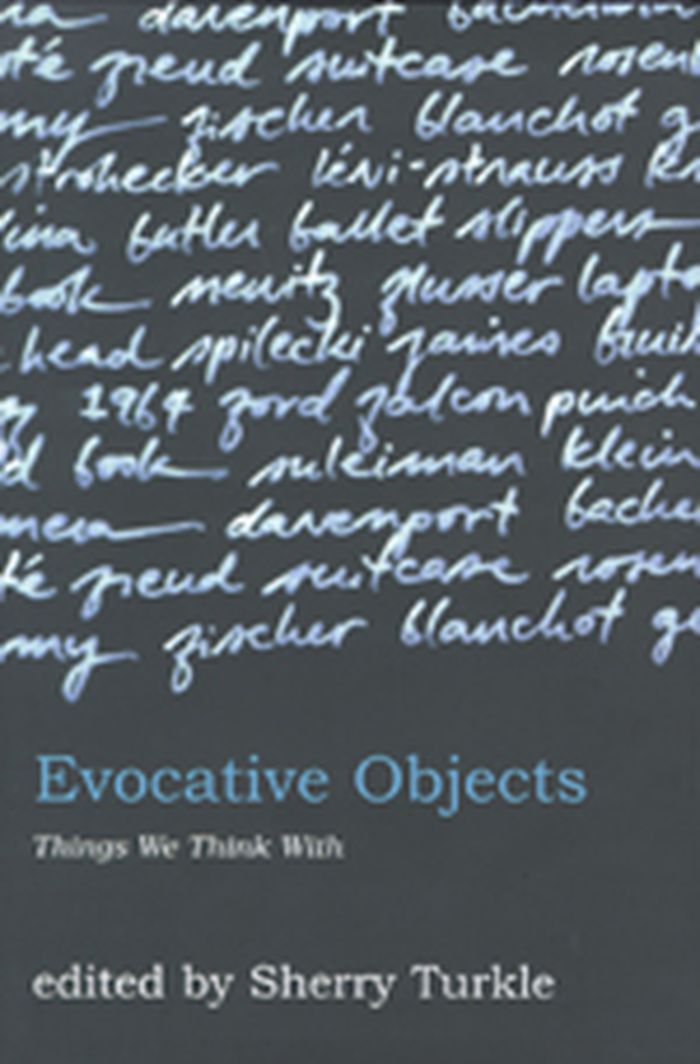
For Sherry Turkle, "We think with the objects we love; we love the objects we think with." In "Evocative objects", Turkle collects writings by scientists, humanists, artists, and designers that trace the power of everyday things. These essays reveal objects as emotional and intellectual companions that anchor memory, sustain relationships, and provoke new ideas. This volume's special contribution is its focus on everyday riches: the simplest of objects - an apple, a datebook, a laptop computer - are shown to bring philosophy down to earth. The poet contends, "No ideas but in things." The notion of evocative objects goes further : objects carry both ideas and passions. In our relations to things, thought and feeling are inseparable. Whether it's a student's beloved 1964 Ford Falcon (left behind for a station wagon and motherhood), or a cello that inspires a meditation on fatherhood, the intimate objects in this collection are used to reflect on larger themes -the role of objects in design and play, discipline and desire, history and exchange, mourning and memory, transition and passage, meditation and new vision. In the interest of enriching these connections, Turkle pairs each autobiographical essay with a text from philosophy, history, literature, or theory, creating juxtapositions at once playful and profound. So we have Howard Gardner's keyboards and Lev Vygotsky's hobbyhorses; William Mitchell's Melbourne train and Roland Barthes' pleasures of text; Joseph Cevetello's glucometer and Donna Haraway's cyborgs. Each essay is framed by images that are themselves evocative. Essays by Turkle begin and end the collection, inviting us to look more closely at the everyday objects of our lives, the familiar objects that drive our routines, hold our affections, and open out our world in unexpected ways.
Evocative objects : things we think with
Actions:
Prix:
$27.95
(disponible sur commande)
Résumé:
For Sherry Turkle, "We think with the objects we love; we love the objects we think with." In "Evocative objects", Turkle collects writings by scientists, humanists, artists, and designers that trace the power of everyday things. These essays reveal objects as emotional and intellectual companions that anchor memory, sustain relationships, and provoke new ideas. This volume's special contribution is its focus on everyday riches: the simplest of objects - an apple, a datebook, a laptop computer - are shown to bring philosophy down to earth. The poet contends, "No ideas but in things." The notion of evocative objects goes further : objects carry both ideas and passions. In our relations to things, thought and feeling are inseparable. Whether it's a student's beloved 1964 Ford Falcon (left behind for a station wagon and motherhood), or a cello that inspires a meditation on fatherhood, the intimate objects in this collection are used to reflect on larger themes -the role of objects in design and play, discipline and desire, history and exchange, mourning and memory, transition and passage, meditation and new vision. In the interest of enriching these connections, Turkle pairs each autobiographical essay with a text from philosophy, history, literature, or theory, creating juxtapositions at once playful and profound. So we have Howard Gardner's keyboards and Lev Vygotsky's hobbyhorses; William Mitchell's Melbourne train and Roland Barthes' pleasures of text; Joseph Cevetello's glucometer and Donna Haraway's cyborgs. Each essay is framed by images that are themselves evocative. Essays by Turkle begin and end the collection, inviting us to look more closely at the everyday objects of our lives, the familiar objects that drive our routines, hold our affections, and open out our world in unexpected ways.
Classification:
livres
livres
Publication:
avril 2007, Cambridge (MA)
avril 2007, Cambridge (MA)
Sujet:
Théorie du design
Théorie du design
Classification:
livres
livres
Titre:
Inquiry by design
Inquiry by design
Actions:
Prix:
$37.95
(disponible sur commande)
Résumé:
INQUIRY BY DESIGN lays out fundamental theoretical approaches to design and research as well as practical research methods applicable to planning, programming, and evaluating physical environments. It systematically describes basic methods of research and how to apply them and shows how collaboration between designers and researchers leads to greater design creativity.
$37.95
(disponible sur commande)
Résumé:
INQUIRY BY DESIGN lays out fundamental theoretical approaches to design and research as well as practical research methods applicable to planning, programming, and evaluating physical environments. It systematically describes basic methods of research and how to apply them and shows how collaboration between designers and researchers leads to greater design creativity.
Titre:
Inquiry by design
Actions:
Prix:
$37.95
(disponible sur commande)
Résumé:
INQUIRY BY DESIGN lays out fundamental theoretical approaches to design and research as well as practical research methods applicable to planning, programming, and evaluating physical environments. It systematically describes basic methods of research and how to apply them and shows how collaboration between designers and researchers leads to greater design creativity.
Inquiry by design
Actions:
Prix:
$37.95
(disponible sur commande)
Résumé:
INQUIRY BY DESIGN lays out fundamental theoretical approaches to design and research as well as practical research methods applicable to planning, programming, and evaluating physical environments. It systematically describes basic methods of research and how to apply them and shows how collaboration between designers and researchers leads to greater design creativity.
Classification:
livres
livres
Publication:
janvier 2006, New York, London
janvier 2006, New York, London
Sujet:
Théorie du design
Théorie du design
Classification:
livres
livres
Prix:
$25.95
(disponible sur commande)
Résumé:
Finally, we are learning that simplicity equals sanity. We're rebelling against technology that's too complicated, DVD players with too many menus, and software accompanied by 75-megabyte "read me" manuals. The iPod's clean gadgetry has made simplicity hip. But sometimes we find ourselves caught up in the simplicity paradox: we want something that's simple and easy to(...)
$25.95
(disponible sur commande)
Résumé:
Finally, we are learning that simplicity equals sanity. We're rebelling against technology that's too complicated, DVD players with too many menus, and software accompanied by 75-megabyte "read me" manuals. The iPod's clean gadgetry has made simplicity hip. But sometimes we find ourselves caught up in the simplicity paradox: we want something that's simple and easy to(...)
Titre:
The laws of simplicity : design, technology, business, life
Actions:
Prix:
$25.95
(disponible sur commande)
Résumé:
Finally, we are learning that simplicity equals sanity. We're rebelling against technology that's too complicated, DVD players with too many menus, and software accompanied by 75-megabyte "read me" manuals. The iPod's clean gadgetry has made simplicity hip. But sometimes we find ourselves caught up in the simplicity paradox: we want something that's simple and easy to use, but also does all the complex things we might ever want it to do. In "The laws of simplicity", John Maeda offers ten laws for balancing simplicity and complexity in business, technology, and design -guidelines for needing less and actually getting more. Maeda - a professor in MIT's Media Lab and a world-renowned graphic designer - explores the question of how we can redefine the notion of "improved" so that it doesn't always mean something more, something added on. Maeda's first law of simplicity is "Reduce." It's not necessarily beneficial to add technology features just because we can. And the features that we do have must be organized (Law 2) in a sensible hierarchy so users aren't distracted by features and functions they don't need. But simplicity is not less just for the sake of less. Skip ahead to Law 9: "Failure : accept the fact that some things can never be made simple." Maeda's concise guide to simplicity in the digital age shows us how this idea can be a cornerstone of organizations and their products -how it can drive both business and technology. We can learn to simplify without sacrificing comfort and meaning, and we can achieve the balance described in Law 10. This law, which Maeda calls "The One," tells us: "Simplicity is about subtracting the obvious, and adding the meaningful."
The laws of simplicity : design, technology, business, life
Actions:
Prix:
$25.95
(disponible sur commande)
Résumé:
Finally, we are learning that simplicity equals sanity. We're rebelling against technology that's too complicated, DVD players with too many menus, and software accompanied by 75-megabyte "read me" manuals. The iPod's clean gadgetry has made simplicity hip. But sometimes we find ourselves caught up in the simplicity paradox: we want something that's simple and easy to use, but also does all the complex things we might ever want it to do. In "The laws of simplicity", John Maeda offers ten laws for balancing simplicity and complexity in business, technology, and design -guidelines for needing less and actually getting more. Maeda - a professor in MIT's Media Lab and a world-renowned graphic designer - explores the question of how we can redefine the notion of "improved" so that it doesn't always mean something more, something added on. Maeda's first law of simplicity is "Reduce." It's not necessarily beneficial to add technology features just because we can. And the features that we do have must be organized (Law 2) in a sensible hierarchy so users aren't distracted by features and functions they don't need. But simplicity is not less just for the sake of less. Skip ahead to Law 9: "Failure : accept the fact that some things can never be made simple." Maeda's concise guide to simplicity in the digital age shows us how this idea can be a cornerstone of organizations and their products -how it can drive both business and technology. We can learn to simplify without sacrificing comfort and meaning, and we can achieve the balance described in Law 10. This law, which Maeda calls "The One," tells us: "Simplicity is about subtracting the obvious, and adding the meaningful."
Classification:
livres
livres
Publication:
septembre 2006, Cambridge (MA)
septembre 2006, Cambridge (MA)
Sujet:
Théorie du design
Théorie du design
Classification:
livres
livres
Actions:
Prix:
$25.95
(disponible sur commande)
Résumé:
"This is a book about science, technology, and love," writes Sherry Turkle. In it, we learn how a love for science can start with a love for an object--a microscope, a modem, a mud pie, a pair of dice, a fishing rod. Objects fire imagination and set young people on a path to a career in science. In this collection, distinguished scientists, engineers, and designers as(...)
$25.95
(disponible sur commande)
Résumé:
"This is a book about science, technology, and love," writes Sherry Turkle. In it, we learn how a love for science can start with a love for an object--a microscope, a modem, a mud pie, a pair of dice, a fishing rod. Objects fire imagination and set young people on a path to a career in science. In this collection, distinguished scientists, engineers, and designers as(...)
Titre:
Falling for science: objects in mind
Actions:
Prix:
$25.95
(disponible sur commande)
Résumé:
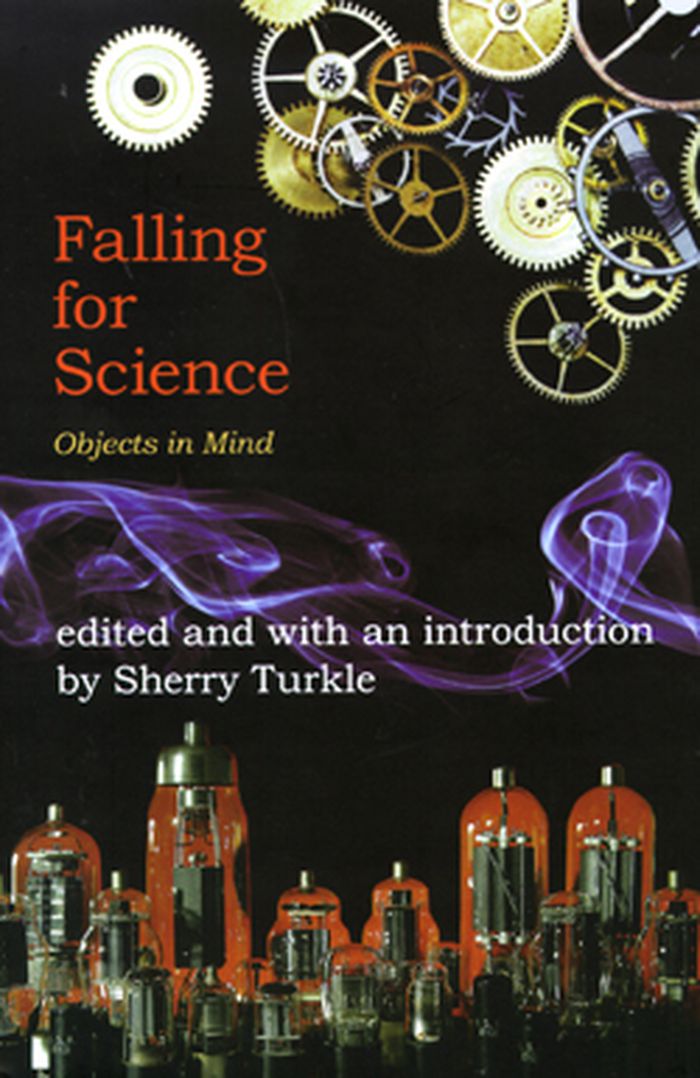
"This is a book about science, technology, and love," writes Sherry Turkle. In it, we learn how a love for science can start with a love for an object--a microscope, a modem, a mud pie, a pair of dice, a fishing rod. Objects fire imagination and set young people on a path to a career in science. In this collection, distinguished scientists, engineers, and designers as well as twenty-five years of MIT students describe how objects encountered in childhood became part of the fabric of their scientific selves. In two major essays that frame the collection, Turkle tells a story of inspiration and connection through objects that is often neglected in standard science education and in our preoccupation with the virtual. The senior scientists' essays trace the arc of a life: the gears of a toy car introduce the chain of cause and effect to artificial intelligence pioneer Seymour Papert; microscopes disclose the mystery of how things work to MIT President and neuroanatomist Susan Hockfield; architect Moshe Safdie describes how his boyhood fascination with steps, terraces, and the wax hexagons of beehives lead him to a life immersed in the complexities of design. The student essays tell stories that echo these narratives: plastic eggs in an Easter basket reveal the power of centripetal force; experiments with baking illuminate the geology of planets; LEGO bricks model worlds, carefully engineered and colonized. All of these voices--students and mentors-testify to the power of objects to awaken and inform young scientific minds. This is a truth that is simple, intuitive, and easily overlooked.
Falling for science: objects in mind
Actions:
Prix:
$25.95
(disponible sur commande)
Résumé:
"This is a book about science, technology, and love," writes Sherry Turkle. In it, we learn how a love for science can start with a love for an object--a microscope, a modem, a mud pie, a pair of dice, a fishing rod. Objects fire imagination and set young people on a path to a career in science. In this collection, distinguished scientists, engineers, and designers as well as twenty-five years of MIT students describe how objects encountered in childhood became part of the fabric of their scientific selves. In two major essays that frame the collection, Turkle tells a story of inspiration and connection through objects that is often neglected in standard science education and in our preoccupation with the virtual. The senior scientists' essays trace the arc of a life: the gears of a toy car introduce the chain of cause and effect to artificial intelligence pioneer Seymour Papert; microscopes disclose the mystery of how things work to MIT President and neuroanatomist Susan Hockfield; architect Moshe Safdie describes how his boyhood fascination with steps, terraces, and the wax hexagons of beehives lead him to a life immersed in the complexities of design. The student essays tell stories that echo these narratives: plastic eggs in an Easter basket reveal the power of centripetal force; experiments with baking illuminate the geology of planets; LEGO bricks model worlds, carefully engineered and colonized. All of these voices--students and mentors-testify to the power of objects to awaken and inform young scientific minds. This is a truth that is simple, intuitive, and easily overlooked.
Classification:
livres
livres
Publication:
mai 2008, Cambridge, London
mai 2008, Cambridge, London
Sujet:
Théorie du design
Théorie du design
Classification:
livres
livres
Actions:
Prix:
$27.95
(disponible sur commande)
Résumé:
Objects of Desire looks at the appearance of consumer goods in the 200 years since the introduction of mechanized production, whether in Josiah Wedgewood's use of neo-classicism for his industrially manufactured pottery or the development of appropriate forms for wirelesses. The argument is illustrated with examples ranging from penknives to computers and from sewing(...)
$27.95
(disponible sur commande)
Résumé:
Objects of Desire looks at the appearance of consumer goods in the 200 years since the introduction of mechanized production, whether in Josiah Wedgewood's use of neo-classicism for his industrially manufactured pottery or the development of appropriate forms for wirelesses. The argument is illustrated with examples ranging from penknives to computers and from sewing(...)
Titre:
Objects of desire: design and society since 1750
Actions:
Prix:
$27.95
(disponible sur commande)
Résumé:
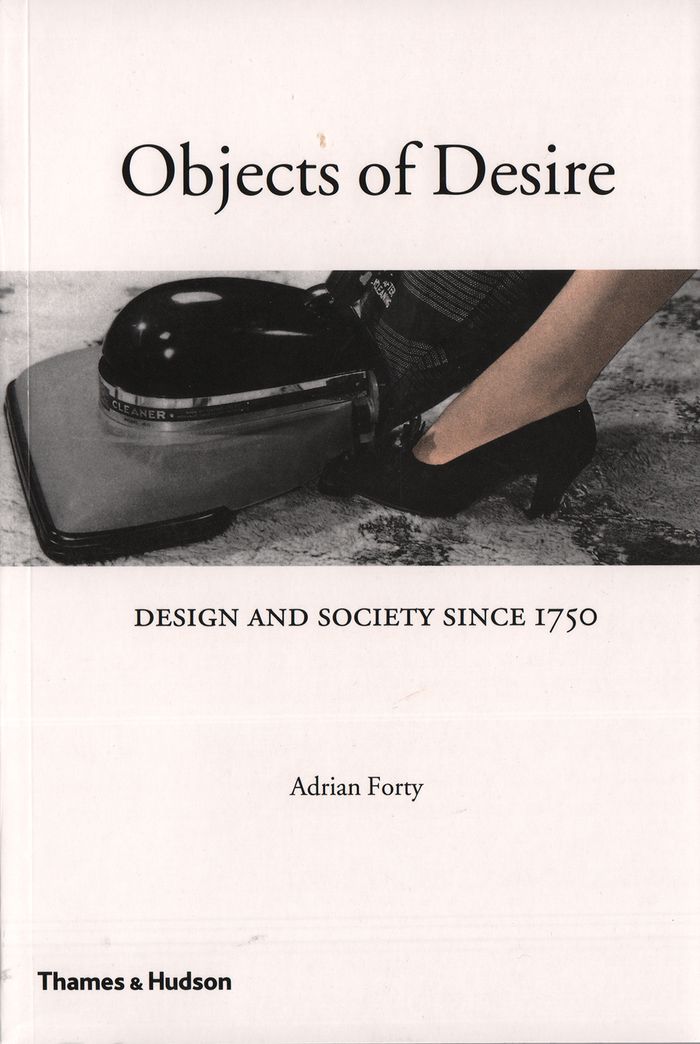
Objects of Desire looks at the appearance of consumer goods in the 200 years since the introduction of mechanized production, whether in Josiah Wedgewood's use of neo-classicism for his industrially manufactured pottery or the development of appropriate forms for wirelesses. The argument is illustrated with examples ranging from penknives to computers and from sewing machines to railway carriages. In opening up new ways of appraising the man-made world around us, Objects of Desire is required reading for anyone who has any involvement with design and a revealing document about our society. 272 black-and-white illustrations
Objects of desire: design and society since 1750
Actions:
Prix:
$27.95
(disponible sur commande)
Résumé:
Objects of Desire looks at the appearance of consumer goods in the 200 years since the introduction of mechanized production, whether in Josiah Wedgewood's use of neo-classicism for his industrially manufactured pottery or the development of appropriate forms for wirelesses. The argument is illustrated with examples ranging from penknives to computers and from sewing machines to railway carriages. In opening up new ways of appraising the man-made world around us, Objects of Desire is required reading for anyone who has any involvement with design and a revealing document about our society. 272 black-and-white illustrations
Classification:
livres
livres
Publication:
février 1995
février 1995
Sujet:
Théorie du design
Théorie du design


