


319 Résultats
Classification:
livres
livres
Titre:
Shaping things
Shaping things
Actions:
Prix:
$27.50
(disponible sur commande)
Résumé:
Sterling offers a brilliant, often hilarious history of shaped things. We have moved from an age of artefacts, made by hand, through complex machines, to the current era of "gizmos." New forms of design and manufacture are appearing that lack historical precedent, he writes; but the production methods, using archaic forms of energy and materials that are finite and toxic,(...)
Sujet:
Théorie du design
Théorie du design
Publication:
septembre 2005, Cambridge, Massachusetts
septembre 2005, Cambridge, Massachusetts
Titre:
Shaping things
Actions:
Prix:
$27.50
(disponible sur commande)
Résumé:
Sterling offers a brilliant, often hilarious history of shaped things. We have moved from an age of artefacts, made by hand, through complex machines, to the current era of "gizmos." New forms of design and manufacture are appearing that lack historical precedent, he writes; but the production methods, using archaic forms of energy and materials that are finite and toxic, are not sustainable. The future will see a new kind of object - we have the primitive forms of them now in our pockets and briefcases: user-alterable, baroquely multi-featured, and programmable - that will be sustainable, enhanceable, and uniquely identifiable. Sterling coins the term "spime" for them, these future manufactured objects with informational support so extensive and rich that they are regarded as material instantiations of an immaterial system. Spimes are designed on screens, fabricated by digital means, and precisely tracked through space and time. They are made of substances that can be folded back into the production stream of future spimes, challenging all of us to become involved in their production. Spimes are coming, says Sterling. We will need these objects in order to live; we won't be able to surrender their advantages without awful consequences. The vision of ‘Shaping Things’ is given material form by the intricate design of Lorraine Wild. ‘Shaping Things’ is for designers and thinkers, engineers and scientists, entrepreneurs and financiers - and anyone who wants to understand and be part of the process of techno-social transformation.
Classification:
livres
livres
Publication:
septembre 2005, Cambridge, Massachusetts
septembre 2005, Cambridge, Massachusetts
Sujet:
Théorie du design
Théorie du design
Classification:
livres
livres
Actions:
Prix:
$74.95
(disponible sur commande)
Résumé:
Expliquer le design, son histoire et ses recherches les plus contemporaines, en étudiant ses techniques de conception, de fabrication et de réalisation ainsi que les matériaux traditionnels et innovants utilisés: tel est l'objet de cet ouvrage. Sous la direction de Raymond Guidot, porte-parole reconnu du design, quatre textes, illustrés de nombreuses vues d'ateliers et(...)
Sujet:
Théorie du design
Théorie du design
Publication:
novembre 2005, Paris
novembre 2005, Paris
Titre:
Design : techniques et matériaux
Actions:
Prix:
$74.95
(disponible sur commande)
Résumé:
Expliquer le design, son histoire et ses recherches les plus contemporaines, en étudiant ses techniques de conception, de fabrication et de réalisation ainsi que les matériaux traditionnels et innovants utilisés: tel est l'objet de cet ouvrage. Sous la direction de Raymond Guidot, porte-parole reconnu du design, quatre textes, illustrés de nombreuses vues d'ateliers et d'usines, de documents préparatoires et didactiques, d'objets finis, abordent, à l'intention du grand public comme des spécialistes, de quelle manière concevoir et fabriquer le beau et l'utile, explicitent les enjeux technologiques de cette discipline.
Classification:
livres
livres
Publication:
novembre 2005, Paris
novembre 2005, Paris
Sujet:
Théorie du design
Théorie du design
Classification:
livres
livres
Actions:
Prix:
$39.95
(disponible sur commande)
Résumé:
We're filling up the world with technology and devices, but we've lost sight of an important question: What is this stuff for? What value does it add to our lives? So asks author John Thackara in his new book, “In the Bubble: Designing for a Complex World”. These are tough questions for the pushers of technology to answer. Our economic system is centred on technology,(...)
Titre:
In the bubble : designing in a complex world
Actions:
Prix:
$39.95
(disponible sur commande)
Résumé:
We're filling up the world with technology and devices, but we've lost sight of an important question: What is this stuff for? What value does it add to our lives? So asks author John Thackara in his new book, “In the Bubble: Designing for a Complex World”. These are tough questions for the pushers of technology to answer. Our economic system is centred on technology, so it would be no small matter if "tech" ceased to be an end-in-itself in our daily lives. Technology is not going to go away, but the time to discuss the end it will serve is before we deploy it, not after. We need to ask what purpose will be served by the broadband communications, smart materials, wearable computing, and connected appliances that we're unleashing upon the world. We need to ask what impact all this stuff will have on our daily lives. Who will look after it, and how? ”In the Bubble” is about a world based less on stuff and more on people. Thackara describes a transformation that is taking place now -- not in a remote science fiction future; it's not about, as he puts it, "the schlock of the new" but about radical innovation already emerging in daily life. We are regaining respect for what people can do that technology can't. In the Bubble describes services designed to help people carry out daily activities in new ways. Many of these services involve technology -- ranging from body implants to wide-bodied jets. But objects and systems play a supporting role in a people-centred world. The design focus is on services, not things. And new principles -- above all, lightness -- inform the way these services are designed and used. At the heart of In the Bubble is a belief, informed by a wealth of real-world examples, that ethics and responsibility can inform design decisions without impeding social and technical innovation.
Classification:
livres
livres
Publication:
avril 2005, London
avril 2005, London
Sujet:
Théorie du design
Théorie du design
Classification:
livres
livres
Actions:
Prix:
$64.95
(disponible sur commande)
Résumé:
With the increasing amount of issues affecting us as a whole in recent years, such as the global health crises, environmental destruction, and socio-economic disparities, the onus is on each and every one of us to do everything we can for the generations to come. Design has been—and will always be—our crucial tool in this regard. Whether it be through campaigns that(...)
Titre:
Good by design: Ideas for a better world
Actions:
Prix:
$64.95
(disponible sur commande)
Résumé:
With the increasing amount of issues affecting us as a whole in recent years, such as the global health crises, environmental destruction, and socio-economic disparities, the onus is on each and every one of us to do everything we can for the generations to come. Design has been—and will always be—our crucial tool in this regard. Whether it be through campaigns that rally for action, posters that raise awareness, or products that actually change bad habits, designers combine creativity, craft, and compelling visuals to materialise concepts that can effectively transform the way we live. ''GOOD by DESIGN'' collates the best projects and insights to inspire not only those who wish to do good, but also hope for all in a better tomorrow.
Classification:
livres
livres
Publication:
janvier 2022
janvier 2022
Sujet:
Théorie du design
Théorie du design
Classification:
livres
livres

Actions:
Prix:
$39.50
(disponible sur commande)
Résumé:
This book names and wrestles with design and institutional design education’s pseudo-neutral relationship with colonial capitalist world orders and what it means to teach and design today. It slowly weaves together ideas on designing as a mechanism of maintenance and teaching against bureaucratic inertia. How does design give form to social fictions? How does design and(...)
Titre:
Through witnessing: Threading the critiquing, making, teaching of design
Actions:
Prix:
$39.50
(disponible sur commande)
Résumé:
This book names and wrestles with design and institutional design education’s pseudo-neutral relationship with colonial capitalist world orders and what it means to teach and design today. It slowly weaves together ideas on designing as a mechanism of maintenance and teaching against bureaucratic inertia. How does design give form to social fictions? How does design and the professionalization of design schooling maintain the priorities of nations and capital? Engaging in pedagogical expressions of rage, generosity, forgiveness, slowness, and chaos; contributions of lecture, essay and interview reflect on the weight of being, the possibilities and sometimes impossibilities towards un-doing and un-maintaining the enduring legacies of colonial powers.
Classification:
livres
livres
Publication:
février 2024
février 2024
Sujet:
Théorie du design
Théorie du design
Classification:
livres
livres
Titre:
What design can't do
What design can't do
Actions:
Prix:
$37.50
(disponible en magasin)
Résumé:
In focusing on creating preferable conditions, the discipline of design is optimistic by default. And yet, vernacular manifestations of skepticism, dissatisfaction and even resentment toward design abound. Instead of systematically discarding them, can these "sad passions" shed a valuable light on the blind spots of the field? Can disillusion be something more than(...)
Titre:
What design can't do
Actions:
Prix:
$37.50
(disponible en magasin)
Résumé:
In focusing on creating preferable conditions, the discipline of design is optimistic by default. And yet, vernacular manifestations of skepticism, dissatisfaction and even resentment toward design abound. Instead of systematically discarding them, can these "sad passions" shed a valuable light on the blind spots of the field? Can disillusion be something more than disillusionment? Can it become an emotional method to unveil design’s dysfunctions and contradictions? Author Silvio Lorusso looks into historical and present manifestations of design disillusion to shorten the gap between expectations and reality when it comes to the everyday practice of designers. Using humorous and irreverent visuals, often containing jokes about design, Lorusso constructs thoughtful dichotomies on such topics as synthesis and autonomy, power and impotence, and aspirations and compromise. The result is an amusing yet academic consideration of the design profession and its future.
Classification:
livres
livres
Publication:
mars 2024
mars 2024
Sujet:
Théorie du design
Théorie du design
Classification:
livres
livres
Prix:
$60.00
(disponible sur commande)
Résumé:
Eye on Design is an editorial platform from AIGA that has, for the last decade, covered the ins and outs of the design industry. From documenting bold new work from global designers to chronicling the field's most critical issues, their reported stories, op-eds, interviews, and conversations help designers make sense of the world and place their profession within a(...)
Titre:
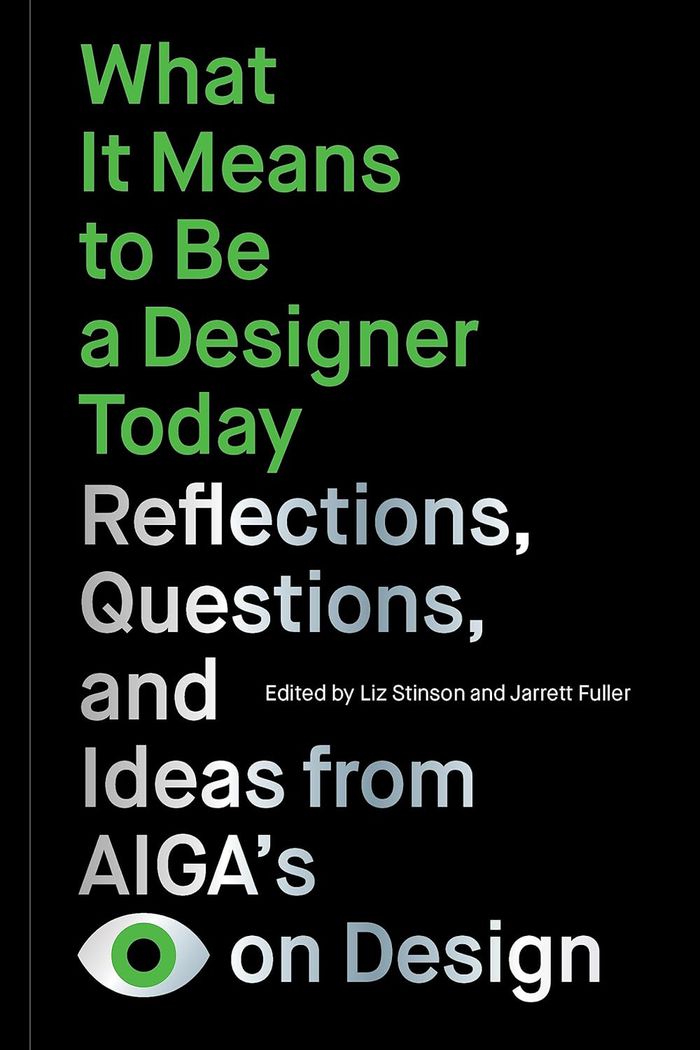
What it means to be a designer today: Ideas from AIGA's on design
Actions:
Prix:
$60.00
(disponible sur commande)
Résumé:
Eye on Design is an editorial platform from AIGA that has, for the last decade, covered the ins and outs of the design industry. From documenting bold new work from global designers to chronicling the field's most critical issues, their reported stories, op-eds, interviews, and conversations help designers make sense of the world and place their profession within a broader context. Weaving together original and previously published content from some of the most important writers in today’s design conversation, this book for designers encapsulates wide-reaching topics that strive to answer an essential question: What does it mean to be a designer today?
Classification:
livres
livres
Publication:
avril 2024
avril 2024
Sujet:
Théorie du design
Théorie du design
Classification:
livres
livres
Titre:
Strange design
Strange design
Actions:
Prix:
$47.00
(disponible sur commande)
Résumé:
Depuis quelques années, des objets étranges ont fait leur apparition dans le monde du design, des objets dysfonctionnels, énigmatiques, compliqués, qui mettent en crise les catégories du projet, des objets, de la fonction au profit des processus, des explorations, des déviations. Ces objets relèvent d'une posture que les designers anglais Anthony Dunne et Fiona Raby ont(...)
Titre:
Strange design
Actions:
Prix:
$47.00
(disponible sur commande)
Résumé:
Depuis quelques années, des objets étranges ont fait leur apparition dans le monde du design, des objets dysfonctionnels, énigmatiques, compliqués, qui mettent en crise les catégories du projet, des objets, de la fonction au profit des processus, des explorations, des déviations. Ces objets relèvent d'une posture que les designers anglais Anthony Dunne et Fiona Raby ont défini Critical Design (design critique) : un design spéculatif, réflexif, qui ne veut pas proposer des solutions, mais plutôt poser des questions, qui veut défier les affirmations rapides, les préjugés et lieux communs sur le rôle des produits dans la vie de tous les jours. Un design qui ne se veut pas affirmatif, c'est-à-dire soumis aux impératifs des systèmes de pouvoir, mais au contraire critique. A partir de ces quatre moments saillants que sont le design radical italien de la fin des années 1960 et 1970, le design conceptuel néerlandais des années 1990, le critical design anglais des années 2000 et enfin la scène contemporaine, notamment en France, cet ouvrage montre comment ce strange design n'est pas tant un style qu'une posture critique qui ne cesse d'irriguer le champ du design.
Classification:
livres
livres
Publication:
avril 2024
avril 2024
Sujet:
Théorie du design
Théorie du design
Classification:
livres
livres

Actions:
Prix:
$67.95
(disponible sur commande)
Résumé:
Revenant sur les périodes clés de l’histoire de la discipline et sur ses mouvements fondateurs, l’auteur propose ici une perspective inédite, à l’heure des bouleversements technologiques et sociaux qui sont les nôtres. Il s’interroge ainsi sur la place et le rôle du design graphique dans les questionnements autour du genre, de la politique, du racisme, de l’écologie,(...)
Titre:
Graphisme ; histoire, théorie et pratique
Actions:
Prix:
$67.95
(disponible sur commande)
Résumé:
Revenant sur les périodes clés de l’histoire de la discipline et sur ses mouvements fondateurs, l’auteur propose ici une perspective inédite, à l’heure des bouleversements technologiques et sociaux qui sont les nôtres. Il s’interroge ainsi sur la place et le rôle du design graphique dans les questionnements autour du genre, de la politique, du racisme, de l’écologie, etc. Cet ouvrage offre un équilibre entre théorie et pratique, en présentant les grands concepts à l’œuvre dans une création graphique (sémiotique, esthétique...), mais aussi les outils à disposition des créateurs (composition, couleurs, ou encore typographie, à laquelle une partie du livre est intégralement consacrée). Il détaille également les champs d’application de la discipline, du papier à l’écran, de la publicité à la propagande politique.
Classification:
livres
livres
Publication:
avril 2024
avril 2024
Sujet:
Théorie du design
Théorie du design
Classification:
livres
livres
Actions:
Prix:
$21.95
(disponible sur commande)
Résumé:
Air conditioning aspires to be unnoticed. Yet, by manipulating the air around us, it quietly conditions the baseline conditions of our physical, mental, and emotional experience. From offices and libraries to contemporary art museums and shopping malls, climate control systems shore up the fantasy of a comfortable, self-contained body that does not have to reckon with(...)
Titre:
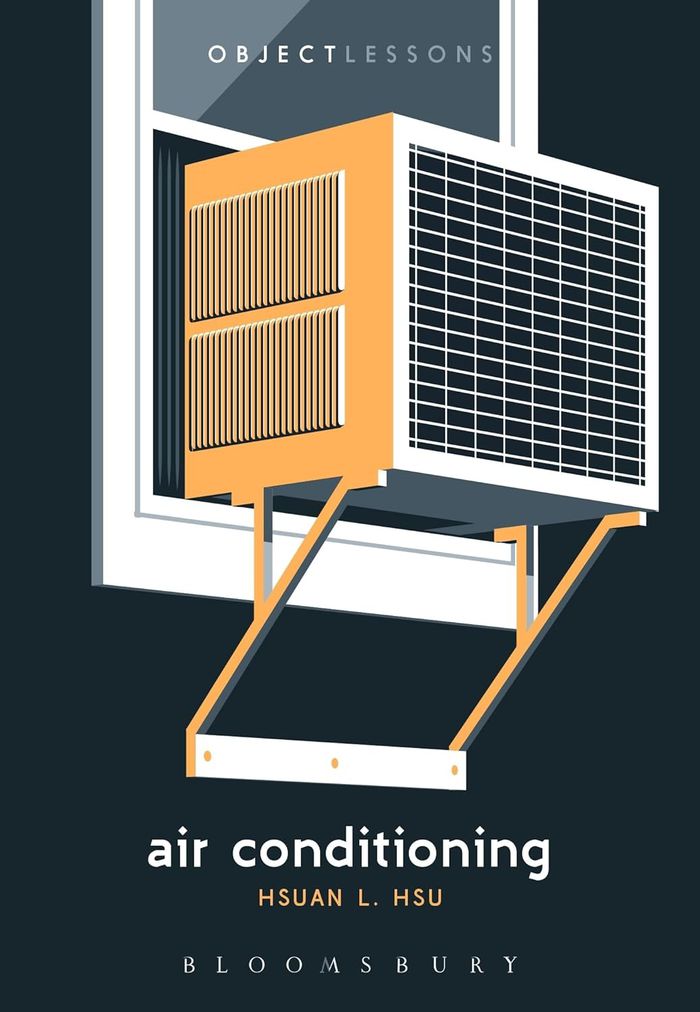
Air-conditioning: Object lessons
Actions:
Prix:
$21.95
(disponible sur commande)
Résumé:
Air conditioning aspires to be unnoticed. Yet, by manipulating the air around us, it quietly conditions the baseline conditions of our physical, mental, and emotional experience. From offices and libraries to contemporary art museums and shopping malls, climate control systems shore up the fantasy of a comfortable, self-contained body that does not have to reckon with temperature. At the same time that air conditioning makes temperature a non-issue in (some) people's daily lives, thermoception-or the sensory perception of temperature-is being carefully studied and exploited as a tool of marketing, social control, and labor management. Yet air conditioning isn't for everybody: its reliance on carbon fuels divides the world into habitable, climate-controlled bubbles and increasingly uninhabitable environments where AC is unavailable. Hsuan Hsu's "Air conditioning" explores questions about culture, ethics, ecology, and social justice raised by the history and uneven distribution of climate controlling technologies.
Classification:
livres
livres
Publication:
février 2024
février 2024


