


496 Résultats
Classification:
livres
livres
Titre:
Paysage, lieu et temps
Paysage, lieu et temps
Actions:
Prix:
$93.00
(disponible sur commande)
Résumé:
«Lorsque nous détruisons un paysage nous sommes un peu plus perdus, car notre rapport au temps, et donc avec nous-mêmes, s’en trouve appauvri et comme effiloché» affirme le poète-écrivain Giorgio Todde. Face à une société effrénée où tout le monde veut gagner du temps, alors que le réel défi consisterait à gagner un autre rapport au temps, cet ouvrage tente de calmer le(...)
$93.00
(disponible sur commande)
Résumé:
«Lorsque nous détruisons un paysage nous sommes un peu plus perdus, car notre rapport au temps, et donc avec nous-mêmes, s’en trouve appauvri et comme effiloché» affirme le poète-écrivain Giorgio Todde. Face à une société effrénée où tout le monde veut gagner du temps, alors que le réel défi consisterait à gagner un autre rapport au temps, cet ouvrage tente de calmer le(...)
Titre:
Paysage, lieu et temps
Actions:
Prix:
$93.00
(disponible sur commande)
Résumé:
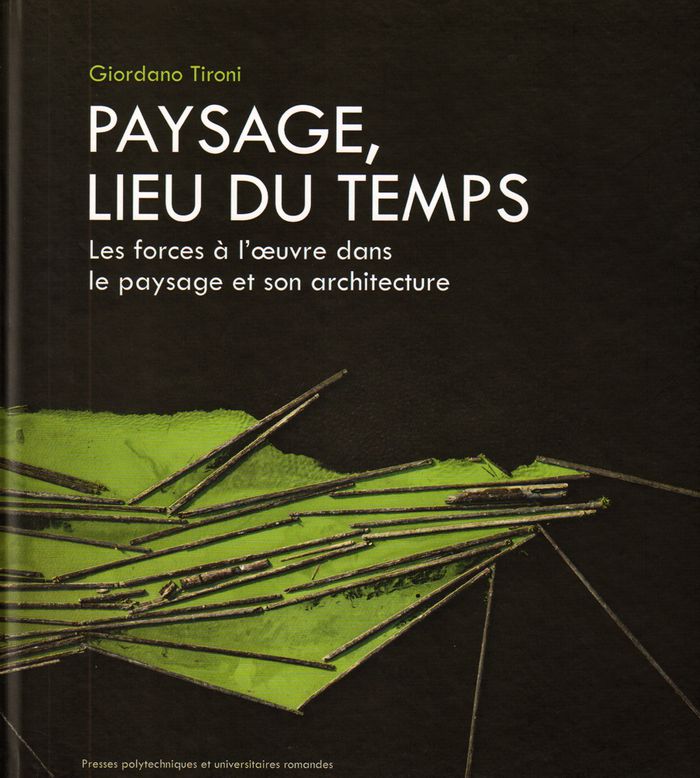
«Lorsque nous détruisons un paysage nous sommes un peu plus perdus, car notre rapport au temps, et donc avec nous-mêmes, s’en trouve appauvri et comme effiloché» affirme le poète-écrivain Giorgio Todde. Face à une société effrénée où tout le monde veut gagner du temps, alors que le réel défi consisterait à gagner un autre rapport au temps, cet ouvrage tente de calmer le jeu en repositionnant les fondements d’une pensée de l’espace développée à partir du paysage et de son architecture. Dans ce contexte, l’auteur tisse des échanges privilégiés avec les travaux de l’Agence Latz+Partner. Temps et histoire, corps et tactilité, lieu et parcours, matériaux et restes, sol et profondeur, accueil et ouverture, seuils et limites ainsi qu’avenir du paysage postindustriel sont autant de thématiques alimentant une réflexion autour de cette pensée de l’espace et du projet. Cette approche spécifique prend ses distances du chant des sirènes et des éblouissements passagers qui nous guettent à tout moment. S’opposant à l’effilochement regretté par Todde, les points d’ancrage proposés dans cet ouvrage permettent d’appréhender les forces qui agissent sur l’espace des hommes et concourent à sa transformation. L’auteur montre par cet essai qu’il appartient au groupe restreint de ceux qui écrivent à la fois sur le paysage et sur l’architecture, et dont les réflexions contribuent au nécessaire rapprochement des deux versants d’une même pensée.
Paysage, lieu et temps
Actions:
Prix:
$93.00
(disponible sur commande)
Résumé:
«Lorsque nous détruisons un paysage nous sommes un peu plus perdus, car notre rapport au temps, et donc avec nous-mêmes, s’en trouve appauvri et comme effiloché» affirme le poète-écrivain Giorgio Todde. Face à une société effrénée où tout le monde veut gagner du temps, alors que le réel défi consisterait à gagner un autre rapport au temps, cet ouvrage tente de calmer le jeu en repositionnant les fondements d’une pensée de l’espace développée à partir du paysage et de son architecture. Dans ce contexte, l’auteur tisse des échanges privilégiés avec les travaux de l’Agence Latz+Partner. Temps et histoire, corps et tactilité, lieu et parcours, matériaux et restes, sol et profondeur, accueil et ouverture, seuils et limites ainsi qu’avenir du paysage postindustriel sont autant de thématiques alimentant une réflexion autour de cette pensée de l’espace et du projet. Cette approche spécifique prend ses distances du chant des sirènes et des éblouissements passagers qui nous guettent à tout moment. S’opposant à l’effilochement regretté par Todde, les points d’ancrage proposés dans cet ouvrage permettent d’appréhender les forces qui agissent sur l’espace des hommes et concourent à sa transformation. L’auteur montre par cet essai qu’il appartient au groupe restreint de ceux qui écrivent à la fois sur le paysage et sur l’architecture, et dont les réflexions contribuent au nécessaire rapprochement des deux versants d’une même pensée.
Classification:
livres
livres
Publication:
mai 2016
mai 2016
Sujet:
Théorie du paysage
Théorie du paysage
Classification:
livres
livres
Actions:
Prix:
$19.95
(disponible sur commande)
Résumé:
Dans le champ du projet, la nature est aujourd’hui sans cesse évoquée. Invoquant l’impératif environnemental et écologique, les architectes promettent de rendre la ville de demain plus accueillante et agréable, grâce à une architecture de plus en plus « végétale ». Des images séduisantes et « verdoyantes », associées à un vocabulaire étranger au champ lexical du projet,(...)
$19.95
(disponible sur commande)
Résumé:
Dans le champ du projet, la nature est aujourd’hui sans cesse évoquée. Invoquant l’impératif environnemental et écologique, les architectes promettent de rendre la ville de demain plus accueillante et agréable, grâce à une architecture de plus en plus « végétale ». Des images séduisantes et « verdoyantes », associées à un vocabulaire étranger au champ lexical du projet,(...)
Titre:
Paysages réactionnaires : nostalgie de la nature et projet néolibéral
Actions:
Prix:
$19.95
(disponible sur commande)
Résumé:
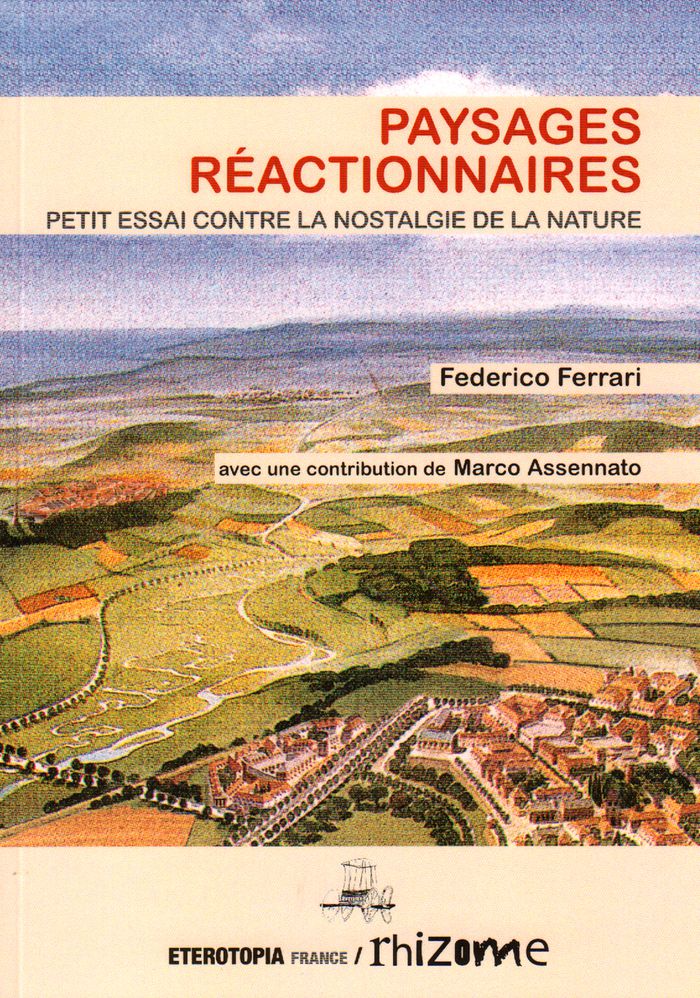
Dans le champ du projet, la nature est aujourd’hui sans cesse évoquée. Invoquant l’impératif environnemental et écologique, les architectes promettent de rendre la ville de demain plus accueillante et agréable, grâce à une architecture de plus en plus « végétale ». Des images séduisantes et « verdoyantes », associées à un vocabulaire étranger au champ lexical du projet, cachent l’architecture en tant qu’objet minéral. L’hégémonie et l’abus de la notion de paysage révèlent en réalité des problématiques culturelles profondes. Le retour à l’identité, aux racines, au lieu : un triptyque hégémonique chez les architectes et le grand public, qu’il convient de remettre en question. Politiquement très ambigus dans leurs implications, ces nouveaux mots d’ordres instrumentalisent une version banalisée de la beauté. C’est en ce sens que nous parlons ici de paysages réactionnaires. L’acception esthétisante et nostalgique du paysage transforme l’impératif écologiste en une idéologie dénuée de toute l’urgence politique que la question mériterait. Cet ouvrage, en dressant une histoire synthétique du « dispositif visuel » structurant une certaine idée de Modernité, entend montrer comment cette dérive contemplative du paysage est révélatrice d’une crise de la notion de projet, entendu dans son sens le plus profondément politique. Nous entendons au contraire affirmer une conception du paysage complexe et évolutive, synthétisant plusieurs questions (d’échelle, de temps, d’objectivité/subjectivité), contre toute rhétorique nostalgique de la « belle intégralité perdue ».
Paysages réactionnaires : nostalgie de la nature et projet néolibéral
Actions:
Prix:
$19.95
(disponible sur commande)
Résumé:
Dans le champ du projet, la nature est aujourd’hui sans cesse évoquée. Invoquant l’impératif environnemental et écologique, les architectes promettent de rendre la ville de demain plus accueillante et agréable, grâce à une architecture de plus en plus « végétale ». Des images séduisantes et « verdoyantes », associées à un vocabulaire étranger au champ lexical du projet, cachent l’architecture en tant qu’objet minéral. L’hégémonie et l’abus de la notion de paysage révèlent en réalité des problématiques culturelles profondes. Le retour à l’identité, aux racines, au lieu : un triptyque hégémonique chez les architectes et le grand public, qu’il convient de remettre en question. Politiquement très ambigus dans leurs implications, ces nouveaux mots d’ordres instrumentalisent une version banalisée de la beauté. C’est en ce sens que nous parlons ici de paysages réactionnaires. L’acception esthétisante et nostalgique du paysage transforme l’impératif écologiste en une idéologie dénuée de toute l’urgence politique que la question mériterait. Cet ouvrage, en dressant une histoire synthétique du « dispositif visuel » structurant une certaine idée de Modernité, entend montrer comment cette dérive contemplative du paysage est révélatrice d’une crise de la notion de projet, entendu dans son sens le plus profondément politique. Nous entendons au contraire affirmer une conception du paysage complexe et évolutive, synthétisant plusieurs questions (d’échelle, de temps, d’objectivité/subjectivité), contre toute rhétorique nostalgique de la « belle intégralité perdue ».
Classification:
livres
livres
Publication:
septembre 2016
septembre 2016
Sujet:
Théorie du paysage
Théorie du paysage
Classification:
livres
livres
Actions:
Prix:
$32.50
(disponible sur commande)
Résumé:
In this original book, Richard Higgins explores Thoreau’s deep connections to trees: his keen perception of them, the joy they gave him, the poetry he saw in them, his philosophical view of them, and how they fed his soul. His lively essays show that trees were a thread connecting all parts of Thoreau’s being—heart, mind, and spirit. Included are one hundred excerpts from(...)
$32.50
(disponible sur commande)
Résumé:
In this original book, Richard Higgins explores Thoreau’s deep connections to trees: his keen perception of them, the joy they gave him, the poetry he saw in them, his philosophical view of them, and how they fed his soul. His lively essays show that trees were a thread connecting all parts of Thoreau’s being—heart, mind, and spirit. Included are one hundred excerpts from(...)
Titre:
Thoreau and the language of trees
Actions:
Prix:
$32.50
(disponible sur commande)
Résumé:
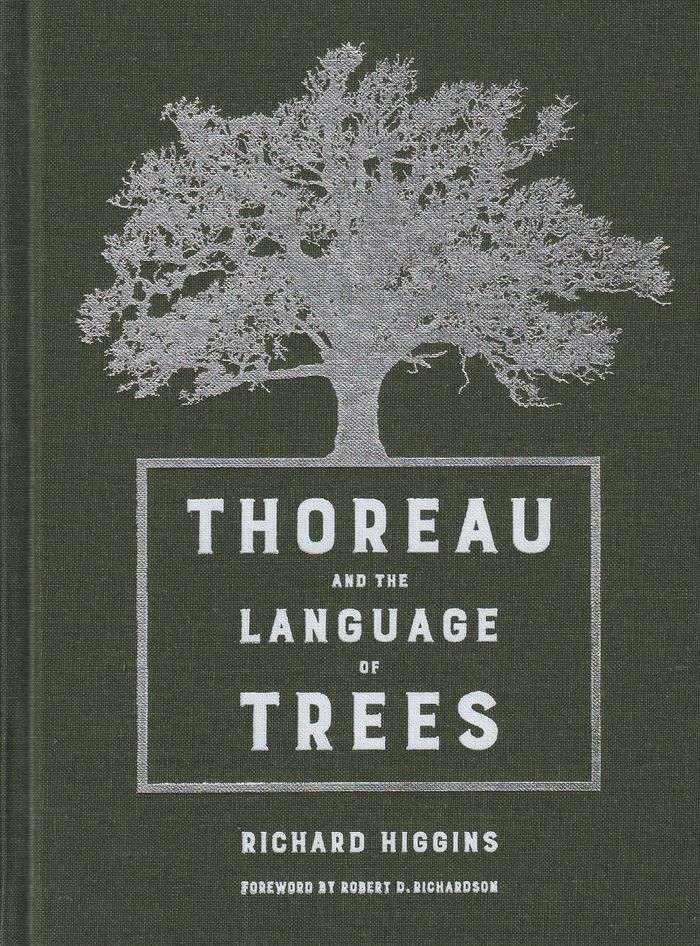
In this original book, Richard Higgins explores Thoreau’s deep connections to trees: his keen perception of them, the joy they gave him, the poetry he saw in them, his philosophical view of them, and how they fed his soul. His lively essays show that trees were a thread connecting all parts of Thoreau’s being—heart, mind, and spirit. Included are one hundred excerpts from Thoreau’s writings about trees, paired with over sixty of the author’s photographs.
Thoreau and the language of trees
Actions:
Prix:
$32.50
(disponible sur commande)
Résumé:
In this original book, Richard Higgins explores Thoreau’s deep connections to trees: his keen perception of them, the joy they gave him, the poetry he saw in them, his philosophical view of them, and how they fed his soul. His lively essays show that trees were a thread connecting all parts of Thoreau’s being—heart, mind, and spirit. Included are one hundred excerpts from Thoreau’s writings about trees, paired with over sixty of the author’s photographs.
Classification:
livres
livres
Publication:
avril 2017
avril 2017
Sujet:
Théorie du paysage
Théorie du paysage
Classification:
livres
livres
Titre:
Tree (object lessons)
Tree (object lessons)
Actions:
Prix:
$21.95
(disponible en magasin)
Résumé:
Tree explores the forms, uses, and alliances of this living object's entanglement with humanity, from antiquity to the present. Trees tower over us and yet fade into background. Their lifespan outstrips ours, and yet their wisdom remains inscrutable, treasured up in the heartwood. They serve us in many ways-as keel, lodgepole, and execution site-and yet to become human,(...)
$21.95
(disponible en magasin)
Résumé:
Tree explores the forms, uses, and alliances of this living object's entanglement with humanity, from antiquity to the present. Trees tower over us and yet fade into background. Their lifespan outstrips ours, and yet their wisdom remains inscrutable, treasured up in the heartwood. They serve us in many ways-as keel, lodgepole, and execution site-and yet to become human,(...)
Titre:
Tree (object lessons)
Actions:
Prix:
$21.95
(disponible en magasin)
Résumé:
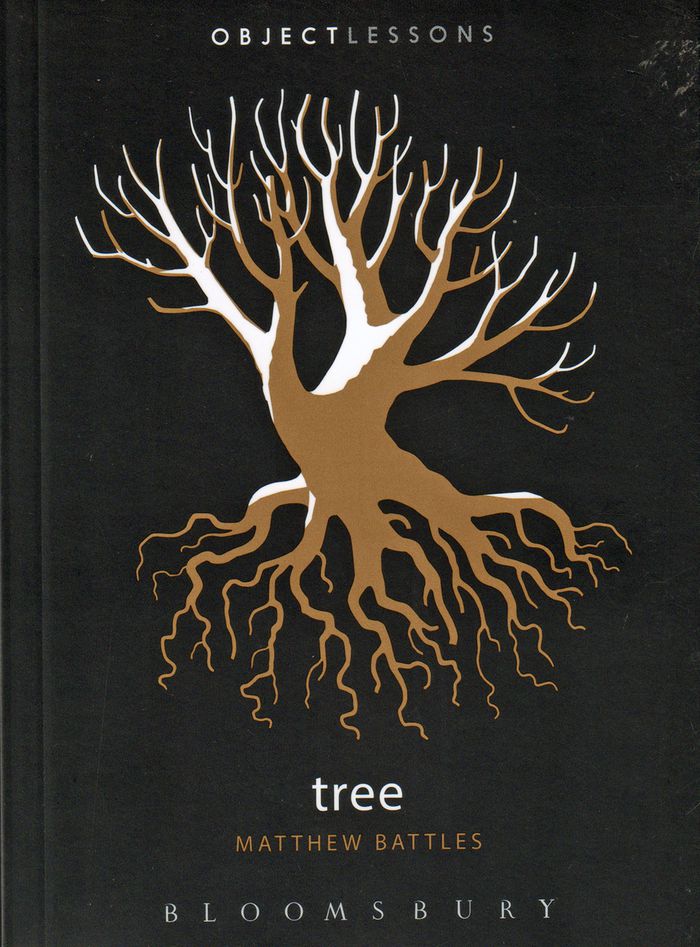
Tree explores the forms, uses, and alliances of this living object's entanglement with humanity, from antiquity to the present. Trees tower over us and yet fade into background. Their lifespan outstrips ours, and yet their wisdom remains inscrutable, treasured up in the heartwood. They serve us in many ways-as keel, lodgepole, and execution site-and yet to become human, we had to come down from their limbs. In this book Matthew Battles follows the tree's branches across art, poetry, and landscape, marking the edges of imagination with wildness and shadow.
Tree (object lessons)
Actions:
Prix:
$21.95
(disponible en magasin)
Résumé:
Tree explores the forms, uses, and alliances of this living object's entanglement with humanity, from antiquity to the present. Trees tower over us and yet fade into background. Their lifespan outstrips ours, and yet their wisdom remains inscrutable, treasured up in the heartwood. They serve us in many ways-as keel, lodgepole, and execution site-and yet to become human, we had to come down from their limbs. In this book Matthew Battles follows the tree's branches across art, poetry, and landscape, marking the edges of imagination with wildness and shadow.
Classification:
livres
livres
Publication:
mars 2017
mars 2017
Sujet:
Théorie du paysage
Théorie du paysage
Classification:
livres
livres
Titre:
On growth and form
On growth and form
Actions:
Prix:
$21.95
(disponible sur commande)
Résumé:
Why do living things and physical phenomena take the form they do? D'Arcy Thompson's classic "On Growth and Form" looks at the way things grow and the shapes they take. Analysing biological processes in their mathematical and physical aspects, this historic work, first published in 1917, has also become renowned for the sheer poetry of its descriptions. A great scientist(...)
$21.95
(disponible sur commande)
Résumé:
Why do living things and physical phenomena take the form they do? D'Arcy Thompson's classic "On Growth and Form" looks at the way things grow and the shapes they take. Analysing biological processes in their mathematical and physical aspects, this historic work, first published in 1917, has also become renowned for the sheer poetry of its descriptions. A great scientist(...)
Publication:
juillet 2014
juillet 2014
Titre:
On growth and form
Actions:
Prix:
$21.95
(disponible sur commande)
Résumé:
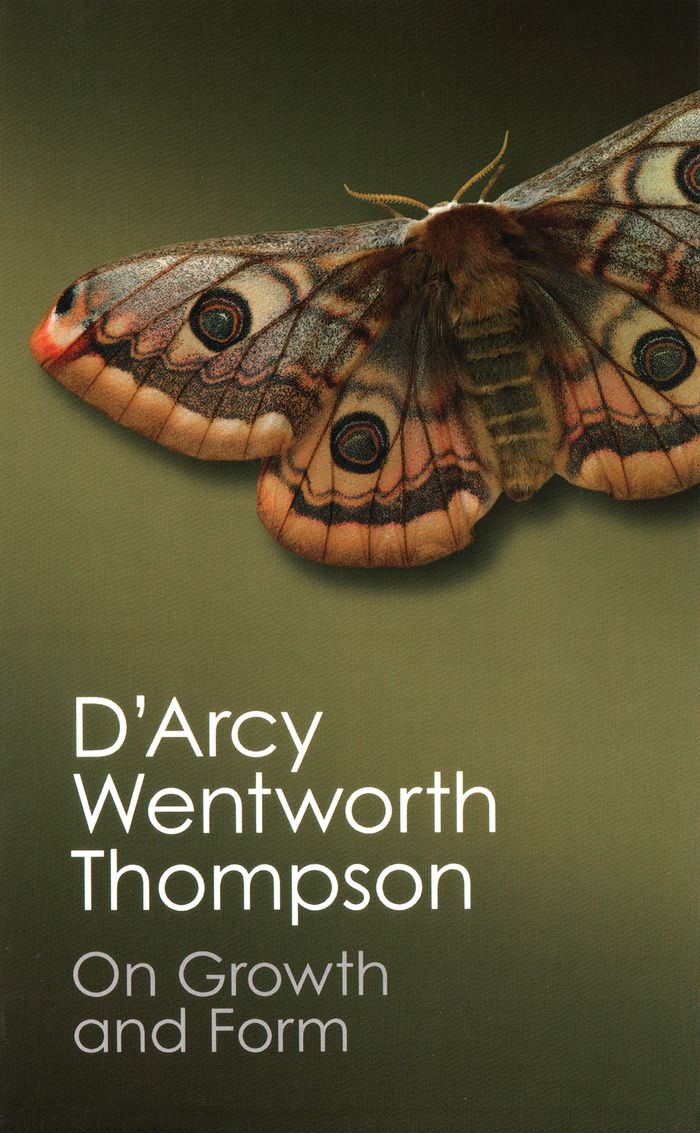
Why do living things and physical phenomena take the form they do? D'Arcy Thompson's classic "On Growth and Form" looks at the way things grow and the shapes they take. Analysing biological processes in their mathematical and physical aspects, this historic work, first published in 1917, has also become renowned for the sheer poetry of its descriptions. A great scientist sensitive to the fascinations and beauty of the natural world tells of jumping fleas and slipper limpets; of buds and seeds; of bees' cells and rain drops; of the potter's thumb and the spider's web; of a film of soap and a bubble of oil; of a splash of a pebble in a pond.
On growth and form
Actions:
Prix:
$21.95
(disponible sur commande)
Résumé:
Why do living things and physical phenomena take the form they do? D'Arcy Thompson's classic "On Growth and Form" looks at the way things grow and the shapes they take. Analysing biological processes in their mathematical and physical aspects, this historic work, first published in 1917, has also become renowned for the sheer poetry of its descriptions. A great scientist sensitive to the fascinations and beauty of the natural world tells of jumping fleas and slipper limpets; of buds and seeds; of bees' cells and rain drops; of the potter's thumb and the spider's web; of a film of soap and a bubble of oil; of a splash of a pebble in a pond.
Classification:
livres
livres
Publication:
juillet 2014
juillet 2014
Classification:
livres
livres
Actions:
Prix:
$37.95
(disponible sur commande)
Résumé:
The book takes us from the fells of the Lake District to the uplands of Northumberland; from the streetscapes of industrial Manchester to the heart of London. This panoramic journey reveals the significance, not only of the physical characteristics of landscapes, but also of the sense of the past, collective memories and cultural traditions that give these places their(...)
$37.95
(disponible sur commande)
Résumé:
The book takes us from the fells of the Lake District to the uplands of Northumberland; from the streetscapes of industrial Manchester to the heart of London. This panoramic journey reveals the significance, not only of the physical characteristics of landscapes, but also of the sense of the past, collective memories and cultural traditions that give these places their(...)
Titre:
Storied ground: landscape and the shaping of English national identity
Actions:
Prix:
$37.95
(disponible sur commande)
Résumé:
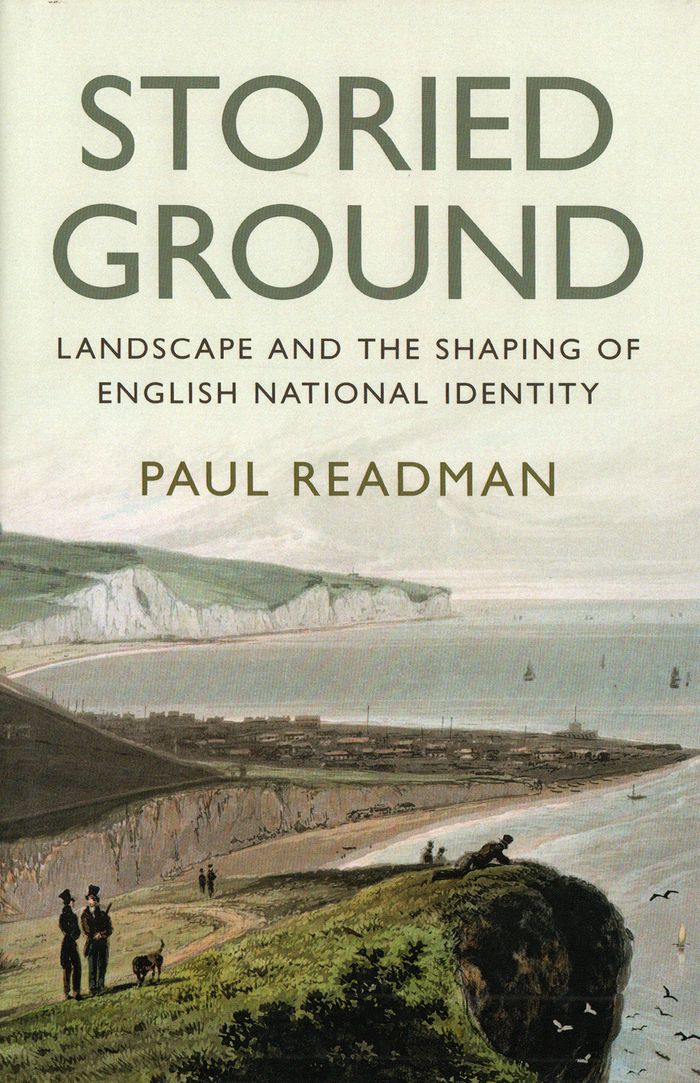
The book takes us from the fells of the Lake District to the uplands of Northumberland; from the streetscapes of industrial Manchester to the heart of London. This panoramic journey reveals the significance, not only of the physical characteristics of landscapes, but also of the sense of the past, collective memories and cultural traditions that give these places their meaning. Between the late eighteenth and early twentieth centuries, Englishness extended far beyond the pastoral idyll of chocolate-box thatched cottages, waving fields of corn and quaint country churches. It was found in diverse locations - urban as well as rural, north as well as south - and it took strikingly diverse forms.
Storied ground: landscape and the shaping of English national identity
Actions:
Prix:
$37.95
(disponible sur commande)
Résumé:
The book takes us from the fells of the Lake District to the uplands of Northumberland; from the streetscapes of industrial Manchester to the heart of London. This panoramic journey reveals the significance, not only of the physical characteristics of landscapes, but also of the sense of the past, collective memories and cultural traditions that give these places their meaning. Between the late eighteenth and early twentieth centuries, Englishness extended far beyond the pastoral idyll of chocolate-box thatched cottages, waving fields of corn and quaint country churches. It was found in diverse locations - urban as well as rural, north as well as south - and it took strikingly diverse forms.
Classification:
livres
livres
Publication:
mai 2018
mai 2018
Sujet:
Théorie du paysage
Théorie du paysage
Classification:
livres
livres
Titre:
What is landscape?
What is landscape?
Actions:
Prix:
$25.95
(disponible sur commande)
Résumé:
"What Is Landscape?" is an invitation to walk, to notice, to ask: to see a sandcastle with a pinwheel at the beach and think of Dutch windmills icons of triumph, markers of territory won from the sea; to walk in the woods and be amused by the Elizabethans' misuse of the Latin silvaticus (people of the woods) to coin the word savages; to see in a suburban front lawn a(...)
$25.95
(disponible sur commande)
Résumé:
"What Is Landscape?" is an invitation to walk, to notice, to ask: to see a sandcastle with a pinwheel at the beach and think of Dutch windmills icons of triumph, markers of territory won from the sea; to walk in the woods and be amused by the Elizabethans' misuse of the Latin silvaticus (people of the woods) to coin the word savages; to see in a suburban front lawn a(...)
Titre:
What is landscape?
Actions:
Prix:
$25.95
(disponible sur commande)
Résumé:
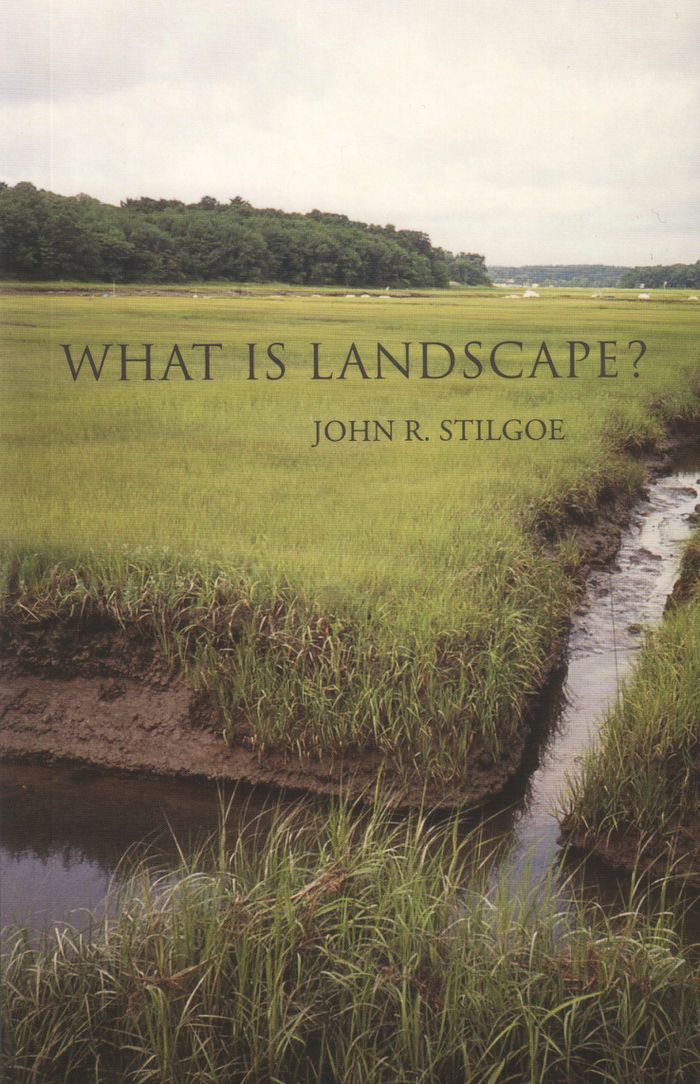
"What Is Landscape?" is an invitation to walk, to notice, to ask: to see a sandcastle with a pinwheel at the beach and think of Dutch windmills icons of triumph, markers of territory won from the sea; to walk in the woods and be amused by the Elizabethans' misuse of the Latin silvaticus (people of the woods) to coin the word savages; to see in a suburban front lawn a representation of the meadow of a medieval freehold.
What is landscape?
Actions:
Prix:
$25.95
(disponible sur commande)
Résumé:
"What Is Landscape?" is an invitation to walk, to notice, to ask: to see a sandcastle with a pinwheel at the beach and think of Dutch windmills icons of triumph, markers of territory won from the sea; to walk in the woods and be amused by the Elizabethans' misuse of the Latin silvaticus (people of the woods) to coin the word savages; to see in a suburban front lawn a representation of the meadow of a medieval freehold.
Classification:
livres
livres
Publication:
avril 2018
avril 2018
Sujet:
Théorie du paysage
Théorie du paysage
Classification:
livres
livres
Prix:
$44.95
(disponible sur commande)
Résumé:
"Botanical Drift" explores the hermeneutics, historicization, semiotics, and symbiosis of plant diversification, species cultivation, and destruction—past and present, extant and extinct—around the globe. Plant histories are explored as commodities and colonial as well as decolonial devices by significant and diverse feminist, art-historical, and anthropological(...)
$44.95
(disponible sur commande)
Résumé:
"Botanical Drift" explores the hermeneutics, historicization, semiotics, and symbiosis of plant diversification, species cultivation, and destruction—past and present, extant and extinct—around the globe. Plant histories are explored as commodities and colonial as well as decolonial devices by significant and diverse feminist, art-historical, and anthropological(...)
Titre:
Botanical Drift: protagonists of the invasive herbarium
Actions:
Prix:
$44.95
(disponible sur commande)
Résumé:
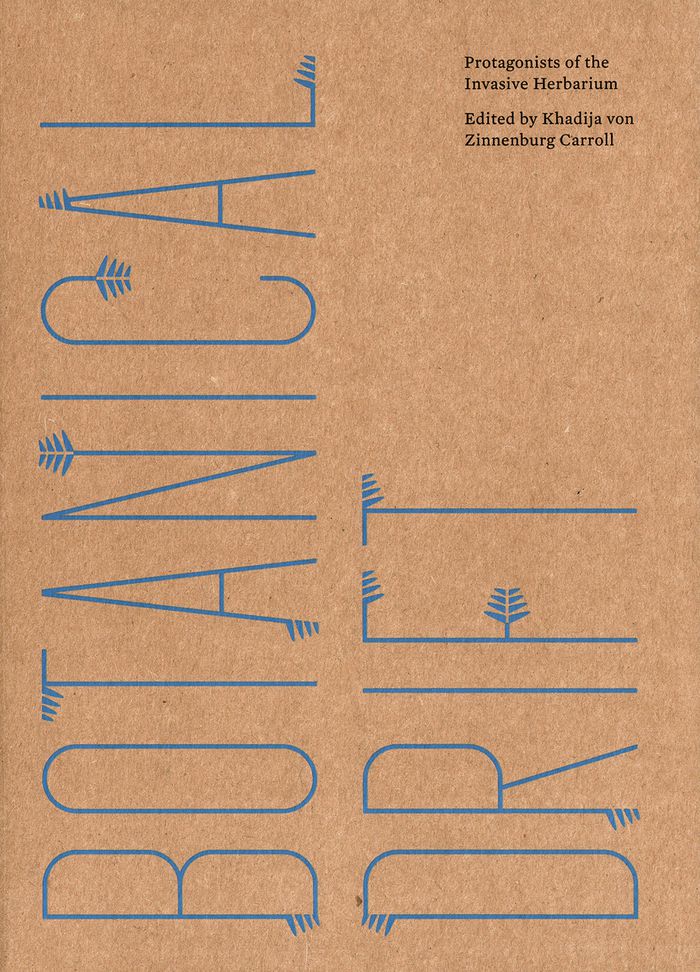
"Botanical Drift" explores the hermeneutics, historicization, semiotics, and symbiosis of plant diversification, species cultivation, and destruction—past and present, extant and extinct—around the globe. Plant histories are explored as commodities and colonial as well as decolonial devices by significant and diverse feminist, art-historical, and anthropological voices—from Germaine Greer to herman de vries—bringing new perspectives through photo-essays, fiction, performance, and interventions in ecological, film, and translation archives. Reflecting on experimental ecology—the undiscovered, underestimated, and undesired non-European flora and fauna—it challenges perception and inspires potentialities to bring new understandings of the undergrowth of the Kew Gardens botany collection.
Botanical Drift: protagonists of the invasive herbarium
Actions:
Prix:
$44.95
(disponible sur commande)
Résumé:
"Botanical Drift" explores the hermeneutics, historicization, semiotics, and symbiosis of plant diversification, species cultivation, and destruction—past and present, extant and extinct—around the globe. Plant histories are explored as commodities and colonial as well as decolonial devices by significant and diverse feminist, art-historical, and anthropological voices—from Germaine Greer to herman de vries—bringing new perspectives through photo-essays, fiction, performance, and interventions in ecological, film, and translation archives. Reflecting on experimental ecology—the undiscovered, underestimated, and undesired non-European flora and fauna—it challenges perception and inspires potentialities to bring new understandings of the undergrowth of the Kew Gardens botany collection.
Classification:
livres
livres
Publication:
janvier 2018
janvier 2018
Sujet:
Théorie du paysage
Théorie du paysage
Classification:
livres
livres
Actions:
Prix:
$85.00
(disponible sur commande)
Résumé:
Authored by Saskia de Wit, this book examines the enclosed garden as an expression of the ‘genius loci’. How can this be made accessible in the contemporary metropolitan landscape? Included are analyses of the spatial, sensorial, and narrative craft patterns of metropolitan gardens ranging from traditional Japanese masterpieces to contemporary European landscape(...)
$85.00
(disponible sur commande)
Résumé:
Authored by Saskia de Wit, this book examines the enclosed garden as an expression of the ‘genius loci’. How can this be made accessible in the contemporary metropolitan landscape? Included are analyses of the spatial, sensorial, and narrative craft patterns of metropolitan gardens ranging from traditional Japanese masterpieces to contemporary European landscape(...)
Titre:
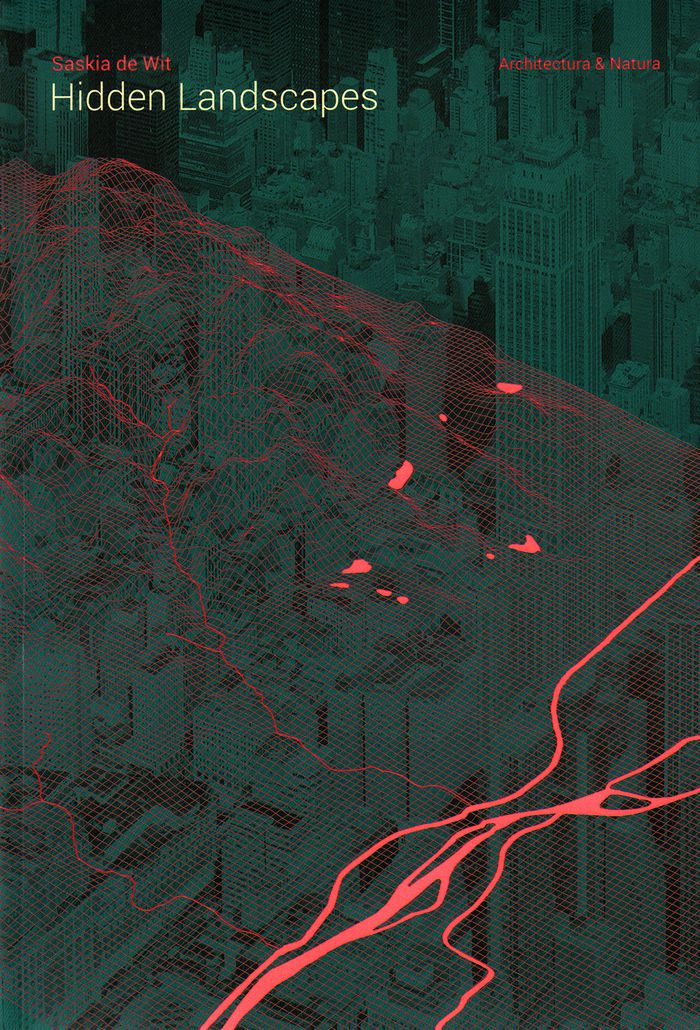
Hidden landscapes: the metropolitan garden as a multi-sensory expression of place
Actions:
Prix:
$85.00
(disponible sur commande)
Résumé:
Authored by Saskia de Wit, this book examines the enclosed garden as an expression of the ‘genius loci’. How can this be made accessible in the contemporary metropolitan landscape? Included are analyses of the spatial, sensorial, and narrative craft patterns of metropolitan gardens ranging from traditional Japanese masterpieces to contemporary European landscape architecture. The metropolitan garden, as a defined space in the continuous metropolitan field, provides an alternative way to access the landscape horizon, references to nature, and connections to the underlying landscape, providing a new perspective on two quintessential themes: nature and place.
Hidden landscapes: the metropolitan garden as a multi-sensory expression of place
Actions:
Prix:
$85.00
(disponible sur commande)
Résumé:
Authored by Saskia de Wit, this book examines the enclosed garden as an expression of the ‘genius loci’. How can this be made accessible in the contemporary metropolitan landscape? Included are analyses of the spatial, sensorial, and narrative craft patterns of metropolitan gardens ranging from traditional Japanese masterpieces to contemporary European landscape architecture. The metropolitan garden, as a defined space in the continuous metropolitan field, provides an alternative way to access the landscape horizon, references to nature, and connections to the underlying landscape, providing a new perspective on two quintessential themes: nature and place.
Classification:
livres
livres
Publication:
avril 2018
avril 2018
Sujet:
Théorie du paysage
Théorie du paysage
Classification:
livres
livres
Titre:
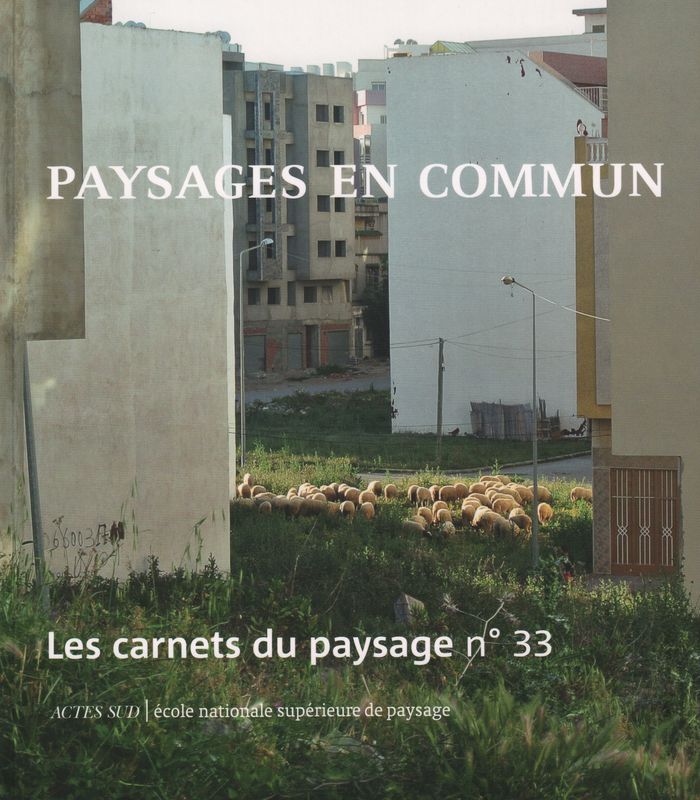
Les carnets du paysage n.33
Les carnets du paysage n.33
Actions:
Prix:
$54.95
(disponible sur commande)
Résumé:
Aujourd'hui la gestion des ressources naturelles, la propriété privée et l'usage collectif des biens, la construction et l'entretien du cadre de vie ou les formes alternatives d'organisation de la vie collective sont devenus des questions centrales dans le débat public. Ces questions concernent également le paysage. Les paysages font-ils partie des biens communs ? Et en(...)
$54.95
(disponible sur commande)
Résumé:
Aujourd'hui la gestion des ressources naturelles, la propriété privée et l'usage collectif des biens, la construction et l'entretien du cadre de vie ou les formes alternatives d'organisation de la vie collective sont devenus des questions centrales dans le débat public. Ces questions concernent également le paysage. Les paysages font-ils partie des biens communs ? Et en(...)
Titre:
Les carnets du paysage n.33
Actions:
Prix:
$54.95
(disponible sur commande)
Résumé:
Aujourd'hui la gestion des ressources naturelles, la propriété privée et l'usage collectif des biens, la construction et l'entretien du cadre de vie ou les formes alternatives d'organisation de la vie collective sont devenus des questions centrales dans le débat public. Ces questions concernent également le paysage. Les paysages font-ils partie des biens communs ? Et en quoi peut-on considérer que les paysages jouent un rôle dans la fabrication collective du commun ? Telles sont les questions que Les Carnets du paysage ont décidé d'explorer dans ce numéro, dont l'ambition est à la fois de décrire des expériences de construction collective de communs, de clarifier les termes des discussions actuelles sur le commun, et de témoigner de plusieurs initiatives où les paysagistes ont été impliqués. Les enjeux sont considérables : notre hypothèse est que le paysage non seulement relève des biens communs, mais qu'il constitue en outre un élément décisif dans la reformulation d'une écologie politique.
Les carnets du paysage n.33
Actions:
Prix:
$54.95
(disponible sur commande)
Résumé:
Aujourd'hui la gestion des ressources naturelles, la propriété privée et l'usage collectif des biens, la construction et l'entretien du cadre de vie ou les formes alternatives d'organisation de la vie collective sont devenus des questions centrales dans le débat public. Ces questions concernent également le paysage. Les paysages font-ils partie des biens communs ? Et en quoi peut-on considérer que les paysages jouent un rôle dans la fabrication collective du commun ? Telles sont les questions que Les Carnets du paysage ont décidé d'explorer dans ce numéro, dont l'ambition est à la fois de décrire des expériences de construction collective de communs, de clarifier les termes des discussions actuelles sur le commun, et de témoigner de plusieurs initiatives où les paysagistes ont été impliqués. Les enjeux sont considérables : notre hypothèse est que le paysage non seulement relève des biens communs, mais qu'il constitue en outre un élément décisif dans la reformulation d'une écologie politique.
Classification:
livres
livres
Publication:
mai 2018
mai 2018
Sujet:
Théorie du paysage
Théorie du paysage


