


496 Résultats
Classification:
livres
livres
Actions:
Prix:
$39.95
(disponible sur commande)
Résumé:
Paul Shepheard's previous book, What is Architecture?, was about making real, material things in the world -- landscapes, buildings, and machines. The Cultivated Wilderness is about those landscapes, and about the strategies that govern what we've done in shaping them.In the author's words, this book is about "seeing things that are too big to see." His emphasis on(...)
$39.95
(disponible sur commande)
Résumé:
Paul Shepheard's previous book, What is Architecture?, was about making real, material things in the world -- landscapes, buildings, and machines. The Cultivated Wilderness is about those landscapes, and about the strategies that govern what we've done in shaping them.In the author's words, this book is about "seeing things that are too big to see." His emphasis on(...)
Titre:
The cultivated wilderness or, what is landscape?
Actions:
Prix:
$39.95
(disponible sur commande)
Résumé:
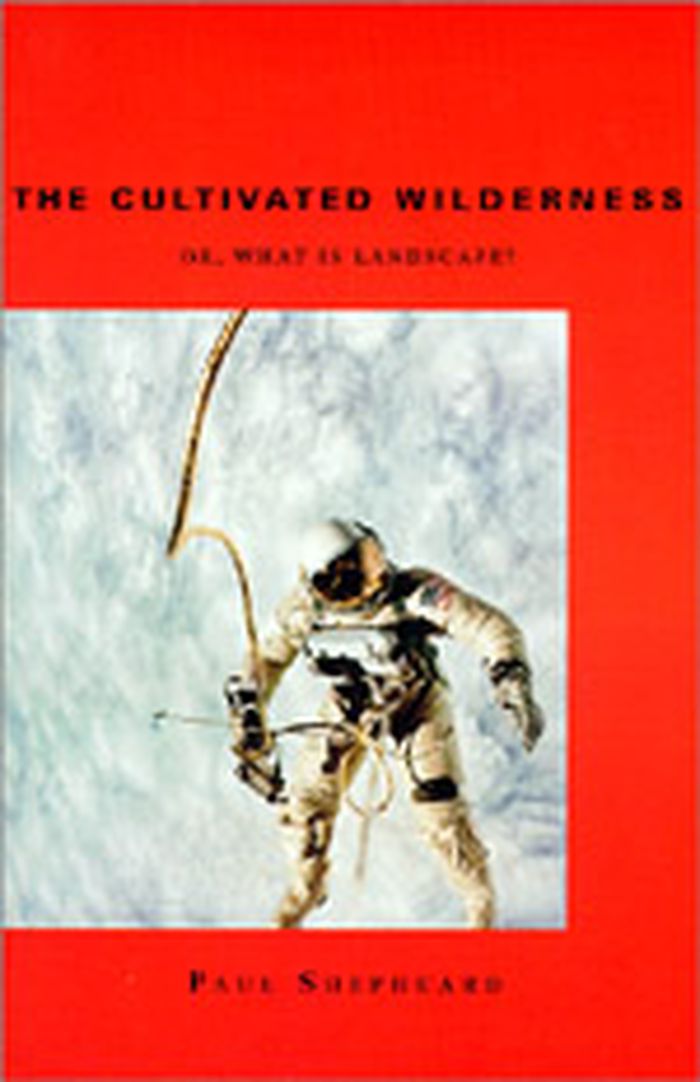
Paul Shepheard's previous book, What is Architecture?, was about making real, material things in the world -- landscapes, buildings, and machines. The Cultivated Wilderness is about those landscapes, and about the strategies that govern what we've done in shaping them.In the author's words, this book is about "seeing things that are too big to see." His emphasis on strategy makes landscape fundamental -- he says that every architectural move is set in a landscape. Norman England, for example, was constructed as a network of strong points, in a strategy of occupation. The eighteenth-century grid cities of the New World reflect a strategy of reason. Our current strategy is the economic exploitation of the Earth, an intricately woven blanket of commerce that covers up a multitude of other possibilities, many other ways to treat the surface of the globe -- some of which are the landscapes revealed in this book.In a series of first-person narratives, reminiscent of his last book, the author pairs six landscapes, in order of descending scale from global to local, from the seven wonders of the ancient world to the condensed destruction of World War I's Western Front. In an engaging style, Shepheard takes the reader on an odyssey through these landscapes, meeting people and seeing places. He states that now, at the end of a century in which the appropriate landscape was sought but never found, the strategy of turning the land to profit is under review -- and offers this book as his contribution to that review.
The cultivated wilderness or, what is landscape?
Actions:
Prix:
$39.95
(disponible sur commande)
Résumé:
Paul Shepheard's previous book, What is Architecture?, was about making real, material things in the world -- landscapes, buildings, and machines. The Cultivated Wilderness is about those landscapes, and about the strategies that govern what we've done in shaping them.In the author's words, this book is about "seeing things that are too big to see." His emphasis on strategy makes landscape fundamental -- he says that every architectural move is set in a landscape. Norman England, for example, was constructed as a network of strong points, in a strategy of occupation. The eighteenth-century grid cities of the New World reflect a strategy of reason. Our current strategy is the economic exploitation of the Earth, an intricately woven blanket of commerce that covers up a multitude of other possibilities, many other ways to treat the surface of the globe -- some of which are the landscapes revealed in this book.In a series of first-person narratives, reminiscent of his last book, the author pairs six landscapes, in order of descending scale from global to local, from the seven wonders of the ancient world to the condensed destruction of World War I's Western Front. In an engaging style, Shepheard takes the reader on an odyssey through these landscapes, meeting people and seeing places. He states that now, at the end of a century in which the appropriate landscape was sought but never found, the strategy of turning the land to profit is under review -- and offers this book as his contribution to that review.
Classification:
livres
livres
Publication:
mars 1997, Cambridge, Mass.
mars 1997, Cambridge, Mass.
Sujet:
Théorie du paysage
Théorie du paysage
Classification:
livres
livres
Actions:
Prix:
$26.50
(disponible sur commande)
Résumé:
A group of essays dedicated to the notion that human lives are enriched by participation in a social community that is integrated into the natural landscape of a particular place. Among the thirty-four contributors are David Ehrenfeld, Lynn R. Miller, Wendell Berry, Deborah Tall, David W. Orr, Susan Witt, and Robert Swann, as well as other philosophers,(...)
$26.50
(disponible sur commande)
Résumé:
A group of essays dedicated to the notion that human lives are enriched by participation in a social community that is integrated into the natural landscape of a particular place. Among the thirty-four contributors are David Ehrenfeld, Lynn R. Miller, Wendell Berry, Deborah Tall, David W. Orr, Susan Witt, and Robert Swann, as well as other philosophers,(...)
Titre:
Rooted in the land : essays on community and place
Actions:
Prix:
$26.50
(disponible sur commande)
Résumé:
A group of essays dedicated to the notion that human lives are enriched by participation in a social community that is integrated into the natural landscape of a particular place. Among the thirty-four contributors are David Ehrenfeld, Lynn R. Miller, Wendell Berry, Deborah Tall, David W. Orr, Susan Witt, and Robert Swann, as well as other philosophers, scientists, activists, economists, historians and sociologists.
Rooted in the land : essays on community and place
Actions:
Prix:
$26.50
(disponible sur commande)
Résumé:
A group of essays dedicated to the notion that human lives are enriched by participation in a social community that is integrated into the natural landscape of a particular place. Among the thirty-four contributors are David Ehrenfeld, Lynn R. Miller, Wendell Berry, Deborah Tall, David W. Orr, Susan Witt, and Robert Swann, as well as other philosophers, scientists, activists, economists, historians and sociologists.
Classification:
livres
livres
Publication:
octobre 1996, New Haven
octobre 1996, New Haven
Sujet:
Théorie du paysage
Théorie du paysage
Classification:
livres
livres
Actions:
Prix:
$57.95
(disponible sur commande)
Résumé:
Du jardin des Lumières au jardin virtuel en passant par la flore latino-américaine, l'esthétique mediterranéenne, le paysage comme voyage, les témoins de ce livre - paysagistes, historiens, géographes, écrivains, urbanistes - font imaginer une approche des paysages de la planète avec l'attitude du jardinier dans un lopin devenu immense.
$57.95
(disponible sur commande)
Résumé:
Du jardin des Lumières au jardin virtuel en passant par la flore latino-américaine, l'esthétique mediterranéenne, le paysage comme voyage, les témoins de ce livre - paysagistes, historiens, géographes, écrivains, urbanistes - font imaginer une approche des paysages de la planète avec l'attitude du jardinier dans un lopin devenu immense.
Titre:
Le jardin planétaire - le colloque
Actions:
Prix:
$57.95
(disponible sur commande)
Résumé:
Du jardin des Lumières au jardin virtuel en passant par la flore latino-américaine, l'esthétique mediterranéenne, le paysage comme voyage, les témoins de ce livre - paysagistes, historiens, géographes, écrivains, urbanistes - font imaginer une approche des paysages de la planète avec l'attitude du jardinier dans un lopin devenu immense.
Le jardin planétaire - le colloque
Actions:
Prix:
$57.95
(disponible sur commande)
Résumé:
Du jardin des Lumières au jardin virtuel en passant par la flore latino-américaine, l'esthétique mediterranéenne, le paysage comme voyage, les témoins de ce livre - paysagistes, historiens, géographes, écrivains, urbanistes - font imaginer une approche des paysages de la planète avec l'attitude du jardinier dans un lopin devenu immense.
Classification:
livres
livres
Publication:
août 1999, Châteauvallon
août 1999, Châteauvallon
Sujet:
Théorie du paysage
Théorie du paysage
Classification:
livres
livres
Titre:
Jardins-rébus
Jardins-rébus
Actions:
Prix:
$27.75
(disponible sur commande)
Résumé:
Histoires de trois jardins remarquables : Tamaris, jardin Albert-Kahn, la Bambouseraie.
$27.75
(disponible sur commande)
Résumé:
Histoires de trois jardins remarquables : Tamaris, jardin Albert-Kahn, la Bambouseraie.
Titre:
Jardins-rébus
Actions:
Prix:
$27.75
(disponible sur commande)
Résumé:
Histoires de trois jardins remarquables : Tamaris, jardin Albert-Kahn, la Bambouseraie.
Jardins-rébus
Actions:
Prix:
$27.75
(disponible sur commande)
Résumé:
Histoires de trois jardins remarquables : Tamaris, jardin Albert-Kahn, la Bambouseraie.
Classification:
livres
livres
Publication:
juillet 1999, Arles
juillet 1999, Arles
Sujet:
Théorie du paysage
Théorie du paysage
Classification:
livres
livres
Actions:
Prix:
$44.95
(disponible sur commande)
Résumé:
Le Vinland que les Vikings visitent vers l'an 1000 pourrait-il se situer dans la région de Québec ? En 1534, Jacques Cartier décrit l'usage du maïs, du tabac et d'une mystérieuse plante, l'annedda, qui guérirait du scorbut et de la syphilis. Mais quel est donc ce miraculeux conifère ? Quel usage fait-on de la gomme de sapin dans les églises en Europe ? Quelle sorte de(...)
$44.95
(disponible sur commande)
Résumé:
Le Vinland que les Vikings visitent vers l'an 1000 pourrait-il se situer dans la région de Québec ? En 1534, Jacques Cartier décrit l'usage du maïs, du tabac et d'une mystérieuse plante, l'annedda, qui guérirait du scorbut et de la syphilis. Mais quel est donc ce miraculeux conifère ? Quel usage fait-on de la gomme de sapin dans les églises en Europe ? Quelle sorte de(...)
Sujet:
Théorie du paysage
Théorie du paysage
Publication:
novembre 2015
novembre 2015
Titre:
Curieuses histoires de plantes du Canada, tome 1
Actions:
Prix:
$44.95
(disponible sur commande)
Résumé:
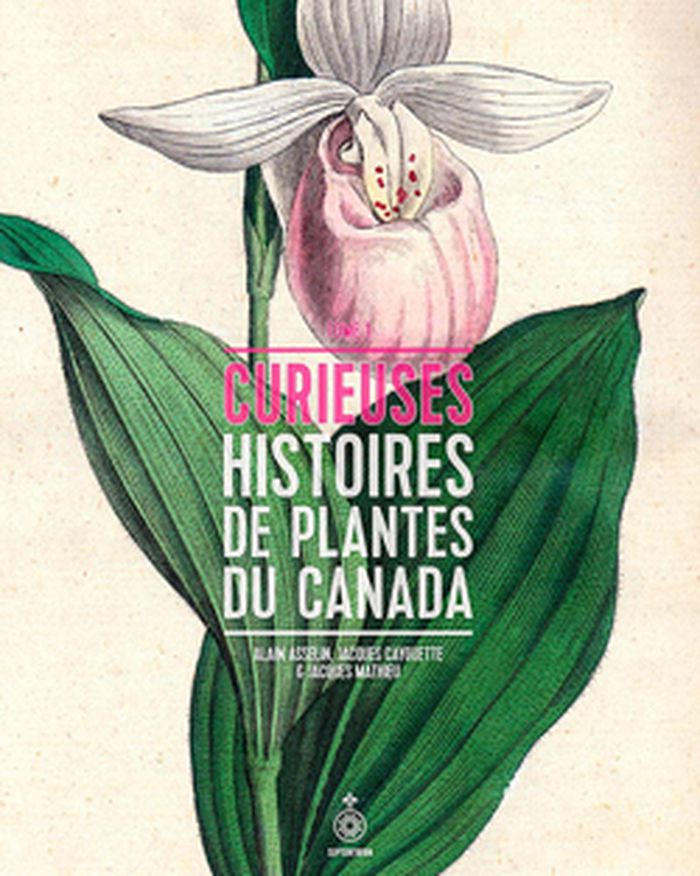
Le Vinland que les Vikings visitent vers l'an 1000 pourrait-il se situer dans la région de Québec ? En 1534, Jacques Cartier décrit l'usage du maïs, du tabac et d'une mystérieuse plante, l'annedda, qui guérirait du scorbut et de la syphilis. Mais quel est donc ce miraculeux conifère ? Quel usage fait-on de la gomme de sapin dans les églises en Europe ? Quelle sorte de chapelet mangeaient donc les Amérindiens ? Il est stimulant de constater que plusieurs questions concernant les premières observations des plantes canadiennes demeurent sans réponse et requièrent encore des efforts de recherche. Cette histoire détaillée, palpitante et pleine de rebondissements, est aussi riche en informations scientifiques, culturelles et historiques souvent méconnues.
Curieuses histoires de plantes du Canada, tome 1
Actions:
Prix:
$44.95
(disponible sur commande)
Résumé:
Le Vinland que les Vikings visitent vers l'an 1000 pourrait-il se situer dans la région de Québec ? En 1534, Jacques Cartier décrit l'usage du maïs, du tabac et d'une mystérieuse plante, l'annedda, qui guérirait du scorbut et de la syphilis. Mais quel est donc ce miraculeux conifère ? Quel usage fait-on de la gomme de sapin dans les églises en Europe ? Quelle sorte de chapelet mangeaient donc les Amérindiens ? Il est stimulant de constater que plusieurs questions concernant les premières observations des plantes canadiennes demeurent sans réponse et requièrent encore des efforts de recherche. Cette histoire détaillée, palpitante et pleine de rebondissements, est aussi riche en informations scientifiques, culturelles et historiques souvent méconnues.
Classification:
livres
livres
Publication:
novembre 2015
novembre 2015
Sujet:
Théorie du paysage
Théorie du paysage
Classification:
livres
livres
Prix:
$49.95
(disponible sur commande)
Résumé:
Un botaniste itinérant décrit une plante canadienne devenue nuisible à l'échelle mondiale ; une plante grimpante nommée Canada envahit l'Europe ; un poète chirurgien savoure une limonade d'eau d'érable ; des cucurbitacées sauvages canadiennes cultivées en Bavière ; de l'usage et des prix de drogues canadiennes… Des médecins du roi, des chirurgiens, des apothicaires,(...)
$49.95
(disponible sur commande)
Résumé:
Un botaniste itinérant décrit une plante canadienne devenue nuisible à l'échelle mondiale ; une plante grimpante nommée Canada envahit l'Europe ; un poète chirurgien savoure une limonade d'eau d'érable ; des cucurbitacées sauvages canadiennes cultivées en Bavière ; de l'usage et des prix de drogues canadiennes… Des médecins du roi, des chirurgiens, des apothicaires,(...)
Titre:
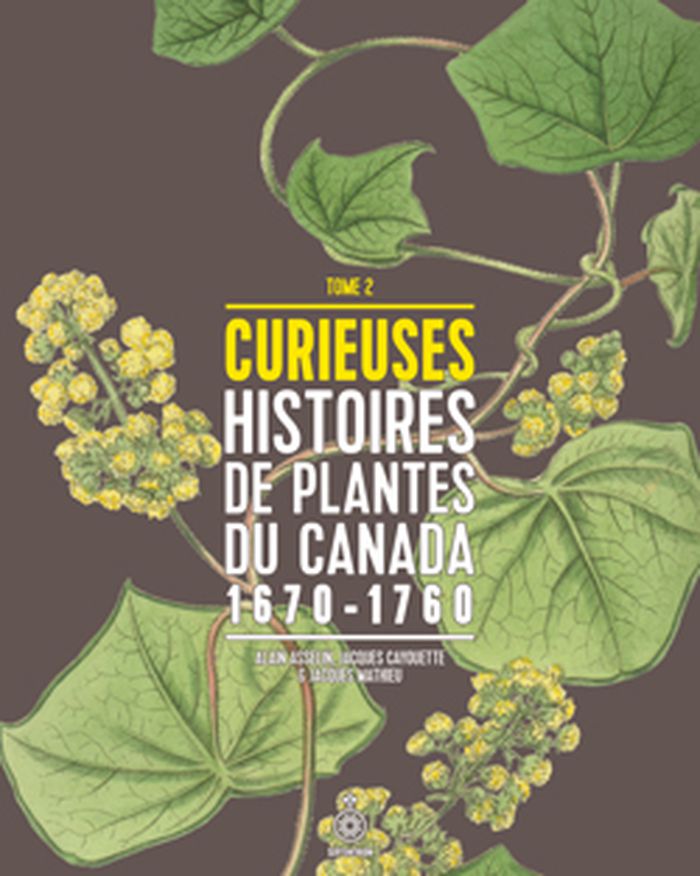
Curieuses histoires de plantes du Canada 1670-1760, tome 2
Actions:
Prix:
$49.95
(disponible sur commande)
Résumé:
Un botaniste itinérant décrit une plante canadienne devenue nuisible à l'échelle mondiale ; une plante grimpante nommée Canada envahit l'Europe ; un poète chirurgien savoure une limonade d'eau d'érable ; des cucurbitacées sauvages canadiennes cultivées en Bavière ; de l'usage et des prix de drogues canadiennes… Des médecins du roi, des chirurgiens, des apothicaires, des agronomes, des botanistes, des militaires, des administrateurs, des entrepreneurs, des missionnaires et des religieuses se familiarisent avec les plantes nord-américaines et leurs usages, souvent médicinaux, inspirés de pratiques amérindiennes.
Curieuses histoires de plantes du Canada 1670-1760, tome 2
Actions:
Prix:
$49.95
(disponible sur commande)
Résumé:
Un botaniste itinérant décrit une plante canadienne devenue nuisible à l'échelle mondiale ; une plante grimpante nommée Canada envahit l'Europe ; un poète chirurgien savoure une limonade d'eau d'érable ; des cucurbitacées sauvages canadiennes cultivées en Bavière ; de l'usage et des prix de drogues canadiennes… Des médecins du roi, des chirurgiens, des apothicaires, des agronomes, des botanistes, des militaires, des administrateurs, des entrepreneurs, des missionnaires et des religieuses se familiarisent avec les plantes nord-américaines et leurs usages, souvent médicinaux, inspirés de pratiques amérindiennes.
Classification:
livres
livres
Publication:
novembre 2015
novembre 2015
Sujet:
Théorie du paysage
Théorie du paysage
Classification:
livres
livres
Prix:
$33.95
(disponible sur commande)
Résumé:
Dans les pratiques paysagères, la question de la réception reste peu étudiée. S'appuyant sur l'analyse de plusieurs réalisations contemporaines, cet ouvrage permet de comprendre comment les paysagistes conçoivent leurs projets en anticipant la manière dont ils seront appréhendés par les futurs usagers. Ces analyses permettent de montrer que si le projet de paysage relève(...)
$33.95
(disponible sur commande)
Résumé:
Dans les pratiques paysagères, la question de la réception reste peu étudiée. S'appuyant sur l'analyse de plusieurs réalisations contemporaines, cet ouvrage permet de comprendre comment les paysagistes conçoivent leurs projets en anticipant la manière dont ils seront appréhendés par les futurs usagers. Ces analyses permettent de montrer que si le projet de paysage relève(...)
Titre:
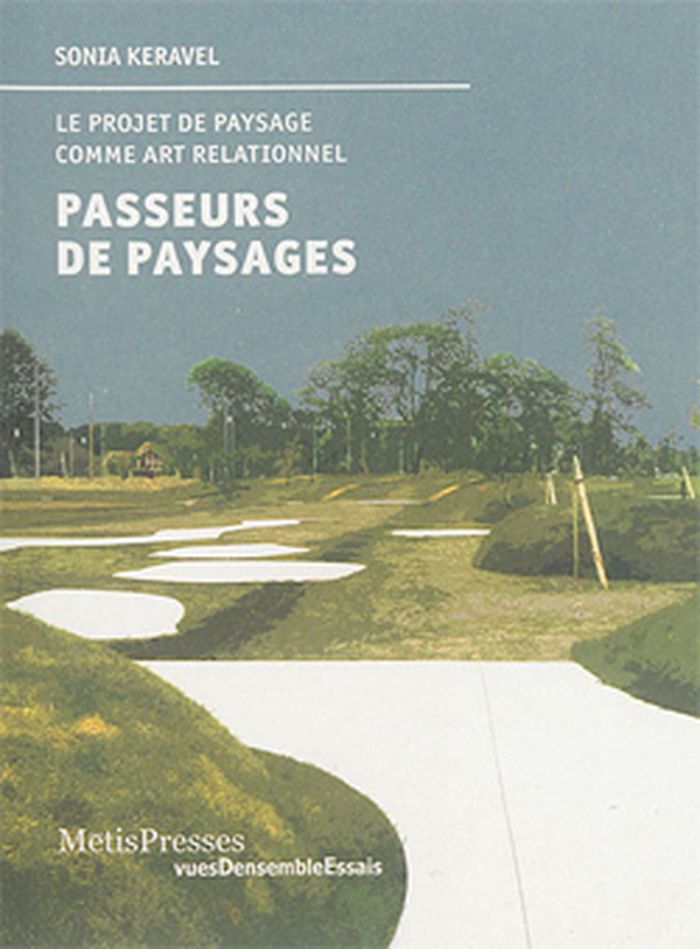
Passeurs de paysages: le projet de paysage comme art relationnel
Actions:
Prix:
$33.95
(disponible sur commande)
Résumé:
Dans les pratiques paysagères, la question de la réception reste peu étudiée. S'appuyant sur l'analyse de plusieurs réalisations contemporaines, cet ouvrage permet de comprendre comment les paysagistes conçoivent leurs projets en anticipant la manière dont ils seront appréhendés par les futurs usagers. Ces analyses permettent de montrer que si le projet de paysage relève de processus de conception très variés, il est dans tous les cas un art relationnel où le paysagiste est le passeur d'une relation d'échange entre un sujet et son environnement. En reconstruisant le processus de conception de neuf projets, Sonia Keravel distingue des paysages à lire, fondés sur une construction narrative ; des paysages à vivre, où le visiteur se trouve en état d'immersion et où prime le caractère évolutif du vivant; des paysages à déployer, dans lesquels des dispositifs non conclusifs invitent le visiteur à la créativité.
Passeurs de paysages: le projet de paysage comme art relationnel
Actions:
Prix:
$33.95
(disponible sur commande)
Résumé:
Dans les pratiques paysagères, la question de la réception reste peu étudiée. S'appuyant sur l'analyse de plusieurs réalisations contemporaines, cet ouvrage permet de comprendre comment les paysagistes conçoivent leurs projets en anticipant la manière dont ils seront appréhendés par les futurs usagers. Ces analyses permettent de montrer que si le projet de paysage relève de processus de conception très variés, il est dans tous les cas un art relationnel où le paysagiste est le passeur d'une relation d'échange entre un sujet et son environnement. En reconstruisant le processus de conception de neuf projets, Sonia Keravel distingue des paysages à lire, fondés sur une construction narrative ; des paysages à vivre, où le visiteur se trouve en état d'immersion et où prime le caractère évolutif du vivant; des paysages à déployer, dans lesquels des dispositifs non conclusifs invitent le visiteur à la créativité.
Classification:
livres
livres
Publication:
novembre 2015
novembre 2015
Sujet:
Théorie du paysage
Théorie du paysage
Classification:
livres
livres
Actions:
Prix:
$125.95
(disponible sur commande)
Résumé:
Designing gardens, parks and landscapes requires a holistic approach. It also requires extensive specialist knowledge. In courses and manuals the generalist or in-depth levels are frequently under-represented, or the attempted comprehensive view becomes too complex. "Landscape for Architects" now offers a fundamental reference work which is as comprehensive as it is(...)
$125.95
(disponible sur commande)
Résumé:
Designing gardens, parks and landscapes requires a holistic approach. It also requires extensive specialist knowledge. In courses and manuals the generalist or in-depth levels are frequently under-represented, or the attempted comprehensive view becomes too complex. "Landscape for Architects" now offers a fundamental reference work which is as comprehensive as it is(...)
Titre:
Landscape for architects: Landscape, park, building, qualities, use.
Actions:
Prix:
$125.95
(disponible sur commande)
Résumé:
Designing gardens, parks and landscapes requires a holistic approach. It also requires extensive specialist knowledge. In courses and manuals the generalist or in-depth levels are frequently under-represented, or the attempted comprehensive view becomes too complex. "Landscape for Architects" now offers a fundamental reference work which is as comprehensive as it is practical and as holistic as it is detailed. Created in cooperation with the Architecture Department of Braunschweig Technical University, Landscape for Architects addresses the aspects of landscape architecture: "questions" are raised with abstract schematic drawings, and possible 'answers' are illustrated with analytical drawings of case studies from the 20th and 21st centuries in order to inspire the reader's own creativity and to support the design process.
Landscape for architects: Landscape, park, building, qualities, use.
Actions:
Prix:
$125.95
(disponible sur commande)
Résumé:
Designing gardens, parks and landscapes requires a holistic approach. It also requires extensive specialist knowledge. In courses and manuals the generalist or in-depth levels are frequently under-represented, or the attempted comprehensive view becomes too complex. "Landscape for Architects" now offers a fundamental reference work which is as comprehensive as it is practical and as holistic as it is detailed. Created in cooperation with the Architecture Department of Braunschweig Technical University, Landscape for Architects addresses the aspects of landscape architecture: "questions" are raised with abstract schematic drawings, and possible 'answers' are illustrated with analytical drawings of case studies from the 20th and 21st centuries in order to inspire the reader's own creativity and to support the design process.
Classification:
livres
livres
Publication:
octobre 2020
octobre 2020
Sujet:
Théorie du paysage
Théorie du paysage
Classification:
livres
livres
Titre:
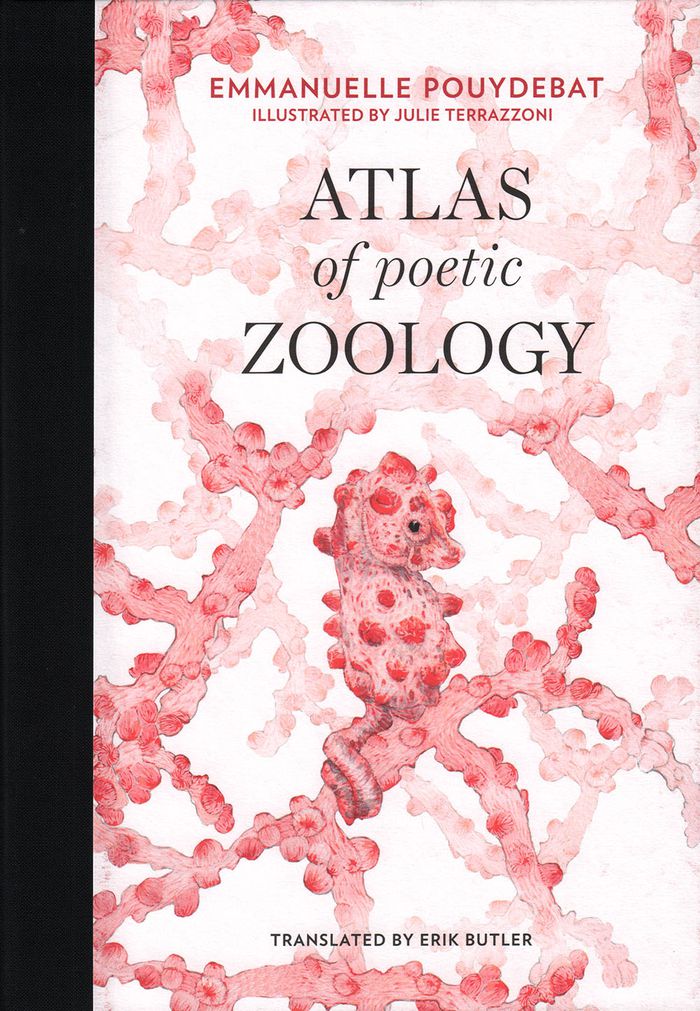
Atlas of poetic zoology
Atlas of poetic zoology
Actions:
Prix:
$32.00
(disponible sur commande)
Résumé:
This ''Atlas of Poetic Zoology'' leads readers into a world of wonders where turtles fly under the sea, lizards walk on water, insects impersonate flowers, birds don't fly, frogs come back from the dead, and virgin sharks give birth. Animals, writes Emmanuelle Pouydebat, are lyric poets; they discover and shape the world when they sing, dance, explore, and reproduce. The(...)
$32.00
(disponible sur commande)
Résumé:
This ''Atlas of Poetic Zoology'' leads readers into a world of wonders where turtles fly under the sea, lizards walk on water, insects impersonate flowers, birds don't fly, frogs come back from the dead, and virgin sharks give birth. Animals, writes Emmanuelle Pouydebat, are lyric poets; they discover and shape the world when they sing, dance, explore, and reproduce. The(...)
Titre:
Atlas of poetic zoology
Actions:
Prix:
$32.00
(disponible sur commande)
Résumé:
This ''Atlas of Poetic Zoology'' leads readers into a world of wonders where turtles fly under the sea, lizards walk on water, insects impersonate flowers, birds don't fly, frogs come back from the dead, and virgin sharks give birth. Animals, writes Emmanuelle Pouydebat, are lyric poets; they discover and shape the world when they sing, dance, explore, and reproduce. The animal kingdom has been evolving for 700,000 million years, weathering many crises of extinction; this book allows us to draw inspiration from animals' enduring vitality.
Atlas of poetic zoology
Actions:
Prix:
$32.00
(disponible sur commande)
Résumé:
This ''Atlas of Poetic Zoology'' leads readers into a world of wonders where turtles fly under the sea, lizards walk on water, insects impersonate flowers, birds don't fly, frogs come back from the dead, and virgin sharks give birth. Animals, writes Emmanuelle Pouydebat, are lyric poets; they discover and shape the world when they sing, dance, explore, and reproduce. The animal kingdom has been evolving for 700,000 million years, weathering many crises of extinction; this book allows us to draw inspiration from animals' enduring vitality.
Classification:
livres
livres
Publication:
mai 2019
mai 2019
Sujet:
Théorie du paysage
Théorie du paysage
Classification:
livres
livres
Actions:
Prix:
$36.95
(disponible en magasin)
Résumé:
Adapted from the successful BBC Radio 3 series, Cornerstones explores how different rock types give rise to their own distinct flora and fauna, and even affect the food we eat. Some of the authors express a sense of awe in the face of the abyss of time that is locked into the lie of the land, a sense that jostles up against our own fleeting encounters with it. For(...)
$36.95
(disponible en magasin)
Résumé:
Adapted from the successful BBC Radio 3 series, Cornerstones explores how different rock types give rise to their own distinct flora and fauna, and even affect the food we eat. Some of the authors express a sense of awe in the face of the abyss of time that is locked into the lie of the land, a sense that jostles up against our own fleeting encounters with it. For(...)
Titre:
Cornerstones: subterranean writings
Actions:
Prix:
$36.95
(disponible en magasin)
Résumé:
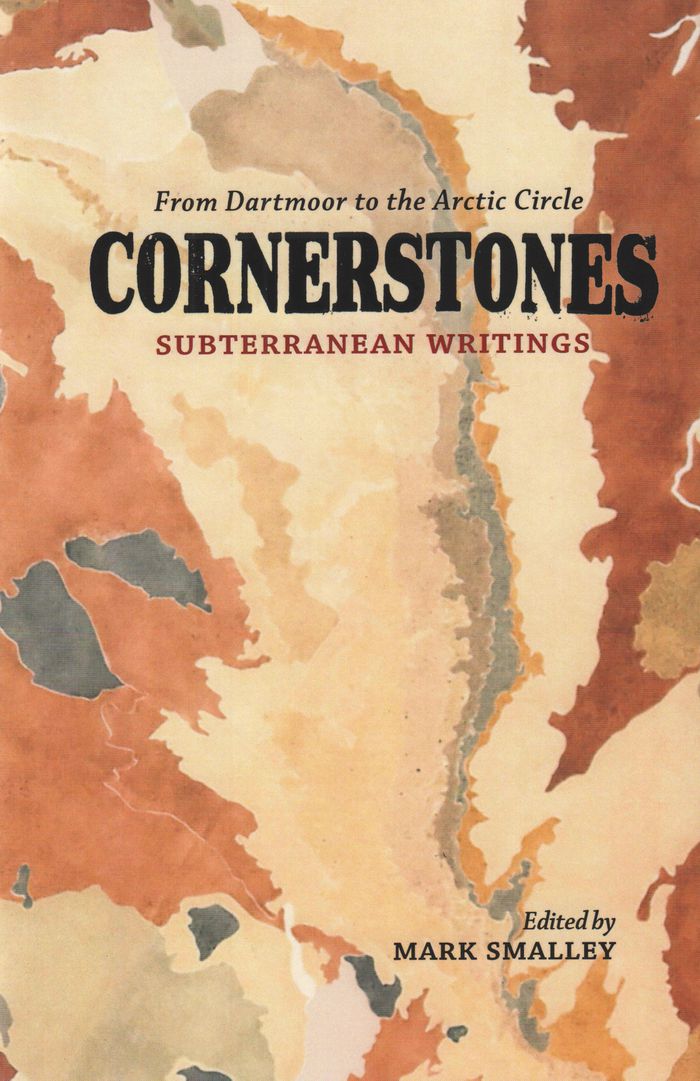
Adapted from the successful BBC Radio 3 series, Cornerstones explores how different rock types give rise to their own distinct flora and fauna, and even affect the food we eat. Some of the authors express a sense of awe in the face of the abyss of time that is locked into the lie of the land, a sense that jostles up against our own fleeting encounters with it. For example, Sara Maitland tries to grasp the extraordinary journey through space and time that's been undertaken by Lewisian gneiss, one of the most ancient of rocks found in the UK, while Alan Garner captures the ways in which flint has enabled and accompanied human evolution, ever since our ancestors walked out of Africa with it, stone in hand.
Cornerstones: subterranean writings
Actions:
Prix:
$36.95
(disponible en magasin)
Résumé:
Adapted from the successful BBC Radio 3 series, Cornerstones explores how different rock types give rise to their own distinct flora and fauna, and even affect the food we eat. Some of the authors express a sense of awe in the face of the abyss of time that is locked into the lie of the land, a sense that jostles up against our own fleeting encounters with it. For example, Sara Maitland tries to grasp the extraordinary journey through space and time that's been undertaken by Lewisian gneiss, one of the most ancient of rocks found in the UK, while Alan Garner captures the ways in which flint has enabled and accompanied human evolution, ever since our ancestors walked out of Africa with it, stone in hand.
Classification:
livres
livres
Publication:
avril 2019
avril 2019
Sujet:
Théorie du paysage
Théorie du paysage


