


496 Résultats
Classification:
livres
livres
Actions:
Prix:
$39.95
(disponible sur commande)
Résumé:
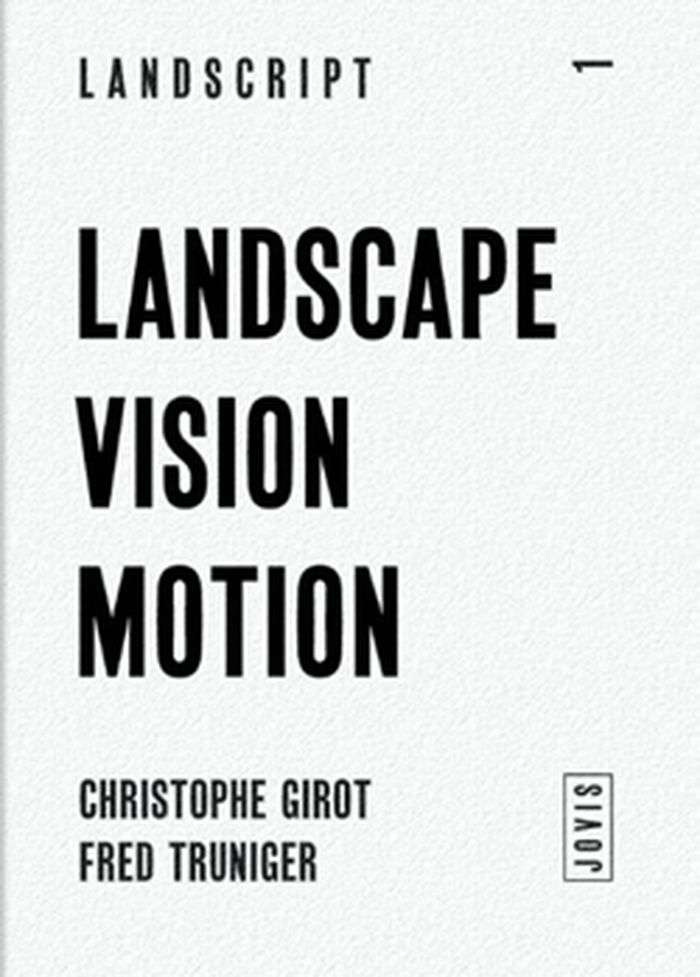
The first volume in a new series from Jovis on landscape architecture today, Landscape Vision Motion asks the question: what objectives can be achieved in the theoretical exchange between visual studies, digital media, film, space and motion in the field of landscape architecture? Professionals from various fields contribute.
$39.95
(disponible sur commande)
Résumé:
The first volume in a new series from Jovis on landscape architecture today, Landscape Vision Motion asks the question: what objectives can be achieved in the theoretical exchange between visual studies, digital media, film, space and motion in the field of landscape architecture? Professionals from various fields contribute.
Titre:
Landscape vision motion (landscript no.1)
Actions:
Prix:
$39.95
(disponible sur commande)
Résumé:
The first volume in a new series from Jovis on landscape architecture today, Landscape Vision Motion asks the question: what objectives can be achieved in the theoretical exchange between visual studies, digital media, film, space and motion in the field of landscape architecture? Professionals from various fields contribute.
Landscape vision motion (landscript no.1)
Actions:
Prix:
$39.95
(disponible sur commande)
Résumé:
The first volume in a new series from Jovis on landscape architecture today, Landscape Vision Motion asks the question: what objectives can be achieved in the theoretical exchange between visual studies, digital media, film, space and motion in the field of landscape architecture? Professionals from various fields contribute.
Classification:
livres
livres
Publication:
octobre 2012
octobre 2012
Sujet:
Théorie du paysage
Théorie du paysage
Classification:
livres
livres
Actions:
Prix:
$39.95
(disponible sur commande)
Résumé:
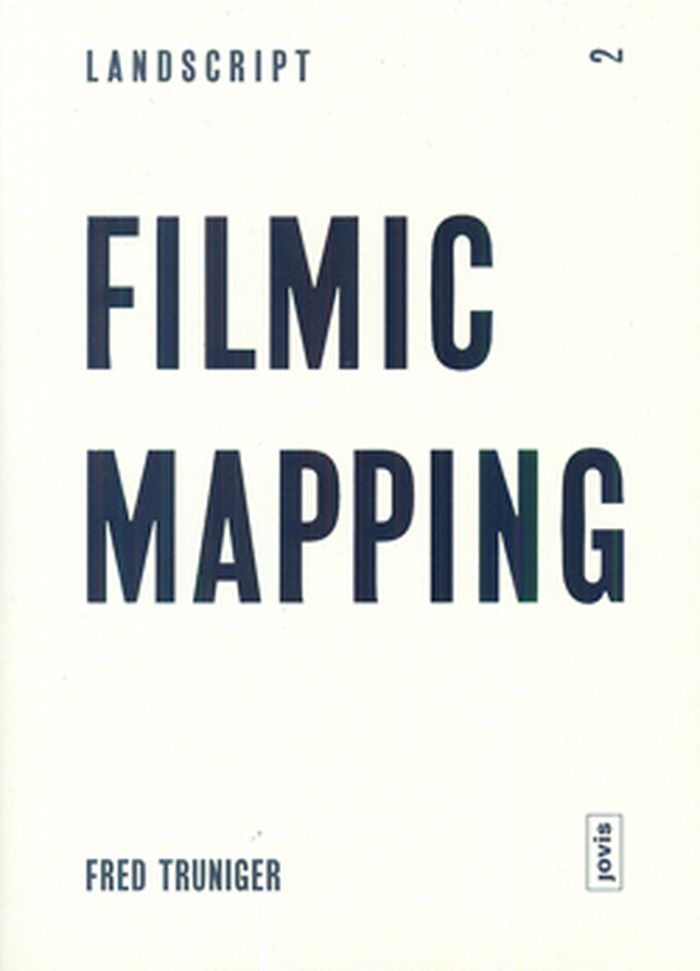
Filmic Mapping, the second volume in Jovis' new LandScript series, examines forms of land measurement, primarily in documentary and essay films of the past ten years. Contributors from a variety of disciplines weigh in on the state of contemporary landscape architecture and its visual representation.
$39.95
(disponible sur commande)
Résumé:
Filmic Mapping, the second volume in Jovis' new LandScript series, examines forms of land measurement, primarily in documentary and essay films of the past ten years. Contributors from a variety of disciplines weigh in on the state of contemporary landscape architecture and its visual representation.
Titre:
Filmic mapping: documentary film and the visual culture of landscape architecture (landscript, no. 2)
Actions:
Prix:
$39.95
(disponible sur commande)
Résumé:
Filmic Mapping, the second volume in Jovis' new LandScript series, examines forms of land measurement, primarily in documentary and essay films of the past ten years. Contributors from a variety of disciplines weigh in on the state of contemporary landscape architecture and its visual representation.
Filmic mapping: documentary film and the visual culture of landscape architecture (landscript, no. 2)
Actions:
Prix:
$39.95
(disponible sur commande)
Résumé:
Filmic Mapping, the second volume in Jovis' new LandScript series, examines forms of land measurement, primarily in documentary and essay films of the past ten years. Contributors from a variety of disciplines weigh in on the state of contemporary landscape architecture and its visual representation.
Classification:
livres
livres
Publication:
octobre 2012
octobre 2012
Sujet:
Théorie du paysage
Théorie du paysage
Classification:
livres
livres
Actions:
Prix:
$34.95
(disponible sur commande)
Résumé:
This publication showcases the acclaimed landscape designer's urban renewal effort for downtown Denver in the 1970s. Drawing on the rugged beauty of the city's natural surroundings for inspiration, Halprin created a signature landmark of sunken fountains, walls, and berms that served as an urban promenade and an oasis from the surrounding streets. This monograph honors(...)
$34.95
(disponible sur commande)
Résumé:
This publication showcases the acclaimed landscape designer's urban renewal effort for downtown Denver in the 1970s. Drawing on the rugged beauty of the city's natural surroundings for inspiration, Halprin created a signature landmark of sunken fountains, walls, and berms that served as an urban promenade and an oasis from the surrounding streets. This monograph honors(...)
Titre:
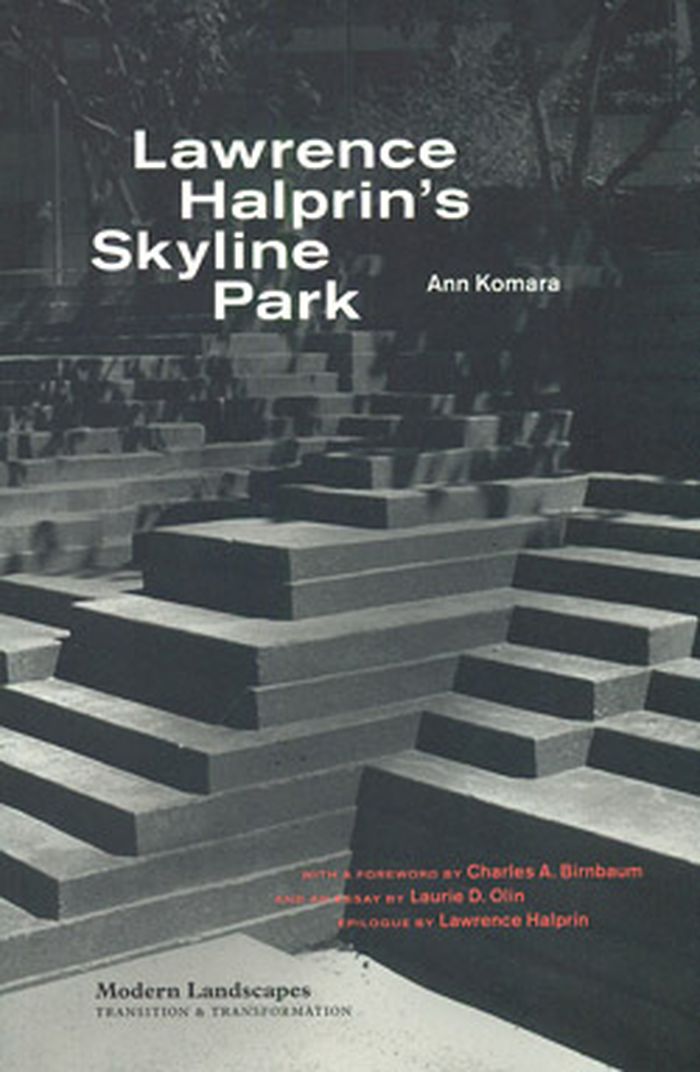
Lawrence Halprin's Skyline park
Actions:
Prix:
$34.95
(disponible sur commande)
Résumé:
This publication showcases the acclaimed landscape designer's urban renewal effort for downtown Denver in the 1970s. Drawing on the rugged beauty of the city's natural surroundings for inspiration, Halprin created a signature landmark of sunken fountains, walls, and berms that served as an urban promenade and an oasis from the surrounding streets. This monograph honors the legacy of Halprin's original work by presenting the most complete documentation available of the park's conception, construction, and use before its total redesign in 2003. This first book on Halprin's modern landscape project features new photography, archival drawings, and original documentation.
Lawrence Halprin's Skyline park
Actions:
Prix:
$34.95
(disponible sur commande)
Résumé:
This publication showcases the acclaimed landscape designer's urban renewal effort for downtown Denver in the 1970s. Drawing on the rugged beauty of the city's natural surroundings for inspiration, Halprin created a signature landmark of sunken fountains, walls, and berms that served as an urban promenade and an oasis from the surrounding streets. This monograph honors the legacy of Halprin's original work by presenting the most complete documentation available of the park's conception, construction, and use before its total redesign in 2003. This first book on Halprin's modern landscape project features new photography, archival drawings, and original documentation.
Classification:
livres
livres
Publication:
août 2012
août 2012
Classification:
livres
livres
Actions:
Prix:
$17.95
(disponible sur commande)
Résumé:
Tout au long de son évolution architecturale et stylistique, le jardin n’a cessé de refléter une vision du monde en s’approchant d’un idéal de vie. À l’origine espace enclos, le jardin change d’échelle au xxe siècle, mû par la conscience d’une finitude écologique : il devient planétaire. Pour préserver cet espace soumis aux lois du marché et de la croissance à tout prix,(...)
$17.95
(disponible sur commande)
Résumé:
Tout au long de son évolution architecturale et stylistique, le jardin n’a cessé de refléter une vision du monde en s’approchant d’un idéal de vie. À l’origine espace enclos, le jardin change d’échelle au xxe siècle, mû par la conscience d’une finitude écologique : il devient planétaire. Pour préserver cet espace soumis aux lois du marché et de la croissance à tout prix,(...)
Titre:
Jardins, paysage et génie naturel
Actions:
Prix:
$17.95
(disponible sur commande)
Résumé:
Tout au long de son évolution architecturale et stylistique, le jardin n’a cessé de refléter une vision du monde en s’approchant d’un idéal de vie. À l’origine espace enclos, le jardin change d’échelle au xxe siècle, mû par la conscience d’une finitude écologique : il devient planétaire. Pour préserver cet espace soumis aux lois du marché et de la croissance à tout prix, le jardinier doit se mettre à l’écoute du génie naturel : imaginer, réaliser et entretenir le jardin dans son aspect dynamique, en respectant le développement des espèces et leurs migrations.
Jardins, paysage et génie naturel
Actions:
Prix:
$17.95
(disponible sur commande)
Résumé:
Tout au long de son évolution architecturale et stylistique, le jardin n’a cessé de refléter une vision du monde en s’approchant d’un idéal de vie. À l’origine espace enclos, le jardin change d’échelle au xxe siècle, mû par la conscience d’une finitude écologique : il devient planétaire. Pour préserver cet espace soumis aux lois du marché et de la croissance à tout prix, le jardinier doit se mettre à l’écoute du génie naturel : imaginer, réaliser et entretenir le jardin dans son aspect dynamique, en respectant le développement des espèces et leurs migrations.
Classification:
livres
livres
Publication:
septembre 2012
septembre 2012
Sujet:
Théorie du paysage
Théorie du paysage
Classification:
livres
livres

Actions:
Prix:
$69.95
(disponible sur commande)
Résumé:
Romanticism was a cultural and intellectual movement characterized by discovery, revolution, and the poetic as well as by the philosophical relationship between people and nature. Botany sits at the intersection where romantic scientific and literary discourses meet. Clandestine Marriage explores the meaning and methods of how plants were represented and reproduced in(...)
$69.95
(disponible sur commande)
Résumé:
Romanticism was a cultural and intellectual movement characterized by discovery, revolution, and the poetic as well as by the philosophical relationship between people and nature. Botany sits at the intersection where romantic scientific and literary discourses meet. Clandestine Marriage explores the meaning and methods of how plants were represented and reproduced in(...)
Titre:
Clandestine marriage : botany and romantic culture
Actions:
Prix:
$69.95
(disponible sur commande)
Résumé:
Romanticism was a cultural and intellectual movement characterized by discovery, revolution, and the poetic as well as by the philosophical relationship between people and nature. Botany sits at the intersection where romantic scientific and literary discourses meet. Clandestine Marriage explores the meaning and methods of how plants were represented and reproduced in scientific, literary, artistic, and material cultures of the period. Theresa M. Kelley synthesizes romantic debates about taxonomy and morphology, the contemporary interest in books and magazines devoted to plant study and images, and writings by such authors as Mary Wollstonecraft and Anna Letitia Barbauld. Period botanical paintings of flowers are reproduced in color, bringing her argument and the romantics' passion for plants to life. In addition to exploring botanic thought and practice in the context of British romanticism, Kelley also looks to the German philosophical traditions of Kant, Hegel, and Goethe and to Charles Darwin's reflections on orchids and plant pollination. Her interdisciplinary approach allows a deeper understanding of a time when exploration of the natural world was a culture-wide enchantment.
Clandestine marriage : botany and romantic culture
Actions:
Prix:
$69.95
(disponible sur commande)
Résumé:
Romanticism was a cultural and intellectual movement characterized by discovery, revolution, and the poetic as well as by the philosophical relationship between people and nature. Botany sits at the intersection where romantic scientific and literary discourses meet. Clandestine Marriage explores the meaning and methods of how plants were represented and reproduced in scientific, literary, artistic, and material cultures of the period. Theresa M. Kelley synthesizes romantic debates about taxonomy and morphology, the contemporary interest in books and magazines devoted to plant study and images, and writings by such authors as Mary Wollstonecraft and Anna Letitia Barbauld. Period botanical paintings of flowers are reproduced in color, bringing her argument and the romantics' passion for plants to life. In addition to exploring botanic thought and practice in the context of British romanticism, Kelley also looks to the German philosophical traditions of Kant, Hegel, and Goethe and to Charles Darwin's reflections on orchids and plant pollination. Her interdisciplinary approach allows a deeper understanding of a time when exploration of the natural world was a culture-wide enchantment.
Classification:
livres
livres
Publication:
novembre 2012
novembre 2012
Sujet:
Théorie du paysage
Théorie du paysage
Classification:
livres
livres
Prix:
$69.95
(disponible sur commande)
Résumé:
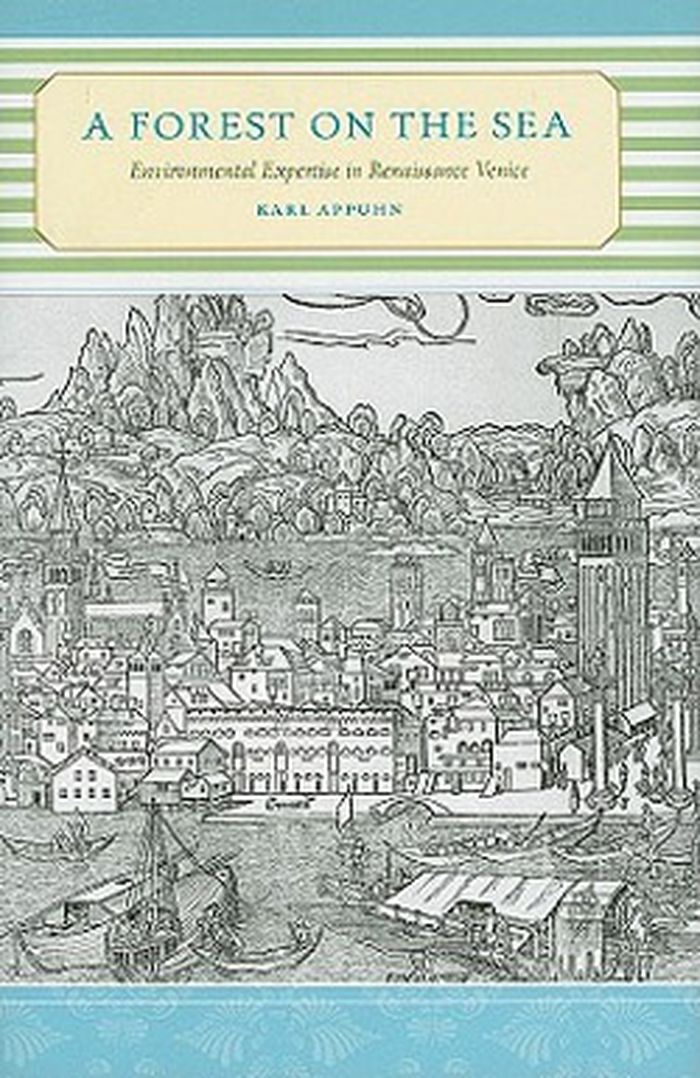
Wood was essential to the survival of the Venetian Republic. To build its great naval and merchant ships, maintain its extensive levee system, construct buildings, fuel industries, and heat homes, Venice needed access to large quantities of oak and beech timber. A Forest on the Sea explores the history of this enterprise and Venice's efforts to extend state control over(...)
$69.95
(disponible sur commande)
Résumé:
Wood was essential to the survival of the Venetian Republic. To build its great naval and merchant ships, maintain its extensive levee system, construct buildings, fuel industries, and heat homes, Venice needed access to large quantities of oak and beech timber. A Forest on the Sea explores the history of this enterprise and Venice's efforts to extend state control over(...)
Titre:
A forest on the sea: environmental expertise in Renaissance Venice
Actions:
Prix:
$69.95
(disponible sur commande)
Résumé:
Wood was essential to the survival of the Venetian Republic. To build its great naval and merchant ships, maintain its extensive levee system, construct buildings, fuel industries, and heat homes, Venice needed access to large quantities of oak and beech timber. A Forest on the Sea explores the history of this enterprise and Venice's efforts to extend state control over its natural resources. Karl Appuhn explains how Venice went from an isolated city completely dependent on foreign suppliers for wood to a regional state with a sophisticated system of administering and preserving forests. This publication offers a completely novel perspective on how Renaissance Europeans thought about the natural world. It sheds new light on how cultural conceptions about nature influenced political policies for resource conservation and land management in Venice.
A forest on the sea: environmental expertise in Renaissance Venice
Actions:
Prix:
$69.95
(disponible sur commande)
Résumé:
Wood was essential to the survival of the Venetian Republic. To build its great naval and merchant ships, maintain its extensive levee system, construct buildings, fuel industries, and heat homes, Venice needed access to large quantities of oak and beech timber. A Forest on the Sea explores the history of this enterprise and Venice's efforts to extend state control over its natural resources. Karl Appuhn explains how Venice went from an isolated city completely dependent on foreign suppliers for wood to a regional state with a sophisticated system of administering and preserving forests. This publication offers a completely novel perspective on how Renaissance Europeans thought about the natural world. It sheds new light on how cultural conceptions about nature influenced political policies for resource conservation and land management in Venice.
Classification:
livres
livres
Publication:
octobre 2009
octobre 2009
Sujet:
Théorie du paysage
Théorie du paysage
Classification:
livres
livres
Actions:
Prix:
$42.95
(disponible en magasin)
Résumé:
Notre époque serait celle de la mobilisation infinie du monde ; tourisme de masse et délocalisations diverses accompagnent un imaginaire de référence marqué par la globalisation de l'espace, la vitesse des circulations et un refus des enracinements définitifs. Une ontologie sociale et culturelle inédite se dessine. De nouvelles géographies du monde apparaissent dans les(...)
$42.95
(disponible en magasin)
Résumé:
Notre époque serait celle de la mobilisation infinie du monde ; tourisme de masse et délocalisations diverses accompagnent un imaginaire de référence marqué par la globalisation de l'espace, la vitesse des circulations et un refus des enracinements définitifs. Une ontologie sociale et culturelle inédite se dessine. De nouvelles géographies du monde apparaissent dans les(...)
Titre:
Carnets du paysage 23: paysages en migrations
Actions:
Prix:
$42.95
(disponible en magasin)
Résumé:
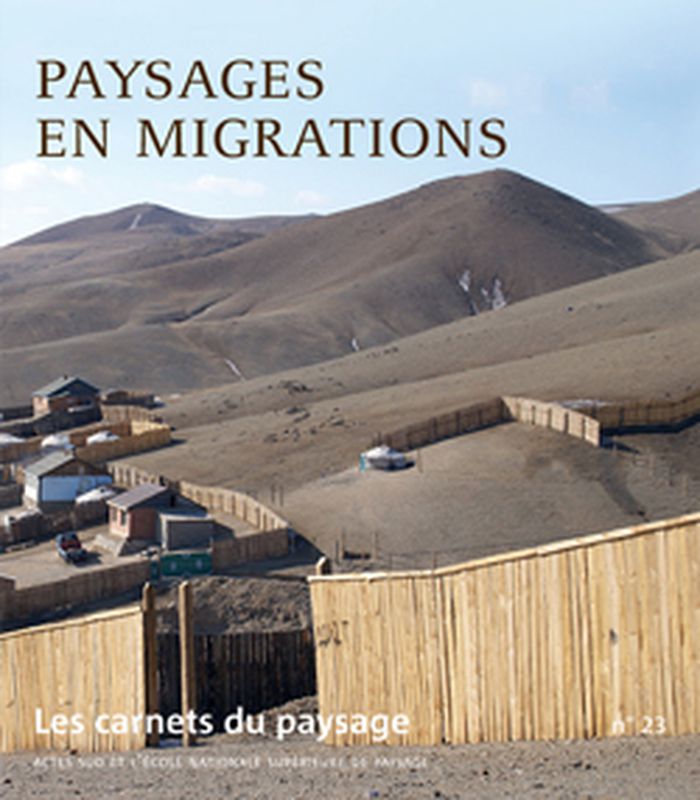
Notre époque serait celle de la mobilisation infinie du monde ; tourisme de masse et délocalisations diverses accompagnent un imaginaire de référence marqué par la globalisation de l'espace, la vitesse des circulations et un refus des enracinements définitifs. Une ontologie sociale et culturelle inédite se dessine. De nouvelles géographies du monde apparaissent dans les territoires et les paysages. Que deviennent les paysages quittés ? Comment sont créés, ou recréés, des univers paysagers dans les lieux d'accueil ? Qu'en est-il des paysages des camps dits d'accueil et de transit, des camps de réfugiés ? Ce numéro accueille des contributions s'appuyant sur des études de cas (Yann Lafolie sur l'Atelier solidaire à Lille, Nadine Cattan sur les femmes srilankaises à Beyrouth, Léa Hommage sur la pratique nomade et l'espace urbain à Ulaanbaatar en Mongolie, Bruno Hervé sur le déplacement d'un village au Pérou, Frédéric Pousin sur Garrett Eckbo, Bruno Laperche sur un observatoire palestinien des paysages, Anne-Christine Habbard sur la Partition de l'Inde et du Pakistan, Isabel Lopes Cardoso sur les discours sur le paysage au Portugal), et d'autres interrogeant la mobilité comme phénomène social et politique contemporain (Étienne Tassin à travers la notion de «condition migrante», Michel Agier de «paysage global» des camps, Barbara Bender de «Landscapes on-the-move», Vilém Flusser de «philosophie de l'émigration», François Gemenne de «paysage migratoire»).
Carnets du paysage 23: paysages en migrations
Actions:
Prix:
$42.95
(disponible en magasin)
Résumé:
Notre époque serait celle de la mobilisation infinie du monde ; tourisme de masse et délocalisations diverses accompagnent un imaginaire de référence marqué par la globalisation de l'espace, la vitesse des circulations et un refus des enracinements définitifs. Une ontologie sociale et culturelle inédite se dessine. De nouvelles géographies du monde apparaissent dans les territoires et les paysages. Que deviennent les paysages quittés ? Comment sont créés, ou recréés, des univers paysagers dans les lieux d'accueil ? Qu'en est-il des paysages des camps dits d'accueil et de transit, des camps de réfugiés ? Ce numéro accueille des contributions s'appuyant sur des études de cas (Yann Lafolie sur l'Atelier solidaire à Lille, Nadine Cattan sur les femmes srilankaises à Beyrouth, Léa Hommage sur la pratique nomade et l'espace urbain à Ulaanbaatar en Mongolie, Bruno Hervé sur le déplacement d'un village au Pérou, Frédéric Pousin sur Garrett Eckbo, Bruno Laperche sur un observatoire palestinien des paysages, Anne-Christine Habbard sur la Partition de l'Inde et du Pakistan, Isabel Lopes Cardoso sur les discours sur le paysage au Portugal), et d'autres interrogeant la mobilité comme phénomène social et politique contemporain (Étienne Tassin à travers la notion de «condition migrante», Michel Agier de «paysage global» des camps, Barbara Bender de «Landscapes on-the-move», Vilém Flusser de «philosophie de l'émigration», François Gemenne de «paysage migratoire»).
Classification:
livres
livres
Publication:
décembre 2012
décembre 2012
Sujet:
Théorie du paysage
Théorie du paysage
Classification:
livres
livres
Titre:
Het Huis / The house
Het Huis / The house
Actions:
Prix:
$50.00
(disponible en magasin)
Résumé:
The new pavilion in the Middelheim sculpture park in Antwerp houses a series of ceramic sculptures by German artist Thomas Schütte. Ghent-based architects Robbrecht & Daem are the designers of the half-open pavilion, which they named 'The House'. Schütte's fragile sculptures are a perfect fit for the nature and spirit of the pavilion's architecture, which is specially(...)
$50.00
(disponible en magasin)
Résumé:
The new pavilion in the Middelheim sculpture park in Antwerp houses a series of ceramic sculptures by German artist Thomas Schütte. Ghent-based architects Robbrecht & Daem are the designers of the half-open pavilion, which they named 'The House'. Schütte's fragile sculptures are a perfect fit for the nature and spirit of the pavilion's architecture, which is specially(...)
Titre:
Het Huis / The house
Actions:
Prix:
$50.00
(disponible en magasin)
Résumé:
The new pavilion in the Middelheim sculpture park in Antwerp houses a series of ceramic sculptures by German artist Thomas Schütte. Ghent-based architects Robbrecht & Daem are the designers of the half-open pavilion, which they named 'The House'. Schütte's fragile sculptures are a perfect fit for the nature and spirit of the pavilion's architecture, which is specially designed to cast a protective veil over vulnerable artworks. This book tells the story of the unique collaboration between the sculpture park, the architects and the artist.
Het Huis / The house
Actions:
Prix:
$50.00
(disponible en magasin)
Résumé:
The new pavilion in the Middelheim sculpture park in Antwerp houses a series of ceramic sculptures by German artist Thomas Schütte. Ghent-based architects Robbrecht & Daem are the designers of the half-open pavilion, which they named 'The House'. Schütte's fragile sculptures are a perfect fit for the nature and spirit of the pavilion's architecture, which is specially designed to cast a protective veil over vulnerable artworks. This book tells the story of the unique collaboration between the sculpture park, the architects and the artist.
Classification:
livres
livres
Publication:
décembre 2012
décembre 2012
Sujet:
Théorie du paysage
Théorie du paysage
Classification:
livres
livres
Actions:
Prix:
$44.95
(disponible sur commande)
Résumé:
A Story of Six Rivers gives voice to six bodies of water : the Danube, the second-longest river in Europe; the Spree, which flows through Berlin; the Po, which cuts eastward across northern Italy; the Mersey in northwest England; the Yukon, which runs through Canada and Alaska; and the Los Angeles River in California. It considers the place of rivers in our world and(...)
$44.95
(disponible sur commande)
Résumé:
A Story of Six Rivers gives voice to six bodies of water : the Danube, the second-longest river in Europe; the Spree, which flows through Berlin; the Po, which cuts eastward across northern Italy; the Mersey in northwest England; the Yukon, which runs through Canada and Alaska; and the Los Angeles River in California. It considers the place of rivers in our world and(...)
Titre:
A story of six rivers : history, culture and ecology
Actions:
Prix:
$44.95
(disponible sur commande)
Résumé:
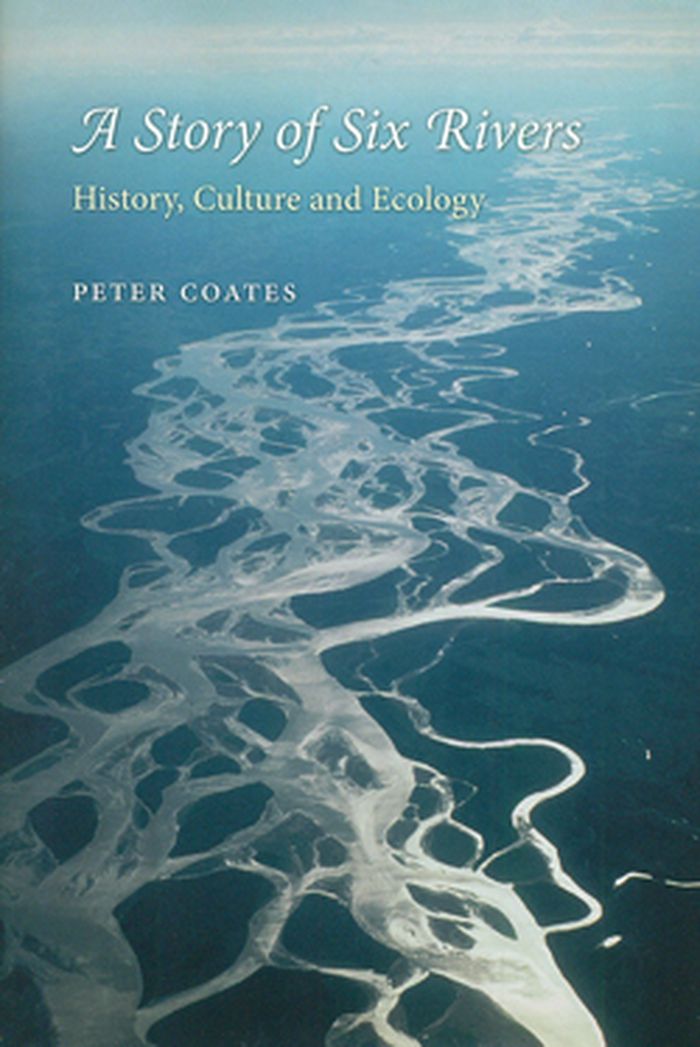
A Story of Six Rivers gives voice to six bodies of water : the Danube, the second-longest river in Europe; the Spree, which flows through Berlin; the Po, which cuts eastward across northern Italy; the Mersey in northwest England; the Yukon, which runs through Canada and Alaska; and the Los Angeles River in California. It considers the place of rivers in our world and emphasizes the inextricable links between their history, culture and ecology.
A story of six rivers : history, culture and ecology
Actions:
Prix:
$44.95
(disponible sur commande)
Résumé:
A Story of Six Rivers gives voice to six bodies of water : the Danube, the second-longest river in Europe; the Spree, which flows through Berlin; the Po, which cuts eastward across northern Italy; the Mersey in northwest England; the Yukon, which runs through Canada and Alaska; and the Los Angeles River in California. It considers the place of rivers in our world and emphasizes the inextricable links between their history, culture and ecology.
Classification:
livres
livres
Publication:
avril 2013
avril 2013
Sujet:
Théorie du paysage
Théorie du paysage
Classification:
livres
livres
Titre:
Pine
Pine
Actions:
Prix:
$31.00
(disponible sur commande)
Résumé:
Mason examines how the somber, brooding atmosphere of pine woods, the complex forms of pine cones, and the coniform shape of the trees themselves have aroused the creativity of artists, writers, filmmakers, and photographers. She also considers the many ways we use the tree—its resin once provided adhesives, waterproofing, and medicines, and its wood continues to be(...)
$31.00
(disponible sur commande)
Résumé:
Mason examines how the somber, brooding atmosphere of pine woods, the complex forms of pine cones, and the coniform shape of the trees themselves have aroused the creativity of artists, writers, filmmakers, and photographers. She also considers the many ways we use the tree—its resin once provided adhesives, waterproofing, and medicines, and its wood continues to be(...)
Titre:
Pine
Actions:
Prix:
$31.00
(disponible sur commande)
Résumé:
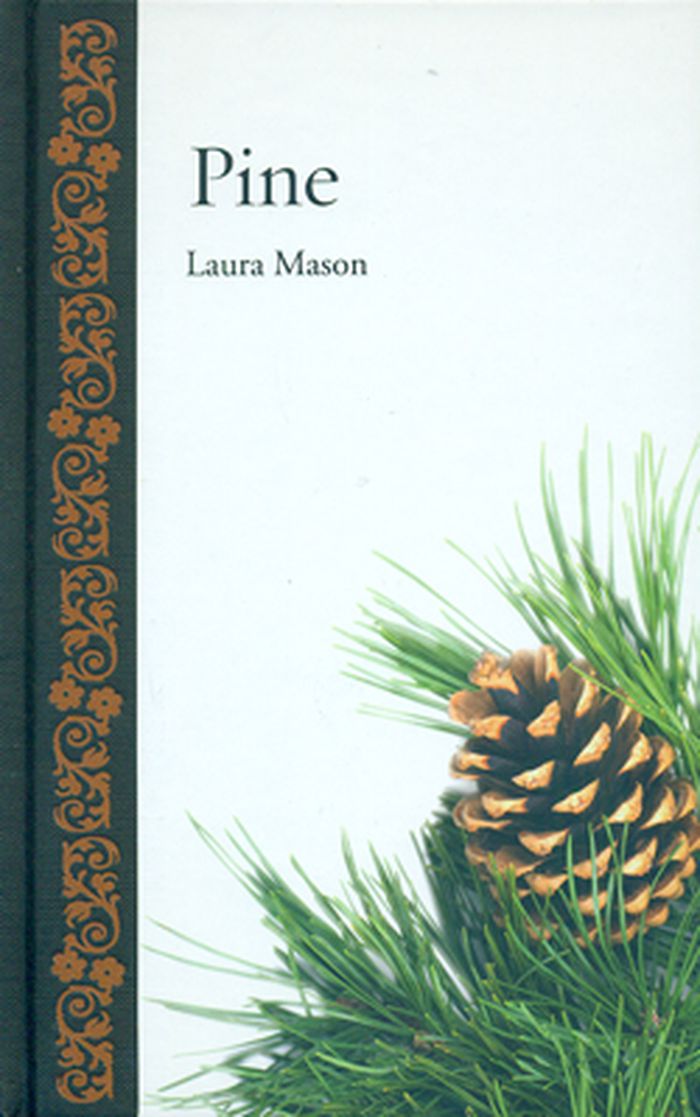
Mason examines how the somber, brooding atmosphere of pine woods, the complex forms of pine cones, and the coniform shape of the trees themselves have aroused the creativity of artists, writers, filmmakers, and photographers. She also considers the many ways we use the tree—its resin once provided adhesives, waterproofing, and medicines, and its wood continues to be incorporated into buildings, furniture, and the pulp used to make paper, while its cones provide pine nuts and other food for animals and humans. Filled with one hundred illustrations, Pin` provides a survey of these rugged, aromatic trees that are found the world over.
Pine
Actions:
Prix:
$31.00
(disponible sur commande)
Résumé:
Mason examines how the somber, brooding atmosphere of pine woods, the complex forms of pine cones, and the coniform shape of the trees themselves have aroused the creativity of artists, writers, filmmakers, and photographers. She also considers the many ways we use the tree—its resin once provided adhesives, waterproofing, and medicines, and its wood continues to be incorporated into buildings, furniture, and the pulp used to make paper, while its cones provide pine nuts and other food for animals and humans. Filled with one hundred illustrations, Pin` provides a survey of these rugged, aromatic trees that are found the world over.
Classification:
livres
livres
Publication:
avril 2013
avril 2013
Sujet:
Théorie du paysage
Théorie du paysage


