


1923 Résultats
Classification:
livres
livres
Prix:
$31.95
(disponible sur commande)
Résumé:
"Faire la ville passante", telle est la déclaration militante de David Mangin, Grand Prix de l'urbanisme 2008, qui propose un avenir durable à nos agglomérations soumises à nombre de défis: réussir le vivre ensemble, lutter contre les discriminations, le réchauffement climatique, l'adaptation à la raréfaction des sources d'énergie, et surtout offrir du plaisir aux(...)
$31.95
(disponible sur commande)
Résumé:
"Faire la ville passante", telle est la déclaration militante de David Mangin, Grand Prix de l'urbanisme 2008, qui propose un avenir durable à nos agglomérations soumises à nombre de défis: réussir le vivre ensemble, lutter contre les discriminations, le réchauffement climatique, l'adaptation à la raréfaction des sources d'énergie, et surtout offrir du plaisir aux(...)
Titre:
La ville passante : David Mangin, Grand Prix de l'urbanisme 2008
Actions:
Prix:
$31.95
(disponible sur commande)
Résumé:
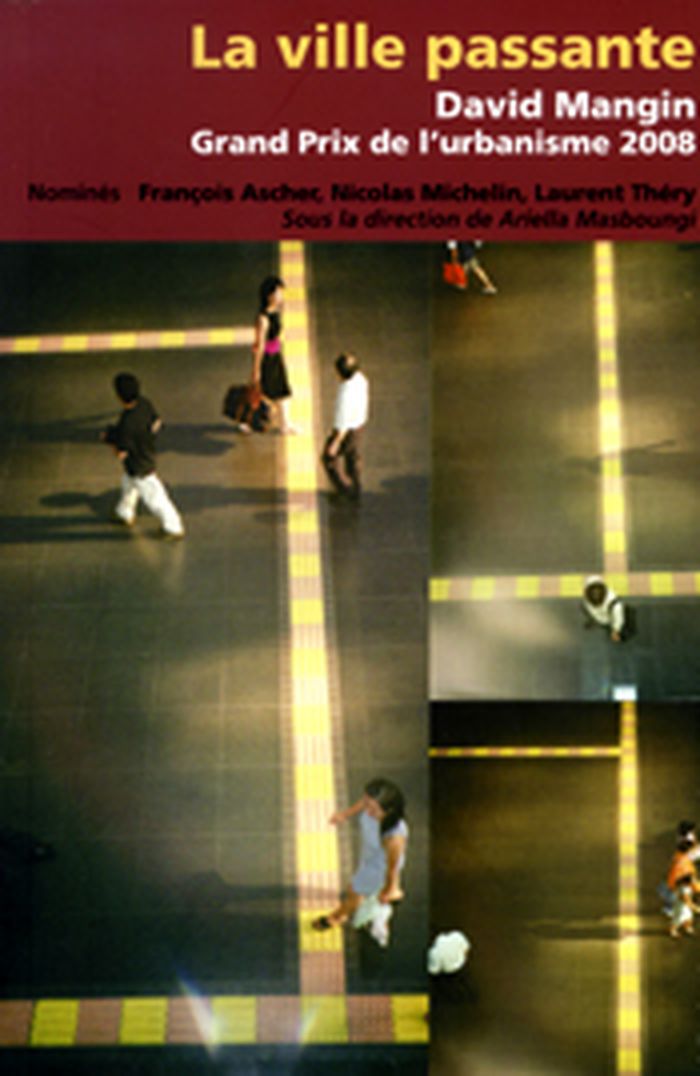
"Faire la ville passante", telle est la déclaration militante de David Mangin, Grand Prix de l'urbanisme 2008, qui propose un avenir durable à nos agglomérations soumises à nombre de défis: réussir le vivre ensemble, lutter contre les discriminations, le réchauffement climatique, l'adaptation à la raréfaction des sources d'énergie, et surtout offrir du plaisir aux citadins. Les propos des trois "nominés" - François Ascher, socio-économiste, enseignant et chercheur, Nicolas Michelin, architecte urbaniste, et Laurent Théry, directeur général de la Samoa, société d'aménagement de la métropole Ouest-Atlantique - nous offrent des réflexions fortes et engagées pour agir en faveur d'une ville vivante, renouvelée et porteuse d'avenir.
La ville passante : David Mangin, Grand Prix de l'urbanisme 2008
Actions:
Prix:
$31.95
(disponible sur commande)
Résumé:
"Faire la ville passante", telle est la déclaration militante de David Mangin, Grand Prix de l'urbanisme 2008, qui propose un avenir durable à nos agglomérations soumises à nombre de défis: réussir le vivre ensemble, lutter contre les discriminations, le réchauffement climatique, l'adaptation à la raréfaction des sources d'énergie, et surtout offrir du plaisir aux citadins. Les propos des trois "nominés" - François Ascher, socio-économiste, enseignant et chercheur, Nicolas Michelin, architecte urbaniste, et Laurent Théry, directeur général de la Samoa, société d'aménagement de la métropole Ouest-Atlantique - nous offrent des réflexions fortes et engagées pour agir en faveur d'une ville vivante, renouvelée et porteuse d'avenir.
Classification:
livres
livres
Publication:
janvier 2009, Paris
janvier 2009, Paris
Sujet:
Théorie de l’urbanisme
Théorie de l’urbanisme
Classification:
livres
livres
Titre:
Twenty minutes in Manhattan
Twenty minutes in Manhattan
Actions:
Prix:
$29.99
(disponible sur commande)
Résumé:
The walk from my apartment in Greenwich Village to my studio in Tribeca takes about twenty minutes, depending upon the route and whether I stop for a coffee and the Times. Invariably, though, it begins with a trip down the stairs. And so sets out architecture critic Michael Sorkin on his daily walk from his home in a Manhattan old-law-style tenement building. Sorkin(...)
$29.99
(disponible sur commande)
Résumé:
The walk from my apartment in Greenwich Village to my studio in Tribeca takes about twenty minutes, depending upon the route and whether I stop for a coffee and the Times. Invariably, though, it begins with a trip down the stairs. And so sets out architecture critic Michael Sorkin on his daily walk from his home in a Manhattan old-law-style tenement building. Sorkin(...)
Titre:
Twenty minutes in Manhattan
Actions:
Prix:
$29.99
(disponible sur commande)
Résumé:
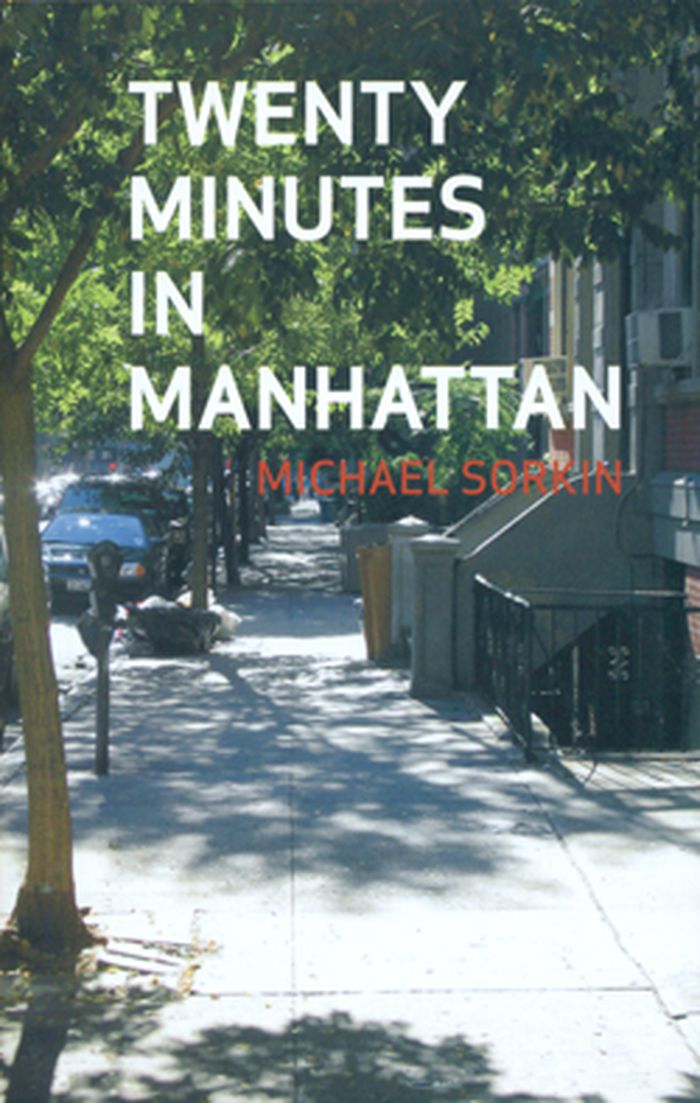
The walk from my apartment in Greenwich Village to my studio in Tribeca takes about twenty minutes, depending upon the route and whether I stop for a coffee and the Times. Invariably, though, it begins with a trip down the stairs. And so sets out architecture critic Michael Sorkin on his daily walk from his home in a Manhattan old-law-style tenement building. Sorkin has followed the same path for over fifteen years, a route that has allowed him to observe the startling transformations in New York during this period of great change. Twenty Minutes in Manhattan is his personal, anecdotal account of his casual encounters with the physical space and social dimensions of this unparalleled city.
Twenty minutes in Manhattan
Actions:
Prix:
$29.99
(disponible sur commande)
Résumé:
The walk from my apartment in Greenwich Village to my studio in Tribeca takes about twenty minutes, depending upon the route and whether I stop for a coffee and the Times. Invariably, though, it begins with a trip down the stairs. And so sets out architecture critic Michael Sorkin on his daily walk from his home in a Manhattan old-law-style tenement building. Sorkin has followed the same path for over fifteen years, a route that has allowed him to observe the startling transformations in New York during this period of great change. Twenty Minutes in Manhattan is his personal, anecdotal account of his casual encounters with the physical space and social dimensions of this unparalleled city.
Classification:
livres
livres
Publication:
avril 2009
avril 2009
Sujet:
Théorie de l’urbanisme
Théorie de l’urbanisme
Classification:
livres
livres

Prix:
$34.95
(disponible sur commande)
Résumé:
Drawing on historical and contemporary examples as well as case study research and archival data from five cities —Boston, Los Angeles, New York, Miami, and Seattle— the authors focus on how the functions and meanings of street activities have shifted and have been negotiated through controls and interventions. They consider sidewalk uses that include the display of(...)
$34.95
(disponible sur commande)
Résumé:
Drawing on historical and contemporary examples as well as case study research and archival data from five cities —Boston, Los Angeles, New York, Miami, and Seattle— the authors focus on how the functions and meanings of street activities have shifted and have been negotiated through controls and interventions. They consider sidewalk uses that include the display of(...)
Sujet:
Théorie de l’urbanisme
Théorie de l’urbanisme
Publication:
mai 2009, Cambridge
mai 2009, Cambridge
Titre:
Sidewalks : conflict and negotiation over public space
Actions:
Prix:
$34.95
(disponible sur commande)
Résumé:
Drawing on historical and contemporary examples as well as case study research and archival data from five cities —Boston, Los Angeles, New York, Miami, and Seattle— the authors focus on how the functions and meanings of street activities have shifted and have been negotiated through controls and interventions. They consider sidewalk uses that include the display of individual and group identities, the everyday politics of sidewalk access, and larger political actions (including Seattle's 1999 antiglobalization protests), and examine the complex regulatory frameworks that manage street and sidewalk life.
Sidewalks : conflict and negotiation over public space
Actions:
Prix:
$34.95
(disponible sur commande)
Résumé:
Drawing on historical and contemporary examples as well as case study research and archival data from five cities —Boston, Los Angeles, New York, Miami, and Seattle— the authors focus on how the functions and meanings of street activities have shifted and have been negotiated through controls and interventions. They consider sidewalk uses that include the display of individual and group identities, the everyday politics of sidewalk access, and larger political actions (including Seattle's 1999 antiglobalization protests), and examine the complex regulatory frameworks that manage street and sidewalk life.
Classification:
livres
livres
Publication:
mai 2009, Cambridge
mai 2009, Cambridge
Sujet:
Théorie de l’urbanisme
Théorie de l’urbanisme
Classification:
livres
livres
Prix:
$37.95
(disponible sur commande)
Résumé:
This book brings together writers and scholars on urban America to offer critical perspectives on how to sustain prosperous, livable cities in today's fast-evolving economy. Successful cities provide jobs, quality schools, safe and clean neighborhoods, effective transportation, and welcoming spaces for all residents. But cities must be managed well if they are to remain(...)
$37.95
(disponible sur commande)
Résumé:
This book brings together writers and scholars on urban America to offer critical perspectives on how to sustain prosperous, livable cities in today's fast-evolving economy. Successful cities provide jobs, quality schools, safe and clean neighborhoods, effective transportation, and welcoming spaces for all residents. But cities must be managed well if they are to remain(...)
Titre:
Making cities work : prospect and policies for urban America
Actions:
Prix:
$37.95
(disponible sur commande)
Résumé:
This book brings together writers and scholars on urban America to offer critical perspectives on how to sustain prosperous, livable cities in today's fast-evolving economy. Successful cities provide jobs, quality schools, safe and clean neighborhoods, effective transportation, and welcoming spaces for all residents. But cities must be managed well if they are to remain attractive places to work, relax, and raise a family; otherwise residents, firms, and workers will leave and the social and economic advantages of city living will be lost.
Making cities work : prospect and policies for urban America
Actions:
Prix:
$37.95
(disponible sur commande)
Résumé:
This book brings together writers and scholars on urban America to offer critical perspectives on how to sustain prosperous, livable cities in today's fast-evolving economy. Successful cities provide jobs, quality schools, safe and clean neighborhoods, effective transportation, and welcoming spaces for all residents. But cities must be managed well if they are to remain attractive places to work, relax, and raise a family; otherwise residents, firms, and workers will leave and the social and economic advantages of city living will be lost.
Classification:
livres
livres
Publication:
mars 2009, Princeton, Oxford
mars 2009, Princeton, Oxford
Sujet:
Théorie de l’urbanisme
Théorie de l’urbanisme
Classification:
livres
livres
Actions:
Prix:
$27.95
(disponible sur commande)
Résumé:
Social theories of modernity focus on the nineteenth century as the period when Western Europe was transformed by urbanization. Cities became thriving metropolitan centers as a result of economic, political, and social changes wrought by the industrial revolution. In Cultural Capitals, Karen Newman demonstrates that speculation and capital, the commodity, the crowd,(...)
$27.95
(disponible sur commande)
Résumé:
Social theories of modernity focus on the nineteenth century as the period when Western Europe was transformed by urbanization. Cities became thriving metropolitan centers as a result of economic, political, and social changes wrought by the industrial revolution. In Cultural Capitals, Karen Newman demonstrates that speculation and capital, the commodity, the crowd,(...)
Titre:
Cultural capitals, early modern London and Paris
Actions:
Prix:
$27.95
(disponible sur commande)
Résumé:
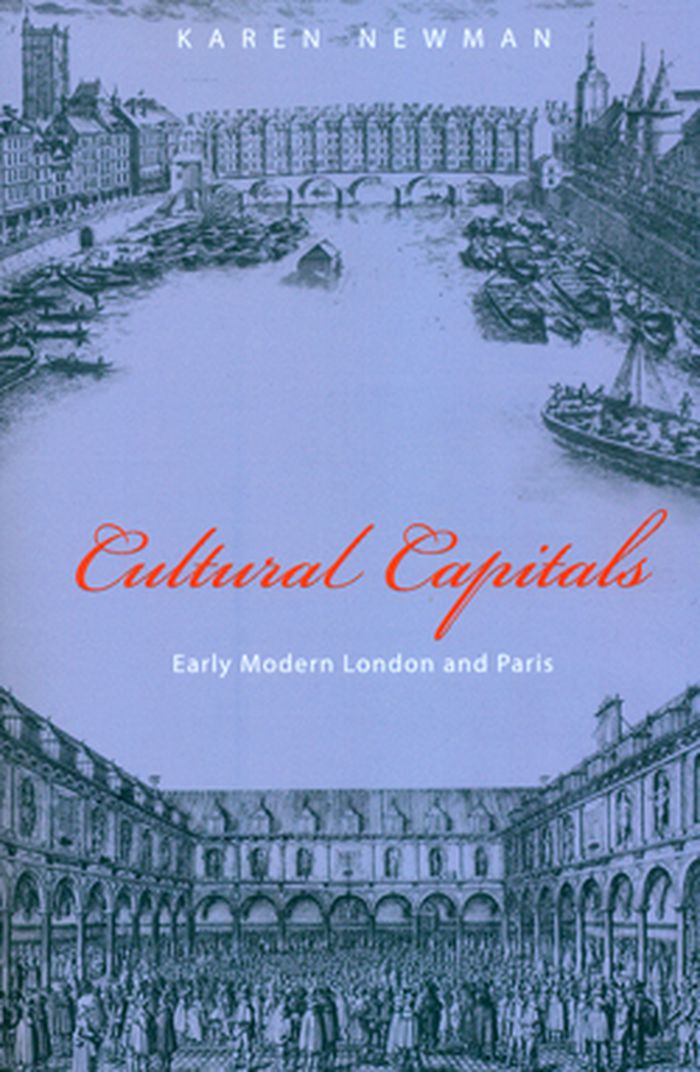
Social theories of modernity focus on the nineteenth century as the period when Western Europe was transformed by urbanization. Cities became thriving metropolitan centers as a result of economic, political, and social changes wrought by the industrial revolution. In Cultural Capitals, Karen Newman demonstrates that speculation and capital, the commodity, the crowd, traffic, and the street, often thought to be historically specific to nineteenth-century urban culture, were in fact already at work in early modern London and Paris. The author challenges the notion of a rupture between premodern and modern societies and shows how London and Paris became cultural capitals. Drawing upon poetry, plays, and prose by writers such as Shakespeare, Scudéry, Boileau, and Donne, as well as popular materials including pamphlets, ballads, and broadsides, she examines the impact of rapid urbanization on cultural production.
Cultural capitals, early modern London and Paris
Actions:
Prix:
$27.95
(disponible sur commande)
Résumé:
Social theories of modernity focus on the nineteenth century as the period when Western Europe was transformed by urbanization. Cities became thriving metropolitan centers as a result of economic, political, and social changes wrought by the industrial revolution. In Cultural Capitals, Karen Newman demonstrates that speculation and capital, the commodity, the crowd, traffic, and the street, often thought to be historically specific to nineteenth-century urban culture, were in fact already at work in early modern London and Paris. The author challenges the notion of a rupture between premodern and modern societies and shows how London and Paris became cultural capitals. Drawing upon poetry, plays, and prose by writers such as Shakespeare, Scudéry, Boileau, and Donne, as well as popular materials including pamphlets, ballads, and broadsides, she examines the impact of rapid urbanization on cultural production.
Classification:
livres
livres
Publication:
mai 2009
mai 2009
Sujet:
Théorie de l’urbanisme
Théorie de l’urbanisme
Classification:
livres
livres
Prix:
$29.00
(disponible sur commande)
Résumé:
This book examines the history of the one-room school and how successive generations of Americans have remembered—and just as often misremembered — this powerful national icon. Drawing on a rich range of sources, from firsthand accounts to poems, songs, and films, Jonathan Zimmerman traces the evolution of attitudes toward the little red schoolhouse from the late(...)
$29.00
(disponible sur commande)
Résumé:
This book examines the history of the one-room school and how successive generations of Americans have remembered—and just as often misremembered — this powerful national icon. Drawing on a rich range of sources, from firsthand accounts to poems, songs, and films, Jonathan Zimmerman traces the evolution of attitudes toward the little red schoolhouse from the late(...)
Sujet:
Théorie de l’urbanisme
Théorie de l’urbanisme
Publication:
juillet 2009
juillet 2009
Titre:
Small wonder : the little red school house in history and memory
Actions:
Prix:
$29.00
(disponible sur commande)
Résumé:
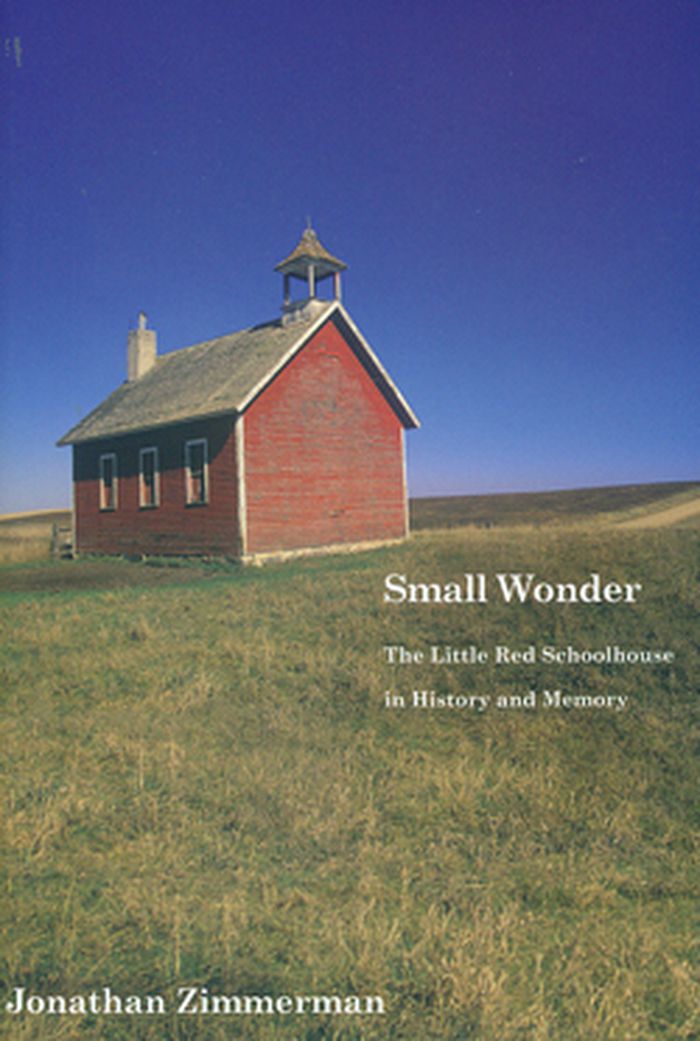
This book examines the history of the one-room school and how successive generations of Americans have remembered—and just as often misremembered — this powerful national icon. Drawing on a rich range of sources, from firsthand accounts to poems, songs, and films, Jonathan Zimmerman traces the evolution of attitudes toward the little red schoolhouse from the late nineteenth century to the present day. At times it was celebrated as a symbol of lost rural virtues or America’s democratic heritage; at others it was denounced as the epitome of inefficiency and substandard academics. And because the one-room school has been a useful emblem for liberal, conservative, and other agendas, the truth of its history has sometimes been stretched. Yet the idyllic image of the schoolhouse still unites Americans. For more than a century, it has embodied the nation’s best aspirations and—especially—its continuing faith in education itself.
Small wonder : the little red school house in history and memory
Actions:
Prix:
$29.00
(disponible sur commande)
Résumé:
This book examines the history of the one-room school and how successive generations of Americans have remembered—and just as often misremembered — this powerful national icon. Drawing on a rich range of sources, from firsthand accounts to poems, songs, and films, Jonathan Zimmerman traces the evolution of attitudes toward the little red schoolhouse from the late nineteenth century to the present day. At times it was celebrated as a symbol of lost rural virtues or America’s democratic heritage; at others it was denounced as the epitome of inefficiency and substandard academics. And because the one-room school has been a useful emblem for liberal, conservative, and other agendas, the truth of its history has sometimes been stretched. Yet the idyllic image of the schoolhouse still unites Americans. For more than a century, it has embodied the nation’s best aspirations and—especially—its continuing faith in education itself.
Classification:
livres
livres
Publication:
juillet 2009
juillet 2009
Sujet:
Théorie de l’urbanisme
Théorie de l’urbanisme
Classification:
livres
livres
Prix:
$57.00
(disponible sur commande)
Résumé:
In 2006, Amsterdam's 66 East: Centre for Urban Culture organized a project in which artists and architects--including Theo Baart, Bas Princen, Ralph Kämena, Jannes Linders, Jeroen Musch and Hans Werlemann--examined Amsterdam's predominately Arabic and Turkish neighborhood, Indische Buurt, which had recently become home to studios and offices for the creative sector, often(...)
$57.00
(disponible sur commande)
Résumé:
In 2006, Amsterdam's 66 East: Centre for Urban Culture organized a project in which artists and architects--including Theo Baart, Bas Princen, Ralph Kämena, Jannes Linders, Jeroen Musch and Hans Werlemann--examined Amsterdam's predominately Arabic and Turkish neighborhood, Indische Buurt, which had recently become home to studios and offices for the creative sector, often(...)
Titre:
Houses in transformation: interventions in European gentrification
Actions:
Prix:
$57.00
(disponible sur commande)
Résumé:
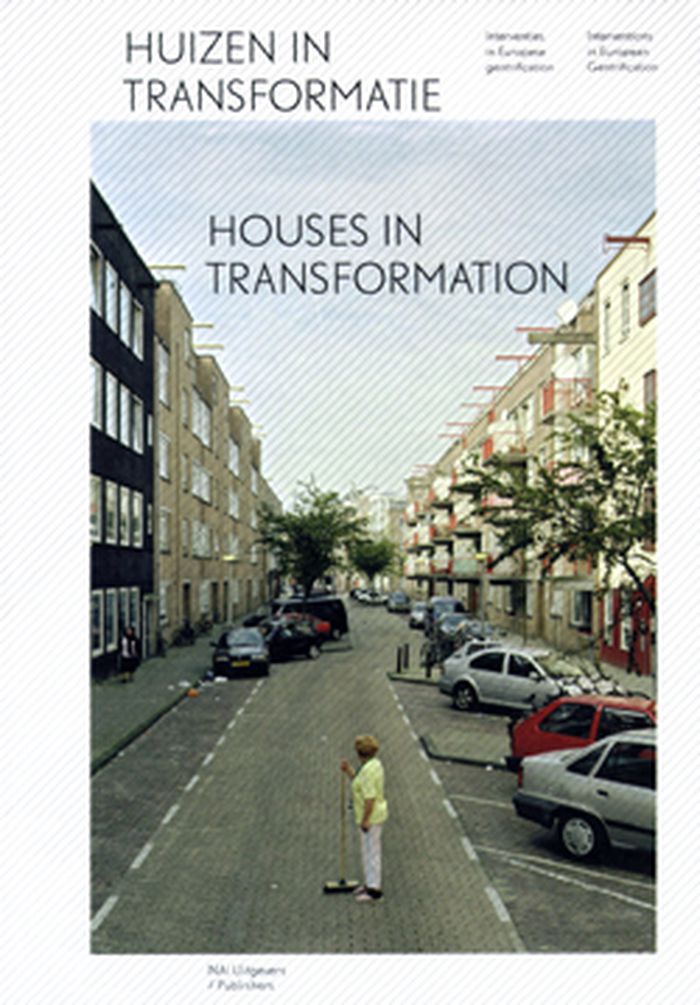
In 2006, Amsterdam's 66 East: Centre for Urban Culture organized a project in which artists and architects--including Theo Baart, Bas Princen, Ralph Kämena, Jannes Linders, Jeroen Musch and Hans Werlemann--examined Amsterdam's predominately Arabic and Turkish neighborhood, Indische Buurt, which had recently become home to studios and offices for the creative sector, often seen as the first step in gentrification. Adopting strategies ranging from critical commentary to activist intervention, the project and subsequent exhibition, Houses of Transformation, posits creative alternatives for urban planners, developers and administrators in responding to the inevitable and ongoing problems of urban renewal. This volume documents these strategies and proposals, while also casting a critical eye on similar neighborhoods in other European cities--including Barcelona, Berlin, Budapest, Brussels and London--putting the unique issues of Dutch gentrification into a larger perspective
Houses in transformation: interventions in European gentrification
Actions:
Prix:
$57.00
(disponible sur commande)
Résumé:
In 2006, Amsterdam's 66 East: Centre for Urban Culture organized a project in which artists and architects--including Theo Baart, Bas Princen, Ralph Kämena, Jannes Linders, Jeroen Musch and Hans Werlemann--examined Amsterdam's predominately Arabic and Turkish neighborhood, Indische Buurt, which had recently become home to studios and offices for the creative sector, often seen as the first step in gentrification. Adopting strategies ranging from critical commentary to activist intervention, the project and subsequent exhibition, Houses of Transformation, posits creative alternatives for urban planners, developers and administrators in responding to the inevitable and ongoing problems of urban renewal. This volume documents these strategies and proposals, while also casting a critical eye on similar neighborhoods in other European cities--including Barcelona, Berlin, Budapest, Brussels and London--putting the unique issues of Dutch gentrification into a larger perspective
Classification:
livres
livres
Publication:
décembre 2008, Rotterdam
décembre 2008, Rotterdam
Sujet:
Théorie de l’urbanisme
Théorie de l’urbanisme
Classification:
livres
livres
Titre:
Multiple city
Multiple city
Actions:
Prix:
$63.00
(disponible sur commande)
Résumé:
This publication reflects on current urban development against the background of urban concepts over the past 100 years. It is possible to trace the history of multiple manifestations, parallel strategies and diametrical developments. Urban concepts and urbanist discourse enjoy temporary booms, but leave behind enduring evidence. Today, a wide range of phenomena,(...)
$63.00
(disponible sur commande)
Résumé:
This publication reflects on current urban development against the background of urban concepts over the past 100 years. It is possible to trace the history of multiple manifestations, parallel strategies and diametrical developments. Urban concepts and urbanist discourse enjoy temporary booms, but leave behind enduring evidence. Today, a wide range of phenomena,(...)
Sujet:
Théorie de l’urbanisme
Théorie de l’urbanisme
Publication:
décembre 2008, Berlin
décembre 2008, Berlin
Titre:
Multiple city
Actions:
Prix:
$63.00
(disponible sur commande)
Résumé:
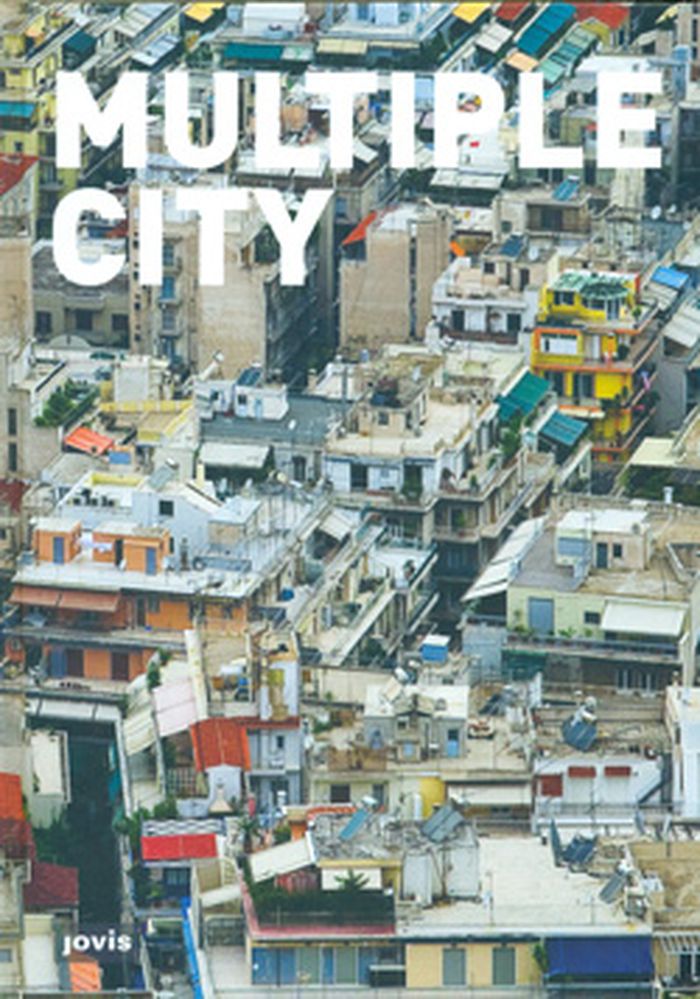
This publication reflects on current urban development against the background of urban concepts over the past 100 years. It is possible to trace the history of multiple manifestations, parallel strategies and diametrical developments. Urban concepts and urbanist discourse enjoy temporary booms, but leave behind enduring evidence. Today, a wide range of phenomena, interpretations and debates exist in conjunction. "Multiple city" documents 16 important topics of urban development on the basis of texts, up-to-date photographs and historical planning material.
Multiple city
Actions:
Prix:
$63.00
(disponible sur commande)
Résumé:
This publication reflects on current urban development against the background of urban concepts over the past 100 years. It is possible to trace the history of multiple manifestations, parallel strategies and diametrical developments. Urban concepts and urbanist discourse enjoy temporary booms, but leave behind enduring evidence. Today, a wide range of phenomena, interpretations and debates exist in conjunction. "Multiple city" documents 16 important topics of urban development on the basis of texts, up-to-date photographs and historical planning material.
Classification:
livres
livres
Publication:
décembre 2008, Berlin
décembre 2008, Berlin
Sujet:
Théorie de l’urbanisme
Théorie de l’urbanisme
Classification:
livres
livres
Titre:
Urban living
Urban living
Actions:
Prix:
$48.00
(disponible sur commande)
Résumé:
Big cities are becoming more and more attractive as places to live, both nationally and internationally. The modern city represents a platform for contacts and mobility, for challenges and change. As a result, many european metropolises are registering a renewed trend towards living in urban space. But many big cities still have a surplus of available office space, while(...)
$48.00
(disponible sur commande)
Résumé:
Big cities are becoming more and more attractive as places to live, both nationally and internationally. The modern city represents a platform for contacts and mobility, for challenges and change. As a result, many european metropolises are registering a renewed trend towards living in urban space. But many big cities still have a surplus of available office space, while(...)
Titre:
Urban living
Actions:
Prix:
$48.00
(disponible sur commande)
Résumé:
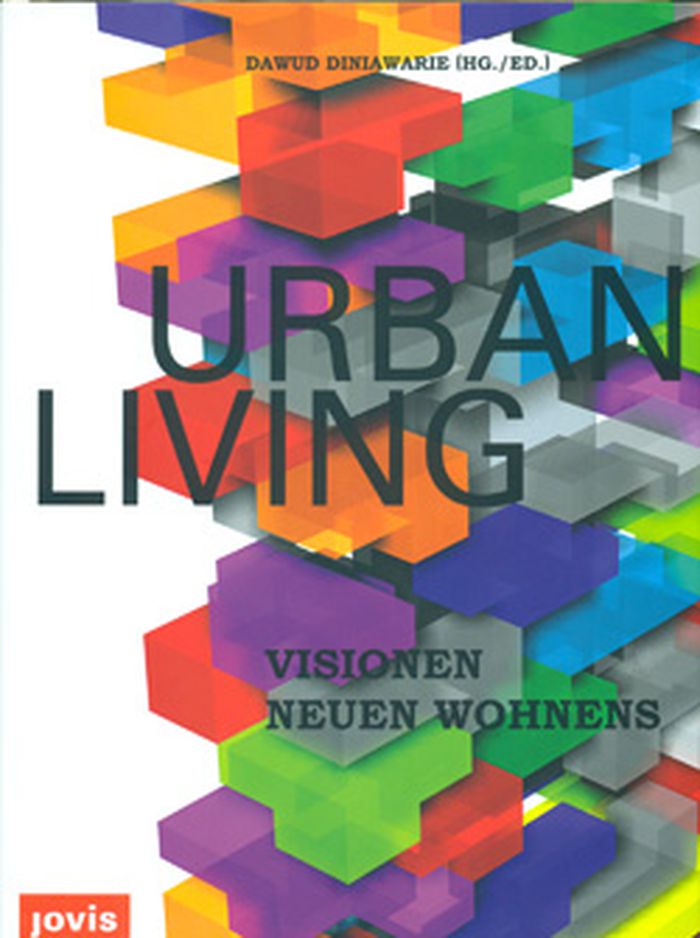
Big cities are becoming more and more attractive as places to live, both nationally and internationally. The modern city represents a platform for contacts and mobility, for challenges and change. As a result, many european metropolises are registering a renewed trend towards living in urban space. But many big cities still have a surplus of available office space, while well-placed, attractive and reasonably priced apartments are lacking. This book not only presents model residential buildings by wellknown architects, but also innovative concepts that highlight future perspectives for redundant office buildings. Their conversion into attractive apartments represents a challenge to architects, investors and residents.
Urban living
Actions:
Prix:
$48.00
(disponible sur commande)
Résumé:
Big cities are becoming more and more attractive as places to live, both nationally and internationally. The modern city represents a platform for contacts and mobility, for challenges and change. As a result, many european metropolises are registering a renewed trend towards living in urban space. But many big cities still have a surplus of available office space, while well-placed, attractive and reasonably priced apartments are lacking. This book not only presents model residential buildings by wellknown architects, but also innovative concepts that highlight future perspectives for redundant office buildings. Their conversion into attractive apartments represents a challenge to architects, investors and residents.
Classification:
livres
livres
Publication:
décembre 2008, Berlin
décembre 2008, Berlin
Sujet:
Théorie de l’urbanisme
Théorie de l’urbanisme
Classification:
livres
livres
Prix:
$16.95
(disponible sur commande)
Résumé:
Parkour is the art of movement and action. Its co-founder, Sébastien Foucan, has performed it in movies, commercials, and the music video for Madonna’s song "Jump." In this book, Foucan displays his gravity-defying moves while sharing the inspirational philosophy of free running. With photos of Foucan in action, the book offers a new approach to how one moves through the(...)
$16.95
(disponible sur commande)
Résumé:
Parkour is the art of movement and action. Its co-founder, Sébastien Foucan, has performed it in movies, commercials, and the music video for Madonna’s song "Jump." In this book, Foucan displays his gravity-defying moves while sharing the inspirational philosophy of free running. With photos of Foucan in action, the book offers a new approach to how one moves through the(...)
Titre:
Free running : the urban landscape is your playground
Actions:
Prix:
$16.95
(disponible sur commande)
Résumé:
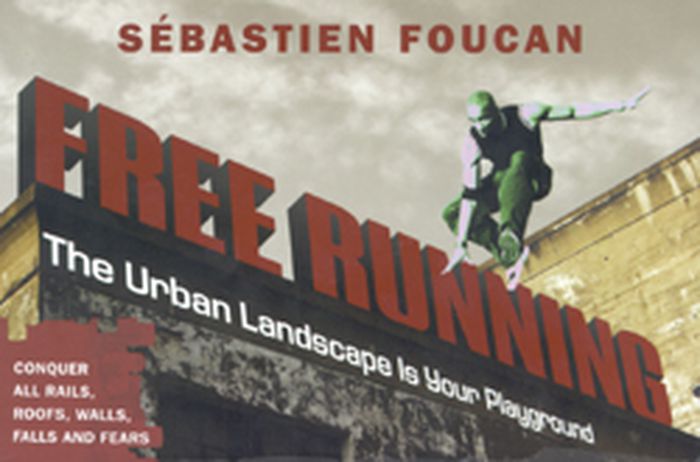
Parkour is the art of movement and action. Its co-founder, Sébastien Foucan, has performed it in movies, commercials, and the music video for Madonna’s song "Jump." In this book, Foucan displays his gravity-defying moves while sharing the inspirational philosophy of free running. With photos of Foucan in action, the book offers a new approach to how one moves through the urban landscape and the velocity at which one lives.
Free running : the urban landscape is your playground
Actions:
Prix:
$16.95
(disponible sur commande)
Résumé:
Parkour is the art of movement and action. Its co-founder, Sébastien Foucan, has performed it in movies, commercials, and the music video for Madonna’s song "Jump." In this book, Foucan displays his gravity-defying moves while sharing the inspirational philosophy of free running. With photos of Foucan in action, the book offers a new approach to how one moves through the urban landscape and the velocity at which one lives.
Classification:
livres
livres
Publication:
mars 2009, Berkeley
mars 2009, Berkeley
Sujet:
Théorie de l’urbanisme
Théorie de l’urbanisme


