


1923 Résultats
Classification:
livres
livres
Titre:
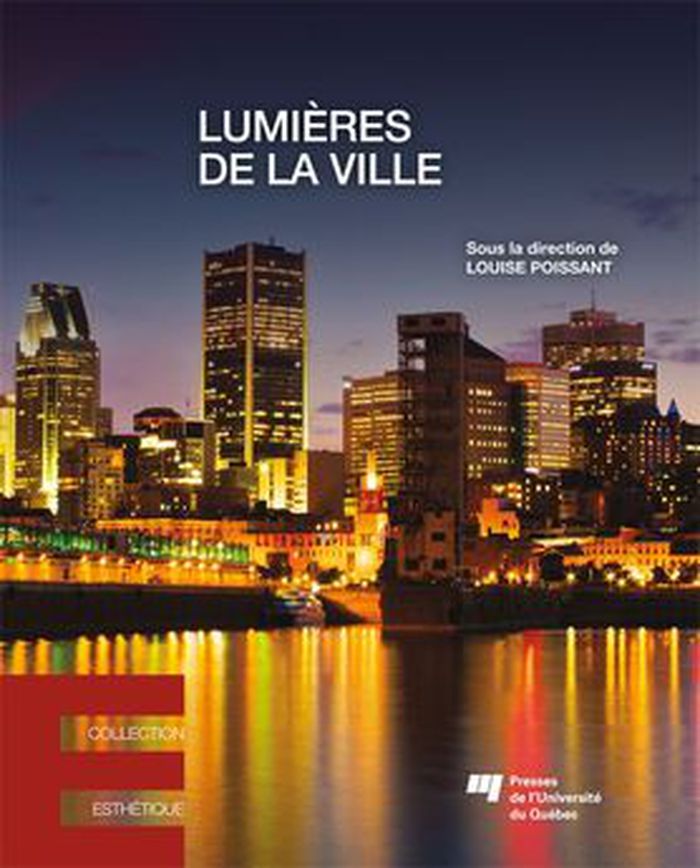
Lumières de la ville
Lumières de la ville
Actions:
Prix:
$39.00
(disponible sur commande)
Résumé:
Presque toutes les villes, grandes et petites, sont le théâtre de projections et d’installations permettant d’investir l’espace public et de réduire la durée et l’obscurité de la nuit. Le phénomène qu’est la mise en scène de la lumière a pris de l’ampleur au cours des dernières décennies grâce, entre autres, aux technologies qui ne cessent de se perfectionner et de(...)
$39.00
(disponible sur commande)
Résumé:
Presque toutes les villes, grandes et petites, sont le théâtre de projections et d’installations permettant d’investir l’espace public et de réduire la durée et l’obscurité de la nuit. Le phénomène qu’est la mise en scène de la lumière a pris de l’ampleur au cours des dernières décennies grâce, entre autres, aux technologies qui ne cessent de se perfectionner et de(...)
Titre:
Lumières de la ville
Actions:
Prix:
$39.00
(disponible sur commande)
Résumé:
Presque toutes les villes, grandes et petites, sont le théâtre de projections et d’installations permettant d’investir l’espace public et de réduire la durée et l’obscurité de la nuit. Le phénomène qu’est la mise en scène de la lumière a pris de l’ampleur au cours des dernières décennies grâce, entre autres, aux technologies qui ne cessent de se perfectionner et de devenir plus inventives, plus performantes, plus résistantes à diverses contraintes, permettant de concevoir et de réaliser des projets jusqu’à tout récemment inimaginables. Les pratiques et les attentes des artistes et du public se sont aussi transformées, et on a vu apparaître des approches axées sur l’art relationnel, l’art d’intervention, le Net art et les médias sociaux mettant directement à contribution les citoyens dans l’espace public de la nuit. Pour répondre à une demande plus grande – provenant parfois d’initiatives d’artistes, d’organisations ou de regroupements de citoyens, mais aussi du secteur privé et des institutions publiques, des villes et des musées –, les recherches sur la mise en scène de la lumière se sont donc récemment multipliées. Ces dernières sont reprises dans le présent ouvrage, articulées autour d’exemples et de réflexions d’artistes, de pionniers et de spécialistes du domaine artistique. L’ensemble des projets, des réflexions et des positions présentés ici couvre un très vaste spectre, dénotant l’ampleur et la complexité de la mise en scène de la lumière dans le milieu urbain et, plus largement, dans l’espace public. La lumière retrouve ici sa place d’élément premier, celui qui rend visible, celui qui fait circuler l’énergie et, ultimement, l’élément par lequel la vie advient.
Lumières de la ville
Actions:
Prix:
$39.00
(disponible sur commande)
Résumé:
Presque toutes les villes, grandes et petites, sont le théâtre de projections et d’installations permettant d’investir l’espace public et de réduire la durée et l’obscurité de la nuit. Le phénomène qu’est la mise en scène de la lumière a pris de l’ampleur au cours des dernières décennies grâce, entre autres, aux technologies qui ne cessent de se perfectionner et de devenir plus inventives, plus performantes, plus résistantes à diverses contraintes, permettant de concevoir et de réaliser des projets jusqu’à tout récemment inimaginables. Les pratiques et les attentes des artistes et du public se sont aussi transformées, et on a vu apparaître des approches axées sur l’art relationnel, l’art d’intervention, le Net art et les médias sociaux mettant directement à contribution les citoyens dans l’espace public de la nuit. Pour répondre à une demande plus grande – provenant parfois d’initiatives d’artistes, d’organisations ou de regroupements de citoyens, mais aussi du secteur privé et des institutions publiques, des villes et des musées –, les recherches sur la mise en scène de la lumière se sont donc récemment multipliées. Ces dernières sont reprises dans le présent ouvrage, articulées autour d’exemples et de réflexions d’artistes, de pionniers et de spécialistes du domaine artistique. L’ensemble des projets, des réflexions et des positions présentés ici couvre un très vaste spectre, dénotant l’ampleur et la complexité de la mise en scène de la lumière dans le milieu urbain et, plus largement, dans l’espace public. La lumière retrouve ici sa place d’élément premier, celui qui rend visible, celui qui fait circuler l’énergie et, ultimement, l’élément par lequel la vie advient.
Classification:
livres
livres
Publication:
avril 2018
avril 2018
Sujet:
Théorie de l’urbanisme
Théorie de l’urbanisme
Classification:
livres
livres
Actions:
Prix:
$22.00
(disponible sur commande)
Résumé:
L’espace urbain a toujours été synonyme de densité, de vitesse et de foisonnement. Toutefois, le phénomène d’urbanisation qui s’intensifie depuis la révolution industrielle s’étend aujourd’hui à une échelle inédite. Alors qu’elle semble se déployer sans fin, cette urbanisation produit en même temps les limites de sa propre expansion – pollution des écosystèmes et de la(...)
$22.00
(disponible sur commande)
Résumé:
L’espace urbain a toujours été synonyme de densité, de vitesse et de foisonnement. Toutefois, le phénomène d’urbanisation qui s’intensifie depuis la révolution industrielle s’étend aujourd’hui à une échelle inédite. Alors qu’elle semble se déployer sans fin, cette urbanisation produit en même temps les limites de sa propre expansion – pollution des écosystèmes et de la(...)
Titre:
De la ville intelligente à la ville intelligible
Actions:
Prix:
$22.00
(disponible sur commande)
Résumé:
L’espace urbain a toujours été synonyme de densité, de vitesse et de foisonnement. Toutefois, le phénomène d’urbanisation qui s’intensifie depuis la révolution industrielle s’étend aujourd’hui à une échelle inédite. Alors qu’elle semble se déployer sans fin, cette urbanisation produit en même temps les limites de sa propre expansion – pollution des écosystèmes et de la biosphère, congestion, surpopulation, etc. Devant l’ampleur de la crise, de plus en plus de grands centres prennent l’initiative de s’imposer comme modèles de villes faisant preuve d’«?intelligence?».
De la ville intelligente à la ville intelligible
Actions:
Prix:
$22.00
(disponible sur commande)
Résumé:
L’espace urbain a toujours été synonyme de densité, de vitesse et de foisonnement. Toutefois, le phénomène d’urbanisation qui s’intensifie depuis la révolution industrielle s’étend aujourd’hui à une échelle inédite. Alors qu’elle semble se déployer sans fin, cette urbanisation produit en même temps les limites de sa propre expansion – pollution des écosystèmes et de la biosphère, congestion, surpopulation, etc. Devant l’ampleur de la crise, de plus en plus de grands centres prennent l’initiative de s’imposer comme modèles de villes faisant preuve d’«?intelligence?».
Classification:
livres
livres
Publication:
novembre 2019
novembre 2019
Sujet:
Théorie de l’urbanisme
Théorie de l’urbanisme
Classification:
livres
livres
Prix:
$57.95
(disponible sur commande)
Résumé:
Public space is an essence of urban life, of a city's living quality. The (re-) transformation of space today used by the dense traffic prevalent in urban areas into truly public space is a highly effective way to increase its quality and quantity in cities of all sizes and larger metropolitan areas. The starting point of any such increase is to ensure a better balance(...)
$57.95
(disponible sur commande)
Résumé:
Public space is an essence of urban life, of a city's living quality. The (re-) transformation of space today used by the dense traffic prevalent in urban areas into truly public space is a highly effective way to increase its quality and quantity in cities of all sizes and larger metropolitan areas. The starting point of any such increase is to ensure a better balance(...)
Titre:
Traffic space is public space: a manual for transformation
Actions:
Prix:
$57.95
(disponible sur commande)
Résumé:
Public space is an essence of urban life, of a city's living quality. The (re-) transformation of space today used by the dense traffic prevalent in urban areas into truly public space is a highly effective way to increase its quality and quantity in cities of all sizes and larger metropolitan areas. The starting point of any such increase is to ensure a better balance between the various uses of space: more room for pause and the slow traffic of pedestrians and cyclists, less for handling of goods and the faster, passive mobility by car. Traditional planning principles in urban and traffic design will no longer do; new approaches and instruments are required. This new book introduces to the reader these approaches and instruments, affecting the actual design as well as the planning process, as creative strategies rather than as a rigid set of rules. It is about networking, co-production, involving local businesses, co-usage of space, circular metabolism, and an appropriate aesthetic. Using inspiring reference projects as well as their own work, architects and urban designers Stefan Bendiks und Aglaee Degros offer a forward-looking insight into how traffic space can become much needed public space.
Traffic space is public space: a manual for transformation
Actions:
Prix:
$57.95
(disponible sur commande)
Résumé:
Public space is an essence of urban life, of a city's living quality. The (re-) transformation of space today used by the dense traffic prevalent in urban areas into truly public space is a highly effective way to increase its quality and quantity in cities of all sizes and larger metropolitan areas. The starting point of any such increase is to ensure a better balance between the various uses of space: more room for pause and the slow traffic of pedestrians and cyclists, less for handling of goods and the faster, passive mobility by car. Traditional planning principles in urban and traffic design will no longer do; new approaches and instruments are required. This new book introduces to the reader these approaches and instruments, affecting the actual design as well as the planning process, as creative strategies rather than as a rigid set of rules. It is about networking, co-production, involving local businesses, co-usage of space, circular metabolism, and an appropriate aesthetic. Using inspiring reference projects as well as their own work, architects and urban designers Stefan Bendiks und Aglaee Degros offer a forward-looking insight into how traffic space can become much needed public space.
Classification:
livres
livres
Publication:
avril 2020
avril 2020
Sujet:
Théorie de l’urbanisme
Théorie de l’urbanisme
Classification:
livres
livres
Actions:
Prix:
$49.95
(disponible en magasin)
Résumé:
Du Parc Marianne (Montpellier, France) à Vinhomes Riverside (Hanoï, Vietnam), en passant par l'Olympic Village (Vancouver, Canada) ou encore l'Eco-parc du Bardo (Constantine, Algérie), cet ouvrage présente quatorze projets urbains durables dans le monde et en analyse les succès mais aussi les difficultés et les échecs. Son objectif : développer un regard critique(...)
$49.95
(disponible en magasin)
Résumé:
Du Parc Marianne (Montpellier, France) à Vinhomes Riverside (Hanoï, Vietnam), en passant par l'Olympic Village (Vancouver, Canada) ou encore l'Eco-parc du Bardo (Constantine, Algérie), cet ouvrage présente quatorze projets urbains durables dans le monde et en analyse les succès mais aussi les difficultés et les échecs. Son objectif : développer un regard critique(...)
Sujet:
Théorie de l’urbanisme
Théorie de l’urbanisme
Publication:
septembre 2019
septembre 2019
Titre:
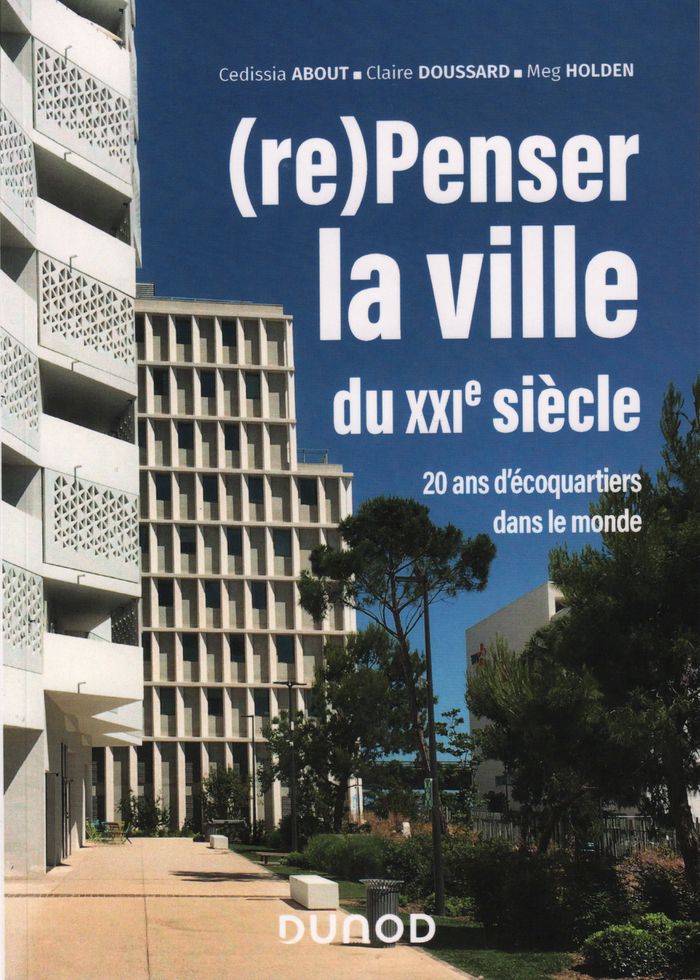
(re)Penser la ville du XXIe siècle : 20 ans d'écoquartiers dans le monde
Actions:
Prix:
$49.95
(disponible en magasin)
Résumé:
Du Parc Marianne (Montpellier, France) à Vinhomes Riverside (Hanoï, Vietnam), en passant par l'Olympic Village (Vancouver, Canada) ou encore l'Eco-parc du Bardo (Constantine, Algérie), cet ouvrage présente quatorze projets urbains durables dans le monde et en analyse les succès mais aussi les difficultés et les échecs. Son objectif : développer un regard critique vis-à-vis des pratiques d'aménagement qui ont contribué à la multiplication de ces (éco)quartiers depuis vingt ans, mettre en lumière les expériences réussies et proposer de possibles points d'amélioration. Il expose et interroge également l'apport des démarches de suivi, d'évaluation et de labellisation apparues suite aux premières expérimentations urbaines emblématiques comme BedZED au Royaume-Uni ou Fribourg en Allemagne. L'ouvrage permettra ainsi à tous les acteurs et observateurs de l'aménagement urbain d'identifier les pratiques vertueuses et les réussites à capitaliser dans le cadre du développement de futurs projets urbains durables, pour des villes décarbonnées, inclusives et « smarts ».
(re)Penser la ville du XXIe siècle : 20 ans d'écoquartiers dans le monde
Actions:
Prix:
$49.95
(disponible en magasin)
Résumé:
Du Parc Marianne (Montpellier, France) à Vinhomes Riverside (Hanoï, Vietnam), en passant par l'Olympic Village (Vancouver, Canada) ou encore l'Eco-parc du Bardo (Constantine, Algérie), cet ouvrage présente quatorze projets urbains durables dans le monde et en analyse les succès mais aussi les difficultés et les échecs. Son objectif : développer un regard critique vis-à-vis des pratiques d'aménagement qui ont contribué à la multiplication de ces (éco)quartiers depuis vingt ans, mettre en lumière les expériences réussies et proposer de possibles points d'amélioration. Il expose et interroge également l'apport des démarches de suivi, d'évaluation et de labellisation apparues suite aux premières expérimentations urbaines emblématiques comme BedZED au Royaume-Uni ou Fribourg en Allemagne. L'ouvrage permettra ainsi à tous les acteurs et observateurs de l'aménagement urbain d'identifier les pratiques vertueuses et les réussites à capitaliser dans le cadre du développement de futurs projets urbains durables, pour des villes décarbonnées, inclusives et « smarts ».
Classification:
livres
livres
Publication:
septembre 2019
septembre 2019
Sujet:
Théorie de l’urbanisme
Théorie de l’urbanisme
Classification:
livres
livres
Titre:
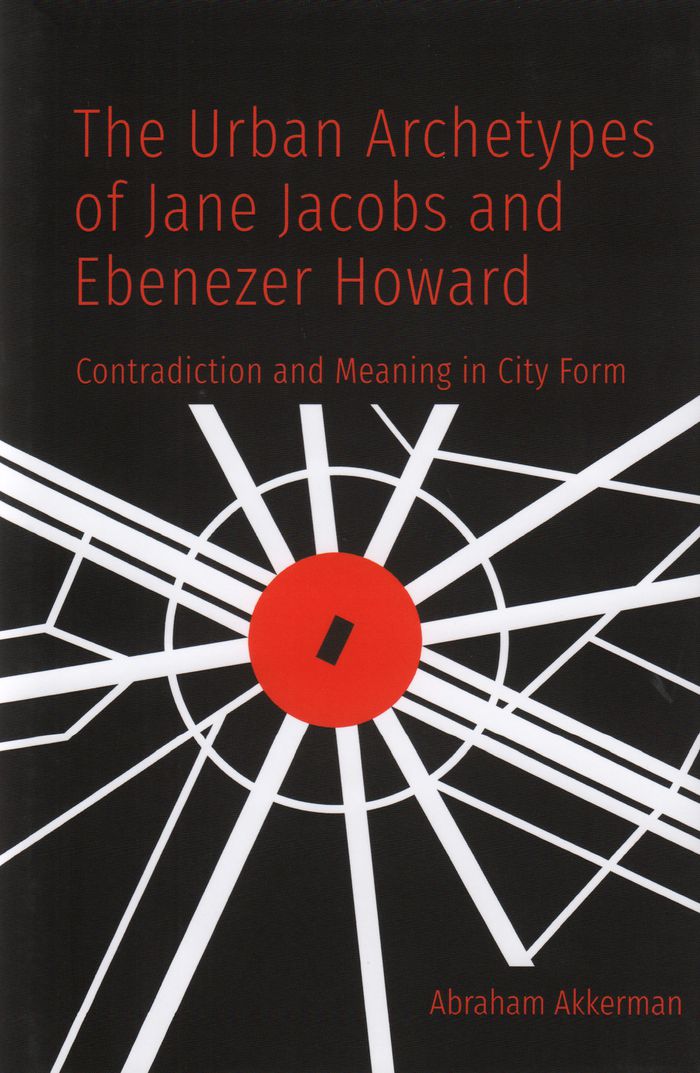
The Urban Archetypes of Jane Jacobs and Ebenezer Howard: Contradiction and meaning in city form
The Urban Archetypes of Jane Jacobs and Ebenezer Howard: Contradiction and meaning in city form
Actions:
Prix:
$80.00
(disponible sur commande)
Résumé:
Ebenezer Howard, an Englishman, and Jane Jacobs, a naturalized Canadian, personify the twentieth century’s opposing outlooks on cities. Howard had envisaged small towns, newly built from scratch, fashioned on single family homes with small gardens. Jacobs embraced existing inner-city neighbourhoods emphasizing the verve of the living street. From Howard’s idea, the(...)
$80.00
(disponible sur commande)
Résumé:
Ebenezer Howard, an Englishman, and Jane Jacobs, a naturalized Canadian, personify the twentieth century’s opposing outlooks on cities. Howard had envisaged small towns, newly built from scratch, fashioned on single family homes with small gardens. Jacobs embraced existing inner-city neighbourhoods emphasizing the verve of the living street. From Howard’s idea, the(...)
Titre:
The Urban Archetypes of Jane Jacobs and Ebenezer Howard: Contradiction and meaning in city form
Actions:
Prix:
$80.00
(disponible sur commande)
Résumé:
Ebenezer Howard, an Englishman, and Jane Jacobs, a naturalized Canadian, personify the twentieth century’s opposing outlooks on cities. Howard had envisaged small towns, newly built from scratch, fashioned on single family homes with small gardens. Jacobs embraced existing inner-city neighbourhoods emphasizing the verve of the living street. From Howard’s idea, the American Dream of garden suburbs had emerged, yet his conceptualization of a modern city received criticism for being uniform and alienated from the rest of the city. Similarly, at the turn of the new century, Jacobs’ inner-city neighbourhoods came to be recognized as the result of commodification, vacillating between poverty and newly discovered hubs of urban authenticity. Presenting Howard and Jacobs within a psychocultural context, ''The urban archetypes of Jane Jacobs and Ebenezer Howard'' addresses our urban crisis in the recognition that ''city form'' is a gendered, allegorical medium expressing femininity and masculinity within two founding features of the built environment: void and volume. Both founding contrasts bring tensions, but also the opportunities of fusion between pairs of urban polarities: human scale against superscale, gait against speed, and spontaneity against surveillance. Jacobs and Howard, in their respective attitudes, have come to embrace the two ancient archetypes, the Garden and the Citadel, leaving it to future generations to blend their two contrarian stances.
The Urban Archetypes of Jane Jacobs and Ebenezer Howard: Contradiction and meaning in city form
Actions:
Prix:
$80.00
(disponible sur commande)
Résumé:
Ebenezer Howard, an Englishman, and Jane Jacobs, a naturalized Canadian, personify the twentieth century’s opposing outlooks on cities. Howard had envisaged small towns, newly built from scratch, fashioned on single family homes with small gardens. Jacobs embraced existing inner-city neighbourhoods emphasizing the verve of the living street. From Howard’s idea, the American Dream of garden suburbs had emerged, yet his conceptualization of a modern city received criticism for being uniform and alienated from the rest of the city. Similarly, at the turn of the new century, Jacobs’ inner-city neighbourhoods came to be recognized as the result of commodification, vacillating between poverty and newly discovered hubs of urban authenticity. Presenting Howard and Jacobs within a psychocultural context, ''The urban archetypes of Jane Jacobs and Ebenezer Howard'' addresses our urban crisis in the recognition that ''city form'' is a gendered, allegorical medium expressing femininity and masculinity within two founding features of the built environment: void and volume. Both founding contrasts bring tensions, but also the opportunities of fusion between pairs of urban polarities: human scale against superscale, gait against speed, and spontaneity against surveillance. Jacobs and Howard, in their respective attitudes, have come to embrace the two ancient archetypes, the Garden and the Citadel, leaving it to future generations to blend their two contrarian stances.
Classification:
livres
livres
Publication:
janvier 2020
janvier 2020
Sujet:
Théorie de l’urbanisme
Théorie de l’urbanisme
Classification:
livres
livres
Titre:
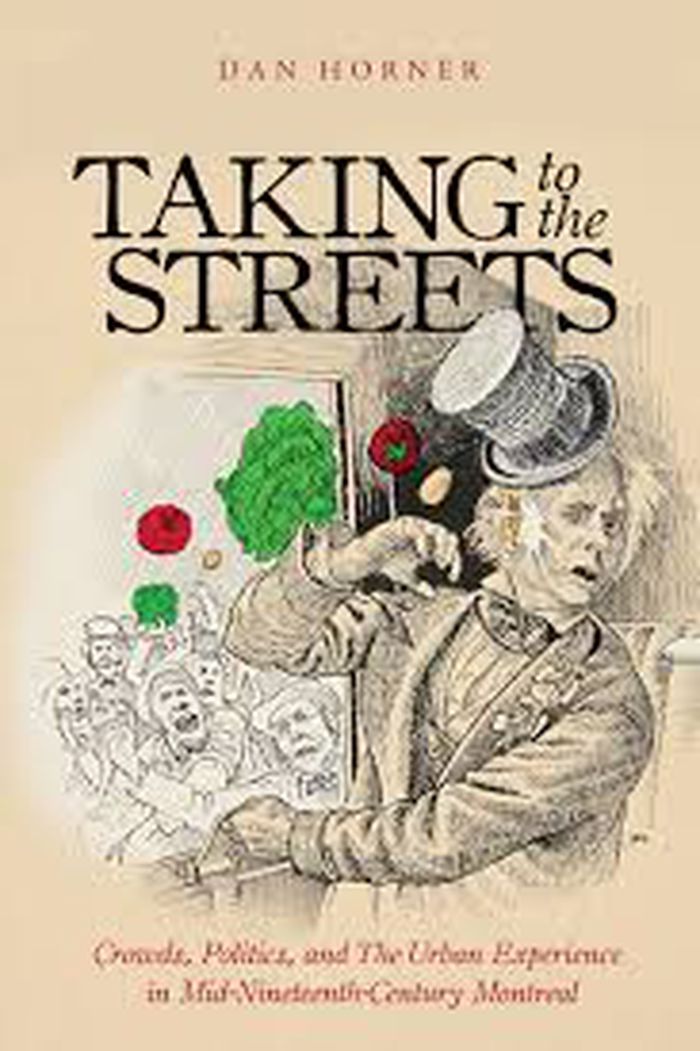
Taking to the streets: crowds, politics, and the urban experience in mid-nineteenth-Century Montreal
Taking to the streets: crowds, politics, and the urban experience in mid-nineteenth-Century Montreal
Actions:
Prix:
$37.95
(disponible sur commande)
Résumé:
The 1840s were a period of rapid growth and social conflict in Montreal. The city''s public life was marked by a series of labour conflicts and bloody sectarian riots; at the same time, the ways that elites wielded power and ordinary people engaged in the political process were changing, particularly in public space. In Taking to the Streets Dan Horner examines how the(...)
$37.95
(disponible sur commande)
Résumé:
The 1840s were a period of rapid growth and social conflict in Montreal. The city''s public life was marked by a series of labour conflicts and bloody sectarian riots; at the same time, the ways that elites wielded power and ordinary people engaged in the political process were changing, particularly in public space. In Taking to the Streets Dan Horner examines how the(...)
Titre:
Taking to the streets: crowds, politics, and the urban experience in mid-nineteenth-Century Montreal
Actions:
Prix:
$37.95
(disponible sur commande)
Résumé:
The 1840s were a period of rapid growth and social conflict in Montreal. The city''s public life was marked by a series of labour conflicts and bloody sectarian riots; at the same time, the ways that elites wielded power and ordinary people engaged in the political process were changing, particularly in public space. In Taking to the Streets Dan Horner examines how the urban environment became a vital and contentious political site during the tumultuous period from the end of the 1837-38 rebellions to the burning of Parliament in 1849. Employing a close reading of newspaper and judicial archives, he looks at a broad range of collective crowd experiences, including riots, labour demonstrations, religious processions, and parades. By examining how crowd events were used both to assert claims of political authority and to challenge their legitimacy, Horner charts the development of a contentious democratic political culture in British North America. Taking to the Streets is an important contribution to the political and urban history of pre-Confederation Canada and a timely reminder of how Montrealers from all walks of life have always used the streets to build community and make their voices heard.
Taking to the streets: crowds, politics, and the urban experience in mid-nineteenth-Century Montreal
Actions:
Prix:
$37.95
(disponible sur commande)
Résumé:
The 1840s were a period of rapid growth and social conflict in Montreal. The city''s public life was marked by a series of labour conflicts and bloody sectarian riots; at the same time, the ways that elites wielded power and ordinary people engaged in the political process were changing, particularly in public space. In Taking to the Streets Dan Horner examines how the urban environment became a vital and contentious political site during the tumultuous period from the end of the 1837-38 rebellions to the burning of Parliament in 1849. Employing a close reading of newspaper and judicial archives, he looks at a broad range of collective crowd experiences, including riots, labour demonstrations, religious processions, and parades. By examining how crowd events were used both to assert claims of political authority and to challenge their legitimacy, Horner charts the development of a contentious democratic political culture in British North America. Taking to the Streets is an important contribution to the political and urban history of pre-Confederation Canada and a timely reminder of how Montrealers from all walks of life have always used the streets to build community and make their voices heard.
Classification:
livres
livres
Publication:
juin 2020
juin 2020
Classification:
livres
livres
Actions:
Prix:
$37.95
(disponible en magasin)
Résumé:
Some utopian plans have shaped our cities, from England's New Towns and Garden Cities to the Haussmann plan for Paris and the L'Enfant plan for Washington, DC. But these grand plans are the exception, and seldom turn out as envisioned by the utopian planner. Inviting city neighbourhoods are more often works of improvisation on a small scale. This type of bottom-up(...)
$37.95
(disponible en magasin)
Résumé:
Some utopian plans have shaped our cities, from England's New Towns and Garden Cities to the Haussmann plan for Paris and the L'Enfant plan for Washington, DC. But these grand plans are the exception, and seldom turn out as envisioned by the utopian planner. Inviting city neighbourhoods are more often works of improvisation on a small scale. This type of bottom-up(...)
Titre:
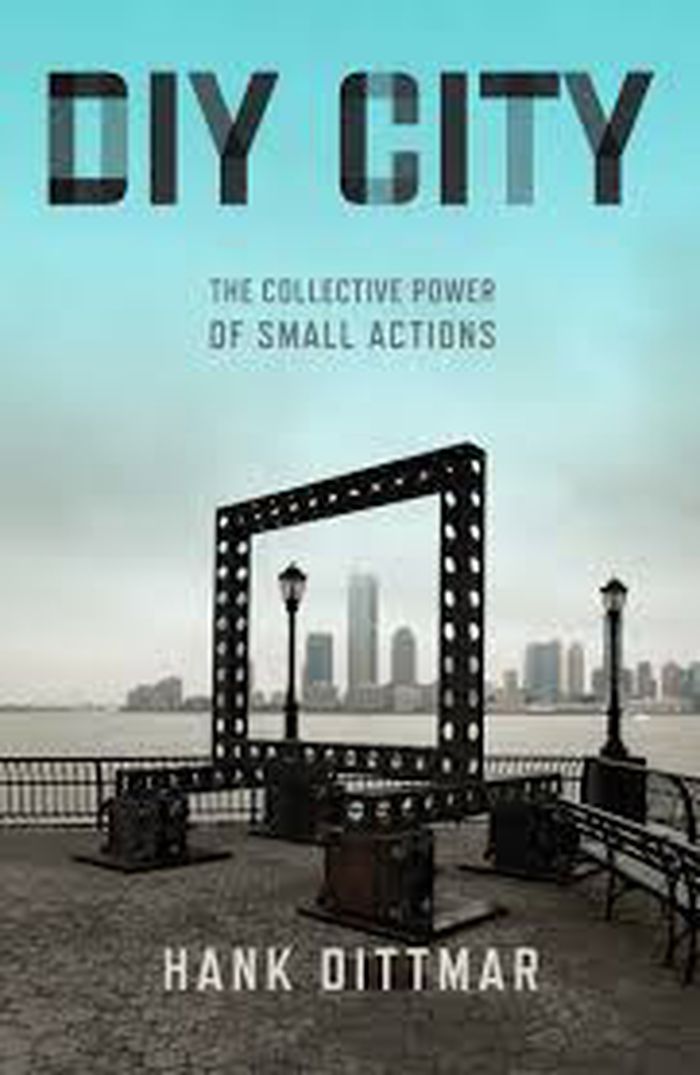
DIY city: The collective power of small actions
Actions:
Prix:
$37.95
(disponible en magasin)
Résumé:
Some utopian plans have shaped our cities, from England's New Towns and Garden Cities to the Haussmann plan for Paris and the L'Enfant plan for Washington, DC. But these grand plans are the exception, and seldom turn out as envisioned by the utopian planner. Inviting city neighbourhoods are more often works of improvisation on a small scale. This type of bottom-up development gives cities both their character and the ability to respond to sudden change. In DIY City, Hank Dittmar explains why individual initiative, small-scale business, and small development matter, using lively stories from his own experience and examples from recent history, such as the revival of Camden Lock in London and the nascent rebirth of Detroit. DIY City, Dittmar's last original work, captures the lessons he learned throughout the course of his varied career, from transit-oriented development to Lean Urbanism, that can be replicated to create cities where people can flourish.
DIY city: The collective power of small actions
Actions:
Prix:
$37.95
(disponible en magasin)
Résumé:
Some utopian plans have shaped our cities, from England's New Towns and Garden Cities to the Haussmann plan for Paris and the L'Enfant plan for Washington, DC. But these grand plans are the exception, and seldom turn out as envisioned by the utopian planner. Inviting city neighbourhoods are more often works of improvisation on a small scale. This type of bottom-up development gives cities both their character and the ability to respond to sudden change. In DIY City, Hank Dittmar explains why individual initiative, small-scale business, and small development matter, using lively stories from his own experience and examples from recent history, such as the revival of Camden Lock in London and the nascent rebirth of Detroit. DIY City, Dittmar's last original work, captures the lessons he learned throughout the course of his varied career, from transit-oriented development to Lean Urbanism, that can be replicated to create cities where people can flourish.
Classification:
livres
livres
Publication:
juin 2020
juin 2020
Sujet:
Théorie de l’urbanisme
Théorie de l’urbanisme
Classification:
livres
livres
Actions:
Prix:
$39.00
(disponible sur commande)
Résumé:
How we deal with land has far-reaching implications for architecture and urban development. The last decade has seen a dramatic rise in the privatization of urban land and in speculation. Many European cities that today find themselves under extreme development pressure have virtually no land left to build on. In view of the acute housing shortage, the question of who(...)
$39.00
(disponible sur commande)
Résumé:
How we deal with land has far-reaching implications for architecture and urban development. The last decade has seen a dramatic rise in the privatization of urban land and in speculation. Many European cities that today find themselves under extreme development pressure have virtually no land left to build on. In view of the acute housing shortage, the question of who(...)
Titre:
Architecture on common ground: positions and models on the land property issue
Actions:
Prix:
$39.00
(disponible sur commande)
Résumé:
How we deal with land has far-reaching implications for architecture and urban development. The last decade has seen a dramatic rise in the privatization of urban land and in speculation. Many European cities that today find themselves under extreme development pressure have virtually no land left to build on. In view of the acute housing shortage, the question of who owns the land is therefore more relevant than ever. To what extent are we able to treat the land as a common good and guard it from the excesses of capitalism? ''Architecture on common ground'' provides a historical overview of land property from Henry George to the present. Interviews with stakeholders in global models provide insights into the current handling of the land issue. The book presents outstanding projects based on either a legal or spatial distribution of land and thus makes a valuable contribution to the current discussion on sustainable land policy.
Architecture on common ground: positions and models on the land property issue
Actions:
Prix:
$39.00
(disponible sur commande)
Résumé:
How we deal with land has far-reaching implications for architecture and urban development. The last decade has seen a dramatic rise in the privatization of urban land and in speculation. Many European cities that today find themselves under extreme development pressure have virtually no land left to build on. In view of the acute housing shortage, the question of who owns the land is therefore more relevant than ever. To what extent are we able to treat the land as a common good and guard it from the excesses of capitalism? ''Architecture on common ground'' provides a historical overview of land property from Henry George to the present. Interviews with stakeholders in global models provide insights into the current handling of the land issue. The book presents outstanding projects based on either a legal or spatial distribution of land and thus makes a valuable contribution to the current discussion on sustainable land policy.
Classification:
livres
livres
Publication:
avril 2021
avril 2021
Sujet:
Théorie de l’urbanisme
Théorie de l’urbanisme
Classification:
livres
livres

Actions:
Prix:
$84.95
(disponible sur commande)
Résumé:
Scholars, cultural theorists and urban designers reflect on the transformation of seven post-socialist cities. Reflecting on the 'urban commons' concept currently in vogue in architectural discourse, this volume collects research, data and photographs for seven case studies—post-socialist cities in Central Europe—emphasizing the collective action of remaking cities.
$84.95
(disponible sur commande)
Résumé:
Scholars, cultural theorists and urban designers reflect on the transformation of seven post-socialist cities. Reflecting on the 'urban commons' concept currently in vogue in architectural discourse, this volume collects research, data and photographs for seven case studies—post-socialist cities in Central Europe—emphasizing the collective action of remaking cities.
Sujet:
Théorie de l’urbanisme
Théorie de l’urbanisme
Publication:
février 2020
février 2020
Titre:
Shared cities atlas: post-socialist cities and active citizenship in Central Europe
Actions:
Prix:
$84.95
(disponible sur commande)
Résumé:
Scholars, cultural theorists and urban designers reflect on the transformation of seven post-socialist cities. Reflecting on the 'urban commons' concept currently in vogue in architectural discourse, this volume collects research, data and photographs for seven case studies—post-socialist cities in Central Europe—emphasizing the collective action of remaking cities.
Shared cities atlas: post-socialist cities and active citizenship in Central Europe
Actions:
Prix:
$84.95
(disponible sur commande)
Résumé:
Scholars, cultural theorists and urban designers reflect on the transformation of seven post-socialist cities. Reflecting on the 'urban commons' concept currently in vogue in architectural discourse, this volume collects research, data and photographs for seven case studies—post-socialist cities in Central Europe—emphasizing the collective action of remaking cities.
Classification:
livres
livres
Publication:
février 2020
février 2020
Sujet:
Théorie de l’urbanisme
Théorie de l’urbanisme
Classification:
livres
livres
Prix:
$51.00
(disponible sur commande)
Résumé:
First published in 1959, 'The Golden City' is a seminal, critical document that developed one of the earliest and most compelling arguments against the then-dominant hegemony of modernism by reawakening interest in the value of our country’s built patrimony, particularly with respect to its notable classical architecture, classical sculpture, and ornament in the built(...)
$51.00
(disponible sur commande)
Résumé:
First published in 1959, 'The Golden City' is a seminal, critical document that developed one of the earliest and most compelling arguments against the then-dominant hegemony of modernism by reawakening interest in the value of our country’s built patrimony, particularly with respect to its notable classical architecture, classical sculpture, and ornament in the built(...)
Titre:
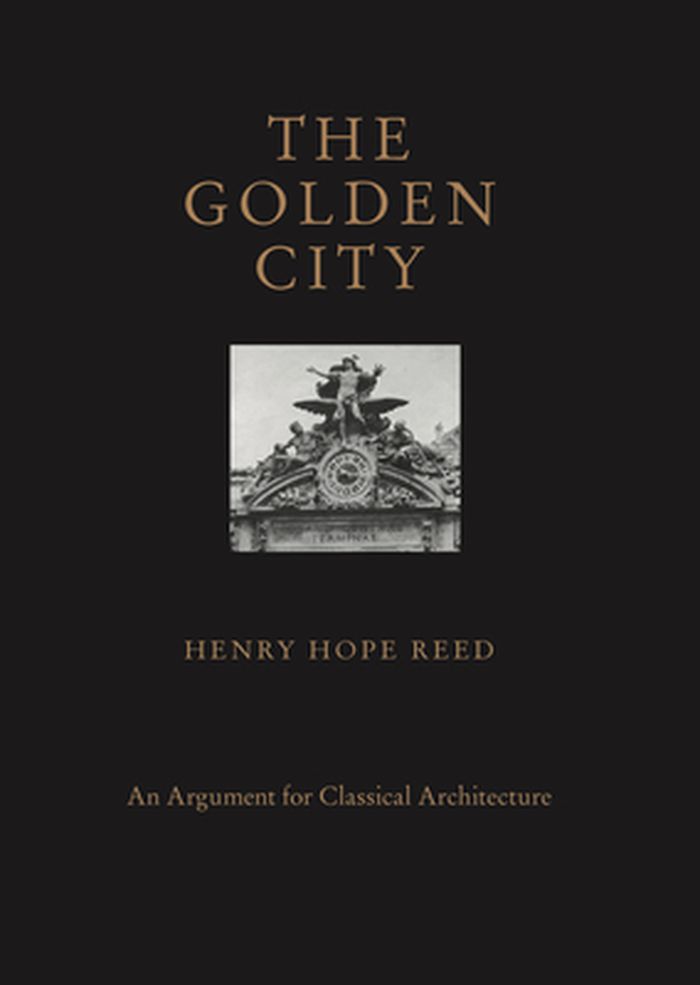
The golden city: an argument for classical architecture
Actions:
Prix:
$51.00
(disponible sur commande)
Résumé:
First published in 1959, 'The Golden City' is a seminal, critical document that developed one of the earliest and most compelling arguments against the then-dominant hegemony of modernism by reawakening interest in the value of our country’s built patrimony, particularly with respect to its notable classical architecture, classical sculpture, and ornament in the built environment. The book’s argument remains valuable today. 'The Golden City' can be credited with building the constituency for the preservation movement in the United States in general, and in New York City in particular. That constituency coalesced around Reed’s powerful polemic, eventually contributing to the formulation in 1965 of New York City’s groundbreaking Landmark Law, one of the most important milestones in the preservation movement in the United States.
The golden city: an argument for classical architecture
Actions:
Prix:
$51.00
(disponible sur commande)
Résumé:
First published in 1959, 'The Golden City' is a seminal, critical document that developed one of the earliest and most compelling arguments against the then-dominant hegemony of modernism by reawakening interest in the value of our country’s built patrimony, particularly with respect to its notable classical architecture, classical sculpture, and ornament in the built environment. The book’s argument remains valuable today. 'The Golden City' can be credited with building the constituency for the preservation movement in the United States in general, and in New York City in particular. That constituency coalesced around Reed’s powerful polemic, eventually contributing to the formulation in 1965 of New York City’s groundbreaking Landmark Law, one of the most important milestones in the preservation movement in the United States.
Classification:
livres
livres
Publication:
mai 2020
mai 2020
Sujet:
Théorie de l’urbanisme
Théorie de l’urbanisme


