


1923 Résultats
Classification:
livres
livres
Titre:
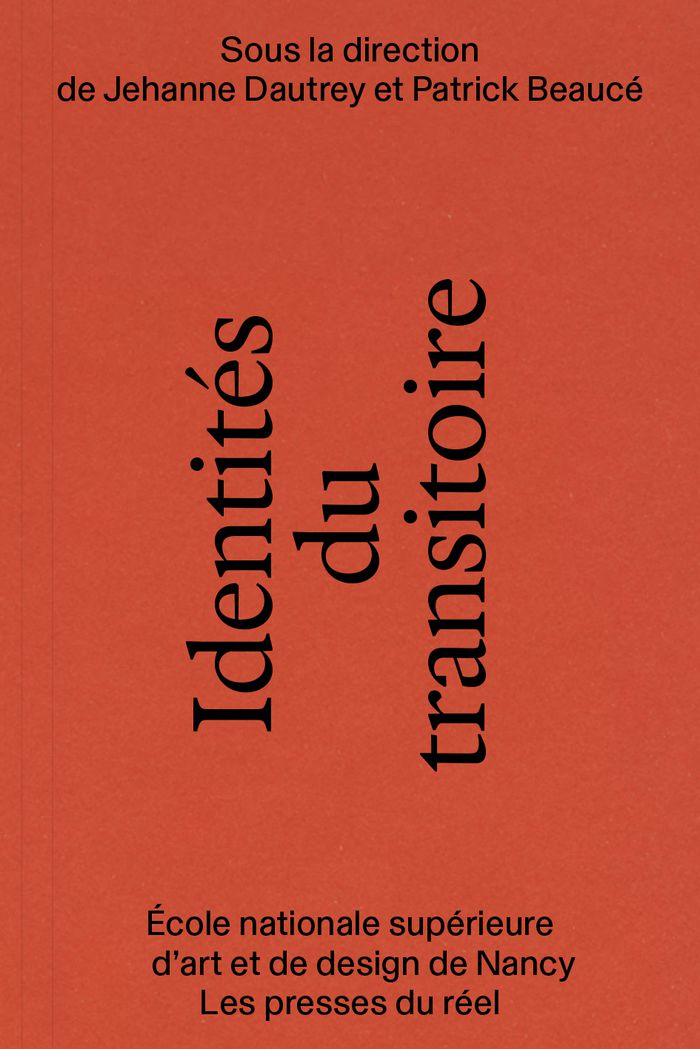
Identités du transitoire
Identités du transitoire
Actions:
Prix:
$49.95
(disponible sur commande)
Résumé:
La dimension du transitoire dans les champs de l'architecture, de l'urbanisme et du design, comme nouvel horizon de pensée et d'action concernant tous les aspects de la vie urbaine, dans sa complexité économique et écologique. On observe actuellement une forte demande en matière de dispositifs transitoires : architectes, artistes, designers sont sollicités pour(...)
$49.95
(disponible sur commande)
Résumé:
La dimension du transitoire dans les champs de l'architecture, de l'urbanisme et du design, comme nouvel horizon de pensée et d'action concernant tous les aspects de la vie urbaine, dans sa complexité économique et écologique. On observe actuellement une forte demande en matière de dispositifs transitoires : architectes, artistes, designers sont sollicités pour(...)
Titre:
Identités du transitoire
Actions:
Prix:
$49.95
(disponible sur commande)
Résumé:
La dimension du transitoire dans les champs de l'architecture, de l'urbanisme et du design, comme nouvel horizon de pensée et d'action concernant tous les aspects de la vie urbaine, dans sa complexité économique et écologique. On observe actuellement une forte demande en matière de dispositifs transitoires : architectes, artistes, designers sont sollicités pour proposer des solutions d'hébergement temporaires, considérées comme autant d'expédients en réponse à des situations d'urgence. Mais, au-delà de cette conception du transitoire, un certain nombre d'acteurs venant de l'architecture, de l'urbanisme et du design considèrent le transitoire comme une valeur à défendre, un nouvel horizon d'action concernant tous les aspects de la vie urbaine dans sa complexité économique et écologique : non seulement les initiatives pour résoudre le mal-logement, mais aussi le rôle à donner aux fablabs et aux actions en faveur d'une agriculture urbaine, trop souvent cantonnés à des pratiques de loisir.
Identités du transitoire
Actions:
Prix:
$49.95
(disponible sur commande)
Résumé:
La dimension du transitoire dans les champs de l'architecture, de l'urbanisme et du design, comme nouvel horizon de pensée et d'action concernant tous les aspects de la vie urbaine, dans sa complexité économique et écologique. On observe actuellement une forte demande en matière de dispositifs transitoires : architectes, artistes, designers sont sollicités pour proposer des solutions d'hébergement temporaires, considérées comme autant d'expédients en réponse à des situations d'urgence. Mais, au-delà de cette conception du transitoire, un certain nombre d'acteurs venant de l'architecture, de l'urbanisme et du design considèrent le transitoire comme une valeur à défendre, un nouvel horizon d'action concernant tous les aspects de la vie urbaine dans sa complexité économique et écologique : non seulement les initiatives pour résoudre le mal-logement, mais aussi le rôle à donner aux fablabs et aux actions en faveur d'une agriculture urbaine, trop souvent cantonnés à des pratiques de loisir.
Classification:
livres
livres
Publication:
janvier 2021
janvier 2021
Sujet:
Théorie de l’urbanisme
Théorie de l’urbanisme
Classification:
livres
livres
Prix:
$49.95
(disponible sur commande)
Résumé:
Experimental Jetset’s second volume in its self-reflective series is an inquiry into the role of the city as an infrastructure for language and vice versa, seen through the lens of four significant movements: Constructivism, Situationist International, Provo, and Post-Punk. Emerging from a research project and exhibition by the design studio, the book features extensive(...)
$49.95
(disponible sur commande)
Résumé:
Experimental Jetset’s second volume in its self-reflective series is an inquiry into the role of the city as an infrastructure for language and vice versa, seen through the lens of four significant movements: Constructivism, Situationist International, Provo, and Post-Punk. Emerging from a research project and exhibition by the design studio, the book features extensive(...)
Titre:
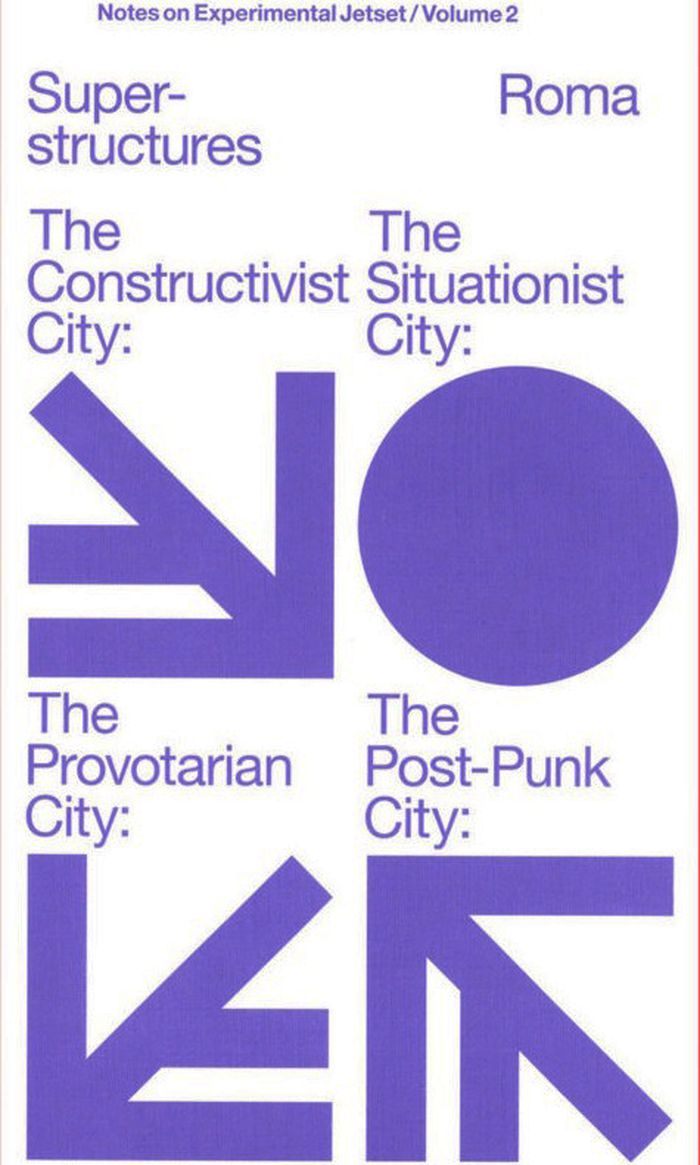
Superstructures: Notes on experimental jetset, volume 2
Actions:
Prix:
$49.95
(disponible sur commande)
Résumé:
Experimental Jetset’s second volume in its self-reflective series is an inquiry into the role of the city as an infrastructure for language and vice versa, seen through the lens of four significant movements: Constructivism, Situationist International, Provo, and Post-Punk. Emerging from a research project and exhibition by the design studio, the book features extensive footnotes by 20 guest authors, including Linda van Deursen, Owen Hatherley, Adam Pendleton, Simon Reynolds, Lori Waxman, Mimi Zeiger, and others. An added bonus: it comes with a 26-page zine, zooming in on the design typology of the original exhibition.
Superstructures: Notes on experimental jetset, volume 2
Actions:
Prix:
$49.95
(disponible sur commande)
Résumé:
Experimental Jetset’s second volume in its self-reflective series is an inquiry into the role of the city as an infrastructure for language and vice versa, seen through the lens of four significant movements: Constructivism, Situationist International, Provo, and Post-Punk. Emerging from a research project and exhibition by the design studio, the book features extensive footnotes by 20 guest authors, including Linda van Deursen, Owen Hatherley, Adam Pendleton, Simon Reynolds, Lori Waxman, Mimi Zeiger, and others. An added bonus: it comes with a 26-page zine, zooming in on the design typology of the original exhibition.
Classification:
livres
livres
Publication:
février 2021
février 2021
Sujet:
Théorie de l’urbanisme
Théorie de l’urbanisme
Classification:
livres
livres
Actions:
Prix:
$49.00
(disponible sur commande)
Résumé:
Cities are full of stories — running in parallel, contradictory, overlapping and inseparably linked. Such stories are told in 'Living the city' by referencing various projects from architecture, art, and urban planning. The book aims to show processes and possibilities for action in cities based on more than fifty projects from all over Europe. The publication first looks(...)
$49.00
(disponible sur commande)
Résumé:
Cities are full of stories — running in parallel, contradictory, overlapping and inseparably linked. Such stories are told in 'Living the city' by referencing various projects from architecture, art, and urban planning. The book aims to show processes and possibilities for action in cities based on more than fifty projects from all over Europe. The publication first looks(...)
Sujet:
Théorie de l’urbanisme
Théorie de l’urbanisme
Publication:
septembre 2020
septembre 2020
Titre:
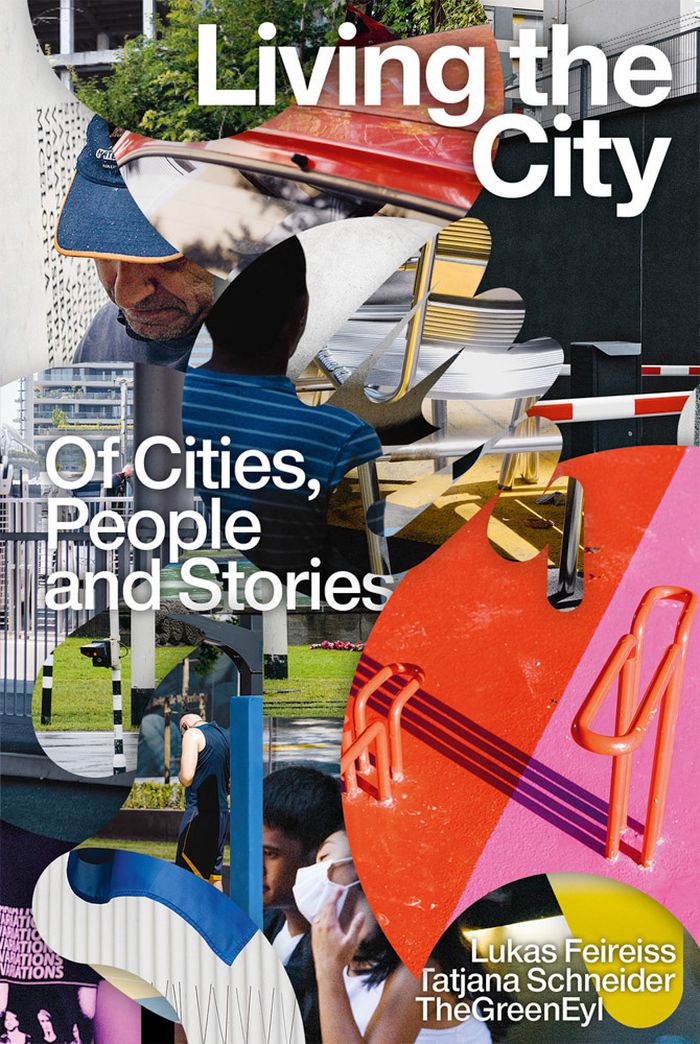
Living the city: of cities, people and stories
Actions:
Prix:
$49.00
(disponible sur commande)
Résumé:
Cities are full of stories — running in parallel, contradictory, overlapping and inseparably linked. Such stories are told in 'Living the city' by referencing various projects from architecture, art, and urban planning. The book aims to show processes and possibilities for action in cities based on more than fifty projects from all over Europe. The publication first looks at urbanites before expanding into emotionally and poetically charged stories that consider very basic activities such as loving, living, moving, working, learning, playing, dreaming, and participating in the city.
Living the city: of cities, people and stories
Actions:
Prix:
$49.00
(disponible sur commande)
Résumé:
Cities are full of stories — running in parallel, contradictory, overlapping and inseparably linked. Such stories are told in 'Living the city' by referencing various projects from architecture, art, and urban planning. The book aims to show processes and possibilities for action in cities based on more than fifty projects from all over Europe. The publication first looks at urbanites before expanding into emotionally and poetically charged stories that consider very basic activities such as loving, living, moving, working, learning, playing, dreaming, and participating in the city.
Classification:
livres
livres
Publication:
septembre 2020
septembre 2020
Sujet:
Théorie de l’urbanisme
Théorie de l’urbanisme
Classification:
livres
livres
Prix:
$35.95
(disponible sur commande)
Résumé:
In 'Atmospheric Noise', Marina Peterson traces entanglements of environmental noise, atmosphere, sense, and matter that cohere in and through encounters with airport noise since the 1960s. Exploring spaces shaped by noise around Los Angeles International Airport (LAX), she shows how noise is a way of attuning toward the atmospheric: through noise we learn to listen to the(...)
$35.95
(disponible sur commande)
Résumé:
In 'Atmospheric Noise', Marina Peterson traces entanglements of environmental noise, atmosphere, sense, and matter that cohere in and through encounters with airport noise since the 1960s. Exploring spaces shaped by noise around Los Angeles International Airport (LAX), she shows how noise is a way of attuning toward the atmospheric: through noise we learn to listen to the(...)
Titre:
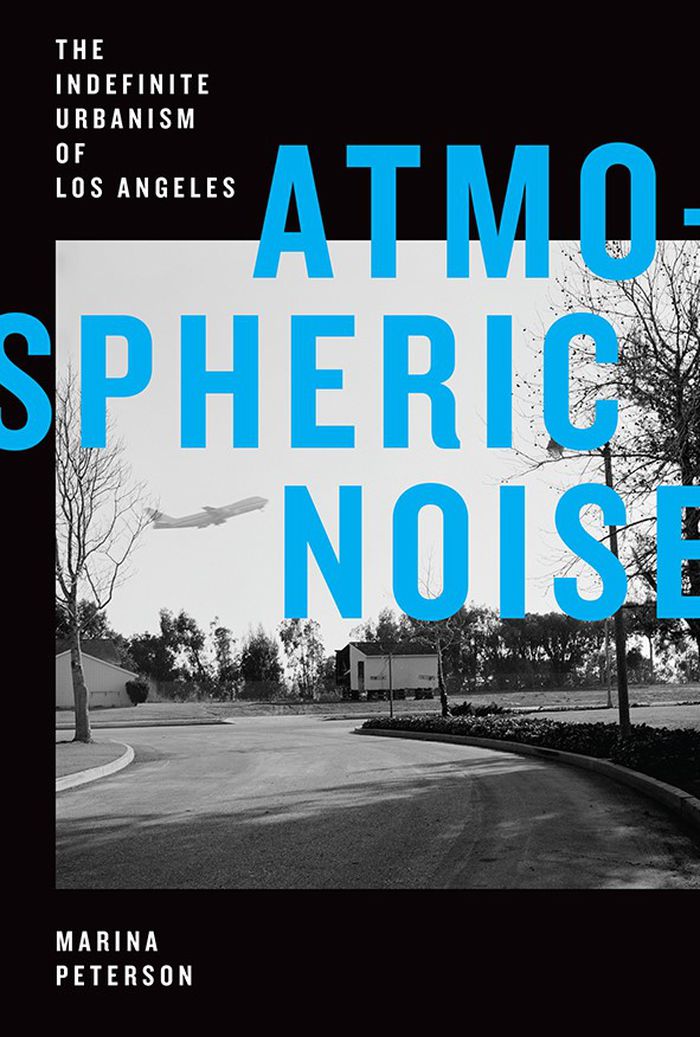
Atmospheric noise: the indefinite urbanism of Los Angeles
Actions:
Prix:
$35.95
(disponible sur commande)
Résumé:
In 'Atmospheric Noise', Marina Peterson traces entanglements of environmental noise, atmosphere, sense, and matter that cohere in and through encounters with airport noise since the 1960s. Exploring spaces shaped by noise around Los Angeles International Airport (LAX), she shows how noise is a way of attuning toward the atmospheric: through noise we learn to listen to the sky and imagine the permeability of bodies and matter, sensing and conceiving that which is diffuse, indefinite, vague, and unformed. Offering a conceptualization of sound as immanent and non-objectified, she demonstrates ways in which noise is central to how we know, feel, and think atmospherically.
Atmospheric noise: the indefinite urbanism of Los Angeles
Actions:
Prix:
$35.95
(disponible sur commande)
Résumé:
In 'Atmospheric Noise', Marina Peterson traces entanglements of environmental noise, atmosphere, sense, and matter that cohere in and through encounters with airport noise since the 1960s. Exploring spaces shaped by noise around Los Angeles International Airport (LAX), she shows how noise is a way of attuning toward the atmospheric: through noise we learn to listen to the sky and imagine the permeability of bodies and matter, sensing and conceiving that which is diffuse, indefinite, vague, and unformed. Offering a conceptualization of sound as immanent and non-objectified, she demonstrates ways in which noise is central to how we know, feel, and think atmospherically.
Classification:
livres
livres
Publication:
février 2021
février 2021
Sujet:
Théorie de l’urbanisme
Théorie de l’urbanisme
Classification:
livres
livres
Titre:
Megacity
Megacity
Actions:
Prix:
$36.00
(disponible sur commande)
Résumé:
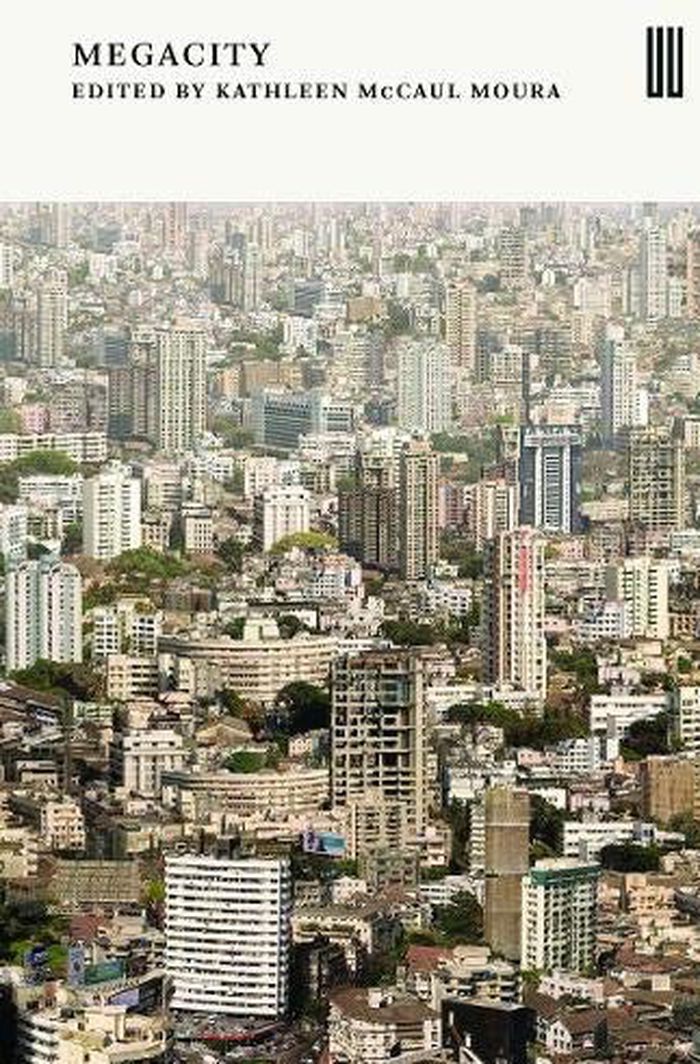
'MEGACITY' brings together new writing from some of the most impenetrable corners of the world today with creativity, resilience and beautifully black humour.
$36.00
(disponible sur commande)
Résumé:
'MEGACITY' brings together new writing from some of the most impenetrable corners of the world today with creativity, resilience and beautifully black humour.
Titre:
Megacity
Actions:
Prix:
$36.00
(disponible sur commande)
Résumé:
'MEGACITY' brings together new writing from some of the most impenetrable corners of the world today with creativity, resilience and beautifully black humour.
Megacity
Actions:
Prix:
$36.00
(disponible sur commande)
Résumé:
'MEGACITY' brings together new writing from some of the most impenetrable corners of the world today with creativity, resilience and beautifully black humour.
Classification:
livres
livres
Publication:
décembre 2021
décembre 2021
Sujet:
Théorie de l’urbanisme
Théorie de l’urbanisme
Classification:
livres
livres
Prix:
$19.00
(disponible en magasin)
Résumé:
L'automobile a transformé radicalement nos villes, au point de s'imposer comme l'étalon de mesure de la planification urbaine. Architectes et urbanistes ont embrassé cette vision de la ville qui mène à des espaces pollués, peu sécuritaires, et dont les infrastructures pèsent lourd sur le trésor public. Devant l'urgence climatique, Olivier Ducharme veut renverser ce modèle(...)
$19.00
(disponible en magasin)
Résumé:
L'automobile a transformé radicalement nos villes, au point de s'imposer comme l'étalon de mesure de la planification urbaine. Architectes et urbanistes ont embrassé cette vision de la ville qui mène à des espaces pollués, peu sécuritaires, et dont les infrastructures pèsent lourd sur le trésor public. Devant l'urgence climatique, Olivier Ducharme veut renverser ce modèle(...)
Titre:
Ville contre automobiles : redonner l'espace urbain aux piétons
Actions:
Prix:
$19.00
(disponible en magasin)
Résumé:
L'automobile a transformé radicalement nos villes, au point de s'imposer comme l'étalon de mesure de la planification urbaine. Architectes et urbanistes ont embrassé cette vision de la ville qui mène à des espaces pollués, peu sécuritaires, et dont les infrastructures pèsent lourd sur le trésor public. Devant l'urgence climatique, Olivier Ducharme veut renverser ce modèle pour redonner au piéton la place qui lui revient. Il livre une charge pour sortir de nos villes ces « requins d'acier », qu'ils soient électriques ou à essence, et remettre la vie de quartier et le transport collectif au centre de l'aménagement urbain. Pour se libérer des embouteillages et amorcer la transition écologique, nous devons avoir le courage politique de bannir l'auto solo de nos villes. L'automobile est un piège, il est temps de s'en libérer.
Ville contre automobiles : redonner l'espace urbain aux piétons
Actions:
Prix:
$19.00
(disponible en magasin)
Résumé:
L'automobile a transformé radicalement nos villes, au point de s'imposer comme l'étalon de mesure de la planification urbaine. Architectes et urbanistes ont embrassé cette vision de la ville qui mène à des espaces pollués, peu sécuritaires, et dont les infrastructures pèsent lourd sur le trésor public. Devant l'urgence climatique, Olivier Ducharme veut renverser ce modèle pour redonner au piéton la place qui lui revient. Il livre une charge pour sortir de nos villes ces « requins d'acier », qu'ils soient électriques ou à essence, et remettre la vie de quartier et le transport collectif au centre de l'aménagement urbain. Pour se libérer des embouteillages et amorcer la transition écologique, nous devons avoir le courage politique de bannir l'auto solo de nos villes. L'automobile est un piège, il est temps de s'en libérer.
Classification:
livres
livres
Publication:
février 2021
février 2021
Sujet:
Théorie de l’urbanisme
Théorie de l’urbanisme
Classification:
livres
livres
Actions:
Prix:
$56.00
(disponible sur commande)
Résumé:
The last decade has seen an accelerated evolution of typologies. Today’s cities are marked by a growing digital presence and the emergence of a global sharing economy; shared spaces have increased our social and sustainable focus, drastically altered our understanding of ownership and responsibility, and redefined our experience of public and private domains. Such changes(...)
$56.00
(disponible sur commande)
Résumé:
The last decade has seen an accelerated evolution of typologies. Today’s cities are marked by a growing digital presence and the emergence of a global sharing economy; shared spaces have increased our social and sustainable focus, drastically altered our understanding of ownership and responsibility, and redefined our experience of public and private domains. Such changes(...)
Sujet:
Théorie de l’urbanisme
Théorie de l’urbanisme
Publication:
janvier 2021
janvier 2021
Titre:
Another kind: a survey of the possible city
Actions:
Prix:
$56.00
(disponible sur commande)
Résumé:
The last decade has seen an accelerated evolution of typologies. Today’s cities are marked by a growing digital presence and the emergence of a global sharing economy; shared spaces have increased our social and sustainable focus, drastically altered our understanding of ownership and responsibility, and redefined our experience of public and private domains. Such changes have in turn rewritten the demands on architecture, the role of the designer, and the power of the profession. In 'Another Kind', PLP Architecture presents ten projects as case studies to examine the emergence of a new typological fluidity. These projects serve as anchors to survey the cultural landscape of the past ten years. Projects can no longer be traditionally codified and instead present themselves as assemblages of exterior influences, new cultural interests, and 21st century social habits. In 'Another Kind', projects are intertwined with essays by cultural observers both within and outside of the discipline. Through this multi-layered infrastructure and pluralistic dissection, Another Kind cracks the surface and explores the contents of architecture today. Marking this moment in time, PLP examines how we have evolved and speculates on what we can learn for the years that lie ahead.
Another kind: a survey of the possible city
Actions:
Prix:
$56.00
(disponible sur commande)
Résumé:
The last decade has seen an accelerated evolution of typologies. Today’s cities are marked by a growing digital presence and the emergence of a global sharing economy; shared spaces have increased our social and sustainable focus, drastically altered our understanding of ownership and responsibility, and redefined our experience of public and private domains. Such changes have in turn rewritten the demands on architecture, the role of the designer, and the power of the profession. In 'Another Kind', PLP Architecture presents ten projects as case studies to examine the emergence of a new typological fluidity. These projects serve as anchors to survey the cultural landscape of the past ten years. Projects can no longer be traditionally codified and instead present themselves as assemblages of exterior influences, new cultural interests, and 21st century social habits. In 'Another Kind', projects are intertwined with essays by cultural observers both within and outside of the discipline. Through this multi-layered infrastructure and pluralistic dissection, Another Kind cracks the surface and explores the contents of architecture today. Marking this moment in time, PLP examines how we have evolved and speculates on what we can learn for the years that lie ahead.
Classification:
livres
livres
Publication:
janvier 2021
janvier 2021
Sujet:
Théorie de l’urbanisme
Théorie de l’urbanisme
Classification:
livres
livres
Titre:
Against urbanism
Against urbanism
Actions:
Prix:
$17.95
(disponible sur commande)
Résumé:
After demolishing the myth of the rock star architect with his book "Against architecture," Franco La Cecla now explores the decisive challenges that cities are going to have to confront in the near future. Urban planning and development has become increasingly inadequate in response to the daily realities of life in our cities. Human, economic, ethnic, and environmental(...)
$17.95
(disponible sur commande)
Résumé:
After demolishing the myth of the rock star architect with his book "Against architecture," Franco La Cecla now explores the decisive challenges that cities are going to have to confront in the near future. Urban planning and development has become increasingly inadequate in response to the daily realities of life in our cities. Human, economic, ethnic, and environmental(...)
Titre:
Against urbanism
Actions:
Prix:
$17.95
(disponible sur commande)
Résumé:
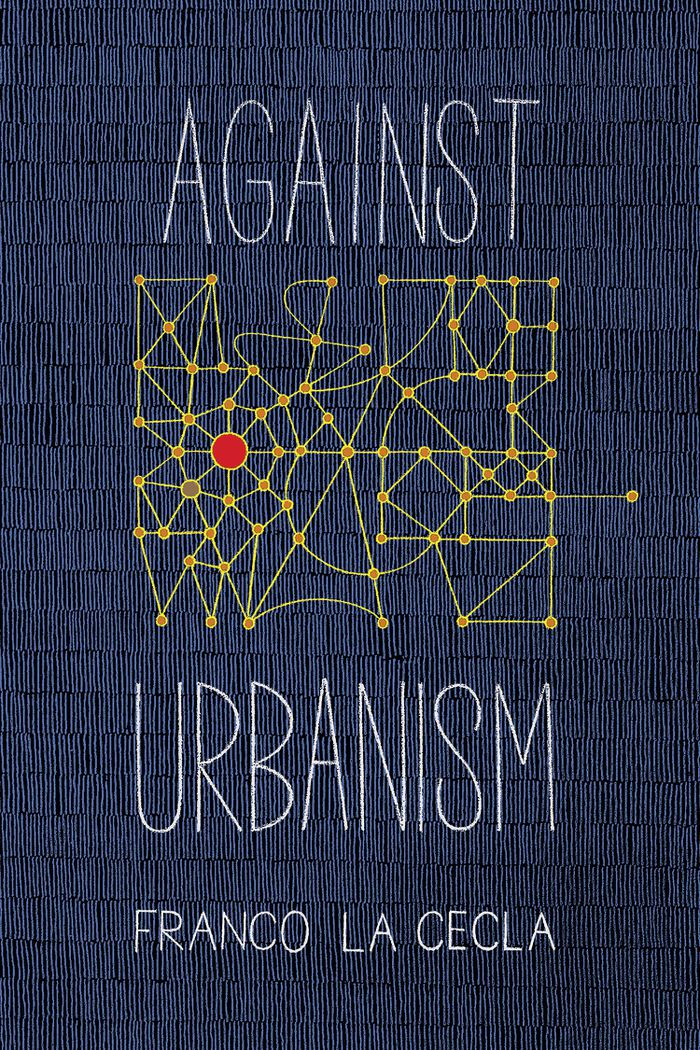
After demolishing the myth of the rock star architect with his book "Against architecture," Franco La Cecla now explores the decisive challenges that cities are going to have to confront in the near future. Urban planning and development has become increasingly inadequate in response to the daily realities of life in our cities. Human, economic, ethnic, and environmental factors are systematically overlooked in city planning and housing development, and anachronistic, sterile, and formalistic architecture almost invariably prevails. Never more than today has democracy played itself out in public spaces, sidewalks, and streets. Urban planners and developers, however, are still prisoners of an obsolete vision of passivity which betrays actual city needs and demands. A new urban science is required which can, first of all, guarantee a civil, dignified life for all—urban development which ensures the right to a humane mode of daily living, which has been and still is completely ignored.
Against urbanism
Actions:
Prix:
$17.95
(disponible sur commande)
Résumé:
After demolishing the myth of the rock star architect with his book "Against architecture," Franco La Cecla now explores the decisive challenges that cities are going to have to confront in the near future. Urban planning and development has become increasingly inadequate in response to the daily realities of life in our cities. Human, economic, ethnic, and environmental factors are systematically overlooked in city planning and housing development, and anachronistic, sterile, and formalistic architecture almost invariably prevails. Never more than today has democracy played itself out in public spaces, sidewalks, and streets. Urban planners and developers, however, are still prisoners of an obsolete vision of passivity which betrays actual city needs and demands. A new urban science is required which can, first of all, guarantee a civil, dignified life for all—urban development which ensures the right to a humane mode of daily living, which has been and still is completely ignored.
Classification:
livres
livres
Publication:
mars 2020
mars 2020
Sujet:
Théorie de l’urbanisme
Théorie de l’urbanisme
Classification:
livres
livres
Actions:
Prix:
$40.00
(disponible sur commande)
Résumé:
EUROPAN, founded in 1989, and supported by thirteen countries in the European Union, runs a competition every two years and invites young architects to submit innovative and experimental models in urban development. The 2019 EUROPAN competition focused on the topic productive cities and involved more than nine hundred planning teams from all over Europe, who prepared(...)
$40.00
(disponible sur commande)
Résumé:
EUROPAN, founded in 1989, and supported by thirteen countries in the European Union, runs a competition every two years and invites young architects to submit innovative and experimental models in urban development. The 2019 EUROPAN competition focused on the topic productive cities and involved more than nine hundred planning teams from all over Europe, who prepared(...)
Titre:
Europan 15: Austria, productive cities 2. Resources, mobility, equity
Actions:
Prix:
$40.00
(disponible sur commande)
Résumé:
EUROPAN, founded in 1989, and supported by thirteen countries in the European Union, runs a competition every two years and invites young architects to submit innovative and experimental models in urban development. The 2019 EUROPAN competition focused on the topic productive cities and involved more than nine hundred planning teams from all over Europe, who prepared proposals for forty-seven towns. This book features the twelve winning submissions to the 2019 edition for the Austrian cities Graz, Innsbruck, Villach, Weiz, and Vienna. They are presented in impeccable detail through photos, drawings, and visualizations, along textual commentary. The projects focus on architectural and urban planning interventions and processes. They offer innovative concepts for the use of public space, models for cross-functional use of space, and holistic solutions for sustainable construction. Taken as a whole, the book is a rich source of trendsetting ideas about our future cities and the development of a new urban lifestyle.
Europan 15: Austria, productive cities 2. Resources, mobility, equity
Actions:
Prix:
$40.00
(disponible sur commande)
Résumé:
EUROPAN, founded in 1989, and supported by thirteen countries in the European Union, runs a competition every two years and invites young architects to submit innovative and experimental models in urban development. The 2019 EUROPAN competition focused on the topic productive cities and involved more than nine hundred planning teams from all over Europe, who prepared proposals for forty-seven towns. This book features the twelve winning submissions to the 2019 edition for the Austrian cities Graz, Innsbruck, Villach, Weiz, and Vienna. They are presented in impeccable detail through photos, drawings, and visualizations, along textual commentary. The projects focus on architectural and urban planning interventions and processes. They offer innovative concepts for the use of public space, models for cross-functional use of space, and holistic solutions for sustainable construction. Taken as a whole, the book is a rich source of trendsetting ideas about our future cities and the development of a new urban lifestyle.
Classification:
livres
livres
Publication:
février 2021
février 2021
Sujet:
Théorie de l’urbanisme
Théorie de l’urbanisme
Classification:
livres
livres

Actions:
Prix:
$17.95
(disponible sur commande)
Résumé:
L’enquête-choc qui a révélé la dévitalisation des villes françaises et suscité un débat national.La crise urbaine ronge les préfectures et sous-préfectures, les détruit de l’intérieur : les vitrines des commerces se vident, la population stagne, les logements sont vacants, le niveau de vie baisse. Alors que se passe-t-il? Dans cet ouvrage, analyse l’offensive délibérée de(...)
$17.95
(disponible sur commande)
Résumé:
L’enquête-choc qui a révélé la dévitalisation des villes françaises et suscité un débat national.La crise urbaine ronge les préfectures et sous-préfectures, les détruit de l’intérieur : les vitrines des commerces se vident, la population stagne, les logements sont vacants, le niveau de vie baisse. Alors que se passe-t-il? Dans cet ouvrage, analyse l’offensive délibérée de(...)
Titre:
Comment la France a tué ses villes
Actions:
Prix:
$17.95
(disponible sur commande)
Résumé:
L’enquête-choc qui a révélé la dévitalisation des villes françaises et suscité un débat national.La crise urbaine ronge les préfectures et sous-préfectures, les détruit de l’intérieur : les vitrines des commerces se vident, la population stagne, les logements sont vacants, le niveau de vie baisse. Alors que se passe-t-il? Dans cet ouvrage, analyse l’offensive délibérée de la grande distribution, en périphérie, qui tue les commerces du centre-ville et des quartiers anciens, et sacrifie les emplois de proximité. Il observe également comment la motorisation – incarnée par la voiture individuelle – contribue largement à l’asphyxie des villes. « Comment la France peut-elle sauver ses villes? » Il n’existe nulle solution miraculeuse, mais une série de petits pas, de décisions empreintes de sobriété.
Comment la France a tué ses villes
Actions:
Prix:
$17.95
(disponible sur commande)
Résumé:
L’enquête-choc qui a révélé la dévitalisation des villes françaises et suscité un débat national.La crise urbaine ronge les préfectures et sous-préfectures, les détruit de l’intérieur : les vitrines des commerces se vident, la population stagne, les logements sont vacants, le niveau de vie baisse. Alors que se passe-t-il? Dans cet ouvrage, analyse l’offensive délibérée de la grande distribution, en périphérie, qui tue les commerces du centre-ville et des quartiers anciens, et sacrifie les emplois de proximité. Il observe également comment la motorisation – incarnée par la voiture individuelle – contribue largement à l’asphyxie des villes. « Comment la France peut-elle sauver ses villes? » Il n’existe nulle solution miraculeuse, mais une série de petits pas, de décisions empreintes de sobriété.
Classification:
livres
livres
Publication:
janvier 2021
janvier 2021
Sujet:
Théorie de l’urbanisme
Théorie de l’urbanisme


