


1923 Résultats
Classification:
livres
livres

Titre:
La ville de demain
La ville de demain
Actions:
Prix:
$19.95
(disponible en magasin)
Résumé:
Partant de l'expérience d'un jeune enseignant dans une des nouvelles écoles d'architecture créées après mai 68, à un moment où les architectes français formés aux Beaux-arts redécouvrent la ville, l'ouvrage s'interroge sur les changements et réorientations qui doivent aujourd'hui guider notre réflexion et notre pratique d'urbaniste. Après une première période marquée(...)
$19.95
(disponible en magasin)
Résumé:
Partant de l'expérience d'un jeune enseignant dans une des nouvelles écoles d'architecture créées après mai 68, à un moment où les architectes français formés aux Beaux-arts redécouvrent la ville, l'ouvrage s'interroge sur les changements et réorientations qui doivent aujourd'hui guider notre réflexion et notre pratique d'urbaniste. Après une première période marquée(...)
Titre:
La ville de demain
Actions:
Prix:
$19.95
(disponible en magasin)
Résumé:
Partant de l'expérience d'un jeune enseignant dans une des nouvelles écoles d'architecture créées après mai 68, à un moment où les architectes français formés aux Beaux-arts redécouvrent la ville, l'ouvrage s'interroge sur les changements et réorientations qui doivent aujourd'hui guider notre réflexion et notre pratique d'urbaniste. Après une première période marquée symboliquement par la parution du livre d'Henri Lefebvre, Le droit à la ville en mars 1968, la réflexion sur la ville et l'urbain est reprise cinquante ans plus tard par échelles successives dans cet ouvrage qui explore tout d'abord comment faire de tout logement un chez-soi appropriable et évolutif avant de plaider pour le rassemblement des tissus urbains diversifiés, à l'inverse des logiques séparatrices et pour l'unification de la ville fragmentée. Enfin, Philippe Panerai donne une place centrale aux " chemins de l'eau " pour accorder la ville et le territoire.
La ville de demain
Actions:
Prix:
$19.95
(disponible en magasin)
Résumé:
Partant de l'expérience d'un jeune enseignant dans une des nouvelles écoles d'architecture créées après mai 68, à un moment où les architectes français formés aux Beaux-arts redécouvrent la ville, l'ouvrage s'interroge sur les changements et réorientations qui doivent aujourd'hui guider notre réflexion et notre pratique d'urbaniste. Après une première période marquée symboliquement par la parution du livre d'Henri Lefebvre, Le droit à la ville en mars 1968, la réflexion sur la ville et l'urbain est reprise cinquante ans plus tard par échelles successives dans cet ouvrage qui explore tout d'abord comment faire de tout logement un chez-soi appropriable et évolutif avant de plaider pour le rassemblement des tissus urbains diversifiés, à l'inverse des logiques séparatrices et pour l'unification de la ville fragmentée. Enfin, Philippe Panerai donne une place centrale aux " chemins de l'eau " pour accorder la ville et le territoire.
Classification:
livres
livres
Publication:
mai 2022
mai 2022
Sujet:
Théorie de l’urbanisme
Théorie de l’urbanisme
Classification:
livres
livres
Actions:
Prix:
$37.95
(disponible sur commande)
Résumé:
In ''Ruderal city'' Bettina Stoetzer traces relationships among people, plants, and animals in contemporary Berlin as they make their lives in the ruins of European nationalism and capitalism. She develops the notion of the ruderal—originally an ecological designation for the unruly life that inhabits inhospitable environments such as rubble, roadsides, train tracks, and(...)
$37.95
(disponible sur commande)
Résumé:
In ''Ruderal city'' Bettina Stoetzer traces relationships among people, plants, and animals in contemporary Berlin as they make their lives in the ruins of European nationalism and capitalism. She develops the notion of the ruderal—originally an ecological designation for the unruly life that inhabits inhospitable environments such as rubble, roadsides, train tracks, and(...)
Titre:
Ruderal city: ecologies of migration, race, and urban nature in Berlin
Actions:
Prix:
$37.95
(disponible sur commande)
Résumé:
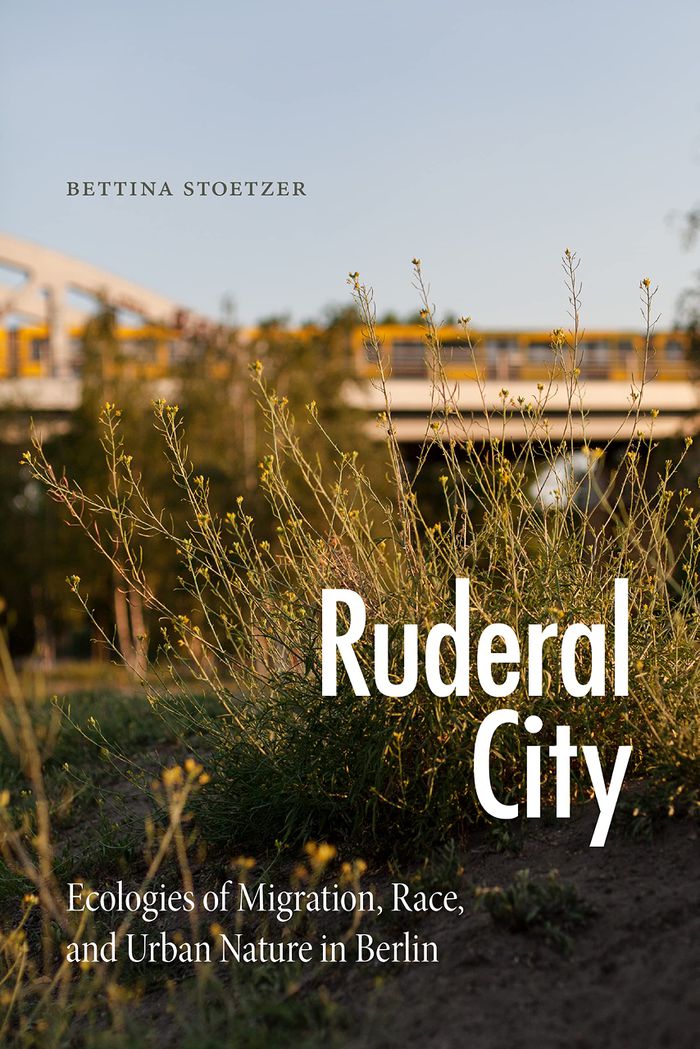
In ''Ruderal city'' Bettina Stoetzer traces relationships among people, plants, and animals in contemporary Berlin as they make their lives in the ruins of European nationalism and capitalism. She develops the notion of the ruderal—originally an ecological designation for the unruly life that inhabits inhospitable environments such as rubble, roadsides, train tracks, and sidewalk cracks—to theorize Berlin as a “ruderal city.” Stoetzer explores sites in and around Berlin that have figured in German national imaginaries—gardens, forests, parks, and rubble fields—to show how racial, class, and gender inequalities shape contestations over today’s uses and knowledges of urban nature. Drawing on fieldwork with gardeners, botanists, migrant workers, refugees, public officials, and nature enthusiasts while charting human and more-than-human worlds, Stoetzer offers a wide-ranging ethnographic portrait of Berlin’s postwar ecologies that reveals emergent futures in the margins of European cities. Brimming with stories that break down divides between environmental perspectives and the study of migration and racial politics, Berlin’s ruderal worlds help us rethink the space of nature and culture and the categories through which we make sense of urban life in inhospitable times.
Ruderal city: ecologies of migration, race, and urban nature in Berlin
Actions:
Prix:
$37.95
(disponible sur commande)
Résumé:
In ''Ruderal city'' Bettina Stoetzer traces relationships among people, plants, and animals in contemporary Berlin as they make their lives in the ruins of European nationalism and capitalism. She develops the notion of the ruderal—originally an ecological designation for the unruly life that inhabits inhospitable environments such as rubble, roadsides, train tracks, and sidewalk cracks—to theorize Berlin as a “ruderal city.” Stoetzer explores sites in and around Berlin that have figured in German national imaginaries—gardens, forests, parks, and rubble fields—to show how racial, class, and gender inequalities shape contestations over today’s uses and knowledges of urban nature. Drawing on fieldwork with gardeners, botanists, migrant workers, refugees, public officials, and nature enthusiasts while charting human and more-than-human worlds, Stoetzer offers a wide-ranging ethnographic portrait of Berlin’s postwar ecologies that reveals emergent futures in the margins of European cities. Brimming with stories that break down divides between environmental perspectives and the study of migration and racial politics, Berlin’s ruderal worlds help us rethink the space of nature and culture and the categories through which we make sense of urban life in inhospitable times.
Classification:
livres
livres
Publication:
décembre 2022
décembre 2022
Sujet:
Théorie de l’urbanisme
Théorie de l’urbanisme
Classification:
livres
livres
Actions:
Prix:
$24.00
(disponible sur commande)
Résumé:
In the tense days leading up to the 2020 American elections, then-candidate for Pennsylvania State Senate Nikil Saval addressed a virtual audience at the Harvard GSD to tell a story about Black feminist writer June Jordan and a little-known project that resulted from the aftermath of the 1964 Harlem riot. The events of police brutality and community grieving made a(...)
$24.00
(disponible sur commande)
Résumé:
In the tense days leading up to the 2020 American elections, then-candidate for Pennsylvania State Senate Nikil Saval addressed a virtual audience at the Harvard GSD to tell a story about Black feminist writer June Jordan and a little-known project that resulted from the aftermath of the 1964 Harlem riot. The events of police brutality and community grieving made a(...)
Titre:
Rage in Harlem: June Jordan and architecture
Actions:
Prix:
$24.00
(disponible sur commande)
Résumé:
In the tense days leading up to the 2020 American elections, then-candidate for Pennsylvania State Senate Nikil Saval addressed a virtual audience at the Harvard GSD to tell a story about Black feminist writer June Jordan and a little-known project that resulted from the aftermath of the 1964 Harlem riot. The events of police brutality and community grieving made a lasting impression on Jordan, who, while known for her work as a poet, playwright, and activist, responded with a proposal for a multiple-tower housing design. Through an unlikely partnership with R. Buckminster Fuller, Jordan's "Skyrise for Harlem" project offered a Futuristic vision for Harlem that argued for environmental redesign: "it is architecture, conceived of in its fullest meaning as the creation of environment, which may actually determine the pace, pattern, and quality of living experience."
Rage in Harlem: June Jordan and architecture
Actions:
Prix:
$24.00
(disponible sur commande)
Résumé:
In the tense days leading up to the 2020 American elections, then-candidate for Pennsylvania State Senate Nikil Saval addressed a virtual audience at the Harvard GSD to tell a story about Black feminist writer June Jordan and a little-known project that resulted from the aftermath of the 1964 Harlem riot. The events of police brutality and community grieving made a lasting impression on Jordan, who, while known for her work as a poet, playwright, and activist, responded with a proposal for a multiple-tower housing design. Through an unlikely partnership with R. Buckminster Fuller, Jordan's "Skyrise for Harlem" project offered a Futuristic vision for Harlem that argued for environmental redesign: "it is architecture, conceived of in its fullest meaning as the creation of environment, which may actually determine the pace, pattern, and quality of living experience."
Classification:
livres
livres
Publication:
juin 2024
juin 2024
Sujet:
Théorie de l’urbanisme
Théorie de l’urbanisme
Classification:
livres
livres
Titre:
Learning from Las Cuencas
Learning from Las Cuencas
Actions:
Prix:
$62.00
(disponible en magasin)
Résumé:
This publication provides a new perspective on the cultural landscapes of mining across the province of Asturias in north-west Spain. These areas, after undergoing an intense process of industrialisation, have changed considerably within just a few decades. What were once natural valleys with rural economic and social structures came to host bustling, dense urban(...)
$62.00
(disponible en magasin)
Résumé:
This publication provides a new perspective on the cultural landscapes of mining across the province of Asturias in north-west Spain. These areas, after undergoing an intense process of industrialisation, have changed considerably within just a few decades. What were once natural valleys with rural economic and social structures came to host bustling, dense urban(...)
Titre:
Learning from Las Cuencas
Actions:
Prix:
$62.00
(disponible en magasin)
Résumé:
This publication provides a new perspective on the cultural landscapes of mining across the province of Asturias in north-west Spain. These areas, after undergoing an intense process of industrialisation, have changed considerably within just a few decades. What were once natural valleys with rural economic and social structures came to host bustling, dense urban agglomerations. As a result, hybrid architectures have emerged, mutating artefacts which, despite the invisibility of their inevitable marginality, can offer interesting lessons in architecture today. Richly illustrated with photographs and diagrams, it features contributions from noted artists and architects.
Learning from Las Cuencas
Actions:
Prix:
$62.00
(disponible en magasin)
Résumé:
This publication provides a new perspective on the cultural landscapes of mining across the province of Asturias in north-west Spain. These areas, after undergoing an intense process of industrialisation, have changed considerably within just a few decades. What were once natural valleys with rural economic and social structures came to host bustling, dense urban agglomerations. As a result, hybrid architectures have emerged, mutating artefacts which, despite the invisibility of their inevitable marginality, can offer interesting lessons in architecture today. Richly illustrated with photographs and diagrams, it features contributions from noted artists and architects.
Classification:
livres
livres
Publication:
septembre 2015
septembre 2015
Sujet:
Théorie de l’urbanisme
Théorie de l’urbanisme
Classification:
livres
livres
Actions:
Prix:
$32.95
(disponible en magasin)
Résumé:
Plus qu’un état des savoirs, ces Essais constituent un état des réponses à des questions sur cinq thématiques fondamentales : espace et territoire, représentations de la ville, mobilité et appartenances sociales et territoriales, conception architecturale et urbaine de l’espace, entrée de la ville en politique. De grandes questions jalonnent cet itinéraire : quels(...)
$32.95
(disponible en magasin)
Résumé:
Plus qu’un état des savoirs, ces Essais constituent un état des réponses à des questions sur cinq thématiques fondamentales : espace et territoire, représentations de la ville, mobilité et appartenances sociales et territoriales, conception architecturale et urbaine de l’espace, entrée de la ville en politique. De grandes questions jalonnent cet itinéraire : quels(...)
Titre:
Essais critiques sur la ville
Actions:
Prix:
$32.95
(disponible en magasin)
Résumé:
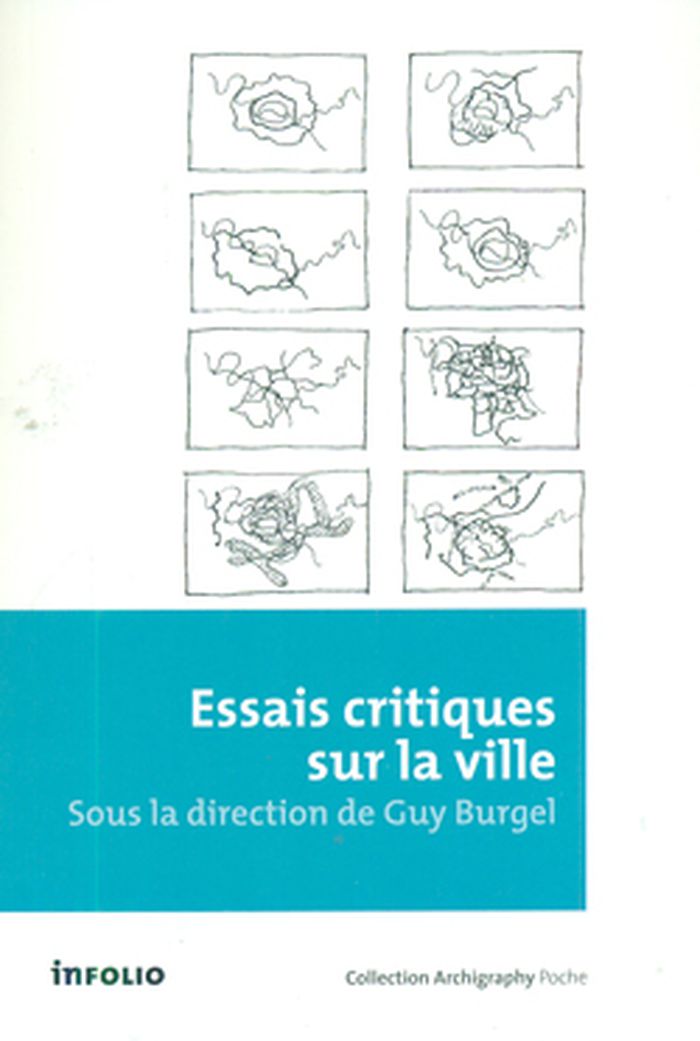
Plus qu’un état des savoirs, ces Essais constituent un état des réponses à des questions sur cinq thématiques fondamentales : espace et territoire, représentations de la ville, mobilité et appartenances sociales et territoriales, conception architecturale et urbaine de l’espace, entrée de la ville en politique. De grandes questions jalonnent cet itinéraire : quels rapports unissent villes et sociétés, quelles effets économiques génèrent les villes, à quels espaces renvoient-elles, quelles réponses l’urbanisme apporte-til aux problèmes contemporains. Sur cette base, les contributeurs s’attachent à élaborer une théorie générale de l’urbain.
Essais critiques sur la ville
Actions:
Prix:
$32.95
(disponible en magasin)
Résumé:
Plus qu’un état des savoirs, ces Essais constituent un état des réponses à des questions sur cinq thématiques fondamentales : espace et territoire, représentations de la ville, mobilité et appartenances sociales et territoriales, conception architecturale et urbaine de l’espace, entrée de la ville en politique. De grandes questions jalonnent cet itinéraire : quels rapports unissent villes et sociétés, quelles effets économiques génèrent les villes, à quels espaces renvoient-elles, quelles réponses l’urbanisme apporte-til aux problèmes contemporains. Sur cette base, les contributeurs s’attachent à élaborer une théorie générale de l’urbain.
Classification:
livres
livres
Publication:
septembre 2015
septembre 2015
Sujet:
Théorie de l’urbanisme
Théorie de l’urbanisme
Classification:
livres
livres
Actions:
Prix:
$44.95
(disponible sur commande)
Résumé:
Loin des visions négatives de la ville, qui en font un lieu de conflit ou d'angoisse, cet ouvrage présente le rapport enthousiaste, voire joueur, que les artistes peuvent entretenir avec le milieu urbain, à travers diverses thématiques : la tension entre ville tentaculaire et ville miniaturisée, l'écran dans la ville, le croisement entre ville et lettre (typographique ou(...)
$44.95
(disponible sur commande)
Résumé:
Loin des visions négatives de la ville, qui en font un lieu de conflit ou d'angoisse, cet ouvrage présente le rapport enthousiaste, voire joueur, que les artistes peuvent entretenir avec le milieu urbain, à travers diverses thématiques : la tension entre ville tentaculaire et ville miniaturisée, l'écran dans la ville, le croisement entre ville et lettre (typographique ou(...)
Titre:
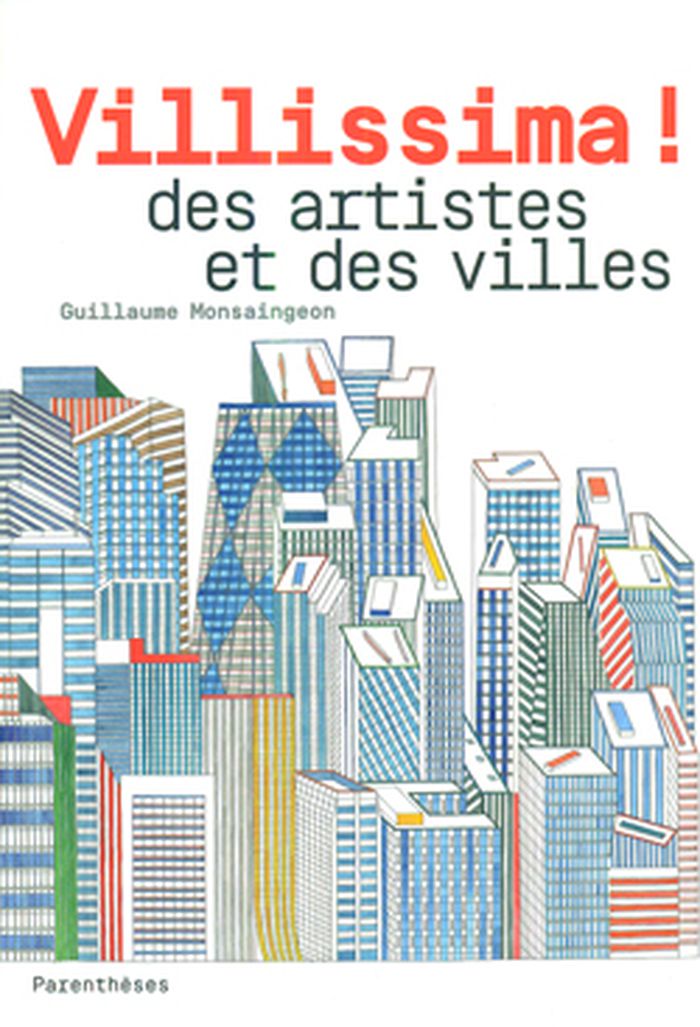
Villissima !: des artistes et des villes
Actions:
Prix:
$44.95
(disponible sur commande)
Résumé:
Loin des visions négatives de la ville, qui en font un lieu de conflit ou d'angoisse, cet ouvrage présente le rapport enthousiaste, voire joueur, que les artistes peuvent entretenir avec le milieu urbain, à travers diverses thématiques : la tension entre ville tentaculaire et ville miniaturisée, l'écran dans la ville, le croisement entre ville et lettre (typographique ou littéraire), etc.
Villissima !: des artistes et des villes
Actions:
Prix:
$44.95
(disponible sur commande)
Résumé:
Loin des visions négatives de la ville, qui en font un lieu de conflit ou d'angoisse, cet ouvrage présente le rapport enthousiaste, voire joueur, que les artistes peuvent entretenir avec le milieu urbain, à travers diverses thématiques : la tension entre ville tentaculaire et ville miniaturisée, l'écran dans la ville, le croisement entre ville et lettre (typographique ou littéraire), etc.
Classification:
livres
livres
Publication:
septembre 2015
septembre 2015
Sujet:
Théorie de l’urbanisme
Théorie de l’urbanisme
Classification:
livres
livres
Titre:
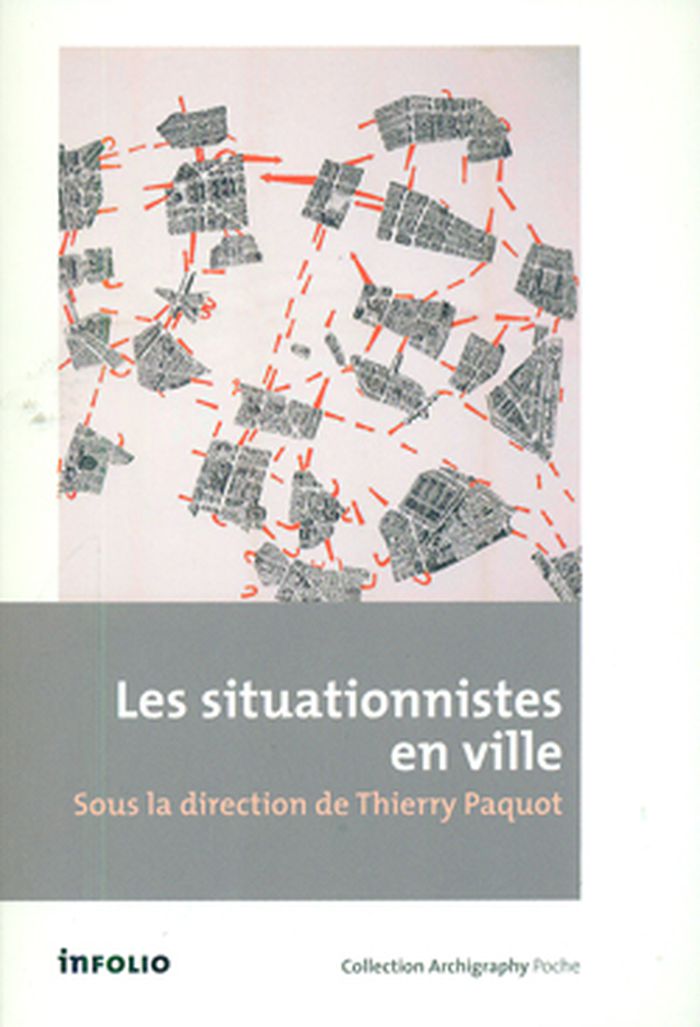
Les situationnistes en ville
Les situationnistes en ville
Actions:
Prix:
$29.95
(disponible sur commande)
Résumé:
Le mouvement situationniste, né en 1957, a défendu ses thèses sur la «psychogéographie», la «dérive», «l’urbanisme unitaire»… dans sa revue L’Internationale Situationniste. Ces notions ont parfois été altérées par des thuriféraires zélés ou par des contradicteurs indélicats. Contre l’architecture académique, contre l’architecture fonctionnaliste, elles exaltent la ville(...)
$29.95
(disponible sur commande)
Résumé:
Le mouvement situationniste, né en 1957, a défendu ses thèses sur la «psychogéographie», la «dérive», «l’urbanisme unitaire»… dans sa revue L’Internationale Situationniste. Ces notions ont parfois été altérées par des thuriféraires zélés ou par des contradicteurs indélicats. Contre l’architecture académique, contre l’architecture fonctionnaliste, elles exaltent la ville(...)
Titre:
Les situationnistes en ville
Actions:
Prix:
$29.95
(disponible sur commande)
Résumé:
Le mouvement situationniste, né en 1957, a défendu ses thèses sur la «psychogéographie», la «dérive», «l’urbanisme unitaire»… dans sa revue L’Internationale Situationniste. Ces notions ont parfois été altérées par des thuriféraires zélés ou par des contradicteurs indélicats. Contre l’architecture académique, contre l’architecture fonctionnaliste, elles exaltent la ville labyrinthique, les rencontres, les surprises, les détournements, la gratuité, et dénoncent les conformismes. Plutôt que d’évaluer la pertinence de ces thèses, ce livre a l’ambition de poursuivre leur salutaire oeuvre de dénonciation des pièges consommatoires et de contribuer à résister là où il y a oppression, à inventer là où il y a imposition d’un modèle libéralotechnocratique, à expérimenter là où la globalisation favorise la répétition du même.
Les situationnistes en ville
Actions:
Prix:
$29.95
(disponible sur commande)
Résumé:
Le mouvement situationniste, né en 1957, a défendu ses thèses sur la «psychogéographie», la «dérive», «l’urbanisme unitaire»… dans sa revue L’Internationale Situationniste. Ces notions ont parfois été altérées par des thuriféraires zélés ou par des contradicteurs indélicats. Contre l’architecture académique, contre l’architecture fonctionnaliste, elles exaltent la ville labyrinthique, les rencontres, les surprises, les détournements, la gratuité, et dénoncent les conformismes. Plutôt que d’évaluer la pertinence de ces thèses, ce livre a l’ambition de poursuivre leur salutaire oeuvre de dénonciation des pièges consommatoires et de contribuer à résister là où il y a oppression, à inventer là où il y a imposition d’un modèle libéralotechnocratique, à expérimenter là où la globalisation favorise la répétition du même.
Classification:
livres
livres
Publication:
septembre 2015
septembre 2015
Sujet:
Théorie de l’urbanisme
Théorie de l’urbanisme
Classification:
livres
livres

Actions:
Prix:
$51.95
(disponible sur commande)
Résumé:
Cities will continue to accommodate the automobile, but when cities are built around them, the quality of human and natural life declines. Current trends show great promise for future urban mobility systems that enable freedom and connection, but not dependence. We are experiencing the phenomenon of peak car use in many global cities at the same time that urban rail is(...)
$51.95
(disponible sur commande)
Résumé:
Cities will continue to accommodate the automobile, but when cities are built around them, the quality of human and natural life declines. Current trends show great promise for future urban mobility systems that enable freedom and connection, but not dependence. We are experiencing the phenomenon of peak car use in many global cities at the same time that urban rail is(...)
Titre:
The end of automobile dependence
Actions:
Prix:
$51.95
(disponible sur commande)
Résumé:
Cities will continue to accommodate the automobile, but when cities are built around them, the quality of human and natural life declines. Current trends show great promise for future urban mobility systems that enable freedom and connection, but not dependence. We are experiencing the phenomenon of peak car use in many global cities at the same time that urban rail is thriving, central cities are revitalizing, and suburban sprawl is reversing. Walking and cycling are growing in many cities, along with ubiquitous bike sharing schemes, which have contributed to new investment and vitality in central cities including Melbourne, Seattle, Chicago, and New York.
The end of automobile dependence
Actions:
Prix:
$51.95
(disponible sur commande)
Résumé:
Cities will continue to accommodate the automobile, but when cities are built around them, the quality of human and natural life declines. Current trends show great promise for future urban mobility systems that enable freedom and connection, but not dependence. We are experiencing the phenomenon of peak car use in many global cities at the same time that urban rail is thriving, central cities are revitalizing, and suburban sprawl is reversing. Walking and cycling are growing in many cities, along with ubiquitous bike sharing schemes, which have contributed to new investment and vitality in central cities including Melbourne, Seattle, Chicago, and New York.
Classification:
livres
livres
Publication:
octobre 2015
octobre 2015
Sujet:
Théorie de l’urbanisme
Théorie de l’urbanisme
Classification:
livres
livres
Titre:
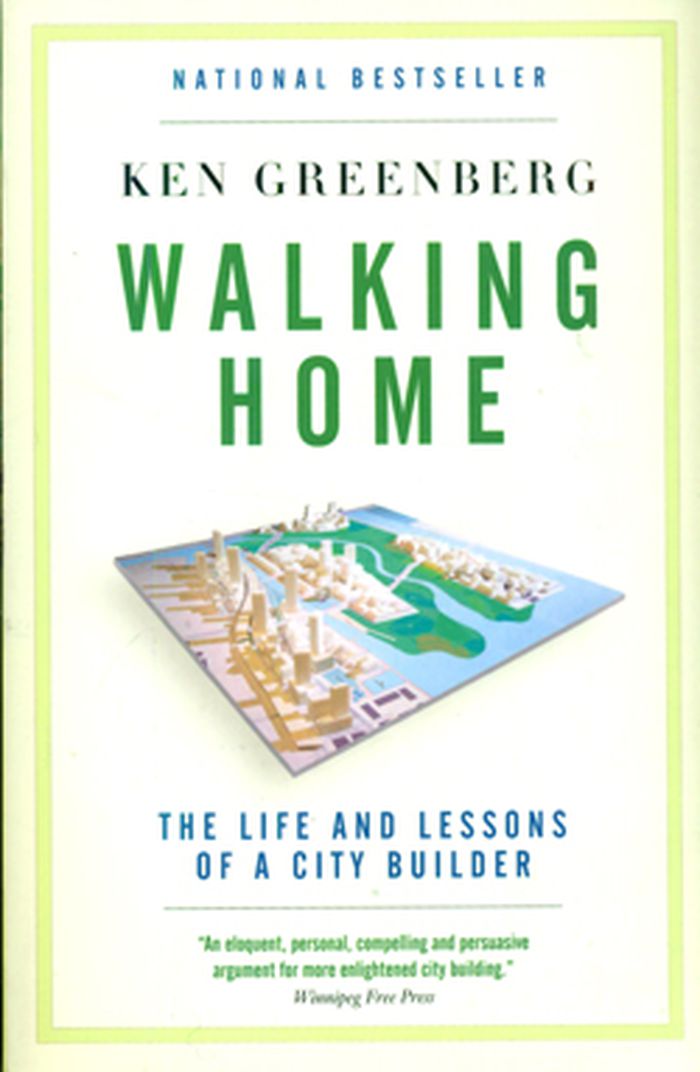
Walking home
Walking home
Actions:
Prix:
$21.00
(disponible sur commande)
Résumé:
From a youth spent in the boroughs of New York City and other great cities of the world, to his beginnings as an architect in Toronto, Ken Greenberg has long recognized that cities at their best provide much of what we seek in a place to call home. Community, places of culture and business that we can walk to, mass transit and a wealth of amenities that couldn't be(...)
$21.00
(disponible sur commande)
Résumé:
From a youth spent in the boroughs of New York City and other great cities of the world, to his beginnings as an architect in Toronto, Ken Greenberg has long recognized that cities at their best provide much of what we seek in a place to call home. Community, places of culture and business that we can walk to, mass transit and a wealth of amenities that couldn't be(...)
Titre:
Walking home
Actions:
Prix:
$21.00
(disponible sur commande)
Résumé:
From a youth spent in the boroughs of New York City and other great cities of the world, to his beginnings as an architect in Toronto, Ken Greenberg has long recognized that cities at their best provide much of what we seek in a place to call home. Community, places of culture and business that we can walk to, mass transit and a wealth of amenities that couldn't be supported without a city's density: the mid-century drive to suburbanization deprived us of these inherent advantages of urban living. The realization of this loss, in tandem with pressing recent concerns about energy scarcity and global warming, has made us see cities with fresh eyes and a growing understanding that they can provide us with an unparalleled measure of sustainability.Ken Greenberg has not only advocated for the renewal of downtown cores, he has for thirty years designed the very means by which that renewal can happen. Walking Home is both Ken's story and a lesson in turning the world's urban spaces back into places that can give us not only a platform to face the challenges of the future, but also a place we can call, with pride and satisfaction, home.
Walking home
Actions:
Prix:
$21.00
(disponible sur commande)
Résumé:
From a youth spent in the boroughs of New York City and other great cities of the world, to his beginnings as an architect in Toronto, Ken Greenberg has long recognized that cities at their best provide much of what we seek in a place to call home. Community, places of culture and business that we can walk to, mass transit and a wealth of amenities that couldn't be supported without a city's density: the mid-century drive to suburbanization deprived us of these inherent advantages of urban living. The realization of this loss, in tandem with pressing recent concerns about energy scarcity and global warming, has made us see cities with fresh eyes and a growing understanding that they can provide us with an unparalleled measure of sustainability.Ken Greenberg has not only advocated for the renewal of downtown cores, he has for thirty years designed the very means by which that renewal can happen. Walking Home is both Ken's story and a lesson in turning the world's urban spaces back into places that can give us not only a platform to face the challenges of the future, but also a place we can call, with pride and satisfaction, home.
Classification:
livres
livres
Publication:
octobre 2015
octobre 2015
Sujet:
Théorie de l’urbanisme
Théorie de l’urbanisme
Classification:
livres
livres
Actions:
Prix:
$22.95
(disponible sur commande)
Résumé:
La question métropolitaine s’impose dans les débats en France pendant que nombre d’entre nous en font l’expérience quotidienne, ne serait-ce qu’en se déplaçant pour aller travailler, étudier, consommer ou se divertir. Elle s’institutionnalise avec l’invention de la métropole depuis le 1er janvier 2015, alors qu’aux États-Unis, si l’expression « révolution métropolitaine »(...)
$22.95
(disponible sur commande)
Résumé:
La question métropolitaine s’impose dans les débats en France pendant que nombre d’entre nous en font l’expérience quotidienne, ne serait-ce qu’en se déplaçant pour aller travailler, étudier, consommer ou se divertir. Elle s’institutionnalise avec l’invention de la métropole depuis le 1er janvier 2015, alors qu’aux États-Unis, si l’expression « révolution métropolitaine »(...)
Titre:
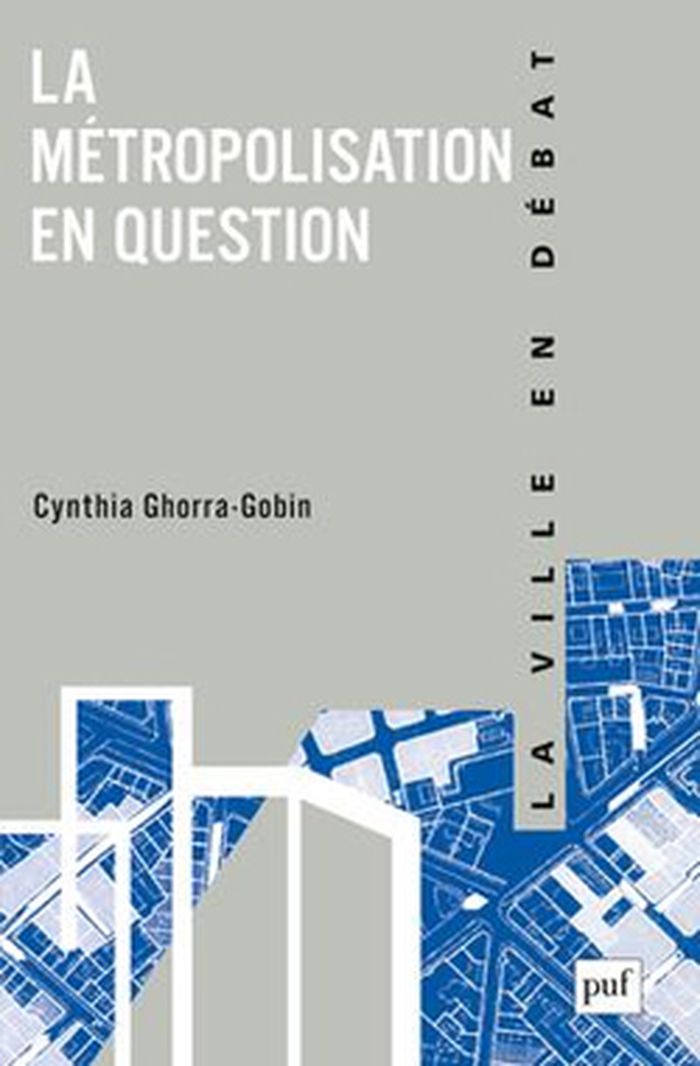
La métropolisation en question
Actions:
Prix:
$22.95
(disponible sur commande)
Résumé:
La question métropolitaine s’impose dans les débats en France pendant que nombre d’entre nous en font l’expérience quotidienne, ne serait-ce qu’en se déplaçant pour aller travailler, étudier, consommer ou se divertir. Elle s’institutionnalise avec l’invention de la métropole depuis le 1er janvier 2015, alors qu’aux États-Unis, si l’expression « révolution métropolitaine » est utilisée pour signifier l’importance du bouleversement économique et spatial, elle n’a pas encore de traduction politique concrète. Les études évoquent l’urbanisation de la banlieue et la périphérisation du centre, parallèlement à la diffusion des emplois sur un territoire urbanisé plus large qu’autrefois. Dans le but de dépasser le débat national opposant la « France des flux » et la « France périphérique », l’analyse souligne la convergence de deux traditions scientifiques (France, États-Unis). Ce qui permet d’identifier sur un mode pertinent l’enjeu central de la métropole, outre les inégalités sociales et spatiales : la modification à terme du rapport d’un État centralisé à son territoire.
La métropolisation en question
Actions:
Prix:
$22.95
(disponible sur commande)
Résumé:
La question métropolitaine s’impose dans les débats en France pendant que nombre d’entre nous en font l’expérience quotidienne, ne serait-ce qu’en se déplaçant pour aller travailler, étudier, consommer ou se divertir. Elle s’institutionnalise avec l’invention de la métropole depuis le 1er janvier 2015, alors qu’aux États-Unis, si l’expression « révolution métropolitaine » est utilisée pour signifier l’importance du bouleversement économique et spatial, elle n’a pas encore de traduction politique concrète. Les études évoquent l’urbanisation de la banlieue et la périphérisation du centre, parallèlement à la diffusion des emplois sur un territoire urbanisé plus large qu’autrefois. Dans le but de dépasser le débat national opposant la « France des flux » et la « France périphérique », l’analyse souligne la convergence de deux traditions scientifiques (France, États-Unis). Ce qui permet d’identifier sur un mode pertinent l’enjeu central de la métropole, outre les inégalités sociales et spatiales : la modification à terme du rapport d’un État centralisé à son territoire.
Classification:
livres
livres
Publication:
octobre 2015
octobre 2015
Sujet:
Théorie de l’urbanisme
Théorie de l’urbanisme


