


1923 Résultats
Classification:
livres
livres
Actions:
Prix:
$22.00
(disponible sur commande)
Résumé:
In ''Direct Deliberative Democracy,'' Jack Crittenden and Debra Campbell offer up a better way for government to reflect citizens' interests. It begins with a startlingly basic question: ''Why don’t we the people govern?'' In this provocative book, the authors mount a powerful case that the time has come for more direct democracy in the United States, showing that the(...)
$22.00
(disponible sur commande)
Résumé:
In ''Direct Deliberative Democracy,'' Jack Crittenden and Debra Campbell offer up a better way for government to reflect citizens' interests. It begins with a startlingly basic question: ''Why don’t we the people govern?'' In this provocative book, the authors mount a powerful case that the time has come for more direct democracy in the United States, showing that the(...)
Titre:
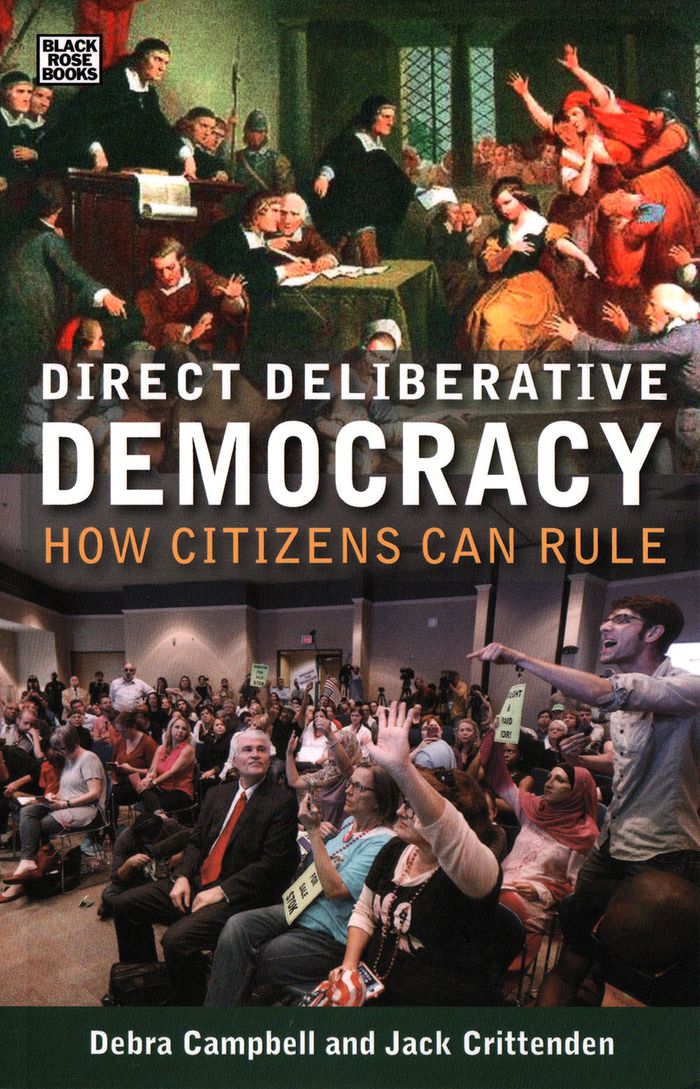
Direct deliberative democracy: how citizens can rule
Actions:
Prix:
$22.00
(disponible sur commande)
Résumé:
In ''Direct Deliberative Democracy,'' Jack Crittenden and Debra Campbell offer up a better way for government to reflect citizens' interests. It begins with a startlingly basic question: ''Why don’t we the people govern?'' In this provocative book, the authors mount a powerful case that the time has come for more direct democracy in the United States, showing that the circumstances that made the Constitutional framers' arguments so convincing more than two hundred years ago have changed dramatically—and that our democracy needs to change with them. With money, lobbyists, and corporations now dominating local, state, and national elections, the authors argue that now is the time for citizens to take control of their government by deliberating together to make public policies and laws directly.
Direct deliberative democracy: how citizens can rule
Actions:
Prix:
$22.00
(disponible sur commande)
Résumé:
In ''Direct Deliberative Democracy,'' Jack Crittenden and Debra Campbell offer up a better way for government to reflect citizens' interests. It begins with a startlingly basic question: ''Why don’t we the people govern?'' In this provocative book, the authors mount a powerful case that the time has come for more direct democracy in the United States, showing that the circumstances that made the Constitutional framers' arguments so convincing more than two hundred years ago have changed dramatically—and that our democracy needs to change with them. With money, lobbyists, and corporations now dominating local, state, and national elections, the authors argue that now is the time for citizens to take control of their government by deliberating together to make public policies and laws directly.
Classification:
livres
livres
Publication:
mars 2019
mars 2019
Sujet:
Théorie de l’urbanisme
Théorie de l’urbanisme
Classification:
livres
livres
Prix:
$71.95
(disponible sur commande)
Résumé:
Following on from the success of the first edition, ''Smartcities + Eco-Warriors'' (2010), this book is the latest response on urban resilience from one of the world's leading urban design and architectural thinkers. An ecological symbiosis between nature, society and the built form, the Smartcity cultivates new spatial practices and creates diverse forms of resilient(...)
$71.95
(disponible sur commande)
Résumé:
Following on from the success of the first edition, ''Smartcities + Eco-Warriors'' (2010), this book is the latest response on urban resilience from one of the world's leading urban design and architectural thinkers. An ecological symbiosis between nature, society and the built form, the Smartcity cultivates new spatial practices and creates diverse forms of resilient(...)
Titre:
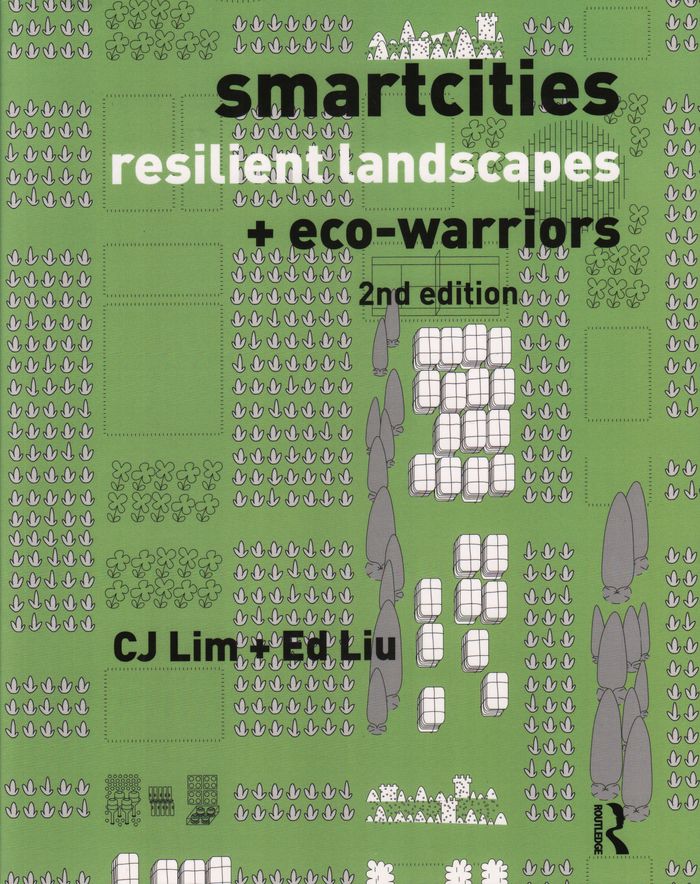
Smartcities, resilient landscape and eco-warriors. 2nd edition
Actions:
Prix:
$71.95
(disponible sur commande)
Résumé:
Following on from the success of the first edition, ''Smartcities + Eco-Warriors'' (2010), this book is the latest response on urban resilience from one of the world's leading urban design and architectural thinkers. An ecological symbiosis between nature, society and the built form, the Smartcity cultivates new spatial practices and creates diverse forms of resilient landscapes including and beyond urban agriculture. The notion of the Smartcity is developed through a series of international case studies, some commissioned by government organisations, others speculative and polemic. This second edition has nine new case studies, and additional ecological sustainability studies covering sensitivity, design criteria, and assessments for ecological construction plans.
Smartcities, resilient landscape and eco-warriors. 2nd edition
Actions:
Prix:
$71.95
(disponible sur commande)
Résumé:
Following on from the success of the first edition, ''Smartcities + Eco-Warriors'' (2010), this book is the latest response on urban resilience from one of the world's leading urban design and architectural thinkers. An ecological symbiosis between nature, society and the built form, the Smartcity cultivates new spatial practices and creates diverse forms of resilient landscapes including and beyond urban agriculture. The notion of the Smartcity is developed through a series of international case studies, some commissioned by government organisations, others speculative and polemic. This second edition has nine new case studies, and additional ecological sustainability studies covering sensitivity, design criteria, and assessments for ecological construction plans.
Classification:
livres
livres
Publication:
mai 2019
mai 2019
Sujet:
Théorie de l’urbanisme
Théorie de l’urbanisme
Classification:
livres
livres
Actions:
Prix:
$29.95
(disponible sur commande)
Résumé:
We tend to think cities look the way they do because of the conscious work of architects, planners and builders. But what if the look of cities had less to do with design, and more to do with social, cultural, financial and political processes, and the way ordinary citizens interact with them? This book is the story of dramatic but unforeseen urban sights: how(...)
$29.95
(disponible sur commande)
Résumé:
We tend to think cities look the way they do because of the conscious work of architects, planners and builders. But what if the look of cities had less to do with design, and more to do with social, cultural, financial and political processes, and the way ordinary citizens interact with them? This book is the story of dramatic but unforeseen urban sights: how(...)
Titre:
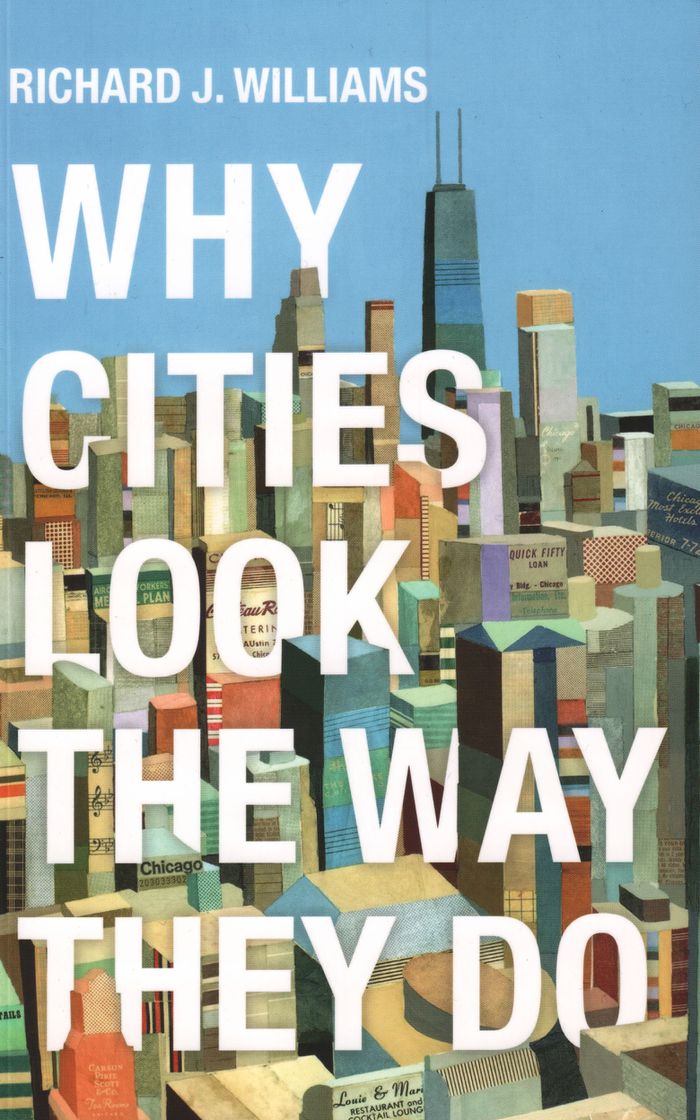
Why cities look the way they do
Actions:
Prix:
$29.95
(disponible sur commande)
Résumé:
We tend to think cities look the way they do because of the conscious work of architects, planners and builders. But what if the look of cities had less to do with design, and more to do with social, cultural, financial and political processes, and the way ordinary citizens interact with them? This book is the story of dramatic but unforeseen urban sights: how financial capital spawns empty towering skyscrapers and hollowed-out ghettoes; how the zoning of once-illicit sexual practices in marginal areas of the city results in the reinvention of culturally vibrant gay villages; how abandoned factories have been repurposed as creative hubs in a precarious postindustrial economy. It is also the story of how popular urban clichés and the fictional portrayal of cities powerfully shape the way we read and see the bricks, concrete and glass that surround us.
Why cities look the way they do
Actions:
Prix:
$29.95
(disponible sur commande)
Résumé:
We tend to think cities look the way they do because of the conscious work of architects, planners and builders. But what if the look of cities had less to do with design, and more to do with social, cultural, financial and political processes, and the way ordinary citizens interact with them? This book is the story of dramatic but unforeseen urban sights: how financial capital spawns empty towering skyscrapers and hollowed-out ghettoes; how the zoning of once-illicit sexual practices in marginal areas of the city results in the reinvention of culturally vibrant gay villages; how abandoned factories have been repurposed as creative hubs in a precarious postindustrial economy. It is also the story of how popular urban clichés and the fictional portrayal of cities powerfully shape the way we read and see the bricks, concrete and glass that surround us.
Classification:
livres
livres
Publication:
juin 2019
juin 2019
Sujet:
Théorie de l’urbanisme
Théorie de l’urbanisme
Classification:
livres
livres
Titre:
The black city
The black city
Actions:
Prix:
$41.95
(disponible sur commande)
Résumé:
"The Black City" is a portrait of New York City written by Hubert Fichte between 1978 and 1980. One of Germany’s most important postwar authors, Fichte researched the city as the center of the African diaspora, conducting interviews and composing essays about syncretism in culture and the arts, material living conditions in the city, and political and individual struggles(...)
$41.95
(disponible sur commande)
Résumé:
"The Black City" is a portrait of New York City written by Hubert Fichte between 1978 and 1980. One of Germany’s most important postwar authors, Fichte researched the city as the center of the African diaspora, conducting interviews and composing essays about syncretism in culture and the arts, material living conditions in the city, and political and individual struggles(...)
Titre:
The black city
Actions:
Prix:
$41.95
(disponible sur commande)
Résumé:
"The Black City" is a portrait of New York City written by Hubert Fichte between 1978 and 1980. One of Germany’s most important postwar authors, Fichte researched the city as the center of the African diaspora, conducting interviews and composing essays about syncretism in culture and the arts, material living conditions in the city, and political and individual struggles based on race, class, and sexuality.
The black city
Actions:
Prix:
$41.95
(disponible sur commande)
Résumé:
"The Black City" is a portrait of New York City written by Hubert Fichte between 1978 and 1980. One of Germany’s most important postwar authors, Fichte researched the city as the center of the African diaspora, conducting interviews and composing essays about syncretism in culture and the arts, material living conditions in the city, and political and individual struggles based on race, class, and sexuality.
Classification:
livres
livres
Publication:
décembre 2018
décembre 2018
Classification:
livres
livres
Prix:
$28.95
(disponible sur commande)
Résumé:
In car-clogged urban areas across the world, the humble bicycle is enjoying a second life as a legitimate form of transportation. City officials are rediscovering it as a multi-pronged (or -spoked) solution to acute, 21st-century problems, including affordability, obesity, congestion, climate change, inequity, and social isolation. As the world’s foremost cycling nation,(...)
$28.95
(disponible sur commande)
Résumé:
In car-clogged urban areas across the world, the humble bicycle is enjoying a second life as a legitimate form of transportation. City officials are rediscovering it as a multi-pronged (or -spoked) solution to acute, 21st-century problems, including affordability, obesity, congestion, climate change, inequity, and social isolation. As the world’s foremost cycling nation,(...)
Titre:
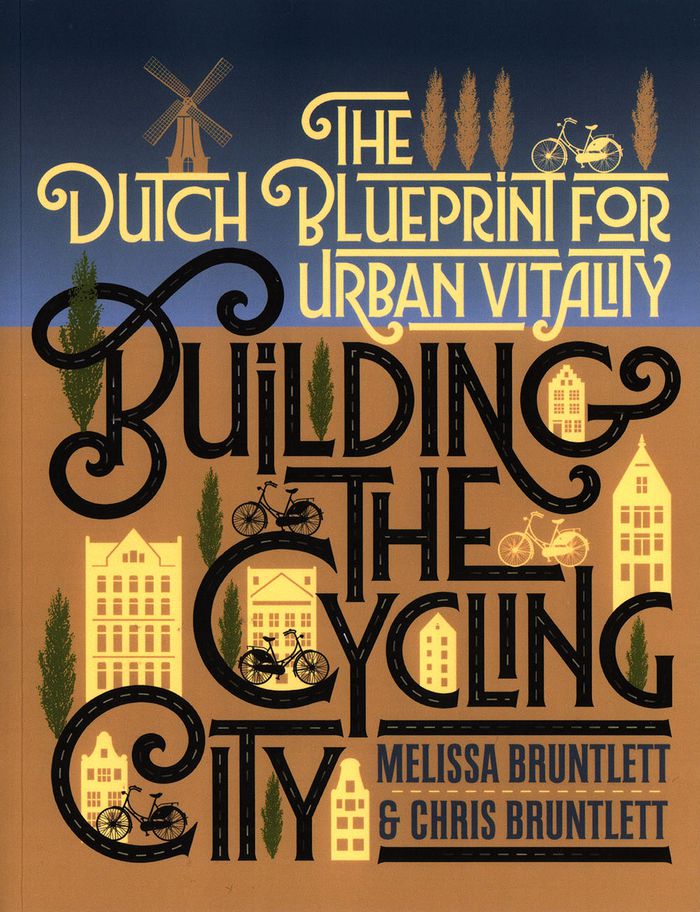
Building the cycling city: the Dutch blueprint for urban vitality
Actions:
Prix:
$28.95
(disponible sur commande)
Résumé:
In car-clogged urban areas across the world, the humble bicycle is enjoying a second life as a legitimate form of transportation. City officials are rediscovering it as a multi-pronged (or -spoked) solution to acute, 21st-century problems, including affordability, obesity, congestion, climate change, inequity, and social isolation. As the world’s foremost cycling nation, the Netherlands is the only country where the number of bikes exceeds the number of people, primarily because the Dutch have built a cycling culture accessible to everyone, regardless of age, ability, or economic means. Chris and Melissa Bruntlett share the incredible success of the Netherlands through engaging interviews with local experts and stories of their own delightful experiences riding in five Dutch cities.
Building the cycling city: the Dutch blueprint for urban vitality
Actions:
Prix:
$28.95
(disponible sur commande)
Résumé:
In car-clogged urban areas across the world, the humble bicycle is enjoying a second life as a legitimate form of transportation. City officials are rediscovering it as a multi-pronged (or -spoked) solution to acute, 21st-century problems, including affordability, obesity, congestion, climate change, inequity, and social isolation. As the world’s foremost cycling nation, the Netherlands is the only country where the number of bikes exceeds the number of people, primarily because the Dutch have built a cycling culture accessible to everyone, regardless of age, ability, or economic means. Chris and Melissa Bruntlett share the incredible success of the Netherlands through engaging interviews with local experts and stories of their own delightful experiences riding in five Dutch cities.
Classification:
livres
livres
Publication:
août 2018
août 2018
Sujet:
Théorie de l’urbanisme
Théorie de l’urbanisme
Classification:
livres
livres
Actions:
Prix:
$46.00
(disponible sur commande)
Résumé:
'People Cities' discusses the work, theory, life, and influence of Jan Gehl from the perspective of those who have worked with him across the globe. Jan Ghel’s research, theories, and strategies have been helping cities to reclaim their public space and recover from the great post-WWII car invasion. His work has influenced public space improvements in over 50 global(...)
$46.00
(disponible sur commande)
Résumé:
'People Cities' discusses the work, theory, life, and influence of Jan Gehl from the perspective of those who have worked with him across the globe. Jan Ghel’s research, theories, and strategies have been helping cities to reclaim their public space and recover from the great post-WWII car invasion. His work has influenced public space improvements in over 50 global(...)
Titre:
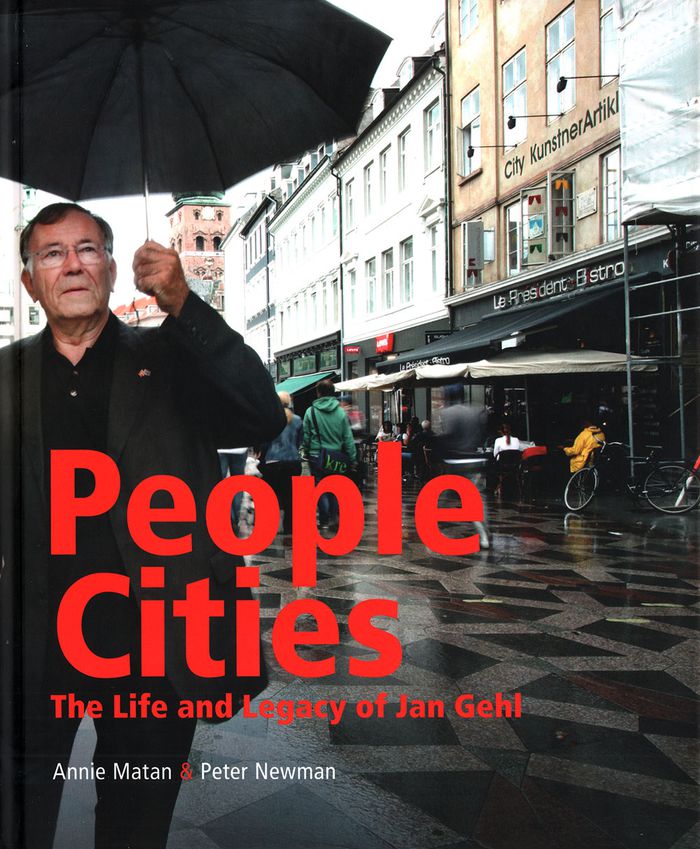
People cities: The life and legacy of Jan Gehl
Actions:
Prix:
$46.00
(disponible sur commande)
Résumé:
'People Cities' discusses the work, theory, life, and influence of Jan Gehl from the perspective of those who have worked with him across the globe. Jan Ghel’s research, theories, and strategies have been helping cities to reclaim their public space and recover from the great post-WWII car invasion. His work has influenced public space improvements in over 50 global cities, including New York, London, Moscow, Copenhagen, Melbourne, Sydney, and the authors’ hometown of Perth.
People cities: The life and legacy of Jan Gehl
Actions:
Prix:
$46.00
(disponible sur commande)
Résumé:
'People Cities' discusses the work, theory, life, and influence of Jan Gehl from the perspective of those who have worked with him across the globe. Jan Ghel’s research, theories, and strategies have been helping cities to reclaim their public space and recover from the great post-WWII car invasion. His work has influenced public space improvements in over 50 global cities, including New York, London, Moscow, Copenhagen, Melbourne, Sydney, and the authors’ hometown of Perth.
Classification:
livres
livres
Publication:
janvier 2017
janvier 2017
Sujet:
Théorie de l’urbanisme
Théorie de l’urbanisme
Classification:
livres
livres
Actions:
Prix:
$34.95
(disponible sur commande)
Résumé:
In order to understand and improve cities today, personal observation remains as important as ever. While big data, digital mapping, and simulated cityscapes are valuable tools for understanding urban space, using them without on-the-ground, human impressions risks creating places that do not reflect authentic local context. "Seeing the Better City" brings our attention(...)
$34.95
(disponible sur commande)
Résumé:
In order to understand and improve cities today, personal observation remains as important as ever. While big data, digital mapping, and simulated cityscapes are valuable tools for understanding urban space, using them without on-the-ground, human impressions risks creating places that do not reflect authentic local context. "Seeing the Better City" brings our attention(...)
Titre:
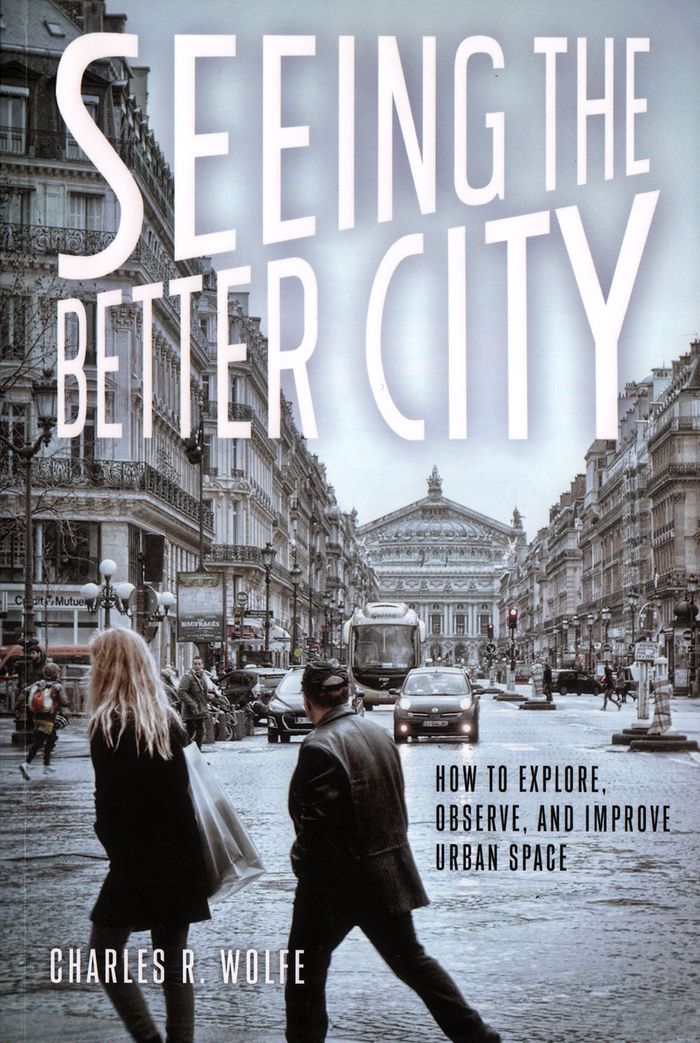
Seeing the better city: how to explore, observe, and improve urban space
Actions:
Prix:
$34.95
(disponible sur commande)
Résumé:
In order to understand and improve cities today, personal observation remains as important as ever. While big data, digital mapping, and simulated cityscapes are valuable tools for understanding urban space, using them without on-the-ground, human impressions risks creating places that do not reflect authentic local context. "Seeing the Better City" brings our attention back to the real world right in front of us, focusing it once more on the sights, sounds, and experiences of place in order to craft policies, plans, and regulations to shape better urban environments.
Seeing the better city: how to explore, observe, and improve urban space
Actions:
Prix:
$34.95
(disponible sur commande)
Résumé:
In order to understand and improve cities today, personal observation remains as important as ever. While big data, digital mapping, and simulated cityscapes are valuable tools for understanding urban space, using them without on-the-ground, human impressions risks creating places that do not reflect authentic local context. "Seeing the Better City" brings our attention back to the real world right in front of us, focusing it once more on the sights, sounds, and experiences of place in order to craft policies, plans, and regulations to shape better urban environments.
Classification:
livres
livres
Publication:
février 2017
février 2017
Sujet:
Théorie de l’urbanisme
Théorie de l’urbanisme
Classification:
livres
livres
Prix:
$33.95
(disponible sur commande)
Résumé:
Pour beaucoup, l'affaire est entendue : d'ici peu, le véhicule autonome aura amélioré nos villes, facilité nos déplacements, réduit les accidents et les embouteillages, modéré notre impact sur l'environnement. Faut-il prendre ces affirmations pour argent comptant ? Les auteurs passent au crible ces certitudes après avoir rassemblé les études disponibles dans le monde(...)
$33.95
(disponible sur commande)
Résumé:
Pour beaucoup, l'affaire est entendue : d'ici peu, le véhicule autonome aura amélioré nos villes, facilité nos déplacements, réduit les accidents et les embouteillages, modéré notre impact sur l'environnement. Faut-il prendre ces affirmations pour argent comptant ? Les auteurs passent au crible ces certitudes après avoir rassemblé les études disponibles dans le monde(...)
Titre:
Piloter le véhicule autonome : au service de la ville
Actions:
Prix:
$33.95
(disponible sur commande)
Résumé:
Pour beaucoup, l'affaire est entendue : d'ici peu, le véhicule autonome aura amélioré nos villes, facilité nos déplacements, réduit les accidents et les embouteillages, modéré notre impact sur l'environnement. Faut-il prendre ces affirmations pour argent comptant ? Les auteurs passent au crible ces certitudes après avoir rassemblé les études disponibles dans le monde entier, débattu de leurs points d'accord et de désaccord. Ils livrent la première analyse d'envergure sur le véhicule autonome. Ils proposent un concept, TRUST, centré sur la confiance et fondé sur un postulat simple : un objet technique est toujours un objet social. Aucune technologie ne peut être appréciée sans en appréhender les enjeux sur la vie des citoyens. Alors, le véhicule autonome sera-t-il la révolution annoncée ? Fera-t-il progresser la ville dans le sens du bien-être collectif ou accentuera-t-il ses déséquilibres actuels ? Tout dépend de la façon dont nous piloterons son arrivée sur nos territoires.
Piloter le véhicule autonome : au service de la ville
Actions:
Prix:
$33.95
(disponible sur commande)
Résumé:
Pour beaucoup, l'affaire est entendue : d'ici peu, le véhicule autonome aura amélioré nos villes, facilité nos déplacements, réduit les accidents et les embouteillages, modéré notre impact sur l'environnement. Faut-il prendre ces affirmations pour argent comptant ? Les auteurs passent au crible ces certitudes après avoir rassemblé les études disponibles dans le monde entier, débattu de leurs points d'accord et de désaccord. Ils livrent la première analyse d'envergure sur le véhicule autonome. Ils proposent un concept, TRUST, centré sur la confiance et fondé sur un postulat simple : un objet technique est toujours un objet social. Aucune technologie ne peut être appréciée sans en appréhender les enjeux sur la vie des citoyens. Alors, le véhicule autonome sera-t-il la révolution annoncée ? Fera-t-il progresser la ville dans le sens du bien-être collectif ou accentuera-t-il ses déséquilibres actuels ? Tout dépend de la façon dont nous piloterons son arrivée sur nos territoires.
Classification:
livres
livres
Publication:
avril 2019
avril 2019
Sujet:
Théorie de l’urbanisme
Théorie de l’urbanisme
Classification:
livres
livres
Actions:
Prix:
$41.95
(disponible sur commande)
Résumé:
Au début des années 1950, Nanterre, communiste depuis 1935 et tardivement industrialisée, comporte encore d’immenses friches, futurs bidonvilles où s’installeront de nombreux immigrés venus d’Algérie, du Maroc et du Portugal. La forte politisation ouvrière, la guerre d’Algérie, la construction de l’université où éclateront les révoltes de Mai 68, l’éloignement du(...)
$41.95
(disponible sur commande)
Résumé:
Au début des années 1950, Nanterre, communiste depuis 1935 et tardivement industrialisée, comporte encore d’immenses friches, futurs bidonvilles où s’installeront de nombreux immigrés venus d’Algérie, du Maroc et du Portugal. La forte politisation ouvrière, la guerre d’Algérie, la construction de l’université où éclateront les révoltes de Mai 68, l’éloignement du(...)
Titre:
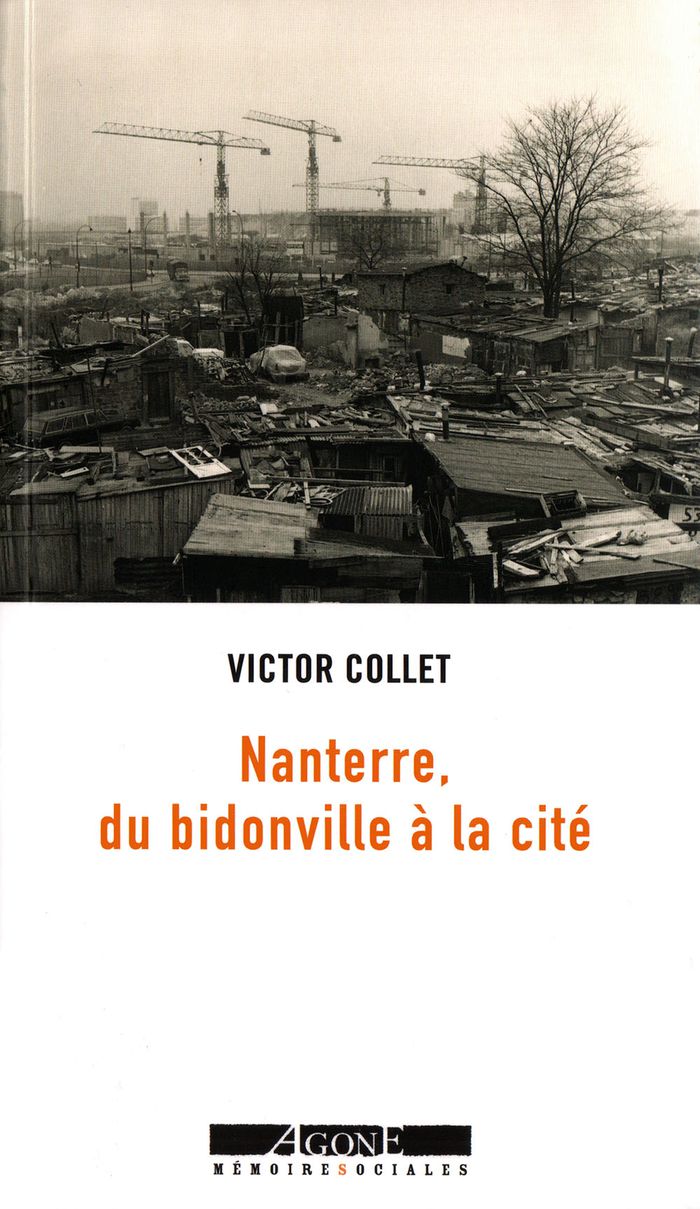
Nanterre, du bidonville à la cité
Actions:
Prix:
$41.95
(disponible sur commande)
Résumé:
Au début des années 1950, Nanterre, communiste depuis 1935 et tardivement industrialisée, comporte encore d’immenses friches, futurs bidonvilles où s’installeront de nombreux immigrés venus d’Algérie, du Maroc et du Portugal. La forte politisation ouvrière, la guerre d’Algérie, la construction de l’université où éclateront les révoltes de Mai 68, l’éloignement du communisme municipal d’avec la toute jeune cause des étrangers, en feront un laboratoire social de l’immigration au coeur du bouillonnement politique et intellectuel des années 1960 et 1970.
Nanterre, du bidonville à la cité
Actions:
Prix:
$41.95
(disponible sur commande)
Résumé:
Au début des années 1950, Nanterre, communiste depuis 1935 et tardivement industrialisée, comporte encore d’immenses friches, futurs bidonvilles où s’installeront de nombreux immigrés venus d’Algérie, du Maroc et du Portugal. La forte politisation ouvrière, la guerre d’Algérie, la construction de l’université où éclateront les révoltes de Mai 68, l’éloignement du communisme municipal d’avec la toute jeune cause des étrangers, en feront un laboratoire social de l’immigration au coeur du bouillonnement politique et intellectuel des années 1960 et 1970.
Classification:
livres
livres
Publication:
avril 2019
avril 2019
Sujet:
Théorie de l’urbanisme
Théorie de l’urbanisme
Classification:
livres
livres
Actions:
Prix:
$45.00
(disponible sur commande)
Résumé:
This second volume in the "Future Cities Laboratory Indicia" series focuses on the tools, methods and approaches needed for urban research. In short, following Marshall McLuhan’s famous provocation, the editors focus less on the message and more on the medium of research. This involves retreating from research contents—the topics, themes, questions, hypotheses, insights,(...)
$45.00
(disponible sur commande)
Résumé:
This second volume in the "Future Cities Laboratory Indicia" series focuses on the tools, methods and approaches needed for urban research. In short, following Marshall McLuhan’s famous provocation, the editors focus less on the message and more on the medium of research. This involves retreating from research contents—the topics, themes, questions, hypotheses, insights,(...)
Titre:
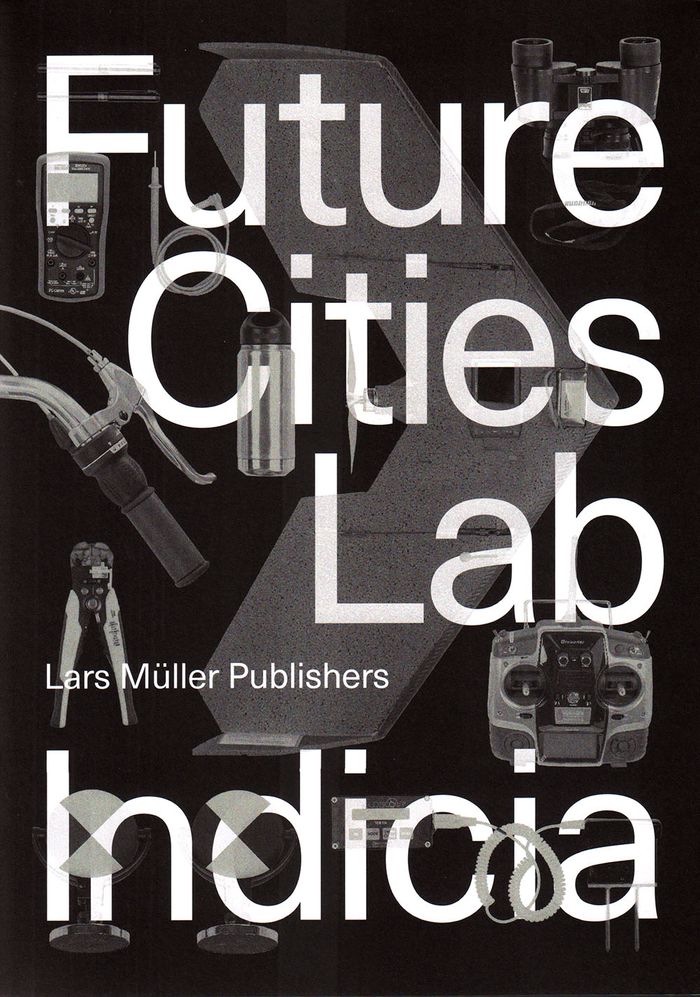
Future cities laboratory: Indicia 02
Actions:
Prix:
$45.00
(disponible sur commande)
Résumé:
This second volume in the "Future Cities Laboratory Indicia" series focuses on the tools, methods and approaches needed for urban research. In short, following Marshall McLuhan’s famous provocation, the editors focus less on the message and more on the medium of research. This involves retreating from research contents—the topics, themes, questions, hypotheses, insights, ideas, concepts and thoughts—for the moment to consider the materials, methods, tools, techniques and approaches that support them. This change in perspective reveals a rich array of research approaches that include two- and three-dimensional mapping of vegetation, temperature and humidity, in conjunction with point cloud terrestrial and airborne laser-scanning technology; gathering data from sensors and geospatial data and the emergence of “solution spaces” and multi-dimensional complexity science; subject-oriented approaches to behavioral and cognitive decision making in city navigation.
Future cities laboratory: Indicia 02
Actions:
Prix:
$45.00
(disponible sur commande)
Résumé:
This second volume in the "Future Cities Laboratory Indicia" series focuses on the tools, methods and approaches needed for urban research. In short, following Marshall McLuhan’s famous provocation, the editors focus less on the message and more on the medium of research. This involves retreating from research contents—the topics, themes, questions, hypotheses, insights, ideas, concepts and thoughts—for the moment to consider the materials, methods, tools, techniques and approaches that support them. This change in perspective reveals a rich array of research approaches that include two- and three-dimensional mapping of vegetation, temperature and humidity, in conjunction with point cloud terrestrial and airborne laser-scanning technology; gathering data from sensors and geospatial data and the emergence of “solution spaces” and multi-dimensional complexity science; subject-oriented approaches to behavioral and cognitive decision making in city navigation.
Classification:
livres
livres
Publication:
avril 2019
avril 2019
Sujet:
Théorie de l’urbanisme
Théorie de l’urbanisme


