


1923 Résultats
Classification:
livres
livres
Titre:
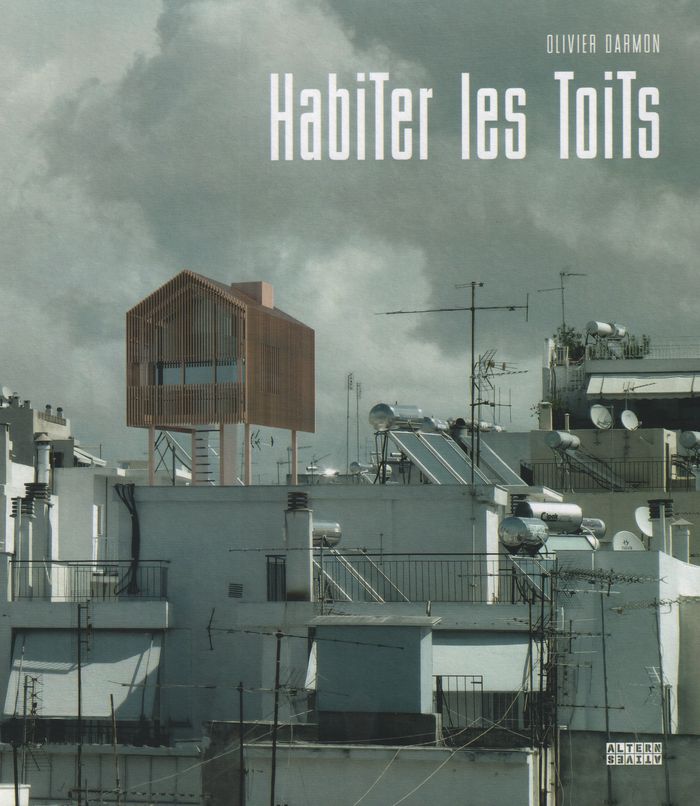
Habiter les toits
Habiter les toits
Actions:
Prix:
$62.95
(disponible sur commande)
Résumé:
Les toits tendent à se peupler. Ils constituent l’Eldorado des villes, regorgeant de ce qui manque aux citadins : du calme, de l’air, de l’espace, un horizon, des vues. À travers une trentaine de projets récents et internationaux, ce livre révèle la remarquable faculté des toits à assumer les fonctions les plus variées : accueillir les plantations de l’agriculture(...)
$62.95
(disponible sur commande)
Résumé:
Les toits tendent à se peupler. Ils constituent l’Eldorado des villes, regorgeant de ce qui manque aux citadins : du calme, de l’air, de l’espace, un horizon, des vues. À travers une trentaine de projets récents et internationaux, ce livre révèle la remarquable faculté des toits à assumer les fonctions les plus variées : accueillir les plantations de l’agriculture(...)
Titre:
Habiter les toits
Actions:
Prix:
$62.95
(disponible sur commande)
Résumé:
Les toits tendent à se peupler. Ils constituent l’Eldorado des villes, regorgeant de ce qui manque aux citadins : du calme, de l’air, de l’espace, un horizon, des vues. À travers une trentaine de projets récents et internationaux, ce livre révèle la remarquable faculté des toits à assumer les fonctions les plus variées : accueillir les plantations de l’agriculture urbaine, mais aussi des logements individuels ou collectifs, des places publiques et des équipements variés (aire de jeux, piste de ski, terrain de sport, installations artistiques, etc.).
Habiter les toits
Actions:
Prix:
$62.95
(disponible sur commande)
Résumé:
Les toits tendent à se peupler. Ils constituent l’Eldorado des villes, regorgeant de ce qui manque aux citadins : du calme, de l’air, de l’espace, un horizon, des vues. À travers une trentaine de projets récents et internationaux, ce livre révèle la remarquable faculté des toits à assumer les fonctions les plus variées : accueillir les plantations de l’agriculture urbaine, mais aussi des logements individuels ou collectifs, des places publiques et des équipements variés (aire de jeux, piste de ski, terrain de sport, installations artistiques, etc.).
Classification:
livres
livres
Publication:
octobre 2018
octobre 2018
Sujet:
Théorie de l’urbanisme
Théorie de l’urbanisme
Classification:
livres
livres
Prix:
$35.00
(disponible sur commande)
Résumé:
Figures du monde moderne. Nation, ville, architecture est le deuxième recueil de textes du sociologue Michel Freitag rassemblés à titre posthume sous le titre général de « Formes de la société ». Ce projet éditorial vise à rendre accessibles à un large public des écrits épuisés ou disséminés entre divers lieux de publication, à diffusion souvent restreinte, et à les(...)
$35.00
(disponible sur commande)
Résumé:
Figures du monde moderne. Nation, ville, architecture est le deuxième recueil de textes du sociologue Michel Freitag rassemblés à titre posthume sous le titre général de « Formes de la société ». Ce projet éditorial vise à rendre accessibles à un large public des écrits épuisés ou disséminés entre divers lieux de publication, à diffusion souvent restreinte, et à les(...)
Titre:
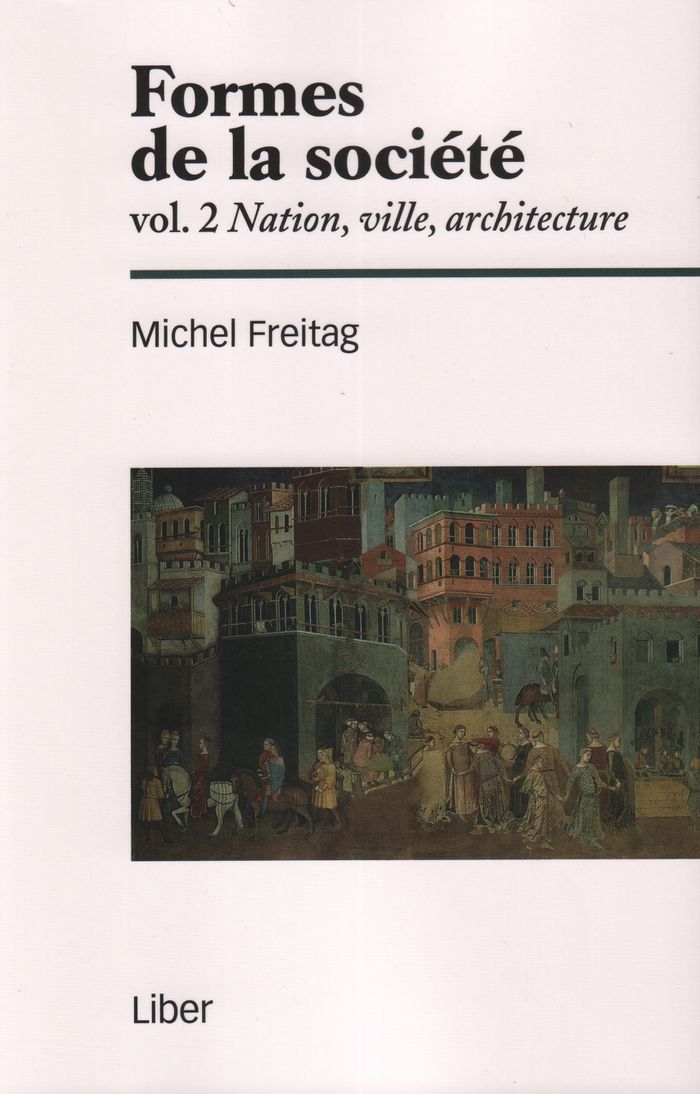
Formes de la société, vol. 2 : nation, ville, architecture
Actions:
Prix:
$35.00
(disponible sur commande)
Résumé:
Figures du monde moderne. Nation, ville, architecture est le deuxième recueil de textes du sociologue Michel Freitag rassemblés à titre posthume sous le titre général de « Formes de la société ». Ce projet éditorial vise à rendre accessibles à un large public des écrits épuisés ou disséminés entre divers lieux de publication, à diffusion souvent restreinte, et à les regrouper selon une thématique entrevue par l’auteur dès leur rédaction.
Formes de la société, vol. 2 : nation, ville, architecture
Actions:
Prix:
$35.00
(disponible sur commande)
Résumé:
Figures du monde moderne. Nation, ville, architecture est le deuxième recueil de textes du sociologue Michel Freitag rassemblés à titre posthume sous le titre général de « Formes de la société ». Ce projet éditorial vise à rendre accessibles à un large public des écrits épuisés ou disséminés entre divers lieux de publication, à diffusion souvent restreinte, et à les regrouper selon une thématique entrevue par l’auteur dès leur rédaction.
Classification:
livres
livres
Publication:
novembre 2018
novembre 2018
Sujet:
Théorie de l’urbanisme
Théorie de l’urbanisme
Classification:
livres
livres
Actions:
Prix:
$57.95
(disponible sur commande)
Résumé:
This publication iinvestigates 'city gaming' as a valid method for transforming urban planning into an inclusive and self-organising process that will generate humane cities.
$57.95
(disponible sur commande)
Résumé:
This publication iinvestigates 'city gaming' as a valid method for transforming urban planning into an inclusive and self-organising process that will generate humane cities.
Titre:
Play the city: games informing the urban development
Actions:
Prix:
$57.95
(disponible sur commande)
Résumé:
This publication iinvestigates 'city gaming' as a valid method for transforming urban planning into an inclusive and self-organising process that will generate humane cities.
Play the city: games informing the urban development
Actions:
Prix:
$57.95
(disponible sur commande)
Résumé:
This publication iinvestigates 'city gaming' as a valid method for transforming urban planning into an inclusive and self-organising process that will generate humane cities.
Classification:
livres
livres
Publication:
octobre 2017
octobre 2017
Sujet:
Théorie de l’urbanisme
Théorie de l’urbanisme
Classification:
livres
livres
Prix:
$41.95
(disponible sur commande)
Résumé:
À l’heure où l’appropriation de l’espace public fait l’objet de multiples revendications, Matthias Lecoq explore les différents rôles que revêt l’habitant dans la production de la ville et s’interroge sur le sens à donner à ses actions. Reprenant le concept du droit à la ville forgé par Henri Lefebvre il y a plus de cinquante ans, cet ouvrage se propose d’en interroger le(...)
$41.95
(disponible sur commande)
Résumé:
À l’heure où l’appropriation de l’espace public fait l’objet de multiples revendications, Matthias Lecoq explore les différents rôles que revêt l’habitant dans la production de la ville et s’interroge sur le sens à donner à ses actions. Reprenant le concept du droit à la ville forgé par Henri Lefebvre il y a plus de cinquante ans, cet ouvrage se propose d’en interroger le(...)
Titre:
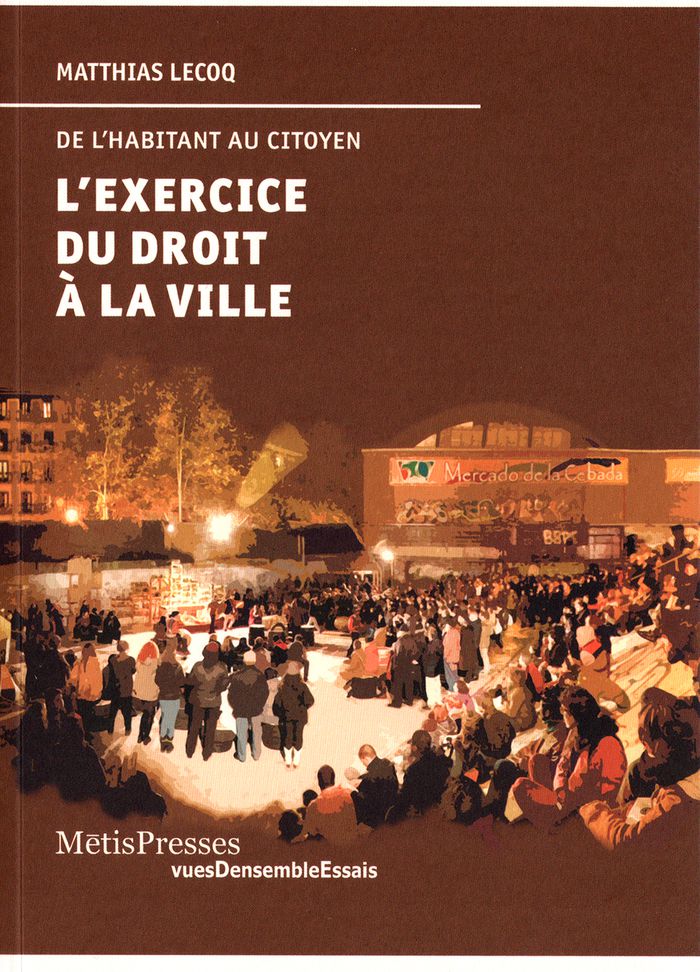
L'exercice du droit à la ville : de l'habitant au citoyen
Actions:
Prix:
$41.95
(disponible sur commande)
Résumé:
À l’heure où l’appropriation de l’espace public fait l’objet de multiples revendications, Matthias Lecoq explore les différents rôles que revêt l’habitant dans la production de la ville et s’interroge sur le sens à donner à ses actions. Reprenant le concept du droit à la ville forgé par Henri Lefebvre il y a plus de cinquante ans, cet ouvrage se propose d’en interroger le sens politique actuel en le mettant en perspective avec la question centrale de la citoyenneté. De Madrid à Paris, en passant par Genève, Rennes et Ambilly, cet ouvrage expose des cas concrets qui tout en illustrant ce mouvement d’appropriation par les habitants, permettent de dresser le portrait du citoyen urbain d’aujourd’hui. À travers cette figure sont mis à jour certains des axes les plus passionnants de la rencontre hautement politique entre praxis de la ville et développement urbain.
L'exercice du droit à la ville : de l'habitant au citoyen
Actions:
Prix:
$41.95
(disponible sur commande)
Résumé:
À l’heure où l’appropriation de l’espace public fait l’objet de multiples revendications, Matthias Lecoq explore les différents rôles que revêt l’habitant dans la production de la ville et s’interroge sur le sens à donner à ses actions. Reprenant le concept du droit à la ville forgé par Henri Lefebvre il y a plus de cinquante ans, cet ouvrage se propose d’en interroger le sens politique actuel en le mettant en perspective avec la question centrale de la citoyenneté. De Madrid à Paris, en passant par Genève, Rennes et Ambilly, cet ouvrage expose des cas concrets qui tout en illustrant ce mouvement d’appropriation par les habitants, permettent de dresser le portrait du citoyen urbain d’aujourd’hui. À travers cette figure sont mis à jour certains des axes les plus passionnants de la rencontre hautement politique entre praxis de la ville et développement urbain.
Classification:
livres
livres
Publication:
novembre 2018
novembre 2018
Sujet:
Théorie de l’urbanisme
Théorie de l’urbanisme
Classification:
livres
livres
Prix:
$71.95
(disponible sur commande)
Résumé:
Nous ne sommes pas faits pour les ténèbres. La nuit, c'est le royaume des revenants, des illusions, des chimères et du désordre. À l'inverse, dans nos imaginaires, la lumière est principe de vie, parfois même de vérité, et l'aube, promesse de renaissance. Aussi la domestication de la lumière, de la flamme à l'électricité en passant par le gaz, s'annonçait-elle comme un(...)
$71.95
(disponible sur commande)
Résumé:
Nous ne sommes pas faits pour les ténèbres. La nuit, c'est le royaume des revenants, des illusions, des chimères et du désordre. À l'inverse, dans nos imaginaires, la lumière est principe de vie, parfois même de vérité, et l'aube, promesse de renaissance. Aussi la domestication de la lumière, de la flamme à l'électricité en passant par le gaz, s'annonçait-elle comme un(...)
Titre:
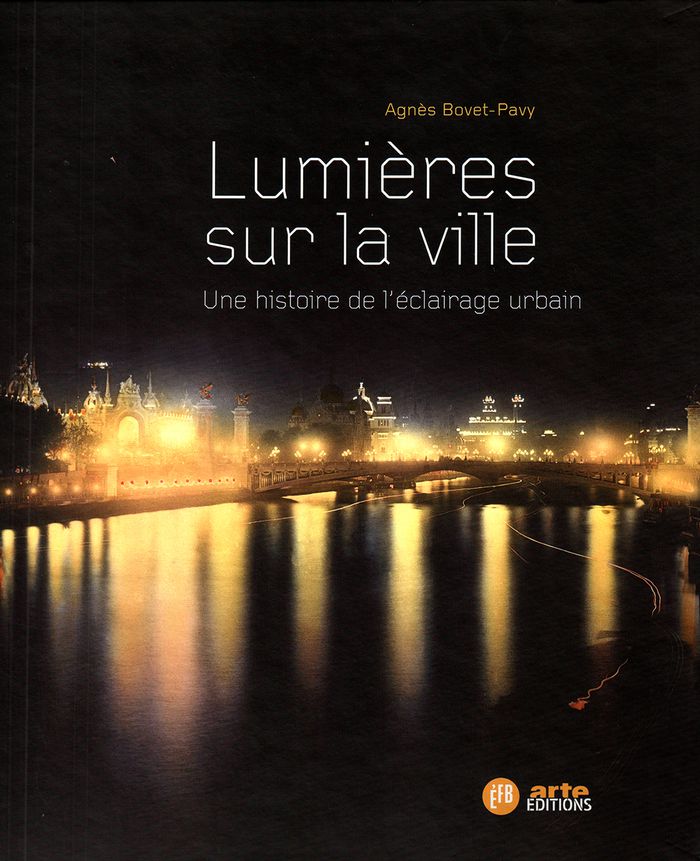
Lumières sur la ville : une histoire de l’éclairage urbain
Actions:
Prix:
$71.95
(disponible sur commande)
Résumé:
Nous ne sommes pas faits pour les ténèbres. La nuit, c'est le royaume des revenants, des illusions, des chimères et du désordre. À l'inverse, dans nos imaginaires, la lumière est principe de vie, parfois même de vérité, et l'aube, promesse de renaissance. Aussi la domestication de la lumière, de la flamme à l'électricité en passant par le gaz, s'annonçait-elle comme un progrès technique et social décisif : la conquête de la nuit inaugura l'ère de la modernité, offrant aux hommes un moyen d'assurer leur bonheur, leur confort et leur sécurité. Car la lumière est aussi, et peut-être avant tout, un enjeu de pouvoir : de la première lanterne royale au développement des leds dans la smart city, la lumière urbaine, née pour seconder la police au XVIIe siècle, trace des frontières, délimite les lieux fréquentables, et permet de scander autrement les rythmes de travail. Mais c'est également grâce à elle que s'inventa la vie nocturne, et ses fêtes...
Lumières sur la ville : une histoire de l’éclairage urbain
Actions:
Prix:
$71.95
(disponible sur commande)
Résumé:
Nous ne sommes pas faits pour les ténèbres. La nuit, c'est le royaume des revenants, des illusions, des chimères et du désordre. À l'inverse, dans nos imaginaires, la lumière est principe de vie, parfois même de vérité, et l'aube, promesse de renaissance. Aussi la domestication de la lumière, de la flamme à l'électricité en passant par le gaz, s'annonçait-elle comme un progrès technique et social décisif : la conquête de la nuit inaugura l'ère de la modernité, offrant aux hommes un moyen d'assurer leur bonheur, leur confort et leur sécurité. Car la lumière est aussi, et peut-être avant tout, un enjeu de pouvoir : de la première lanterne royale au développement des leds dans la smart city, la lumière urbaine, née pour seconder la police au XVIIe siècle, trace des frontières, délimite les lieux fréquentables, et permet de scander autrement les rythmes de travail. Mais c'est également grâce à elle que s'inventa la vie nocturne, et ses fêtes...
Classification:
livres
livres
Publication:
octobre 2018
octobre 2018
Sujet:
Théorie de l’urbanisme
Théorie de l’urbanisme
Classification:
livres
livres
Prix:
$42.95
(disponible sur commande)
Résumé:
Dans son dialogue sur la République, Platon développe l'idée qu'au sein d'une Cité idéale, l'art des médecins serait inutile. L'art d'Asclépios, nous dit-il, n'a été révélé que pour corriger nos erreurs, or un gouvernement parfait ne les commet pas. Il suffirait, toujours selon lui, d'interdire les pâtisseries et l'oisiveté pour, grâce à quelques séances de gymnastique(...)
$42.95
(disponible sur commande)
Résumé:
Dans son dialogue sur la République, Platon développe l'idée qu'au sein d'une Cité idéale, l'art des médecins serait inutile. L'art d'Asclépios, nous dit-il, n'a été révélé que pour corriger nos erreurs, or un gouvernement parfait ne les commet pas. Il suffirait, toujours selon lui, d'interdire les pâtisseries et l'oisiveté pour, grâce à quelques séances de gymnastique(...)
Titre:
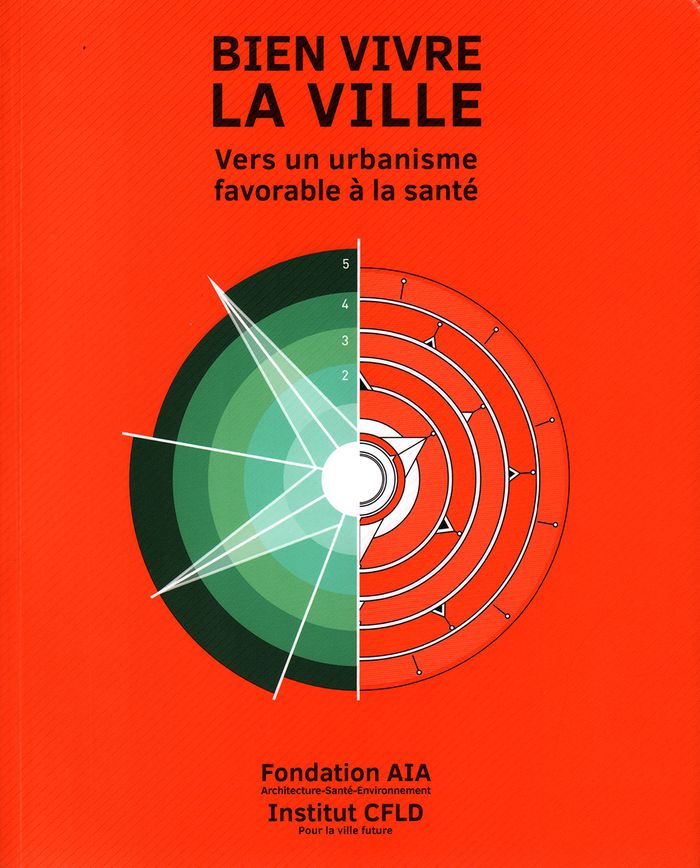
Bien vivre la ville : vers un urbanisme favorable à la santé
Actions:
Prix:
$42.95
(disponible sur commande)
Résumé:
Dans son dialogue sur la République, Platon développe l'idée qu'au sein d'une Cité idéale, l'art des médecins serait inutile. L'art d'Asclépios, nous dit-il, n'a été révélé que pour corriger nos erreurs, or un gouvernement parfait ne les commet pas. Il suffirait, toujours selon lui, d'interdire les pâtisseries et l'oisiveté pour, grâce à quelques séances de gymnastique quotidienne, proscrire l'ensemble des maladies. Cette idée surprenante et paradoxale n'est pas sans rappeler Sun Simiao, célèbre médecin chinois, qui nous explique que le bon médecin est celui que ses patients ne viennent jamais consulter, car ces derniers sont toujours en bonne santé ! Mais pourquoi sont-ils tous en bonne santé ? Parce qu'ils vivent avant tout dans un environnement sain, avec un mode de vie sain. Cette idée très ancienne commune à nos deux civilisations est en réalité tout à fait d'actualité lorsqu'il s'agit de dessiner et de comprendre nos villes contemporaines.
Bien vivre la ville : vers un urbanisme favorable à la santé
Actions:
Prix:
$42.95
(disponible sur commande)
Résumé:
Dans son dialogue sur la République, Platon développe l'idée qu'au sein d'une Cité idéale, l'art des médecins serait inutile. L'art d'Asclépios, nous dit-il, n'a été révélé que pour corriger nos erreurs, or un gouvernement parfait ne les commet pas. Il suffirait, toujours selon lui, d'interdire les pâtisseries et l'oisiveté pour, grâce à quelques séances de gymnastique quotidienne, proscrire l'ensemble des maladies. Cette idée surprenante et paradoxale n'est pas sans rappeler Sun Simiao, célèbre médecin chinois, qui nous explique que le bon médecin est celui que ses patients ne viennent jamais consulter, car ces derniers sont toujours en bonne santé ! Mais pourquoi sont-ils tous en bonne santé ? Parce qu'ils vivent avant tout dans un environnement sain, avec un mode de vie sain. Cette idée très ancienne commune à nos deux civilisations est en réalité tout à fait d'actualité lorsqu'il s'agit de dessiner et de comprendre nos villes contemporaines.
Classification:
livres
livres
Publication:
octobre 2018
octobre 2018
Sujet:
Théorie de l’urbanisme
Théorie de l’urbanisme
Classification:
livres
livres
Actions:
Prix:
$28.95
(disponible sur commande)
Résumé:
Cette étude met en lumière l'expérience sonore comme élément central des réflexions sur l'urbanisme. À travers un essai et une série d'entretiens qui associent diverses perspectives théoriques, professionnelles et artistiques, Caroline Claus ouvre un débat aussi stratégique qu'innovant.
$28.95
(disponible sur commande)
Résumé:
Cette étude met en lumière l'expérience sonore comme élément central des réflexions sur l'urbanisme. À travers un essai et une série d'entretiens qui associent diverses perspectives théoriques, professionnelles et artistiques, Caroline Claus ouvre un débat aussi stratégique qu'innovant.
Titre:
Studio_L28 : sonic perspectives on urbanism
Actions:
Prix:
$28.95
(disponible sur commande)
Résumé:
Cette étude met en lumière l'expérience sonore comme élément central des réflexions sur l'urbanisme. À travers un essai et une série d'entretiens qui associent diverses perspectives théoriques, professionnelles et artistiques, Caroline Claus ouvre un débat aussi stratégique qu'innovant.
Studio_L28 : sonic perspectives on urbanism
Actions:
Prix:
$28.95
(disponible sur commande)
Résumé:
Cette étude met en lumière l'expérience sonore comme élément central des réflexions sur l'urbanisme. À travers un essai et une série d'entretiens qui associent diverses perspectives théoriques, professionnelles et artistiques, Caroline Claus ouvre un débat aussi stratégique qu'innovant.
Classification:
livres
livres
Publication:
novembre 2018
novembre 2018
Sujet:
Théorie de l’urbanisme
Théorie de l’urbanisme
Classification:
livres
livres
Actions:
Prix:
$54.95
(disponible sur commande)
Résumé:
Synthèse très documentée d’une vaste révolution urbaine, des bidonvilles de l’après-guerre jusqu’aux villes nouvelles, ce livre relate et analyse trois décennies d’expérimentations au cœur desquelles était placé l’habitat, nouvel enjeu du modernisme, et établit une véritable généalogie de la banlieue française.
$54.95
(disponible sur commande)
Résumé:
Synthèse très documentée d’une vaste révolution urbaine, des bidonvilles de l’après-guerre jusqu’aux villes nouvelles, ce livre relate et analyse trois décennies d’expérimentations au cœur desquelles était placé l’habitat, nouvel enjeu du modernisme, et établit une véritable généalogie de la banlieue française.
Titre:
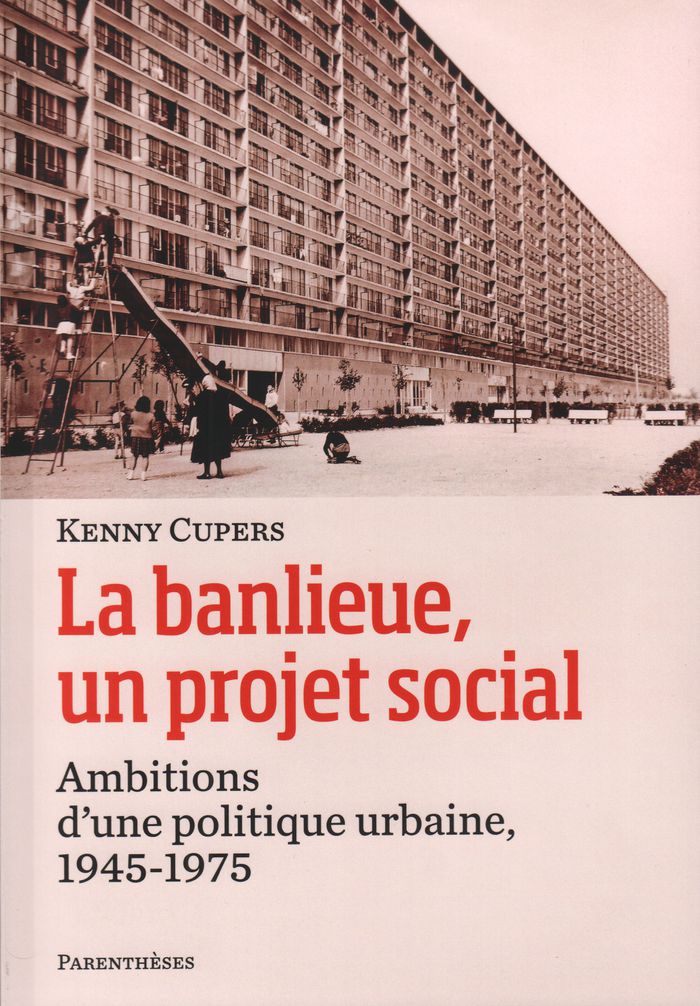
La banlieue, un projet social : ambitions d'une politique urbaine (1945-1975)
Actions:
Prix:
$54.95
(disponible sur commande)
Résumé:
Synthèse très documentée d’une vaste révolution urbaine, des bidonvilles de l’après-guerre jusqu’aux villes nouvelles, ce livre relate et analyse trois décennies d’expérimentations au cœur desquelles était placé l’habitat, nouvel enjeu du modernisme, et établit une véritable généalogie de la banlieue française.
La banlieue, un projet social : ambitions d'une politique urbaine (1945-1975)
Actions:
Prix:
$54.95
(disponible sur commande)
Résumé:
Synthèse très documentée d’une vaste révolution urbaine, des bidonvilles de l’après-guerre jusqu’aux villes nouvelles, ce livre relate et analyse trois décennies d’expérimentations au cœur desquelles était placé l’habitat, nouvel enjeu du modernisme, et établit une véritable généalogie de la banlieue française.
Classification:
livres
livres
Publication:
septembre 2018
septembre 2018
Sujet:
Théorie de l’urbanisme
Théorie de l’urbanisme
Classification:
livres
livres
Actions:
Prix:
$78.95
(disponible sur commande)
Résumé:
"Urban Grids: Handbook for Regular City Design" is the result of a five-year design research project undertaken by professor Joan Busquets and Dingliang Yang at the Harvard Graduate School of Design. The research that is the foundation for this publication emphasizes the value of open forms for city design, a publication that specifically insists that the grid has the(...)
$78.95
(disponible sur commande)
Résumé:
"Urban Grids: Handbook for Regular City Design" is the result of a five-year design research project undertaken by professor Joan Busquets and Dingliang Yang at the Harvard Graduate School of Design. The research that is the foundation for this publication emphasizes the value of open forms for city design, a publication that specifically insists that the grid has the(...)
Sujet:
Théorie de l’urbanisme
Théorie de l’urbanisme
Publication:
mars 2018
mars 2018
Titre:
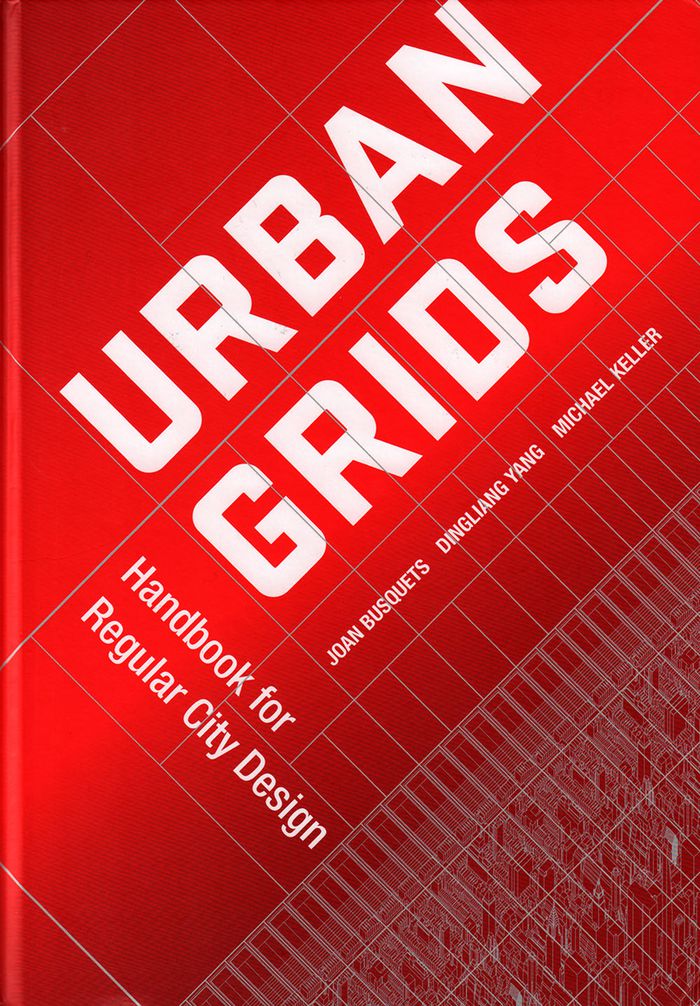
Urban grids: handbook for regular city design
Actions:
Prix:
$78.95
(disponible sur commande)
Résumé:
"Urban Grids: Handbook for Regular City Design" is the result of a five-year design research project undertaken by professor Joan Busquets and Dingliang Yang at the Harvard Graduate School of Design. The research that is the foundation for this publication emphasizes the value of open forms for city design, a publication that specifically insists that the grid has the unique capacity to absorb and channel urban transformation flexibly and productively. "Urban Grids" analyzes cities and urban projects that utilize the grid as the main structural device for allowing rational development, and goes further to propose speculative design projects capable of suggesting new urban paradigms drawn from the grid as a design tool.
Urban grids: handbook for regular city design
Actions:
Prix:
$78.95
(disponible sur commande)
Résumé:
"Urban Grids: Handbook for Regular City Design" is the result of a five-year design research project undertaken by professor Joan Busquets and Dingliang Yang at the Harvard Graduate School of Design. The research that is the foundation for this publication emphasizes the value of open forms for city design, a publication that specifically insists that the grid has the unique capacity to absorb and channel urban transformation flexibly and productively. "Urban Grids" analyzes cities and urban projects that utilize the grid as the main structural device for allowing rational development, and goes further to propose speculative design projects capable of suggesting new urban paradigms drawn from the grid as a design tool.
Classification:
livres
livres
Publication:
mars 2018
mars 2018
Sujet:
Théorie de l’urbanisme
Théorie de l’urbanisme
Classification:
livres
livres
Titre:
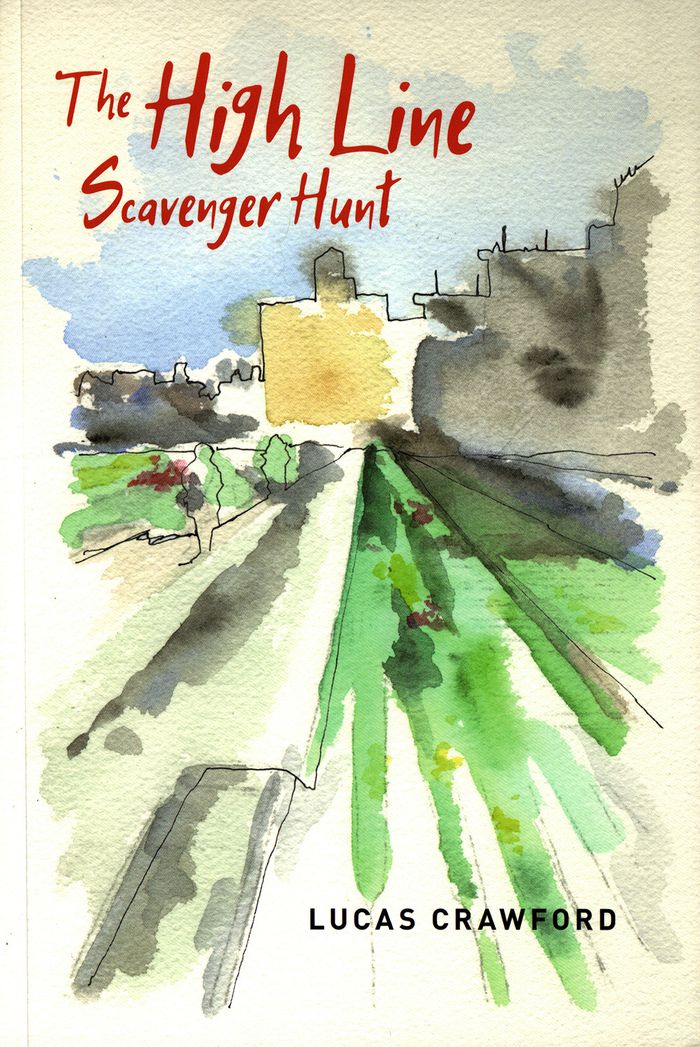
The High Line scavenger hunt
The High Line scavenger hunt
Actions:
Prix:
$18.99
(disponible sur commande)
Résumé:
Imagine: a public park that floats above the city, slicing the urban grey with its narrow green body. It winds its way through Manhattan, from the Meatpacking District to Chelsea to the Rail Yards. It is the beneficiary of millionaires, politicians, and citizens, who rescued it from demolition. Every tour book points here. Cities around the world clamor to reclaim their(...)
$18.99
(disponible sur commande)
Résumé:
Imagine: a public park that floats above the city, slicing the urban grey with its narrow green body. It winds its way through Manhattan, from the Meatpacking District to Chelsea to the Rail Yards. It is the beneficiary of millionaires, politicians, and citizens, who rescued it from demolition. Every tour book points here. Cities around the world clamor to reclaim their(...)
Publication:
septembre 2018
septembre 2018
Titre:
The High Line scavenger hunt
Actions:
Prix:
$18.99
(disponible sur commande)
Résumé:
Imagine: a public park that floats above the city, slicing the urban grey with its narrow green body. It winds its way through Manhattan, from the Meatpacking District to Chelsea to the Rail Yards. It is the beneficiary of millionaires, politicians, and citizens, who rescued it from demolition. Every tour book points here. Cities around the world clamor to reclaim their own abandoned train tracks as parks, inspired by this success. This is High Line Park.
The High Line scavenger hunt
Actions:
Prix:
$18.99
(disponible sur commande)
Résumé:
Imagine: a public park that floats above the city, slicing the urban grey with its narrow green body. It winds its way through Manhattan, from the Meatpacking District to Chelsea to the Rail Yards. It is the beneficiary of millionaires, politicians, and citizens, who rescued it from demolition. Every tour book points here. Cities around the world clamor to reclaim their own abandoned train tracks as parks, inspired by this success. This is High Line Park.
Classification:
livres
livres
Publication:
septembre 2018
septembre 2018


