


1923 Résultats
Classification:
livres
livres
Actions:
Prix:
$60.00
(disponible sur commande)
Résumé:
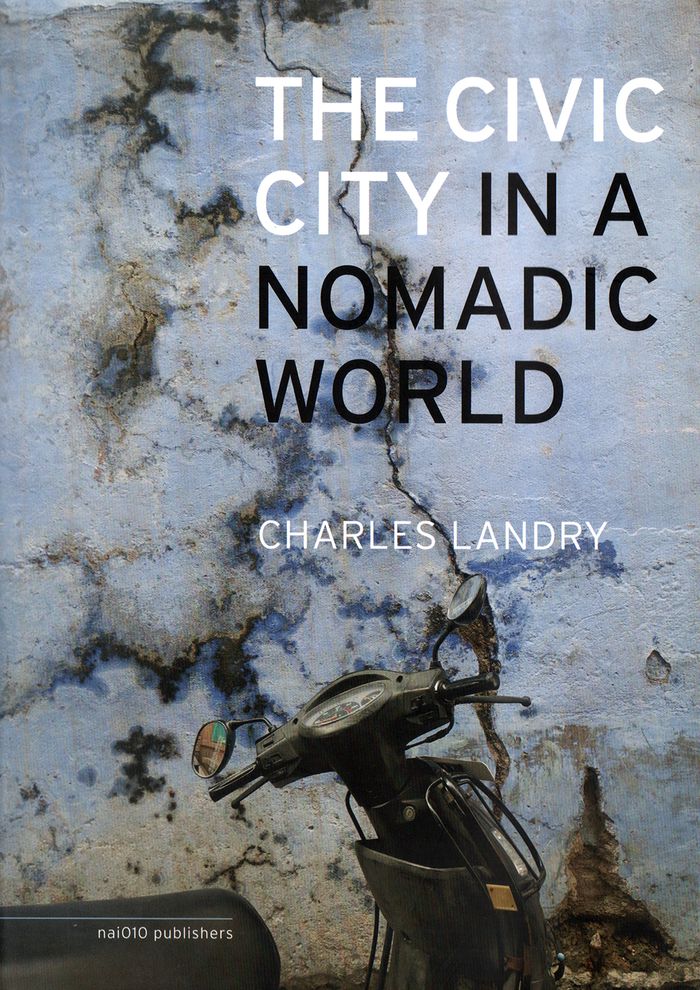
In this book, Charles Landry—inventor of the Creative City concept—helps us navigate the evolving urban landscape and its potential, finding a pathway through the major dilemmas and potentials of our time: inequality, environmental distress and urban vitality.
$60.00
(disponible sur commande)
Résumé:
In this book, Charles Landry—inventor of the Creative City concept—helps us navigate the evolving urban landscape and its potential, finding a pathway through the major dilemmas and potentials of our time: inequality, environmental distress and urban vitality.
Titre:
The Civic City in a nomadic world
Actions:
Prix:
$60.00
(disponible sur commande)
Résumé:
In this book, Charles Landry—inventor of the Creative City concept—helps us navigate the evolving urban landscape and its potential, finding a pathway through the major dilemmas and potentials of our time: inequality, environmental distress and urban vitality.
The Civic City in a nomadic world
Actions:
Prix:
$60.00
(disponible sur commande)
Résumé:
In this book, Charles Landry—inventor of the Creative City concept—helps us navigate the evolving urban landscape and its potential, finding a pathway through the major dilemmas and potentials of our time: inequality, environmental distress and urban vitality.
Classification:
livres
livres
Publication:
février 2018
février 2018
Sujet:
Théorie de l’urbanisme
Théorie de l’urbanisme
Classification:
livres
livres
Actions:
Prix:
$69.90
(disponible en magasin)
Résumé:
"Times of Creative Destruction" is about the years that followed the end of WWII, one of the most seminal and dramatic epochs in human history, during which extraordinary star-buildings were born, cities exploded, and an unprecedented world of a ‘Third Ecology’ emerged. Never before was there such a flurry of daring mega-constructions, such daring spatial acrobatics,(...)
$69.90
(disponible en magasin)
Résumé:
"Times of Creative Destruction" is about the years that followed the end of WWII, one of the most seminal and dramatic epochs in human history, during which extraordinary star-buildings were born, cities exploded, and an unprecedented world of a ‘Third Ecology’ emerged. Never before was there such a flurry of daring mega-constructions, such daring spatial acrobatics,(...)
Titre:
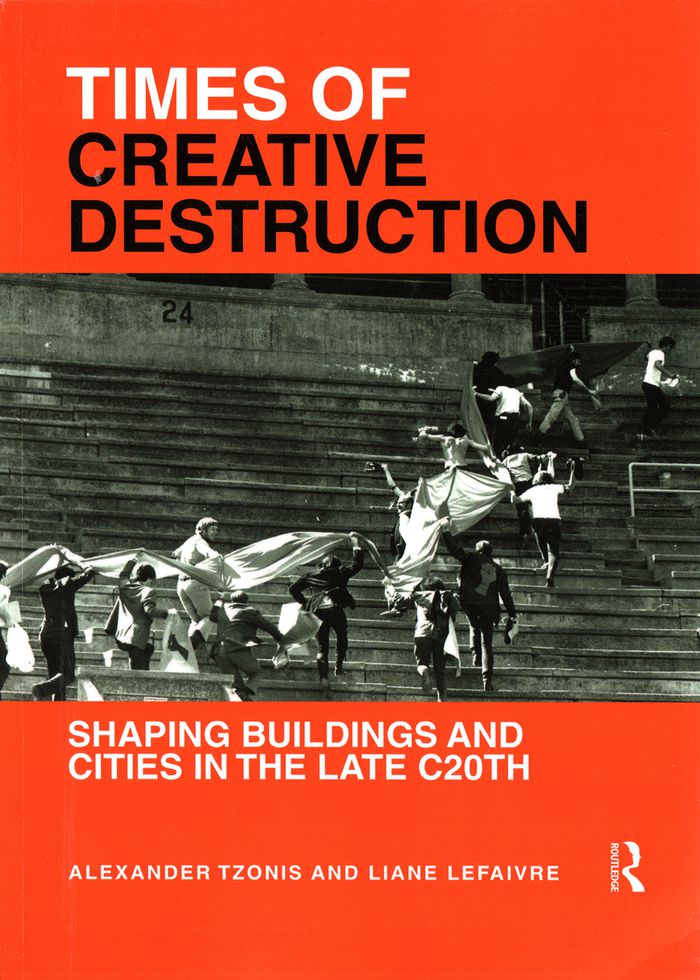
Times of creative destruction: shaping buildings and cities in the late 20th Century
Actions:
Prix:
$69.90
(disponible en magasin)
Résumé:
"Times of Creative Destruction" is about the years that followed the end of WWII, one of the most seminal and dramatic epochs in human history, during which extraordinary star-buildings were born, cities exploded, and an unprecedented world of a ‘Third Ecology’ emerged. Never before was there such a flurry of daring mega-constructions, such daring spatial acrobatics, ‘star’ buildings by star architects attained by star developers, mega-constructions, technological feats, and flourishing spatial acrobatics. But, for all its exhilarating creativity, this was also an era of unanticipated, intractable, irreversible destruction reducing the uniqueness and diversity of cultural, social and ecological peaks and valleys of our world, to a ‘desert flatland’, environmental inequality and unhappiness. This book critically discusses and revaluates these contradictory events, bringing together and commenting on a selection of shorter key texts by Tzonis and Lefaivre, the product of a rare research and writing partnership.
Times of creative destruction: shaping buildings and cities in the late 20th Century
Actions:
Prix:
$69.90
(disponible en magasin)
Résumé:
"Times of Creative Destruction" is about the years that followed the end of WWII, one of the most seminal and dramatic epochs in human history, during which extraordinary star-buildings were born, cities exploded, and an unprecedented world of a ‘Third Ecology’ emerged. Never before was there such a flurry of daring mega-constructions, such daring spatial acrobatics, ‘star’ buildings by star architects attained by star developers, mega-constructions, technological feats, and flourishing spatial acrobatics. But, for all its exhilarating creativity, this was also an era of unanticipated, intractable, irreversible destruction reducing the uniqueness and diversity of cultural, social and ecological peaks and valleys of our world, to a ‘desert flatland’, environmental inequality and unhappiness. This book critically discusses and revaluates these contradictory events, bringing together and commenting on a selection of shorter key texts by Tzonis and Lefaivre, the product of a rare research and writing partnership.
Classification:
livres
livres
Publication:
juin 2018
juin 2018
Sujet:
Théorie de l’urbanisme
Théorie de l’urbanisme
Classification:
livres
livres
Titre:
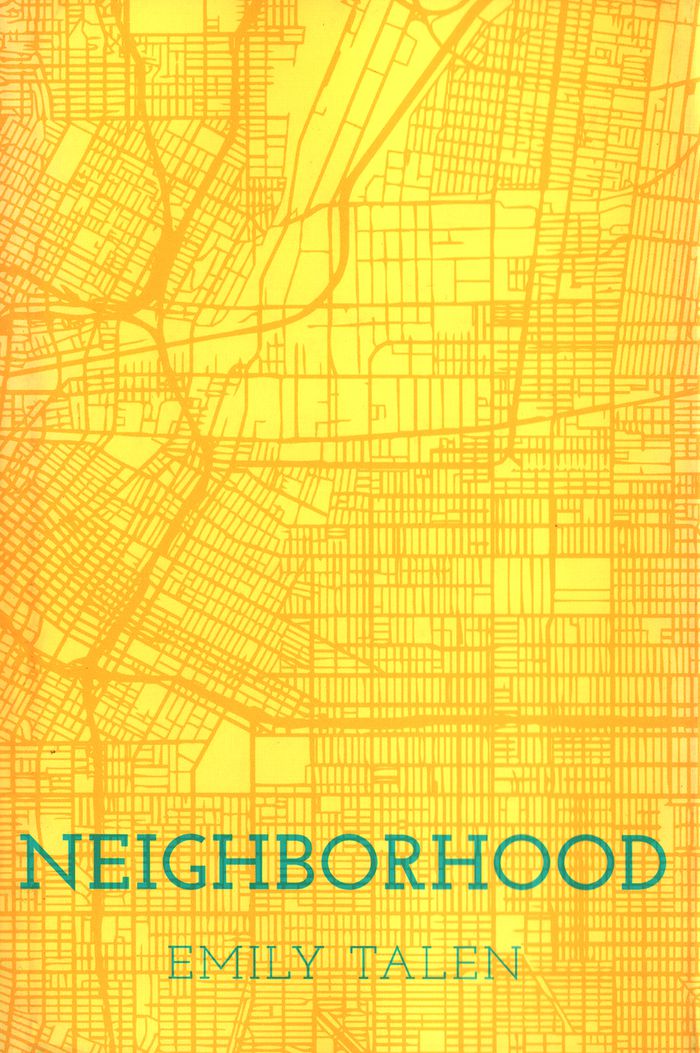
Neighborhood
Neighborhood
Actions:
Prix:
$38.50
(disponible sur commande)
Résumé:
The term neighborhood has been reduced to a word for a convenient geographical locator. In fact, most cities claim to be compiled of neighborhoods, but this strays far from the term's original meaning - a spatial unit that people relate to. ''Neighborhood'' seeks to dispel this common misconception by integrating a complex historical record and multidisciplinary(...)
$38.50
(disponible sur commande)
Résumé:
The term neighborhood has been reduced to a word for a convenient geographical locator. In fact, most cities claim to be compiled of neighborhoods, but this strays far from the term's original meaning - a spatial unit that people relate to. ''Neighborhood'' seeks to dispel this common misconception by integrating a complex historical record and multidisciplinary(...)
Titre:
Neighborhood
Actions:
Prix:
$38.50
(disponible sur commande)
Résumé:
The term neighborhood has been reduced to a word for a convenient geographical locator. In fact, most cities claim to be compiled of neighborhoods, but this strays far from the term's original meaning - a spatial unit that people relate to. ''Neighborhood'' seeks to dispel this common misconception by integrating a complex historical record and multidisciplinary literature to produce a singular resource for understanding what is meant by neighborhood. Emily Talen provides a multi-dimensional, comprehensive view of what neighborhoods signify how they're idealized and measured, and what their historical progression has been. Talen balances perspectives from sociology, urban history, urban planning, and sustainability among others in efforts to make neighborhoods compatible with 21st century ideals.
Neighborhood
Actions:
Prix:
$38.50
(disponible sur commande)
Résumé:
The term neighborhood has been reduced to a word for a convenient geographical locator. In fact, most cities claim to be compiled of neighborhoods, but this strays far from the term's original meaning - a spatial unit that people relate to. ''Neighborhood'' seeks to dispel this common misconception by integrating a complex historical record and multidisciplinary literature to produce a singular resource for understanding what is meant by neighborhood. Emily Talen provides a multi-dimensional, comprehensive view of what neighborhoods signify how they're idealized and measured, and what their historical progression has been. Talen balances perspectives from sociology, urban history, urban planning, and sustainability among others in efforts to make neighborhoods compatible with 21st century ideals.
Classification:
livres
livres
Publication:
décembre 2018
décembre 2018
Sujet:
Théorie de l’urbanisme
Théorie de l’urbanisme
Classification:
livres
livres
Prix:
$47.00
(disponible sur commande)
Résumé:
Our urban spaces today struggle to thrive in the face corporate greed, increasing privatization, and rising inequality. "Unlocking Sustainable Cities" offers a way forward, challenging the unsustainable and damaging practices our cities are mired in and paving the way for alternative urban futures. Across the world, people are implementing promising new practices—from(...)
$47.00
(disponible sur commande)
Résumé:
Our urban spaces today struggle to thrive in the face corporate greed, increasing privatization, and rising inequality. "Unlocking Sustainable Cities" offers a way forward, challenging the unsustainable and damaging practices our cities are mired in and paving the way for alternative urban futures. Across the world, people are implementing promising new practices—from(...)
Titre:
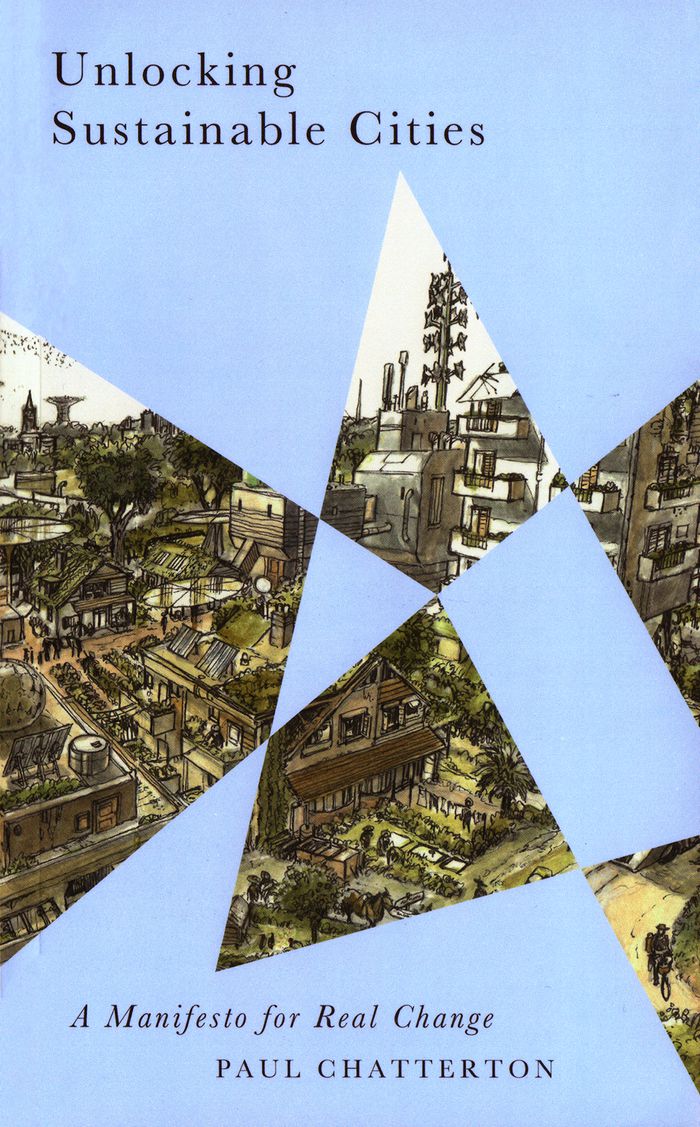
Unlocking sustainable cities: a manifesto for real change
Actions:
Prix:
$47.00
(disponible sur commande)
Résumé:
Our urban spaces today struggle to thrive in the face corporate greed, increasing privatization, and rising inequality. "Unlocking Sustainable Cities" offers a way forward, challenging the unsustainable and damaging practices our cities are mired in and paving the way for alternative urban futures. Across the world, people are implementing promising new practices—from transforming abandoned public spaces and setting up community co-operatives, to rewilding urban nature and powering up civic energy. Paul Chatterton explores how these grassroots experiments harness the creative power of the collective to transform our city systems, from transportation, energy, and economy, to community, democracy, and nature. Imagining radical alternatives—such as car-free, post-carbon, “bio cities”—this is a toolkit for realizing a better urban future.
Unlocking sustainable cities: a manifesto for real change
Actions:
Prix:
$47.00
(disponible sur commande)
Résumé:
Our urban spaces today struggle to thrive in the face corporate greed, increasing privatization, and rising inequality. "Unlocking Sustainable Cities" offers a way forward, challenging the unsustainable and damaging practices our cities are mired in and paving the way for alternative urban futures. Across the world, people are implementing promising new practices—from transforming abandoned public spaces and setting up community co-operatives, to rewilding urban nature and powering up civic energy. Paul Chatterton explores how these grassroots experiments harness the creative power of the collective to transform our city systems, from transportation, energy, and economy, to community, democracy, and nature. Imagining radical alternatives—such as car-free, post-carbon, “bio cities”—this is a toolkit for realizing a better urban future.
Classification:
livres
livres
Publication:
décembre 2018
décembre 2018
Sujet:
Théorie de l’urbanisme
Théorie de l’urbanisme
Classification:
livres
livres
Actions:
Prix:
$120.00
(disponible sur commande)
Résumé:
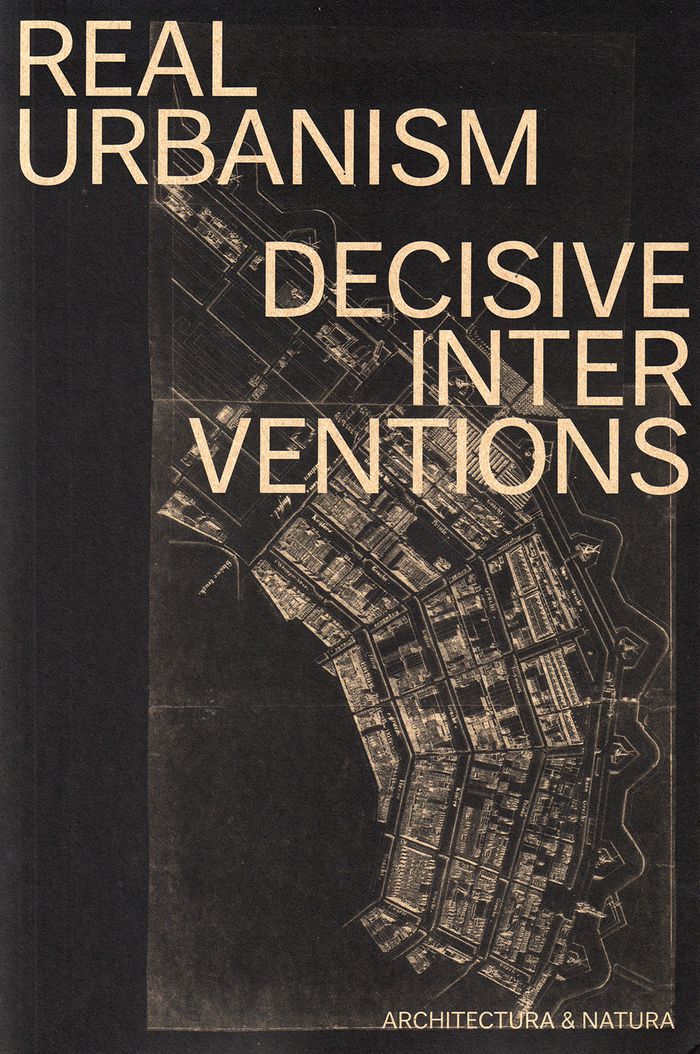
''Real Urbanism'' is a book for and by lovers of cities. Eleven authors (urban designers) wrote the stories of places in the world that may be considered to be examples of successful urban planning. This large volume contains work in Amsterdam, Rotterdam, Tokyo, Sao Paulo, Venice, Barcelona, London, New York, Edinburgh, and Saint Petersburg. Four young urban designers(...)
$120.00
(disponible sur commande)
Résumé:
''Real Urbanism'' is a book for and by lovers of cities. Eleven authors (urban designers) wrote the stories of places in the world that may be considered to be examples of successful urban planning. This large volume contains work in Amsterdam, Rotterdam, Tokyo, Sao Paulo, Venice, Barcelona, London, New York, Edinburgh, and Saint Petersburg. Four young urban designers(...)
Titre:
Real urbanism: decisive interventions
Actions:
Prix:
$120.00
(disponible sur commande)
Résumé:
''Real Urbanism'' is a book for and by lovers of cities. Eleven authors (urban designers) wrote the stories of places in the world that may be considered to be examples of successful urban planning. This large volume contains work in Amsterdam, Rotterdam, Tokyo, Sao Paulo, Venice, Barcelona, London, New York, Edinburgh, and Saint Petersburg. Four young urban designers made the drawings to each chapter. New photography by Theo Baart and the graphic design by Irma Boom will lead to a unique presentation in book form.
Real urbanism: decisive interventions
Actions:
Prix:
$120.00
(disponible sur commande)
Résumé:
''Real Urbanism'' is a book for and by lovers of cities. Eleven authors (urban designers) wrote the stories of places in the world that may be considered to be examples of successful urban planning. This large volume contains work in Amsterdam, Rotterdam, Tokyo, Sao Paulo, Venice, Barcelona, London, New York, Edinburgh, and Saint Petersburg. Four young urban designers made the drawings to each chapter. New photography by Theo Baart and the graphic design by Irma Boom will lead to a unique presentation in book form.
Classification:
livres
livres
Publication:
janvier 2019
janvier 2019
Sujet:
Théorie de l’urbanisme
Théorie de l’urbanisme
Classification:
livres
livres
Actions:
Prix:
$59.95
(disponible sur commande)
Résumé:
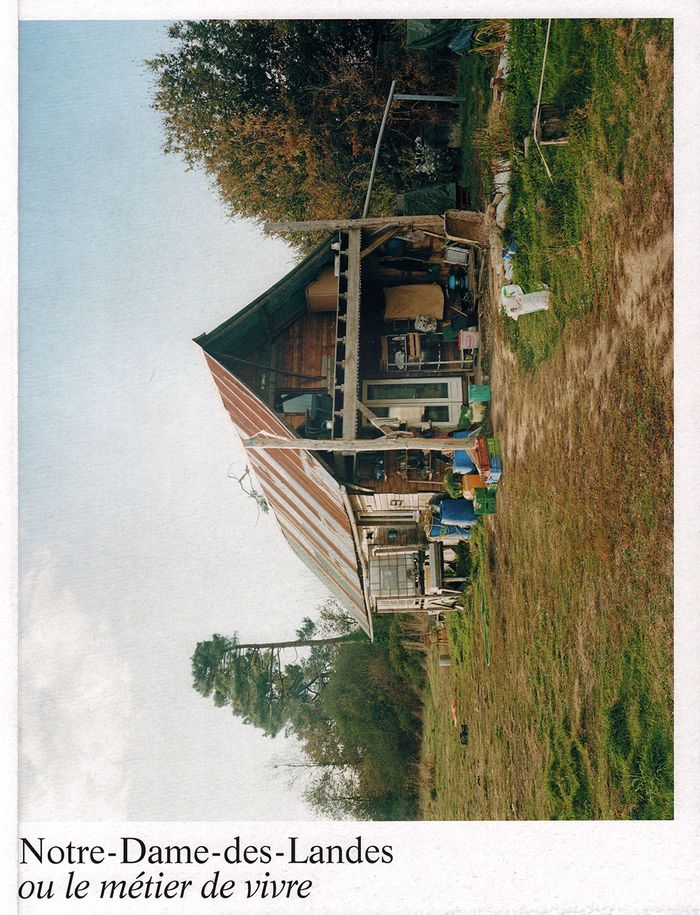
Un témoignage inédit et étonnant sur les modes d'habiter expérimentés à Notre-Dame-des-Landes. Les photographies et les dessins accompagnés de textes et de récits des habitants nous rappellent que l'on trouve aujourd'hui sur la ZAD quelque chose d'aussi simple que rare : une manière courageuse et conséquente de faire face au désastre de la vie moderne et au changement(...)
$59.95
(disponible sur commande)
Résumé:
Un témoignage inédit et étonnant sur les modes d'habiter expérimentés à Notre-Dame-des-Landes. Les photographies et les dessins accompagnés de textes et de récits des habitants nous rappellent que l'on trouve aujourd'hui sur la ZAD quelque chose d'aussi simple que rare : une manière courageuse et conséquente de faire face au désastre de la vie moderne et au changement(...)
Titre:
Notre-Dame-des-Landes, ou le métier de vivre
Actions:
Prix:
$59.95
(disponible sur commande)
Résumé:
Un témoignage inédit et étonnant sur les modes d'habiter expérimentés à Notre-Dame-des-Landes. Les photographies et les dessins accompagnés de textes et de récits des habitants nous rappellent que l'on trouve aujourd'hui sur la ZAD quelque chose d'aussi simple que rare : une manière courageuse et conséquente de faire face au désastre de la vie moderne et au changement climatique en cours.
Notre-Dame-des-Landes, ou le métier de vivre
Actions:
Prix:
$59.95
(disponible sur commande)
Résumé:
Un témoignage inédit et étonnant sur les modes d'habiter expérimentés à Notre-Dame-des-Landes. Les photographies et les dessins accompagnés de textes et de récits des habitants nous rappellent que l'on trouve aujourd'hui sur la ZAD quelque chose d'aussi simple que rare : une manière courageuse et conséquente de faire face au désastre de la vie moderne et au changement climatique en cours.
Classification:
livres
livres
Publication:
octobre 2018
octobre 2018
Sujet:
Théorie de l’urbanisme
Théorie de l’urbanisme
Classification:
livres
livres
Actions:
Prix:
$45.95
(disponible sur commande)
Résumé:
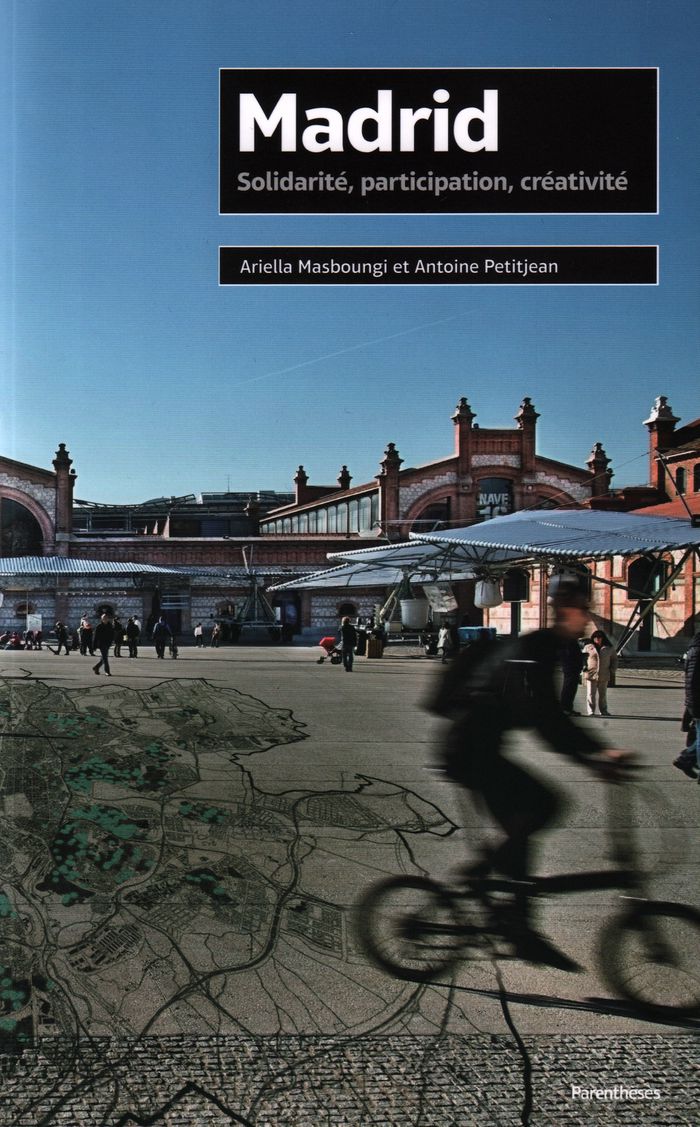
Madrid, capitale espagnole aux dimensions du Grand Paris, s’engage dans une démarche a priori utopique : faire la ville pour tous et avec tous. Quel pari pour une équipe municipale issue de la société civile avec à sa tête l’atypique Manuela Carmena. À la clé, trois principes : la solidarité, qui se traduit par un changement de modèle urbain au profit de la proximité et(...)
$45.95
(disponible sur commande)
Résumé:
Madrid, capitale espagnole aux dimensions du Grand Paris, s’engage dans une démarche a priori utopique : faire la ville pour tous et avec tous. Quel pari pour une équipe municipale issue de la société civile avec à sa tête l’atypique Manuela Carmena. À la clé, trois principes : la solidarité, qui se traduit par un changement de modèle urbain au profit de la proximité et(...)
Titre:
Madrid : solidarité, participation, créativité
Actions:
Prix:
$45.95
(disponible sur commande)
Résumé:
Madrid, capitale espagnole aux dimensions du Grand Paris, s’engage dans une démarche a priori utopique : faire la ville pour tous et avec tous. Quel pari pour une équipe municipale issue de la société civile avec à sa tête l’atypique Manuela Carmena. À la clé, trois principes : la solidarité, qui se traduit par un changement de modèle urbain au profit de la proximité et de la régénération de l’espace public; la participation, au travers de la présence des élus dans les quartiers et de la création d’une plate-forme citoyenne participative; et enfin la créativité, en continuité avec la longue histoire des laboratoires citoyens de Madrid. Ce livre offre une lecture de l’expérience madrilène en cours, dont peuvent s’enrichir les autres villes européennes et leurs habitants.
Madrid : solidarité, participation, créativité
Actions:
Prix:
$45.95
(disponible sur commande)
Résumé:
Madrid, capitale espagnole aux dimensions du Grand Paris, s’engage dans une démarche a priori utopique : faire la ville pour tous et avec tous. Quel pari pour une équipe municipale issue de la société civile avec à sa tête l’atypique Manuela Carmena. À la clé, trois principes : la solidarité, qui se traduit par un changement de modèle urbain au profit de la proximité et de la régénération de l’espace public; la participation, au travers de la présence des élus dans les quartiers et de la création d’une plate-forme citoyenne participative; et enfin la créativité, en continuité avec la longue histoire des laboratoires citoyens de Madrid. Ce livre offre une lecture de l’expérience madrilène en cours, dont peuvent s’enrichir les autres villes européennes et leurs habitants.
Classification:
livres
livres
Publication:
janvier 2019
janvier 2019
Sujet:
Théorie de l’urbanisme
Théorie de l’urbanisme
Classification:
livres
livres
Titre:
(Contre)pouvoirs urbains? : éléments pour une critique anthropologique de l'urbanisme participatif
(Contre)pouvoirs urbains? : éléments pour une critique anthropologique de l'urbanisme participatif
Actions:
Prix:
$29.95
(disponible sur commande)
Résumé:
Depuis plusieurs décennies, nous assistons, en France comme à l’international, à une évolution des pratiques et rhétoriques de l’urbanisme qui encourage de plus en plus la participation des citoyens dans la construction de la ville. Quelles formes prend ce processus ? De quelles façons l’action collective questionne-t-elle le projet urbain ? S’appuyant sur une enquête(...)
$29.95
(disponible sur commande)
Résumé:
Depuis plusieurs décennies, nous assistons, en France comme à l’international, à une évolution des pratiques et rhétoriques de l’urbanisme qui encourage de plus en plus la participation des citoyens dans la construction de la ville. Quelles formes prend ce processus ? De quelles façons l’action collective questionne-t-elle le projet urbain ? S’appuyant sur une enquête(...)
Titre:
(Contre)pouvoirs urbains? : éléments pour une critique anthropologique de l'urbanisme participatif
Actions:
Prix:
$29.95
(disponible sur commande)
Résumé:
Depuis plusieurs décennies, nous assistons, en France comme à l’international, à une évolution des pratiques et rhétoriques de l’urbanisme qui encourage de plus en plus la participation des citoyens dans la construction de la ville. Quelles formes prend ce processus ? De quelles façons l’action collective questionne-t-elle le projet urbain ? S’appuyant sur une enquête anthropologique menée dans le nord-est de la métropole parisienne, cet ouvrage propose d’analyser la complexité des positionnements des acteurs en jeu et les formes d’altérité produites par les dispositifs de participation. En restituant un regard de l’intérieur sur la quotidienneté de ces dispositifs et sur les écarts et les conflits qui en découlent, Federica Gatta vise à dépasser les dichotomies entre acteurs collectifs et actions institutionnelles dans le projet urbain, en posant les termes d’un débat nécessaire sur les enjeux politiques et culturels liés au futur de la fabrique de la ville.
(Contre)pouvoirs urbains? : éléments pour une critique anthropologique de l'urbanisme participatif
Actions:
Prix:
$29.95
(disponible sur commande)
Résumé:
Depuis plusieurs décennies, nous assistons, en France comme à l’international, à une évolution des pratiques et rhétoriques de l’urbanisme qui encourage de plus en plus la participation des citoyens dans la construction de la ville. Quelles formes prend ce processus ? De quelles façons l’action collective questionne-t-elle le projet urbain ? S’appuyant sur une enquête anthropologique menée dans le nord-est de la métropole parisienne, cet ouvrage propose d’analyser la complexité des positionnements des acteurs en jeu et les formes d’altérité produites par les dispositifs de participation. En restituant un regard de l’intérieur sur la quotidienneté de ces dispositifs et sur les écarts et les conflits qui en découlent, Federica Gatta vise à dépasser les dichotomies entre acteurs collectifs et actions institutionnelles dans le projet urbain, en posant les termes d’un débat nécessaire sur les enjeux politiques et culturels liés au futur de la fabrique de la ville.
Classification:
livres
livres
Publication:
janvier 2019
janvier 2019
Sujet:
Théorie de l’urbanisme
Théorie de l’urbanisme
Classification:
livres
livres
Prix:
$49.95
(disponible sur commande)
Résumé:
Les territoires qui ne sont ni la ville ni la campagne, mais empruntent à l’une et à l’autre, connaissent une forte croissance démographique, sous la forme d’une ville discontinue. Les campagnes urbaines dépendent tout autant des villes centres que des flux de la mondialisation et de leurs relations avec les villages, les bourgs, la ruralité, les paysages, tout ce capital(...)
$49.95
(disponible sur commande)
Résumé:
Les territoires qui ne sont ni la ville ni la campagne, mais empruntent à l’une et à l’autre, connaissent une forte croissance démographique, sous la forme d’une ville discontinue. Les campagnes urbaines dépendent tout autant des villes centres que des flux de la mondialisation et de leurs relations avec les villages, les bourgs, la ruralité, les paysages, tout ce capital(...)
Titre:
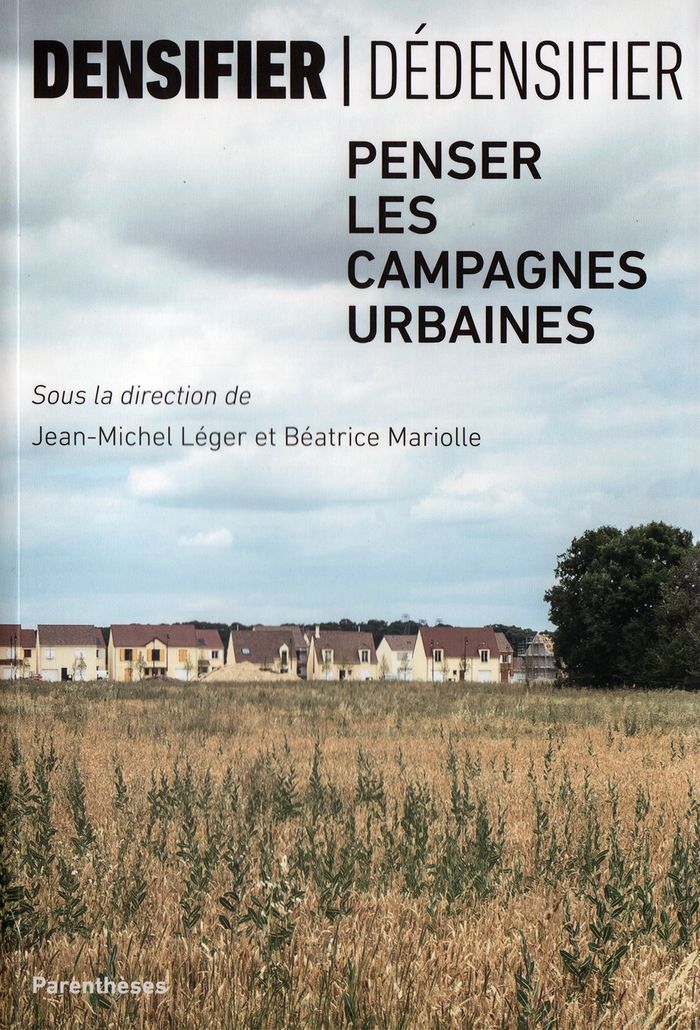
Densifier / dédensifier : penser les campagnes urbaines
Actions:
Prix:
$49.95
(disponible sur commande)
Résumé:
Les territoires qui ne sont ni la ville ni la campagne, mais empruntent à l’une et à l’autre, connaissent une forte croissance démographique, sous la forme d’une ville discontinue. Les campagnes urbaines dépendent tout autant des villes centres que des flux de la mondialisation et de leurs relations avec les villages, les bourgs, la ruralité, les paysages, tout ce capital de manières d’habiter qui font d’elles des lieux désirables. L’avenir de ces espaces fragiles est un défi social et paysager, économique et écologique considérable. L’ouvrage explore la manière dont les campagnes urbaines peuvent accueillir des formes nouvelles de densification ou doivent au contraire être dé-densifiées, en conciliant la pression démographique et foncière avec la préservation des sols et des paysages.
Densifier / dédensifier : penser les campagnes urbaines
Actions:
Prix:
$49.95
(disponible sur commande)
Résumé:
Les territoires qui ne sont ni la ville ni la campagne, mais empruntent à l’une et à l’autre, connaissent une forte croissance démographique, sous la forme d’une ville discontinue. Les campagnes urbaines dépendent tout autant des villes centres que des flux de la mondialisation et de leurs relations avec les villages, les bourgs, la ruralité, les paysages, tout ce capital de manières d’habiter qui font d’elles des lieux désirables. L’avenir de ces espaces fragiles est un défi social et paysager, économique et écologique considérable. L’ouvrage explore la manière dont les campagnes urbaines peuvent accueillir des formes nouvelles de densification ou doivent au contraire être dé-densifiées, en conciliant la pression démographique et foncière avec la préservation des sols et des paysages.
Classification:
livres
livres
Publication:
janvier 2019
janvier 2019
Sujet:
Théorie de l’urbanisme
Théorie de l’urbanisme
Classification:
livres
livres
Actions:
Prix:
$37.00
(disponible sur commande)
Résumé:
We are living in a time of deep divisions. Americans are sorting themselves along racial, religious, and cultural lines, leading to a level of polarization that the country hasn't seen since the Civil War. Pundits and politicians are calling for us to come together, to find common purpose. But how, exactly, can this be done? In ''Palaces for the People'', Eric Klinenberg(...)
$37.00
(disponible sur commande)
Résumé:
We are living in a time of deep divisions. Americans are sorting themselves along racial, religious, and cultural lines, leading to a level of polarization that the country hasn't seen since the Civil War. Pundits and politicians are calling for us to come together, to find common purpose. But how, exactly, can this be done? In ''Palaces for the People'', Eric Klinenberg(...)
Titre:
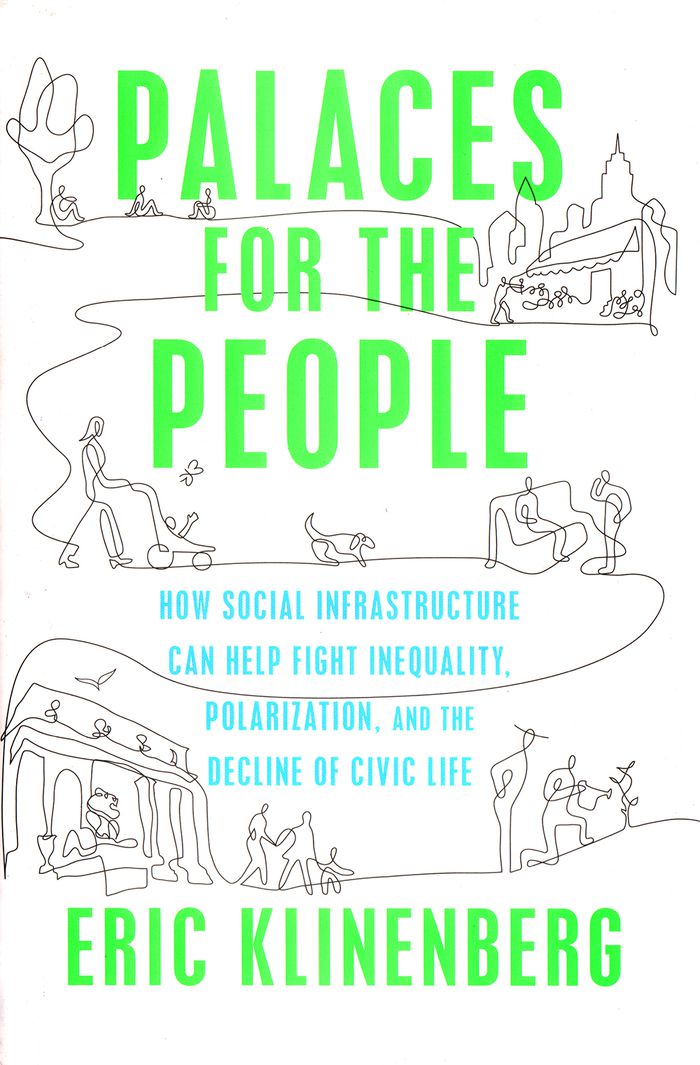
Palaces for the people: how social infrastructure can help fight inequality
Actions:
Prix:
$37.00
(disponible sur commande)
Résumé:
We are living in a time of deep divisions. Americans are sorting themselves along racial, religious, and cultural lines, leading to a level of polarization that the country hasn't seen since the Civil War. Pundits and politicians are calling for us to come together, to find common purpose. But how, exactly, can this be done? In ''Palaces for the People'', Eric Klinenberg suggests a way forward. He believes that the future of democratic societies rests not simply on shared values but on shared spaces where crucial, sometimes life-saving connections, are formed. These are places where people gather and linger, making friends across group lines and strengthening the entire community. Klinenberg calls this the ''social infrastructure'': When it is strong, neighborhoods flourish; when it is neglected, as it has been in recent years, families and individuals must fend for themselves.
Palaces for the people: how social infrastructure can help fight inequality
Actions:
Prix:
$37.00
(disponible sur commande)
Résumé:
We are living in a time of deep divisions. Americans are sorting themselves along racial, religious, and cultural lines, leading to a level of polarization that the country hasn't seen since the Civil War. Pundits and politicians are calling for us to come together, to find common purpose. But how, exactly, can this be done? In ''Palaces for the People'', Eric Klinenberg suggests a way forward. He believes that the future of democratic societies rests not simply on shared values but on shared spaces where crucial, sometimes life-saving connections, are formed. These are places where people gather and linger, making friends across group lines and strengthening the entire community. Klinenberg calls this the ''social infrastructure'': When it is strong, neighborhoods flourish; when it is neglected, as it has been in recent years, families and individuals must fend for themselves.
Classification:
livres
livres
Publication:
septembre 2018
septembre 2018
Sujet:
Théorie de l’urbanisme
Théorie de l’urbanisme


