


12 Résultats
Classification:
livres
livres
Actions:
Prix:
$24.95
(disponible en magasin)
Résumé:
"What is highly likely but not impossible?" is informed by themes found in the work of Hiwa K, such as statehood, war, migration, belonging, the effects of neoliberalism and colonialism, home as a concept, language, and the myth of the individual artist. The compendium ranges freely across mediums, drawing together experimental poetry, science fiction, photography,(...)
$24.95
(disponible en magasin)
Résumé:
"What is highly likely but not impossible?" is informed by themes found in the work of Hiwa K, such as statehood, war, migration, belonging, the effects of neoliberalism and colonialism, home as a concept, language, and the myth of the individual artist. The compendium ranges freely across mediums, drawing together experimental poetry, science fiction, photography,(...)
Titre:
What is highly unlikely but not impossible?
Actions:
Prix:
$24.95
(disponible en magasin)
Résumé:
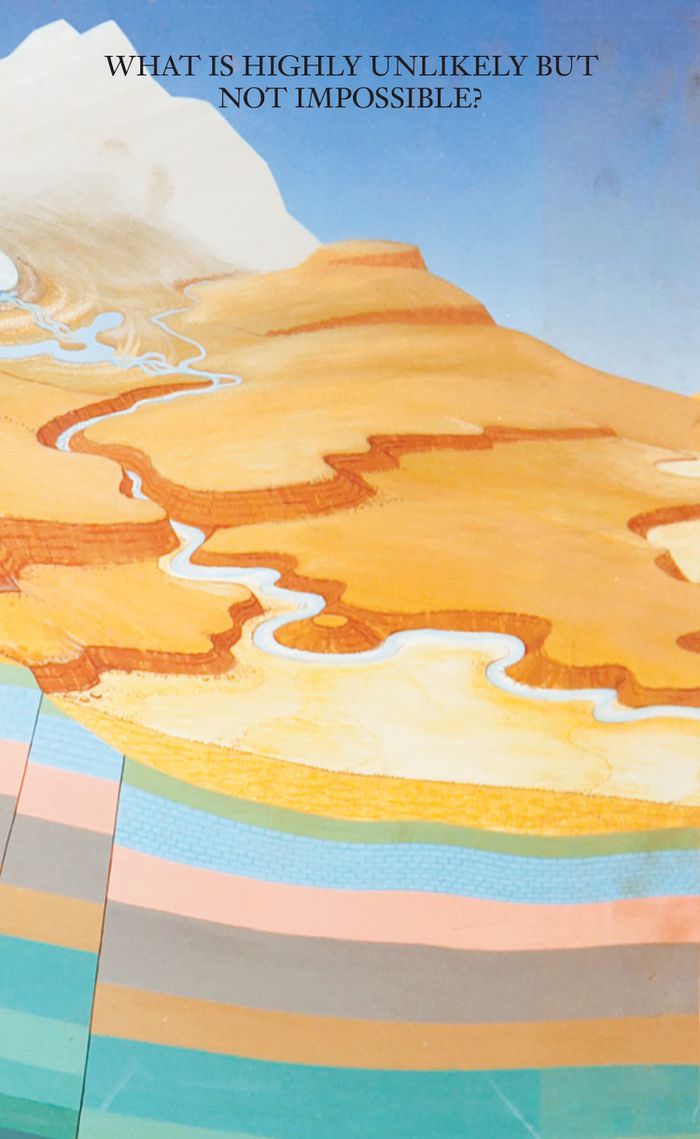
"What is highly likely but not impossible?" is informed by themes found in the work of Hiwa K, such as statehood, war, migration, belonging, the effects of neoliberalism and colonialism, home as a concept, language, and the myth of the individual artist. The compendium ranges freely across mediums, drawing together experimental poetry, science fiction, photography, memoir, academic essays, art historical texts, and more. Contributions include a short story by Benjamin Labatut, an excerpt from a lecture by Achille Mbembe, and drawings by Hajra Waheed. Like previous editions in the series, this book brings together a range of voices and mediums to consider?some of the most pressing issues of our time.?
What is highly unlikely but not impossible?
Actions:
Prix:
$24.95
(disponible en magasin)
Résumé:
"What is highly likely but not impossible?" is informed by themes found in the work of Hiwa K, such as statehood, war, migration, belonging, the effects of neoliberalism and colonialism, home as a concept, language, and the myth of the individual artist. The compendium ranges freely across mediums, drawing together experimental poetry, science fiction, photography, memoir, academic essays, art historical texts, and more. Contributions include a short story by Benjamin Labatut, an excerpt from a lecture by Achille Mbembe, and drawings by Hajra Waheed. Like previous editions in the series, this book brings together a range of voices and mediums to consider?some of the most pressing issues of our time.?
Classification:
livres
livres
Publication:
août 2026
août 2026
Sujet:
Théorie de l’art
Théorie de l’art
Classification:
livres
livres
Actions:
Prix:
$34.95
(disponible sur commande)
Résumé:
Jorge Otero-Pailos shows how architectural phenomenology radically transformed how architects engaged, theorized, and produced history. In the first critical intellectual account of the movement, Otero-Pailos discusses the contributions of leading members, including Jean Labatut, Charles Moore, Christian Norberg-Schulz, and Kenneth Frampton. For architects maturing after(...)
$34.95
(disponible sur commande)
Résumé:
Jorge Otero-Pailos shows how architectural phenomenology radically transformed how architects engaged, theorized, and produced history. In the first critical intellectual account of the movement, Otero-Pailos discusses the contributions of leading members, including Jean Labatut, Charles Moore, Christian Norberg-Schulz, and Kenneth Frampton. For architects maturing after(...)
Titre:
Architecture's historical turn: phenomenology and the rise of the postmodern
Actions:
Prix:
$34.95
(disponible sur commande)
Résumé:
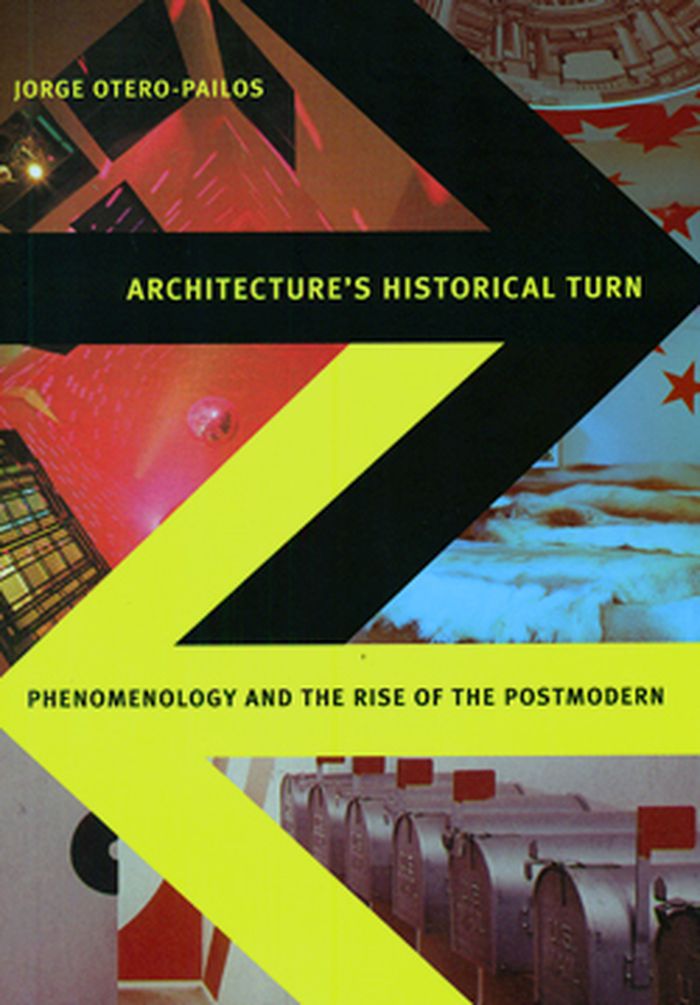
Jorge Otero-Pailos shows how architectural phenomenology radically transformed how architects engaged, theorized, and produced history. In the first critical intellectual account of the movement, Otero-Pailos discusses the contributions of leading members, including Jean Labatut, Charles Moore, Christian Norberg-Schulz, and Kenneth Frampton. For architects maturing after World War II, Otero-Pailos contends, architectural history was a problem rather than a given. Paradoxically, their awareness of modernism’s historicity led some of them to search for an ahistorical experiential constant that might underpin all architectural expression. They drew from phenomenology, exploring the work of Bachelard, Merleau-Ponty, Heidegger, and Ricoeur, which they translated for architectural audiences. Initially, the concept that experience could be a timeless architectural language provided a unifying intellectual basis for the stylistic pluralism that characterized postmodernism. It helped give theory—especially the theory of architectural history—a new importance over practice. However, as Otero-Pailos makes clear, architectural phenomenologists could not accept the idea of theory as an end in itself. In the mid-1980s they were caught in the contradictory and untenable position of having to formulate their own demotion of theory.
Architecture's historical turn: phenomenology and the rise of the postmodern
Actions:
Prix:
$34.95
(disponible sur commande)
Résumé:
Jorge Otero-Pailos shows how architectural phenomenology radically transformed how architects engaged, theorized, and produced history. In the first critical intellectual account of the movement, Otero-Pailos discusses the contributions of leading members, including Jean Labatut, Charles Moore, Christian Norberg-Schulz, and Kenneth Frampton. For architects maturing after World War II, Otero-Pailos contends, architectural history was a problem rather than a given. Paradoxically, their awareness of modernism’s historicity led some of them to search for an ahistorical experiential constant that might underpin all architectural expression. They drew from phenomenology, exploring the work of Bachelard, Merleau-Ponty, Heidegger, and Ricoeur, which they translated for architectural audiences. Initially, the concept that experience could be a timeless architectural language provided a unifying intellectual basis for the stylistic pluralism that characterized postmodernism. It helped give theory—especially the theory of architectural history—a new importance over practice. However, as Otero-Pailos makes clear, architectural phenomenologists could not accept the idea of theory as an end in itself. In the mid-1980s they were caught in the contradictory and untenable position of having to formulate their own demotion of theory.
Classification:
livres
livres
Publication:
avril 2010
avril 2010
Sujet:
Théorie de l’architecture
Théorie de l’architecture


