


1046 Résultats
Classification:
livres
livres
Actions:
Prix:
$67.50
(disponible en magasin)
Résumé:
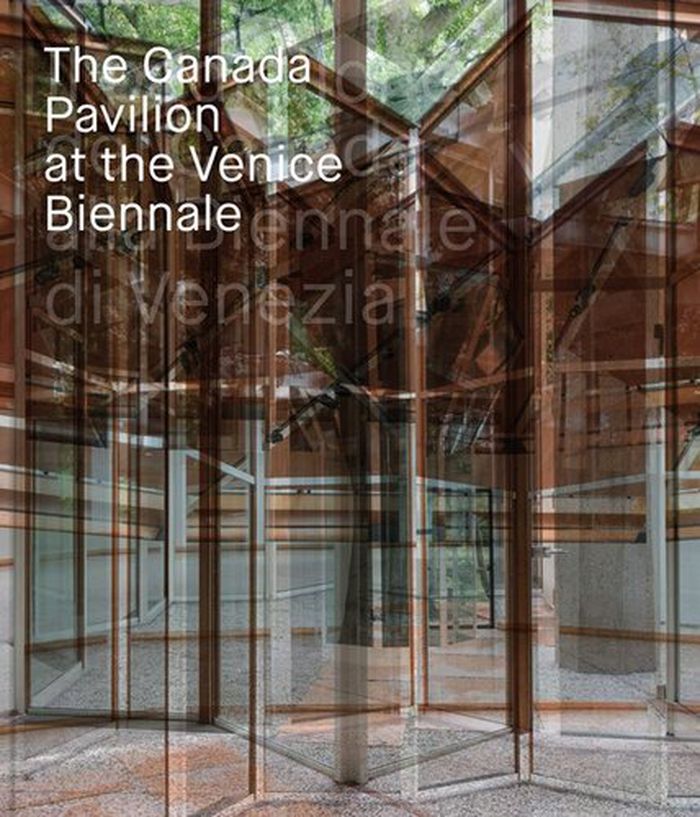
This publication examines the various figures and interests involved in the design and construction of the Canada Pavilion and explores how it was used over the past sixty years to exhibit the work of Canadian artists and architects. This publication intends not only to underline the pavilion's importance in the broader context of modern architecture, but also to(...)
Titre:
The Canada Pavilion at the Venice Biennale
Actions:
Prix:
$67.50
(disponible en magasin)
Résumé:
This publication examines the various figures and interests involved in the design and construction of the Canada Pavilion and explores how it was used over the past sixty years to exhibit the work of Canadian artists and architects. This publication intends not only to underline the pavilion's importance in the broader context of modern architecture, but also to highlight its role as an early example of cultural diplomacy. The book is fully endowed with archive material, such as photographs, drawings, and maps, along with a portfolio created by contemporary photographers (Francesco Barasciutti and Andrea Pertoldeo), showing the building before, during, and after the restoration. The essays of the various contributors to the book analyze the cultural and political context in which the Canada Pavilion committee worked (Cammie McAtee); the concept and construction of the building and the links with the architect Enrico Peressutti and the BBPR partnership (Réjean Legault); the pavilion's role in the postwar Italian cultural context (Serena Maffioletti) and its fortunes from its inauguration in 1958 to the restoration in 2018 (Josée Drouin-Brisebois); the restoration project itself (Susanna Caccia Gherardine), and, lastly, the relationship between the Canada Pavilion and the Biennale Gardens (Franco Panzini).
Classification:
livres
livres
Publication:
septembre 2019
septembre 2019
Sujet:
Biennale
Biennale
Classification:
livres
livres
Actions:
Prix:
$32.95
(disponible sur commande)
Résumé:
Dystopic imagery has figured prominently in modern depictions of the urban landscape. The city is often portrayed as a terrifying world of darkness, crisis, and catastrophe. Noir Urbanisms traces the history of the modern city through its critical representations in art, cinema, print journalism, literature, sociology, and architecture. It focuses on visual forms of(...)
Titre:
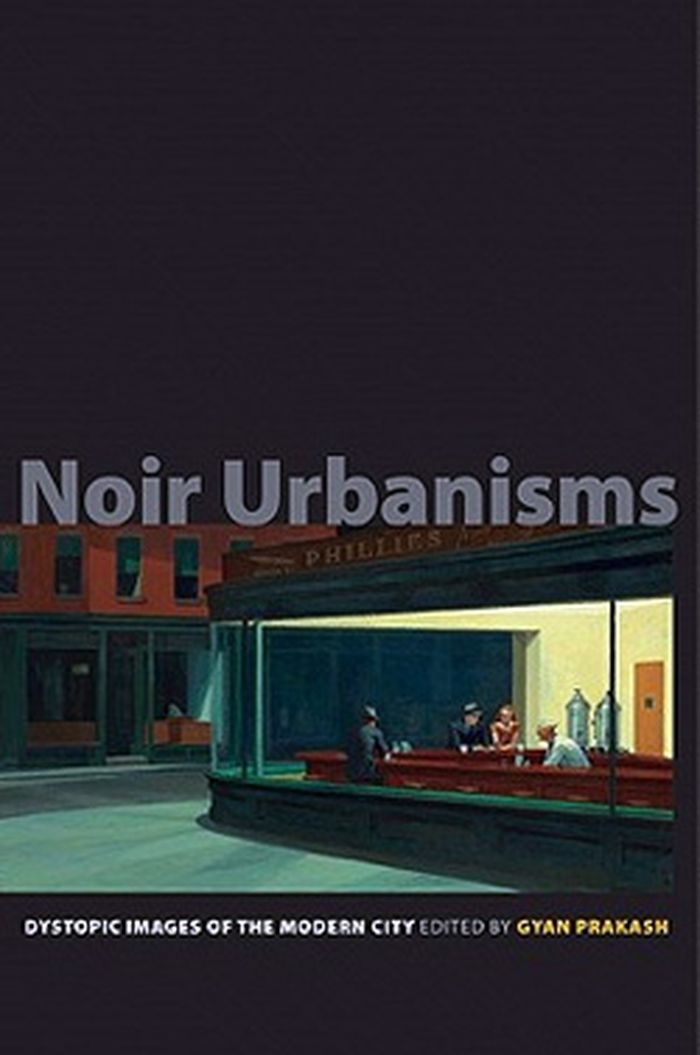
Noir urbanisms: Dystopic images of the modern city
Actions:
Prix:
$32.95
(disponible sur commande)
Résumé:
Dystopic imagery has figured prominently in modern depictions of the urban landscape. The city is often portrayed as a terrifying world of darkness, crisis, and catastrophe. Noir Urbanisms traces the history of the modern city through its critical representations in art, cinema, print journalism, literature, sociology, and architecture. It focuses on visual forms of dystopic representation--because the history of the modern city is inseparable from the production and circulation of images--and examines their strengths and limits as urban criticism. Contributors explore dystopic images of the modern city in Germany, Mexico, Japan, India, South Africa, China, and the United States. Their topics include Weimar representations of urban dystopia in Fritz Lang's 1927 film Metropolis; 1960s modernist architecture in Mexico City; Hollywood film noir of the 1940s and 1950s; the recurring fictional destruction of Tokyo in postwar Japan's sci-fi doom culture; the urban fringe in Bombay cinema; fictional explorations of urban dystopia in postapartheid Johannesburg; and Delhi's out-of-control and media-saturated urbanism in the 1980s and 1990s. What emerges in Noir Urbanisms is the unsettling and disorienting alchemy between dark representations and the modern urban experience.
Classification:
livres
livres
Publication:
octobre 2010
octobre 2010
Classification:
livres
livres
Actions:
Prix:
$49.95
(disponible sur commande)
Résumé:
"Ground-up city : play as a design tool" maps the continuing history of an urban design strategy for play in the city. Liane Lefaivre has developed a theoretical model for tackling playgrounds as an urban strategy. She steps off from a historical overview of play and the ludic in art, architecture and urban design, focusing particularly on the post-war playgrounds(...)
Titre:
Ground-up city : play as a design tool
Actions:
Prix:
$49.95
(disponible sur commande)
Résumé:
"Ground-up city : play as a design tool" maps the continuing history of an urban design strategy for play in the city. Liane Lefaivre has developed a theoretical model for tackling playgrounds as an urban strategy. She steps off from a historical overview of play and the ludic in art, architecture and urban design, focusing particularly on the post-war playgrounds realized in Amsterdam as joint ventures between Aldo van Eyck, Cornelis van Eesteren and Jakoba Mulder. The architecture firm Döll - Atelier voor Bouwkunst explored the possibility of applying the model in two urban redevelopment areas in Rotterdam, Oude Westen in the inner city and Meeuwenplaat in Hoogvliet, an outlying postwar district, refining it into a practical design strategy. A second layer in the book gives an inspirational and refreshing new look at play in a picture essay with a welter of reference images illustrating play as an urban phenomenon. "Ground-up city" places the playground high on the agenda as an urban design challenge. It also shows how specifying a generic, academic model for a particular situation can lead to a practically applicable design resource.
Classification:
livres
livres
Publication:
janvier 2007, Rotterdam
janvier 2007, Rotterdam
Sujet:
Théorie de l’urbanisme
Théorie de l’urbanisme
Classification:
livres
livres

Titre:
Domesticity at War
Domesticity at War
Actions:
Prix:
$54.95
(disponible sur commande)
Résumé:
In the years immediately following World War II, America embraced modern architecture--not as something imported from Europe, but as an entirely new mode of operation, with original and captivating designs made in the USA. Beatriz Colomina shows how postwar American architecture adapted the techniques and materials that were developed for military applications to domestic(...)
Sujet:
Théorie de l’architecture
Théorie de l’architecture
Publication:
mars 2007, Cambridge / London
mars 2007, Cambridge / London
Titre:
Domesticity at War
Actions:
Prix:
$54.95
(disponible sur commande)
Résumé:
In the years immediately following World War II, America embraced modern architecture--not as something imported from Europe, but as an entirely new mode of operation, with original and captivating designs made in the USA. Beatriz Colomina shows how postwar American architecture adapted the techniques and materials that were developed for military applications to domestic use. Just as manufacturers were turning wartime industry to peacetime productivity--going from missiles to washing machines--American architects and cultural institutions were, in Buckminster Fuller’s words, turning "weaponry into livingry." This new form of domesticity itself turned out to be a powerful weapon. Images of American domestic bliss--suburban homes, manicured lawns, kitchen accessories--went around the world as an effective propaganda campaign. Cold War anxieties were masked by endlessly repeated images of a picture-perfect domestic environment. Even the popular conception of the architect became domesticated, changing from that of an austere modernist to a plaid-shirt wearing homebody. Domesticity at War itself has a distinctive architecture. Housed within the case are two units: one book of text, and one book of illustrations--most of them in color, including advertisements, newspaper and magazine articles, architectural photographs, and more.
Classification:
livres
livres
Publication:
mars 2007, Cambridge / London
mars 2007, Cambridge / London
Sujet:
Théorie de l’architecture
Théorie de l’architecture
Classification:
livres
livres
Titre:
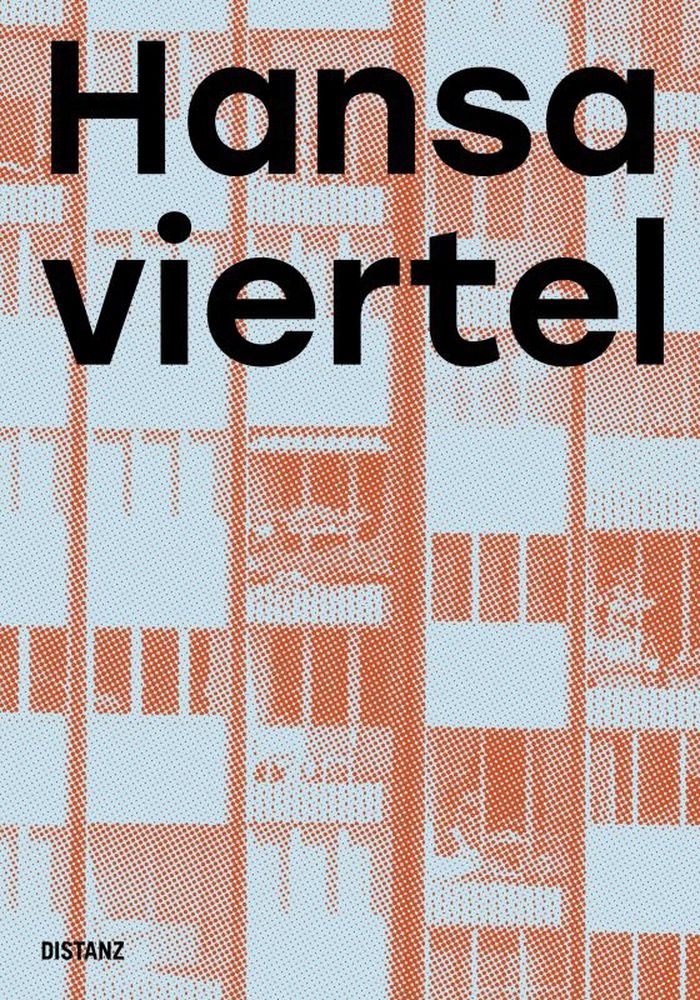
Hansaviertel portraits
Hansaviertel portraits
Actions:
Prix:
$65.00
(disponible sur commande)
Résumé:
A former debris-strewn wasteland in the inner city—some 300 out of 343 residential buildings were destroyed during the Second World War—the Hansaviertel is one of the most defining architecture projects of the postwar period in Berlin. In 1952, an international ideas competition was held under the title die stadt von morgen (the city of tomorrow); more than fifty(...)
Titre:
Hansaviertel portraits
Actions:
Prix:
$65.00
(disponible sur commande)
Résumé:
A former debris-strewn wasteland in the inner city—some 300 out of 343 residential buildings were destroyed during the Second World War—the Hansaviertel is one of the most defining architecture projects of the postwar period in Berlin. In 1952, an international ideas competition was held under the title die stadt von morgen (the city of tomorrow); more than fifty architects presented plans for the rebuilding of West Berlin, including leading practitioners of Western modernist architecture like Alvar Aalto, Werner Düttmann, Egon Eiermann, Walter Gropius, Arne Jacobsen, Oscar Niemeyer, and Max Taut. Construction based on their designs in the redevelopment area began in 1956. The result was a neighborhood designed for people and their needs—largely without predetermined paths, with lots of greenery, flexible floor plans, space for small businesses, and facilities for everyday needs. Visiting the area and its people today, one can still feel the designers’ visionary resolve to establish new ways of residential living. Locals are united by their fascination with architecture and design and their love for their neighborhood, which over the decades has developed an authentic patina and now stands as witness to a key chapter in the city’s more recent history.
Classification:
livres
livres
Publication:
octobre 2024
octobre 2024
Classification:
livres
livres

Actions:
Prix:
$45.50
(disponible sur commande)
Résumé:
In the 1960s art fell out of time; both artists and critics lost their temporal bearings in response to what E. M. Cioran called "not being entitled to time." This anxiety and uneasiness about time, which Pamela Lee calls "chronophobia," cut across movements, media, and genres, and was figured in works ranging from kinetic sculptures to Andy Warhol films. Despite its(...)
Titre:
Chronophobia : on time in the art of the 1960's
Actions:
Prix:
$45.50
(disponible sur commande)
Résumé:
In the 1960s art fell out of time; both artists and critics lost their temporal bearings in response to what E. M. Cioran called "not being entitled to time." This anxiety and uneasiness about time, which Pamela Lee calls "chronophobia," cut across movements, media, and genres, and was figured in works ranging from kinetic sculptures to Andy Warhol films. Despite its pervasiveness, the subject of time and 1960s art has gone largely unexamined in historical accounts of the period. Chronophobia is the first critical attempt to define this obsession and analyze it in relation to art and technology. Lee discusses the chronophobia of art relative to the emergence of the Information Age in postwar culture. The accompanying rapid technological transformations, including the advent of computers and automation processes, produced for many an acute sense of historical unknowing; the seemingly accelerated pace of life began to outstrip any attempts to make sense of the present. Lee sees the attitude of 1960s art to time as a historical prelude to our current fixation on time and speed within digital culture. Reflecting upon the 1960s cultural anxiety about temporality, she argues, helps us historicize our current relation to technology and time.
Classification:
livres
livres
Publication:
mai 2004, Cambridge, Mass.
mai 2004, Cambridge, Mass.
Classification:
livres
livres

Actions:
Prix:
$56.00
(disponible sur commande)
Résumé:
Robert Smithson (1938–1973), an artist of paramount importance in postwar America, created radical new perspectives for landscape architecture, photography, art criticism, and site-specific installation. His Spiral Jetty - a 1,500-foot-long coil of rock built in 1970 at the edge of the Great Salt Lake - is widely appreciated as one of the most significant art projects of(...)
Publication:
avril 2004, New Haven / London
avril 2004, New Haven / London
Titre:
Mirror-Travels : Robert Smithson and history
Actions:
Prix:
$56.00
(disponible sur commande)
Résumé:
Robert Smithson (1938–1973), an artist of paramount importance in postwar America, created radical new perspectives for landscape architecture, photography, art criticism, and site-specific installation. His Spiral Jetty - a 1,500-foot-long coil of rock built in 1970 at the edge of the Great Salt Lake - is widely appreciated as one of the most significant art projects of the twentieth century. Less well known is the connection between the Jetty and the nearby Golden Spike National Historic Site, location of the completion of the first U.S. transcontinental railroad. The link between these two monuments is but one facet of an entire complex of historical reference and reflection that structures Smithson’s work. Mirror-Travels encompasses the full span of Smithson’s career, offering a close analysis of the artist’s working model of history and featuring comprehensive case studies of three of his most influential works: The Monuments of Passaic, Incidents of Mirror-Travel in the Yucatan, and the Spiral Jetty. Incorporating abundant new material from Smithson’s personal papers and library, Jennifer Roberts offers surprising new interpretations about the artist and his responses to the social, ideological, and material contradictions of his time.
Classification:
livres
livres
Publication:
avril 2004, New Haven / London
avril 2004, New Haven / London
Classification:
livres
livres
Actions:
Prix:
$105.00
(disponible sur commande)
Résumé:
Josef Paul Kleihues (1933–2004) was one of the most prolific architects of postwar Germany, famous both as the Director of the International Building Exhibition Berlin in 1987 and for his design for the Museum of Contemporary Art in Chicago. He was also known for his sensitive interventions into older buildings, an instance of which is the former Hamburger Bahnhof - now(...)
Titre:
Josef Paul Kleihues: works 1966-1980 Vol. 1
Actions:
Prix:
$105.00
(disponible sur commande)
Résumé:
Josef Paul Kleihues (1933–2004) was one of the most prolific architects of postwar Germany, famous both as the Director of the International Building Exhibition Berlin in 1987 and for his design for the Museum of Contemporary Art in Chicago. He was also known for his sensitive interventions into older buildings, an instance of which is the former Hamburger Bahnhof - now the Museum für Gegenwart - in Berlin, where Kleihues intermixed glass walls and light installations by the American Minimalist Dan Flavin with the building’s original nineteenth-century Neoclassical design. (His reconstruction was widely deemed to rival or even surpass Gae Aulenti's overhaul of the interior of the Musée d'Orsay in Paris.) This first volume of a three-part monograph presents projects up to 1980, including the highly acclaimed Berlin Sanitation Department and the Neukölln Hospital. Even in these early works, Kleihues’ practical, problem-solving approach is already evident, indicating his readiness to reflect on the traditional approaches of Modern architecture and his capacity to expand them in interesting ways. This very generously illustrated volume was designed by Kleihues himself, just before his death in 2004.
Classification:
livres
livres
Publication:
mars 2008, Ostfildern
mars 2008, Ostfildern
Sujet:
Architecture, monographies
Architecture, monographies
Classification:
livres
livres
Actions:
Prix:
$45.95
(disponible sur commande)
Résumé:
Commissioned in 1750, the Palazzo Venier was planned as a testimony to the power and wealth of a great Venetian family, but the fortunes of the Veniers waned midconstruction and the project was abandoned. Empty, unfinished, and decaying, the building was considered an eyesore until the early twentieth century when it attracted and inspired three women at key moments in(...)
Titre:
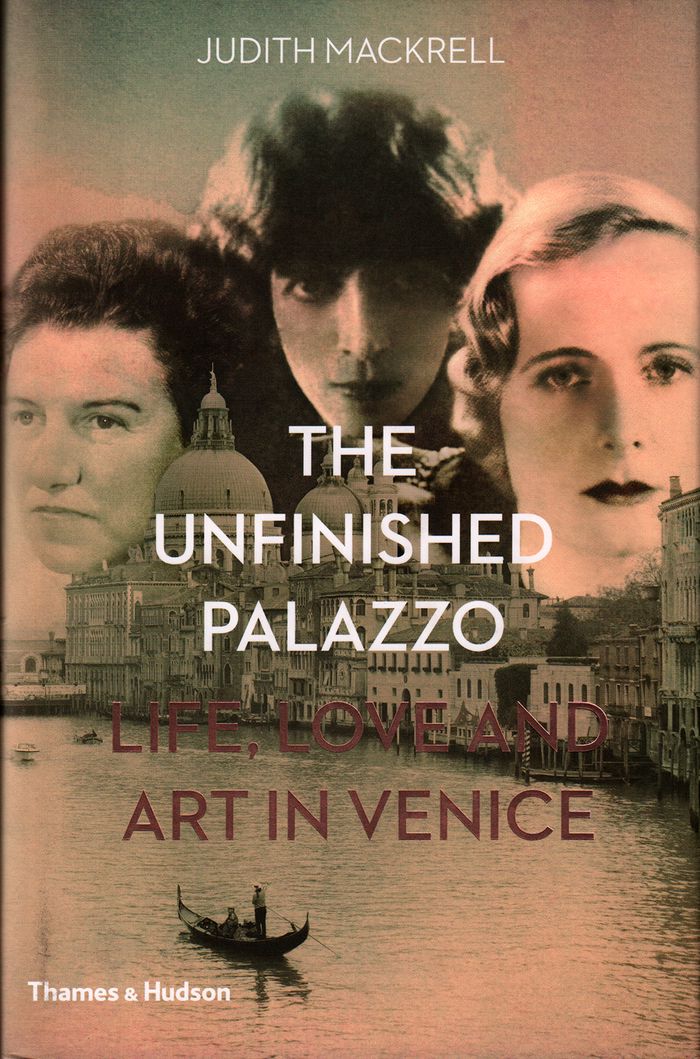
The unfinished palazzo: stories of Luisa Casati, Doris Castlerosse and Peggy Guggenheim
Actions:
Prix:
$45.95
(disponible sur commande)
Résumé:
Commissioned in 1750, the Palazzo Venier was planned as a testimony to the power and wealth of a great Venetian family, but the fortunes of the Veniers waned midconstruction and the project was abandoned. Empty, unfinished, and decaying, the building was considered an eyesore until the early twentieth century when it attracted and inspired three women at key moments in their lives: Luisa Casati, Doris Castlerosse, and Peggy Guggenheim. Luisa Casati turned her home into an aesthete’s fantasy where she hosted parties as extravagant and decadent as Renaissance court operas, spending small fortunes on her own costumes in her quest to become a “living work of art” and muse. Doris Castlerosse strove to make her mark in London and Venice during the glamorous, hedonistic interwar years, hosting film stars and royalty at glittering parties. In the postwar years, Peggy Gugenheim turned the Palazzo into a model of modernist simplicity that served as a home for her exquisite collection of modern art that today draws tourists and art lovers from around the world. Each vivid life story is accompanied by previously unseen materials from family archives, weaving an intricate history of these legendary art world eccentrics.
Classification:
livres
livres
Publication:
septembre 2017
septembre 2017
Sujet:
Histoire jusqu’à 1900
Histoire jusqu’à 1900
Classification:
livres
livres
Actions:
Prix:
$97.00
(disponible sur commande)
Résumé:
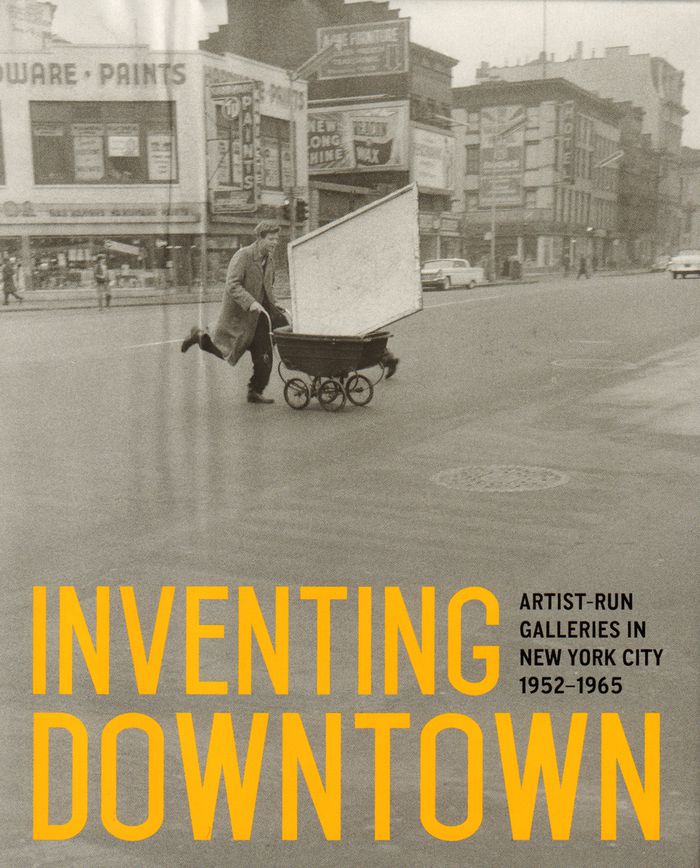
While the achievements of New York City’s most renowned postwar artists—de Kooning, Pollock, Rothko, Franz Kline—have been studied in depth, a large cadre of lesser-known but influential artists came of age between 1952 and 1965. Also understudied are the early, experimental works by more wellknown figures such as Mark di Suvero, Jim Dine, Dan Flavin, and Claes Oldenburg.(...)
Publication:
décembre 2016
décembre 2016
Titre:
Inventing downtown: artist-run galleries in New York City, 1952-1965
Actions:
Prix:
$97.00
(disponible sur commande)
Résumé:
While the achievements of New York City’s most renowned postwar artists—de Kooning, Pollock, Rothko, Franz Kline—have been studied in depth, a large cadre of lesser-known but influential artists came of age between 1952 and 1965. Also understudied are the early, experimental works by more wellknown figures such as Mark di Suvero, Jim Dine, Dan Flavin, and Claes Oldenburg. Focusing on innovative artist-run galleries, this book invites readers to reevaluate the period—uncovering its diversity, creativity, and nuances, and tracing the spaces’ influence during the decades that followed. Inventing Downtown charts the development of artist-run galleries in Lower Manhattan from the early 1950s to the mid-1960s, showing how the area’s multicultural spirit played a major role in shaping the artworks exhibited there. The book explores 14 key spaces in which styles such as Pop, Minimalism, and performance and installation art thrived. Excerpts from 33 revealing interviews with artists, critics, and dealers, conducted by Billy Klüver and Julie Martin, offer unique personal insight into the era’s creative milieu. Taken together, the book’s essays and interviews provide a distinctly new assessment of how downtown New York’s fertile environment nurtured an innovative art scene.
Classification:
livres
livres
Publication:
décembre 2016
décembre 2016


