


1046 Résultats
Classification:
livres
livres
Prix:
$34.95
(disponible sur commande)
Résumé:
his book focuses on six brilliant women who are often seen as particularly tough-minded: Simone Weil, Hannah Arendt, Mary McCarthy, Susan Sontag, Diane Arbus, and Joan Didion. Aligned with no single tradition, they escape straightforward categories. Yet their work evinces an affinity of style and philosophical viewpoint that derives from a shared attitude toward(...)
$34.95
(disponible sur commande)
Résumé:
his book focuses on six brilliant women who are often seen as particularly tough-minded: Simone Weil, Hannah Arendt, Mary McCarthy, Susan Sontag, Diane Arbus, and Joan Didion. Aligned with no single tradition, they escape straightforward categories. Yet their work evinces an affinity of style and philosophical viewpoint that derives from a shared attitude toward(...)
Titre:
Tough enough: Arbus, Arendt, Didion, McCarthy, Sontag, Weil
Actions:
Prix:
$34.95
(disponible sur commande)
Résumé:
his book focuses on six brilliant women who are often seen as particularly tough-minded: Simone Weil, Hannah Arendt, Mary McCarthy, Susan Sontag, Diane Arbus, and Joan Didion. Aligned with no single tradition, they escape straightforward categories. Yet their work evinces an affinity of style and philosophical viewpoint that derives from a shared attitude toward suffering. What Mary McCarthy called a “cold eye” was not merely a personal aversion to displays of emotion: it was an unsentimental mode of attention that dictated both ethical positions and aesthetic approaches. Tough Enough traces the careers of these women and their challenges to the pre-eminence of empathy as the ethical posture from which to examine pain. Their writing and art reveal an adamant belief that the hurts of the world must be treated concretely, directly, and realistically, without recourse to either melodrama or callousness. As Deborah Nelson shows, this stance offers an important counter-tradition to the familiar postwar poles of emotional expressivity on the one hand and cool irony on the other. Ultimately, in its insistence on facing reality without consolation or compensation, this austere “school of the unsentimental” offers new ways to approach suffering in both its spectacular forms and all of its ordinariness.
Tough enough: Arbus, Arendt, Didion, McCarthy, Sontag, Weil
Actions:
Prix:
$34.95
(disponible sur commande)
Résumé:
his book focuses on six brilliant women who are often seen as particularly tough-minded: Simone Weil, Hannah Arendt, Mary McCarthy, Susan Sontag, Diane Arbus, and Joan Didion. Aligned with no single tradition, they escape straightforward categories. Yet their work evinces an affinity of style and philosophical viewpoint that derives from a shared attitude toward suffering. What Mary McCarthy called a “cold eye” was not merely a personal aversion to displays of emotion: it was an unsentimental mode of attention that dictated both ethical positions and aesthetic approaches. Tough Enough traces the careers of these women and their challenges to the pre-eminence of empathy as the ethical posture from which to examine pain. Their writing and art reveal an adamant belief that the hurts of the world must be treated concretely, directly, and realistically, without recourse to either melodrama or callousness. As Deborah Nelson shows, this stance offers an important counter-tradition to the familiar postwar poles of emotional expressivity on the one hand and cool irony on the other. Ultimately, in its insistence on facing reality without consolation or compensation, this austere “school of the unsentimental” offers new ways to approach suffering in both its spectacular forms and all of its ordinariness.
Classification:
livres
livres
Publication:
avril 2017
avril 2017
Sujet:
Théorie/ philosophie
Théorie/ philosophie
Classification:
livres
livres
Actions:
Prix:
$54.50
(disponible sur commande)
Résumé:
What does the Western city at the end of the twentieth century look like? How did the modern metropolis of congestion and density turn into a posturban or even postsuburban cityscape? What are edge cities and technoburbs? How has the social composition of cities changed in the postwar era? What do gated communities tell us about social fragmentation? Is public space in(...)
$54.50
(disponible sur commande)
Résumé:
What does the Western city at the end of the twentieth century look like? How did the modern metropolis of congestion and density turn into a posturban or even postsuburban cityscape? What are edge cities and technoburbs? How has the social composition of cities changed in the postwar era? What do gated communities tell us about social fragmentation? Is public space in(...)
Publication:
janvier 1900, Rotterdam
janvier 1900, Rotterdam
Titre:
The urban condition : space, community, and self in the contemporary metropolis
Actions:
Prix:
$54.50
(disponible sur commande)
Résumé:
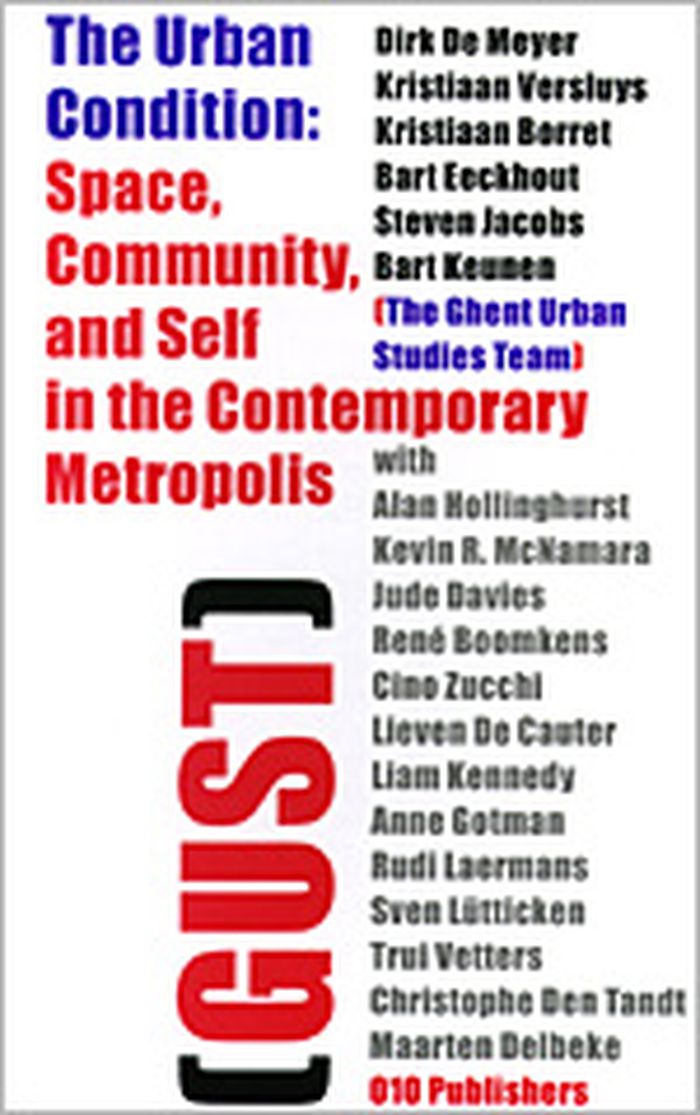
What does the Western city at the end of the twentieth century look like? How did the modern metropolis of congestion and density turn into a posturban or even postsuburban cityscape? What are edge cities and technoburbs? How has the social composition of cities changed in the postwar era? What do gated communities tell us about social fragmentation? Is public space in the contemporary city being privatized and militarized? How can the urban self still be defined? What role does consumer aestheticism have to play in this? These and many more questions are addressed by this uniquely conceived multidisciplinary study. "The Urban Condition" seeks to interfere in current debates over the future and interpretation of our urban landscapes by reuniting studies of the city as a physical and material phenomenon and as a cultural and mental (arte)fact. The Ghent Urban Studies Team responsible for the writing and editing of this volume is directed by Kristiaan Versluys and Dirk De Meyer at the University of Ghent, Belgium. It is an interdisciplinary research team of young academics that further consists of Kristiaan Borret, Bart Eeckhout, Steven Jacobs, and Bart Keunen. The collective expertise of GUST ranges from architectural theory, urban planning, and art history to philosophy, literary criticism and cultural theory.
The urban condition : space, community, and self in the contemporary metropolis
Actions:
Prix:
$54.50
(disponible sur commande)
Résumé:
What does the Western city at the end of the twentieth century look like? How did the modern metropolis of congestion and density turn into a posturban or even postsuburban cityscape? What are edge cities and technoburbs? How has the social composition of cities changed in the postwar era? What do gated communities tell us about social fragmentation? Is public space in the contemporary city being privatized and militarized? How can the urban self still be defined? What role does consumer aestheticism have to play in this? These and many more questions are addressed by this uniquely conceived multidisciplinary study. "The Urban Condition" seeks to interfere in current debates over the future and interpretation of our urban landscapes by reuniting studies of the city as a physical and material phenomenon and as a cultural and mental (arte)fact. The Ghent Urban Studies Team responsible for the writing and editing of this volume is directed by Kristiaan Versluys and Dirk De Meyer at the University of Ghent, Belgium. It is an interdisciplinary research team of young academics that further consists of Kristiaan Borret, Bart Eeckhout, Steven Jacobs, and Bart Keunen. The collective expertise of GUST ranges from architectural theory, urban planning, and art history to philosophy, literary criticism and cultural theory.
Classification:
livres
livres
Publication:
janvier 1900, Rotterdam
janvier 1900, Rotterdam
Classification:
livres
livres
Actions:
Prix:
$29.95
(disponible sur commande)
Résumé:
There are all kinds of indications that architecture in the nineties has set off in a new direction after the domination of the two last decades by postmodernism as a style or attitude. This trend, which can be seen in the work of architectural firms like OMA, Jean Nouvel, Dominique Perrault, Herzog & De Meuron and Toyo Ito, can be connected with one of the dominant(...)
$29.95
(disponible sur commande)
Résumé:
There are all kinds of indications that architecture in the nineties has set off in a new direction after the domination of the two last decades by postmodernism as a style or attitude. This trend, which can be seen in the work of architectural firms like OMA, Jean Nouvel, Dominique Perrault, Herzog & De Meuron and Toyo Ito, can be connected with one of the dominant(...)
Titre:
Supermodernism : architecture in the age of globalization / enlarged edition
Actions:
Prix:
$29.95
(disponible sur commande)
Résumé:
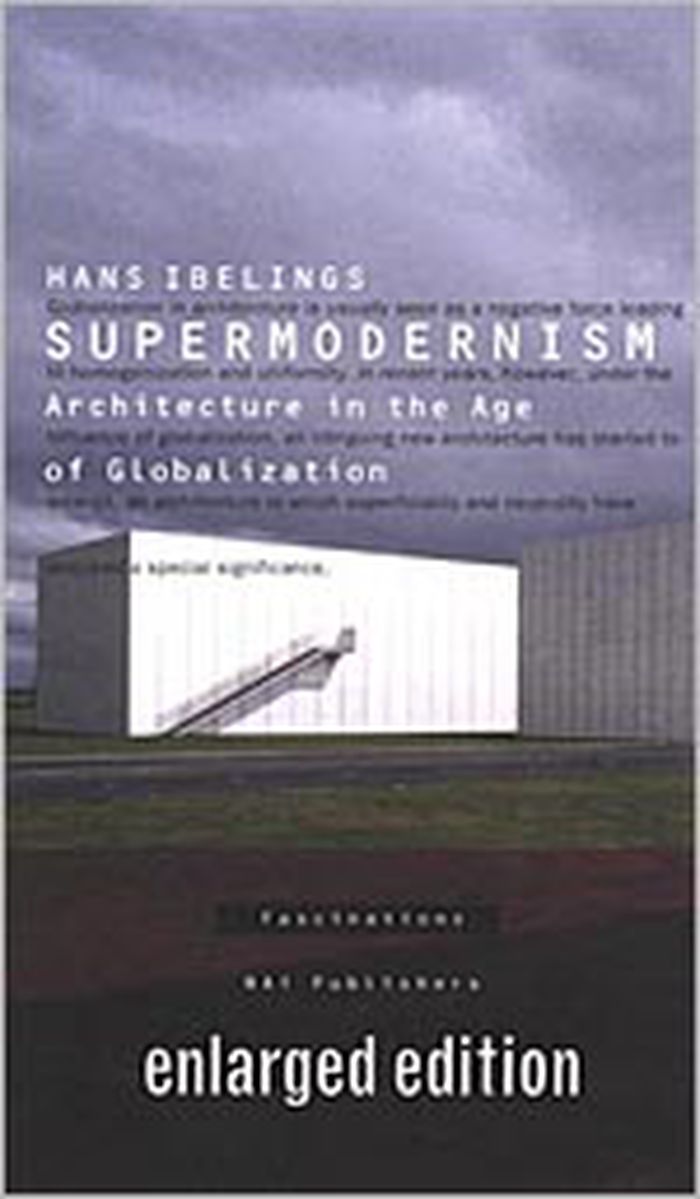
There are all kinds of indications that architecture in the nineties has set off in a new direction after the domination of the two last decades by postmodernism as a style or attitude. This trend, which can be seen in the work of architectural firms like OMA, Jean Nouvel, Dominique Perrault, Herzog & De Meuron and Toyo Ito, can be connected with one of the dominant forces of the present time: the globalization that is taking place in virtually every field. One of the consequences for architecture is the erosion of the postmodern (and deconstructivist) axiom of the uniqueness of the site. The context, let alone contextualism, no longer seems to play an important role in an increasing number of designs and buildings. Semiotic expressiveness - another postmodern theme - is also often lacking in this architecture. The author explores this new trend towards abstract, neutral architecture, which in various respects can be seen as the last word of modern architecture of the postwar International Style. This enlarged edition of "Supermodernism" includes a new final chapter in which Ibelings charts the latest examples of supermodernism, as well as a revised introduction and conclusion in which he responds to the numerous reactions his provocative stance has triggered.
Supermodernism : architecture in the age of globalization / enlarged edition
Actions:
Prix:
$29.95
(disponible sur commande)
Résumé:
There are all kinds of indications that architecture in the nineties has set off in a new direction after the domination of the two last decades by postmodernism as a style or attitude. This trend, which can be seen in the work of architectural firms like OMA, Jean Nouvel, Dominique Perrault, Herzog & De Meuron and Toyo Ito, can be connected with one of the dominant forces of the present time: the globalization that is taking place in virtually every field. One of the consequences for architecture is the erosion of the postmodern (and deconstructivist) axiom of the uniqueness of the site. The context, let alone contextualism, no longer seems to play an important role in an increasing number of designs and buildings. Semiotic expressiveness - another postmodern theme - is also often lacking in this architecture. The author explores this new trend towards abstract, neutral architecture, which in various respects can be seen as the last word of modern architecture of the postwar International Style. This enlarged edition of "Supermodernism" includes a new final chapter in which Ibelings charts the latest examples of supermodernism, as well as a revised introduction and conclusion in which he responds to the numerous reactions his provocative stance has triggered.
Classification:
livres
livres
Publication:
janvier 1900, Rotterdam
janvier 1900, Rotterdam
Classification:
livres
livres
Actions:
Prix:
$90.00
(disponible sur commande)
Résumé:
The short-lived Japanese magazine Provoke, founded in 1968, is nowadays recognized as a major contribution to postwar photography in Japan, featuring the country’s finest representatives of protest photography, vanguard fine art and critical theory in only three issues overall. The magazine's goal was to mirror the complexities of Japanese society and its art world of the(...)
$90.00
(disponible sur commande)
Résumé:
The short-lived Japanese magazine Provoke, founded in 1968, is nowadays recognized as a major contribution to postwar photography in Japan, featuring the country’s finest representatives of protest photography, vanguard fine art and critical theory in only three issues overall. The magazine's goal was to mirror the complexities of Japanese society and its art world of the(...)
Titre:
Provoke: between protest and performance. Photography in Japan 1960-1975
Actions:
Prix:
$90.00
(disponible sur commande)
Résumé:
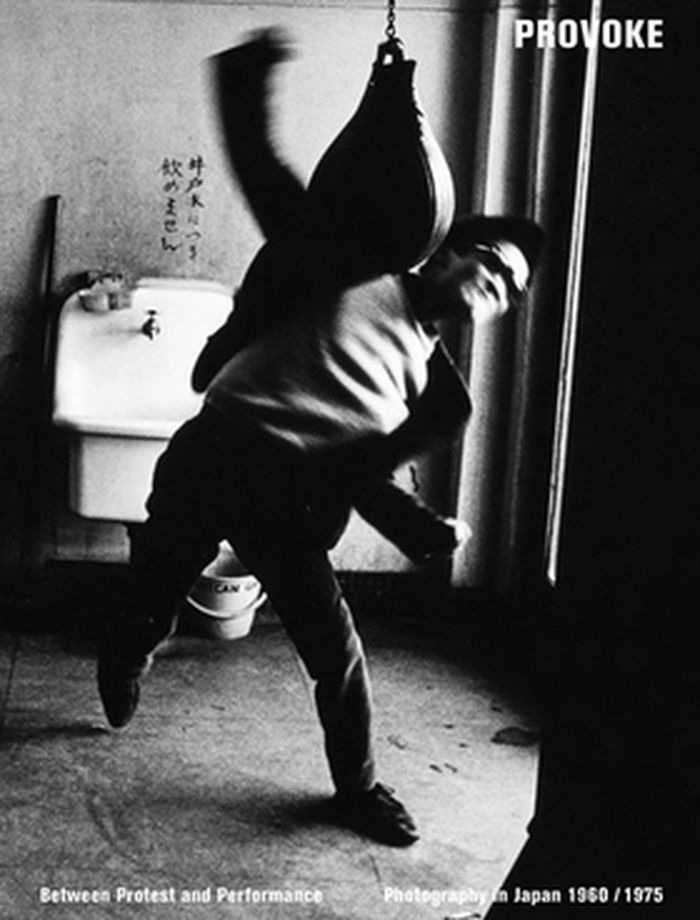
The short-lived Japanese magazine Provoke, founded in 1968, is nowadays recognized as a major contribution to postwar photography in Japan, featuring the country’s finest representatives of protest photography, vanguard fine art and critical theory in only three issues overall. The magazine's goal was to mirror the complexities of Japanese society and its art world of the 1960s, a decade shaped by the country’s first large-scale student protests. The movement yielded a wave of new books featuring innovative graphic design combined with photography: serialized imagery, gripping text-image combinations, dynamic cropping and the use of provocatively "poor" materials. The writings and images by Provoke's members—critic Koji Taki, poet Takahiko Okada, photographers Takuma Nakahira, Yakata Takanashi and Daido Moriyama—were suffused with the tactics developed by Japanese protest photographers such as Nobuyoshi Araki, Eikoh Hosoe and Shomei Tomatsu, who pointed at and criticized the mythologies of modern life. Provoke accompanies the first exhibition ever to be held on the magazine and its creators. Illuminating the various uses of photography in Japan at the time, the catalogue focuses on selected projects undertaken between 1960 and 1975 that offer a strongly interpretative account of currents in Japanese art and society at a moment of historical collapse and renewal.
Provoke: between protest and performance. Photography in Japan 1960-1975
Actions:
Prix:
$90.00
(disponible sur commande)
Résumé:
The short-lived Japanese magazine Provoke, founded in 1968, is nowadays recognized as a major contribution to postwar photography in Japan, featuring the country’s finest representatives of protest photography, vanguard fine art and critical theory in only three issues overall. The magazine's goal was to mirror the complexities of Japanese society and its art world of the 1960s, a decade shaped by the country’s first large-scale student protests. The movement yielded a wave of new books featuring innovative graphic design combined with photography: serialized imagery, gripping text-image combinations, dynamic cropping and the use of provocatively "poor" materials. The writings and images by Provoke's members—critic Koji Taki, poet Takahiko Okada, photographers Takuma Nakahira, Yakata Takanashi and Daido Moriyama—were suffused with the tactics developed by Japanese protest photographers such as Nobuyoshi Araki, Eikoh Hosoe and Shomei Tomatsu, who pointed at and criticized the mythologies of modern life. Provoke accompanies the first exhibition ever to be held on the magazine and its creators. Illuminating the various uses of photography in Japan at the time, the catalogue focuses on selected projects undertaken between 1960 and 1975 that offer a strongly interpretative account of currents in Japanese art and society at a moment of historical collapse and renewal.
Classification:
livres
livres
Publication:
mars 2016
mars 2016
Sujet:
Photographie- collections
Photographie- collections
Classification:
livres
livres
Titre:
Nature
Nature
Actions:
Prix:
$28.95
(disponible sur commande)
Résumé:
Nature, as both subject and object, has been repeatedly rejected and reclaimed by artists over the last half century. With the dislocation of disciplinary boundaries in visual culture, art that is engaged with nature has also forged connections with a new range of scientific, historical, and philosophical ideas. Developing technologies make our interventions into natural(...)
$28.95
(disponible sur commande)
Résumé:
Nature, as both subject and object, has been repeatedly rejected and reclaimed by artists over the last half century. With the dislocation of disciplinary boundaries in visual culture, art that is engaged with nature has also forged connections with a new range of scientific, historical, and philosophical ideas. Developing technologies make our interventions into natural(...)
Titre:
Nature
Actions:
Prix:
$28.95
(disponible sur commande)
Résumé:
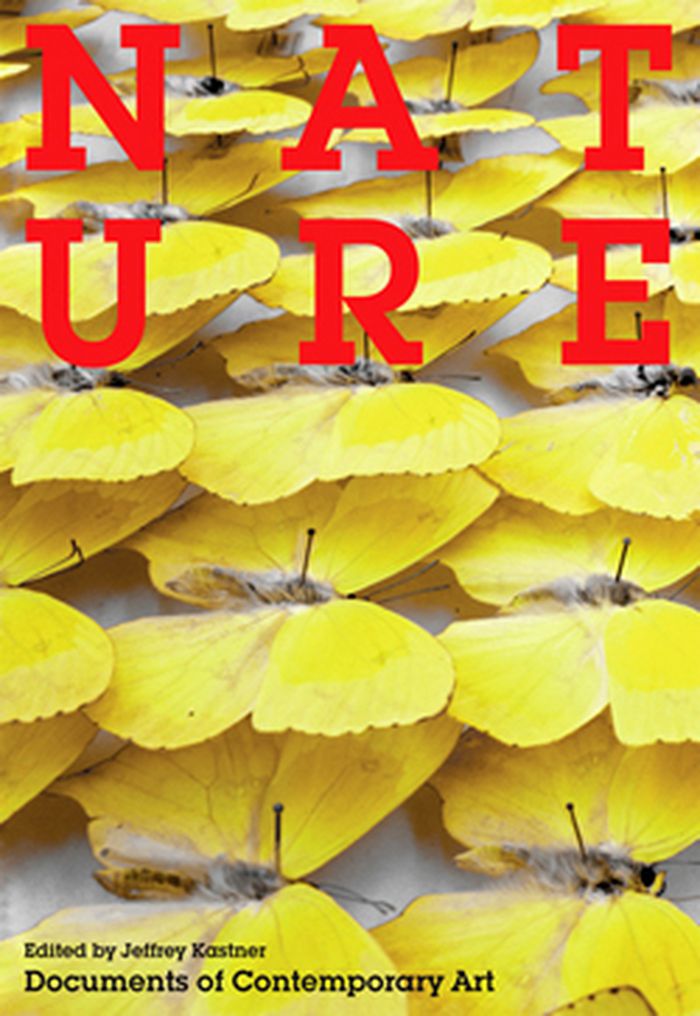
Nature, as both subject and object, has been repeatedly rejected and reclaimed by artists over the last half century. With the dislocation of disciplinary boundaries in visual culture, art that is engaged with nature has also forged connections with a new range of scientific, historical, and philosophical ideas. Developing technologies make our interventions into natural systems both increasingly refined and profound. Advances in biological and telecommunication technology continually modify the way we present ourselves. So too are artistic representations of nature (human and otherwise) being transformed. This anthology addresses these issues by considering how the rise of transdisciplinary practices in the postwar era allowed for new kinds of artistic engagement with nature. These include the postminimalist inscriptions associated with Land art; environmentally engaged practices designed to propose novel forms of stewardship; and more recent projects concerned with relationships between the most subtle and minute components of life and the large-scale appearance of the world. These projects unsettle the most basic operations of “natural” personhood and identity. Including a wide range of writings by and about artists, juxtaposed with influential texts from diverse theoretical bases, this collection provides an overview of the eclectic scientific and philosophical sources that inform contemporary art’s investigations of nature.
Nature
Actions:
Prix:
$28.95
(disponible sur commande)
Résumé:
Nature, as both subject and object, has been repeatedly rejected and reclaimed by artists over the last half century. With the dislocation of disciplinary boundaries in visual culture, art that is engaged with nature has also forged connections with a new range of scientific, historical, and philosophical ideas. Developing technologies make our interventions into natural systems both increasingly refined and profound. Advances in biological and telecommunication technology continually modify the way we present ourselves. So too are artistic representations of nature (human and otherwise) being transformed. This anthology addresses these issues by considering how the rise of transdisciplinary practices in the postwar era allowed for new kinds of artistic engagement with nature. These include the postminimalist inscriptions associated with Land art; environmentally engaged practices designed to propose novel forms of stewardship; and more recent projects concerned with relationships between the most subtle and minute components of life and the large-scale appearance of the world. These projects unsettle the most basic operations of “natural” personhood and identity. Including a wide range of writings by and about artists, juxtaposed with influential texts from diverse theoretical bases, this collection provides an overview of the eclectic scientific and philosophical sources that inform contemporary art’s investigations of nature.
Classification:
livres
livres
Publication:
mars 2012
mars 2012
Sujet:
Théorie de l’art
Théorie de l’art
Classification:
livres
livres
Prix:
$33.00
(disponible sur commande)
Résumé:
Architecture, we like to believe, is an elevated art form that shapes the world as it pleases. Four Walls and a Roof challenges this notion, presenting a candid account of what it is really like to work as an architect. Drawing on his own tragicomic experiences in the field, Reinier de Graaf reveals the world of contemporary architecture in vivid snapshots: from suburban(...)
$33.00
(disponible sur commande)
Résumé:
Architecture, we like to believe, is an elevated art form that shapes the world as it pleases. Four Walls and a Roof challenges this notion, presenting a candid account of what it is really like to work as an architect. Drawing on his own tragicomic experiences in the field, Reinier de Graaf reveals the world of contemporary architecture in vivid snapshots: from suburban(...)
Titre:
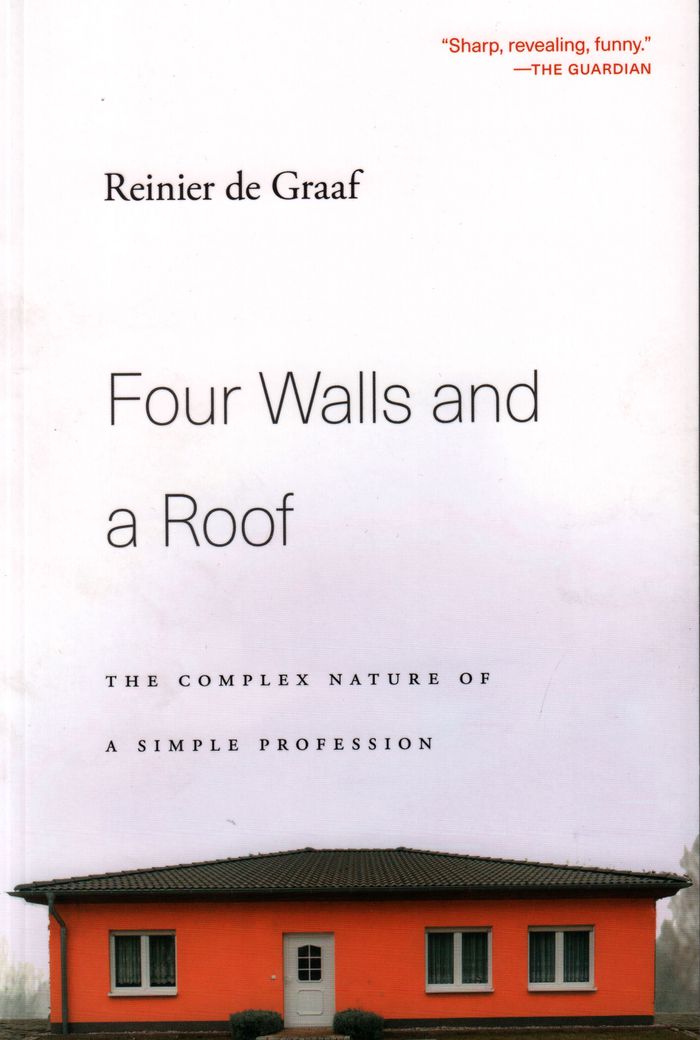
Four walls and a roof: the complex nature of a simple profession
Actions:
Prix:
$33.00
(disponible sur commande)
Résumé:
Architecture, we like to believe, is an elevated art form that shapes the world as it pleases. Four Walls and a Roof challenges this notion, presenting a candid account of what it is really like to work as an architect. Drawing on his own tragicomic experiences in the field, Reinier de Graaf reveals the world of contemporary architecture in vivid snapshots: from suburban New York to the rubble of northern Iraq, from the corridors of wealth in London, Moscow, and Dubai to garbage-strewn wastelands that represent the demolished hopes of postwar social housing. We meet oligarchs determined to translate ambitions into concrete and steel, developers for whom architecture is mere investment, and the layers of politicians, bureaucrats, consultants, and mysterious hangers-on who lie between any architectural idea and the chance of its execution. Four Walls and a Roof tells the story of a profession buffeted by external forces that determine—at least as much as individual inspiration—what architects design. Perhaps the most important myth debunked is success itself. To achieve anything, architects must serve the powers they strive to critique, finding themselves in a perpetual conflict of interest. Together, architects, developers, politicians, and consultants form an improvised world of contest and compromise that none alone can control.
Four walls and a roof: the complex nature of a simple profession
Actions:
Prix:
$33.00
(disponible sur commande)
Résumé:
Architecture, we like to believe, is an elevated art form that shapes the world as it pleases. Four Walls and a Roof challenges this notion, presenting a candid account of what it is really like to work as an architect. Drawing on his own tragicomic experiences in the field, Reinier de Graaf reveals the world of contemporary architecture in vivid snapshots: from suburban New York to the rubble of northern Iraq, from the corridors of wealth in London, Moscow, and Dubai to garbage-strewn wastelands that represent the demolished hopes of postwar social housing. We meet oligarchs determined to translate ambitions into concrete and steel, developers for whom architecture is mere investment, and the layers of politicians, bureaucrats, consultants, and mysterious hangers-on who lie between any architectural idea and the chance of its execution. Four Walls and a Roof tells the story of a profession buffeted by external forces that determine—at least as much as individual inspiration—what architects design. Perhaps the most important myth debunked is success itself. To achieve anything, architects must serve the powers they strive to critique, finding themselves in a perpetual conflict of interest. Together, architects, developers, politicians, and consultants form an improvised world of contest and compromise that none alone can control.
Classification:
livres
livres
Publication:
octobre 2019
octobre 2019
Sujet:
Théorie de l’architecture
Théorie de l’architecture
Classification:
livres
livres
Titre:
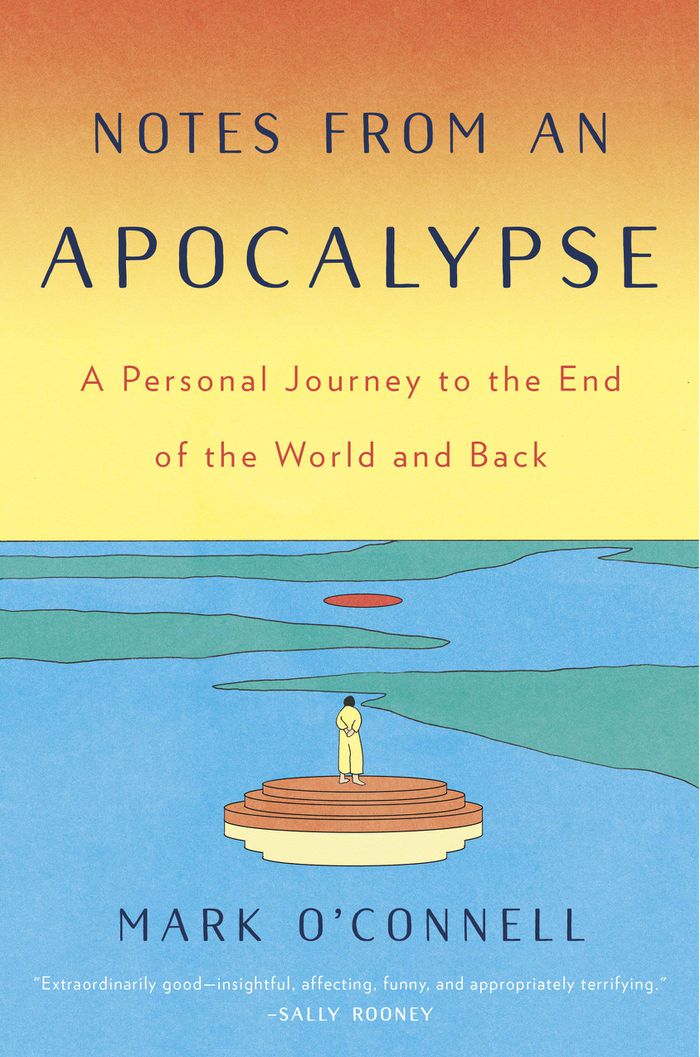
Notes from an apocalypse
Notes from an apocalypse
Actions:
Prix:
$36.95
(disponible sur commande)
Résumé:
We’re alive in a time of worst-case scenarios: The weather has gone uncanny. Old postwar alliances are crumbling. A pandemic draws our global community to a halt. Everywhere you look there’s an omen, a joke whose punchline is the end of the world. How is a person supposed to live in the shadow of such a grim future? What does it mean to have children—nothing if not an(...)
$36.95
(disponible sur commande)
Résumé:
We’re alive in a time of worst-case scenarios: The weather has gone uncanny. Old postwar alliances are crumbling. A pandemic draws our global community to a halt. Everywhere you look there’s an omen, a joke whose punchline is the end of the world. How is a person supposed to live in the shadow of such a grim future? What does it mean to have children—nothing if not an(...)
Titre:
Notes from an apocalypse
Actions:
Prix:
$36.95
(disponible sur commande)
Résumé:
We’re alive in a time of worst-case scenarios: The weather has gone uncanny. Old postwar alliances are crumbling. A pandemic draws our global community to a halt. Everywhere you look there’s an omen, a joke whose punchline is the end of the world. How is a person supposed to live in the shadow of such a grim future? What does it mean to have children—nothing if not an act of hope—in such unsettled times? What might it be like to live through the worst? And what on Earth is anybody doing about it? Dublin-based writer Mark O’Connell is consumed by these questions—and, as the father of two young children himself, he finds them increasingly urgent. In 'Notes from an Apocalypse', he crosses the globe in pursuit of answers. He tours survival bunkers in South Dakota. He ventures to New Zealand, a favored retreat of billionaires banking on civilization’s collapse. He engages with would-be Mars colonists, preppers, right-wing conspiracists. And he bears witness to those places, like Chernobyl, that the future has already visited—real-life portraits of the end of the world as we know it. In doing so, he comes to a resolution, while offering readers a unique window into our contemporary imagination.
Notes from an apocalypse
Actions:
Prix:
$36.95
(disponible sur commande)
Résumé:
We’re alive in a time of worst-case scenarios: The weather has gone uncanny. Old postwar alliances are crumbling. A pandemic draws our global community to a halt. Everywhere you look there’s an omen, a joke whose punchline is the end of the world. How is a person supposed to live in the shadow of such a grim future? What does it mean to have children—nothing if not an act of hope—in such unsettled times? What might it be like to live through the worst? And what on Earth is anybody doing about it? Dublin-based writer Mark O’Connell is consumed by these questions—and, as the father of two young children himself, he finds them increasingly urgent. In 'Notes from an Apocalypse', he crosses the globe in pursuit of answers. He tours survival bunkers in South Dakota. He ventures to New Zealand, a favored retreat of billionaires banking on civilization’s collapse. He engages with would-be Mars colonists, preppers, right-wing conspiracists. And he bears witness to those places, like Chernobyl, that the future has already visited—real-life portraits of the end of the world as we know it. In doing so, he comes to a resolution, while offering readers a unique window into our contemporary imagination.
Classification:
livres
livres
Publication:
avril 2020
avril 2020
Classification:
livres
livres
Prix:
$38.95
(disponible sur commande)
Résumé:
Since its publication twenty years ago, Brian Massumi's pioneering ''Parables for the virtual'' has become an essential text for interdisciplinary scholars across the humanities. Massumi views the body and media such as television, film, and the internet as cultural formations that operate on multiple registers of sensation. Renewing and assessing William James's radical(...)
$38.95
(disponible sur commande)
Résumé:
Since its publication twenty years ago, Brian Massumi's pioneering ''Parables for the virtual'' has become an essential text for interdisciplinary scholars across the humanities. Massumi views the body and media such as television, film, and the internet as cultural formations that operate on multiple registers of sensation. Renewing and assessing William James's radical(...)
Titre:
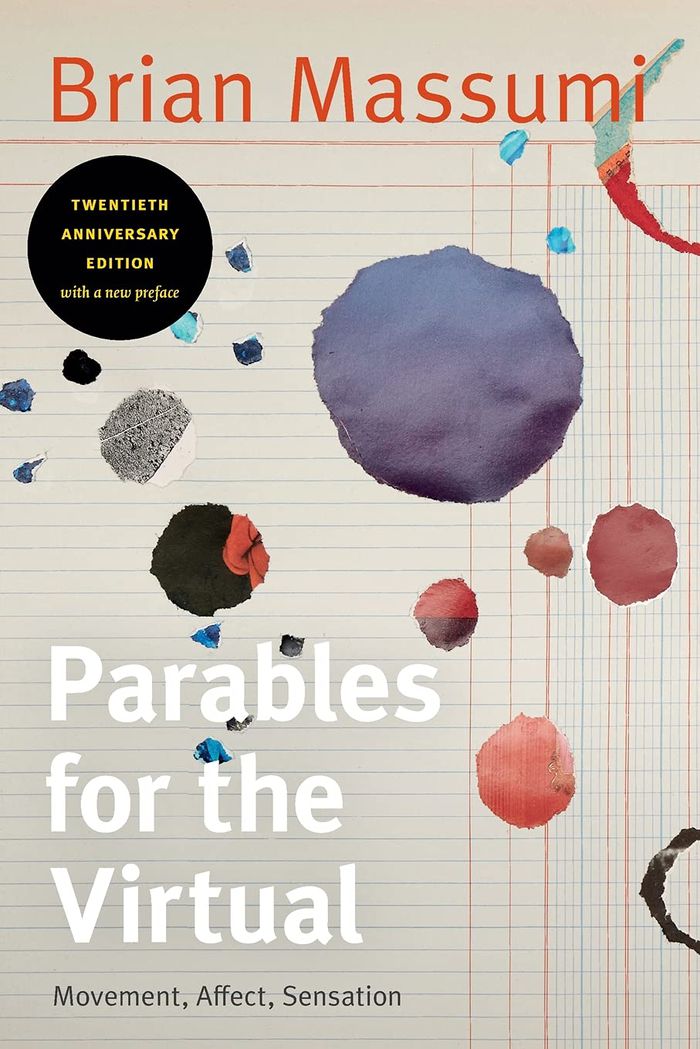
Parables for the virtual: movement, affect, sensation
Actions:
Prix:
$38.95
(disponible sur commande)
Résumé:
Since its publication twenty years ago, Brian Massumi's pioneering ''Parables for the virtual'' has become an essential text for interdisciplinary scholars across the humanities. Massumi views the body and media such as television, film, and the internet as cultural formations that operate on multiple registers of sensation. Renewing and assessing William James's radical empiricism and Henri Bergson's philosophy of perception through the filter of the postwar French philosophy of Deleuze, Guattari, and Foucault, Massumi links a cultural logic of variation to questions of movement, affect, and sensation. Replacing the traditional opposition of literal and figural with distinctions between stasis and motion and between actual and virtual, Massumi tackles related theoretical issues by applying them to cultural mediums as diverse as architecture, body art, the digital art of Stelarc, and Ronald Reagan's acting career. The result is an intriguing combination of cultural theory, science, and philosophy that asserts itself in a crystalline and multifaceted argument. This twentieth anniversary edition includes a new preface in which Massumi situates the book in relation to developments since its publication and outlines the evolution of its main concepts. It also includes two short texts, "Keywords for Affect" and "Missed Conceptions about Affect," in which Massumi explicates his approach to affect in ways that emphasize the book's political and philosophical stakes.
Parables for the virtual: movement, affect, sensation
Actions:
Prix:
$38.95
(disponible sur commande)
Résumé:
Since its publication twenty years ago, Brian Massumi's pioneering ''Parables for the virtual'' has become an essential text for interdisciplinary scholars across the humanities. Massumi views the body and media such as television, film, and the internet as cultural formations that operate on multiple registers of sensation. Renewing and assessing William James's radical empiricism and Henri Bergson's philosophy of perception through the filter of the postwar French philosophy of Deleuze, Guattari, and Foucault, Massumi links a cultural logic of variation to questions of movement, affect, and sensation. Replacing the traditional opposition of literal and figural with distinctions between stasis and motion and between actual and virtual, Massumi tackles related theoretical issues by applying them to cultural mediums as diverse as architecture, body art, the digital art of Stelarc, and Ronald Reagan's acting career. The result is an intriguing combination of cultural theory, science, and philosophy that asserts itself in a crystalline and multifaceted argument. This twentieth anniversary edition includes a new preface in which Massumi situates the book in relation to developments since its publication and outlines the evolution of its main concepts. It also includes two short texts, "Keywords for Affect" and "Missed Conceptions about Affect," in which Massumi explicates his approach to affect in ways that emphasize the book's political and philosophical stakes.
Classification:
livres
livres
Publication:
septembre 2021
septembre 2021
Sujet:
Théorie/ philosophie
Théorie/ philosophie
Classification:
livres
livres
Prix:
$34.95
(disponible sur commande)
Résumé:
From April to October in 1964 and 1965, some 52 million people from around the world flocked to the New York World's Fair, an experience that lives on in the memory of many individuals and in America's collective consciousness. Lawrence R. Samuel offers a thought-provoking portrait of this seminal event and of the cultural climate that surrounded it, countering critics'(...)
$34.95
(disponible sur commande)
Résumé:
From April to October in 1964 and 1965, some 52 million people from around the world flocked to the New York World's Fair, an experience that lives on in the memory of many individuals and in America's collective consciousness. Lawrence R. Samuel offers a thought-provoking portrait of this seminal event and of the cultural climate that surrounded it, countering critics'(...)
Publication:
octobre 2007, Syracuse
octobre 2007, Syracuse
Titre:
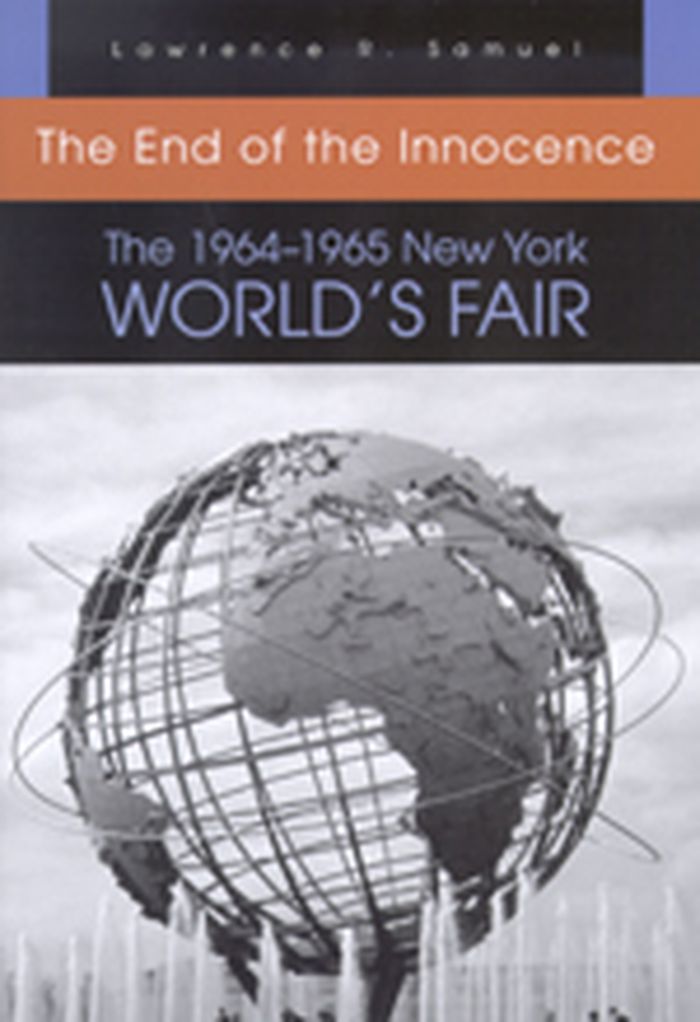
The end of innocence : The 1964-1965 New York world's fair
Actions:
Prix:
$34.95
(disponible sur commande)
Résumé:
From April to October in 1964 and 1965, some 52 million people from around the world flocked to the New York World's Fair, an experience that lives on in the memory of many individuals and in America's collective consciousness. Lawrence R. Samuel offers a thought-provoking portrait of this seminal event and of the cultural climate that surrounded it, countering critics' assessment of the Fair as the "ugly duckling" of global expositions. Although much attention has been paid to the controversial role of Fair president Robert Moses, who tried to use the event to ensure his personal legacy, the Fair itself was for the great majority of visitors an overwhelmingly positive, often inspirational, and sometimes transcendent experience that truly delivered on its theme of "peace through understanding." Much of the Fair's popularity, Samuel suggests, stemmed from its looking backward as much as forward, offering visitors sanctuary from the cultural storm that was rapidly approaching in the mid-1960s. Opening just five months after President Kennedy's assassination, the Fair allowed millions to celebrate international brotherhood while the conflict in Vietnam came to a boil. The Fair glorified the postwar American dream of limitless optimism just as a counterculture of sex, drugs, and rock 'n' roll was coming into being. It was, in short, the last gasp of the American Dream: The End of the Innocence.
The end of innocence : The 1964-1965 New York world's fair
Actions:
Prix:
$34.95
(disponible sur commande)
Résumé:
From April to October in 1964 and 1965, some 52 million people from around the world flocked to the New York World's Fair, an experience that lives on in the memory of many individuals and in America's collective consciousness. Lawrence R. Samuel offers a thought-provoking portrait of this seminal event and of the cultural climate that surrounded it, countering critics' assessment of the Fair as the "ugly duckling" of global expositions. Although much attention has been paid to the controversial role of Fair president Robert Moses, who tried to use the event to ensure his personal legacy, the Fair itself was for the great majority of visitors an overwhelmingly positive, often inspirational, and sometimes transcendent experience that truly delivered on its theme of "peace through understanding." Much of the Fair's popularity, Samuel suggests, stemmed from its looking backward as much as forward, offering visitors sanctuary from the cultural storm that was rapidly approaching in the mid-1960s. Opening just five months after President Kennedy's assassination, the Fair allowed millions to celebrate international brotherhood while the conflict in Vietnam came to a boil. The Fair glorified the postwar American dream of limitless optimism just as a counterculture of sex, drugs, and rock 'n' roll was coming into being. It was, in short, the last gasp of the American Dream: The End of the Innocence.
Classification:
livres
livres
Publication:
octobre 2007, Syracuse
octobre 2007, Syracuse
Classification:
livres
livres
Actions:
Prix:
$38.00
(disponible sur commande)
Résumé:
Garden design in the twentieth century ranges from Victorian-era examples to the age of Land Art. This span results in an extraordinarily varied survey - from Europe to South America, from Japan to the United States - including work by garden and landscape designers whose names are familiar to both lovers and scholars of the modern garden: Robinson, Jekyll, Jensen,(...)
$38.00
(disponible sur commande)
Résumé:
Garden design in the twentieth century ranges from Victorian-era examples to the age of Land Art. This span results in an extraordinarily varied survey - from Europe to South America, from Japan to the United States - including work by garden and landscape designers whose names are familiar to both lovers and scholars of the modern garden: Robinson, Jekyll, Jensen,(...)
Titre:
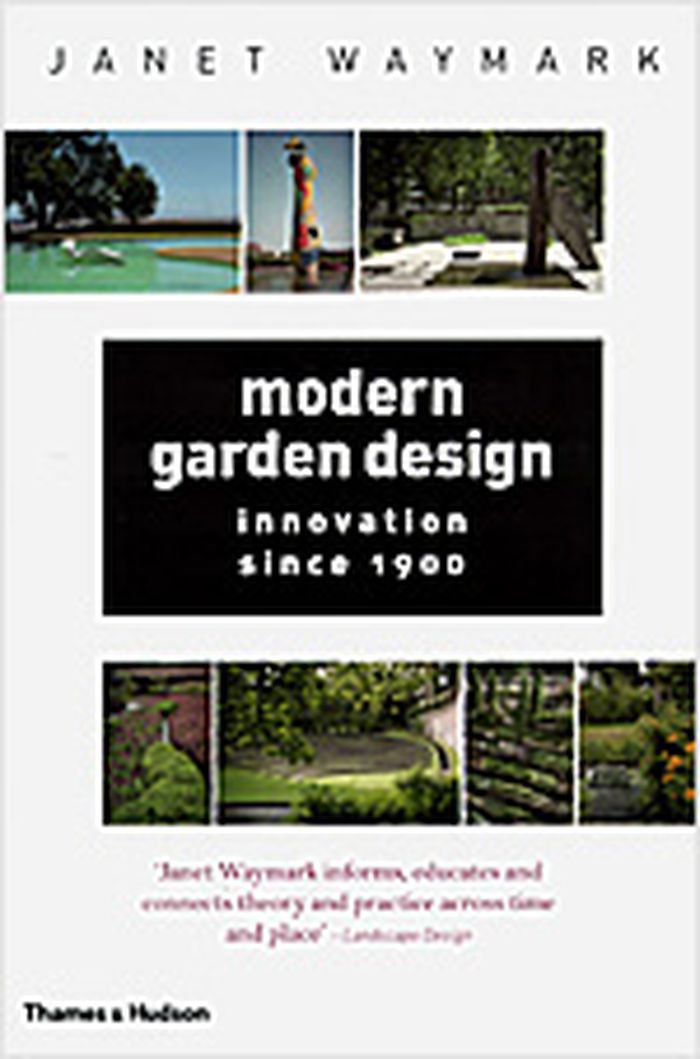
Modern garden design : innovation since 1900
Actions:
Prix:
$38.00
(disponible sur commande)
Résumé:
Garden design in the twentieth century ranges from Victorian-era examples to the age of Land Art. This span results in an extraordinarily varied survey - from Europe to South America, from Japan to the United States - including work by garden and landscape designers whose names are familiar to both lovers and scholars of the modern garden: Robinson, Jekyll, Jensen, Farrand, Sessions, Mawson, Church, Sørensen, and Jellicoe. Janet Waymark traces the revolutionary changes brought about in the postwar period by the Harvard Rebels - Eckbo, Rose, and Kiley - and examines the impact of Noguchi, Burle Marx, Barragán, and others, as well as the powerful international influence of Scandinavian landscape architects and designers. The garden city is also given close attention, from its beginnings in late Victorian Britain, through the Greenbelt Towns in the American Midwest, to the latest regeneration of urban centres worldwide. A long line of artists and architects of international renown have earned a place in the history of the modern garden: Monet, Le Corbusier, Mondrian, Wright, Mies van der Rohe, and Gaudí, among others. Land artists, such as Michael Heizer, Robert Smithson, Patricia Johanson, and Kathryn Gustafson in America and Richard Long, Andy Goldsworthy, and Ian Hamilton Finlay in the UK, have brought new ways of thinking about landscape and the garden into the twenty-first century.
Modern garden design : innovation since 1900
Actions:
Prix:
$38.00
(disponible sur commande)
Résumé:
Garden design in the twentieth century ranges from Victorian-era examples to the age of Land Art. This span results in an extraordinarily varied survey - from Europe to South America, from Japan to the United States - including work by garden and landscape designers whose names are familiar to both lovers and scholars of the modern garden: Robinson, Jekyll, Jensen, Farrand, Sessions, Mawson, Church, Sørensen, and Jellicoe. Janet Waymark traces the revolutionary changes brought about in the postwar period by the Harvard Rebels - Eckbo, Rose, and Kiley - and examines the impact of Noguchi, Burle Marx, Barragán, and others, as well as the powerful international influence of Scandinavian landscape architects and designers. The garden city is also given close attention, from its beginnings in late Victorian Britain, through the Greenbelt Towns in the American Midwest, to the latest regeneration of urban centres worldwide. A long line of artists and architects of international renown have earned a place in the history of the modern garden: Monet, Le Corbusier, Mondrian, Wright, Mies van der Rohe, and Gaudí, among others. Land artists, such as Michael Heizer, Robert Smithson, Patricia Johanson, and Kathryn Gustafson in America and Richard Long, Andy Goldsworthy, and Ian Hamilton Finlay in the UK, have brought new ways of thinking about landscape and the garden into the twenty-first century.
Classification:
livres
livres
Publication:
janvier 1900, New York
janvier 1900, New York
Sujet:
Jardins
Jardins


