


1124 Résultats
Classification:
livres
livres
Actions:
Prix:
$27.95
(disponible sur commande)
Résumé:
Sounding New Media examines the long-neglected role of sound and audio in the development of new media theory and practice, including new technologies and performance art events, with particular emphasis on sound, embodiment, art, and technological interactions. Frances Dyson takes an historical approach, focusing on technologies that became available in the mid-twentieth(...)
$27.95
(disponible sur commande)
Résumé:
Sounding New Media examines the long-neglected role of sound and audio in the development of new media theory and practice, including new technologies and performance art events, with particular emphasis on sound, embodiment, art, and technological interactions. Frances Dyson takes an historical approach, focusing on technologies that became available in the mid-twentieth(...)
Titre:
Sounding new media, immersion and embodiment in the arts and culture
Actions:
Prix:
$27.95
(disponible sur commande)
Résumé:
Sounding New Media examines the long-neglected role of sound and audio in the development of new media theory and practice, including new technologies and performance art events, with particular emphasis on sound, embodiment, art, and technological interactions. Frances Dyson takes an historical approach, focusing on technologies that became available in the mid-twentieth century-electronics, imaging, and digital and computer processing-and analyzing the work of such artists as John Cage, Edgard Varèse, Antonin Artaud, and Char Davies. She utilizes sound's intangibility to study ideas about embodiment (or its lack) in art and technology as well as fears about technology and the so-called "post-human."
Sounding new media, immersion and embodiment in the arts and culture
Actions:
Prix:
$27.95
(disponible sur commande)
Résumé:
Sounding New Media examines the long-neglected role of sound and audio in the development of new media theory and practice, including new technologies and performance art events, with particular emphasis on sound, embodiment, art, and technological interactions. Frances Dyson takes an historical approach, focusing on technologies that became available in the mid-twentieth century-electronics, imaging, and digital and computer processing-and analyzing the work of such artists as John Cage, Edgard Varèse, Antonin Artaud, and Char Davies. She utilizes sound's intangibility to study ideas about embodiment (or its lack) in art and technology as well as fears about technology and the so-called "post-human."
Classification:
livres
livres
Publication:
septembre 2009
septembre 2009
Sujet:
Acoustique
Acoustique
Classification:
livres
livres
Actions:
Prix:
$37.95
(disponible sur commande)
Résumé:
Toyo Ito is one of the foremost architects working today. His architecture makes innovative use of steel and aluminium and includes such buildings as the White U House and the Eggs of Winds in Tokyo. This volume focuses on his Mediathèque in Sendai. This newly completed structure, which houses a library, art gallery, cinema, lecture theatre, and cybercafé, is predicated(...)
$37.95
(disponible sur commande)
Résumé:
Toyo Ito is one of the foremost architects working today. His architecture makes innovative use of steel and aluminium and includes such buildings as the White U House and the Eggs of Winds in Tokyo. This volume focuses on his Mediathèque in Sendai. This newly completed structure, which houses a library, art gallery, cinema, lecture theatre, and cybercafé, is predicated(...)
Titre:
Case : Toyo Ito - Sendai Mediatheque
Actions:
Prix:
$37.95
(disponible sur commande)
Résumé:
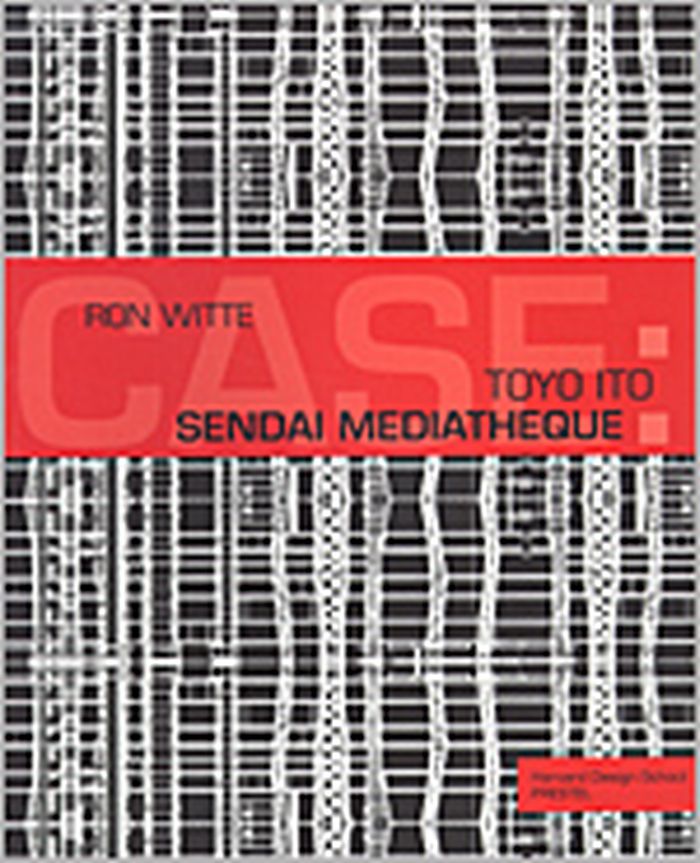
Toyo Ito is one of the foremost architects working today. His architecture makes innovative use of steel and aluminium and includes such buildings as the White U House and the Eggs of Winds in Tokyo. This volume focuses on his Mediathèque in Sendai. This newly completed structure, which houses a library, art gallery, cinema, lecture theatre, and cybercafé, is predicated on the idea that the users of the building occupy a media/ information landscape or “digital ecology. ”Through a series of extraordinary technical advances, floors supported by a system of occupiable hollow tubes and sophisticated information and media networks, the building creates an environment in which people can engage in cultural activities both internally (within the structure) and externally (through digital connections to the world at large). This volume investigates the evolution of the structure through a series of essays by experts on media, architectural technology, and digital culture.
Case : Toyo Ito - Sendai Mediatheque
Actions:
Prix:
$37.95
(disponible sur commande)
Résumé:
Toyo Ito is one of the foremost architects working today. His architecture makes innovative use of steel and aluminium and includes such buildings as the White U House and the Eggs of Winds in Tokyo. This volume focuses on his Mediathèque in Sendai. This newly completed structure, which houses a library, art gallery, cinema, lecture theatre, and cybercafé, is predicated on the idea that the users of the building occupy a media/ information landscape or “digital ecology. ”Through a series of extraordinary technical advances, floors supported by a system of occupiable hollow tubes and sophisticated information and media networks, the building creates an environment in which people can engage in cultural activities both internally (within the structure) and externally (through digital connections to the world at large). This volume investigates the evolution of the structure through a series of essays by experts on media, architectural technology, and digital culture.
Classification:
livres
livres
Publication:
octobre 2001, Munich
octobre 2001, Munich
Sujet:
Architecture, monographies
Architecture, monographies
Classification:
livres
livres

Prix:
$10.00
(disponible sur commande)
Résumé:
Developments in information technology have significantly altered architecture and the role of its practitioners. Disappearing Architecture features architects who are creatively engaging hybrid environments by understanding and exploiting the design potential of the digital spaces within the physical world. In the process they are redefining the role of architecture(...)
$10.00
(disponible sur commande)
Résumé:
Developments in information technology have significantly altered architecture and the role of its practitioners. Disappearing Architecture features architects who are creatively engaging hybrid environments by understanding and exploiting the design potential of the digital spaces within the physical world. In the process they are redefining the role of architecture(...)
Titre:
Disappearing architecture : from real to virtual to quantum
Actions:
Prix:
$10.00
(disponible sur commande)
Résumé:
Developments in information technology have significantly altered architecture and the role of its practitioners. Disappearing Architecture features architects who are creatively engaging hybrid environments by understanding and exploiting the design potential of the digital spaces within the physical world. In the process they are redefining the role of architecture within a visually dominated culture. Disappearing Architecture is a valuable and attractive contribution to the contemporary discussion on this subject.
Disappearing architecture : from real to virtual to quantum
Actions:
Prix:
$10.00
(disponible sur commande)
Résumé:
Developments in information technology have significantly altered architecture and the role of its practitioners. Disappearing Architecture features architects who are creatively engaging hybrid environments by understanding and exploiting the design potential of the digital spaces within the physical world. In the process they are redefining the role of architecture within a visually dominated culture. Disappearing Architecture is a valuable and attractive contribution to the contemporary discussion on this subject.
Classification:
livres
livres
Publication:
juillet 2005, Basel
juillet 2005, Basel
Sujet:
livres soldés
livres soldés
Classification:
livres
livres
Actions:
Prix:
$54.95
(disponible sur commande)
Résumé:
Archigram, the magazine published irregularly between 1961 and 1970, and the name of the group that created it, is among the most significant phenomena to emerge in post-war architectural culture. The wired environments first advertised in the magazine's pages formulated an architectural vocabulary of metamorphosis and obsolescence. This vocabulary cross-pollinated(...)
$54.95
(disponible sur commande)
Résumé:
Archigram, the magazine published irregularly between 1961 and 1970, and the name of the group that created it, is among the most significant phenomena to emerge in post-war architectural culture. The wired environments first advertised in the magazine's pages formulated an architectural vocabulary of metamorphosis and obsolescence. This vocabulary cross-pollinated(...)
Titre:
Beyond archigram: the structure of circulation
Actions:
Prix:
$54.95
(disponible sur commande)
Résumé:
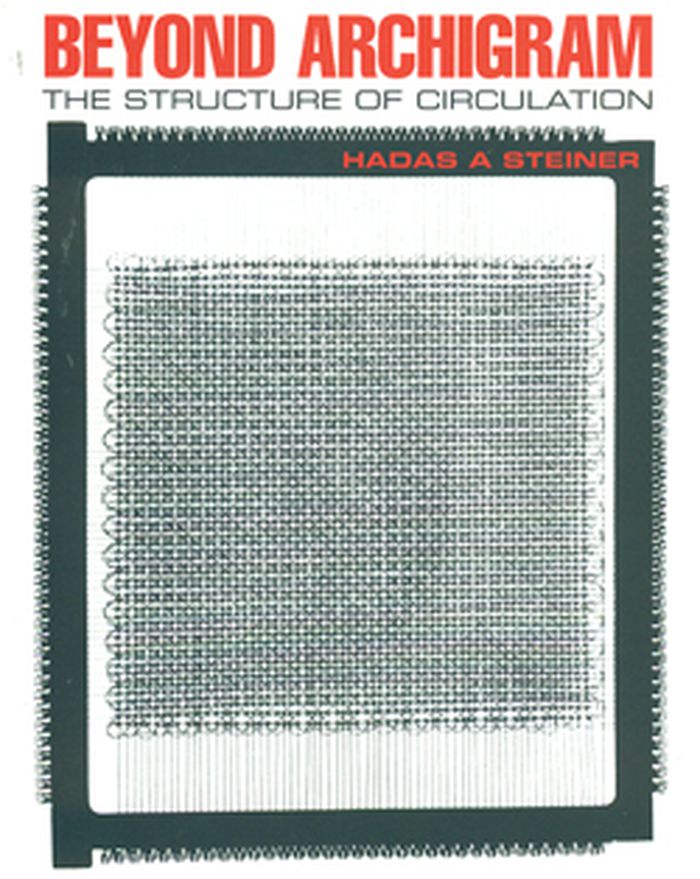
Archigram, the magazine published irregularly between 1961 and 1970, and the name of the group that created it, is among the most significant phenomena to emerge in post-war architectural culture. The wired environments first advertised in the magazine's pages formulated an architectural vocabulary of metamorphosis and obsolescence. This vocabulary cross-pollinated industrial and digital technology at the same time as complex systems were becoming commercially available and more widely used.
Beyond archigram: the structure of circulation
Actions:
Prix:
$54.95
(disponible sur commande)
Résumé:
Archigram, the magazine published irregularly between 1961 and 1970, and the name of the group that created it, is among the most significant phenomena to emerge in post-war architectural culture. The wired environments first advertised in the magazine's pages formulated an architectural vocabulary of metamorphosis and obsolescence. This vocabulary cross-pollinated industrial and digital technology at the same time as complex systems were becoming commercially available and more widely used.
Classification:
livres
livres
Publication:
septembre 2008, New York
septembre 2008, New York
Sujet:
Architecture, monographies
Architecture, monographies
Classification:
livres
livres
Titre:
The smart house
The smart house
Actions:
Prix:
$59.95
(disponible sur commande)
Résumé:
Divided into three sections, "The Smart House" illustrates how technology is changing our homes. The book looks at three areas: Smart Technology, which examines five aspects of technology and how it's being integrated throughout the house: lighting design and window treatments; audio and video entertainment; voice and data management; security and access; and(...)
$59.95
(disponible sur commande)
Résumé:
Divided into three sections, "The Smart House" illustrates how technology is changing our homes. The book looks at three areas: Smart Technology, which examines five aspects of technology and how it's being integrated throughout the house: lighting design and window treatments; audio and video entertainment; voice and data management; security and access; and(...)
Sujet:
Architecture résidentielle
Architecture résidentielle
Publication:
novembre 2003, New York
novembre 2003, New York
Titre:
The smart house
Actions:
Prix:
$59.95
(disponible sur commande)
Résumé:
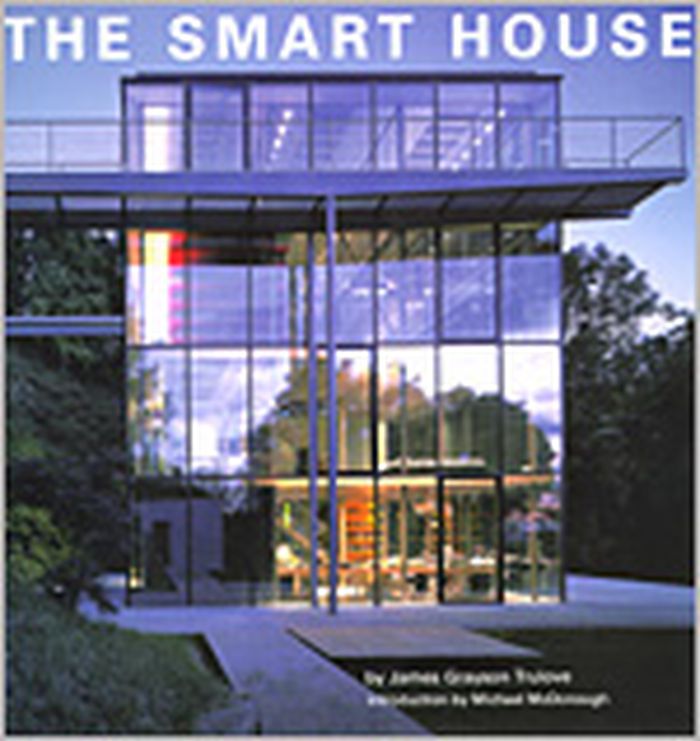
Divided into three sections, "The Smart House" illustrates how technology is changing our homes. The book looks at three areas: Smart Technology, which examines five aspects of technology and how it's being integrated throughout the house: lighting design and window treatments; audio and video entertainment; voice and data management; security and access; and environmental controls and energy management. Smart Materials, which shows new building materials such as titanium, electronic glass that can become transparent or opaque at the flick of a switch, polycarbonate materials, laser-perforated metals, all of which are changing the way homes are built and the ways in which we use and perceive spaces within these structures. Smart Design looks at more extravagant innovations such as swimming pools cantilevered in mid-air, windows that recreate digital views at night, interior spaces whose functions are transformed through architectural slight of hand and computer aided design, all of which point to new ways of thinking about how we live and how we use space in this increasingly space-challenged world. Case studies of ten recently constructed homes are detailed to illustrate each aspect of this technology and to show the full potential technology affords modern home design.
The smart house
Actions:
Prix:
$59.95
(disponible sur commande)
Résumé:
Divided into three sections, "The Smart House" illustrates how technology is changing our homes. The book looks at three areas: Smart Technology, which examines five aspects of technology and how it's being integrated throughout the house: lighting design and window treatments; audio and video entertainment; voice and data management; security and access; and environmental controls and energy management. Smart Materials, which shows new building materials such as titanium, electronic glass that can become transparent or opaque at the flick of a switch, polycarbonate materials, laser-perforated metals, all of which are changing the way homes are built and the ways in which we use and perceive spaces within these structures. Smart Design looks at more extravagant innovations such as swimming pools cantilevered in mid-air, windows that recreate digital views at night, interior spaces whose functions are transformed through architectural slight of hand and computer aided design, all of which point to new ways of thinking about how we live and how we use space in this increasingly space-challenged world. Case studies of ten recently constructed homes are detailed to illustrate each aspect of this technology and to show the full potential technology affords modern home design.
Classification:
livres
livres
Publication:
novembre 2003, New York
novembre 2003, New York
Sujet:
Architecture résidentielle
Architecture résidentielle
Classification:
livres
livres
Prix:
$67.50
(disponible sur commande)
Résumé:
A new generation of architects is pushing digital technology to its limits and continues a tradition of "organic" architecture, often labeled "blobitecture." A few architects in the pre-digital era anticipated the shape of today's sleek and supple buildings, but computers have helped make many of today's large, truly innovative architectural projects buildable. Up until(...)
$67.50
(disponible sur commande)
Résumé:
A new generation of architects is pushing digital technology to its limits and continues a tradition of "organic" architecture, often labeled "blobitecture." A few architects in the pre-digital era anticipated the shape of today's sleek and supple buildings, but computers have helped make many of today's large, truly innovative architectural projects buildable. Up until(...)
Titre:
Next generation architecture : folds, blobs, and boxes
Actions:
Prix:
$67.50
(disponible sur commande)
Résumé:
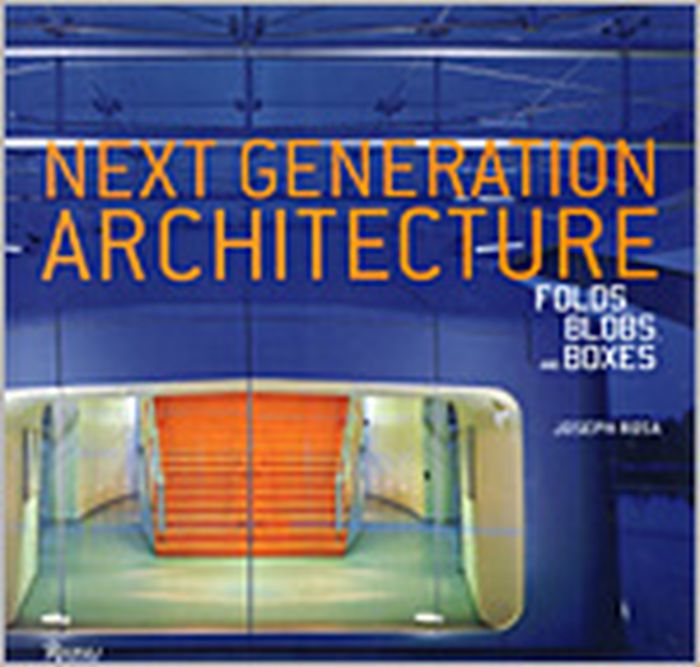
A new generation of architects is pushing digital technology to its limits and continues a tradition of "organic" architecture, often labeled "blobitecture." A few architects in the pre-digital era anticipated the shape of today's sleek and supple buildings, but computers have helped make many of today's large, truly innovative architectural projects buildable. Up until now, the new generation's architectural work has been overshadowed by that of the previous generation. This volume defines the next generation and captures the latest trends in architecture it has put forward. Among the thirty architects featured are Greg Lynn, ShoP, Ben van Berkel and Caroline Bos, Wes Jones, Lindy Roy, Foreign Office Architects, Rem Koolhaas, and Frank Gehry.
Next generation architecture : folds, blobs, and boxes
Actions:
Prix:
$67.50
(disponible sur commande)
Résumé:
A new generation of architects is pushing digital technology to its limits and continues a tradition of "organic" architecture, often labeled "blobitecture." A few architects in the pre-digital era anticipated the shape of today's sleek and supple buildings, but computers have helped make many of today's large, truly innovative architectural projects buildable. Up until now, the new generation's architectural work has been overshadowed by that of the previous generation. This volume defines the next generation and captures the latest trends in architecture it has put forward. Among the thirty architects featured are Greg Lynn, ShoP, Ben van Berkel and Caroline Bos, Wes Jones, Lindy Roy, Foreign Office Architects, Rem Koolhaas, and Frank Gehry.
Classification:
livres
livres
Publication:
novembre 2003, New York
novembre 2003, New York
Classification:
livres
livres

Titre:
World brain
World brain
Actions:
Prix:
$33.95
(disponible sur commande)
Résumé:
In a series of talks and essays in 1937, H. G. Wells proselytized for what he called a "World Brain," as manifested in a World Encyclopedia--a repository of scientifically established knowledge--that would spread enlightenment around the world and lead to world peace. Wells, known to readers today as the author of "The War of the Worlds" and other science fiction(...)
$33.95
(disponible sur commande)
Résumé:
In a series of talks and essays in 1937, H. G. Wells proselytized for what he called a "World Brain," as manifested in a World Encyclopedia--a repository of scientifically established knowledge--that would spread enlightenment around the world and lead to world peace. Wells, known to readers today as the author of "The War of the Worlds" and other science fiction(...)
Titre:
World brain
Actions:
Prix:
$33.95
(disponible sur commande)
Résumé:
In a series of talks and essays in 1937, H. G. Wells proselytized for what he called a "World Brain," as manifested in a World Encyclopedia--a repository of scientifically established knowledge--that would spread enlightenment around the world and lead to world peace. Wells, known to readers today as the author of "The War of the Worlds" and other science fiction classics, was imagining something like a predigital Wikipedia. The World Encyclopedia would provide a summary of verified reality (in about forty volumes); it would be widely available, free of copyright, and utilize the latest technology. Of course, as Bruce Sterling points out in the foreword to this edition of Wells's work, the World Brain didn't happen; the internet did. And yet, Wells anticipated aspects of the internet, envisioning the World Brain as a technical system of networked knowledge (in Sterling's words, a "hypothetical super-gadget"). Wells's optimism about the power of information might strike readers today as naïvely utopian, but possibly also inspirational.
World brain
Actions:
Prix:
$33.95
(disponible sur commande)
Résumé:
In a series of talks and essays in 1937, H. G. Wells proselytized for what he called a "World Brain," as manifested in a World Encyclopedia--a repository of scientifically established knowledge--that would spread enlightenment around the world and lead to world peace. Wells, known to readers today as the author of "The War of the Worlds" and other science fiction classics, was imagining something like a predigital Wikipedia. The World Encyclopedia would provide a summary of verified reality (in about forty volumes); it would be widely available, free of copyright, and utilize the latest technology. Of course, as Bruce Sterling points out in the foreword to this edition of Wells's work, the World Brain didn't happen; the internet did. And yet, Wells anticipated aspects of the internet, envisioning the World Brain as a technical system of networked knowledge (in Sterling's words, a "hypothetical super-gadget"). Wells's optimism about the power of information might strike readers today as naïvely utopian, but possibly also inspirational.
Classification:
livres
livres
Publication:
août 2021
août 2021
Classification:
livres
livres
Actions:
Prix:
$32.95
(disponible sur commande)
Résumé:
MP3: The Meaning of a Format recounts the hundred-year history of the world's most common format for recorded audio. Understanding the historical meaning of the MP3 format entails rethinking the place of digital technologies in the larger universe of twentieth-century communication history, from hearing research conducted by the telephone industry in the 1910s, through(...)
$32.95
(disponible sur commande)
Résumé:
MP3: The Meaning of a Format recounts the hundred-year history of the world's most common format for recorded audio. Understanding the historical meaning of the MP3 format entails rethinking the place of digital technologies in the larger universe of twentieth-century communication history, from hearing research conducted by the telephone industry in the 1910s, through(...)
Titre:
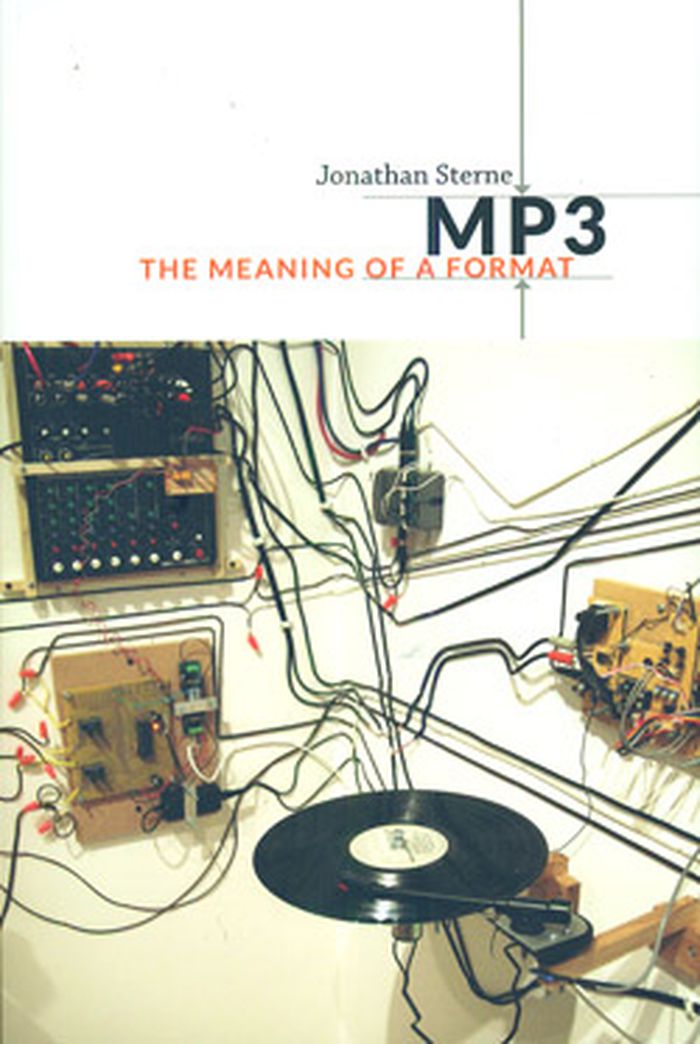
Jonathan Sterne : MP3, the meaning of a format
Actions:
Prix:
$32.95
(disponible sur commande)
Résumé:
MP3: The Meaning of a Format recounts the hundred-year history of the world's most common format for recorded audio. Understanding the historical meaning of the MP3 format entails rethinking the place of digital technologies in the larger universe of twentieth-century communication history, from hearing research conducted by the telephone industry in the 1910s, through the mid-century development of perceptual coding (the technology underlying the MP3), to the format's promiscuous social life since the mid 1990s.
Jonathan Sterne : MP3, the meaning of a format
Actions:
Prix:
$32.95
(disponible sur commande)
Résumé:
MP3: The Meaning of a Format recounts the hundred-year history of the world's most common format for recorded audio. Understanding the historical meaning of the MP3 format entails rethinking the place of digital technologies in the larger universe of twentieth-century communication history, from hearing research conducted by the telephone industry in the 1910s, through the mid-century development of perceptual coding (the technology underlying the MP3), to the format's promiscuous social life since the mid 1990s.
Classification:
livres
livres
Publication:
août 2012
août 2012
Sujet:
Acoustique
Acoustique
Classification:
livres
livres
Titre:
Photography and flight
Photography and flight
Actions:
Prix:
$32.95
(disponible sur commande)
Résumé:
Photography and Flight reveals how the camera lens from far away continues to unearth telling details about the land and those who live upon it. While digital technology and remote sensing have changed the landscape of photography, this book argues that they have not diminished the significance of aerial photography in providing images of the earth. Rather, new(...)
$32.95
(disponible sur commande)
Résumé:
Photography and Flight reveals how the camera lens from far away continues to unearth telling details about the land and those who live upon it. While digital technology and remote sensing have changed the landscape of photography, this book argues that they have not diminished the significance of aerial photography in providing images of the earth. Rather, new(...)
Titre:
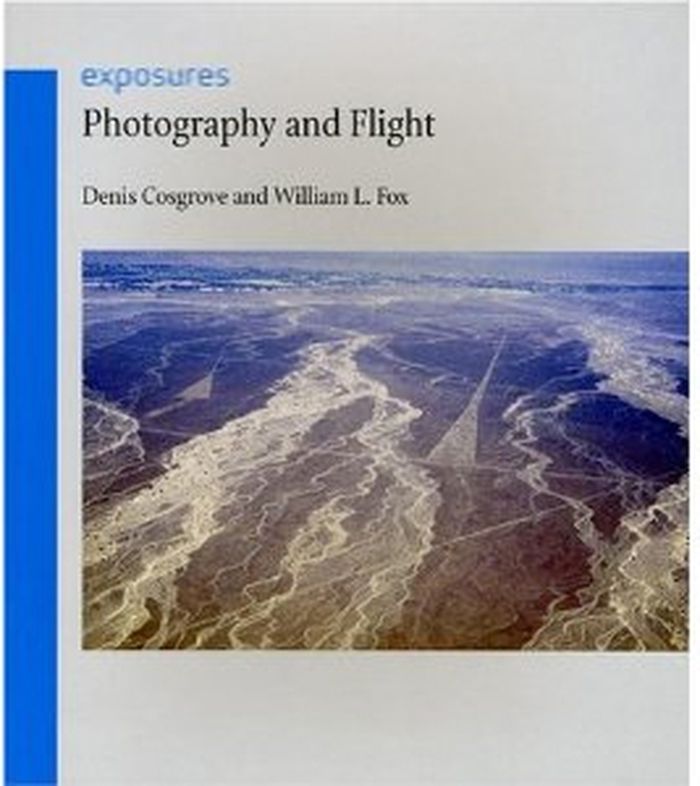
Photography and flight
Actions:
Prix:
$32.95
(disponible sur commande)
Résumé:
Photography and Flight reveals how the camera lens from far away continues to unearth telling details about the land and those who live upon it. While digital technology and remote sensing have changed the landscape of photography, this book argues that they have not diminished the significance of aerial photography in providing images of the earth. Rather, new technologies and resulting innovations such as Google Earth have enabled the mass democratization of access to such information.
Photography and flight
Actions:
Prix:
$32.95
(disponible sur commande)
Résumé:
Photography and Flight reveals how the camera lens from far away continues to unearth telling details about the land and those who live upon it. While digital technology and remote sensing have changed the landscape of photography, this book argues that they have not diminished the significance of aerial photography in providing images of the earth. Rather, new technologies and resulting innovations such as Google Earth have enabled the mass democratization of access to such information.
Classification:
livres
livres
Publication:
décembre 2009
décembre 2009
Sujet:
Théorie de la photographie
Théorie de la photographie
Classification:
livres
livres
Titre:
Check in / check out
Check in / check out
Actions:
Prix:
$44.00
(disponible sur commande)
Résumé:
Surveillance cameras ensure our safety, antennae and sensors track the speed of our cars, while electronic gates decide who is to be granted access to an increasing number of delimited zones. The book charts this international trend, using case studies in Shanghai, Tokyo, London and Rio de Janeiro, as well as cities in the Netherlands. What are the consequences of an(...)
$44.00
(disponible sur commande)
Résumé:
Surveillance cameras ensure our safety, antennae and sensors track the speed of our cars, while electronic gates decide who is to be granted access to an increasing number of delimited zones. The book charts this international trend, using case studies in Shanghai, Tokyo, London and Rio de Janeiro, as well as cities in the Netherlands. What are the consequences of an(...)
Titre:
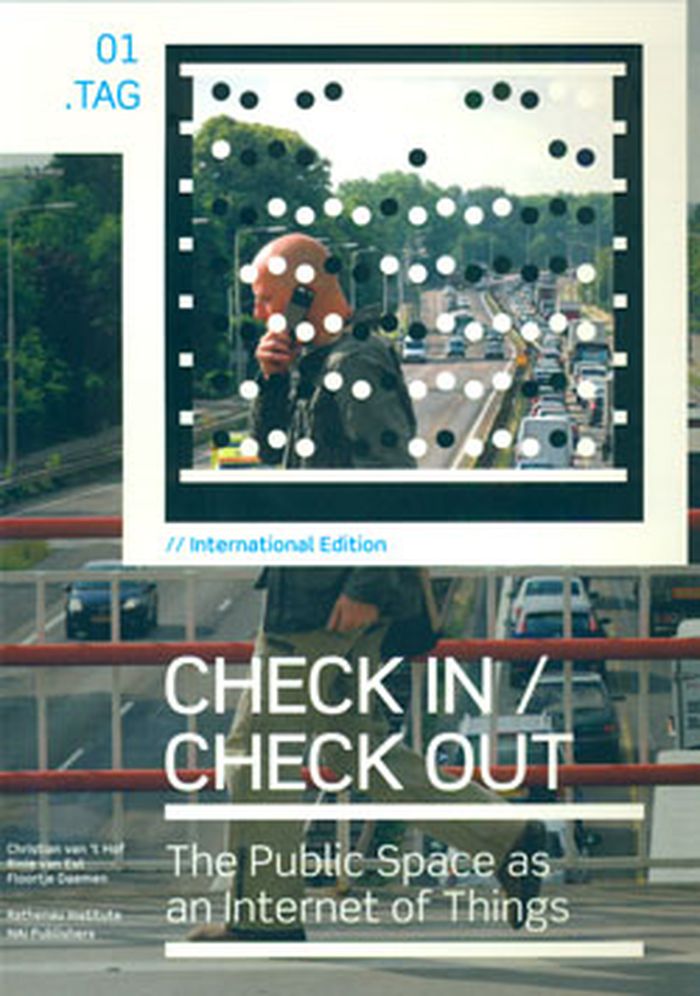
Check in / check out
Actions:
Prix:
$44.00
(disponible sur commande)
Résumé:
Surveillance cameras ensure our safety, antennae and sensors track the speed of our cars, while electronic gates decide who is to be granted access to an increasing number of delimited zones. The book charts this international trend, using case studies in Shanghai, Tokyo, London and Rio de Janeiro, as well as cities in the Netherlands. What are the consequences of an ultra-monitored society? When does the technology aid us and when does it restrict us? Who wields control over the technology? And who sits behind the contraptions that are tracking us? Expert authors tackle these questions and make recommendations for the future. Incorporating digital media into the book's design, tags make it possible to download supplementary information and videos via an Internet-capable mobile device.
Check in / check out
Actions:
Prix:
$44.00
(disponible sur commande)
Résumé:
Surveillance cameras ensure our safety, antennae and sensors track the speed of our cars, while electronic gates decide who is to be granted access to an increasing number of delimited zones. The book charts this international trend, using case studies in Shanghai, Tokyo, London and Rio de Janeiro, as well as cities in the Netherlands. What are the consequences of an ultra-monitored society? When does the technology aid us and when does it restrict us? Who wields control over the technology? And who sits behind the contraptions that are tracking us? Expert authors tackle these questions and make recommendations for the future. Incorporating digital media into the book's design, tags make it possible to download supplementary information and videos via an Internet-capable mobile device.
Classification:
livres
livres
Publication:
mars 2011
mars 2011
Sujet:
Espaces Public
Espaces Public


