


1489 Résultats
Classification:
livres
livres
Prix:
$72.95
(disponible sur commande)
Résumé:
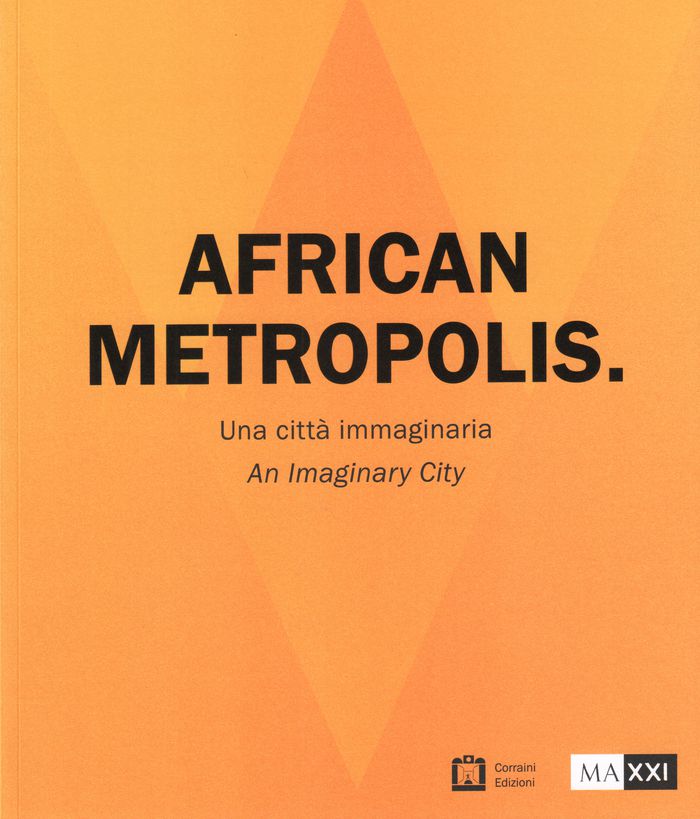
A land of promise, of contrasts between tradition and innovation, an example of a new social model based on the concept of human community, the African continent, protagonist of the exhibition at MAXXI in 2018, is examined from an innovative point of view which leads to questioning visitors on their knowledge of the places. The museum houses the site-specific works and(...)
Titre:
African metropolis: Una citta immaginaria / An imaginary city
Actions:
Prix:
$72.95
(disponible sur commande)
Résumé:
A land of promise, of contrasts between tradition and innovation, an example of a new social model based on the concept of human community, the African continent, protagonist of the exhibition at MAXXI in 2018, is examined from an innovative point of view which leads to questioning visitors on their knowledge of the places. The museum houses the site-specific works and projects from 40 artists who communicate their continent and investigate it in the dimension of urban space. The volume that accompanies the exhibitions contains essays and interview with international authors such as Marco Scotini, Sumesh Sharma, Edgar Pieterse, Akinbode Akinbiyi, and Bonaventure Ndikung.
Classification:
livres
livres
Publication:
octobre 2018
octobre 2018
Classification:
livres
livres
Actions:
Prix:
$67.95
(disponible en magasin)
Résumé:
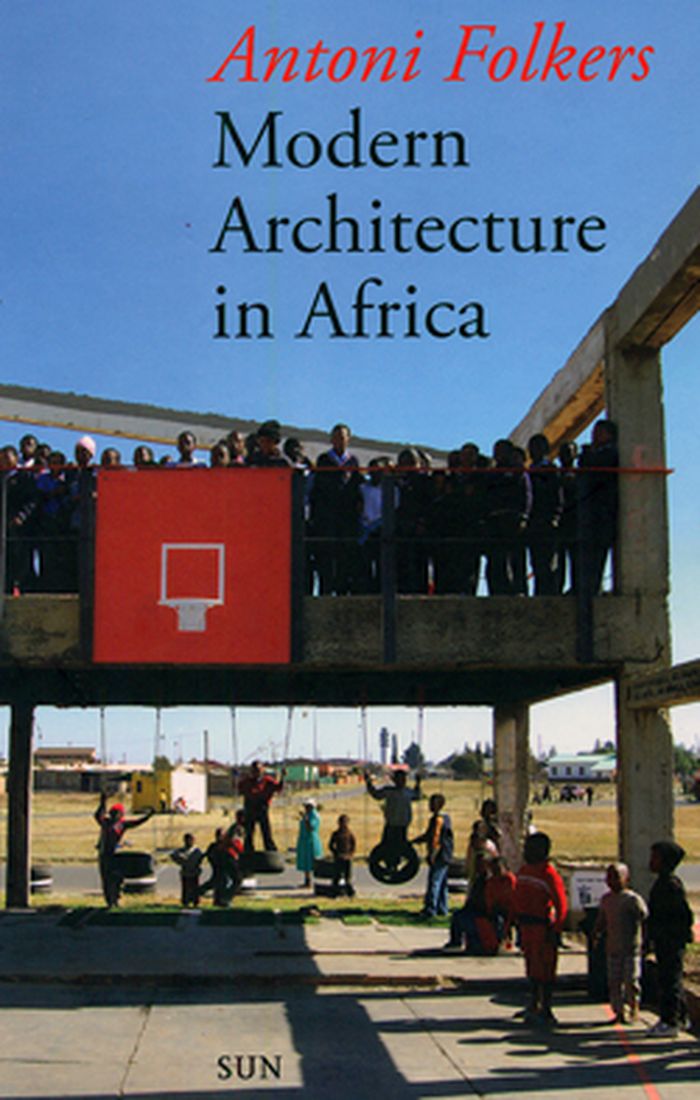
This publication is one of the few Western studies of modern African architecture. The architect Antoni Folkers calls into question the moralistic, simplified Western Modernism that has become stranded in the African savannah. The critique of the one-sidedness of Western architecture is not only theoretical, but also assumes a practical form in the pluriform and(...)
Titre:
Modern architecture in Africa
Actions:
Prix:
$67.95
(disponible en magasin)
Résumé:
This publication is one of the few Western studies of modern African architecture. The architect Antoni Folkers calls into question the moralistic, simplified Western Modernism that has become stranded in the African savannah. The critique of the one-sidedness of Western architecture is not only theoretical, but also assumes a practical form in the pluriform and multi-coloured architecture of Africa.
Classification:
livres
livres
Publication:
décembre 2009
décembre 2009
Classification:
livres
livres
Actions:
Prix:
$32.00
(disponible sur commande)
Résumé:
Nairobi, in its short history spanning just over one hundred years, has grown to be one of the most varied and international cities of our contemporary world. Migration has been shown as one of the key forces infl uencing the city. In the context of Nairobi’s complex colonial and postindependence political trajectory, migration has reinforced ethnic, spatial, and economic(...)
Publication:
octobre 2013
octobre 2013
Titre:
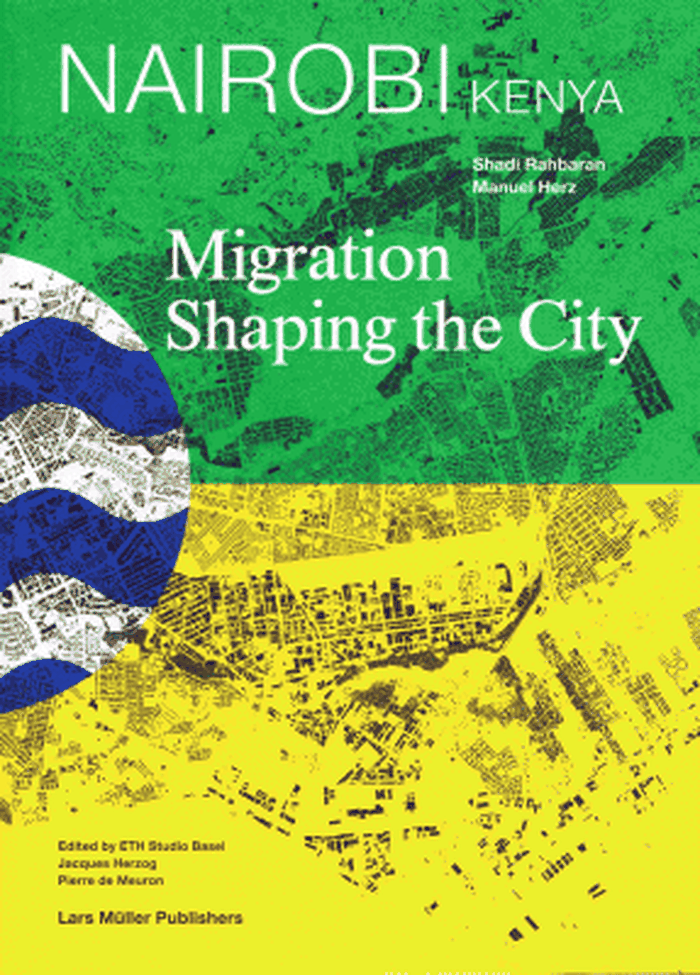
Nairobi, Kenya: Migration shaping the city
Actions:
Prix:
$32.00
(disponible sur commande)
Résumé:
Nairobi, in its short history spanning just over one hundred years, has grown to be one of the most varied and international cities of our contemporary world. Migration has been shown as one of the key forces infl uencing the city. In the context of Nairobi’s complex colonial and postindependence political trajectory, migration has reinforced ethnic, spatial, and economic differences, leading to the formation of multiple power structures. This process is evident in the city’s radically different urban patterns. The book documents, along specific neighborhoods, how different cultures of urban life constitute the city today.
Classification:
livres
livres
Publication:
octobre 2013
octobre 2013
Classification:
livres
livres
Titre:
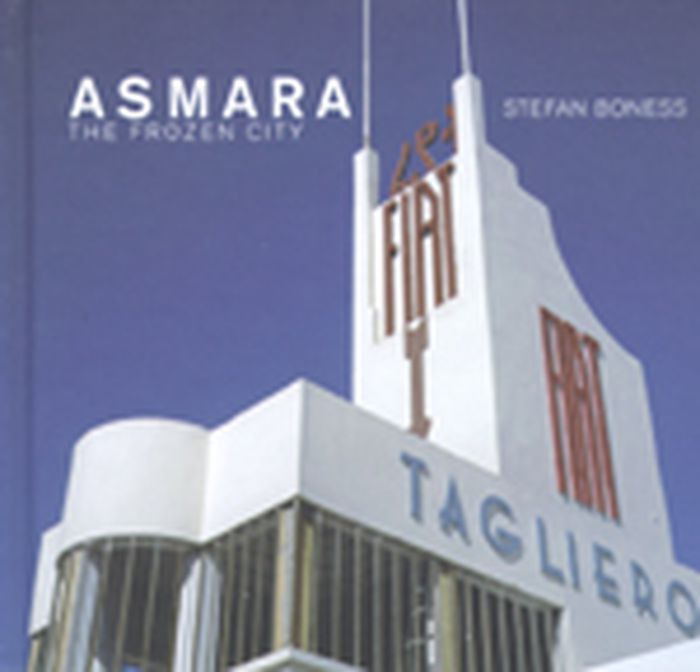
Asmara, the frozen city
Asmara, the frozen city
Actions:
Prix:
$24.99
(disponible sur commande)
Résumé:
Asmara, capital of the state of Eritrea, located in North Eastern Africa, is considered to be an impressive example of European urban construction of the 20th century. To this day, the influence of the former colonial power of Italy on the architecture of the city from the early 20th century to the 1940’s remains visible. Many of the buildings, erected in the futuristic,(...)
Titre:
Asmara, the frozen city
Actions:
Prix:
$24.99
(disponible sur commande)
Résumé:
Asmara, capital of the state of Eritrea, located in North Eastern Africa, is considered to be an impressive example of European urban construction of the 20th century. To this day, the influence of the former colonial power of Italy on the architecture of the city from the early 20th century to the 1940’s remains visible. Many of the buildings, erected in the futuristic, monumentalist or rationalistic style have been preserved and dominate the cityscape of Asmara. In particular, architectural projects dating back to the late 1930’s and early 1940’s are the focal point of the work of photographer Stefan Boness. These include private, public and industrial buildings, which he photographed over the course of several months and which he staged incorporating their urban surroundings. Through his photographs, Stefan Boness has succeeded in expressing the unique atmosphere of Asmara, where time seemingly is standing still.
Classification:
livres
livres
Publication:
juillet 2007, Berlin
juillet 2007, Berlin
Classification:
livres
livres
Titre:
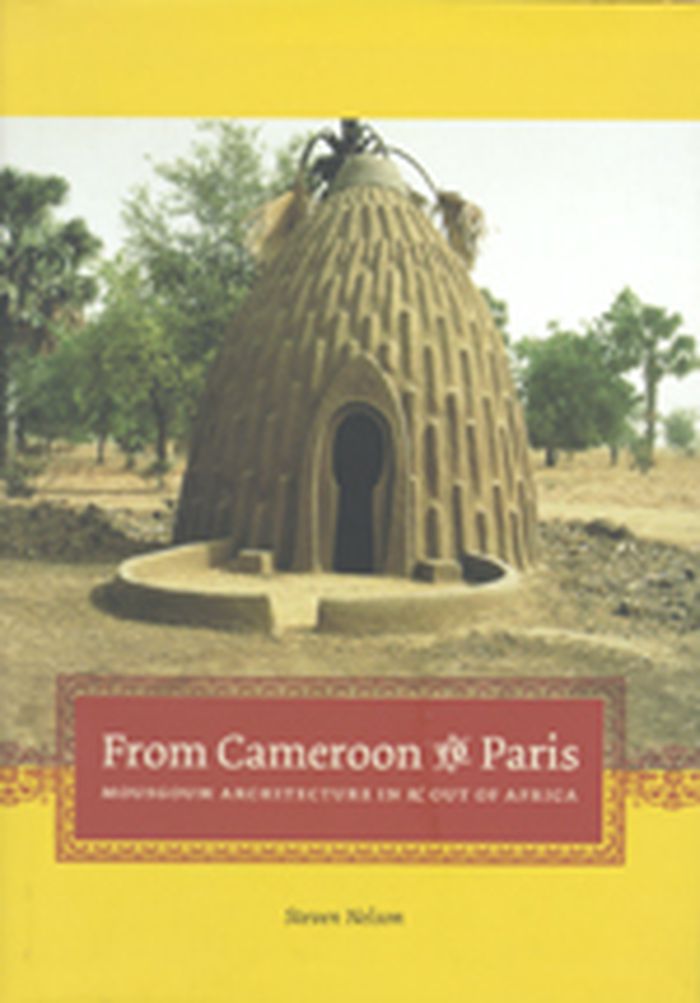
From Cameroon to Paris
From Cameroon to Paris
Actions:
Prix:
$54.95
(disponible sur commande)
Résumé:
The kind of extraordinary domed house constructed by Chad and Cameroon’s Mousgoum peoples has long held sway over the Western imagination. In fact, as Steven Nelson shows here, this prototypical beehive-shaped structure known as the teleuk has been cast as everything from a sign of authenticity to a tourist destination to a perfect fusion of form and function in an(...)
Publication:
mars 2007, Chicago London
mars 2007, Chicago London
Titre:
From Cameroon to Paris
Actions:
Prix:
$54.95
(disponible sur commande)
Résumé:
The kind of extraordinary domed house constructed by Chad and Cameroon’s Mousgoum peoples has long held sway over the Western imagination. In fact, as Steven Nelson shows here, this prototypical beehive-shaped structure known as the teleuk has been cast as everything from a sign of authenticity to a tourist destination to a perfect fusion of form and function in an unselfconscious culture. And in this multifaceted history of the teleuk, thought of by the Mousgoum themselves as a three-dimensional symbol of their culture, Nelson charts how a singular building’s meaning has the capacity to change over time and in different places. Drawing on fieldwork in Cameroon and Japan as well as archival research in Africa, the United States, and Europe, Nelson explores how the teleuk has been understood by groups ranging from contemporary tourists to the Cameroonian government and—most importantly—today’s Mousgoum people. In doing so, he moves in and out of Africa to provide a window into a changing Mousgoum culture and to show how both African and Western peoples use the built environment to advance their own needs and desires. Highlighting the global impact of African architecture, From Cameroon to Paris will appeal to scholars and students of African art history and architectural history, as well as those interested in Western interactions with Africa.
Classification:
livres
livres
Publication:
mars 2007, Chicago London
mars 2007, Chicago London
Classification:
livres
livres
Titre:
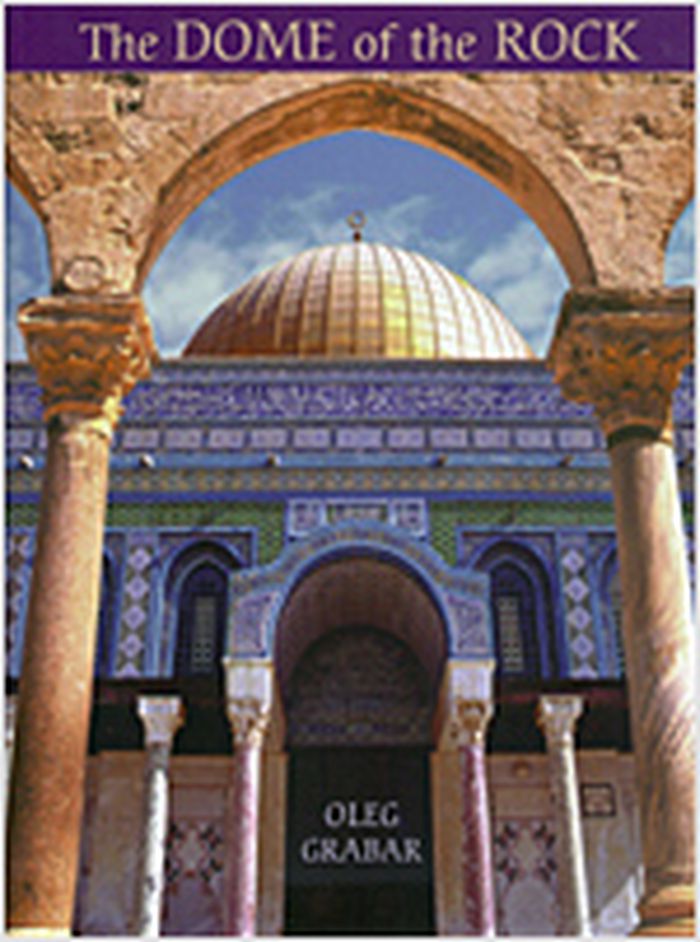
The Dome of the Rock
The Dome of the Rock
Actions:
Prix:
$28.95
(disponible sur commande)
Résumé:
The Dome of the Rock, the beautiful Muslim shrine in the walled Old City of Jerusalem, was fully restored to its original state in the last half-century. Thus, this structure, sited on the third holiest spot on earth for Muslims, is at once a product of the seventh century and almost entirely the work of our own times - a paradox in keeping with the complexities and(...)
Publication:
octobre 2006, Cambridge (MA), London
octobre 2006, Cambridge (MA), London
Titre:
The Dome of the Rock
Actions:
Prix:
$28.95
(disponible sur commande)
Résumé:
The Dome of the Rock, the beautiful Muslim shrine in the walled Old City of Jerusalem, was fully restored to its original state in the last half-century. Thus, this structure, sited on the third holiest spot on earth for Muslims, is at once a product of the seventh century and almost entirely the work of our own times - a paradox in keeping with the complexities and contradictions of history and religion, architecture and ideology that define this site. This book tells the story of the Dome of the Rock, from the first decades of its creation - on the esplanade built in the fourth decade B.C.E. for the Second Jewish Temple - to its engulfment in the clashes of the Crusades and the short-lived Christianization of all of Jerusalem, to its modern acquisition of different and potent meanings for Muslim, Christian, and Jewish cultures. Oleg Grabar's presentation combines what we know of the building with the views of past observers and with the broader historical, cultural, and aesthetic implications of the monument.
Classification:
livres
livres
Publication:
octobre 2006, Cambridge (MA), London
octobre 2006, Cambridge (MA), London
Classification:
livres
livres
Actions:
Prix:
$34.50
(disponible sur commande)
Résumé:
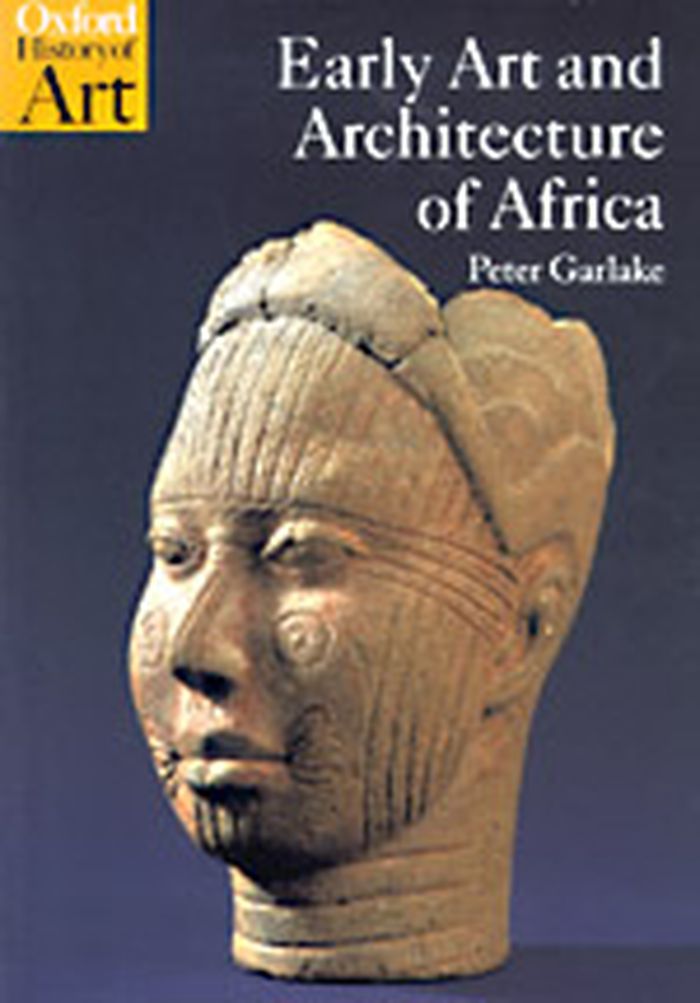
This new history of over 5000 years of African art reveals its true diversity for the first time. Challenging centuries of misconceptions that have obscured the sophisticated nature of African art, Peter Garlake uses the latest research and archaeological finding to offer exciting new insights into the period between 2000BC and 1500AD. All the main regions are covered :(...)
Publication:
juin 2002, Oxford / New York
juin 2002, Oxford / New York
Titre:
Early art and architecture of Africa
Actions:
Prix:
$34.50
(disponible sur commande)
Résumé:
This new history of over 5000 years of African art reveals its true diversity for the first time. Challenging centuries of misconceptions that have obscured the sophisticated nature of African art, Peter Garlake uses the latest research and archaeological finding to offer exciting new insights into the period between 2000BC and 1500AD. All the main regions are covered : southern Africa, Nubia, Aksum, the Niger River, West Africa, Great Zimbabwe, and the East African coast. Aknowledging the universal allure of the African art object, this book restores it to its original social and historical context, helping us to understand more about the ways in which this art was produced, used, and received.
Classification:
livres
livres
Publication:
juin 2002, Oxford / New York
juin 2002, Oxford / New York
Classification:
livres
livres
Actions:
Prix:
$115.00
(disponible sur commande)
Résumé:
Les palais et jardins royaux du Maroc, le titre invite à la rêverie, surtout lorsqu'on parle d'une contrée au climat relativement aride. Ériger de beaux édifices et tenter de faire reculer le désert dans ce pays est le défi permanent de l'homme : creuser des puits, faire jaillir de l'eau, aménager des canaux et des ruisseaux, pour, enfin, créer des jardins, univers(...)
Publication:
janvier 1900, Casablanca
janvier 1900, Casablanca
Titre:
Maroc : les palais et jardins royaux
Actions:
Prix:
$115.00
(disponible sur commande)
Résumé:
Les palais et jardins royaux du Maroc, le titre invite à la rêverie, surtout lorsqu'on parle d'une contrée au climat relativement aride. Ériger de beaux édifices et tenter de faire reculer le désert dans ce pays est le défi permanent de l'homme : creuser des puits, faire jaillir de l'eau, aménager des canaux et des ruisseaux, pour, enfin, créer des jardins, univers fertiles et luxuriants... Comment l'art des jardins a-t-il pu naître et se développer dans de telles Conditions ? Tout d'abord grâce au pouvoir monarchique qui régna sans discontinuer pendant plus de mille ans, assurant par la maîtrise politique et technique de l'eau, le développement de ces résidences royales aux jardins merveilleux, tant chantés par les lettrés musulmans. De ce point de vue, les sites de Fès, Marrakech, Rabat et Meknès, capitales d'empire, furent remarquablement choisis. Véritables cités hydrauliques, ces quatre villes et leurs palais étaient dotés de différentes techniques d'adduction d'eau. Ensuite, l'héritage spirituel, empreint d'images du paradis tel que promis aux fidèles, incita les musulmans à créer et à multiplier les jardins terrestres supposés imiter, certes de façon toujours imparfaite, le jardin d'Éden. Enfin, les apports culturels d'Orient suscitèrent une floraison d'œuvres majestueuses que le Maroc musulman réalisa admirablement, dans le cadre d'une civilisation hispano-mauresque brillante dont il est encore le principal héritier. Ce livre explore les jardins royaux du Maroc selon un cheminement à la fois généalogique, patrimonial et esthétique. De l'agdâl, grand jardin planté aux bassins immenses où se reflètent les pavillons exquis destinés aux plaisirs des princes, aux riyâd, jardins intérieurs aux jets d'eau rafraîchissants, toute une combinaison hiérarchisée d'espaces verdoyants se compose harmonieusement, selon une logique de structuration de l'architecture des palais royaux marocains : extérieur/intérieur et privé/public. Au confluent de 1'Espagne mauresque et de l'Orient arabe, une riche tradition artistique s'y est développée; palais et jardins témoignent donc d'une virtuosité exceptionnelle et d'un savoir-faire remarquable. Cet ouvrage en restitue la beauté et la magnificence.
Classification:
livres
livres
Publication:
janvier 1900, Casablanca
janvier 1900, Casablanca
Classification:
livres
livres
Actions:
Prix:
$91.95
(disponible sur commande)
Résumé:
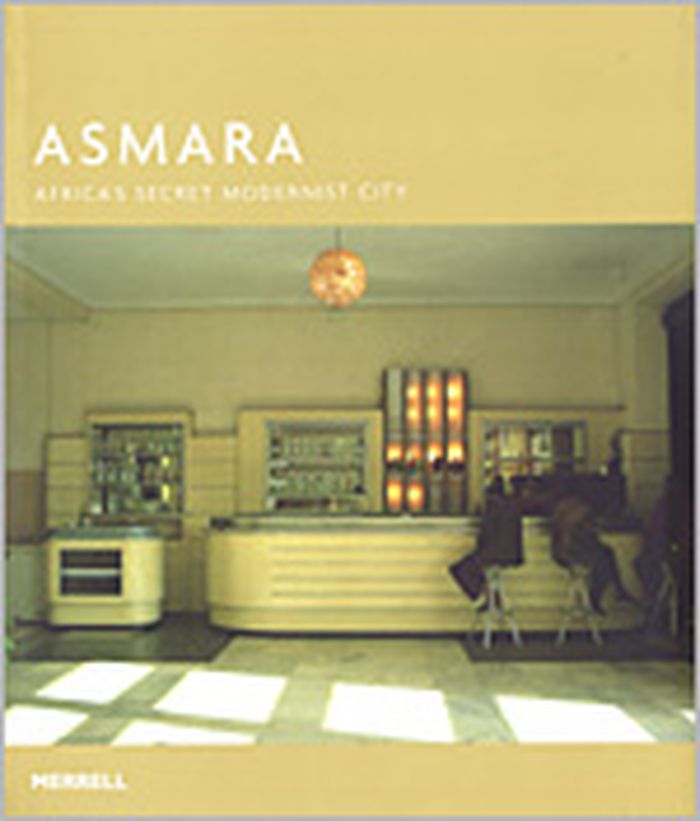
Asmara, the capital of the small east African country of Eritrea, bordering the Red Sea, is one of the most important and exciting architectural ‘discoveries’ of recent years. Built almost entirely in the 1930s by the Italians, Asmara has one of the highest concentrations of modernist architecture anywhere in the world, and has evocatively been described as “the Miami of(...)
Publication:
septembre 2003, London
septembre 2003, London
Titre:
Asmara : Africa's secret modernist city
Actions:
Prix:
$91.95
(disponible sur commande)
Résumé:
Asmara, the capital of the small east African country of Eritrea, bordering the Red Sea, is one of the most important and exciting architectural ‘discoveries’ of recent years. Built almost entirely in the 1930s by the Italians, Asmara has one of the highest concentrations of modernist architecture anywhere in the world, and has evocatively been described as “the Miami of Africa”. Desperate to build quickly, the colonial government of the time allowed radical architectural experimentation that would not have found favour in the more conservative European environment. Asmara therefore became one of the world’s prime locations for architectural innovation during the Modern Movement. That this occurred at all is remarkable enough, but that these buildings should have survived in such numbers today makes it one of the finest modernist cities in the world. This is a building-by-building survey, illustrated with rare archival material and specially commissioned photographs
Classification:
livres
livres
Publication:
septembre 2003, London
septembre 2003, London
Classification:
livres
livres
Actions:
Prix:
$76.95
(disponible sur commande)
Résumé:
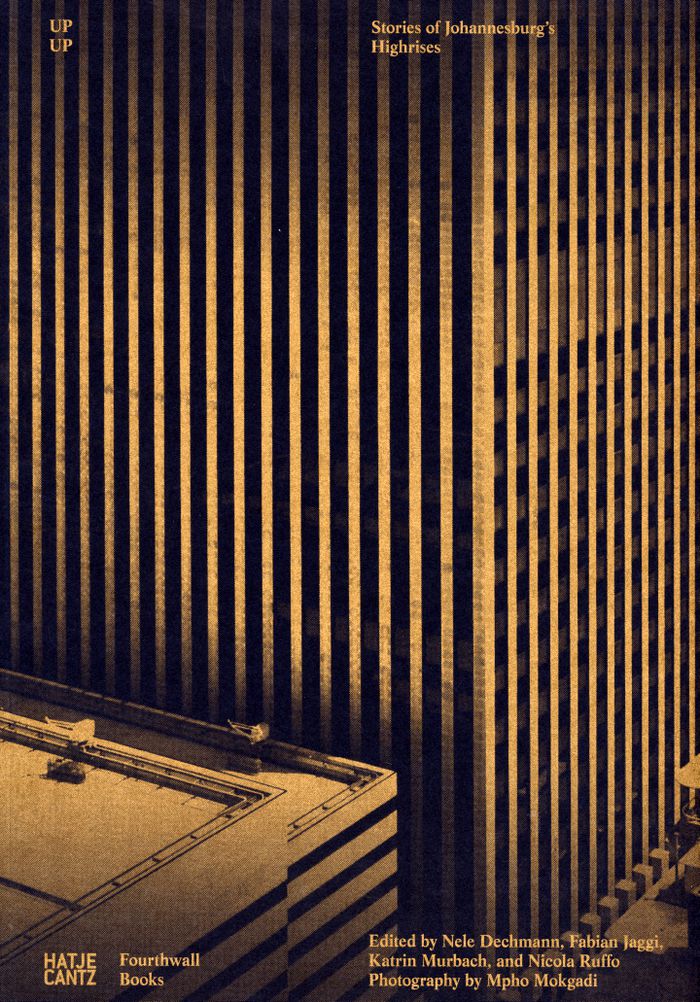
''Up Up'' presents a selection of buildings in the inner city of Johannesburg, focusing on the tall modernist towers that stood out at the time they were constructed. Witnesses to profound shifts in the political history of the metropolis, the buildings have gone through immense changes. They are documented in two distinct sections: the architecture is presented with(...)
Titre:
Up up: stories of Johannesburg’s highrises
Actions:
Prix:
$76.95
(disponible sur commande)
Résumé:
''Up Up'' presents a selection of buildings in the inner city of Johannesburg, focusing on the tall modernist towers that stood out at the time they were constructed. Witnesses to profound shifts in the political history of the metropolis, the buildings have gone through immense changes. They are documented in two distinct sections: the architecture is presented with facts, floor plans, archival discoveries and contemporary images of the interior and the exterior; additionally, each building is accompanied by a reportage or subjective essay on the inner workings of the building.
Classification:
livres
livres
Publication:
août 2016
août 2016


