


1123 Résultats
Classification:
périodiques
périodiques
Titre:
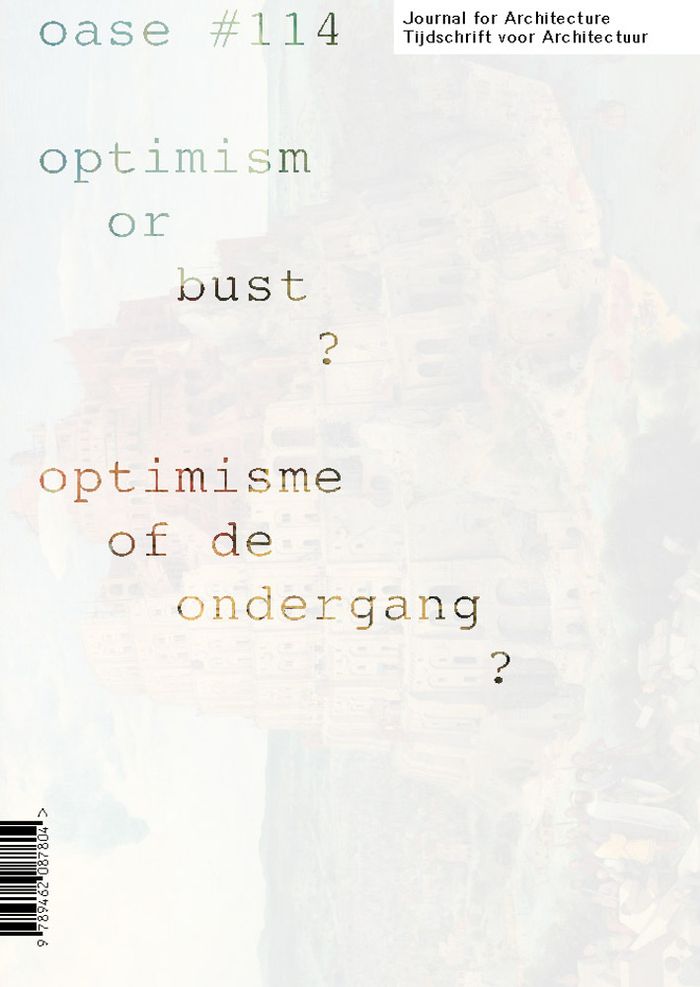
OASE 114: Optimism or bust?
OASE 114: Optimism or bust?
Actions:
Prix:
$58.00
(disponible sur commande)
Résumé:
Despite climate catastrophes, increasing inequality and growing geopolitical instability, architecture remains stubbornly optimistic about the future. More than this: it usually sees itself as the discipline best capable of showing society a way out of disaster. Optimism seems to be a genuine "strategy" that strongly shapes architectural and urban design practice. We can(...)
$58.00
(disponible sur commande)
Résumé:
Despite climate catastrophes, increasing inequality and growing geopolitical instability, architecture remains stubbornly optimistic about the future. More than this: it usually sees itself as the discipline best capable of showing society a way out of disaster. Optimism seems to be a genuine "strategy" that strongly shapes architectural and urban design practice. We can(...)
Titre:
OASE 114: Optimism or bust?
Actions:
Prix:
$58.00
(disponible sur commande)
Résumé:
Despite climate catastrophes, increasing inequality and growing geopolitical instability, architecture remains stubbornly optimistic about the future. More than this: it usually sees itself as the discipline best capable of showing society a way out of disaster. Optimism seems to be a genuine "strategy" that strongly shapes architectural and urban design practice. We can hardly imagine a different – and hopefully better – built future if we are not optimistic about it and believe in it ourselves. This issue of OASE focuses on the specific position of optimism in architecture and urban design. Where in the design and construction process is it hiding? In what circumstances does it rear its head? What causes it to be sidelined? How do design practices change under the yoke of optimism? How do boldly optimistic choices manifest in projects? And how persistent is this ever-good-natured optimism in the face of a fickle reality?
OASE 114: Optimism or bust?
Actions:
Prix:
$58.00
(disponible sur commande)
Résumé:
Despite climate catastrophes, increasing inequality and growing geopolitical instability, architecture remains stubbornly optimistic about the future. More than this: it usually sees itself as the discipline best capable of showing society a way out of disaster. Optimism seems to be a genuine "strategy" that strongly shapes architectural and urban design practice. We can hardly imagine a different – and hopefully better – built future if we are not optimistic about it and believe in it ourselves. This issue of OASE focuses on the specific position of optimism in architecture and urban design. Where in the design and construction process is it hiding? In what circumstances does it rear its head? What causes it to be sidelined? How do design practices change under the yoke of optimism? How do boldly optimistic choices manifest in projects? And how persistent is this ever-good-natured optimism in the face of a fickle reality?
Classification:
périodiques
périodiques
Publication:
septembre 2023
septembre 2023
Sujet:
Revues
Revues
Classification:
livres
livres
Titre:
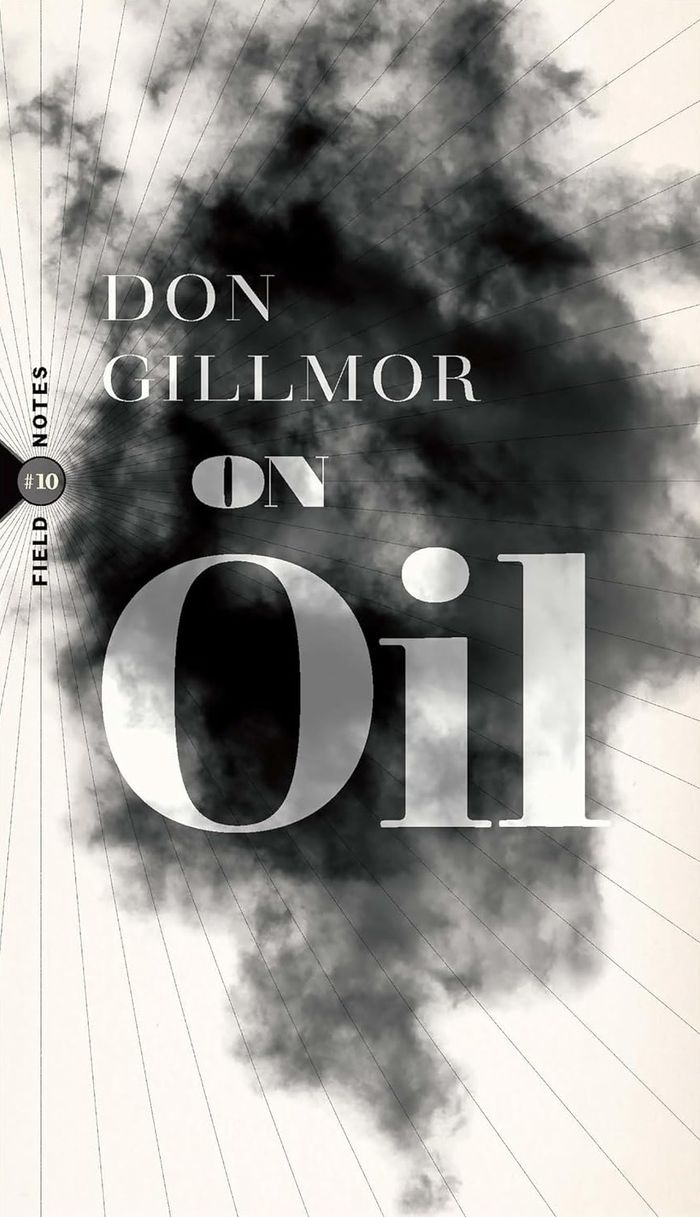
On oil
On oil
Actions:
Prix:
$21.95
(disponible sur commande)
Résumé:
Oil has dominated our lives for the last century. It has given us warmth, progress, and life-threatening pollution. It has been a gift and is now a threat. It has started wars, ended wars, and infiltrated governments—in some cases, effectively become the government. And now oil's enduring mythology is facing a messy, complicated twilight. In "On oil," Don Gillmor, who(...)
$21.95
(disponible sur commande)
Résumé:
Oil has dominated our lives for the last century. It has given us warmth, progress, and life-threatening pollution. It has been a gift and is now a threat. It has started wars, ended wars, and infiltrated governments—in some cases, effectively become the government. And now oil's enduring mythology is facing a messy, complicated twilight. In "On oil," Don Gillmor, who(...)
Titre:
On oil
Actions:
Prix:
$21.95
(disponible sur commande)
Résumé:
Oil has dominated our lives for the last century. It has given us warmth, progress, and life-threatening pollution. It has been a gift and is now a threat. It has started wars, ended wars, and infiltrated governments—in some cases, effectively become the government. And now oil's enduring mythology is facing a messy, complicated twilight. In "On oil," Don Gillmor, who worked as a roughneck on oil rigs during the seventies oil boom in Alberta, looks at how the industry has changed over the decades and illustrates the ways our dependence on oil has led to regulatory capture, in Canada and elsewhere, and contributed to armed conflict and war across the world. Gillmor documents the myriad ways that oil companies have misdirected environmental action and misinformed the public about climate concerns and illuminates where we went wrong—and how we might yet change course.
On oil
Actions:
Prix:
$21.95
(disponible sur commande)
Résumé:
Oil has dominated our lives for the last century. It has given us warmth, progress, and life-threatening pollution. It has been a gift and is now a threat. It has started wars, ended wars, and infiltrated governments—in some cases, effectively become the government. And now oil's enduring mythology is facing a messy, complicated twilight. In "On oil," Don Gillmor, who worked as a roughneck on oil rigs during the seventies oil boom in Alberta, looks at how the industry has changed over the decades and illustrates the ways our dependence on oil has led to regulatory capture, in Canada and elsewhere, and contributed to armed conflict and war across the world. Gillmor documents the myriad ways that oil companies have misdirected environmental action and misinformed the public about climate concerns and illuminates where we went wrong—and how we might yet change course.
Classification:
livres
livres
Publication:
avril 2025
avril 2025
Sujet:
Social
Social
Classification:
livres
livres

Actions:
Prix:
$69.95
(disponible en magasin)
Résumé:
Conventional representations reinforce its reading as an urban condition resulting from neoliberal capitalism. These forces have expanded the city grid and extruded its architectures as a laboratory of urban ideas. Yet, like many other coastal and insular conditions, twenty-first century Manhattan faces adverse Anthropogenic climate change. Stronger storm surges and sea(...)
$69.95
(disponible en magasin)
Résumé:
Conventional representations reinforce its reading as an urban condition resulting from neoliberal capitalism. These forces have expanded the city grid and extruded its architectures as a laboratory of urban ideas. Yet, like many other coastal and insular conditions, twenty-first century Manhattan faces adverse Anthropogenic climate change. Stronger storm surges and sea(...)
Titre:
New York geologics: Representations of Manhattan from the anthropocene
Actions:
Prix:
$69.95
(disponible en magasin)
Résumé:
Conventional representations reinforce its reading as an urban condition resulting from neoliberal capitalism. These forces have expanded the city grid and extruded its architectures as a laboratory of urban ideas. Yet, like many other coastal and insular conditions, twenty-first century Manhattan faces adverse Anthropogenic climate change. Stronger storm surges and sea level rise now demand that the island recalibrates its social and environmental positions. The city needs to consider once again its fluid archipelagic conditions inherited from glacial dynamics. With a focus on iconic city representations, the book examines distinct logics that try to make capitalist progress compatible with its territorial conditions. Even though these logics of land, water and ground – here called geologics – are perhaps less dominant than the dense urban culture and, therefore, less predominant in the representation of the city, they are still important to explain why Manhattan evolved to its current condition.
New York geologics: Representations of Manhattan from the anthropocene
Actions:
Prix:
$69.95
(disponible en magasin)
Résumé:
Conventional representations reinforce its reading as an urban condition resulting from neoliberal capitalism. These forces have expanded the city grid and extruded its architectures as a laboratory of urban ideas. Yet, like many other coastal and insular conditions, twenty-first century Manhattan faces adverse Anthropogenic climate change. Stronger storm surges and sea level rise now demand that the island recalibrates its social and environmental positions. The city needs to consider once again its fluid archipelagic conditions inherited from glacial dynamics. With a focus on iconic city representations, the book examines distinct logics that try to make capitalist progress compatible with its territorial conditions. Even though these logics of land, water and ground – here called geologics – are perhaps less dominant than the dense urban culture and, therefore, less predominant in the representation of the city, they are still important to explain why Manhattan evolved to its current condition.
Classification:
livres
livres
Publication:
mars 2026
mars 2026
Sujet:
L'écologie de l'architecure
L'écologie de l'architecure
Classification:
livres
livres

Titre:
Glacier: nature and culture
Glacier: nature and culture
Actions:
Prix:
$34.95
(disponible sur commande)
Résumé:
As major actors in the unfolding drama of climate change, glaciers feature prominently in Earth’s past and its future. Wherever on the planet we live, glaciers affect each of us directly. They control the atmospheric and ocean circulations that drive the weather; they supply drinking and irrigation water to millions of people; and they protect us from catastrophic(...)
$34.95
(disponible sur commande)
Résumé:
As major actors in the unfolding drama of climate change, glaciers feature prominently in Earth’s past and its future. Wherever on the planet we live, glaciers affect each of us directly. They control the atmospheric and ocean circulations that drive the weather; they supply drinking and irrigation water to millions of people; and they protect us from catastrophic(...)
Titre:
Glacier: nature and culture
Actions:
Prix:
$34.95
(disponible sur commande)
Résumé:
As major actors in the unfolding drama of climate change, glaciers feature prominently in Earth’s past and its future. Wherever on the planet we live, glaciers affect each of us directly. They control the atmospheric and ocean circulations that drive the weather; they supply drinking and irrigation water to millions of people; and they protect us from catastrophic sea-level rise. The very existence of glaciers affects our view of the planet and of ourselves, but it is less than two hundred years since we first realized that ice ages come and go and that glaciers once covered much more of the planet’s surface than they do now. An inspiration to artists and a challenge for engineers, glaciers mean different things to different people. Crossing the boundaries between art, environment, science, nature, and culture, this book considers glaciers from myriad perspectives, revealing their complexity, majesty, and importance—but also their fragility.
Glacier: nature and culture
Actions:
Prix:
$34.95
(disponible sur commande)
Résumé:
As major actors in the unfolding drama of climate change, glaciers feature prominently in Earth’s past and its future. Wherever on the planet we live, glaciers affect each of us directly. They control the atmospheric and ocean circulations that drive the weather; they supply drinking and irrigation water to millions of people; and they protect us from catastrophic sea-level rise. The very existence of glaciers affects our view of the planet and of ourselves, but it is less than two hundred years since we first realized that ice ages come and go and that glaciers once covered much more of the planet’s surface than they do now. An inspiration to artists and a challenge for engineers, glaciers mean different things to different people. Crossing the boundaries between art, environment, science, nature, and culture, this book considers glaciers from myriad perspectives, revealing their complexity, majesty, and importance—but also their fragility.
Classification:
livres
livres
Publication:
décembre 2019
décembre 2019
Classification:
livres
livres
Actions:
Prix:
$20.95
(disponible sur commande)
Résumé:
In the shadow of climate change, it is common to presume that solar energy is the big solution to our energy problems. It is a fuel source of infinite supply, resistant to commodification and speculation, and collectible and expendable without the destructive consequences of fossil fuels and nuclear energy. What remains to be understood is not the amount of energy solar(...)
$20.95
(disponible sur commande)
Résumé:
In the shadow of climate change, it is common to presume that solar energy is the big solution to our energy problems. It is a fuel source of infinite supply, resistant to commodification and speculation, and collectible and expendable without the destructive consequences of fossil fuels and nuclear energy. What remains to be understood is not the amount of energy solar(...)
Publication:
janvier 2021
janvier 2021
Titre:
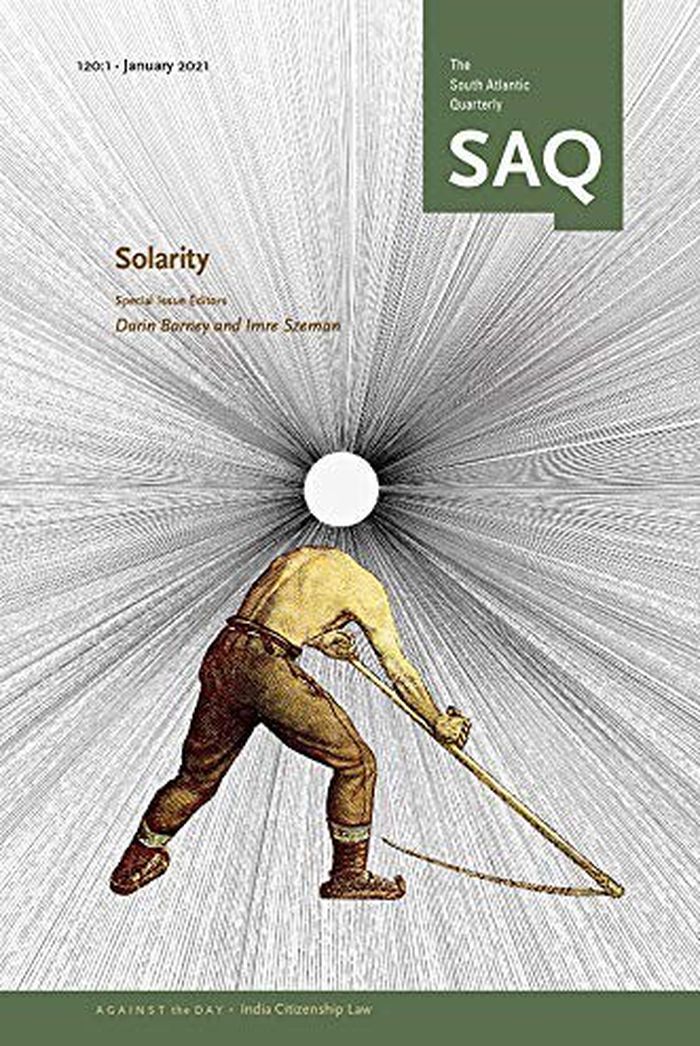
Solarity (South Atlantic Quarterly v.120, number 1)
Actions:
Prix:
$20.95
(disponible sur commande)
Résumé:
In the shadow of climate change, it is common to presume that solar energy is the big solution to our energy problems. It is a fuel source of infinite supply, resistant to commodification and speculation, and collectible and expendable without the destructive consequences of fossil fuels and nuclear energy. What remains to be understood is not the amount of energy solar power can produce, or whether it is truly an adequate replacement for fossil fuels, but the conditions of social and political possibility solar might generate. The contributors to this special issue address the overlapping relationships, strategies, and conflicts that will attend this latest and perhaps last energy transition under the term 'solarity.' By approaching the social implications — and not just the technical ones — of the emergence of solar energy, they investigate whether and how it might avoid, or reproduce, the pathologies of existing capitalist and colonialist petrocultures.
Solarity (South Atlantic Quarterly v.120, number 1)
Actions:
Prix:
$20.95
(disponible sur commande)
Résumé:
In the shadow of climate change, it is common to presume that solar energy is the big solution to our energy problems. It is a fuel source of infinite supply, resistant to commodification and speculation, and collectible and expendable without the destructive consequences of fossil fuels and nuclear energy. What remains to be understood is not the amount of energy solar power can produce, or whether it is truly an adequate replacement for fossil fuels, but the conditions of social and political possibility solar might generate. The contributors to this special issue address the overlapping relationships, strategies, and conflicts that will attend this latest and perhaps last energy transition under the term 'solarity.' By approaching the social implications — and not just the technical ones — of the emergence of solar energy, they investigate whether and how it might avoid, or reproduce, the pathologies of existing capitalist and colonialist petrocultures.
Classification:
livres
livres
Publication:
janvier 2021
janvier 2021
Classification:
livres
livres

Actions:
Prix:
$28.00
(disponible sur commande)
Résumé:
Daily bad news about climate change, shrinking resources, global health crises, species extinction and growing inequalities cause tremendous anxiety and insecurity, especially since the COVID pandemic. The ambition of this book is to explain in simple but precise terms, by means of concise illustrations, what ''finance'' is, and how its most innovative form, sustainable(...)
$28.00
(disponible sur commande)
Résumé:
Daily bad news about climate change, shrinking resources, global health crises, species extinction and growing inequalities cause tremendous anxiety and insecurity, especially since the COVID pandemic. The ambition of this book is to explain in simple but precise terms, by means of concise illustrations, what ''finance'' is, and how its most innovative form, sustainable(...)
Titre:
Financing our common future, in the time of COVID-19
Actions:
Prix:
$28.00
(disponible sur commande)
Résumé:
Daily bad news about climate change, shrinking resources, global health crises, species extinction and growing inequalities cause tremendous anxiety and insecurity, especially since the COVID pandemic. The ambition of this book is to explain in simple but precise terms, by means of concise illustrations, what ''finance'' is, and how its most innovative form, sustainable finance, can reconcile the well-being of mankind with the capacities of our planet. Is there a way to convince society that a fundamental transition is necessary—or even more, that it is possible? Can sustainable finance help? ''Financing our common future'' offers encouraging perspectives by showing how little-known groups of financial stakeholders, such as development banks, are actively working to make sustainable finance happen. The book invites you to enjoy a journey through a multitude of situations, to question our preconceptions and to open our mindset so we can envision better ways of moving forward.
Financing our common future, in the time of COVID-19
Actions:
Prix:
$28.00
(disponible sur commande)
Résumé:
Daily bad news about climate change, shrinking resources, global health crises, species extinction and growing inequalities cause tremendous anxiety and insecurity, especially since the COVID pandemic. The ambition of this book is to explain in simple but precise terms, by means of concise illustrations, what ''finance'' is, and how its most innovative form, sustainable finance, can reconcile the well-being of mankind with the capacities of our planet. Is there a way to convince society that a fundamental transition is necessary—or even more, that it is possible? Can sustainable finance help? ''Financing our common future'' offers encouraging perspectives by showing how little-known groups of financial stakeholders, such as development banks, are actively working to make sustainable finance happen. The book invites you to enjoy a journey through a multitude of situations, to question our preconceptions and to open our mindset so we can envision better ways of moving forward.
Classification:
livres
livres
Publication:
janvier 2021
janvier 2021
Sujet:
Social
Social
Classification:
livres
livres
Titre:
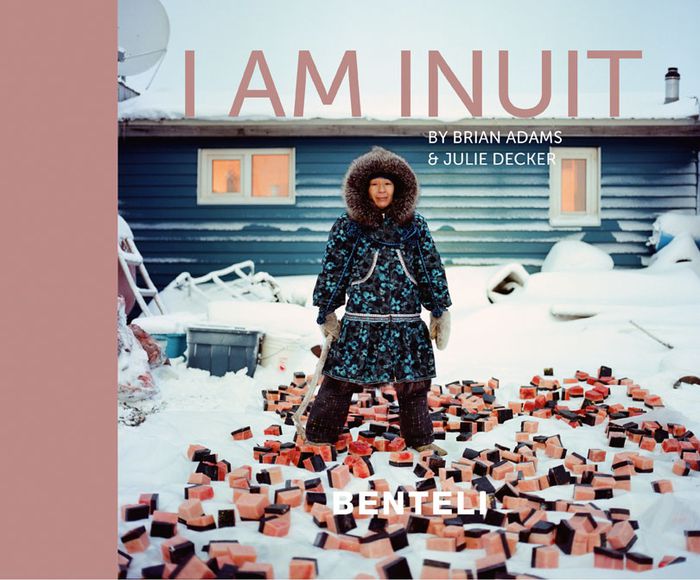
I am Inuit
I am Inuit
Actions:
Prix:
$74.95
(disponible sur commande)
Résumé:
Inuit indigenous ethnic groups inhabit an area stretching from North-East Siberia across the Bering Strait to Alaska up to Northern Canada all the way to Greenland. Climate change is already causing significant transformations having all kinds of impacts. For around four million people, the Arctic region is neither a curiosity, nor is it untouched wilderness: It is(...)
$74.95
(disponible sur commande)
Résumé:
Inuit indigenous ethnic groups inhabit an area stretching from North-East Siberia across the Bering Strait to Alaska up to Northern Canada all the way to Greenland. Climate change is already causing significant transformations having all kinds of impacts. For around four million people, the Arctic region is neither a curiosity, nor is it untouched wilderness: It is(...)
Titre:
I am Inuit
Actions:
Prix:
$74.95
(disponible sur commande)
Résumé:
Inuit indigenous ethnic groups inhabit an area stretching from North-East Siberia across the Bering Strait to Alaska up to Northern Canada all the way to Greenland. Climate change is already causing significant transformations having all kinds of impacts. For around four million people, the Arctic region is neither a curiosity, nor is it untouched wilderness: It is home. Since 2015, photographer Brian Adams from the Inupiaq ethnic group has been traveling through Alaska, capturing the Inuit and their individual stories and finding out how they spend their individual lives in the 21st century. Visiting around 20 communities, he took portraits of the residents and recorded their narratives, sharing these across social media. This project I am Inuit as well as this book has the aim of promoting understanding, dismantling stereotypes as well as misperceptions and connecting the world with Alaskan Inuits, and the Arctic, through common humanity.
I am Inuit
Actions:
Prix:
$74.95
(disponible sur commande)
Résumé:
Inuit indigenous ethnic groups inhabit an area stretching from North-East Siberia across the Bering Strait to Alaska up to Northern Canada all the way to Greenland. Climate change is already causing significant transformations having all kinds of impacts. For around four million people, the Arctic region is neither a curiosity, nor is it untouched wilderness: It is home. Since 2015, photographer Brian Adams from the Inupiaq ethnic group has been traveling through Alaska, capturing the Inuit and their individual stories and finding out how they spend their individual lives in the 21st century. Visiting around 20 communities, he took portraits of the residents and recorded their narratives, sharing these across social media. This project I am Inuit as well as this book has the aim of promoting understanding, dismantling stereotypes as well as misperceptions and connecting the world with Alaskan Inuits, and the Arctic, through common humanity.
Classification:
livres
livres
Publication:
décembre 2017
décembre 2017
Sujet:
Monographies photo
Monographies photo
Classification:
livres
livres

Prix:
$24.95
(disponible en magasin)
Résumé:
In this book, Leah Laksmi Piepzna-Samarasinha asks some provocative questions: What if, in the near future, the majority of people will be disabled - and what if that's not a bad thing? And what if disability justice and disabled wisdom are crucial to creating a future in which it's possible to survive fascism, climate change, and pandemics and to bring about liberation?(...)
$24.95
(disponible en magasin)
Résumé:
In this book, Leah Laksmi Piepzna-Samarasinha asks some provocative questions: What if, in the near future, the majority of people will be disabled - and what if that's not a bad thing? And what if disability justice and disabled wisdom are crucial to creating a future in which it's possible to survive fascism, climate change, and pandemics and to bring about liberation?(...)
Titre:
The future is disabled: Prophecies, love notes and mourning songs
Actions:
Prix:
$24.95
(disponible en magasin)
Résumé:
In this book, Leah Laksmi Piepzna-Samarasinha asks some provocative questions: What if, in the near future, the majority of people will be disabled - and what if that's not a bad thing? And what if disability justice and disabled wisdom are crucial to creating a future in which it's possible to survive fascism, climate change, and pandemics and to bring about liberation? Written over the course of two years of disabled isolation during the pandemic, this is a book of love letters to other disabled QTBIPOC (and those concerned about disability justice, the care crisis, and surviving the apocalypse); honour songs for kin who are gone; recipes for survival; questions and real talk about care, organizing, disabled families, and kin networks and communities; and wild brown disabled femme joy in the face of death. With passion and power, the book remembers our dead and insists on our future.
The future is disabled: Prophecies, love notes and mourning songs
Actions:
Prix:
$24.95
(disponible en magasin)
Résumé:
In this book, Leah Laksmi Piepzna-Samarasinha asks some provocative questions: What if, in the near future, the majority of people will be disabled - and what if that's not a bad thing? And what if disability justice and disabled wisdom are crucial to creating a future in which it's possible to survive fascism, climate change, and pandemics and to bring about liberation? Written over the course of two years of disabled isolation during the pandemic, this is a book of love letters to other disabled QTBIPOC (and those concerned about disability justice, the care crisis, and surviving the apocalypse); honour songs for kin who are gone; recipes for survival; questions and real talk about care, organizing, disabled families, and kin networks and communities; and wild brown disabled femme joy in the face of death. With passion and power, the book remembers our dead and insists on our future.
Classification:
livres
livres
Publication:
octobre 2022
octobre 2022
Sujet:
Social
Social
Classification:
livres
livres

Actions:
Prix:
$44.95
(disponible sur commande)
Résumé:
"Worldchanging : a User's guide for the 21st century " proposes innovative solutions, ideas and inventions emerging today for building a sustainable, livable, prosperous future. From consumer consciousness to a new vision for industry; non-toxic homes to refugee shelters; microfinance to effective philanthropy; socially responsible investing to starting a green business;(...)
$44.95
(disponible sur commande)
Résumé:
"Worldchanging : a User's guide for the 21st century " proposes innovative solutions, ideas and inventions emerging today for building a sustainable, livable, prosperous future. From consumer consciousness to a new vision for industry; non-toxic homes to refugee shelters; microfinance to effective philanthropy; socially responsible investing to starting a green business;(...)
Titre:
Worldchanging : a user's guide for the 21st century
Actions:
Prix:
$44.95
(disponible sur commande)
Résumé:
"Worldchanging : a User's guide for the 21st century " proposes innovative solutions, ideas and inventions emerging today for building a sustainable, livable, prosperous future. From consumer consciousness to a new vision for industry; non-toxic homes to refugee shelters; microfinance to effective philanthropy; socially responsible investing to starting a green business; citizen media to human rights; ecological economics to climate change, this is a comprehensive, cutting-edge overview. The book contains 7 sections which include those topics - from eco-building to responsible shopping, political action to humanitarian relief : stuff : green design, biomimicry, sustainable food, clothing, trade and technology ; shelter : green building and landscaping, clean energy, water, disaster relief and humanitarian design ; cities : smart growth, sustainable communities, transportation, greening infrastructure, product-service systems, leapfrogging and megacity challenges ; community : education, women's rights, public health, holistic approaches to community development, South-South science, social entrepreneurship and micro-lending, and philanthropy ; business : socially responsible investment, worldchanging start-ups, ecological economics, corporate social responsibility and green business ; politics : networked politics, new media, transparency, human rights, non-violent revolution and peacemaking ; planet : big picture -- everything from placing oneself in a bioregion to climate foresight to environmental history to green space exploration. Brought together by Alex Steffen, co-founder of the web site Worldchanging.com, this team of writers includes Cameron Sinclair, founder of Architecture for Humanity, Geekcorps founder Ethan Zuckerman, sustainable food expert Anna Lappé, and many others. With foreword by Al Gore. Design by Sagmeister.
Worldchanging : a user's guide for the 21st century
Actions:
Prix:
$44.95
(disponible sur commande)
Résumé:
"Worldchanging : a User's guide for the 21st century " proposes innovative solutions, ideas and inventions emerging today for building a sustainable, livable, prosperous future. From consumer consciousness to a new vision for industry; non-toxic homes to refugee shelters; microfinance to effective philanthropy; socially responsible investing to starting a green business; citizen media to human rights; ecological economics to climate change, this is a comprehensive, cutting-edge overview. The book contains 7 sections which include those topics - from eco-building to responsible shopping, political action to humanitarian relief : stuff : green design, biomimicry, sustainable food, clothing, trade and technology ; shelter : green building and landscaping, clean energy, water, disaster relief and humanitarian design ; cities : smart growth, sustainable communities, transportation, greening infrastructure, product-service systems, leapfrogging and megacity challenges ; community : education, women's rights, public health, holistic approaches to community development, South-South science, social entrepreneurship and micro-lending, and philanthropy ; business : socially responsible investment, worldchanging start-ups, ecological economics, corporate social responsibility and green business ; politics : networked politics, new media, transparency, human rights, non-violent revolution and peacemaking ; planet : big picture -- everything from placing oneself in a bioregion to climate foresight to environmental history to green space exploration. Brought together by Alex Steffen, co-founder of the web site Worldchanging.com, this team of writers includes Cameron Sinclair, founder of Architecture for Humanity, Geekcorps founder Ethan Zuckerman, sustainable food expert Anna Lappé, and many others. With foreword by Al Gore. Design by Sagmeister.
Classification:
livres
livres
Publication:
janvier 2007, New York
janvier 2007, New York
Sujet:
Architecture écologique
Architecture écologique
Classification:
livres
livres
Actions:
Prix:
$26.95
(disponible sur commande)
Résumé:
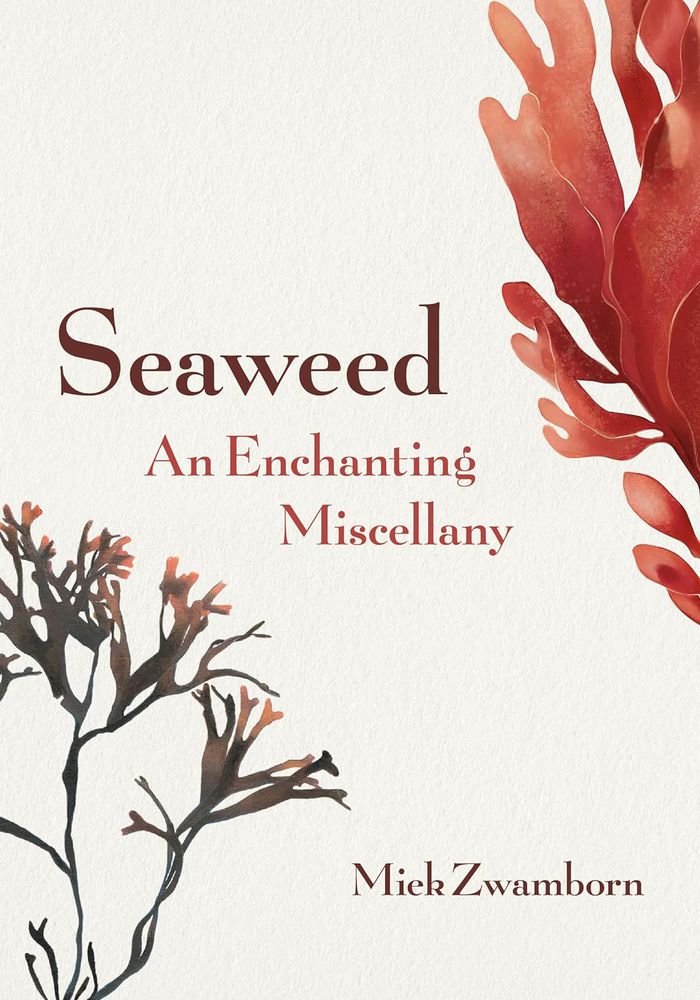
Seaweed is so familiar, and yet we know so little about it. Even its names-- pepper dulse, sea lettuce, bladderwrack-- are mystifying. In this exquisitely illustrated portrait, poet and artist Miek Zwamborn shares discoveries of seaweed's history, culture, and science. We encounter its medicinal and gastronomic properties and long history of human use, from the Neolithic(...)
$26.95
(disponible sur commande)
Résumé:
Seaweed is so familiar, and yet we know so little about it. Even its names-- pepper dulse, sea lettuce, bladderwrack-- are mystifying. In this exquisitely illustrated portrait, poet and artist Miek Zwamborn shares discoveries of seaweed's history, culture, and science. We encounter its medicinal and gastronomic properties and long history of human use, from the Neolithic(...)
Titre:
Seaweed: An enchanting miscellany
Actions:
Prix:
$26.95
(disponible sur commande)
Résumé:
Seaweed is so familiar, and yet we know so little about it. Even its names-- pepper dulse, sea lettuce, bladderwrack-- are mystifying. In this exquisitely illustrated portrait, poet and artist Miek Zwamborn shares discoveries of seaweed's history, culture, and science. We encounter its medicinal and gastronomic properties and long history of human use, from the Neolithic people of the Orkney islands to sushi artisans in modern Japan. We find seaweed troubling Columbus on his voyages across the Atlantic and intriguing Humboldt in the Sargasso Sea. We follow its inspiration for artists from Hokusai to Matisse, its collection by Victorians as pressed specimens in books, its adoption into fashion and dance, and its potential for combating climate change, as a sustainable food source and a means of reducing methane emissions in cattle. And, of course, we learn how to eat seaweed, through a fabulous series of recipes based around these "truffles of the seas."
Seaweed: An enchanting miscellany
Actions:
Prix:
$26.95
(disponible sur commande)
Résumé:
Seaweed is so familiar, and yet we know so little about it. Even its names-- pepper dulse, sea lettuce, bladderwrack-- are mystifying. In this exquisitely illustrated portrait, poet and artist Miek Zwamborn shares discoveries of seaweed's history, culture, and science. We encounter its medicinal and gastronomic properties and long history of human use, from the Neolithic people of the Orkney islands to sushi artisans in modern Japan. We find seaweed troubling Columbus on his voyages across the Atlantic and intriguing Humboldt in the Sargasso Sea. We follow its inspiration for artists from Hokusai to Matisse, its collection by Victorians as pressed specimens in books, its adoption into fashion and dance, and its potential for combating climate change, as a sustainable food source and a means of reducing methane emissions in cattle. And, of course, we learn how to eat seaweed, through a fabulous series of recipes based around these "truffles of the seas."
Classification:
livres
livres
Publication:
septembre 2020
septembre 2020


