


1138 Résultats
Classification:
livres
livres
Actions:
Prix:
$22.00
(disponible sur commande)
Résumé:
"Visual cultures as time travel" makes a case for cultural, aesthetic, and historical research that is oriented toward the future, not the past, actively constructing new categories of assembly that don't yet exist. Ayesha Hameed considers the relationship between climate change and plantation economies, proposing a watery plantationocene that revolves around two islands:(...)
Titre:
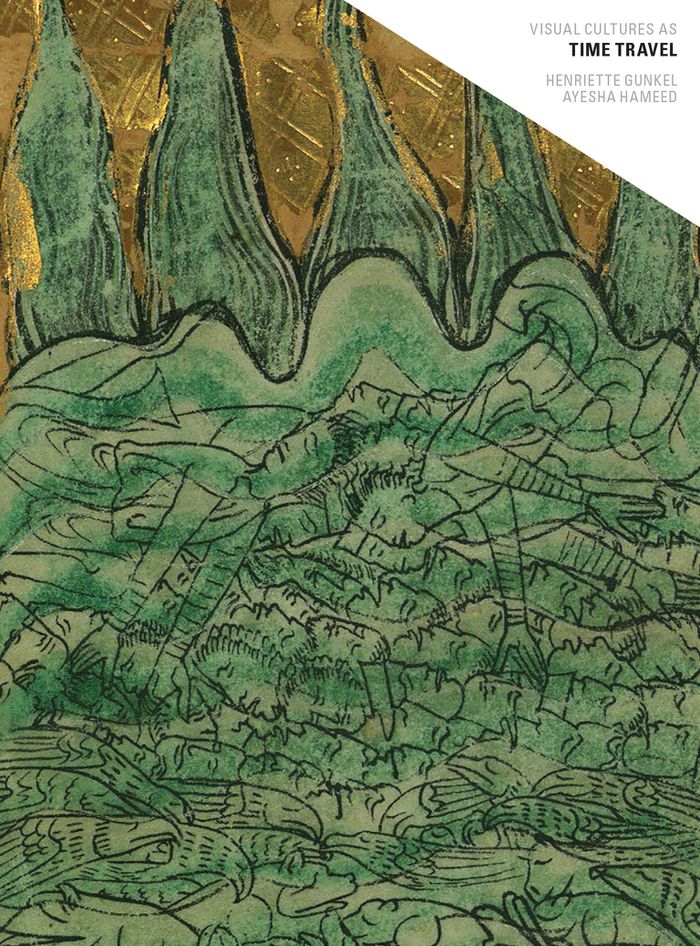
Visual cultures as time travel
Actions:
Prix:
$22.00
(disponible sur commande)
Résumé:
"Visual cultures as time travel" makes a case for cultural, aesthetic, and historical research that is oriented toward the future, not the past, actively constructing new categories of assembly that don't yet exist. Ayesha Hameed considers the relationship between climate change and plantation economies, proposing a watery plantationocene that revolves around two islands: a former plantation in St. George's Parish in Barbados, and the port city of Port of Spain in Trinidad. It visits a marine research institute on a third island, Seili in Finland, to consider how notions of temporality and adaptation are produced in the climate emergency we face. Henriette Gunkel introduces the idea of time travel through notions of dizziness, freefall, and of being in vertigo as set out in Octavia Butler's novel Kindred and Kitso Lynn Lelliott's multimedia installation South Atlantic Hauntings, exploring what counts as technology, how it operates in relation to time, including deep space time, and how it interacts with the different types of bodies—human, machine, planetary, spectral, ancestral—that inhabit the terrestrial and extraterrestrial worlds. In conversation, Hameed and Gunkel propose a notion of time travel marked by possibility and loss—in the aftermath of transatlantic slavery and in the moment of mass illegalized migration, of blackness and time, of wildfires and floods, of lost and co-opted futures, of deep geological time, and of falling.
Classification:
livres
livres
Publication:
septembre 2021
septembre 2021
Sujet:
Théorie/ philosophie
Théorie/ philosophie
Classification:
livres
livres
Actions:
Prix:
$53.95
(disponible en magasin)
Résumé:
After more than three decades as a renowned global architect, Yasmeen Lari, the first woman to open her own architecture firm in Pakistan in 1964, developed Zero Carbon Architecture, which unites ecological and social justice. This volume, edited by Angelika Fitz, Elke Krasny, and Marvi Mazhar, presents Lari’s trajectory from exemplary modernist to zero carbon(...)
Sujet:
Architecture, monographies
Architecture, monographies
Publication:
mai 2023
mai 2023
Titre:
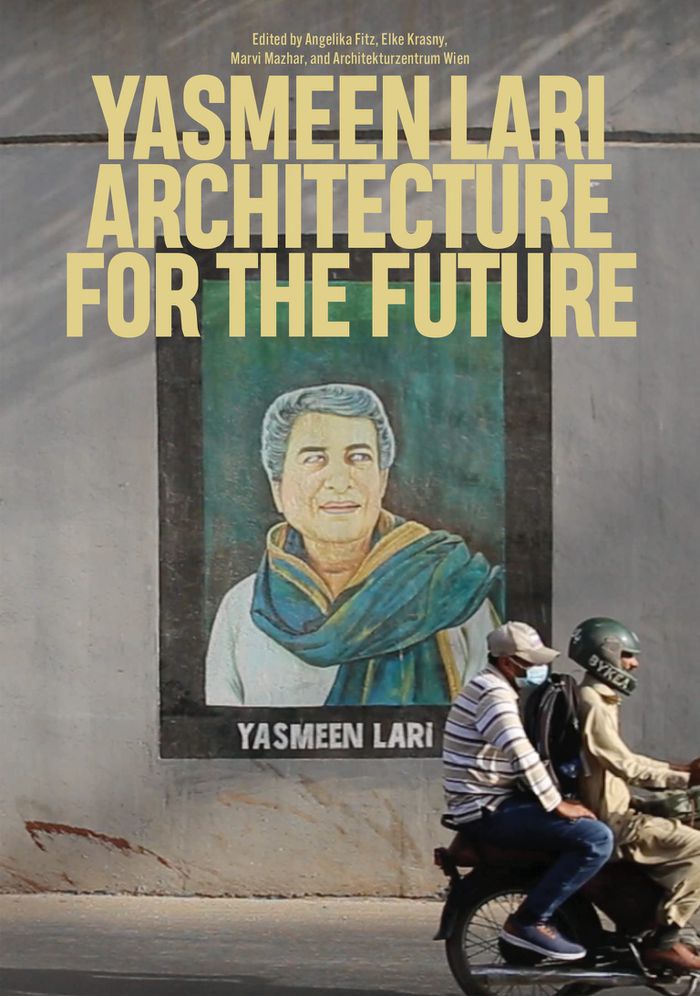
Yasmeen Lari: Architecture for the future
Actions:
Prix:
$53.95
(disponible en magasin)
Résumé:
After more than three decades as a renowned global architect, Yasmeen Lari, the first woman to open her own architecture firm in Pakistan in 1964, developed Zero Carbon Architecture, which unites ecological and social justice. This volume, edited by Angelika Fitz, Elke Krasny, and Marvi Mazhar, presents Lari’s trajectory from exemplary modernist to zero carbon revolutionary, with a focus on her remarkable contributions to the global architectural movement to decarbonize and decolonize. Lari’s architectural thinking and activism have always gone beyond the quest for a singular built solution. Rather, she strategically plans systemic approaches and solutions, be it for housing, a heritage foundation, or zero-carbon shelters with communities at risk. Original essays from diverse international contributors contextualize Lari’s work; investigate architecture and the postimperial, postcolonial, and postpartition condition; and examine the intersections of architecture and human rights, climate change, decolonization, gender, care, activism, and vernacular innovation.
Classification:
livres
livres
Publication:
mai 2023
mai 2023
Sujet:
Architecture, monographies
Architecture, monographies
Classification:
livres
livres
Titre:
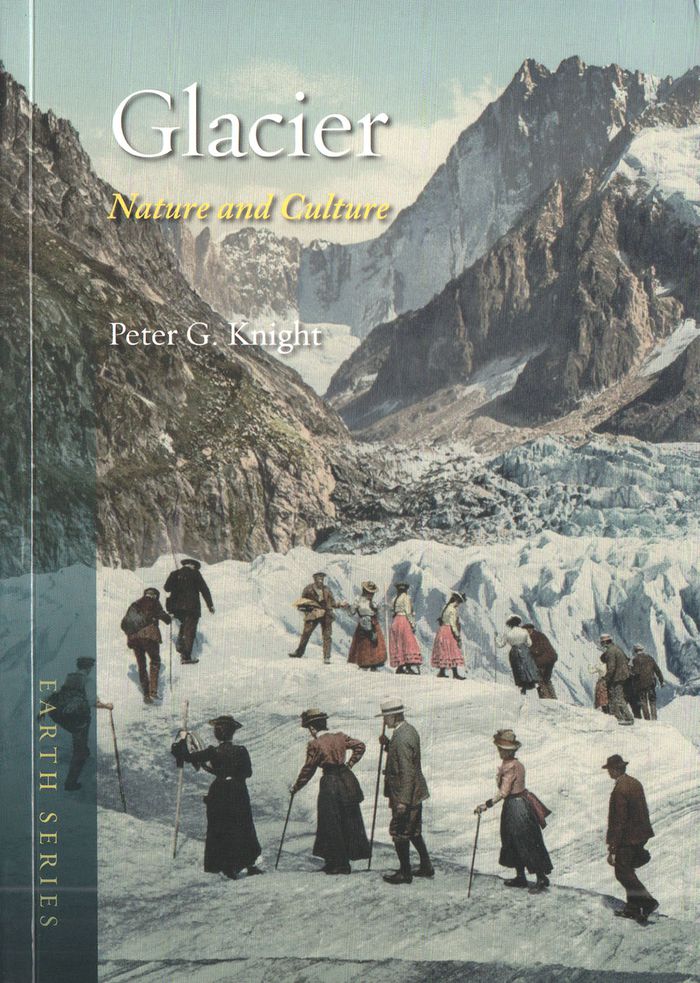
Glacier: nature and culture
Glacier: nature and culture
Actions:
Prix:
$34.95
(disponible sur commande)
Résumé:
As major actors in the unfolding drama of climate change, glaciers feature prominently in Earth’s past and its future. Wherever on the planet we live, glaciers affect each of us directly. They control the atmospheric and ocean circulations that drive the weather; they supply drinking and irrigation water to millions of people; and they protect us from catastrophic(...)
Titre:
Glacier: nature and culture
Actions:
Prix:
$34.95
(disponible sur commande)
Résumé:
As major actors in the unfolding drama of climate change, glaciers feature prominently in Earth’s past and its future. Wherever on the planet we live, glaciers affect each of us directly. They control the atmospheric and ocean circulations that drive the weather; they supply drinking and irrigation water to millions of people; and they protect us from catastrophic sea-level rise. The very existence of glaciers affects our view of the planet and of ourselves, but it is less than two hundred years since we first realized that ice ages come and go and that glaciers once covered much more of the planet’s surface than they do now. An inspiration to artists and a challenge for engineers, glaciers mean different things to different people. Crossing the boundaries between art, environment, science, nature, and culture, this book considers glaciers from myriad perspectives, revealing their complexity, majesty, and importance—but also their fragility.
Classification:
livres
livres
Publication:
décembre 2019
décembre 2019
Classification:
livres
livres
Prix:
$24.95
(disponible en magasin)
Résumé:
In this book, Leah Laksmi Piepzna-Samarasinha asks some provocative questions: What if, in the near future, the majority of people will be disabled - and what if that's not a bad thing? And what if disability justice and disabled wisdom are crucial to creating a future in which it's possible to survive fascism, climate change, and pandemics and to bring about liberation?(...)
Titre:
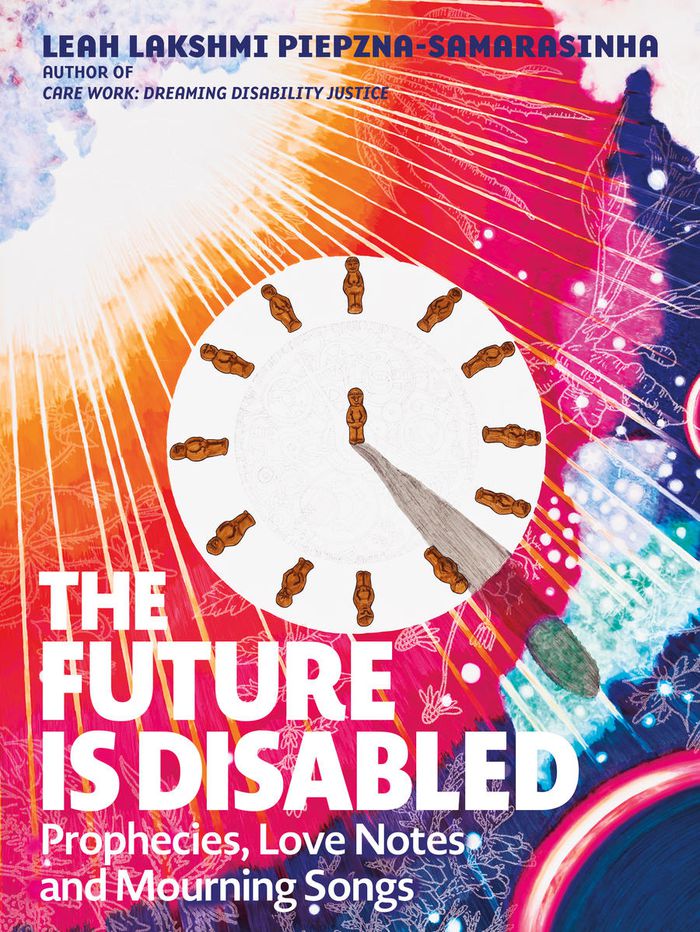
The future is disabled: Prophecies, love notes and mourning songs
Actions:
Prix:
$24.95
(disponible en magasin)
Résumé:
In this book, Leah Laksmi Piepzna-Samarasinha asks some provocative questions: What if, in the near future, the majority of people will be disabled - and what if that's not a bad thing? And what if disability justice and disabled wisdom are crucial to creating a future in which it's possible to survive fascism, climate change, and pandemics and to bring about liberation? Written over the course of two years of disabled isolation during the pandemic, this is a book of love letters to other disabled QTBIPOC (and those concerned about disability justice, the care crisis, and surviving the apocalypse); honour songs for kin who are gone; recipes for survival; questions and real talk about care, organizing, disabled families, and kin networks and communities; and wild brown disabled femme joy in the face of death. With passion and power, the book remembers our dead and insists on our future.
Classification:
livres
livres
Publication:
octobre 2022
octobre 2022
Sujet:
Social
Social
Classification:
livres
livres
Prix:
$12.50
(disponible en magasin)
Résumé:
Recognizing the dire threats of climate collapse and mass extinction, the global initiative Bauhaus Earth convened a team of scientists, architects, spatial planners, and policymakers from around the world to author a manifesto. ''Toward Re-Entanglement: A Charter for the City and the Earth'' is a call for radical transformation. It challenges all those with a role in the(...)
Titre:
Toward re-entanglement: A charter for the city and the earth
Actions:
Prix:
$12.50
(disponible en magasin)
Résumé:
Recognizing the dire threats of climate collapse and mass extinction, the global initiative Bauhaus Earth convened a team of scientists, architects, spatial planners, and policymakers from around the world to author a manifesto. ''Toward Re-Entanglement: A Charter for the City and the Earth'' is a call for radical transformation. It challenges all those with a role in the conception, production, operation, and governance of the building sector to address the systemic ecological, climatic, and social impacts incurred by its activities. Twelve principles of "re-entanglement" guide the redesign of the entire life cycle of the urban realm: the reforming and rematerializing of the physical artifacts that comprise it, the reconfiguring of the socioeconomic structures that underpin it, and the reengaging of the bioregions that might sustainably supply it. In this way, the unprecedented convergence of the environmental and social crises we are causing offers powerful opportunities for systemic change.
Classification:
livres
livres
Publication:
septembre 2023
septembre 2023
Sujet:
Architecture écologique
Architecture écologique
Classification:
périodiques
périodiques
Titre:
OASE 114: Optimism or bust?
OASE 114: Optimism or bust?
Actions:
Prix:
$58.00
(disponible sur commande)
Résumé:
Despite climate catastrophes, increasing inequality and growing geopolitical instability, architecture remains stubbornly optimistic about the future. More than this: it usually sees itself as the discipline best capable of showing society a way out of disaster. Optimism seems to be a genuine "strategy" that strongly shapes architectural and urban design practice. We can(...)
Titre:
OASE 114: Optimism or bust?
Actions:
Prix:
$58.00
(disponible sur commande)
Résumé:
Despite climate catastrophes, increasing inequality and growing geopolitical instability, architecture remains stubbornly optimistic about the future. More than this: it usually sees itself as the discipline best capable of showing society a way out of disaster. Optimism seems to be a genuine "strategy" that strongly shapes architectural and urban design practice. We can hardly imagine a different – and hopefully better – built future if we are not optimistic about it and believe in it ourselves. This issue of OASE focuses on the specific position of optimism in architecture and urban design. Where in the design and construction process is it hiding? In what circumstances does it rear its head? What causes it to be sidelined? How do design practices change under the yoke of optimism? How do boldly optimistic choices manifest in projects? And how persistent is this ever-good-natured optimism in the face of a fickle reality?
Classification:
périodiques
périodiques
Publication:
septembre 2023
septembre 2023
Sujet:
Revues
Revues
Classification:
livres
livres
Titre:
On oil
On oil
Actions:
Prix:
$21.95
(disponible sur commande)
Résumé:
Oil has dominated our lives for the last century. It has given us warmth, progress, and life-threatening pollution. It has been a gift and is now a threat. It has started wars, ended wars, and infiltrated governments—in some cases, effectively become the government. And now oil's enduring mythology is facing a messy, complicated twilight. In "On oil," Don Gillmor, who(...)
Titre:
On oil
Actions:
Prix:
$21.95
(disponible sur commande)
Résumé:
Oil has dominated our lives for the last century. It has given us warmth, progress, and life-threatening pollution. It has been a gift and is now a threat. It has started wars, ended wars, and infiltrated governments—in some cases, effectively become the government. And now oil's enduring mythology is facing a messy, complicated twilight. In "On oil," Don Gillmor, who worked as a roughneck on oil rigs during the seventies oil boom in Alberta, looks at how the industry has changed over the decades and illustrates the ways our dependence on oil has led to regulatory capture, in Canada and elsewhere, and contributed to armed conflict and war across the world. Gillmor documents the myriad ways that oil companies have misdirected environmental action and misinformed the public about climate concerns and illuminates where we went wrong—and how we might yet change course.
Classification:
livres
livres
Publication:
avril 2025
avril 2025
Sujet:
Social
Social
Classification:
livres
livres
Actions:
Prix:
$69.95
(disponible en magasin)
Résumé:
Conventional representations reinforce its reading as an urban condition resulting from neoliberal capitalism. These forces have expanded the city grid and extruded its architectures as a laboratory of urban ideas. Yet, like many other coastal and insular conditions, twenty-first century Manhattan faces adverse Anthropogenic climate change. Stronger storm surges and sea(...)
Titre:
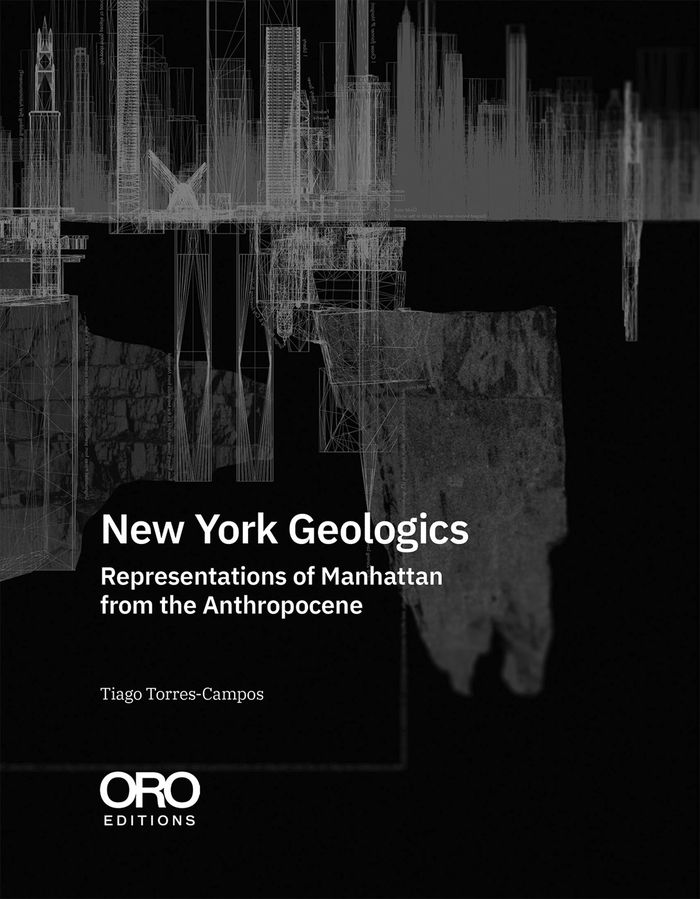
New York geologics: Representations of Manhattan from the anthropocene
Actions:
Prix:
$69.95
(disponible en magasin)
Résumé:
Conventional representations reinforce its reading as an urban condition resulting from neoliberal capitalism. These forces have expanded the city grid and extruded its architectures as a laboratory of urban ideas. Yet, like many other coastal and insular conditions, twenty-first century Manhattan faces adverse Anthropogenic climate change. Stronger storm surges and sea level rise now demand that the island recalibrates its social and environmental positions. The city needs to consider once again its fluid archipelagic conditions inherited from glacial dynamics. With a focus on iconic city representations, the book examines distinct logics that try to make capitalist progress compatible with its territorial conditions. Even though these logics of land, water and ground – here called geologics – are perhaps less dominant than the dense urban culture and, therefore, less predominant in the representation of the city, they are still important to explain why Manhattan evolved to its current condition.
Classification:
livres
livres
Publication:
mars 2026
mars 2026
Sujet:
L'écologie de l'architecure
L'écologie de l'architecure
Classification:
livres
livres
Actions:
Prix:
$47.00
(disponible sur commande)
Résumé:
On any given night, more than 650,000 people in the United States—many with families and full-time jobs—experience homelessness. The shortfall in affordable housing is estimated to be 5 million units or more. Devastating effects of these conditions include an increase in multigenerational poverty, a decrease in economic mobility, and—since the housing crisis has a(...)
Titre:
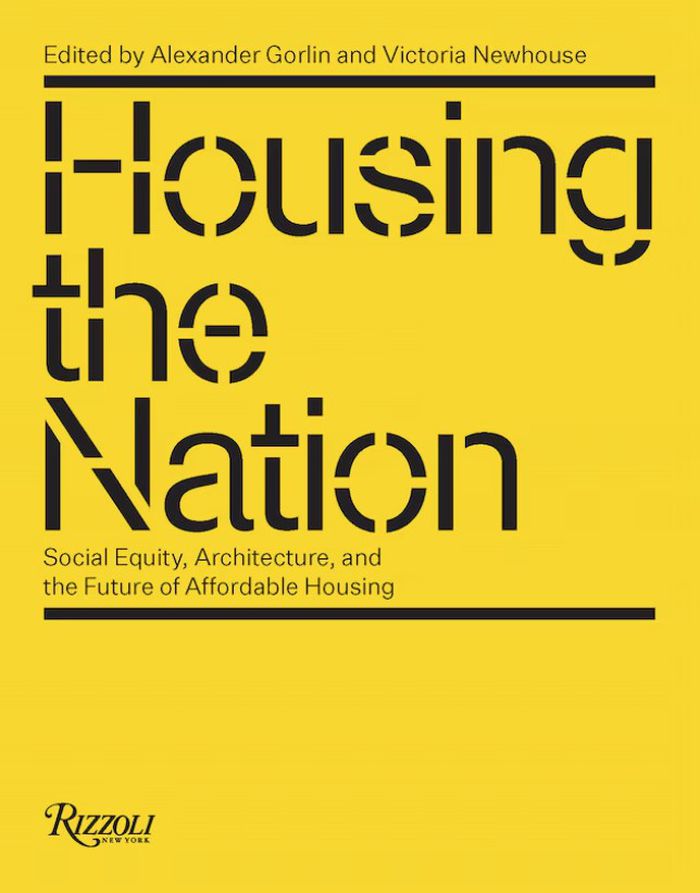
Housing the nation: Social equity, architecture, and the future of affordable housing
Actions:
Prix:
$47.00
(disponible sur commande)
Résumé:
On any given night, more than 650,000 people in the United States—many with families and full-time jobs—experience homelessness. The shortfall in affordable housing is estimated to be 5 million units or more. Devastating effects of these conditions include an increase in multigenerational poverty, a decrease in economic mobility, and—since the housing crisis has a disproportionate impact on communities of color—a heightening of racial injustice. Assembled here are essays by economists, scholars, architects, planners, and community organizers to address diverse aspects of the subject. The book discusses the history and extent of the US housing crisis; permanent affordable housing and affordable housing as a component of market-rate residential buildings; the development of community associations that can build and manage local units; links between housing production and climate change; and the pervasive and long-term consequences of racial discrimination in the housing market.
Classification:
livres
livres
Publication:
avril 2024
avril 2024
Sujet:
L'humain et la ville
L'humain et la ville
Classification:
livres
livres
Actions:
Prix:
$45.95
(disponible en magasin)
Résumé:
Is there an enduring bond between philosophical thought and the earth, or is philosophy’s task to escape the planetary horizon? And what is the connection between the empirical earth, the contingent material support of human thinking, and the abstract ‘world’ that is the condition for a ‘whole’ of thought? Real and imaginary geographies and cartographies have played a(...)
Publication:
décembre 2012
décembre 2012
Titre:
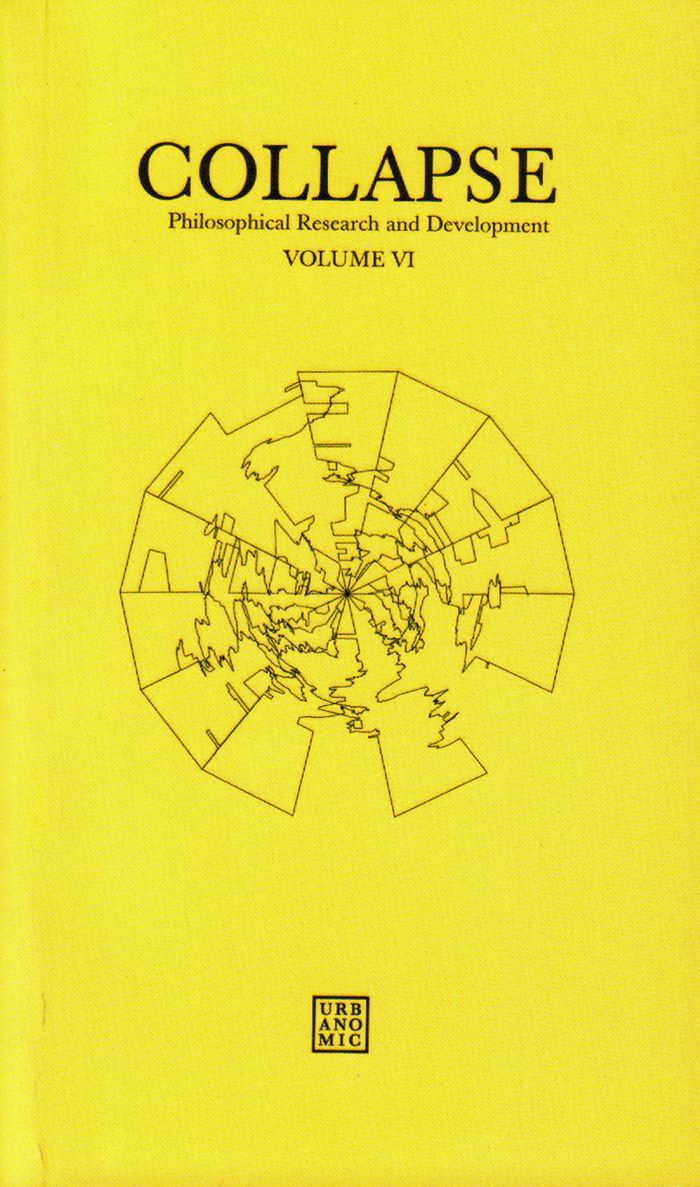
Collapse: philosophical research and development,: geo/philosophy, volume VI
Actions:
Prix:
$45.95
(disponible en magasin)
Résumé:
Is there an enduring bond between philosophical thought and the earth, or is philosophy’s task to escape the planetary horizon? And what is the connection between the empirical earth, the contingent material support of human thinking, and the abstract ‘world’ that is the condition for a ‘whole’ of thought? Real and imaginary geographies and cartographies have played a dual role in philosophy, serving both as governing metaphor and as ultimate grounding for philosophical thought; but urgent contemporary concerns introduce new problems for geophilosophy: planetary political, technological, military, and financial mutations have scrambled territorial formations, and scientific predictions now present us with the apocalyptic scenario of a planet without human thought. Collapse VI brings together philosophers, theorists, eco-critics, leading scientific experts in climate change, and artists whose work interrogates the link between philosophical thought, geography and cartography, in order to create a portrait of the present state of ‘planetary thought’.
Classification:
livres
livres
Publication:
décembre 2012
décembre 2012


