


35831 Résultats
Niveau de description archivistique:
Projet
Projet
Titre:
Fun Palace Project
Fun Palace Project
Numéro de référence:
AP144.S2.D46
Description:
File documents the various unexecuted proposals for the Fun Palace Project, an interactive and adaptable, educational and cultural complex to be located in London, England. The project was commissioned by Joan Littlewood, to be erected on disused public land slated for redevelopment and intended to be dismantled after 10 years. Conceptual and design development drawings were created for a typical Fun Palace that could be erected on any suitable site, and several sites were considered, some belonging to the Civic Trust. Presentation drawings were elaborated for a Fun Palace in the Lea Valley at Mill Meads and for a later modified Pilot Project in Camden Town. Publication drawings were also created for an article in Price, Cedric. "Fun Palace Project." 'Architectural Review'. (January 1965), 74-75. The Fun Palace Trust was created to oversee the project and the file contains material from related activities of the Trust which was active until the 1970's. Existing conditions drawings begin in 1961 and include regional, zoning, and transportation maps of Greater London and a photocollage of the site. Conceptual and diagrammatic drawings include: perspectives for the structural system; plans for site access; charts for modular systems; axonometrics for modules; preliminary drawings for escalators and service towers; and studies for activity areas. A "Table of Kindred and Affinity" separates modular components physically and visually by means of activity types, circulation, and individual/group accommodations. Design development drawings for the Fun Palace Project include: plans for activity areas, site plans, typical plans, site movement/circulation plans, theatre seating plans, diagrammatic sections, volumetric structural diagrams, perspectives, charts for services for mass activities, typical mass activity enclosure types, charts for required equipment for activities, and "clamp" structural systems and studies for three dimensional versatility and modular feasibility. Design development drawings for the 1963 Camden Town Pilot Project include: site plans; diagrammatic plans showing circulation patterns; drawings showing basic cubes with components and structural panel types; details for component connections; charts for individual activity module requirements; and network analysis charts. Presentation material includes: aerial photographs mounted on board; enlargements of clippings; reprographic copies of photographs of the design models. Material in this file was created between 1961 and 1985 but predominantly between 1961 and 1974. File contains conceptual drawings, design development drawings, presentation drawings and panels, publication drawings, reference drawings, an artefact, a film reel, models, photographic material, and textual records.
AP144.S2.D46
Description:
File documents the various unexecuted proposals for the Fun Palace Project, an interactive and adaptable, educational and cultural complex to be located in London, England. The project was commissioned by Joan Littlewood, to be erected on disused public land slated for redevelopment and intended to be dismantled after 10 years. Conceptual and design development drawings were created for a typical Fun Palace that could be erected on any suitable site, and several sites were considered, some belonging to the Civic Trust. Presentation drawings were elaborated for a Fun Palace in the Lea Valley at Mill Meads and for a later modified Pilot Project in Camden Town. Publication drawings were also created for an article in Price, Cedric. "Fun Palace Project." 'Architectural Review'. (January 1965), 74-75. The Fun Palace Trust was created to oversee the project and the file contains material from related activities of the Trust which was active until the 1970's. Existing conditions drawings begin in 1961 and include regional, zoning, and transportation maps of Greater London and a photocollage of the site. Conceptual and diagrammatic drawings include: perspectives for the structural system; plans for site access; charts for modular systems; axonometrics for modules; preliminary drawings for escalators and service towers; and studies for activity areas. A "Table of Kindred and Affinity" separates modular components physically and visually by means of activity types, circulation, and individual/group accommodations. Design development drawings for the Fun Palace Project include: plans for activity areas, site plans, typical plans, site movement/circulation plans, theatre seating plans, diagrammatic sections, volumetric structural diagrams, perspectives, charts for services for mass activities, typical mass activity enclosure types, charts for required equipment for activities, and "clamp" structural systems and studies for three dimensional versatility and modular feasibility. Design development drawings for the 1963 Camden Town Pilot Project include: site plans; diagrammatic plans showing circulation patterns; drawings showing basic cubes with components and structural panel types; details for component connections; charts for individual activity module requirements; and network analysis charts. Presentation material includes: aerial photographs mounted on board; enlargements of clippings; reprographic copies of photographs of the design models. Material in this file was created between 1961 and 1985 but predominantly between 1961 and 1974. File contains conceptual drawings, design development drawings, presentation drawings and panels, publication drawings, reference drawings, an artefact, a film reel, models, photographic material, and textual records.
Personnes et institutions:
Date:
1961-1985, predominant 1961-1974
1961-1985, predominant 1961-1974
Titre:
Fun Palace Project
Actions:
AP144.S2.D46
Description:
File documents the various unexecuted proposals for the Fun Palace Project, an interactive and adaptable, educational and cultural complex to be located in London, England. The project was commissioned by Joan Littlewood, to be erected on disused public land slated for redevelopment and intended to be dismantled after 10 years. Conceptual and design development drawings were created for a typical Fun Palace that could be erected on any suitable site, and several sites were considered, some belonging to the Civic Trust. Presentation drawings were elaborated for a Fun Palace in the Lea Valley at Mill Meads and for a later modified Pilot Project in Camden Town. Publication drawings were also created for an article in Price, Cedric. "Fun Palace Project." 'Architectural Review'. (January 1965), 74-75. The Fun Palace Trust was created to oversee the project and the file contains material from related activities of the Trust which was active until the 1970's. Existing conditions drawings begin in 1961 and include regional, zoning, and transportation maps of Greater London and a photocollage of the site. Conceptual and diagrammatic drawings include: perspectives for the structural system; plans for site access; charts for modular systems; axonometrics for modules; preliminary drawings for escalators and service towers; and studies for activity areas. A "Table of Kindred and Affinity" separates modular components physically and visually by means of activity types, circulation, and individual/group accommodations. Design development drawings for the Fun Palace Project include: plans for activity areas, site plans, typical plans, site movement/circulation plans, theatre seating plans, diagrammatic sections, volumetric structural diagrams, perspectives, charts for services for mass activities, typical mass activity enclosure types, charts for required equipment for activities, and "clamp" structural systems and studies for three dimensional versatility and modular feasibility. Design development drawings for the 1963 Camden Town Pilot Project include: site plans; diagrammatic plans showing circulation patterns; drawings showing basic cubes with components and structural panel types; details for component connections; charts for individual activity module requirements; and network analysis charts. Presentation material includes: aerial photographs mounted on board; enlargements of clippings; reprographic copies of photographs of the design models. Material in this file was created between 1961 and 1985 but predominantly between 1961 and 1974. File contains conceptual drawings, design development drawings, presentation drawings and panels, publication drawings, reference drawings, an artefact, a film reel, models, photographic material, and textual records.
Fun Palace Project
Actions:
AP144.S2.D46
Description:
File documents the various unexecuted proposals for the Fun Palace Project, an interactive and adaptable, educational and cultural complex to be located in London, England. The project was commissioned by Joan Littlewood, to be erected on disused public land slated for redevelopment and intended to be dismantled after 10 years. Conceptual and design development drawings were created for a typical Fun Palace that could be erected on any suitable site, and several sites were considered, some belonging to the Civic Trust. Presentation drawings were elaborated for a Fun Palace in the Lea Valley at Mill Meads and for a later modified Pilot Project in Camden Town. Publication drawings were also created for an article in Price, Cedric. "Fun Palace Project." 'Architectural Review'. (January 1965), 74-75. The Fun Palace Trust was created to oversee the project and the file contains material from related activities of the Trust which was active until the 1970's. Existing conditions drawings begin in 1961 and include regional, zoning, and transportation maps of Greater London and a photocollage of the site. Conceptual and diagrammatic drawings include: perspectives for the structural system; plans for site access; charts for modular systems; axonometrics for modules; preliminary drawings for escalators and service towers; and studies for activity areas. A "Table of Kindred and Affinity" separates modular components physically and visually by means of activity types, circulation, and individual/group accommodations. Design development drawings for the Fun Palace Project include: plans for activity areas, site plans, typical plans, site movement/circulation plans, theatre seating plans, diagrammatic sections, volumetric structural diagrams, perspectives, charts for services for mass activities, typical mass activity enclosure types, charts for required equipment for activities, and "clamp" structural systems and studies for three dimensional versatility and modular feasibility. Design development drawings for the 1963 Camden Town Pilot Project include: site plans; diagrammatic plans showing circulation patterns; drawings showing basic cubes with components and structural panel types; details for component connections; charts for individual activity module requirements; and network analysis charts. Presentation material includes: aerial photographs mounted on board; enlargements of clippings; reprographic copies of photographs of the design models. Material in this file was created between 1961 and 1985 but predominantly between 1961 and 1974. File contains conceptual drawings, design development drawings, presentation drawings and panels, publication drawings, reference drawings, an artefact, a film reel, models, photographic material, and textual records.
Niveau de description archivistique:
File 46
File 46
Date:
1961-1985, predominant 1961-1974
1961-1985, predominant 1961-1974
Personnes et institutions:
Niveau de description archivistique:
Projet
Projet
Numéro de référence:
AP178.S1.1979.PR02
Description:
The project series documents the 1979 design entry for the Görlitzer Bad swimming pool. While the records were held in the office’s archives this project was assigned the number 48/70; in the past the office identified the project as number 159. The office assigned the date 1979 for this project. This project was submitted to the International Architectural Exhibition Berlin competition (International Bauaustellung, IBA, circa 1979-1987), an urban renewal strategy for West Berlin, Germany. Siza would later submit proposals to the IBA for Block 70 and 89 (Fränkelufer residential complex), Block 121 (Bonjour Tristesse), Block 11-12 (Kottbusser Damm), Monument to Gestapo victims Prinz- Albrecht-Palais, and a proposal for the Kulturforum. The Görlitzer Bad swimming pool was Siza's first international project and first competition. Preceding the IBA competition, Siza attended the 1976 International Design Zentrum (IDZ) symposium in Berlin, "Stadtstruktur-Stadtgestalt". Brigitte Fleck, responsible for national and international architecture competitions for the Senate of Berlin (1971-1985), invited Siza to participate in the IBA competition to design the swimming pool for Kreuzberg. Fleck had heard of Siza’s participation in the IDZ symposium and became interested in Siza’s work with the Servicio Ambulatorio de Apio Lokal (SAAL). By this time Siza’s work with SAAL had been published in the December 1976 and March 1978 publications of the Lotus International Quarterly Architectural Review (numbers 13 and 18). Fleck felt that Siza's work with SAAL would be relevant to the IBA. In 1979, Siza entered his design for the Görlitzer Bad swimming pool to be built on a vacant area on the east side of Kreuzberg. The design for the pool was strongly opposed by the public because the dome over the main swimming pool was said to resemble a mosque. This area of Kreuzberg was largely populated by Turkish Muslims and there was hostility towards this immigrant community. Although Siza’s entry went through the first round of the IBA competition, it did not win the competition and was only awarded a special prize. The project series contains sketches and studies, as well as conceptual and design development drawings of elevations, site plans, and floor plans. Documentation for the competition includes site plans for the competition and a strata plan. The photographs, negatives, contact sheets, and slides mostly document the model and drawings for the project.
AP178.S1.1979.PR02
Description:
The project series documents the 1979 design entry for the Görlitzer Bad swimming pool. While the records were held in the office’s archives this project was assigned the number 48/70; in the past the office identified the project as number 159. The office assigned the date 1979 for this project. This project was submitted to the International Architectural Exhibition Berlin competition (International Bauaustellung, IBA, circa 1979-1987), an urban renewal strategy for West Berlin, Germany. Siza would later submit proposals to the IBA for Block 70 and 89 (Fränkelufer residential complex), Block 121 (Bonjour Tristesse), Block 11-12 (Kottbusser Damm), Monument to Gestapo victims Prinz- Albrecht-Palais, and a proposal for the Kulturforum. The Görlitzer Bad swimming pool was Siza's first international project and first competition. Preceding the IBA competition, Siza attended the 1976 International Design Zentrum (IDZ) symposium in Berlin, "Stadtstruktur-Stadtgestalt". Brigitte Fleck, responsible for national and international architecture competitions for the Senate of Berlin (1971-1985), invited Siza to participate in the IBA competition to design the swimming pool for Kreuzberg. Fleck had heard of Siza’s participation in the IDZ symposium and became interested in Siza’s work with the Servicio Ambulatorio de Apio Lokal (SAAL). By this time Siza’s work with SAAL had been published in the December 1976 and March 1978 publications of the Lotus International Quarterly Architectural Review (numbers 13 and 18). Fleck felt that Siza's work with SAAL would be relevant to the IBA. In 1979, Siza entered his design for the Görlitzer Bad swimming pool to be built on a vacant area on the east side of Kreuzberg. The design for the pool was strongly opposed by the public because the dome over the main swimming pool was said to resemble a mosque. This area of Kreuzberg was largely populated by Turkish Muslims and there was hostility towards this immigrant community. Although Siza’s entry went through the first round of the IBA competition, it did not win the competition and was only awarded a special prize. The project series contains sketches and studies, as well as conceptual and design development drawings of elevations, site plans, and floor plans. Documentation for the competition includes site plans for the competition and a strata plan. The photographs, negatives, contact sheets, and slides mostly document the model and drawings for the project.
Personnes et institutions:
Date:
1978-1979
1978-1979
Titre:
Piscina de "Görlitzer Bad" Kreuzberg, Berlim Oeste [Görlitzer Bad swimming pool], Berlin, Germany (1978-1979)
Actions:
AP178.S1.1979.PR02
Description:
The project series documents the 1979 design entry for the Görlitzer Bad swimming pool. While the records were held in the office’s archives this project was assigned the number 48/70; in the past the office identified the project as number 159. The office assigned the date 1979 for this project. This project was submitted to the International Architectural Exhibition Berlin competition (International Bauaustellung, IBA, circa 1979-1987), an urban renewal strategy for West Berlin, Germany. Siza would later submit proposals to the IBA for Block 70 and 89 (Fränkelufer residential complex), Block 121 (Bonjour Tristesse), Block 11-12 (Kottbusser Damm), Monument to Gestapo victims Prinz- Albrecht-Palais, and a proposal for the Kulturforum. The Görlitzer Bad swimming pool was Siza's first international project and first competition. Preceding the IBA competition, Siza attended the 1976 International Design Zentrum (IDZ) symposium in Berlin, "Stadtstruktur-Stadtgestalt". Brigitte Fleck, responsible for national and international architecture competitions for the Senate of Berlin (1971-1985), invited Siza to participate in the IBA competition to design the swimming pool for Kreuzberg. Fleck had heard of Siza’s participation in the IDZ symposium and became interested in Siza’s work with the Servicio Ambulatorio de Apio Lokal (SAAL). By this time Siza’s work with SAAL had been published in the December 1976 and March 1978 publications of the Lotus International Quarterly Architectural Review (numbers 13 and 18). Fleck felt that Siza's work with SAAL would be relevant to the IBA. In 1979, Siza entered his design for the Görlitzer Bad swimming pool to be built on a vacant area on the east side of Kreuzberg. The design for the pool was strongly opposed by the public because the dome over the main swimming pool was said to resemble a mosque. This area of Kreuzberg was largely populated by Turkish Muslims and there was hostility towards this immigrant community. Although Siza’s entry went through the first round of the IBA competition, it did not win the competition and was only awarded a special prize. The project series contains sketches and studies, as well as conceptual and design development drawings of elevations, site plans, and floor plans. Documentation for the competition includes site plans for the competition and a strata plan. The photographs, negatives, contact sheets, and slides mostly document the model and drawings for the project.
Piscina de "Görlitzer Bad" Kreuzberg, Berlim Oeste [Görlitzer Bad swimming pool], Berlin, Germany (1978-1979)
Actions:
AP178.S1.1979.PR02
Description:
The project series documents the 1979 design entry for the Görlitzer Bad swimming pool. While the records were held in the office’s archives this project was assigned the number 48/70; in the past the office identified the project as number 159. The office assigned the date 1979 for this project. This project was submitted to the International Architectural Exhibition Berlin competition (International Bauaustellung, IBA, circa 1979-1987), an urban renewal strategy for West Berlin, Germany. Siza would later submit proposals to the IBA for Block 70 and 89 (Fränkelufer residential complex), Block 121 (Bonjour Tristesse), Block 11-12 (Kottbusser Damm), Monument to Gestapo victims Prinz- Albrecht-Palais, and a proposal for the Kulturforum. The Görlitzer Bad swimming pool was Siza's first international project and first competition. Preceding the IBA competition, Siza attended the 1976 International Design Zentrum (IDZ) symposium in Berlin, "Stadtstruktur-Stadtgestalt". Brigitte Fleck, responsible for national and international architecture competitions for the Senate of Berlin (1971-1985), invited Siza to participate in the IBA competition to design the swimming pool for Kreuzberg. Fleck had heard of Siza’s participation in the IDZ symposium and became interested in Siza’s work with the Servicio Ambulatorio de Apio Lokal (SAAL). By this time Siza’s work with SAAL had been published in the December 1976 and March 1978 publications of the Lotus International Quarterly Architectural Review (numbers 13 and 18). Fleck felt that Siza's work with SAAL would be relevant to the IBA. In 1979, Siza entered his design for the Görlitzer Bad swimming pool to be built on a vacant area on the east side of Kreuzberg. The design for the pool was strongly opposed by the public because the dome over the main swimming pool was said to resemble a mosque. This area of Kreuzberg was largely populated by Turkish Muslims and there was hostility towards this immigrant community. Although Siza’s entry went through the first round of the IBA competition, it did not win the competition and was only awarded a special prize. The project series contains sketches and studies, as well as conceptual and design development drawings of elevations, site plans, and floor plans. Documentation for the competition includes site plans for the competition and a strata plan. The photographs, negatives, contact sheets, and slides mostly document the model and drawings for the project.
Niveau de description archivistique:
Project
Project
Date:
1978-1979
1978-1979
Personnes et institutions:
Classification:
événements
événements
Actions:
Description:
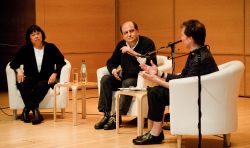
Adam Caruso de Caruso St John et Brigitte Shim de Shim-Sutcliffe Architects abordent des questions d’importance vitale dans la pratique architecturale contemporaine. Les présentations de Caruso et Shim sont suivies d’une conversation animée par le directeur du CCA, Mirko Zardini. La série Urgence témoigne de l’intérêt constant du CCA à explorer les questions cruciales(...)
Adam Caruso de Caruso St John et Brigitte Shim de Shim-Sutcliffe Architects abordent des questions d’importance vitale dans la pratique architecturale contemporaine. Les présentations de Caruso et Shim sont suivies d’une conversation animée par le directeur du CCA, Mirko Zardini. La série Urgence témoigne de l’intérêt constant du CCA à explorer les questions cruciales(...)
Date:
12 juin 2009
12 juin 2009
Titre:
Urgence 2009 : Adam Caruso et Brigitte Shim
Actions:
Description:
Adam Caruso de Caruso St John et Brigitte Shim de Shim-Sutcliffe Architects abordent des questions d’importance vitale dans la pratique architecturale contemporaine. Les présentations de Caruso et Shim sont suivies d’une conversation animée par le directeur du CCA, Mirko Zardini. La série Urgence témoigne de l’intérêt constant du CCA à explorer les questions cruciales(...)
Urgence 2009 : Adam Caruso et Brigitte Shim
Actions:
Description:
Adam Caruso de Caruso St John et Brigitte Shim de Shim-Sutcliffe Architects abordent des questions d’importance vitale dans la pratique architecturale contemporaine. Les présentations de Caruso et Shim sont suivies d’une conversation animée par le directeur du CCA, Mirko Zardini. La série Urgence témoigne de l’intérêt constant du CCA à explorer les questions cruciales(...)
Classification:
événements
événements
Date:
12 juin 2009
12 juin 2009
Classification:
expositions
expositions
Actions:
Description:
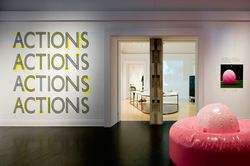
Des architectes, des artistes et des collectifs en provenance de plusieurs pays redéfinissent des activités en apparence anodines comme le jardinage, le recyclage, le jeu ou la marche. Confrontées aux normes de comportement urbain communément admises, leurs actions vont parfois jusqu’à défier les prescriptions de la loi. Les groupes ou les individus mis en scène dans(...)
Des architectes, des artistes et des collectifs en provenance de plusieurs pays redéfinissent des activités en apparence anodines comme le jardinage, le recyclage, le jeu ou la marche. Confrontées aux normes de comportement urbain communément admises, leurs actions vont parfois jusqu’à défier les prescriptions de la loi. Les groupes ou les individus mis en scène dans(...)
Localisation:
Salles principales
Salles principales
Date:
26 novembre 2008 au 19 avril 2009
26 novembre 2008 au 19 avril 2009
Titre:
Actions : comment s’approprier la ville
Actions:
Description:
Des architectes, des artistes et des collectifs en provenance de plusieurs pays redéfinissent des activités en apparence anodines comme le jardinage, le recyclage, le jeu ou la marche. Confrontées aux normes de comportement urbain communément admises, leurs actions vont parfois jusqu’à défier les prescriptions de la loi. Les groupes ou les individus mis en scène dans(...)
Actions : comment s’approprier la ville
Actions:
Description:
Des architectes, des artistes et des collectifs en provenance de plusieurs pays redéfinissent des activités en apparence anodines comme le jardinage, le recyclage, le jeu ou la marche. Confrontées aux normes de comportement urbain communément admises, leurs actions vont parfois jusqu’à défier les prescriptions de la loi. Les groupes ou les individus mis en scène dans(...)
Classification:
expositions
expositions
Date:
26 novembre 2008 au
19 avril 2009
26 novembre 2008 au
19 avril 2009
Localisation:
Salles principales
Salles principales
Classification:
événements
événements
Titre:
L’enseignement de… Toronto
L’enseignement de… Toronto
Actions:
Description:
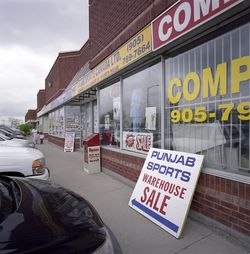
Ian Chodikoff, architecte, urbaniste et rédacteur en chef du magazine Canadian Architect, présente ses recherches sur la banlieue contemporaine, et sur les influences qu’exercent la diversité ethnique et le multiculturalisme sur l’architecture et l’esthétique urbaine dans les paysages suburbains de la région du Grand Toronto (RGT). Les banlieues d’aujourd’hui sont plus(...)
Ian Chodikoff, architecte, urbaniste et rédacteur en chef du magazine Canadian Architect, présente ses recherches sur la banlieue contemporaine, et sur les influences qu’exercent la diversité ethnique et le multiculturalisme sur l’architecture et l’esthétique urbaine dans les paysages suburbains de la région du Grand Toronto (RGT). Les banlieues d’aujourd’hui sont plus(...)
Localisation:
Théâtre Paul-Desmarais
Théâtre Paul-Desmarais
Date:
4 mars 2010 , 19h
4 mars 2010 , 19h
Titre:
L’enseignement de… Toronto
Actions:
Description:
Ian Chodikoff, architecte, urbaniste et rédacteur en chef du magazine Canadian Architect, présente ses recherches sur la banlieue contemporaine, et sur les influences qu’exercent la diversité ethnique et le multiculturalisme sur l’architecture et l’esthétique urbaine dans les paysages suburbains de la région du Grand Toronto (RGT). Les banlieues d’aujourd’hui sont plus(...)
L’enseignement de… Toronto
Actions:
Description:
Ian Chodikoff, architecte, urbaniste et rédacteur en chef du magazine Canadian Architect, présente ses recherches sur la banlieue contemporaine, et sur les influences qu’exercent la diversité ethnique et le multiculturalisme sur l’architecture et l’esthétique urbaine dans les paysages suburbains de la région du Grand Toronto (RGT). Les banlieues d’aujourd’hui sont plus(...)
Classification:
événements
événements
Date:
4 mars 2010
19h
4 mars 2010
19h
Localisation:
Théâtre Paul-Desmarais
Théâtre Paul-Desmarais
Classification:
articles
articles
Titre:
Escalade d’engagement
Escalade d’engagement
Actions:
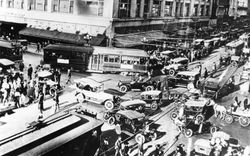
Shane Reiner-Roth retrace le développement de l'infrastructure autoroutière de Los Angeles
Dossier:
Pour votre sécurité
Pour votre sécurité
Publié:
25 mars 2024
25 mars 2024
Titre:
Escalade d’engagement
Shane Reiner-Roth retrace le développement de l'infrastructure autoroutière de Los Angeles
Actions:
Escalade d’engagement
Shane Reiner-Roth retrace le développement de l'infrastructure autoroutière de Los Angeles
Actions:
Dossier:
Pour votre sécurité
Pour votre sécurité
Classification:
événements
événements
Actions:
Description:
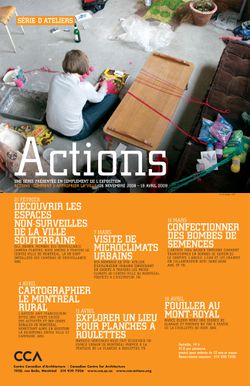
Les membres du collectif montréalais SYN- atelier d’exploration urbaine dirigent cet atelier explorant les microclimats urbains du centre-ville de Montréal. En raison de facteurs propres à la construction urbaine, les microclimats engendrent des variations de température surprenantes – par exemple, la cour d’un bâtiment peut être plus chaude que la rue de plusieurs(...)
Les membres du collectif montréalais SYN- atelier d’exploration urbaine dirigent cet atelier explorant les microclimats urbains du centre-ville de Montréal. En raison de facteurs propres à la construction urbaine, les microclimats engendrent des variations de température surprenantes – par exemple, la cour d’un bâtiment peut être plus chaude que la rue de plusieurs(...)
Date:
7 mars 2009
7 mars 2009
Titre:
Explorer les microclimats urbains
Actions:
Description:
Les membres du collectif montréalais SYN- atelier d’exploration urbaine dirigent cet atelier explorant les microclimats urbains du centre-ville de Montréal. En raison de facteurs propres à la construction urbaine, les microclimats engendrent des variations de température surprenantes – par exemple, la cour d’un bâtiment peut être plus chaude que la rue de plusieurs(...)
Explorer les microclimats urbains
Actions:
Description:
Les membres du collectif montréalais SYN- atelier d’exploration urbaine dirigent cet atelier explorant les microclimats urbains du centre-ville de Montréal. En raison de facteurs propres à la construction urbaine, les microclimats engendrent des variations de température surprenantes – par exemple, la cour d’un bâtiment peut être plus chaude que la rue de plusieurs(...)
Classification:
événements
événements
Date:
7 mars 2009
7 mars 2009
Niveau de description archivistique:
Projet
Projet
Numéro de référence:
CD034.S1.1974.PR01
Description:
This project series contains four reproductions of drawings displayed in the exhibit to document the neighbourhood Quinta do Bacalhau-Monte Coxo, in Lisbon, Portugal. The exhibit text explained the following: The project architect Manuel Vicente was already working on a design for the intervention in the Quintas de Bacalhau and Monte Coxo when he was co-opted by SAAL. The proposed typology referred to another ambitious urban project of 615 housing units, Quinta das Fonsecas - Quinta da Calçada neighbourhood by the architect Raúl Hestnes Ferreira. The intention was to bring the city to the outlying shanty town areas. None of these projects was carried out in full, and they are now fragmented and besieged by the traffic system without having produced any of the essential community and socialising facilities. In Bacalhau-Monte Coxo the structure of the internal patios reveals the ways in which the public space and community was organised. The architecture assigned importance to the facades, although access to the community courtyards was also a central design concept. In a 1976 interview, the architect himself argued that the release of bourgeois guilt allowed for spatial beauty, adopting the slogan 'Facades First' in defence of architectural design. In a way, this proposal anticipated the post-modern, although in a form that did not deny architecture's social engagement. The design emphasizes a strong idea of architectural autonomy, unfortunately only a part of the project was actually built. (The SAAL Process, Housing in Portugal 1974–76) Manuel Vicente worked for SAAL/Lisbon and Central South with the following collaborators: Afonso José Baptista, Agostinho Xavier de Andrade, António Albano Leitão, Cristina Catela Martins Pereira, Eduardo Serrano de Sousa, Gentil Noras, José Manuel Diniz Cabral Caldeira, Manuel Augusto Lopes de Sousa, Nuno Matos Silva, Rita Cabral and the resident association Cooperativa de Habitação Económica Portugal Novo, that was founded on September 6th, 1974. The team built 384 dwellings. The operation began in September 1974, with a construction date in January 1977. This project series contains reproductions of design development drawings and a cadastral plan. The original drawings were produced in 1974 or after and were reproduced in 2015 for the exhibit.
CD034.S1.1974.PR01
Description:
This project series contains four reproductions of drawings displayed in the exhibit to document the neighbourhood Quinta do Bacalhau-Monte Coxo, in Lisbon, Portugal. The exhibit text explained the following: The project architect Manuel Vicente was already working on a design for the intervention in the Quintas de Bacalhau and Monte Coxo when he was co-opted by SAAL. The proposed typology referred to another ambitious urban project of 615 housing units, Quinta das Fonsecas - Quinta da Calçada neighbourhood by the architect Raúl Hestnes Ferreira. The intention was to bring the city to the outlying shanty town areas. None of these projects was carried out in full, and they are now fragmented and besieged by the traffic system without having produced any of the essential community and socialising facilities. In Bacalhau-Monte Coxo the structure of the internal patios reveals the ways in which the public space and community was organised. The architecture assigned importance to the facades, although access to the community courtyards was also a central design concept. In a 1976 interview, the architect himself argued that the release of bourgeois guilt allowed for spatial beauty, adopting the slogan 'Facades First' in defence of architectural design. In a way, this proposal anticipated the post-modern, although in a form that did not deny architecture's social engagement. The design emphasizes a strong idea of architectural autonomy, unfortunately only a part of the project was actually built. (The SAAL Process, Housing in Portugal 1974–76) Manuel Vicente worked for SAAL/Lisbon and Central South with the following collaborators: Afonso José Baptista, Agostinho Xavier de Andrade, António Albano Leitão, Cristina Catela Martins Pereira, Eduardo Serrano de Sousa, Gentil Noras, José Manuel Diniz Cabral Caldeira, Manuel Augusto Lopes de Sousa, Nuno Matos Silva, Rita Cabral and the resident association Cooperativa de Habitação Económica Portugal Novo, that was founded on September 6th, 1974. The team built 384 dwellings. The operation began in September 1974, with a construction date in January 1977. This project series contains reproductions of design development drawings and a cadastral plan. The original drawings were produced in 1974 or after and were reproduced in 2015 for the exhibit.
Personnes et institutions:
Date:
circa 1974
circa 1974
Titre:
Bairro Quinta do Bacalhau–Monte Coxo, Lisbon
Actions:
CD034.S1.1974.PR01
Description:
This project series contains four reproductions of drawings displayed in the exhibit to document the neighbourhood Quinta do Bacalhau-Monte Coxo, in Lisbon, Portugal. The exhibit text explained the following: The project architect Manuel Vicente was already working on a design for the intervention in the Quintas de Bacalhau and Monte Coxo when he was co-opted by SAAL. The proposed typology referred to another ambitious urban project of 615 housing units, Quinta das Fonsecas - Quinta da Calçada neighbourhood by the architect Raúl Hestnes Ferreira. The intention was to bring the city to the outlying shanty town areas. None of these projects was carried out in full, and they are now fragmented and besieged by the traffic system without having produced any of the essential community and socialising facilities. In Bacalhau-Monte Coxo the structure of the internal patios reveals the ways in which the public space and community was organised. The architecture assigned importance to the facades, although access to the community courtyards was also a central design concept. In a 1976 interview, the architect himself argued that the release of bourgeois guilt allowed for spatial beauty, adopting the slogan 'Facades First' in defence of architectural design. In a way, this proposal anticipated the post-modern, although in a form that did not deny architecture's social engagement. The design emphasizes a strong idea of architectural autonomy, unfortunately only a part of the project was actually built. (The SAAL Process, Housing in Portugal 1974–76) Manuel Vicente worked for SAAL/Lisbon and Central South with the following collaborators: Afonso José Baptista, Agostinho Xavier de Andrade, António Albano Leitão, Cristina Catela Martins Pereira, Eduardo Serrano de Sousa, Gentil Noras, José Manuel Diniz Cabral Caldeira, Manuel Augusto Lopes de Sousa, Nuno Matos Silva, Rita Cabral and the resident association Cooperativa de Habitação Económica Portugal Novo, that was founded on September 6th, 1974. The team built 384 dwellings. The operation began in September 1974, with a construction date in January 1977. This project series contains reproductions of design development drawings and a cadastral plan. The original drawings were produced in 1974 or after and were reproduced in 2015 for the exhibit.
Bairro Quinta do Bacalhau–Monte Coxo, Lisbon
Actions:
CD034.S1.1974.PR01
Description:
This project series contains four reproductions of drawings displayed in the exhibit to document the neighbourhood Quinta do Bacalhau-Monte Coxo, in Lisbon, Portugal. The exhibit text explained the following: The project architect Manuel Vicente was already working on a design for the intervention in the Quintas de Bacalhau and Monte Coxo when he was co-opted by SAAL. The proposed typology referred to another ambitious urban project of 615 housing units, Quinta das Fonsecas - Quinta da Calçada neighbourhood by the architect Raúl Hestnes Ferreira. The intention was to bring the city to the outlying shanty town areas. None of these projects was carried out in full, and they are now fragmented and besieged by the traffic system without having produced any of the essential community and socialising facilities. In Bacalhau-Monte Coxo the structure of the internal patios reveals the ways in which the public space and community was organised. The architecture assigned importance to the facades, although access to the community courtyards was also a central design concept. In a 1976 interview, the architect himself argued that the release of bourgeois guilt allowed for spatial beauty, adopting the slogan 'Facades First' in defence of architectural design. In a way, this proposal anticipated the post-modern, although in a form that did not deny architecture's social engagement. The design emphasizes a strong idea of architectural autonomy, unfortunately only a part of the project was actually built. (The SAAL Process, Housing in Portugal 1974–76) Manuel Vicente worked for SAAL/Lisbon and Central South with the following collaborators: Afonso José Baptista, Agostinho Xavier de Andrade, António Albano Leitão, Cristina Catela Martins Pereira, Eduardo Serrano de Sousa, Gentil Noras, José Manuel Diniz Cabral Caldeira, Manuel Augusto Lopes de Sousa, Nuno Matos Silva, Rita Cabral and the resident association Cooperativa de Habitação Económica Portugal Novo, that was founded on September 6th, 1974. The team built 384 dwellings. The operation began in September 1974, with a construction date in January 1977. This project series contains reproductions of design development drawings and a cadastral plan. The original drawings were produced in 1974 or after and were reproduced in 2015 for the exhibit.
Niveau de description archivistique:
Project
Project
Date:
circa 1974
circa 1974
Personnes et institutions:
Niveau de description archivistique:
Série(s)
Série(s)
Titre:
OCEAN reference files
OCEAN reference files
Numéro de référence:
AP194.S2
Description:
Series consist of records associated with different projects devised by OCEAN and OCEAN North prior to 1999 and retained as reference material by Johan Bettum, who did not collaborate on every project. Records occasionally include some photographs, but for the most part are images from work done with CAD software. These include plans, diagrams, renderings and views (sections, perspectives) of buildings, landscapes, exhibition scenography, and exhibited items. The amount and type of materials varies largely between projects. Files were transferred to CCA on a CD and their timestamps suggests that materials were copied for reference purpose in the first few months of 1998. The CD cover bears the date of June 3rd 1999. Projects date from 1994 to 1998. Projects included in the reference files are: Barbican, London (OCEAN Helsinki): likely an exhibition design. Museum, Buenos Aires (OCEAN U.K., 1997): a building design for a competition. Finnish Embassy, Canberra (OCEAN Oslo & Helsinki, 1996): an international architectural competition entry. Helsinki Nightclub (OCEAN Helsinki): a building design. Jeil’s Hospital, Seoul (OCEAN U.K., 1996): a building design. Jyväskylä Music and Arts Center (OCEAN Oslo & Helsinki, 1997): an international architectural competition entry. See also Series 1 for more records on this project. Lasipalatsi Media Square (OCEAN U.K.): a landscape design. Synthetic Landscape I-II, Oslo (OCEAN Oslo, 1995-1996): a landscape design. See also Series 1 for more records on this research project. Surfscape, Helsinki (OCEAN Helsinki, 1997): sculpture for an exhibition. Töölö Football Stadium, Hels. (OCEAN Oslo & Helsinki, 1997): an international architectural competition entry. See also Series 1 for more records on this project. Urban Surfaces, Oslo (OCEAN, 1997-1998): photographs of an exhibition. Source: Ateljié Sotamaa. “Portfolio.” Accessed November 2017, http://portfolio.sotamaa.net/ OCEAN design Research Association, “Exhibitions.” Accessed November 2017, http://www.ocean-designresearch.net/index.php/exhibitions-mainmenu-120/list-of-exhibitions FRAC, “Catalog, OCEAN.” Accessed November 2017, http://www.archilab.org/public/2000/catalog/ocean/oceanen.htm OCEAN CN Consultancy Network, “Projects.” Accessed November 2017, http://ocean-cn.org/projects/
AP194.S2
Description:
Series consist of records associated with different projects devised by OCEAN and OCEAN North prior to 1999 and retained as reference material by Johan Bettum, who did not collaborate on every project. Records occasionally include some photographs, but for the most part are images from work done with CAD software. These include plans, diagrams, renderings and views (sections, perspectives) of buildings, landscapes, exhibition scenography, and exhibited items. The amount and type of materials varies largely between projects. Files were transferred to CCA on a CD and their timestamps suggests that materials were copied for reference purpose in the first few months of 1998. The CD cover bears the date of June 3rd 1999. Projects date from 1994 to 1998. Projects included in the reference files are: Barbican, London (OCEAN Helsinki): likely an exhibition design. Museum, Buenos Aires (OCEAN U.K., 1997): a building design for a competition. Finnish Embassy, Canberra (OCEAN Oslo & Helsinki, 1996): an international architectural competition entry. Helsinki Nightclub (OCEAN Helsinki): a building design. Jeil’s Hospital, Seoul (OCEAN U.K., 1996): a building design. Jyväskylä Music and Arts Center (OCEAN Oslo & Helsinki, 1997): an international architectural competition entry. See also Series 1 for more records on this project. Lasipalatsi Media Square (OCEAN U.K.): a landscape design. Synthetic Landscape I-II, Oslo (OCEAN Oslo, 1995-1996): a landscape design. See also Series 1 for more records on this research project. Surfscape, Helsinki (OCEAN Helsinki, 1997): sculpture for an exhibition. Töölö Football Stadium, Hels. (OCEAN Oslo & Helsinki, 1997): an international architectural competition entry. See also Series 1 for more records on this project. Urban Surfaces, Oslo (OCEAN, 1997-1998): photographs of an exhibition. Source: Ateljié Sotamaa. “Portfolio.” Accessed November 2017, http://portfolio.sotamaa.net/ OCEAN design Research Association, “Exhibitions.” Accessed November 2017, http://www.ocean-designresearch.net/index.php/exhibitions-mainmenu-120/list-of-exhibitions FRAC, “Catalog, OCEAN.” Accessed November 2017, http://www.archilab.org/public/2000/catalog/ocean/oceanen.htm OCEAN CN Consultancy Network, “Projects.” Accessed November 2017, http://ocean-cn.org/projects/
Personnes et institutions:
Date:
1998
1998
Titre:
OCEAN reference files
Actions:
AP194.S2
Description:
Series consist of records associated with different projects devised by OCEAN and OCEAN North prior to 1999 and retained as reference material by Johan Bettum, who did not collaborate on every project. Records occasionally include some photographs, but for the most part are images from work done with CAD software. These include plans, diagrams, renderings and views (sections, perspectives) of buildings, landscapes, exhibition scenography, and exhibited items. The amount and type of materials varies largely between projects. Files were transferred to CCA on a CD and their timestamps suggests that materials were copied for reference purpose in the first few months of 1998. The CD cover bears the date of June 3rd 1999. Projects date from 1994 to 1998. Projects included in the reference files are: Barbican, London (OCEAN Helsinki): likely an exhibition design. Museum, Buenos Aires (OCEAN U.K., 1997): a building design for a competition. Finnish Embassy, Canberra (OCEAN Oslo & Helsinki, 1996): an international architectural competition entry. Helsinki Nightclub (OCEAN Helsinki): a building design. Jeil’s Hospital, Seoul (OCEAN U.K., 1996): a building design. Jyväskylä Music and Arts Center (OCEAN Oslo & Helsinki, 1997): an international architectural competition entry. See also Series 1 for more records on this project. Lasipalatsi Media Square (OCEAN U.K.): a landscape design. Synthetic Landscape I-II, Oslo (OCEAN Oslo, 1995-1996): a landscape design. See also Series 1 for more records on this research project. Surfscape, Helsinki (OCEAN Helsinki, 1997): sculpture for an exhibition. Töölö Football Stadium, Hels. (OCEAN Oslo & Helsinki, 1997): an international architectural competition entry. See also Series 1 for more records on this project. Urban Surfaces, Oslo (OCEAN, 1997-1998): photographs of an exhibition. Source: Ateljié Sotamaa. “Portfolio.” Accessed November 2017, http://portfolio.sotamaa.net/ OCEAN design Research Association, “Exhibitions.” Accessed November 2017, http://www.ocean-designresearch.net/index.php/exhibitions-mainmenu-120/list-of-exhibitions FRAC, “Catalog, OCEAN.” Accessed November 2017, http://www.archilab.org/public/2000/catalog/ocean/oceanen.htm OCEAN CN Consultancy Network, “Projects.” Accessed November 2017, http://ocean-cn.org/projects/
OCEAN reference files
Actions:
AP194.S2
Description:
Series consist of records associated with different projects devised by OCEAN and OCEAN North prior to 1999 and retained as reference material by Johan Bettum, who did not collaborate on every project. Records occasionally include some photographs, but for the most part are images from work done with CAD software. These include plans, diagrams, renderings and views (sections, perspectives) of buildings, landscapes, exhibition scenography, and exhibited items. The amount and type of materials varies largely between projects. Files were transferred to CCA on a CD and their timestamps suggests that materials were copied for reference purpose in the first few months of 1998. The CD cover bears the date of June 3rd 1999. Projects date from 1994 to 1998. Projects included in the reference files are: Barbican, London (OCEAN Helsinki): likely an exhibition design. Museum, Buenos Aires (OCEAN U.K., 1997): a building design for a competition. Finnish Embassy, Canberra (OCEAN Oslo & Helsinki, 1996): an international architectural competition entry. Helsinki Nightclub (OCEAN Helsinki): a building design. Jeil’s Hospital, Seoul (OCEAN U.K., 1996): a building design. Jyväskylä Music and Arts Center (OCEAN Oslo & Helsinki, 1997): an international architectural competition entry. See also Series 1 for more records on this project. Lasipalatsi Media Square (OCEAN U.K.): a landscape design. Synthetic Landscape I-II, Oslo (OCEAN Oslo, 1995-1996): a landscape design. See also Series 1 for more records on this research project. Surfscape, Helsinki (OCEAN Helsinki, 1997): sculpture for an exhibition. Töölö Football Stadium, Hels. (OCEAN Oslo & Helsinki, 1997): an international architectural competition entry. See also Series 1 for more records on this project. Urban Surfaces, Oslo (OCEAN, 1997-1998): photographs of an exhibition. Source: Ateljié Sotamaa. “Portfolio.” Accessed November 2017, http://portfolio.sotamaa.net/ OCEAN design Research Association, “Exhibitions.” Accessed November 2017, http://www.ocean-designresearch.net/index.php/exhibitions-mainmenu-120/list-of-exhibitions FRAC, “Catalog, OCEAN.” Accessed November 2017, http://www.archilab.org/public/2000/catalog/ocean/oceanen.htm OCEAN CN Consultancy Network, “Projects.” Accessed November 2017, http://ocean-cn.org/projects/
Niveau de description archivistique:
Series
Series
Date:
1998
1998
Personnes et institutions:
Classification:
expositions
expositions
Actions:
Description:
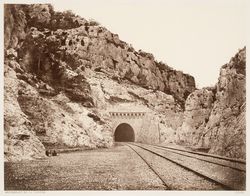
Édouard Baldus a défini mieux qu’aucun autre la notion moderne de paysage et les critères de la photographie d’architecture. Les photographies d’Édouard Baldus : paysages et monuments de France témoigne de l’âge d’or français du point de vue du photographe. L’exposition se présente comme une suite chronologique de séquences qui montrent l’évolution du travail de l’artiste(...)
Édouard Baldus a défini mieux qu’aucun autre la notion moderne de paysage et les critères de la photographie d’architecture. Les photographies d’Édouard Baldus : paysages et monuments de France témoigne de l’âge d’or français du point de vue du photographe. L’exposition se présente comme une suite chronologique de séquences qui montrent l’évolution du travail de l’artiste(...)
Localisation:
Salles principales
Salles principales
Date:
25 janvier 1995 au 23 avril 1995
25 janvier 1995 au 23 avril 1995
Titre:
Les photographies d'Édouard Baldus : paysages et monuments de France
Actions:
Description:
Édouard Baldus a défini mieux qu’aucun autre la notion moderne de paysage et les critères de la photographie d’architecture. Les photographies d’Édouard Baldus : paysages et monuments de France témoigne de l’âge d’or français du point de vue du photographe. L’exposition se présente comme une suite chronologique de séquences qui montrent l’évolution du travail de l’artiste(...)
Les photographies d'Édouard Baldus : paysages et monuments de France
Actions:
Description:
Édouard Baldus a défini mieux qu’aucun autre la notion moderne de paysage et les critères de la photographie d’architecture. Les photographies d’Édouard Baldus : paysages et monuments de France témoigne de l’âge d’or français du point de vue du photographe. L’exposition se présente comme une suite chronologique de séquences qui montrent l’évolution du travail de l’artiste(...)
Classification:
expositions
expositions
Date:
25 janvier 1995 au
23 avril 1995
25 janvier 1995 au
23 avril 1995
Localisation:
Salles principales
Salles principales


