


122 Résultats
Classification:
livres
livres
Titre:
Aki-wayn-zih
Aki-wayn-zih
Actions:
Prix:
$27.95
(disponible sur commande)
Résumé:
Members of Eli Baxter’s generation are the last of the hunting and gathering societies living on Turtle Island. They are also among the last fluent speakers of the Anishinaabay language known as Anishinaabaymowin. 'Aki-wayn-zih' is a story about the land and its spiritual relationship with the Anishinaabayg, from the beginning of their life on Miss-koh-tay-sih Minis(...)
$27.95
(disponible sur commande)
Résumé:
Members of Eli Baxter’s generation are the last of the hunting and gathering societies living on Turtle Island. They are also among the last fluent speakers of the Anishinaabay language known as Anishinaabaymowin. 'Aki-wayn-zih' is a story about the land and its spiritual relationship with the Anishinaabayg, from the beginning of their life on Miss-koh-tay-sih Minis(...)
Titre:
Aki-wayn-zih
Actions:
Prix:
$27.95
(disponible sur commande)
Résumé:
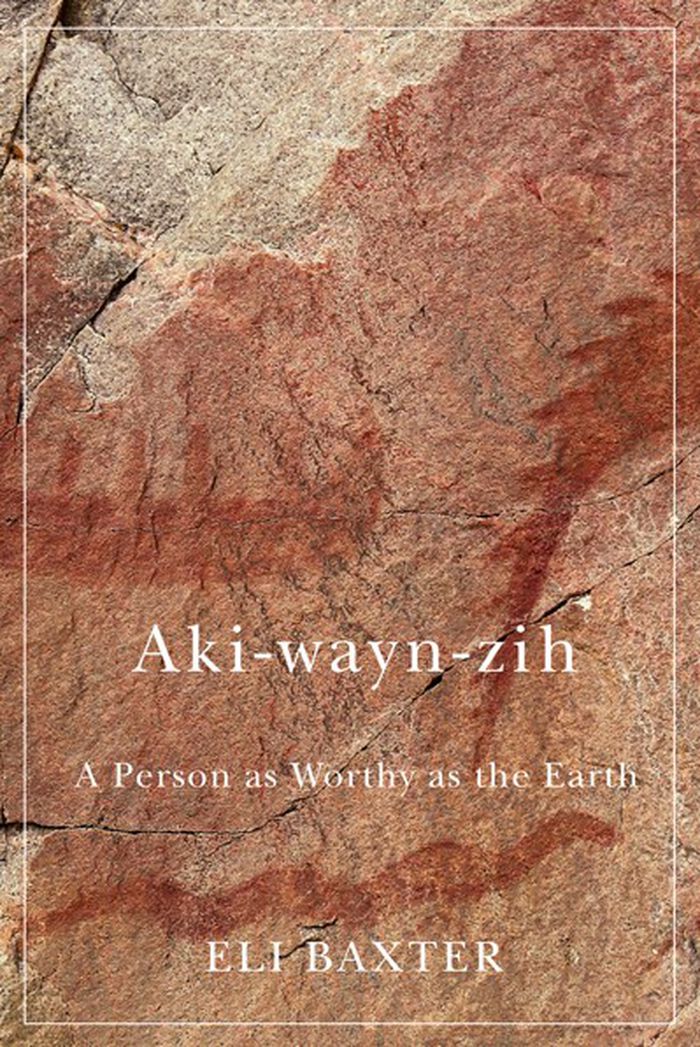
Members of Eli Baxter’s generation are the last of the hunting and gathering societies living on Turtle Island. They are also among the last fluent speakers of the Anishinaabay language known as Anishinaabaymowin. 'Aki-wayn-zih' is a story about the land and its spiritual relationship with the Anishinaabayg, from the beginning of their life on Miss-koh-tay-sih Minis (Turtle Island) to the present day. Baxter writes about Anishinaabay life before European contact, his childhood memories of trapping, hunting, and fishing with his family on traditional lands in Treaty 9 territory, and his personal experience surviving the residential school system. Examining how Anishinaabay Kih-kayn-daa-soh-win (knowledge) is an elemental concept embedded in the Anishinaabay language, 'Aki-wayn-zih' explores history, science, math, education, philosophy, law, and spiritual teachings, outlining the cultural significance of language to Anishinaabay identity. Recounting traditional Ojibway legends in their original language, fables in which moral virtues double as survival techniques, and detailed guidelines for expertly trapping or ensnaring animals, Baxter reveals how the residential school system shaped him as an individual, transformed his family, and forever disrupted his reserve community and those like it. Through spiritual teachings, historical accounts, and autobiographical anecdotes, 'Aki-wayn-zih' offers a new form of storytelling from the Anishinaabay point of view.
Aki-wayn-zih
Actions:
Prix:
$27.95
(disponible sur commande)
Résumé:
Members of Eli Baxter’s generation are the last of the hunting and gathering societies living on Turtle Island. They are also among the last fluent speakers of the Anishinaabay language known as Anishinaabaymowin. 'Aki-wayn-zih' is a story about the land and its spiritual relationship with the Anishinaabayg, from the beginning of their life on Miss-koh-tay-sih Minis (Turtle Island) to the present day. Baxter writes about Anishinaabay life before European contact, his childhood memories of trapping, hunting, and fishing with his family on traditional lands in Treaty 9 territory, and his personal experience surviving the residential school system. Examining how Anishinaabay Kih-kayn-daa-soh-win (knowledge) is an elemental concept embedded in the Anishinaabay language, 'Aki-wayn-zih' explores history, science, math, education, philosophy, law, and spiritual teachings, outlining the cultural significance of language to Anishinaabay identity. Recounting traditional Ojibway legends in their original language, fables in which moral virtues double as survival techniques, and detailed guidelines for expertly trapping or ensnaring animals, Baxter reveals how the residential school system shaped him as an individual, transformed his family, and forever disrupted his reserve community and those like it. Through spiritual teachings, historical accounts, and autobiographical anecdotes, 'Aki-wayn-zih' offers a new form of storytelling from the Anishinaabay point of view.
Classification:
livres
livres
Publication:
septembre 2021
septembre 2021
Classification:
livres
livres
Prix:
$55.95
(disponible sur commande)
Résumé:
Built around snatches of discussion overheard in a Beijing design studio, this book explores attitudes toward architecture in China since the opening of the Treaty Ports in the 1840s. Central to the discussion are the concepts of ti and yong, or “essence” and “form,” Chinese characters that are used to define the proper arrangement of what should be considered modern and(...)
$55.95
(disponible sur commande)
Résumé:
Built around snatches of discussion overheard in a Beijing design studio, this book explores attitudes toward architecture in China since the opening of the Treaty Ports in the 1840s. Central to the discussion are the concepts of ti and yong, or “essence” and “form,” Chinese characters that are used to define the proper arrangement of what should be considered modern and(...)
Publication:
avril 2002, Cambridge, Mass.
avril 2002, Cambridge, Mass.
Titre:
Architectural encounters with essence and form in modern China
Actions:
Prix:
$55.95
(disponible sur commande)
Résumé:
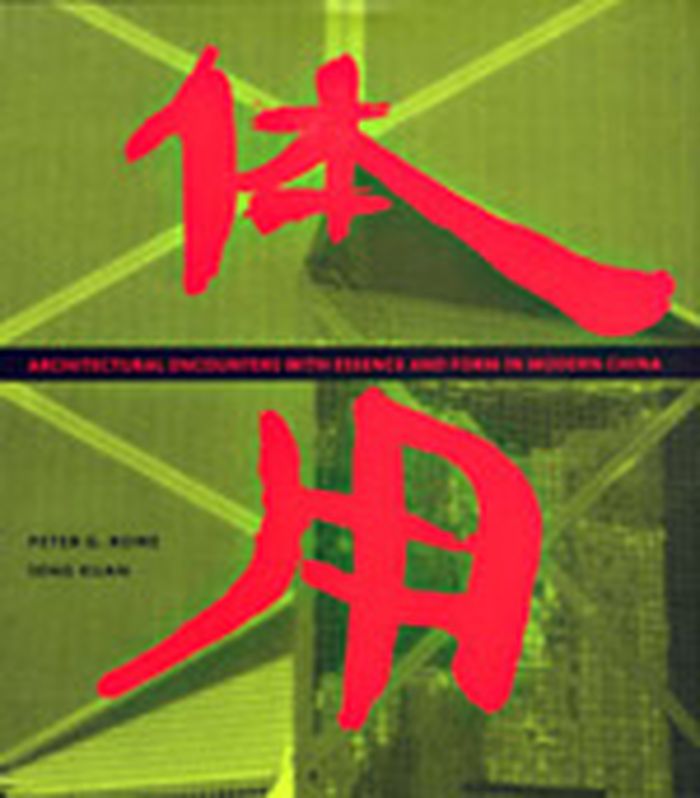
Built around snatches of discussion overheard in a Beijing design studio, this book explores attitudes toward architecture in China since the opening of the Treaty Ports in the 1840s. Central to the discussion are the concepts of ti and yong, or “essence” and “form,” Chinese characters that are used to define the proper arrangement of what should be considered modern and essentially Chinese. Ti and yong have gone through various transformations--for example, from “Chinese learning for essential principles and Western learning for practical application” to “socialist essence and cultural form” and an almost complete reversal to “modern essence and Chinese form.” The book opens with a discussion of cultural developments in China in response to the forced opening to the West in the mid-nineteenth century, efforts to reform the Qing dynasty, and the Nationalist and Communist regimes. It then considers the return of overseas-educated Chinese architects and foreign influences on Chinese architecture, four architectural orientations toward tradition and modernity in the 1920s and 1930s, and the controversy over the use of “big roofs” and other sinicizing aspects of Chinese architecture in the 1950s. The book then moves to the hard economic conditions of the Great Leap Forward and the Cultural Revolution, when architecture was almost abandoned, and the beginning of reform and opening up to the outside world in the late 1970s and 1980s. Finally, it looks at the present socialist market economy and Chinese architecture during the still incomplete process of modernization. It closes with a prognosis for the future.
Architectural encounters with essence and form in modern China
Actions:
Prix:
$55.95
(disponible sur commande)
Résumé:
Built around snatches of discussion overheard in a Beijing design studio, this book explores attitudes toward architecture in China since the opening of the Treaty Ports in the 1840s. Central to the discussion are the concepts of ti and yong, or “essence” and “form,” Chinese characters that are used to define the proper arrangement of what should be considered modern and essentially Chinese. Ti and yong have gone through various transformations--for example, from “Chinese learning for essential principles and Western learning for practical application” to “socialist essence and cultural form” and an almost complete reversal to “modern essence and Chinese form.” The book opens with a discussion of cultural developments in China in response to the forced opening to the West in the mid-nineteenth century, efforts to reform the Qing dynasty, and the Nationalist and Communist regimes. It then considers the return of overseas-educated Chinese architects and foreign influences on Chinese architecture, four architectural orientations toward tradition and modernity in the 1920s and 1930s, and the controversy over the use of “big roofs” and other sinicizing aspects of Chinese architecture in the 1950s. The book then moves to the hard economic conditions of the Great Leap Forward and the Cultural Revolution, when architecture was almost abandoned, and the beginning of reform and opening up to the outside world in the late 1970s and 1980s. Finally, it looks at the present socialist market economy and Chinese architecture during the still incomplete process of modernization. It closes with a prognosis for the future.
Classification:
livres
livres
Publication:
avril 2002, Cambridge, Mass.
avril 2002, Cambridge, Mass.


