


1693 Résultats
Classification:
livres
livres

Actions:
Prix:
$108.95
(disponible sur commande)
Résumé:
PowerShop presents the best and most recent retail designs by ten Japanese interior architects, each of whom agreed to a personal interview. Shops and showrooms created for established names like Issey Miyake, Yohji Yamamoto and Nissan share centre stage with numerous smaller, cutting-edge boutiques. In-depth reviews of more than 30 projects are complemented by full-shot(...)
$108.95
(disponible sur commande)
Résumé:
PowerShop presents the best and most recent retail designs by ten Japanese interior architects, each of whom agreed to a personal interview. Shops and showrooms created for established names like Issey Miyake, Yohji Yamamoto and Nissan share centre stage with numerous smaller, cutting-edge boutiques. In-depth reviews of more than 30 projects are complemented by full-shot(...)
Publication:
mai 2002, Basel and Amsterdam
mai 2002, Basel and Amsterdam
Titre:
Powershop : new Japanese retail design
Actions:
Prix:
$108.95
(disponible sur commande)
Résumé:
PowerShop presents the best and most recent retail designs by ten Japanese interior architects, each of whom agreed to a personal interview. Shops and showrooms created for established names like Issey Miyake, Yohji Yamamoto and Nissan share centre stage with numerous smaller, cutting-edge boutiques. In-depth reviews of more than 30 projects are complemented by full-shot and close-up photographs, as well as various drawings, including renderings. The book also features a complete reference section, statistics and a number of anecdotes about shopping in Japan.
Powershop : new Japanese retail design
Actions:
Prix:
$108.95
(disponible sur commande)
Résumé:
PowerShop presents the best and most recent retail designs by ten Japanese interior architects, each of whom agreed to a personal interview. Shops and showrooms created for established names like Issey Miyake, Yohji Yamamoto and Nissan share centre stage with numerous smaller, cutting-edge boutiques. In-depth reviews of more than 30 projects are complemented by full-shot and close-up photographs, as well as various drawings, including renderings. The book also features a complete reference section, statistics and a number of anecdotes about shopping in Japan.
Classification:
livres
livres
Publication:
mai 2002, Basel and Amsterdam
mai 2002, Basel and Amsterdam
Classification:
livres
livres

Actions:
Prix:
$48.95
(disponible sur commande)
Résumé:
"Brandscaping" - the creation of a three-dimensional microcosm representing the brand is increasingly becoming a characteristic part in the architecture of retail areas, shopping centres, and showrooms. Rising to the challenge from E-commerce and the global competition for customers, companies, project developers, architects and interior architects are reacting with(...)
$48.95
(disponible sur commande)
Résumé:
"Brandscaping" - the creation of a three-dimensional microcosm representing the brand is increasingly becoming a characteristic part in the architecture of retail areas, shopping centres, and showrooms. Rising to the challenge from E-commerce and the global competition for customers, companies, project developers, architects and interior architects are reacting with(...)
Publication:
mars 2002, Basel
mars 2002, Basel
Titre:
Brandscaping : worlds of experience in retail design
Actions:
Prix:
$48.95
(disponible sur commande)
Résumé:
"Brandscaping" - the creation of a three-dimensional microcosm representing the brand is increasingly becoming a characteristic part in the architecture of retail areas, shopping centres, and showrooms. Rising to the challenge from E-commerce and the global competition for customers, companies, project developers, architects and interior architects are reacting with complex concepts which present the brand image, the encounter with the product as an object of desire, as a microcosm, an experience to be perceived the senses. Using the latest technology and features from the entertainment industry, these real and tangible "brand landscapes" lay value on generating an emotional impact, and range from standard shop systems to monumental theme parks. "Brandscaping" presents 15 international projects from the fields of architecture and interior architecture, including Volkswagen AutoStadt, Wolfsburg, Niketown in London, the City Mall Sevens, Düsseldorf, the shopping centre at Leipzig railway station, the Showroom Qiora New York, the shop concept Superga in Italy, and the Migros supermarket chain in Switzerland. Concluding the volume is a documentation of the discussions which took place between image designers, architects and interior architects during a workshop.
Brandscaping : worlds of experience in retail design
Actions:
Prix:
$48.95
(disponible sur commande)
Résumé:
"Brandscaping" - the creation of a three-dimensional microcosm representing the brand is increasingly becoming a characteristic part in the architecture of retail areas, shopping centres, and showrooms. Rising to the challenge from E-commerce and the global competition for customers, companies, project developers, architects and interior architects are reacting with complex concepts which present the brand image, the encounter with the product as an object of desire, as a microcosm, an experience to be perceived the senses. Using the latest technology and features from the entertainment industry, these real and tangible "brand landscapes" lay value on generating an emotional impact, and range from standard shop systems to monumental theme parks. "Brandscaping" presents 15 international projects from the fields of architecture and interior architecture, including Volkswagen AutoStadt, Wolfsburg, Niketown in London, the City Mall Sevens, Düsseldorf, the shopping centre at Leipzig railway station, the Showroom Qiora New York, the shop concept Superga in Italy, and the Migros supermarket chain in Switzerland. Concluding the volume is a documentation of the discussions which took place between image designers, architects and interior architects during a workshop.
Classification:
livres
livres
Publication:
mars 2002, Basel
mars 2002, Basel
Classification:
livres
livres

Titre:
Designers hotels
Designers hotels
Actions:
Prix:
$55.95
(disponible sur commande)
Résumé:
"Designer hotels" features 26 case studies reflecting the contemporary hotel design.
$55.95
(disponible sur commande)
Résumé:
"Designer hotels" features 26 case studies reflecting the contemporary hotel design.
Publication:
octobre 2001, Barcelona
octobre 2001, Barcelona
Titre:
Designers hotels
Actions:
Prix:
$55.95
(disponible sur commande)
Résumé:
"Designer hotels" features 26 case studies reflecting the contemporary hotel design.
Designers hotels
Actions:
Prix:
$55.95
(disponible sur commande)
Résumé:
"Designer hotels" features 26 case studies reflecting the contemporary hotel design.
Classification:
livres
livres
Publication:
octobre 2001, Barcelona
octobre 2001, Barcelona
Classification:
livres
livres
Prix:
$43.95
(disponible sur commande)
Résumé:
A selection of bars and restaurants that stand out for their interior design. From the restless organic forms of the new restaurant at the Georges Pompidou Center to the most radical proposal of textures and colors created by Fabio Novembre for Shu, the book presents infinite interior design solutions and pays special attention ti every detail and corner. each project(...)
$43.95
(disponible sur commande)
Résumé:
A selection of bars and restaurants that stand out for their interior design. From the restless organic forms of the new restaurant at the Georges Pompidou Center to the most radical proposal of textures and colors created by Fabio Novembre for Shu, the book presents infinite interior design solutions and pays special attention ti every detail and corner. each project(...)
Publication:
novembre 2001, Barcelone
novembre 2001, Barcelone
Titre:
Bars and restaurants : eat and drink around the world
Actions:
Prix:
$43.95
(disponible sur commande)
Résumé:
A selection of bars and restaurants that stand out for their interior design. From the restless organic forms of the new restaurant at the Georges Pompidou Center to the most radical proposal of textures and colors created by Fabio Novembre for Shu, the book presents infinite interior design solutions and pays special attention ti every detail and corner. each project illustrates how materials are used and how decorative objects are represented.
Bars and restaurants : eat and drink around the world
Actions:
Prix:
$43.95
(disponible sur commande)
Résumé:
A selection of bars and restaurants that stand out for their interior design. From the restless organic forms of the new restaurant at the Georges Pompidou Center to the most radical proposal of textures and colors created by Fabio Novembre for Shu, the book presents infinite interior design solutions and pays special attention ti every detail and corner. each project illustrates how materials are used and how decorative objects are represented.
Classification:
livres
livres
Publication:
novembre 2001, Barcelone
novembre 2001, Barcelone
Classification:
livres
livres
Titre:
Design & étalages
Design & étalages
Actions:
Prix:
$44.95
(disponible sur commande)
Résumé:
Publication d'ouvrages thématiques, la collection "Design &" propose chaque année, un thème de réflexion sur les questions qui sous-tendent la conception et la production de l'ameublement contemporain. "Design & étalages" attire notre attention sur l'un des aspects les plus familiers mais des plus méconnus de notre paysage urbain : l'étalage.
$44.95
(disponible sur commande)
Résumé:
Publication d'ouvrages thématiques, la collection "Design &" propose chaque année, un thème de réflexion sur les questions qui sous-tendent la conception et la production de l'ameublement contemporain. "Design & étalages" attire notre attention sur l'un des aspects les plus familiers mais des plus méconnus de notre paysage urbain : l'étalage.
Publication:
mai 2002, Paris
mai 2002, Paris
Titre:
Design & étalages
Actions:
Prix:
$44.95
(disponible sur commande)
Résumé:
Publication d'ouvrages thématiques, la collection "Design &" propose chaque année, un thème de réflexion sur les questions qui sous-tendent la conception et la production de l'ameublement contemporain. "Design & étalages" attire notre attention sur l'un des aspects les plus familiers mais des plus méconnus de notre paysage urbain : l'étalage.
Design & étalages
Actions:
Prix:
$44.95
(disponible sur commande)
Résumé:
Publication d'ouvrages thématiques, la collection "Design &" propose chaque année, un thème de réflexion sur les questions qui sous-tendent la conception et la production de l'ameublement contemporain. "Design & étalages" attire notre attention sur l'un des aspects les plus familiers mais des plus méconnus de notre paysage urbain : l'étalage.
Classification:
livres
livres
Publication:
mai 2002, Paris
mai 2002, Paris
Classification:
livres
livres
Titre:
Office design
Office design
Actions:
Prix:
$39.95
(disponible sur commande)
Résumé:
One of the most profound effects of the technological revolution has occurred in our places of work. Not only have computers and electronic communication changed the way we get the job done—these developments have transformed the jobs themselves, and in many cases the very definition of a workplace. With that in mind, this book presents a global selection of thirty unique(...)
$39.95
(disponible sur commande)
Résumé:
One of the most profound effects of the technological revolution has occurred in our places of work. Not only have computers and electronic communication changed the way we get the job done—these developments have transformed the jobs themselves, and in many cases the very definition of a workplace. With that in mind, this book presents a global selection of thirty unique(...)
Publication:
mai 2002, New York
mai 2002, New York
Titre:
Office design
Actions:
Prix:
$39.95
(disponible sur commande)
Résumé:
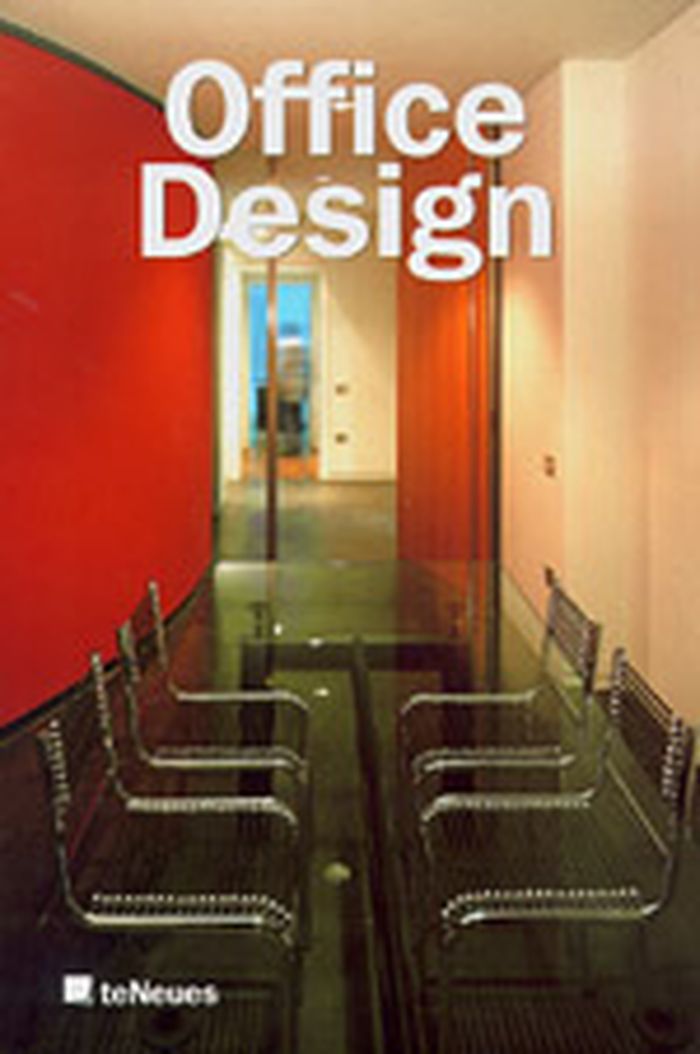
One of the most profound effects of the technological revolution has occurred in our places of work. Not only have computers and electronic communication changed the way we get the job done—these developments have transformed the jobs themselves, and in many cases the very definition of a workplace. With that in mind, this book presents a global selection of thirty unique office spaces created by such renowned architects and designers as Mario Botta, Norman Foster, Frank Gehry, Zaha Hadid, Hans Hollein and Michael Wilford.
Office design
Actions:
Prix:
$39.95
(disponible sur commande)
Résumé:
One of the most profound effects of the technological revolution has occurred in our places of work. Not only have computers and electronic communication changed the way we get the job done—these developments have transformed the jobs themselves, and in many cases the very definition of a workplace. With that in mind, this book presents a global selection of thirty unique office spaces created by such renowned architects and designers as Mario Botta, Norman Foster, Frank Gehry, Zaha Hadid, Hans Hollein and Michael Wilford.
Classification:
livres
livres
Publication:
mai 2002, New York
mai 2002, New York
Classification:
livres
livres
Prix:
$47.95
(disponible sur commande)
Résumé:
The author examines the Odeon group of cinemas created by Oscar Deutsch and his colleagues in Britain in the 1930s. He looks at the evolution of the house style in the hands of its key architects, the takeover of other cinemas, the start of the Odeon circuit release, and the impact of World War II.
$47.95
(disponible sur commande)
Résumé:
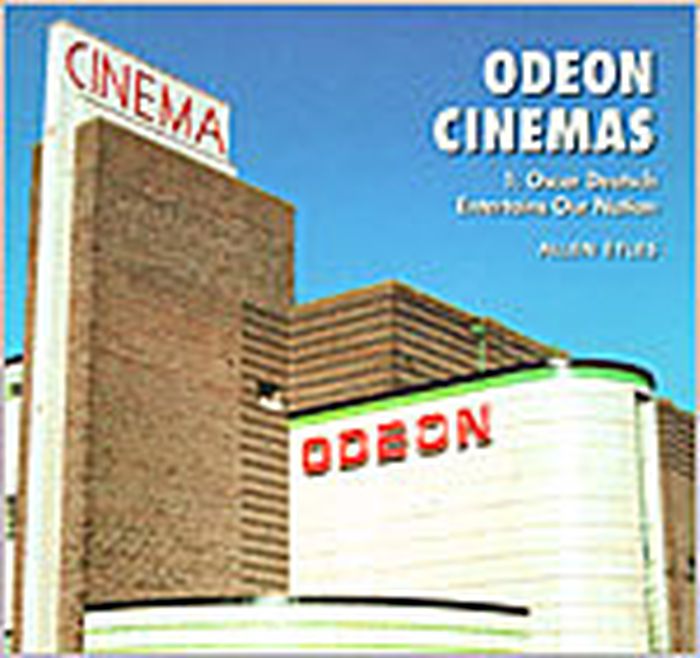
The author examines the Odeon group of cinemas created by Oscar Deutsch and his colleagues in Britain in the 1930s. He looks at the evolution of the house style in the hands of its key architects, the takeover of other cinemas, the start of the Odeon circuit release, and the impact of World War II.
Publication:
janvier 2001, London
janvier 2001, London
Titre:
Odeon cinemas 1 : Oscar Deutsch entertains our nation
Actions:
Prix:
$47.95
(disponible sur commande)
Résumé:
The author examines the Odeon group of cinemas created by Oscar Deutsch and his colleagues in Britain in the 1930s. He looks at the evolution of the house style in the hands of its key architects, the takeover of other cinemas, the start of the Odeon circuit release, and the impact of World War II.
Odeon cinemas 1 : Oscar Deutsch entertains our nation
Actions:
Prix:
$47.95
(disponible sur commande)
Résumé:
The author examines the Odeon group of cinemas created by Oscar Deutsch and his colleagues in Britain in the 1930s. He looks at the evolution of the house style in the hands of its key architects, the takeover of other cinemas, the start of the Odeon circuit release, and the impact of World War II.
Classification:
livres
livres
Publication:
janvier 2001, London
janvier 2001, London
Classification:
livres
livres
Titre:
Bar and club design
Bar and club design
Actions:
Prix:
$104.00
(disponible sur commande)
Résumé:
In "Bar and club Ddsign", more than 40 visually intoxicating restaurant bars, hotel bars, independent bars, and clubs from all over the globe are featured in more than 200 stunning photographs and detailed floor plans. In each short chapter, author Bethan Ryder delves into enticing spots like Las Vegas' Rumjungle and Copenhagen's Nasa, covering each venue's remarkable(...)
$104.00
(disponible sur commande)
Résumé:
In "Bar and club Ddsign", more than 40 visually intoxicating restaurant bars, hotel bars, independent bars, and clubs from all over the globe are featured in more than 200 stunning photographs and detailed floor plans. In each short chapter, author Bethan Ryder delves into enticing spots like Las Vegas' Rumjungle and Copenhagen's Nasa, covering each venue's remarkable(...)
Publication:
mars 2002, London
mars 2002, London
Titre:
Bar and club design
Actions:
Prix:
$104.00
(disponible sur commande)
Résumé:
In "Bar and club Ddsign", more than 40 visually intoxicating restaurant bars, hotel bars, independent bars, and clubs from all over the globe are featured in more than 200 stunning photographs and detailed floor plans. In each short chapter, author Bethan Ryder delves into enticing spots like Las Vegas' Rumjungle and Copenhagen's Nasa, covering each venue's remarkable history, layout, furniture, lighting, and accessories. She also provides insight into the individual designer's strategy for maximizing client pleasure, and in her engaging introduction sets recent bar and club development within its social and historical context.
Bar and club design
Actions:
Prix:
$104.00
(disponible sur commande)
Résumé:
In "Bar and club Ddsign", more than 40 visually intoxicating restaurant bars, hotel bars, independent bars, and clubs from all over the globe are featured in more than 200 stunning photographs and detailed floor plans. In each short chapter, author Bethan Ryder delves into enticing spots like Las Vegas' Rumjungle and Copenhagen's Nasa, covering each venue's remarkable history, layout, furniture, lighting, and accessories. She also provides insight into the individual designer's strategy for maximizing client pleasure, and in her engaging introduction sets recent bar and club development within its social and historical context.
Classification:
livres
livres
Publication:
mars 2002, London
mars 2002, London
Classification:
livres
livres

Prix:
$43.95
(disponible sur commande)
Résumé:
Radical architectural measures are a distinguishing feature of the conversion of the former Horten department store in Neuss. A cool, aloof icon of the city department has been replaced by a lively urban organism that unities cultural, political and commercial functions. The issues of continuity and change raised by this project - designed by the architects Robert and(...)
$43.95
(disponible sur commande)
Résumé:
Radical architectural measures are a distinguishing feature of the conversion of the former Horten department store in Neuss. A cool, aloof icon of the city department has been replaced by a lively urban organism that unities cultural, political and commercial functions. The issues of continuity and change raised by this project - designed by the architects Robert and(...)
Publication:
juin 2002, München / Berlin / London / New York
juin 2002, München / Berlin / London / New York
Titre:
Metamorphosis of a department store : Ingenhoven & Ingenhoven
Actions:
Prix:
$43.95
(disponible sur commande)
Résumé:
Radical architectural measures are a distinguishing feature of the conversion of the former Horten department store in Neuss. A cool, aloof icon of the city department has been replaced by a lively urban organism that unities cultural, political and commercial functions. The issues of continuity and change raised by this project - designed by the architects Robert and Oliver Ingenhoven - are fundamental aspects of urbanity.
Metamorphosis of a department store : Ingenhoven & Ingenhoven
Actions:
Prix:
$43.95
(disponible sur commande)
Résumé:
Radical architectural measures are a distinguishing feature of the conversion of the former Horten department store in Neuss. A cool, aloof icon of the city department has been replaced by a lively urban organism that unities cultural, political and commercial functions. The issues of continuity and change raised by this project - designed by the architects Robert and Oliver Ingenhoven - are fundamental aspects of urbanity.
Classification:
livres
livres
Publication:
juin 2002, München / Berlin / London / New York
juin 2002, München / Berlin / London / New York
Classification:
livres
livres

Actions:
Prix:
$41.50
(disponible sur commande)
Résumé:
Takes readers on an insider’s tour of the Ivy-League University of Pennsylvania. Beautifully photographed in color by Lewis Tanner, the guide presents architectural walks of a campus that is distinguished by landmark buildings—Houston Hall, the nation’s first student union; the University of Pennsylvania Museum, one of the finest archaeology and anthropology museums(...)
$41.50
(disponible sur commande)
Résumé:
Takes readers on an insider’s tour of the Ivy-League University of Pennsylvania. Beautifully photographed in color by Lewis Tanner, the guide presents architectural walks of a campus that is distinguished by landmark buildings—Houston Hall, the nation’s first student union; the University of Pennsylvania Museum, one of the finest archaeology and anthropology museums(...)
Publication:
avril 2002, New York
avril 2002, New York
Titre:
University of Pennsylvania : the campus guide
Actions:
Prix:
$41.50
(disponible sur commande)
Résumé:
Takes readers on an insider’s tour of the Ivy-League University of Pennsylvania. Beautifully photographed in color by Lewis Tanner, the guide presents architectural walks of a campus that is distinguished by landmark buildings—Houston Hall, the nation’s first student union; the University of Pennsylvania Museum, one of the finest archaeology and anthropology museums in the country; Franklin Field, the oldest collegiate football field still in use; and buildings by noted architects Frank Furness (Fisher Fine Arts Library), Louis Kahn (Richards [Medical Research] Building), and Eero Saarinen (Hill College House). George Thomas traces the university’s rich history from its founding days under Benjamin Franklin to the present wave of construction on the modern campus. Hand-colored maps and detailed descriptions of the buildings guide the readers on their tour of the campus.
University of Pennsylvania : the campus guide
Actions:
Prix:
$41.50
(disponible sur commande)
Résumé:
Takes readers on an insider’s tour of the Ivy-League University of Pennsylvania. Beautifully photographed in color by Lewis Tanner, the guide presents architectural walks of a campus that is distinguished by landmark buildings—Houston Hall, the nation’s first student union; the University of Pennsylvania Museum, one of the finest archaeology and anthropology museums in the country; Franklin Field, the oldest collegiate football field still in use; and buildings by noted architects Frank Furness (Fisher Fine Arts Library), Louis Kahn (Richards [Medical Research] Building), and Eero Saarinen (Hill College House). George Thomas traces the university’s rich history from its founding days under Benjamin Franklin to the present wave of construction on the modern campus. Hand-colored maps and detailed descriptions of the buildings guide the readers on their tour of the campus.
Classification:
livres
livres
Publication:
avril 2002, New York
avril 2002, New York


