


1296 Résultats
Classification:
livres
livres
Prix:
$34.95
(disponible sur commande)
Résumé:
Portland, Oregon, is one of the most beautiful, livable cities in the United States. It has walkable neighborhoods, bike lanes, low-density housing, public transportation, and significant green space—not to mention craft-beer bars and locavore food trucks. But liberal Portland is also the whitest city in the country. This is not circumstance; the city has a long history(...)
$34.95
(disponible sur commande)
Résumé:
Portland, Oregon, is one of the most beautiful, livable cities in the United States. It has walkable neighborhoods, bike lanes, low-density housing, public transportation, and significant green space—not to mention craft-beer bars and locavore food trucks. But liberal Portland is also the whitest city in the country. This is not circumstance; the city has a long history(...)
Titre:
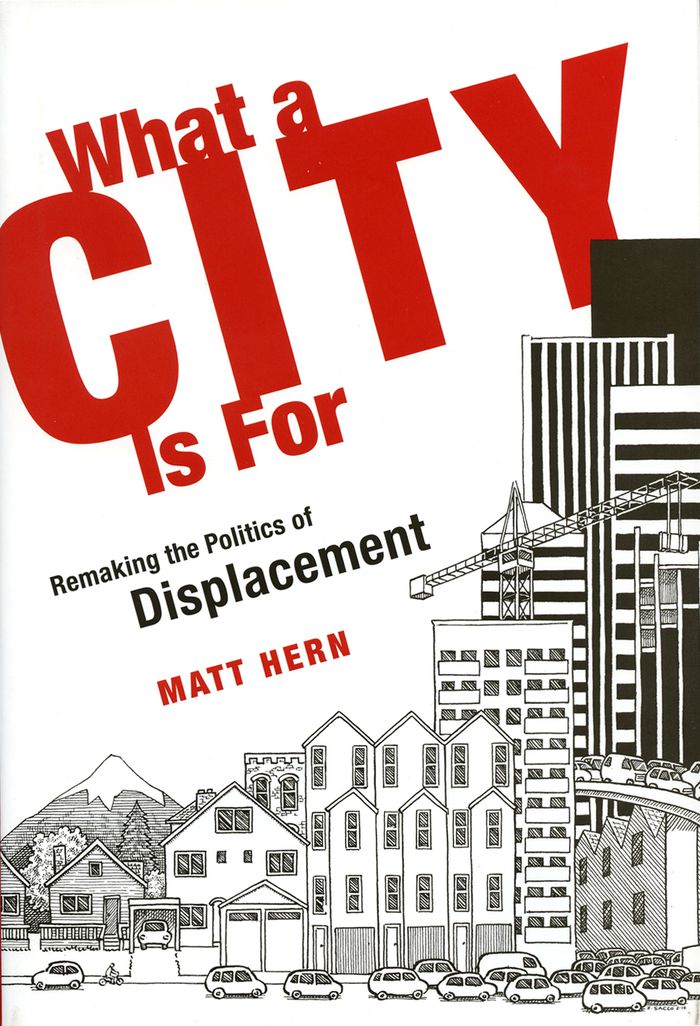
What a city is for : remaking the politics of displacement
Actions:
Prix:
$34.95
(disponible sur commande)
Résumé:
Portland, Oregon, is one of the most beautiful, livable cities in the United States. It has walkable neighborhoods, bike lanes, low-density housing, public transportation, and significant green space—not to mention craft-beer bars and locavore food trucks. But liberal Portland is also the whitest city in the country. This is not circumstance; the city has a long history of officially sanctioned racialized displacement that continues today. Over the last two and half decades, Albina—the one major Black neighborhood in Portland—has been systematically uprooted by market-driven gentrification and city-renewal policies. African Americans in Portland were first pushed into Albina and then contained there through exclusionary zoning, predatory lending, and racist real estate practices. Since the 1990s, they’ve been aggressively displaced—by rising housing costs, developers eager to get rid of low-income residents, and overt city policies of gentrification.
What a city is for : remaking the politics of displacement
Actions:
Prix:
$34.95
(disponible sur commande)
Résumé:
Portland, Oregon, is one of the most beautiful, livable cities in the United States. It has walkable neighborhoods, bike lanes, low-density housing, public transportation, and significant green space—not to mention craft-beer bars and locavore food trucks. But liberal Portland is also the whitest city in the country. This is not circumstance; the city has a long history of officially sanctioned racialized displacement that continues today. Over the last two and half decades, Albina—the one major Black neighborhood in Portland—has been systematically uprooted by market-driven gentrification and city-renewal policies. African Americans in Portland were first pushed into Albina and then contained there through exclusionary zoning, predatory lending, and racist real estate practices. Since the 1990s, they’ve been aggressively displaced—by rising housing costs, developers eager to get rid of low-income residents, and overt city policies of gentrification.
Classification:
livres
livres
Publication:
septembre 2016
septembre 2016
Sujet:
Théorie de l’urbanisme
Théorie de l’urbanisme
Classification:
livres
livres
Titre:
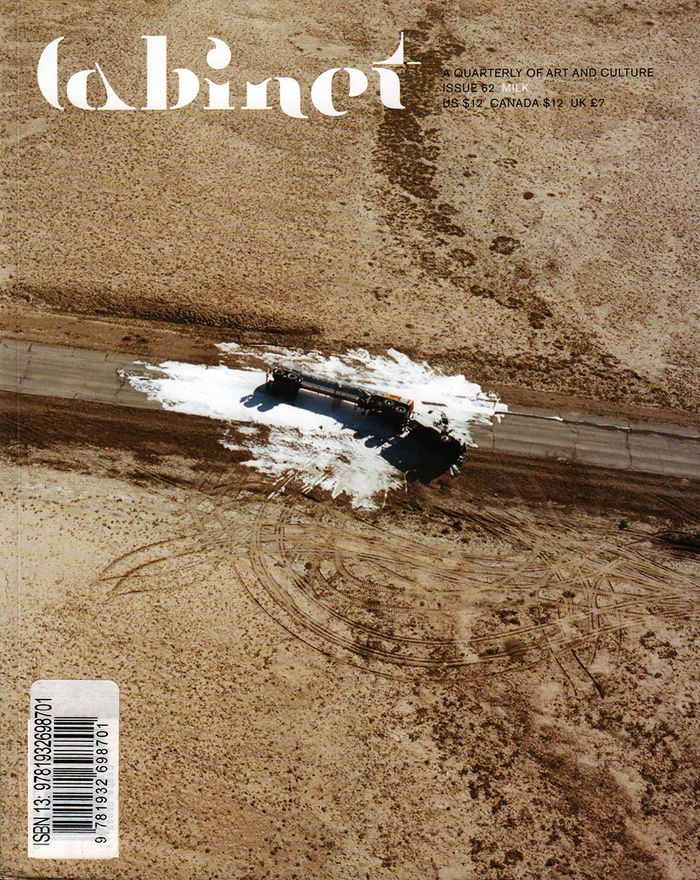
Cabinet 62 : milk
Cabinet 62 : milk
Actions:
Prix:
$15.00
(disponible sur commande)
Résumé:
One of only a handful of substances produced in nature expressly as food, milk is fundamental for infant mammalian nutrition, but is also foundational in human myth and religion. Cabinet issue 62, with a special section on “Milk,” includes Renata Salecl on the psychoanalytical implications of the recent death of a child solely breastfed for the first five years of his(...)
$15.00
(disponible sur commande)
Résumé:
One of only a handful of substances produced in nature expressly as food, milk is fundamental for infant mammalian nutrition, but is also foundational in human myth and religion. Cabinet issue 62, with a special section on “Milk,” includes Renata Salecl on the psychoanalytical implications of the recent death of a child solely breastfed for the first five years of his(...)
Titre:
Cabinet 62 : milk
Actions:
Prix:
$15.00
(disponible sur commande)
Résumé:
One of only a handful of substances produced in nature expressly as food, milk is fundamental for infant mammalian nutrition, but is also foundational in human myth and religion. Cabinet issue 62, with a special section on “Milk,” includes Renata Salecl on the psychoanalytical implications of the recent death of a child solely breastfed for the first five years of his life; Jeff Dolven on milk and luminosity; Esther Leslie and Melanie Jackson on the ways in which milk is transformed from primary material to metaphorical excess; and Melanie Tyson on the colonial history of condensed milk. Elsewhere in the issue: Daniel Rosenberg on Maurice Sendak’s beloved “Nutshell Library” and the fantasies of book classification; Richard Cooke on the history of live sex shows in Europe and their sudden decline in the 1980s; and an artist project by S. Billie Mandle exploring the varieties of Catholic confessionals.
Cabinet 62 : milk
Actions:
Prix:
$15.00
(disponible sur commande)
Résumé:
One of only a handful of substances produced in nature expressly as food, milk is fundamental for infant mammalian nutrition, but is also foundational in human myth and religion. Cabinet issue 62, with a special section on “Milk,” includes Renata Salecl on the psychoanalytical implications of the recent death of a child solely breastfed for the first five years of his life; Jeff Dolven on milk and luminosity; Esther Leslie and Melanie Jackson on the ways in which milk is transformed from primary material to metaphorical excess; and Melanie Tyson on the colonial history of condensed milk. Elsewhere in the issue: Daniel Rosenberg on Maurice Sendak’s beloved “Nutshell Library” and the fantasies of book classification; Richard Cooke on the history of live sex shows in Europe and their sudden decline in the 1980s; and an artist project by S. Billie Mandle exploring the varieties of Catholic confessionals.
Classification:
livres
livres
Publication:
juin 2017
juin 2017
Sujet:
Revues
Revues
Classification:
livres
livres

Actions:
Prix:
$44.00
(disponible sur commande)
Résumé:
Tibor Kalman, probably best known for the witty designs of his company M and his provocative work for Benetton's Colors magazine, defines the eclectic multidisciplinary approach that has come to(...)
$44.00
(disponible sur commande)
Résumé:
Tibor Kalman, probably best known for the witty designs of his company M and his provocative work for Benetton's Colors magazine, defines the eclectic multidisciplinary approach that has come to(...)
Titre:
Tibor Kalman : perverse optimist
Actions:
Prix:
$44.00
(disponible sur commande)
Résumé:
Tibor Kalman, probably best known for the witty designs of his company M and his provocative work for Benetton's Colors magazine, defines the eclectic multidisciplinary approach that has come to characterize graphic design in the past decade. Tibor, designed by Michael Bierut of Pentagram and edited by I.D. Magazine senior writer Peter Hall, is the first comprehensive collection of Kalman's work and ideas. This full-color title--numbering over 400 pages--includes a pictorial manifesto by Kalman, revealing his thoughts on magazines, advertising, sex, bookstores, food, and the design profession. Product designs, stills and storyboards from his film and video projects, and spreads from his book and magazine work are included, creating what Kalman calls "an almanac of oddities." An impressive list of essay contributors includes Steven Heller, David Byrne, Jay Chiat, Kurt Andersen, Paola Antonelli, Isaac Mizrahi, Ingrid Sischy, Chee Pearlman, and Rick Poynor.
Tibor Kalman : perverse optimist
Actions:
Prix:
$44.00
(disponible sur commande)
Résumé:
Tibor Kalman, probably best known for the witty designs of his company M and his provocative work for Benetton's Colors magazine, defines the eclectic multidisciplinary approach that has come to characterize graphic design in the past decade. Tibor, designed by Michael Bierut of Pentagram and edited by I.D. Magazine senior writer Peter Hall, is the first comprehensive collection of Kalman's work and ideas. This full-color title--numbering over 400 pages--includes a pictorial manifesto by Kalman, revealing his thoughts on magazines, advertising, sex, bookstores, food, and the design profession. Product designs, stills and storyboards from his film and video projects, and spreads from his book and magazine work are included, creating what Kalman calls "an almanac of oddities." An impressive list of essay contributors includes Steven Heller, David Byrne, Jay Chiat, Kurt Andersen, Paola Antonelli, Isaac Mizrahi, Ingrid Sischy, Chee Pearlman, and Rick Poynor.
Classification:
livres
livres
Publication:
septembre 2000, New York
septembre 2000, New York
Classification:
livres
livres
Titre:
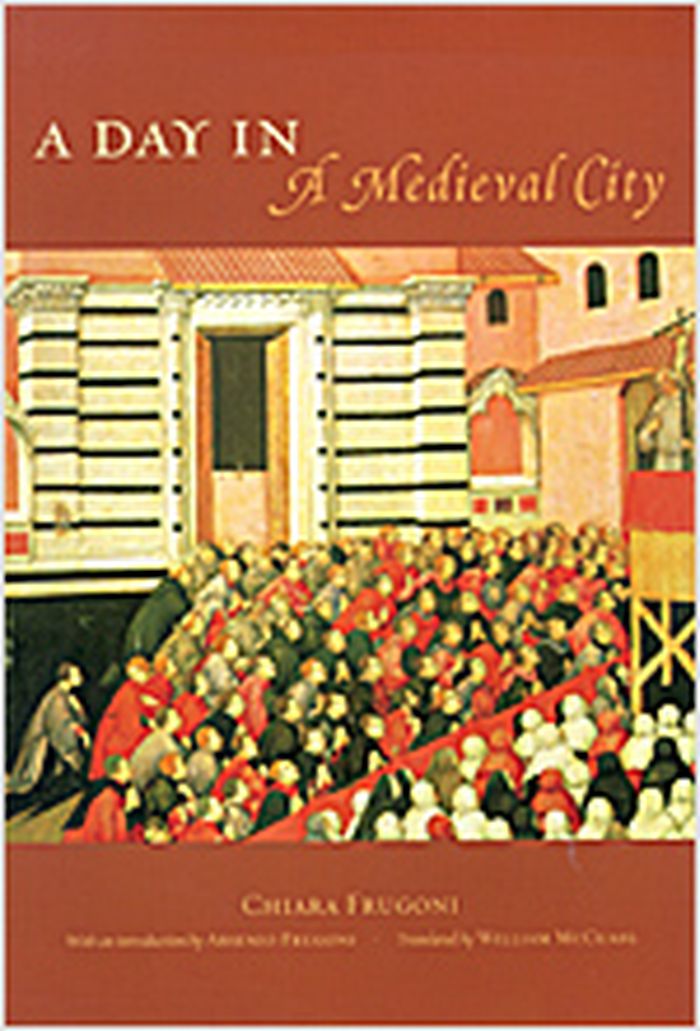
A day in a Medieval city
A day in a Medieval city
Actions:
Prix:
$22.50
(disponible sur commande)
Résumé:
An opportunity to experience the daily hustle and bustle of life in the late Middle Ages, "A Day in a Medieval City" provides a dawn-to-dark account of medieval life. A visual trek through the thirteenth and fourteenth centuries - with seasoned historian and expert on medieval iconography Chiara Frugoni as guide - this book offers a vast array of images and vignettes that(...)
$22.50
(disponible sur commande)
Résumé:
An opportunity to experience the daily hustle and bustle of life in the late Middle Ages, "A Day in a Medieval City" provides a dawn-to-dark account of medieval life. A visual trek through the thirteenth and fourteenth centuries - with seasoned historian and expert on medieval iconography Chiara Frugoni as guide - this book offers a vast array of images and vignettes that(...)
Titre:
A day in a Medieval city
Actions:
Prix:
$22.50
(disponible sur commande)
Résumé:
An opportunity to experience the daily hustle and bustle of life in the late Middle Ages, "A Day in a Medieval City" provides a dawn-to-dark account of medieval life. A visual trek through the thirteenth and fourteenth centuries - with seasoned historian and expert on medieval iconography Chiara Frugoni as guide - this book offers a vast array of images and vignettes that depicts the everyday hardships and commonplace pleasures for people living in the Middle Ages. "A Day in a Medieval City" breathes life into the activities of the city streets, homes, fields, schools, and places of worship. With entertaining anecdotes and gritty details, it engages the modern reader with its discoveries of the religious, economic, and institutional practices of the day. From urban planning and education to child care, hygiene, and the more leisurely pursuits of games, food, books, and superstitions, Frugoni unearths the daily routines of the private and public lives of citizens.
A day in a Medieval city
Actions:
Prix:
$22.50
(disponible sur commande)
Résumé:
An opportunity to experience the daily hustle and bustle of life in the late Middle Ages, "A Day in a Medieval City" provides a dawn-to-dark account of medieval life. A visual trek through the thirteenth and fourteenth centuries - with seasoned historian and expert on medieval iconography Chiara Frugoni as guide - this book offers a vast array of images and vignettes that depicts the everyday hardships and commonplace pleasures for people living in the Middle Ages. "A Day in a Medieval City" breathes life into the activities of the city streets, homes, fields, schools, and places of worship. With entertaining anecdotes and gritty details, it engages the modern reader with its discoveries of the religious, economic, and institutional practices of the day. From urban planning and education to child care, hygiene, and the more leisurely pursuits of games, food, books, and superstitions, Frugoni unearths the daily routines of the private and public lives of citizens.
Classification:
livres
livres
Publication:
novembre 2006, Chicago / London
novembre 2006, Chicago / London
Sujet:
Histoire jusqu’à 1900
Histoire jusqu’à 1900
Classification:
livres
livres
Actions:
Prix:
$36.95
(disponible sur commande)
Résumé:
Peter Eisenman, one of the greatest contemporary architects, taught in Italy in 1986 at the IUAV University of Venice. This book, edited by his students Raffaella Laezza and Shuli Beimel aims to be a lucid witness of a period of great cultural change in international architectural design that found at IUAV, in the academic year 1986-87, in Peter Eisenman’s Architectural(...)
$36.95
(disponible sur commande)
Résumé:
Peter Eisenman, one of the greatest contemporary architects, taught in Italy in 1986 at the IUAV University of Venice. This book, edited by his students Raffaella Laezza and Shuli Beimel aims to be a lucid witness of a period of great cultural change in international architectural design that found at IUAV, in the academic year 1986-87, in Peter Eisenman’s Architectural(...)
Titre:
Crash: Peter Eisenman. Iuav Venezia 1986-87
Actions:
Prix:
$36.95
(disponible sur commande)
Résumé:
Peter Eisenman, one of the greatest contemporary architects, taught in Italy in 1986 at the IUAV University of Venice. This book, edited by his students Raffaella Laezza and Shuli Beimel aims to be a lucid witness of a period of great cultural change in international architectural design that found at IUAV, in the academic year 1986-87, in Peter Eisenman’s Architectural Composition III course one of its most significant moments. Twenty-five students, selected by the American professor, were introduced to new thinking and a new design method that confronted the concepts of ''time / site / space'' in a completely innovative way. This caused in each young student a real ''crash''. But wasn’t such a ''crash'' already an unstoppable, international wave? The book invites us into the thinking of the American architect who states in the interview, ''I have always loved Italy, the culture, the food, the people, so making this book was very important to me.''
Crash: Peter Eisenman. Iuav Venezia 1986-87
Actions:
Prix:
$36.95
(disponible sur commande)
Résumé:
Peter Eisenman, one of the greatest contemporary architects, taught in Italy in 1986 at the IUAV University of Venice. This book, edited by his students Raffaella Laezza and Shuli Beimel aims to be a lucid witness of a period of great cultural change in international architectural design that found at IUAV, in the academic year 1986-87, in Peter Eisenman’s Architectural Composition III course one of its most significant moments. Twenty-five students, selected by the American professor, were introduced to new thinking and a new design method that confronted the concepts of ''time / site / space'' in a completely innovative way. This caused in each young student a real ''crash''. But wasn’t such a ''crash'' already an unstoppable, international wave? The book invites us into the thinking of the American architect who states in the interview, ''I have always loved Italy, the culture, the food, the people, so making this book was very important to me.''
Classification:
livres
livres
Publication:
décembre 2022
décembre 2022
Sujet:
Théorie de l’architecture
Théorie de l’architecture
Classification:
livres
livres

Prix:
$19.95
(disponible sur commande)
Résumé:
The stirring speech given by Peter Sloterdijk in Lucerne in October 2022. From time immemorial, humanity has had to organize their "metabolism with nature." For Marx, the most important factor in this process was labor. When Prometheus, according to the myth, brought fire to earth, another crucial input was added. Fire has been used to cook food and harden tools for(...)
$19.95
(disponible sur commande)
Résumé:
The stirring speech given by Peter Sloterdijk in Lucerne in October 2022. From time immemorial, humanity has had to organize their "metabolism with nature." For Marx, the most important factor in this process was labor. When Prometheus, according to the myth, brought fire to earth, another crucial input was added. Fire has been used to cook food and harden tools for(...)
Titre:
Prometheus's remorse: From the gift of fire to global arson
Actions:
Prix:
$19.95
(disponible sur commande)
Résumé:
The stirring speech given by Peter Sloterdijk in Lucerne in October 2022. From time immemorial, humanity has had to organize their "metabolism with nature." For Marx, the most important factor in this process was labor. When Prometheus, according to the myth, brought fire to earth, another crucial input was added. Fire has been used to cook food and harden tools for hundreds of thousands of years. In this sense, it can be said that all history implies the history of the uses of fire. But whereas trees could only be burnt once, labor and fire shifted with the discovery of underground deposits of coal and oil. Modern humanity, according to Peter Sloterdijk, can be considered a collective of arsonists who set fire to the underground forests and moors. If Prometheus were to return to earth today, he might regret his gift; after all, what looms is nothing less than Ekpyrosis, the demise of the world in fire. And only a new, energetic pacifism can prevent this catastrophe.
Prometheus's remorse: From the gift of fire to global arson
Actions:
Prix:
$19.95
(disponible sur commande)
Résumé:
The stirring speech given by Peter Sloterdijk in Lucerne in October 2022. From time immemorial, humanity has had to organize their "metabolism with nature." For Marx, the most important factor in this process was labor. When Prometheus, according to the myth, brought fire to earth, another crucial input was added. Fire has been used to cook food and harden tools for hundreds of thousands of years. In this sense, it can be said that all history implies the history of the uses of fire. But whereas trees could only be burnt once, labor and fire shifted with the discovery of underground deposits of coal and oil. Modern humanity, according to Peter Sloterdijk, can be considered a collective of arsonists who set fire to the underground forests and moors. If Prometheus were to return to earth today, he might regret his gift; after all, what looms is nothing less than Ekpyrosis, the demise of the world in fire. And only a new, energetic pacifism can prevent this catastrophe.
Classification:
livres
livres
Publication:
mars 2024
mars 2024
Sujet:
Théorie/ philosophie
Théorie/ philosophie
Classification:
livres
livres
Actions:
Prix:
$26.95
(disponible sur commande)
Résumé:
Seaweed is so familiar, and yet we know so little about it. Even its names-- pepper dulse, sea lettuce, bladderwrack-- are mystifying. In this exquisitely illustrated portrait, poet and artist Miek Zwamborn shares discoveries of seaweed's history, culture, and science. We encounter its medicinal and gastronomic properties and long history of human use, from the Neolithic(...)
$26.95
(disponible sur commande)
Résumé:
Seaweed is so familiar, and yet we know so little about it. Even its names-- pepper dulse, sea lettuce, bladderwrack-- are mystifying. In this exquisitely illustrated portrait, poet and artist Miek Zwamborn shares discoveries of seaweed's history, culture, and science. We encounter its medicinal and gastronomic properties and long history of human use, from the Neolithic(...)
Titre:
Seaweed: An enchanting miscellany
Actions:
Prix:
$26.95
(disponible sur commande)
Résumé:
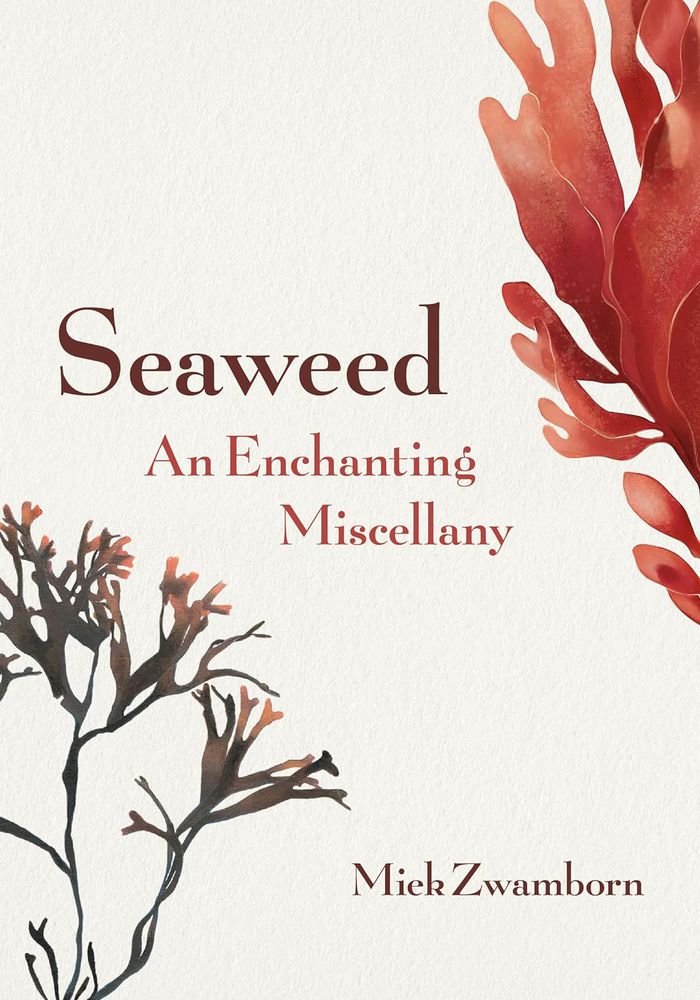
Seaweed is so familiar, and yet we know so little about it. Even its names-- pepper dulse, sea lettuce, bladderwrack-- are mystifying. In this exquisitely illustrated portrait, poet and artist Miek Zwamborn shares discoveries of seaweed's history, culture, and science. We encounter its medicinal and gastronomic properties and long history of human use, from the Neolithic people of the Orkney islands to sushi artisans in modern Japan. We find seaweed troubling Columbus on his voyages across the Atlantic and intriguing Humboldt in the Sargasso Sea. We follow its inspiration for artists from Hokusai to Matisse, its collection by Victorians as pressed specimens in books, its adoption into fashion and dance, and its potential for combating climate change, as a sustainable food source and a means of reducing methane emissions in cattle. And, of course, we learn how to eat seaweed, through a fabulous series of recipes based around these "truffles of the seas."
Seaweed: An enchanting miscellany
Actions:
Prix:
$26.95
(disponible sur commande)
Résumé:
Seaweed is so familiar, and yet we know so little about it. Even its names-- pepper dulse, sea lettuce, bladderwrack-- are mystifying. In this exquisitely illustrated portrait, poet and artist Miek Zwamborn shares discoveries of seaweed's history, culture, and science. We encounter its medicinal and gastronomic properties and long history of human use, from the Neolithic people of the Orkney islands to sushi artisans in modern Japan. We find seaweed troubling Columbus on his voyages across the Atlantic and intriguing Humboldt in the Sargasso Sea. We follow its inspiration for artists from Hokusai to Matisse, its collection by Victorians as pressed specimens in books, its adoption into fashion and dance, and its potential for combating climate change, as a sustainable food source and a means of reducing methane emissions in cattle. And, of course, we learn how to eat seaweed, through a fabulous series of recipes based around these "truffles of the seas."
Classification:
livres
livres
Publication:
septembre 2020
septembre 2020
Classification:
livres
livres
Actions:
Prix:
$77.00
(disponible sur commande)
Résumé:
This wide-ranging book examines the world’s most significant large-scale housing complexes, which point the way for the future of housing design. The seventy residential complexes featured here are recognized as architectural milestones, embodying forward-thinking attitudes towards urban planning. This book chronicles the evolution of these structures, revealing how(...)
$77.00
(disponible sur commande)
Résumé:
This wide-ranging book examines the world’s most significant large-scale housing complexes, which point the way for the future of housing design. The seventy residential complexes featured here are recognized as architectural milestones, embodying forward-thinking attitudes towards urban planning. This book chronicles the evolution of these structures, revealing how(...)
Sujet:
Logements collectifs
Logements collectifs
Publication:
mars 2006, Munich Berlin London New York
mars 2006, Munich Berlin London New York
Titre:
Housing in the 20th and 21st centuries / Wohen im 20. umd 21. jahrundert
Actions:
Prix:
$77.00
(disponible sur commande)
Résumé:
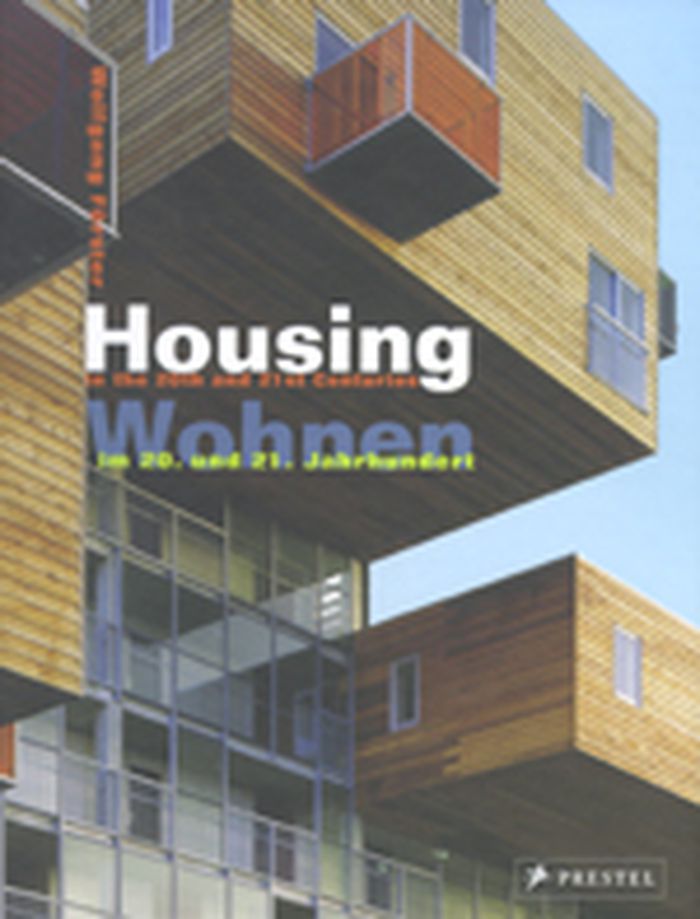
This wide-ranging book examines the world’s most significant large-scale housing complexes, which point the way for the future of housing design. The seventy residential complexes featured here are recognized as architectural milestones, embodying forward-thinking attitudes towards urban planning. This book chronicles the evolution of these structures, revealing how each best represented its era’s goals: housing a new society in the 1920s and 30s; the 40s and 50s’ leap toward functionality and the future; the high-density urban projects of the 60s and 70s; and diversity and environmental awareness in the 80s and 90s. It also looks at this century’s most progressive developments: Beijing’s Looped Hybrid, a city within a city; India’s Aranya township, which provides housing for impoverished residents; and the environmentally friendly Solaire Apartments in Manhattan, among others. As today’s cities face myriad global challenges, this book provides ample food for thought for anyone concerned with socially responsible architecture.
Housing in the 20th and 21st centuries / Wohen im 20. umd 21. jahrundert
Actions:
Prix:
$77.00
(disponible sur commande)
Résumé:
This wide-ranging book examines the world’s most significant large-scale housing complexes, which point the way for the future of housing design. The seventy residential complexes featured here are recognized as architectural milestones, embodying forward-thinking attitudes towards urban planning. This book chronicles the evolution of these structures, revealing how each best represented its era’s goals: housing a new society in the 1920s and 30s; the 40s and 50s’ leap toward functionality and the future; the high-density urban projects of the 60s and 70s; and diversity and environmental awareness in the 80s and 90s. It also looks at this century’s most progressive developments: Beijing’s Looped Hybrid, a city within a city; India’s Aranya township, which provides housing for impoverished residents; and the environmentally friendly Solaire Apartments in Manhattan, among others. As today’s cities face myriad global challenges, this book provides ample food for thought for anyone concerned with socially responsible architecture.
Classification:
livres
livres
Publication:
mars 2006, Munich Berlin London New York
mars 2006, Munich Berlin London New York
Sujet:
Logements collectifs
Logements collectifs
Classification:
livres
livres

Prix:
$68.95
(disponible sur commande)
Résumé:
When officially announced in 2015 that the Four Seasons Hotel restaurant and bar was closing, one could hear a gasp of disbelief around the world. The bastion of power lunches and the stunning elegance of Philip Johnson's 1959 interiors in Mies van der Rohe's landmark Seagram Building was over, to be disassembled and auctioned off. The only solace is that respected(...)
$68.95
(disponible sur commande)
Résumé:
When officially announced in 2015 that the Four Seasons Hotel restaurant and bar was closing, one could hear a gasp of disbelief around the world. The bastion of power lunches and the stunning elegance of Philip Johnson's 1959 interiors in Mies van der Rohe's landmark Seagram Building was over, to be disassembled and auctioned off. The only solace is that respected(...)
Titre:
Philip Johnson, Mies van der Rohe: The Four Seasons restaurant
Actions:
Prix:
$68.95
(disponible sur commande)
Résumé:
When officially announced in 2015 that the Four Seasons Hotel restaurant and bar was closing, one could hear a gasp of disbelief around the world. The bastion of power lunches and the stunning elegance of Philip Johnson's 1959 interiors in Mies van der Rohe's landmark Seagram Building was over, to be disassembled and auctioned off. The only solace is that respected auction house Wright, was chosen to disperse the treasure trove of classic mid-century modern furniture and objects into new and loving hands. This slender catalog creates an invaluable record of all the items that made the restaurant memorable and adored. From custom furniture by Mies and Johnson with Knoll to Hans Wegner's The Chair, tableware designed by L. Garth and Ada Louis Huxtable to Saarinen's tulip tables and chairs, one can see why dining felt so special. Essays by architectural critic Paul Goldberger, food journalist Alan Richman and Vanity Fair editor-in-chief Graydon Carter plus historical photos make for an vital tribute.
Philip Johnson, Mies van der Rohe: The Four Seasons restaurant
Actions:
Prix:
$68.95
(disponible sur commande)
Résumé:
When officially announced in 2015 that the Four Seasons Hotel restaurant and bar was closing, one could hear a gasp of disbelief around the world. The bastion of power lunches and the stunning elegance of Philip Johnson's 1959 interiors in Mies van der Rohe's landmark Seagram Building was over, to be disassembled and auctioned off. The only solace is that respected auction house Wright, was chosen to disperse the treasure trove of classic mid-century modern furniture and objects into new and loving hands. This slender catalog creates an invaluable record of all the items that made the restaurant memorable and adored. From custom furniture by Mies and Johnson with Knoll to Hans Wegner's The Chair, tableware designed by L. Garth and Ada Louis Huxtable to Saarinen's tulip tables and chairs, one can see why dining felt so special. Essays by architectural critic Paul Goldberger, food journalist Alan Richman and Vanity Fair editor-in-chief Graydon Carter plus historical photos make for an vital tribute.
Classification:
livres
livres
Publication:
juillet 2016
juillet 2016
Sujet:
Architecture, monographies
Architecture, monographies
Classification:
livres
livres
Actions:
Prix:
$31.95
(disponible sur commande)
Résumé:
Under capitalism, economic growth is seen as the key to collective well-being. In "Self-Devouring Growth" Julie Livingston upends this notion, showing that while consumption-driven growth may seem to benefit a particular locale, it produces a number of unacknowledged, negative consequences that ripple throughout the wider world. Structuring the book as a parable in which(...)
$31.95
(disponible sur commande)
Résumé:
Under capitalism, economic growth is seen as the key to collective well-being. In "Self-Devouring Growth" Julie Livingston upends this notion, showing that while consumption-driven growth may seem to benefit a particular locale, it produces a number of unacknowledged, negative consequences that ripple throughout the wider world. Structuring the book as a parable in which(...)
Publication:
septembre 2019
septembre 2019
Titre:
Self-devouring growth: a planetary fable as told from southern Africa
Actions:
Prix:
$31.95
(disponible sur commande)
Résumé:
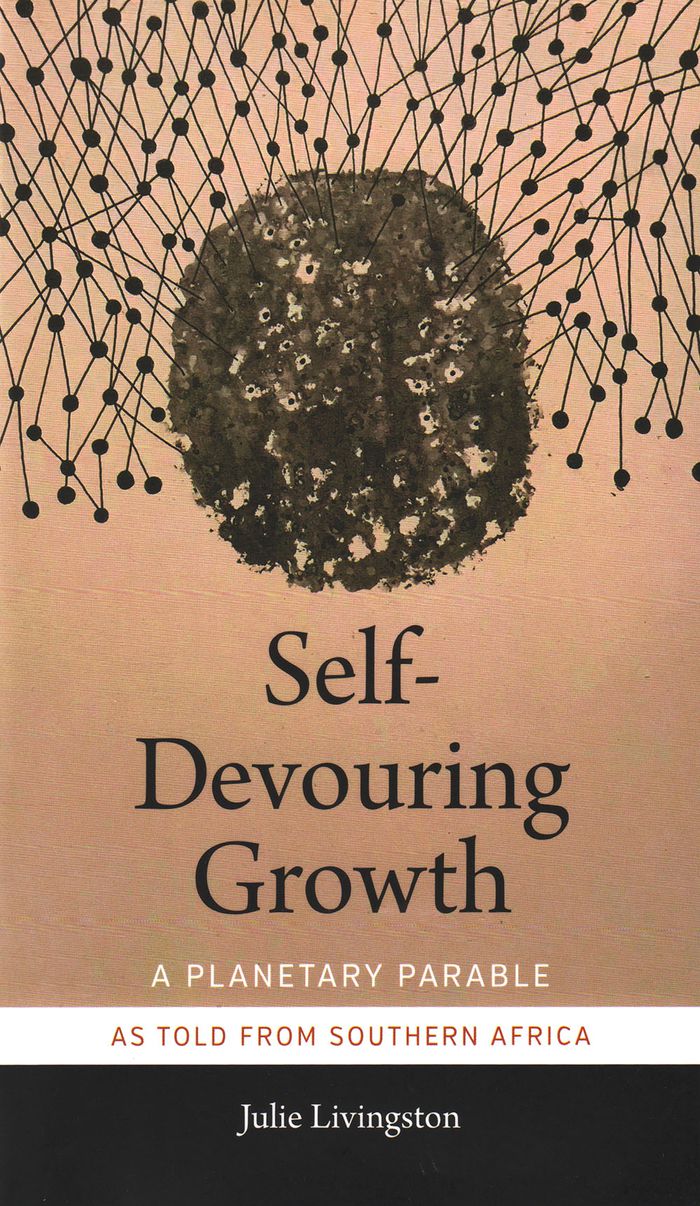
Under capitalism, economic growth is seen as the key to collective well-being. In "Self-Devouring Growth" Julie Livingston upends this notion, showing that while consumption-driven growth may seem to benefit a particular locale, it produces a number of unacknowledged, negative consequences that ripple throughout the wider world. Structuring the book as a parable in which the example of Botswana has lessons for the rest of the globe, Livingston shows how fundamental needs for water, food, and transportation become harnessed to what she calls self-devouring growth: an unchecked and unsustainable global pursuit of economic growth that threatens catastrophic environmental destruction. As Livingston notes, improved technology alone cannot stave off such destruction; what is required is a greater accounting of the web of relationships between humans, nonhuman beings, plants, and minerals that growth entails. Livingston contends that by failing to understand these relationships and the consequences of self-devouring growth, we may be unknowingly consuming our future.
Self-devouring growth: a planetary fable as told from southern Africa
Actions:
Prix:
$31.95
(disponible sur commande)
Résumé:
Under capitalism, economic growth is seen as the key to collective well-being. In "Self-Devouring Growth" Julie Livingston upends this notion, showing that while consumption-driven growth may seem to benefit a particular locale, it produces a number of unacknowledged, negative consequences that ripple throughout the wider world. Structuring the book as a parable in which the example of Botswana has lessons for the rest of the globe, Livingston shows how fundamental needs for water, food, and transportation become harnessed to what she calls self-devouring growth: an unchecked and unsustainable global pursuit of economic growth that threatens catastrophic environmental destruction. As Livingston notes, improved technology alone cannot stave off such destruction; what is required is a greater accounting of the web of relationships between humans, nonhuman beings, plants, and minerals that growth entails. Livingston contends that by failing to understand these relationships and the consequences of self-devouring growth, we may be unknowingly consuming our future.
Classification:
livres
livres
Publication:
septembre 2019
septembre 2019


