


1296 Résultats
Classification:
livres
livres
Titre:
Boring postcards
Boring postcards
Actions:
Prix:
$14.95
(disponible sur commande)
Résumé:
Martin Parr is a key figure in the world of photography and contemporary art. Some accuse him of cruelty, but many more appreciate the wit and irony with which he tackles such subjects as bad taste, food, the tourist, shopping and the foibles of the British. Parr has been collecting postcards for twenty years, and here is the cream of his collection – his boring(...)
$14.95
(disponible sur commande)
Résumé:
Martin Parr is a key figure in the world of photography and contemporary art. Some accuse him of cruelty, but many more appreciate the wit and irony with which he tackles such subjects as bad taste, food, the tourist, shopping and the foibles of the British. Parr has been collecting postcards for twenty years, and here is the cream of his collection – his boring(...)
Titre:
Boring postcards
Actions:
Prix:
$14.95
(disponible sur commande)
Résumé:
Martin Parr is a key figure in the world of photography and contemporary art. Some accuse him of cruelty, but many more appreciate the wit and irony with which he tackles such subjects as bad taste, food, the tourist, shopping and the foibles of the British. Parr has been collecting postcards for twenty years, and here is the cream of his collection – his boring postcards. With no introduction or commentary of any kind, Parr’s boring postcards are reproduced straight: they are exactly what they say they are, namely boring picture postcards showing boring photographs of boring places … presumably for boring people to buy to send to their boring friends. All of them are shot in Britain, taking us on a boring tour of its motorways, ring roads, traffic interchanges, bus stations, pedestrian precincts, factories, housing estates, airports, caravan sites, convalescent homes and shopping centres. Some attempt to idealize their subjects, only to fail dismally. Others lack any apparent purpose or interest … but the resultant collection of photographic images is wholly compelling. Boring Postcards is multi-layered: a commentary on British architecture, social life and identity, a record of a folk photography which is today being appropriated by the most fashionable photographers (including Parr), an exercise in sublime minimalism … and, above all, a richly comic photographic entertainment
Boring postcards
Actions:
Prix:
$14.95
(disponible sur commande)
Résumé:
Martin Parr is a key figure in the world of photography and contemporary art. Some accuse him of cruelty, but many more appreciate the wit and irony with which he tackles such subjects as bad taste, food, the tourist, shopping and the foibles of the British. Parr has been collecting postcards for twenty years, and here is the cream of his collection – his boring postcards. With no introduction or commentary of any kind, Parr’s boring postcards are reproduced straight: they are exactly what they say they are, namely boring picture postcards showing boring photographs of boring places … presumably for boring people to buy to send to their boring friends. All of them are shot in Britain, taking us on a boring tour of its motorways, ring roads, traffic interchanges, bus stations, pedestrian precincts, factories, housing estates, airports, caravan sites, convalescent homes and shopping centres. Some attempt to idealize their subjects, only to fail dismally. Others lack any apparent purpose or interest … but the resultant collection of photographic images is wholly compelling. Boring Postcards is multi-layered: a commentary on British architecture, social life and identity, a record of a folk photography which is today being appropriated by the most fashionable photographers (including Parr), an exercise in sublime minimalism … and, above all, a richly comic photographic entertainment
Classification:
livres
livres
Publication:
février 2004, London
février 2004, London
Sujet:
Théorie de la photographie
Théorie de la photographie
Classification:
livres
livres
Actions:
Prix:
$37.50
(disponible sur commande)
Résumé:
Ed Ruscha is one of the first Americans to introduce a critique of popular culture and an examination of language into the visual arts. Although he first made his reputation as a painter, Ruscha is also celebrated for his drawings (made both with conventional materials and with food, blood, gunpowder, and shellac), prints, films, photographs, and books. He is often(...)
$37.50
(disponible sur commande)
Résumé:
Ed Ruscha is one of the first Americans to introduce a critique of popular culture and an examination of language into the visual arts. Although he first made his reputation as a painter, Ruscha is also celebrated for his drawings (made both with conventional materials and with food, blood, gunpowder, and shellac), prints, films, photographs, and books. He is often(...)
Publication:
avril 2004, Cambridge, Mass.
avril 2004, Cambridge, Mass.
Titre:
Leave any information at the signal : writings, interviews, bits, pages
Actions:
Prix:
$37.50
(disponible sur commande)
Résumé:
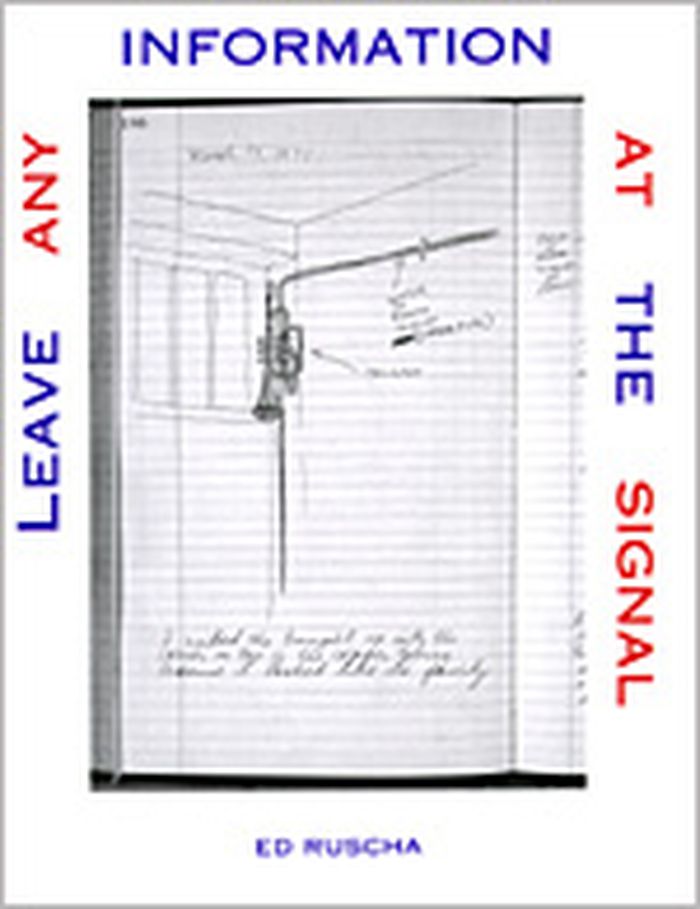
Ed Ruscha is one of the first Americans to introduce a critique of popular culture and an examination of language into the visual arts. Although he first made his reputation as a painter, Ruscha is also celebrated for his drawings (made both with conventional materials and with food, blood, gunpowder, and shellac), prints, films, photographs, and books. He is often associated with Los Angeles as a Pop and Conceptualist hub, but tends to regard such labels with a satirical, if not jaundiced, eye. Indeed, his work is characterized by the tensions between high and low, solemn and irreverent, and serious and nonsensical, and it draws on popular culture as well as Western art traditions. "Leave Any Information at the Signal" not only documents the work of this influential artist as he rose to prominence but also contains his writings and commentaries on other artistic developments of the period. The book is divided into three parts, each of which is arranged chronologically. Part one contains statements, letters, and other writings. Part two consists of more than fifty interviews, some of which have never before been published or translated into English. Part three contains sketchbook pages, word groupings, and other notes that chart how Ruscha develops ideas and solves artistic problems. They are published here for the first time. The book also contains more than eighty illustrations, selected and arranged by the artist.
Leave any information at the signal : writings, interviews, bits, pages
Actions:
Prix:
$37.50
(disponible sur commande)
Résumé:
Ed Ruscha is one of the first Americans to introduce a critique of popular culture and an examination of language into the visual arts. Although he first made his reputation as a painter, Ruscha is also celebrated for his drawings (made both with conventional materials and with food, blood, gunpowder, and shellac), prints, films, photographs, and books. He is often associated with Los Angeles as a Pop and Conceptualist hub, but tends to regard such labels with a satirical, if not jaundiced, eye. Indeed, his work is characterized by the tensions between high and low, solemn and irreverent, and serious and nonsensical, and it draws on popular culture as well as Western art traditions. "Leave Any Information at the Signal" not only documents the work of this influential artist as he rose to prominence but also contains his writings and commentaries on other artistic developments of the period. The book is divided into three parts, each of which is arranged chronologically. Part one contains statements, letters, and other writings. Part two consists of more than fifty interviews, some of which have never before been published or translated into English. Part three contains sketchbook pages, word groupings, and other notes that chart how Ruscha develops ideas and solves artistic problems. They are published here for the first time. The book also contains more than eighty illustrations, selected and arranged by the artist.
Classification:
livres
livres
Publication:
avril 2004, Cambridge, Mass.
avril 2004, Cambridge, Mass.
Classification:
livres
livres
Actions:
Prix:
$32.95
(disponible sur commande)
Résumé:
"Peeking through the Keyhole" is about transformations in the way we live and the places we call home. Until the past few decades, transitions in the style of homes and types of households were slow and gradual. With today's instant communication, the way we observe other people, other cultures, and other times has altered, and been altered by, the homes we live in.(...)
$32.95
(disponible sur commande)
Résumé:
"Peeking through the Keyhole" is about transformations in the way we live and the places we call home. Until the past few decades, transitions in the style of homes and types of households were slow and gradual. With today's instant communication, the way we observe other people, other cultures, and other times has altered, and been altered by, the homes we live in.(...)
Sujet:
Théorie de l’architecture
Théorie de l’architecture
Publication:
janvier 2002, Montréal
janvier 2002, Montréal
Titre:
Peeking through the keyhole : the evolution of North American homes
Actions:
Prix:
$32.95
(disponible sur commande)
Résumé:
"Peeking through the Keyhole" is about transformations in the way we live and the places we call home. Until the past few decades, transitions in the style of homes and types of households were slow and gradual. With today's instant communication, the way we observe other people, other cultures, and other times has altered, and been altered by, the homes we live in. Avi Friedman and David Krawitz guide the reader through the trends and changes that have influenced residential design and construction over the last fifty years. From kitchens to home offices to entire neighbourhoods, they unravel the effect of technology and consumerism on the way we perceive and use domestic space, arguing that the home is no longer a product of pure design but a response to factors and forces beyond the control of designers, builders, and users. Each chapter approaches the theme of home from a different vantage point: the first three chapters focus on food and kitchens, communication, construction and renovation; the middle chapters deal with childhood and aging; and the final chapters examine our ideas of home in the context of the broader community and as an object of commerce. The authors demonstrate how much life has changed in the years following the Second World War, showing how transformations in society, the economy, and lifestyles are reflected in our homes.
Peeking through the keyhole : the evolution of North American homes
Actions:
Prix:
$32.95
(disponible sur commande)
Résumé:
"Peeking through the Keyhole" is about transformations in the way we live and the places we call home. Until the past few decades, transitions in the style of homes and types of households were slow and gradual. With today's instant communication, the way we observe other people, other cultures, and other times has altered, and been altered by, the homes we live in. Avi Friedman and David Krawitz guide the reader through the trends and changes that have influenced residential design and construction over the last fifty years. From kitchens to home offices to entire neighbourhoods, they unravel the effect of technology and consumerism on the way we perceive and use domestic space, arguing that the home is no longer a product of pure design but a response to factors and forces beyond the control of designers, builders, and users. Each chapter approaches the theme of home from a different vantage point: the first three chapters focus on food and kitchens, communication, construction and renovation; the middle chapters deal with childhood and aging; and the final chapters examine our ideas of home in the context of the broader community and as an object of commerce. The authors demonstrate how much life has changed in the years following the Second World War, showing how transformations in society, the economy, and lifestyles are reflected in our homes.
Classification:
livres
livres
Publication:
janvier 2002, Montréal
janvier 2002, Montréal
Sujet:
Théorie de l’architecture
Théorie de l’architecture
Classification:
livres
livres
Prix:
$55.90
(disponible sur commande)
Résumé:
"Inhabitable infrastructures: science fiction or urban future?", the follow up to "Food city and smartcities and eco-warriors", from one of the world’s leading urban design and architectural thinkers, explores the potential of climate change-related multi-use infrastructures that address the fundamental human requirements to protect, to provide and to participate. The(...)
$55.90
(disponible sur commande)
Résumé:
"Inhabitable infrastructures: science fiction or urban future?", the follow up to "Food city and smartcities and eco-warriors", from one of the world’s leading urban design and architectural thinkers, explores the potential of climate change-related multi-use infrastructures that address the fundamental human requirements to protect, to provide and to participate. The(...)
Titre:
Inhabitable infrastructures: urban future or science fiction?
Actions:
Prix:
$55.90
(disponible sur commande)
Résumé:
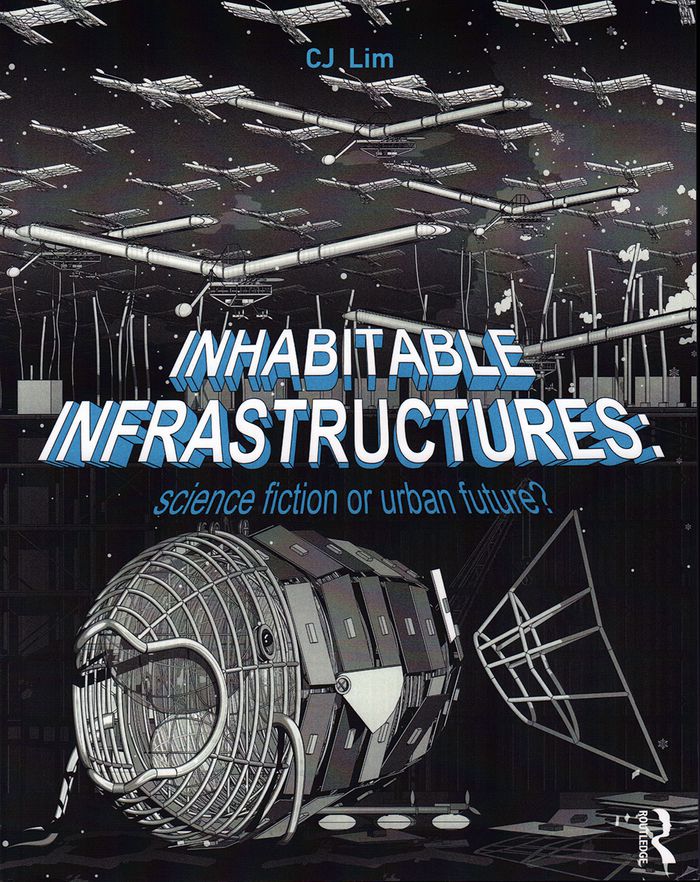
"Inhabitable infrastructures: science fiction or urban future?", the follow up to "Food city and smartcities and eco-warriors", from one of the world’s leading urban design and architectural thinkers, explores the potential of climate change-related multi-use infrastructures that address the fundamental human requirements to protect, to provide and to participate. The stimulus for the infrastructures derives from postulated scenarios and processes gleaned from science fiction and futurology as well as the current body of scientific knowledge regarding changing environmental impacts on cities. Science fiction is interdisciplinary by nature, aggregates the past and present, and evaluates both lay opinions and professional strategies in an attempt to develop foresight and to map possible futures. The research culminates in the creation of innovative multi-use infrastructures and integrated self-sustaining support systems that meet the challenges posed through climate change and overpopulation, and the reciprocal benefits of simultaneously addressing the threat and the shaping of cities. J. G. Ballard has written that the psychological realm of science fiction is most valuable in its predictive function, and in projecting emotions into the future. The knowledge from the book is widely transferable, constituting both solutions and speculative visions of future urban environments. The book is indispensable reading for professionals and students in the fields of urban design, architecture, engineering and environmental socio-politics.
Inhabitable infrastructures: urban future or science fiction?
Actions:
Prix:
$55.90
(disponible sur commande)
Résumé:
"Inhabitable infrastructures: science fiction or urban future?", the follow up to "Food city and smartcities and eco-warriors", from one of the world’s leading urban design and architectural thinkers, explores the potential of climate change-related multi-use infrastructures that address the fundamental human requirements to protect, to provide and to participate. The stimulus for the infrastructures derives from postulated scenarios and processes gleaned from science fiction and futurology as well as the current body of scientific knowledge regarding changing environmental impacts on cities. Science fiction is interdisciplinary by nature, aggregates the past and present, and evaluates both lay opinions and professional strategies in an attempt to develop foresight and to map possible futures. The research culminates in the creation of innovative multi-use infrastructures and integrated self-sustaining support systems that meet the challenges posed through climate change and overpopulation, and the reciprocal benefits of simultaneously addressing the threat and the shaping of cities. J. G. Ballard has written that the psychological realm of science fiction is most valuable in its predictive function, and in projecting emotions into the future. The knowledge from the book is widely transferable, constituting both solutions and speculative visions of future urban environments. The book is indispensable reading for professionals and students in the fields of urban design, architecture, engineering and environmental socio-politics.
Classification:
livres
livres
Publication:
mai 2017
mai 2017
Sujet:
Théorie de l’architecture
Théorie de l’architecture
Classification:
livres
livres
Prix:
$55.50
(disponible sur commande)
Résumé:
Human obsolescence is imminent. The factories of the future will be dark, staffed by armies of tireless robots. The hospitals of the future will have fewer doctors, depending instead on cloud-based AI to diagnose patients and recommend treatments. The homes of the future will anticipate our wants and needs and provide all the entertainment, food, and distraction we could(...)
$55.50
(disponible sur commande)
Résumé:
Human obsolescence is imminent. The factories of the future will be dark, staffed by armies of tireless robots. The hospitals of the future will have fewer doctors, depending instead on cloud-based AI to diagnose patients and recommend treatments. The homes of the future will anticipate our wants and needs and provide all the entertainment, food, and distraction we could(...)
Titre:
Automation and utopia: human flourishing in a world without work
Actions:
Prix:
$55.50
(disponible sur commande)
Résumé:
Human obsolescence is imminent. The factories of the future will be dark, staffed by armies of tireless robots. The hospitals of the future will have fewer doctors, depending instead on cloud-based AI to diagnose patients and recommend treatments. The homes of the future will anticipate our wants and needs and provide all the entertainment, food, and distraction we could ever desire. To many, this is a depressing prognosis, an image of civilization replaced by its machines. But what if an automated future is something to be welcomed rather than feared? Work is a source of misery and oppression for most people, so shouldn’t we do what we can to hasten its demise? Automation and Utopia makes the case for a world in which, free from need or want, we can spend our time inventing and playing games and exploring virtual realities that are more deeply engaging and absorbing than any we have experienced before, allowing us to achieve idealized forms of human flourishing. The idea that we should “give up” and retreat to the virtual may seem shocking, even distasteful. But John Danaher urges us to embrace the possibilities of this new existence. The rise of automating technologies presents a utopian moment for humankind, providing both the motive and the means to build a better future.
Automation and utopia: human flourishing in a world without work
Actions:
Prix:
$55.50
(disponible sur commande)
Résumé:
Human obsolescence is imminent. The factories of the future will be dark, staffed by armies of tireless robots. The hospitals of the future will have fewer doctors, depending instead on cloud-based AI to diagnose patients and recommend treatments. The homes of the future will anticipate our wants and needs and provide all the entertainment, food, and distraction we could ever desire. To many, this is a depressing prognosis, an image of civilization replaced by its machines. But what if an automated future is something to be welcomed rather than feared? Work is a source of misery and oppression for most people, so shouldn’t we do what we can to hasten its demise? Automation and Utopia makes the case for a world in which, free from need or want, we can spend our time inventing and playing games and exploring virtual realities that are more deeply engaging and absorbing than any we have experienced before, allowing us to achieve idealized forms of human flourishing. The idea that we should “give up” and retreat to the virtual may seem shocking, even distasteful. But John Danaher urges us to embrace the possibilities of this new existence. The rise of automating technologies presents a utopian moment for humankind, providing both the motive and the means to build a better future.
Classification:
livres
livres
Publication:
septembre 2019
septembre 2019
Sujet:
Théorie de l’architecture
Théorie de l’architecture
Classification:
livres
livres
Titre:
David Freund: gas stop
David Freund: gas stop
Actions:
Prix:
$162.50
(disponible sur commande)
Résumé:
In the twentieth century, any American driver or passenger would stop at gas stations at least weekly, and not just for gas. Gas stations were also oases offering food and drink, car repairs, directions, maps and, importantly, bathrooms. Yet, beyond their appreciation as roadside novelties, their offerings to American culture, landscape and history have been little(...)
$162.50
(disponible sur commande)
Résumé:
In the twentieth century, any American driver or passenger would stop at gas stations at least weekly, and not just for gas. Gas stations were also oases offering food and drink, car repairs, directions, maps and, importantly, bathrooms. Yet, beyond their appreciation as roadside novelties, their offerings to American culture, landscape and history have been little(...)
Titre:
David Freund: gas stop
Actions:
Prix:
$162.50
(disponible sur commande)
Résumé:
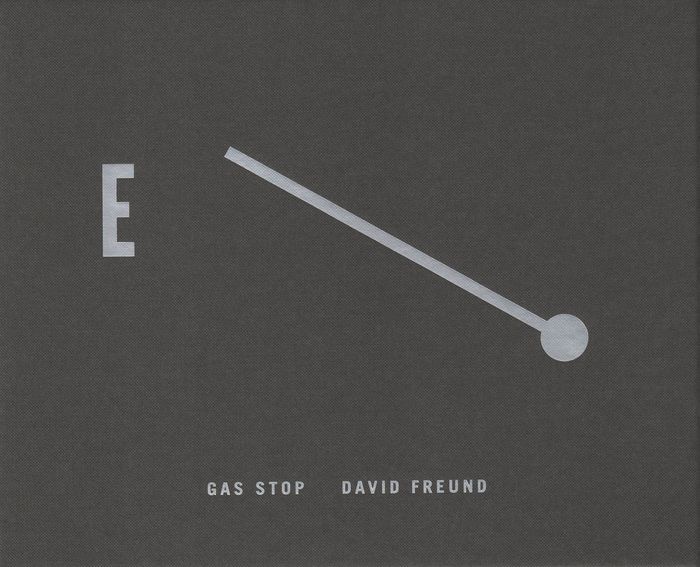
In the twentieth century, any American driver or passenger would stop at gas stations at least weekly, and not just for gas. Gas stations were also oases offering food and drink, car repairs, directions, maps and, importantly, bathrooms. Yet, beyond their appreciation as roadside novelties, their offerings to American culture, landscape and history have been little photographed. From 1978 to 1981, David Freund analyzed the culture, architecture and landscape of gas stations in more than forty states. The photographs show customers and workers in postures and actions peculiar to gassing up, or just hanging out. Architecture and signage, both corporate and vernacular, beckon passing drivers. Regional landscapes hold and surround gas stations, each with its own landscape of designed plantings or scrappy volunteers. Stations were also outposts for American networks other than petroleum, seen in telephone booths, mailboxes and powerlines. These and all that surrounds them spark recognition and recollection, accruing as elements of a nonlinear American narrative. While Freund’s primary concern is for his photographs to engage and surprise, he acknowledges nostalgia and uses it to imbue his subjects with a compelling sense of belonging. Of more than 200,000 gas stations in the United States at the time of this project, today they and their roles are mostly gone, existing now in memory and in this work. Four hardcover books housed in a slipcase
David Freund: gas stop
Actions:
Prix:
$162.50
(disponible sur commande)
Résumé:
In the twentieth century, any American driver or passenger would stop at gas stations at least weekly, and not just for gas. Gas stations were also oases offering food and drink, car repairs, directions, maps and, importantly, bathrooms. Yet, beyond their appreciation as roadside novelties, their offerings to American culture, landscape and history have been little photographed. From 1978 to 1981, David Freund analyzed the culture, architecture and landscape of gas stations in more than forty states. The photographs show customers and workers in postures and actions peculiar to gassing up, or just hanging out. Architecture and signage, both corporate and vernacular, beckon passing drivers. Regional landscapes hold and surround gas stations, each with its own landscape of designed plantings or scrappy volunteers. Stations were also outposts for American networks other than petroleum, seen in telephone booths, mailboxes and powerlines. These and all that surrounds them spark recognition and recollection, accruing as elements of a nonlinear American narrative. While Freund’s primary concern is for his photographs to engage and surprise, he acknowledges nostalgia and uses it to imbue his subjects with a compelling sense of belonging. Of more than 200,000 gas stations in the United States at the time of this project, today they and their roles are mostly gone, existing now in memory and in this work. Four hardcover books housed in a slipcase
Classification:
livres
livres
Publication:
janvier 2017
janvier 2017
Sujet:
Monographies photo
Monographies photo
Classification:
livres
livres
Actions:
Prix:
$54.99
(disponible en magasin)
Résumé:
We are at a new moment in architecture, one when many cultures are contributing to the unfolding of modernism. This enriching influence is broadening the mix, extending the range available to architecture, of materials and colours, of evocative forms, of cultural references and of social thinking. In an era of boredom with monocultures and orthodoxies, there is the(...)
$54.99
(disponible en magasin)
Résumé:
We are at a new moment in architecture, one when many cultures are contributing to the unfolding of modernism. This enriching influence is broadening the mix, extending the range available to architecture, of materials and colours, of evocative forms, of cultural references and of social thinking. In an era of boredom with monocultures and orthodoxies, there is the(...)
Sujet:
Revues, anciens numéros
Revues, anciens numéros
Publication:
octobre 2005, London
octobre 2005, London
Titre:
The new mix : culturally dynamic architecture
Actions:
Prix:
$54.99
(disponible en magasin)
Résumé:
We are at a new moment in architecture, one when many cultures are contributing to the unfolding of modernism. This enriching influence is broadening the mix, extending the range available to architecture, of materials and colours, of evocative forms, of cultural references and of social thinking. In an era of boredom with monocultures and orthodoxies, there is the almost universal expectation that the metroculture, be it in London or Beijing, will provide broadened cultural experiences in food, performance, dress and sound. The new ethnically diverse city is a place of zesty daily encounters/collisions/cohabitation between cultures, a place of mixed signals, contradictions, delightful confusions. Franco-Japanese cuisine, elite schoolchildren wearing doo-rags, jazz performed on gamelans—no matter what one’s mother culture - we’re all getting addicted to varied rhythms, different emotional emphases, ‘other’ ideas of beauty. This change is visible in schools of architecture, at least in the range of students, typically from many ethnicities, none of them constituting a majority. No wonder, then, that there is increased interest in ways that architecture can incorporate a larger compass of riches. A rising group of practitioners is meeting the challenge of this broadening cultural landscape in pursuing strategies of quick switching, layering, reframing. These new architectural expressions of multiple cultures represent an enrichment that ultimately might help create a more robust modernism, helping to rescue it from a ‘potato blight’ of too much sameness.
The new mix : culturally dynamic architecture
Actions:
Prix:
$54.99
(disponible en magasin)
Résumé:
We are at a new moment in architecture, one when many cultures are contributing to the unfolding of modernism. This enriching influence is broadening the mix, extending the range available to architecture, of materials and colours, of evocative forms, of cultural references and of social thinking. In an era of boredom with monocultures and orthodoxies, there is the almost universal expectation that the metroculture, be it in London or Beijing, will provide broadened cultural experiences in food, performance, dress and sound. The new ethnically diverse city is a place of zesty daily encounters/collisions/cohabitation between cultures, a place of mixed signals, contradictions, delightful confusions. Franco-Japanese cuisine, elite schoolchildren wearing doo-rags, jazz performed on gamelans—no matter what one’s mother culture - we’re all getting addicted to varied rhythms, different emotional emphases, ‘other’ ideas of beauty. This change is visible in schools of architecture, at least in the range of students, typically from many ethnicities, none of them constituting a majority. No wonder, then, that there is increased interest in ways that architecture can incorporate a larger compass of riches. A rising group of practitioners is meeting the challenge of this broadening cultural landscape in pursuing strategies of quick switching, layering, reframing. These new architectural expressions of multiple cultures represent an enrichment that ultimately might help create a more robust modernism, helping to rescue it from a ‘potato blight’ of too much sameness.
Classification:
livres
livres
Publication:
octobre 2005, London
octobre 2005, London
Sujet:
Revues, anciens numéros
Revues, anciens numéros
Classification:
livres
livres
Actions:
Prix:
$89.99
(disponible sur commande)
Résumé:
Written by the chair of the LEED-Neighborhood Development (LEED-ND) initiative, Sustainable Urbanism: Urban Design with Nature is both an urgent call to action and a comprehensive introduction to "sustainable urbanism"--the emerging and growing design reform movement that combines the creation and enhancement of walkable and diverse places with the need to build(...)
$89.99
(disponible sur commande)
Résumé:
Written by the chair of the LEED-Neighborhood Development (LEED-ND) initiative, Sustainable Urbanism: Urban Design with Nature is both an urgent call to action and a comprehensive introduction to "sustainable urbanism"--the emerging and growing design reform movement that combines the creation and enhancement of walkable and diverse places with the need to build(...)
Titre:
Sustainable urbanism: urban design with nature
Actions:
Prix:
$89.99
(disponible sur commande)
Résumé:
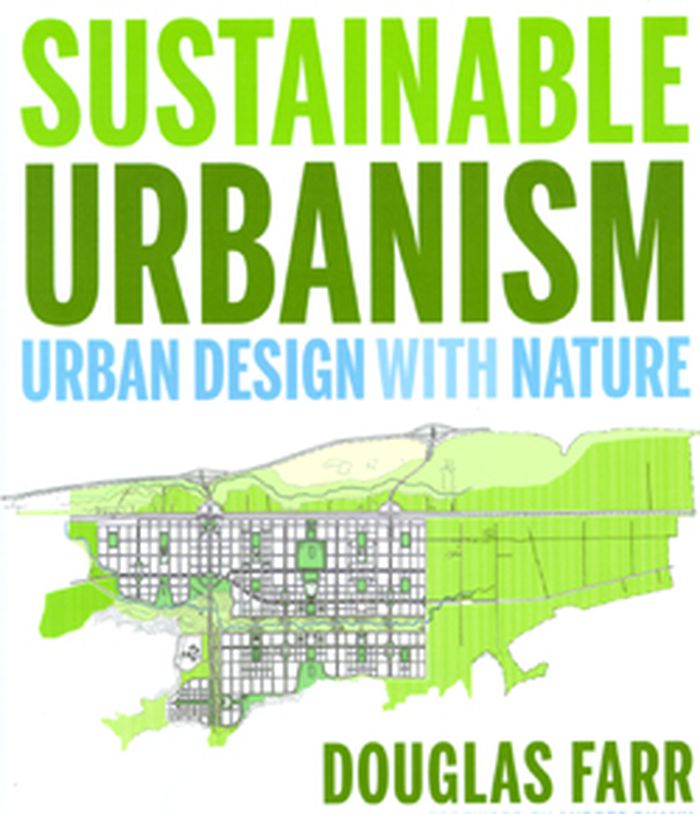
Written by the chair of the LEED-Neighborhood Development (LEED-ND) initiative, Sustainable Urbanism: Urban Design with Nature is both an urgent call to action and a comprehensive introduction to "sustainable urbanism"--the emerging and growing design reform movement that combines the creation and enhancement of walkable and diverse places with the need to build high-performance infrastructure and buildings. Providing a historic perspective on the standards and regulations that got us to where we are today in terms of urban lifestyle and attempts at reform, Douglas Farr makes a powerful case for sustainable urbanism, showing where we went wrong, and where we need to go. He then explains how to implement sustainable urbanism through leadership and communication in cities, communities, and neighborhoods. Essays written by Farr and others delve into such issues as: Increasing sustainability through density. Integrating transportation and land use. Creating sustainable neighborhoods, including housing, car-free areas, locally-owned stores, walkable neighborhoods, and universal accessibility. The health and environmental benefits of linking humans to nature, including walk-to open spaces, neighborhood stormwater systems and waste treatment, and food production. High performance buildings and district energy systems. Enriching the argument are in-depth case studies in sustainable urbanism, from BedZED in London, England and Newington in Sydney, Australia, to New Railroad Square in Santa Rosa, California and Dongtan, Shanghai, China. An epilogue looks to the future of sustainable urbanism over the next 200 years.
Sustainable urbanism: urban design with nature
Actions:
Prix:
$89.99
(disponible sur commande)
Résumé:
Written by the chair of the LEED-Neighborhood Development (LEED-ND) initiative, Sustainable Urbanism: Urban Design with Nature is both an urgent call to action and a comprehensive introduction to "sustainable urbanism"--the emerging and growing design reform movement that combines the creation and enhancement of walkable and diverse places with the need to build high-performance infrastructure and buildings. Providing a historic perspective on the standards and regulations that got us to where we are today in terms of urban lifestyle and attempts at reform, Douglas Farr makes a powerful case for sustainable urbanism, showing where we went wrong, and where we need to go. He then explains how to implement sustainable urbanism through leadership and communication in cities, communities, and neighborhoods. Essays written by Farr and others delve into such issues as: Increasing sustainability through density. Integrating transportation and land use. Creating sustainable neighborhoods, including housing, car-free areas, locally-owned stores, walkable neighborhoods, and universal accessibility. The health and environmental benefits of linking humans to nature, including walk-to open spaces, neighborhood stormwater systems and waste treatment, and food production. High performance buildings and district energy systems. Enriching the argument are in-depth case studies in sustainable urbanism, from BedZED in London, England and Newington in Sydney, Australia, to New Railroad Square in Santa Rosa, California and Dongtan, Shanghai, China. An epilogue looks to the future of sustainable urbanism over the next 200 years.
Classification:
livres
livres
Publication:
novembre 2007, Hoboken, New Jersey
novembre 2007, Hoboken, New Jersey
Sujet:
Théorie de l’urbanisme
Théorie de l’urbanisme
Classification:
livres
livres
Actions:
Prix:
$67.50
(disponible sur commande)
Résumé:
Ed Ruscha is one of the first American artists to introduce a critique of popular culture and an examination of language into the visual arts. Although he first made his reputation as a painter, Ruscha is also celebrated for his drawings (made both with conventional materials and with food, blood, gunpowder, and shellac), prints, films, photographs, and books. He is(...)
$67.50
(disponible sur commande)
Résumé:
Ed Ruscha is one of the first American artists to introduce a critique of popular culture and an examination of language into the visual arts. Although he first made his reputation as a painter, Ruscha is also celebrated for his drawings (made both with conventional materials and with food, blood, gunpowder, and shellac), prints, films, photographs, and books. He is(...)
Publication:
avril 2002, Cambridge, Mass. / London
avril 2002, Cambridge, Mass. / London
Titre:
Leave any information at the signal : writings, interviews, bits, pages
Actions:
Prix:
$67.50
(disponible sur commande)
Résumé:
Ed Ruscha is one of the first American artists to introduce a critique of popular culture and an examination of language into the visual arts. Although he first made his reputation as a painter, Ruscha is also celebrated for his drawings (made both with conventional materials and with food, blood, gunpowder, and shellac), prints, films, photographs, and books. He is often associated with Los Angeles as a Pop and Conceptualist hub, but tends to regard such labels with a satirical, if not jaundiced, eye. Indeed, his work is characterized by the tensions between high and low, solemn and irreverent, and serious and nonsensical, and it draws on popular culture as well as Western art traditions. "Leave any information at the signal" not only documents the work of this influential artist as he rose to prominence but also contains his writings and commentaries on other artistic developments of the period. The book is divided into three parts, each of which is arranged chronologically. Part one contains statements, letters, and other writings. Part two consists of more than fifty interviews, some of which have never before been published or translated into English. Part three contains sketchbook pages, word groupings, and other notes that chart how Ruscha develops ideas and solves artistic problems. They are published here for the first time. The book also contains more than eighty illustrations, selected and arranged by the artist.
Leave any information at the signal : writings, interviews, bits, pages
Actions:
Prix:
$67.50
(disponible sur commande)
Résumé:
Ed Ruscha is one of the first American artists to introduce a critique of popular culture and an examination of language into the visual arts. Although he first made his reputation as a painter, Ruscha is also celebrated for his drawings (made both with conventional materials and with food, blood, gunpowder, and shellac), prints, films, photographs, and books. He is often associated with Los Angeles as a Pop and Conceptualist hub, but tends to regard such labels with a satirical, if not jaundiced, eye. Indeed, his work is characterized by the tensions between high and low, solemn and irreverent, and serious and nonsensical, and it draws on popular culture as well as Western art traditions. "Leave any information at the signal" not only documents the work of this influential artist as he rose to prominence but also contains his writings and commentaries on other artistic developments of the period. The book is divided into three parts, each of which is arranged chronologically. Part one contains statements, letters, and other writings. Part two consists of more than fifty interviews, some of which have never before been published or translated into English. Part three contains sketchbook pages, word groupings, and other notes that chart how Ruscha develops ideas and solves artistic problems. They are published here for the first time. The book also contains more than eighty illustrations, selected and arranged by the artist.
Classification:
livres
livres
Publication:
avril 2002, Cambridge, Mass. / London
avril 2002, Cambridge, Mass. / London
Classification:
livres
livres
Actions:
Prix:
$29.95
(disponible sur commande)
Résumé:
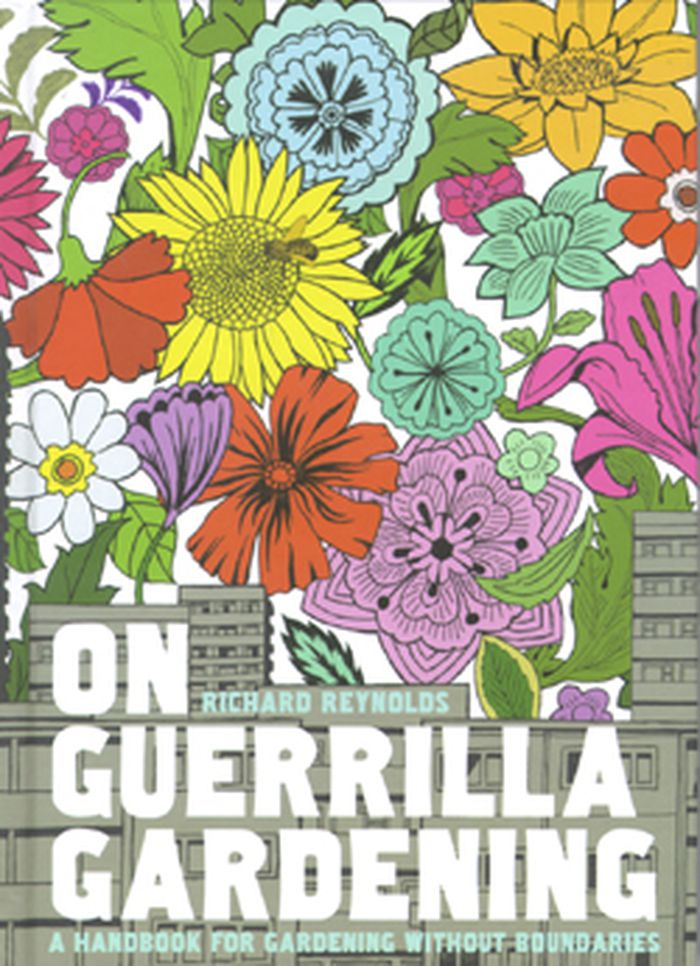
When Richard Reynolds began planting flowers secretly at night outside his tower block in South London, he had no idea that he was part of a growing global movement committed to combating the forces of neglect, land shortage and apathy towards public spaces. But before long, his blog had attracted other guerrillas from around the world to share their experiences of the(...)
$29.95
(disponible sur commande)
Résumé:
When Richard Reynolds began planting flowers secretly at night outside his tower block in South London, he had no idea that he was part of a growing global movement committed to combating the forces of neglect, land shortage and apathy towards public spaces. But before long, his blog had attracted other guerrillas from around the world to share their experiences of the(...)
Titre:
On guerrilla gardening : a handbook for gardening without boundaries
Actions:
Prix:
$29.95
(disponible sur commande)
Résumé:
When Richard Reynolds began planting flowers secretly at night outside his tower block in South London, he had no idea that he was part of a growing global movement committed to combating the forces of neglect, land shortage and apathy towards public spaces. But before long, his blog had attracted other guerrillas from around the world to share their experiences of the horticultural frontline, and is now a focal point for guerrilla gardeners everywhere, with over 4,000 people enlisted as recruits. "On Guerrilla Gardening" is Reynolds' lively, colourful treatise on why people illicitly cultivate land and how to do it yourself. From discreetly beautifying corners of Montreal to striving for green communal space in Berlin and sustainable food production in San Francisco, from Christmas trees on London roundabouts to the political agitations of landless workers in Brazil, Reynolds charts a battle that people worldwide are fighting on many different fronts. Along the way he unearths the movement's notable historic advances by seventeenth-century English radicals, a nineteenth-century American entrepreneur and public-spirited artists in 1970s New York. Reynolds has researched the subject with guerrilla gardeners from thirty different countries, and compiles their advice on what to grow where, how to cope with adverse environmental conditions, how to seed-bomb effectively, how to harness propaganda to win support and even how to handle anti-terror police. "On Guerrilla Gardening" informs, entertains and inspires. Packed with photographs, anecdotes and sound horticultural advice, it is an irresistible invitation to shoulder your shovel and join the revolution that is blooming in the world's shared spaces.
On guerrilla gardening : a handbook for gardening without boundaries
Actions:
Prix:
$29.95
(disponible sur commande)
Résumé:
When Richard Reynolds began planting flowers secretly at night outside his tower block in South London, he had no idea that he was part of a growing global movement committed to combating the forces of neglect, land shortage and apathy towards public spaces. But before long, his blog had attracted other guerrillas from around the world to share their experiences of the horticultural frontline, and is now a focal point for guerrilla gardeners everywhere, with over 4,000 people enlisted as recruits. "On Guerrilla Gardening" is Reynolds' lively, colourful treatise on why people illicitly cultivate land and how to do it yourself. From discreetly beautifying corners of Montreal to striving for green communal space in Berlin and sustainable food production in San Francisco, from Christmas trees on London roundabouts to the political agitations of landless workers in Brazil, Reynolds charts a battle that people worldwide are fighting on many different fronts. Along the way he unearths the movement's notable historic advances by seventeenth-century English radicals, a nineteenth-century American entrepreneur and public-spirited artists in 1970s New York. Reynolds has researched the subject with guerrilla gardeners from thirty different countries, and compiles their advice on what to grow where, how to cope with adverse environmental conditions, how to seed-bomb effectively, how to harness propaganda to win support and even how to handle anti-terror police. "On Guerrilla Gardening" informs, entertains and inspires. Packed with photographs, anecdotes and sound horticultural advice, it is an irresistible invitation to shoulder your shovel and join the revolution that is blooming in the world's shared spaces.
Classification:
livres
livres
Publication:
mai 2008, London
mai 2008, London
Sujet:
Théorie du paysage
Théorie du paysage


