


1339 Résultats
Classification:
livres
livres
Actions:
Prix:
$36.95
(disponible sur commande)
Résumé:
The architecture of India reflects both the cultural diversity of the subcontinent and its rich political and historical inheritance. In this guide, the various strands of this rich architectural history, from the dawn of civilization to modern times, are presented in word and picture. Readers are taken on a tour of Indus Valley civilization, early Vedic traditions,(...)
$36.95
(disponible sur commande)
Résumé:
The architecture of India reflects both the cultural diversity of the subcontinent and its rich political and historical inheritance. In this guide, the various strands of this rich architectural history, from the dawn of civilization to modern times, are presented in word and picture. Readers are taken on a tour of Indus Valley civilization, early Vedic traditions,(...)
Titre:
Introduction to Indian architecture
Actions:
Prix:
$36.95
(disponible sur commande)
Résumé:
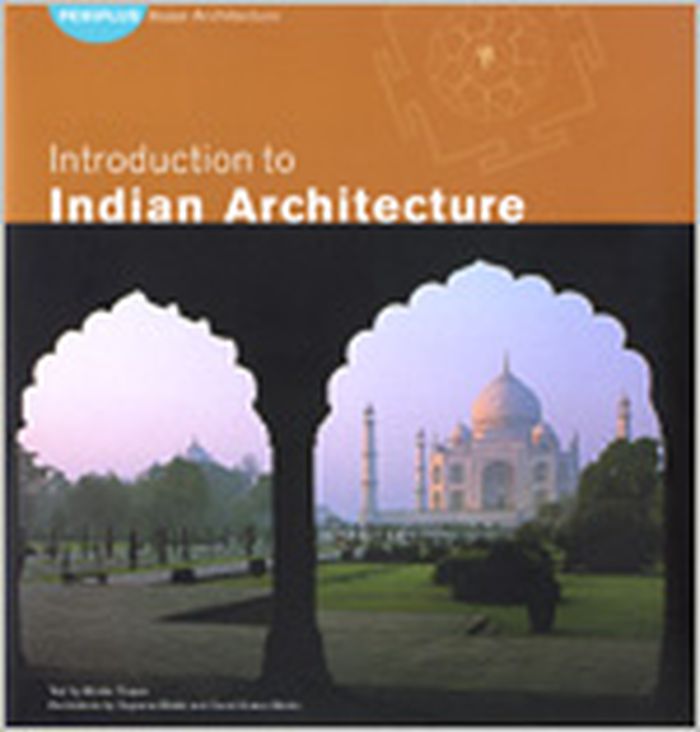
The architecture of India reflects both the cultural diversity of the subcontinent and its rich political and historical inheritance. In this guide, the various strands of this rich architectural history, from the dawn of civilization to modern times, are presented in word and picture. Readers are taken on a tour of Indus Valley civilization, early Vedic traditions, Hindu, Jain, Mughal, regional, colonial and post-independencearchitectural styles, and thematic architecture, as well as specific monuments and buildings.
Introduction to Indian architecture
Actions:
Prix:
$36.95
(disponible sur commande)
Résumé:
The architecture of India reflects both the cultural diversity of the subcontinent and its rich political and historical inheritance. In this guide, the various strands of this rich architectural history, from the dawn of civilization to modern times, are presented in word and picture. Readers are taken on a tour of Indus Valley civilization, early Vedic traditions, Hindu, Jain, Mughal, regional, colonial and post-independencearchitectural styles, and thematic architecture, as well as specific monuments and buildings.
Classification:
livres
livres
Publication:
juin 2003, Singapore
juin 2003, Singapore
Sujet:
Arch Moyen-Orient
Arch Moyen-Orient
Classification:
livres
livres

Actions:
Prix:
$49.95
(disponible sur commande)
Résumé:
This book discusses the form and function of American barns. It gives their complete history from Colonial times to the present, and illustrates the range of styles that exists in these structures. "Barn : Preservation & Adaptation" fully demonstrates the adaptability and enduring charm of one of the most iconic forms of American vernacular architecture. It also explores(...)
$49.95
(disponible sur commande)
Résumé:
This book discusses the form and function of American barns. It gives their complete history from Colonial times to the present, and illustrates the range of styles that exists in these structures. "Barn : Preservation & Adaptation" fully demonstrates the adaptability and enduring charm of one of the most iconic forms of American vernacular architecture. It also explores(...)
Sujet:
Architecture écologique
Architecture écologique
Publication:
août 2003, New York
août 2003, New York
Titre:
Barn : preservation & adaptation
Actions:
Prix:
$49.95
(disponible sur commande)
Résumé:
This book discusses the form and function of American barns. It gives their complete history from Colonial times to the present, and illustrates the range of styles that exists in these structures. "Barn : Preservation & Adaptation" fully demonstrates the adaptability and enduring charm of one of the most iconic forms of American vernacular architecture. It also explores renovations, interior design options, and structural and cosmetic changes that have kept these traditional farm buildings vital and functional into the twenty-first century.
Barn : preservation & adaptation
Actions:
Prix:
$49.95
(disponible sur commande)
Résumé:
This book discusses the form and function of American barns. It gives their complete history from Colonial times to the present, and illustrates the range of styles that exists in these structures. "Barn : Preservation & Adaptation" fully demonstrates the adaptability and enduring charm of one of the most iconic forms of American vernacular architecture. It also explores renovations, interior design options, and structural and cosmetic changes that have kept these traditional farm buildings vital and functional into the twenty-first century.
Classification:
livres
livres
Publication:
août 2003, New York
août 2003, New York
Sujet:
Architecture écologique
Architecture écologique
Classification:
livres
livres
Prix:
$29.95
(disponible en magasin)
Résumé:
The world is in the midst of a storm that has shaped the history of modernity along a double fracture: on the one hand, an environmental fracture driven by a technocratic and capitalist civilization that led to the ongoing devastation of the Earth’s ecosystems and its human and non-human communities and, on the other, a colonial fracture instilled by Western colonization(...)
$29.95
(disponible en magasin)
Résumé:
The world is in the midst of a storm that has shaped the history of modernity along a double fracture: on the one hand, an environmental fracture driven by a technocratic and capitalist civilization that led to the ongoing devastation of the Earth’s ecosystems and its human and non-human communities and, on the other, a colonial fracture instilled by Western colonization(...)
Publication:
septembre 2022
septembre 2022
Titre:
Decolonial ecology: thinking from the Caribbean world
Actions:
Prix:
$29.95
(disponible en magasin)
Résumé:
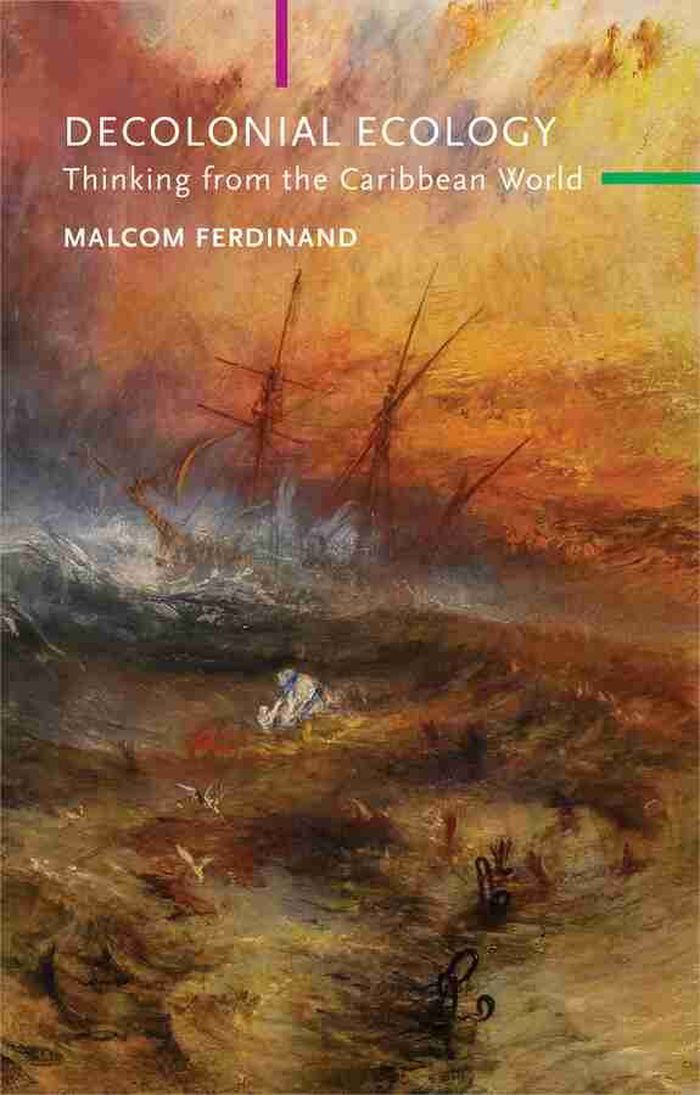
The world is in the midst of a storm that has shaped the history of modernity along a double fracture: on the one hand, an environmental fracture driven by a technocratic and capitalist civilization that led to the ongoing devastation of the Earth’s ecosystems and its human and non-human communities and, on the other, a colonial fracture instilled by Western colonization and imperialism that resulted in racial slavery and the domination of indigenous peoples and women in particular. In this important new book, Malcom Ferdinand challenges this double fracture, thinking from the Caribbean world. Here, the slave ship reveals the inequalities that continue during the storm: some are shackled inside the hold and even thrown overboard at the first gusts of wind. Drawing on empirical and theoretical work in the Caribbean, Ferdinand conceptualizes a decolonial ecology that holds protecting the environment together with the political struggles against (post)colonial domination, structural racism, and misogynistic practices.
Decolonial ecology: thinking from the Caribbean world
Actions:
Prix:
$29.95
(disponible en magasin)
Résumé:
The world is in the midst of a storm that has shaped the history of modernity along a double fracture: on the one hand, an environmental fracture driven by a technocratic and capitalist civilization that led to the ongoing devastation of the Earth’s ecosystems and its human and non-human communities and, on the other, a colonial fracture instilled by Western colonization and imperialism that resulted in racial slavery and the domination of indigenous peoples and women in particular. In this important new book, Malcom Ferdinand challenges this double fracture, thinking from the Caribbean world. Here, the slave ship reveals the inequalities that continue during the storm: some are shackled inside the hold and even thrown overboard at the first gusts of wind. Drawing on empirical and theoretical work in the Caribbean, Ferdinand conceptualizes a decolonial ecology that holds protecting the environment together with the political struggles against (post)colonial domination, structural racism, and misogynistic practices.
Classification:
livres
livres
Publication:
septembre 2022
septembre 2022
Classification:
livres
livres

Actions:
Prix:
$31.95
(disponible sur commande)
Résumé:
In 2016, social media users in Thailand called out the Paris-based luxury fashion house Balenciaga for copying the popular Thai "rainbow bag," using Balenciaga’s hashtags to circulate memes revealing the source of the bags’ design. In this book, Minh-Ha T. Pham examines the way social media users monitor the fashion market for the appearance of knockoff fashion, design(...)
$31.95
(disponible sur commande)
Résumé:
In 2016, social media users in Thailand called out the Paris-based luxury fashion house Balenciaga for copying the popular Thai "rainbow bag," using Balenciaga’s hashtags to circulate memes revealing the source of the bags’ design. In this book, Minh-Ha T. Pham examines the way social media users monitor the fashion market for the appearance of knockoff fashion, design(...)
Titre:
Why we can't have nice things: Social media's influence on fashion, ethics and property
Actions:
Prix:
$31.95
(disponible sur commande)
Résumé:
In 2016, social media users in Thailand called out the Paris-based luxury fashion house Balenciaga for copying the popular Thai "rainbow bag," using Balenciaga’s hashtags to circulate memes revealing the source of the bags’ design. In this book, Minh-Ha T. Pham examines the way social media users monitor the fashion market for the appearance of knockoff fashion, design theft, and plagiarism. Tracing the history of fashion antipiracy efforts back to the 1930s, she foregrounds the work of policing that has been tacitly outsourced to social media. Despite the social media concern for ethical fashion and consumption and the good intentions behind design policing, Pham shows that it has ironically deepened forms of social and market inequality, as it relies on and reinforces racist and colonial norms and ideas about what constitutes copying and what counts as creativity. These struggles over ethical fashion and intellectual property, Pham demonstrates, constitute deeper struggles over the colonial legacies of cultural property in digital and global economies.
Why we can't have nice things: Social media's influence on fashion, ethics and property
Actions:
Prix:
$31.95
(disponible sur commande)
Résumé:
In 2016, social media users in Thailand called out the Paris-based luxury fashion house Balenciaga for copying the popular Thai "rainbow bag," using Balenciaga’s hashtags to circulate memes revealing the source of the bags’ design. In this book, Minh-Ha T. Pham examines the way social media users monitor the fashion market for the appearance of knockoff fashion, design theft, and plagiarism. Tracing the history of fashion antipiracy efforts back to the 1930s, she foregrounds the work of policing that has been tacitly outsourced to social media. Despite the social media concern for ethical fashion and consumption and the good intentions behind design policing, Pham shows that it has ironically deepened forms of social and market inequality, as it relies on and reinforces racist and colonial norms and ideas about what constitutes copying and what counts as creativity. These struggles over ethical fashion and intellectual property, Pham demonstrates, constitute deeper struggles over the colonial legacies of cultural property in digital and global economies.
Classification:
livres
livres
Publication:
septembre 2022
septembre 2022
Sujet:
Social
Social
Classification:
livres
livres
Actions:
Prix:
$32.95
(disponible sur commande)
Résumé:
How did a First World urban population come to imagine itself as part of a global anti-colonial movement? This book tackles this and other paradoxes created by the surprising power and influence of Third World decolonization on political activism in 1960s Montreal. In a brilliant history of a turbulent time and place, Mills pulls back the curtain on the decade's(...)
$32.95
(disponible sur commande)
Résumé:
How did a First World urban population come to imagine itself as part of a global anti-colonial movement? This book tackles this and other paradoxes created by the surprising power and influence of Third World decolonization on political activism in 1960s Montreal. In a brilliant history of a turbulent time and place, Mills pulls back the curtain on the decade's(...)
Titre:
The empire within: postcolonial thought and political activism in Sixties Montréal
Actions:
Prix:
$32.95
(disponible sur commande)
Résumé:
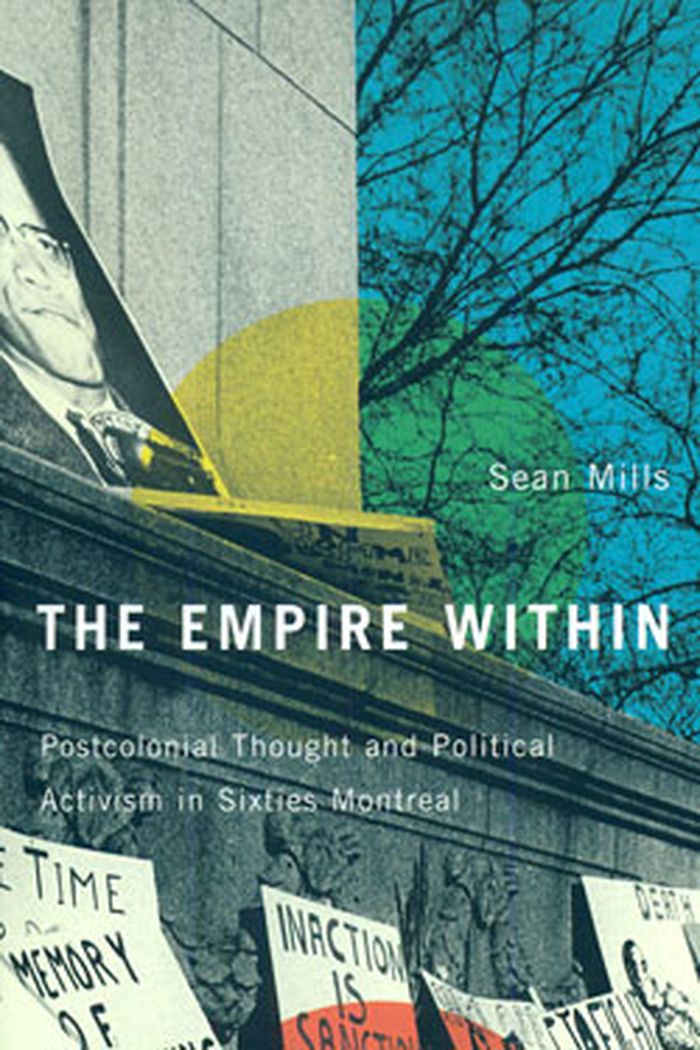
How did a First World urban population come to imagine itself as part of a global anti-colonial movement? This book tackles this and other paradoxes created by the surprising power and influence of Third World decolonization on political activism in 1960s Montreal. In a brilliant history of a turbulent time and place, Mills pulls back the curtain on the decade's activists and intellectuals, showing their engagement both with each other and with people from around the world. He demonstrates how activists of different backgrounds and with different political aims drew on ideas of decolonization to rethink the meanings attached to the politics of sex, race, and class and to imagine themselves as part of a broad transnational movement of anti-colonial and anti-imperialist resistance. The temporary unity forged around ideas of decolonization came undone in the 1970s, however, as many were forced to come to terms with the contradictions and ambiguities of applying ideas of decolonization in Quebec. From linguistic debates to labour unions, and from the political activities of citizens in the city's poorest neighbourhoods to its Caribbean intellectuals, this publication is a political tour of Montreal that reconsiders the meaning and legacy of the city's dissident traditions. It is also a fascinating chapter in the history of postcolonial thought.
The empire within: postcolonial thought and political activism in Sixties Montréal
Actions:
Prix:
$32.95
(disponible sur commande)
Résumé:
How did a First World urban population come to imagine itself as part of a global anti-colonial movement? This book tackles this and other paradoxes created by the surprising power and influence of Third World decolonization on political activism in 1960s Montreal. In a brilliant history of a turbulent time and place, Mills pulls back the curtain on the decade's activists and intellectuals, showing their engagement both with each other and with people from around the world. He demonstrates how activists of different backgrounds and with different political aims drew on ideas of decolonization to rethink the meanings attached to the politics of sex, race, and class and to imagine themselves as part of a broad transnational movement of anti-colonial and anti-imperialist resistance. The temporary unity forged around ideas of decolonization came undone in the 1970s, however, as many were forced to come to terms with the contradictions and ambiguities of applying ideas of decolonization in Quebec. From linguistic debates to labour unions, and from the political activities of citizens in the city's poorest neighbourhoods to its Caribbean intellectuals, this publication is a political tour of Montreal that reconsiders the meaning and legacy of the city's dissident traditions. It is also a fascinating chapter in the history of postcolonial thought.
Classification:
livres
livres
Publication:
août 2010
août 2010
Sujet:
Architecture de Montréal
Architecture de Montréal
Classification:
livres
livres
Actions:
Prix:
$31.25
(disponible sur commande)
Résumé:
"Sowing Empire" identifies the cultivation and landscaping of colonies as one of the primary ways imperial nations justified their empires. Planting and transplanting, seeding and reshaping - the landscaping practices that emerged in the eighteenth century - are inextricable from the contested terrain of empire within which they operated. From the plantations of the(...)
$31.25
(disponible sur commande)
Résumé:
"Sowing Empire" identifies the cultivation and landscaping of colonies as one of the primary ways imperial nations justified their empires. Planting and transplanting, seeding and reshaping - the landscaping practices that emerged in the eighteenth century - are inextricable from the contested terrain of empire within which they operated. From the plantations of the(...)
Titre:
Sowing empire : landscape and colonization
Actions:
Prix:
$31.25
(disponible sur commande)
Résumé:
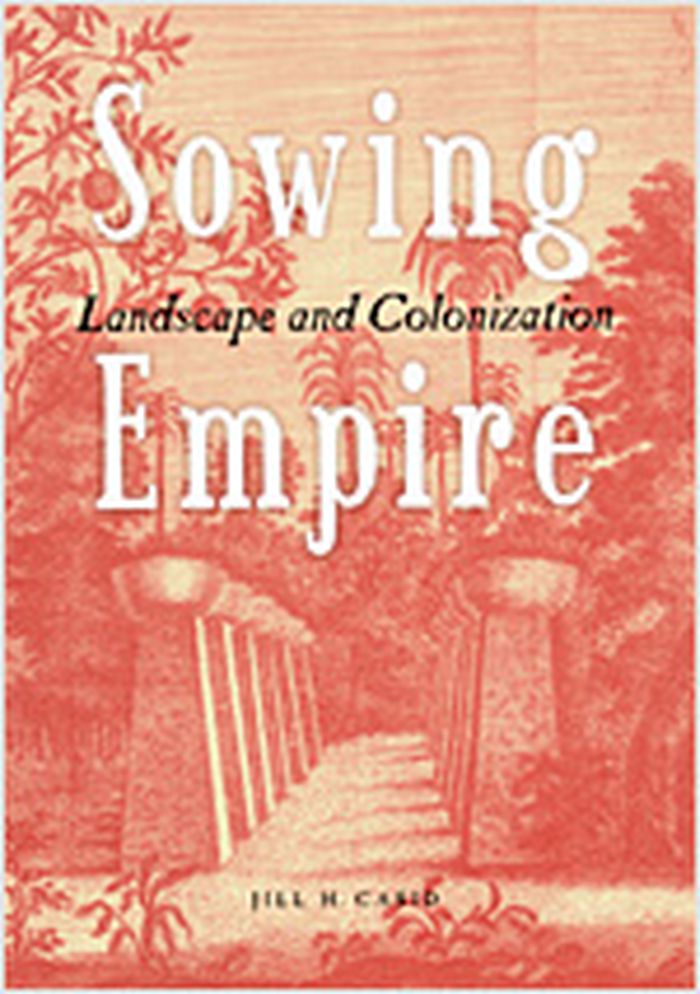
"Sowing Empire" identifies the cultivation and landscaping of colonies as one of the primary ways imperial nations justified their empires. Planting and transplanting, seeding and reshaping - the landscaping practices that emerged in the eighteenth century - are inextricable from the contested terrain of empire within which they operated. From the plantations of the “nabobs” to the island gardens of narrative fiction, from William Beckford’s estate at Fonthill to Marie Antoinette’s ornamented farm, "Sowing Empire" considers imperial relandscaping - its patriarchal organization, heterosexual reproduction, and slavery - and how it contributed to the construction of imperial power. At the same time, the book shows how these picturesque landscapes and sugar plantations contained within them the seeds of resistance - how, for instance, slave gardens and the Afro-Caribbean practice of Vodou threatened authority and created new possibilities for once again transforming the landscape. In an ambitious work of wide-ranging literary, visual, and historical allusion, Jill H. Casid examines how landscaping functioned in an imperial mode that defined and remade the “heartlands” of nations as well as the contact zones and colonial peripheries in the West and East Indies. Revealing the colonial landscape as far more than an agricultural system - as a means of regulating national, sexual, and gender identities - Casid also traces how the circulation of plants and hybridity influenced agriculture and landscaping on European soil and how colonial contacts materially shaped what we take as “European.” Utilizing a wide range of both visual and written sources - maps, literature, and travel writing - this book is interdisciplinary in its methodology and in its scope. Sowing Empire explores how postcolonial and queer studies can alter art history and visual studies and, in turn, what close attention to the visual may offer to both postcolonial theorizing and historically and materially based colonial cultural studies.
Sowing empire : landscape and colonization
Actions:
Prix:
$31.25
(disponible sur commande)
Résumé:
"Sowing Empire" identifies the cultivation and landscaping of colonies as one of the primary ways imperial nations justified their empires. Planting and transplanting, seeding and reshaping - the landscaping practices that emerged in the eighteenth century - are inextricable from the contested terrain of empire within which they operated. From the plantations of the “nabobs” to the island gardens of narrative fiction, from William Beckford’s estate at Fonthill to Marie Antoinette’s ornamented farm, "Sowing Empire" considers imperial relandscaping - its patriarchal organization, heterosexual reproduction, and slavery - and how it contributed to the construction of imperial power. At the same time, the book shows how these picturesque landscapes and sugar plantations contained within them the seeds of resistance - how, for instance, slave gardens and the Afro-Caribbean practice of Vodou threatened authority and created new possibilities for once again transforming the landscape. In an ambitious work of wide-ranging literary, visual, and historical allusion, Jill H. Casid examines how landscaping functioned in an imperial mode that defined and remade the “heartlands” of nations as well as the contact zones and colonial peripheries in the West and East Indies. Revealing the colonial landscape as far more than an agricultural system - as a means of regulating national, sexual, and gender identities - Casid also traces how the circulation of plants and hybridity influenced agriculture and landscaping on European soil and how colonial contacts materially shaped what we take as “European.” Utilizing a wide range of both visual and written sources - maps, literature, and travel writing - this book is interdisciplinary in its methodology and in its scope. Sowing Empire explores how postcolonial and queer studies can alter art history and visual studies and, in turn, what close attention to the visual may offer to both postcolonial theorizing and historically and materially based colonial cultural studies.
Classification:
livres
livres
Publication:
janvier 2005, Minneapolis
janvier 2005, Minneapolis
Sujet:
Théorie du paysage
Théorie du paysage
Classification:
livres
livres

Actions:
Prix:
$53.95
(disponible en magasin)
Résumé:
Some of the earliest canals in colonial America, referred to as the ''Inner Passage'', were constructed by enslaved people living in the Lowcountry of South Carolina in the early 1700s. In a paradox of history, for over a hundred years enslaved Black people used these canals, constructed for white plantation owners, to travel southward to freedom in Spanish Florida. In(...)
$53.95
(disponible en magasin)
Résumé:
Some of the earliest canals in colonial America, referred to as the ''Inner Passage'', were constructed by enslaved people living in the Lowcountry of South Carolina in the early 1700s. In a paradox of history, for over a hundred years enslaved Black people used these canals, constructed for white plantation owners, to travel southward to freedom in Spanish Florida. In(...)
Titre:
The inner passage: An Untold story of Black resistance along a southern waterway
Actions:
Prix:
$53.95
(disponible en magasin)
Résumé:
Some of the earliest canals in colonial America, referred to as the ''Inner Passage'', were constructed by enslaved people living in the Lowcountry of South Carolina in the early 1700s. In a paradox of history, for over a hundred years enslaved Black people used these canals, constructed for white plantation owners, to travel southward to freedom in Spanish Florida. In this book, Virginia McGee Richards documents the lost narrative of the ''Inner Passage'' through 60 extraordinary photographs of landscapes altered by slavery and portraits of Lowcountry descendants, along with an essay describing her discovery of this untold history. In an accompanying essay, Imani Perry writes about her own journey on the ''Inner Passage'', putting Black resistance to enslavement and Southern history into an immediate context. James Estrin brings decades of insight about photography and the power of visual storytelling to his affecting foreword. Together, these words and images offer a powerful living map of history.
The inner passage: An Untold story of Black resistance along a southern waterway
Actions:
Prix:
$53.95
(disponible en magasin)
Résumé:
Some of the earliest canals in colonial America, referred to as the ''Inner Passage'', were constructed by enslaved people living in the Lowcountry of South Carolina in the early 1700s. In a paradox of history, for over a hundred years enslaved Black people used these canals, constructed for white plantation owners, to travel southward to freedom in Spanish Florida. In this book, Virginia McGee Richards documents the lost narrative of the ''Inner Passage'' through 60 extraordinary photographs of landscapes altered by slavery and portraits of Lowcountry descendants, along with an essay describing her discovery of this untold history. In an accompanying essay, Imani Perry writes about her own journey on the ''Inner Passage'', putting Black resistance to enslavement and Southern history into an immediate context. James Estrin brings decades of insight about photography and the power of visual storytelling to his affecting foreword. Together, these words and images offer a powerful living map of history.
Classification:
livres
livres
Publication:
avril 2026
avril 2026
Sujet:
Théorie de l’art
Théorie de l’art
Classification:
livres
livres
Actions:
Prix:
$98.00
(disponible sur commande)
Résumé:
If you enter an institutional mineralogical collection, you typically encounter glass cabinets organized by classification systems according to material properties. Yet, each mineral carries with it a history of extraction, destruction, (dis)possession, and global relations. "Transpositional geologies" localizes such collections as indices of the afterlife of colonialism(...)
$98.00
(disponible sur commande)
Résumé:
If you enter an institutional mineralogical collection, you typically encounter glass cabinets organized by classification systems according to material properties. Yet, each mineral carries with it a history of extraction, destruction, (dis)possession, and global relations. "Transpositional geologies" localizes such collections as indices of the afterlife of colonialism(...)
Titre:
Transpositional geologies: Spectres of coloniality
Actions:
Prix:
$98.00
(disponible sur commande)
Résumé:
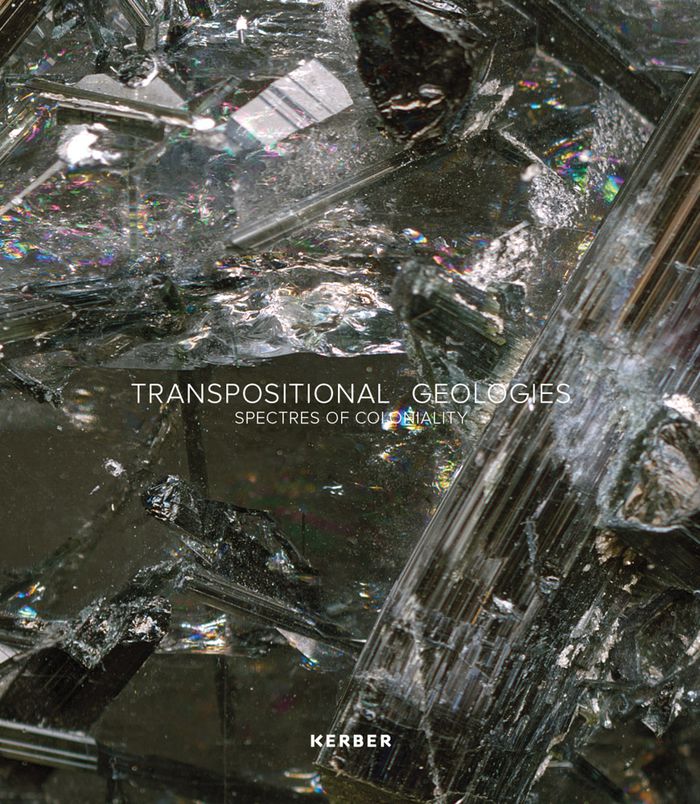
If you enter an institutional mineralogical collection, you typically encounter glass cabinets organized by classification systems according to material properties. Yet, each mineral carries with it a history of extraction, destruction, (dis)possession, and global relations. "Transpositional geologies" localizes such collections as indices of the afterlife of colonialism and proposes an evolving political geology, reading mineral specimens as objects of "culture" rather than of "nature." Capturing his five-year artistic engagement and cultural collaboration in Namibia and Germany, Sascha Mikloweit brings together international voices from fields including anthropology, critical theory, geology, history, museum studies, philosophy, poetry, public administration—and the perspectives of boltwoodite, cerussite, or smithsonite. Rock by rock, this exquisitely designed volume invites us to engage with a progressively nuanced reading of geology’s history: its epistemic violence, omissions and racial regimes, and how the lasting residues of its colonial legacies continue to shape our present-day extractive realities.
Transpositional geologies: Spectres of coloniality
Actions:
Prix:
$98.00
(disponible sur commande)
Résumé:
If you enter an institutional mineralogical collection, you typically encounter glass cabinets organized by classification systems according to material properties. Yet, each mineral carries with it a history of extraction, destruction, (dis)possession, and global relations. "Transpositional geologies" localizes such collections as indices of the afterlife of colonialism and proposes an evolving political geology, reading mineral specimens as objects of "culture" rather than of "nature." Capturing his five-year artistic engagement and cultural collaboration in Namibia and Germany, Sascha Mikloweit brings together international voices from fields including anthropology, critical theory, geology, history, museum studies, philosophy, poetry, public administration—and the perspectives of boltwoodite, cerussite, or smithsonite. Rock by rock, this exquisitely designed volume invites us to engage with a progressively nuanced reading of geology’s history: its epistemic violence, omissions and racial regimes, and how the lasting residues of its colonial legacies continue to shape our present-day extractive realities.
Classification:
livres
livres
Publication:
août 2025
août 2025
Sujet:
Théorie de l’art
Théorie de l’art
Classification:
livres
livres
Actions:
Prix:
$62.50
(disponible sur commande)
Résumé:
This illustrated book documents the history, preservation, and present uses of Havana’s most important buildings and urban spaces. Interpreting the present in light of the past, eleven renowned architects, historians, scholars, preservationists, and urban planners in Cuba and the United States provide a rigorous examination of Havana old and new that provokes(...)
$62.50
(disponible sur commande)
Résumé:
This illustrated book documents the history, preservation, and present uses of Havana’s most important buildings and urban spaces. Interpreting the present in light of the past, eleven renowned architects, historians, scholars, preservationists, and urban planners in Cuba and the United States provide a rigorous examination of Havana old and new that provokes(...)
Titre:
Havana revisited: an architectural heritage
Actions:
Prix:
$62.50
(disponible sur commande)
Résumé:
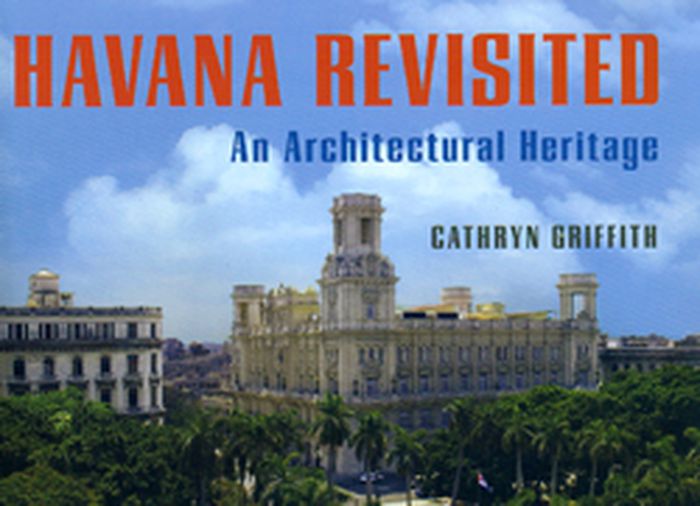
This illustrated book documents the history, preservation, and present uses of Havana’s most important buildings and urban spaces. Interpreting the present in light of the past, eleven renowned architects, historians, scholars, preservationists, and urban planners in Cuba and the United States provide a rigorous examination of Havana old and new that provokes exploration of the ways we look at all cities. These authoritative policy makers and thinkers raise issues of how the most important city in Spanish colonial America developed and changed over several centuries and the extent to which it is being restored and preserved today.
Havana revisited: an architectural heritage
Actions:
Prix:
$62.50
(disponible sur commande)
Résumé:
This illustrated book documents the history, preservation, and present uses of Havana’s most important buildings and urban spaces. Interpreting the present in light of the past, eleven renowned architects, historians, scholars, preservationists, and urban planners in Cuba and the United States provide a rigorous examination of Havana old and new that provokes exploration of the ways we look at all cities. These authoritative policy makers and thinkers raise issues of how the most important city in Spanish colonial America developed and changed over several centuries and the extent to which it is being restored and preserved today.
Classification:
livres
livres
Publication:
avril 2010
avril 2010
Sujet:
Arch Moyen-Orient
Arch Moyen-Orient
Classification:
livres
livres
Actions:
Prix:
$44.95
(disponible sur commande)
Résumé:
In this anthropological history, Mary E. Hancock examines the politics of public memory in the southern Indian city of Chennai. Once a colonial port, Chennai is now poised to become a centre for India's "new economy" of information technology, export processing, and back-office services. State and local governments promote tourism and a heritage-conscious cityscape to(...)
$44.95
(disponible sur commande)
Résumé:
In this anthropological history, Mary E. Hancock examines the politics of public memory in the southern Indian city of Chennai. Once a colonial port, Chennai is now poised to become a centre for India's "new economy" of information technology, export processing, and back-office services. State and local governments promote tourism and a heritage-conscious cityscape to(...)
Sujet:
Arch Moyen-Orient
Arch Moyen-Orient
Publication:
décembre 2008, Bloomington, Indianapolis
décembre 2008, Bloomington, Indianapolis
Titre:
The politics of heritage from Madras to Chennai
Actions:
Prix:
$44.95
(disponible sur commande)
Résumé:
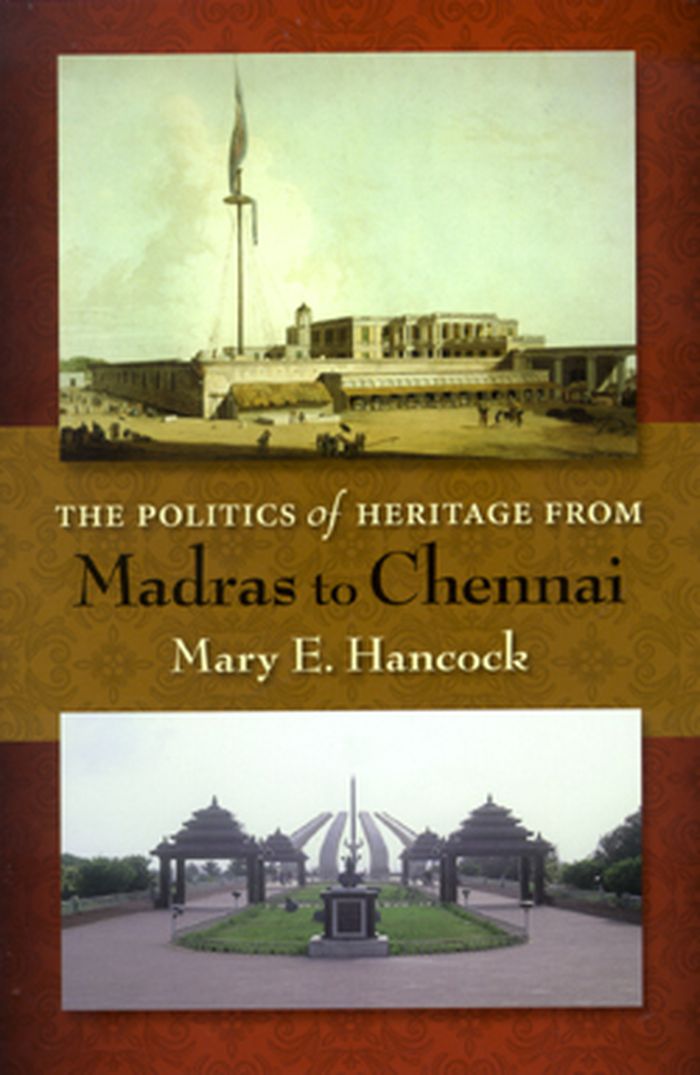
In this anthropological history, Mary E. Hancock examines the politics of public memory in the southern Indian city of Chennai. Once a colonial port, Chennai is now poised to become a centre for India's "new economy" of information technology, export processing, and back-office services. State and local governments promote tourism and a heritage-conscious cityscape to make Chennai a recognizable "brand" among investment and travel destinations. Using a range of textual, visual, architectural, and ethnographic sources, Hancock grapples with the question of how people in Chennai remember and represent their past, considering the political and economic contexts and implications of those memory practices. Working from specific sites, including a historic district created around an ancient Hindu temple, a living history museum, neo-traditional and vernacular architecture, and political memorials, Hancock examines the spatialization of memory under the conditions of neo-liberalism.
The politics of heritage from Madras to Chennai
Actions:
Prix:
$44.95
(disponible sur commande)
Résumé:
In this anthropological history, Mary E. Hancock examines the politics of public memory in the southern Indian city of Chennai. Once a colonial port, Chennai is now poised to become a centre for India's "new economy" of information technology, export processing, and back-office services. State and local governments promote tourism and a heritage-conscious cityscape to make Chennai a recognizable "brand" among investment and travel destinations. Using a range of textual, visual, architectural, and ethnographic sources, Hancock grapples with the question of how people in Chennai remember and represent their past, considering the political and economic contexts and implications of those memory practices. Working from specific sites, including a historic district created around an ancient Hindu temple, a living history museum, neo-traditional and vernacular architecture, and political memorials, Hancock examines the spatialization of memory under the conditions of neo-liberalism.
Classification:
livres
livres
Publication:
décembre 2008, Bloomington, Indianapolis
décembre 2008, Bloomington, Indianapolis
Sujet:
Arch Moyen-Orient
Arch Moyen-Orient


