


650 Résultats
Classification:
expositions
expositions
Actions:
Description:
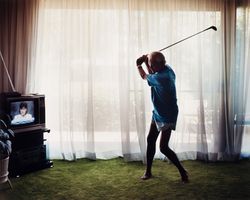
Nous tendons aujourd’hui à percevoir les banlieues comme informes, vacantes ou non durables, comparées à la densité sociale et à l’activité économique des villes. Sur les traces de… The Suburbs se penche sur la culture suburbaine des cinquante dernières années et présente des images tirées de la Collection du CCA, réalisés par des photographes à la fois attirés et rebutés(...)
Nous tendons aujourd’hui à percevoir les banlieues comme informes, vacantes ou non durables, comparées à la densité sociale et à l’activité économique des villes. Sur les traces de… The Suburbs se penche sur la culture suburbaine des cinquante dernières années et présente des images tirées de la Collection du CCA, réalisés par des photographes à la fois attirés et rebutés(...)
Localisation:
Vitrines
Vitrines
Date:
16 février 2012 au 10 juin 2012
16 février 2012 au 10 juin 2012
Titre:
Sur les traces de… The Suburbs
Actions:
Description:
Nous tendons aujourd’hui à percevoir les banlieues comme informes, vacantes ou non durables, comparées à la densité sociale et à l’activité économique des villes. Sur les traces de… The Suburbs se penche sur la culture suburbaine des cinquante dernières années et présente des images tirées de la Collection du CCA, réalisés par des photographes à la fois attirés et rebutés(...)
Sur les traces de… The Suburbs
Actions:
Description:
Nous tendons aujourd’hui à percevoir les banlieues comme informes, vacantes ou non durables, comparées à la densité sociale et à l’activité économique des villes. Sur les traces de… The Suburbs se penche sur la culture suburbaine des cinquante dernières années et présente des images tirées de la Collection du CCA, réalisés par des photographes à la fois attirés et rebutés(...)
Classification:
expositions
expositions
Date:
16 février 2012 au
10 juin 2012
16 février 2012 au
10 juin 2012
Localisation:
Vitrines
Vitrines
Classification:
expositions
expositions
Titre:
Nouvelles entrées
Nouvelles entrées
Actions:
Description:
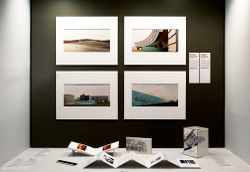
Une exposition de dons à la collection reçus à l’occasion du 80e anniversaire de son directeur fondateur, Phyllis Lambert, Nouvelles entrées comprend des oeuvres originales de photographes et artistes réputés, maniant le langage de la photographie, tels Dieter Appelt, Robert Burley, Edward Burtynsky, Giovanni Chiaramonte, Thomas Florschuetz, John Gossage, Gordon(...)
Une exposition de dons à la collection reçus à l’occasion du 80e anniversaire de son directeur fondateur, Phyllis Lambert, Nouvelles entrées comprend des oeuvres originales de photographes et artistes réputés, maniant le langage de la photographie, tels Dieter Appelt, Robert Burley, Edward Burtynsky, Giovanni Chiaramonte, Thomas Florschuetz, John Gossage, Gordon(...)
Localisation:
Vitrines
Vitrines
Date:
24 janvier 2008 au 23 mars 2008
24 janvier 2008 au 23 mars 2008
Titre:
Nouvelles entrées
Actions:
Description:
Une exposition de dons à la collection reçus à l’occasion du 80e anniversaire de son directeur fondateur, Phyllis Lambert, Nouvelles entrées comprend des oeuvres originales de photographes et artistes réputés, maniant le langage de la photographie, tels Dieter Appelt, Robert Burley, Edward Burtynsky, Giovanni Chiaramonte, Thomas Florschuetz, John Gossage, Gordon(...)
Nouvelles entrées
Actions:
Description:
Une exposition de dons à la collection reçus à l’occasion du 80e anniversaire de son directeur fondateur, Phyllis Lambert, Nouvelles entrées comprend des oeuvres originales de photographes et artistes réputés, maniant le langage de la photographie, tels Dieter Appelt, Robert Burley, Edward Burtynsky, Giovanni Chiaramonte, Thomas Florschuetz, John Gossage, Gordon(...)
Classification:
expositions
expositions
Date:
24 janvier 2008 au
23 mars 2008
24 janvier 2008 au
23 mars 2008
Localisation:
Vitrines
Vitrines
Classification:
recherche
recherche
Actions:
Description:
Subventions de recherche Groupe Banque TD dans la collection du CCA : José Aragüez (Princeton University, Graduate School of Architecture); Britt Eversole (Princeton University, Graduate School of Architecture); Michael Kubo (Massachusetts Institute of Technology); Peter Minosh (Columbia University, Graduate School of Architecture, Planning and Preservation); Bryan(...)
Subventions de recherche Groupe Banque TD dans la collection du CCA : José Aragüez (Princeton University, Graduate School of Architecture); Britt Eversole (Princeton University, Graduate School of Architecture); Michael Kubo (Massachusetts Institute of Technology); Peter Minosh (Columbia University, Graduate School of Architecture, Planning and Preservation); Bryan(...)
Date:
juin 2013 au août 2013
juin 2013 au août 2013
Titre:
Programme pour les doctorants 2013
Actions:
Description:
Subventions de recherche Groupe Banque TD dans la collection du CCA : José Aragüez (Princeton University, Graduate School of Architecture); Britt Eversole (Princeton University, Graduate School of Architecture); Michael Kubo (Massachusetts Institute of Technology); Peter Minosh (Columbia University, Graduate School of Architecture, Planning and Preservation); Bryan(...)
Programme pour les doctorants 2013
Actions:
Description:
Subventions de recherche Groupe Banque TD dans la collection du CCA : José Aragüez (Princeton University, Graduate School of Architecture); Britt Eversole (Princeton University, Graduate School of Architecture); Michael Kubo (Massachusetts Institute of Technology); Peter Minosh (Columbia University, Graduate School of Architecture, Planning and Preservation); Bryan(...)
Classification:
recherche
recherche
Date:
juin 2013 au
août 2013
juin 2013 au
août 2013
Classification:
recherche
recherche
Actions:
Description:
Subventions de recherche Groupe Banque TD dans la collection du CCA : {: .info } Alma Mikulinsky (University of Toronto); Inhye Kang (McGill University); Nicholas Roquet (McGill University); Leila Farah (McGill University); Deborah J. Watt (University of British Columbia); Nancy Cuthbert (University of Victoria); Dana Broadbent (McGill University); Carole Lévesque(...)
Subventions de recherche Groupe Banque TD dans la collection du CCA : {: .info } Alma Mikulinsky (University of Toronto); Inhye Kang (McGill University); Nicholas Roquet (McGill University); Leila Farah (McGill University); Deborah J. Watt (University of British Columbia); Nancy Cuthbert (University of Victoria); Dana Broadbent (McGill University); Carole Lévesque(...)
Date:
janvier 2007 au novembre 2007
janvier 2007 au novembre 2007
Titre:
Programme pour les doctorants 2007
Actions:
Description:
Subventions de recherche Groupe Banque TD dans la collection du CCA : {: .info } Alma Mikulinsky (University of Toronto); Inhye Kang (McGill University); Nicholas Roquet (McGill University); Leila Farah (McGill University); Deborah J. Watt (University of British Columbia); Nancy Cuthbert (University of Victoria); Dana Broadbent (McGill University); Carole Lévesque(...)
Programme pour les doctorants 2007
Actions:
Description:
Subventions de recherche Groupe Banque TD dans la collection du CCA : {: .info } Alma Mikulinsky (University of Toronto); Inhye Kang (McGill University); Nicholas Roquet (McGill University); Leila Farah (McGill University); Deborah J. Watt (University of British Columbia); Nancy Cuthbert (University of Victoria); Dana Broadbent (McGill University); Carole Lévesque(...)
Classification:
recherche
recherche
Date:
janvier 2007 au
novembre 2007
janvier 2007 au
novembre 2007
Classification:
expositions
expositions
Titre:
Sur les traces de… fenêtres
Sur les traces de… fenêtres
Actions:
Description:
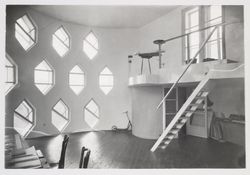
Une fenêtre peut être un vide, une ouverture ou devenir une surface de verre. Placées aux frontières de l’intérieur et de l’extérieur, les fenêtres permettent à la lumière et à l’air d’entrer, et cadrent les vues. L’idée de fenêtre, combinée aux avancées dans les domaines du verre et des matériaux de construction, devient centrale dans l’expérimentation architecturale au(...)
Une fenêtre peut être un vide, une ouverture ou devenir une surface de verre. Placées aux frontières de l’intérieur et de l’extérieur, les fenêtres permettent à la lumière et à l’air d’entrer, et cadrent les vues. L’idée de fenêtre, combinée aux avancées dans les domaines du verre et des matériaux de construction, devient centrale dans l’expérimentation architecturale au(...)
Localisation:
Vitrines
Vitrines
Date:
17 juin 2010 au 27 septembre 2010
17 juin 2010 au 27 septembre 2010
Titre:
Sur les traces de… fenêtres
Actions:
Description:
Une fenêtre peut être un vide, une ouverture ou devenir une surface de verre. Placées aux frontières de l’intérieur et de l’extérieur, les fenêtres permettent à la lumière et à l’air d’entrer, et cadrent les vues. L’idée de fenêtre, combinée aux avancées dans les domaines du verre et des matériaux de construction, devient centrale dans l’expérimentation architecturale au(...)
Sur les traces de… fenêtres
Actions:
Description:
Une fenêtre peut être un vide, une ouverture ou devenir une surface de verre. Placées aux frontières de l’intérieur et de l’extérieur, les fenêtres permettent à la lumière et à l’air d’entrer, et cadrent les vues. L’idée de fenêtre, combinée aux avancées dans les domaines du verre et des matériaux de construction, devient centrale dans l’expérimentation architecturale au(...)
Classification:
expositions
expositions
Date:
17 juin 2010 au
27 septembre 2010
17 juin 2010 au
27 septembre 2010
Localisation:
Vitrines
Vitrines
Classification:
expositions
expositions
Description:
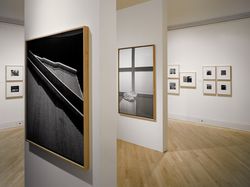
Richard Pare – Tadao Ando : les couleurs de la lumière examine le rapport entre le travail de l’architecte japonais Tadao Ando, un des principaux partisans du nouveau sens poétique dans l’architecture de notre époque, et les œuvres du photographe britannique Richard Pare, qui a été parmi les premiers à étudier la question du rôle de la photographie dans la représentation(...)
Richard Pare – Tadao Ando : les couleurs de la lumière examine le rapport entre le travail de l’architecte japonais Tadao Ando, un des principaux partisans du nouveau sens poétique dans l’architecture de notre époque, et les œuvres du photographe britannique Richard Pare, qui a été parmi les premiers à étudier la question du rôle de la photographie dans la représentation(...)
Localisation:
Salle octogonale
Salle octogonale
Date:
26 mars 1997 au 1 juin 1997
26 mars 1997 au 1 juin 1997
Titre:
Richard Pare – Tadao Ando : les couleurs de la lumière
Actions:
Description:
Richard Pare – Tadao Ando : les couleurs de la lumière examine le rapport entre le travail de l’architecte japonais Tadao Ando, un des principaux partisans du nouveau sens poétique dans l’architecture de notre époque, et les œuvres du photographe britannique Richard Pare, qui a été parmi les premiers à étudier la question du rôle de la photographie dans la représentation(...)
Richard Pare – Tadao Ando : les couleurs de la lumière
Actions:
Description:
Richard Pare – Tadao Ando : les couleurs de la lumière examine le rapport entre le travail de l’architecte japonais Tadao Ando, un des principaux partisans du nouveau sens poétique dans l’architecture de notre époque, et les œuvres du photographe britannique Richard Pare, qui a été parmi les premiers à étudier la question du rôle de la photographie dans la représentation(...)
Classification:
expositions
expositions
Date:
26 mars 1997 au
1 juin 1997
26 mars 1997 au
1 juin 1997
Localisation:
Salle octogonale
Salle octogonale
Classification:
événements
événements
Actions:
Localisation:
Maison Shaughnessy Mot(s)-clé(s):
chercheur en résidence 2022, séminaire, recherche, Desirée Valadares, infrastructure, chemin de fer, autoroute, histoire coloniale
Maison Shaughnessy Mot(s)-clé(s):
chercheur en résidence 2022, séminaire, recherche, Desirée Valadares, infrastructure, chemin de fer, autoroute, histoire coloniale
Date:
10 novembre 2022, 18h
10 novembre 2022, 18h
Classification:
événements
événements
Date:
10 novembre 2022
18h
10 novembre 2022
18h
Localisation:
Maison Shaughnessy Mot(s)-clé(s):
chercheur en résidence 2022, séminaire, recherche, Desirée Valadares, infrastructure, chemin de fer, autoroute, histoire coloniale
Maison Shaughnessy Mot(s)-clé(s):
chercheur en résidence 2022, séminaire, recherche, Desirée Valadares, infrastructure, chemin de fer, autoroute, histoire coloniale
Classification:
dessins
dessins
Actions:
Numéro de référence:
DR1996:0001
Description:
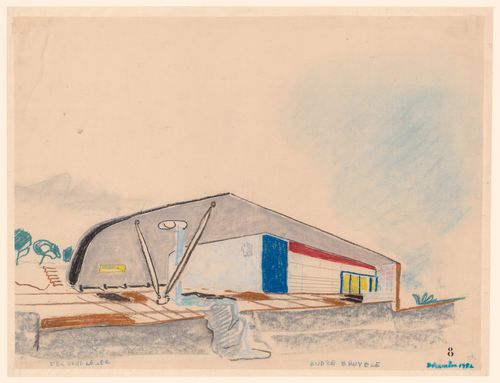
- Two groups of four pastel drawings were originally produced in connection with the Village Polychrome project. The architect André Bruyère had retained one group, while the other was given to the patron and client, Francisco de Assis Chateaubriand Bandeira de Melo, who then donated it to the Sao Paolo Museum of Modern Art. Bruyère subsequently gave one of the four drawings in his group to a friend. The three remaining drawings from Bruyère's group are in the CCA Prints and Drawings collection (DR1996:0001 - DR1996:0003) ("Projet de Village Polychrome, Biot, France").
DR1996:0001
Description:
- Two groups of four pastel drawings were originally produced in connection with the Village Polychrome project. The architect André Bruyère had retained one group, while the other was given to the patron and client, Francisco de Assis Chateaubriand Bandeira de Melo, who then donated it to the Sao Paolo Museum of Modern Art. Bruyère subsequently gave one of the four drawings in his group to a friend. The three remaining drawings from Bruyère's group are in the CCA Prints and Drawings collection (DR1996:0001 - DR1996:0003) ("Projet de Village Polychrome, Biot, France").
Personnes et institutions:
Sujet:
architecture
architecture
Date:
December 1952
December 1952
Titre:
Perspective for a guest villa showing the terrace and the principal and lateral façades, Village Polychrome, near Biot, France
Actions:
DR1996:0001
Description:
- Two groups of four pastel drawings were originally produced in connection with the Village Polychrome project. The architect André Bruyère had retained one group, while the other was given to the patron and client, Francisco de Assis Chateaubriand Bandeira de Melo, who then donated it to the Sao Paolo Museum of Modern Art. Bruyère subsequently gave one of the four drawings in his group to a friend. The three remaining drawings from Bruyère's group are in the CCA Prints and Drawings collection (DR1996:0001 - DR1996:0003) ("Projet de Village Polychrome, Biot, France").
Perspective for a guest villa showing the terrace and the principal and lateral façades, Village Polychrome, near Biot, France
Actions:
DR1996:0001
Description:
- Two groups of four pastel drawings were originally produced in connection with the Village Polychrome project. The architect André Bruyère had retained one group, while the other was given to the patron and client, Francisco de Assis Chateaubriand Bandeira de Melo, who then donated it to the Sao Paolo Museum of Modern Art. Bruyère subsequently gave one of the four drawings in his group to a friend. The three remaining drawings from Bruyère's group are in the CCA Prints and Drawings collection (DR1996:0001 - DR1996:0003) ("Projet de Village Polychrome, Biot, France").
Classification:
dessins
dessins
Date:
December 1952
December 1952
Personnes et institutions:
Sujet:
architecture
architecture
Classification:
dessins
dessins
Actions:
Numéro de référence:
DR1996:0003
Description:
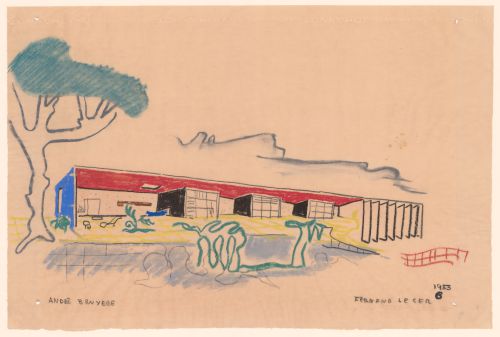
- Two groups of four pastel drawings were originally produced in connection with the Village Polychrome project. The architect André Bruyère had retained one group, while the other was given to the patron and client, Francisco de Assis Chateaubriand Bandeira de Melo, who then donated it to the Sao Paolo Museum of Modern Art. Bruyère subsequently gave one of the four drawings in his group to a friend. The three remaining drawings from Bruyère's group are in the CCA Prints and Drawings collection (DR1996:0001 - DR1996:0003) ("Projet de Village Polychrome, Biot, France").
DR1996:0003
Description:
- Two groups of four pastel drawings were originally produced in connection with the Village Polychrome project. The architect André Bruyère had retained one group, while the other was given to the patron and client, Francisco de Assis Chateaubriand Bandeira de Melo, who then donated it to the Sao Paolo Museum of Modern Art. Bruyère subsequently gave one of the four drawings in his group to a friend. The three remaining drawings from Bruyère's group are in the CCA Prints and Drawings collection (DR1996:0001 - DR1996:0003) ("Projet de Village Polychrome, Biot, France").
Personnes et institutions:
Sujet:
architecture, urbanisme
architecture, urbanisme
Date:
1953
1953
Titre:
Perspective for a villa with three workshops, Village Polychrome, near Biot, France
Actions:
DR1996:0003
Description:
- Two groups of four pastel drawings were originally produced in connection with the Village Polychrome project. The architect André Bruyère had retained one group, while the other was given to the patron and client, Francisco de Assis Chateaubriand Bandeira de Melo, who then donated it to the Sao Paolo Museum of Modern Art. Bruyère subsequently gave one of the four drawings in his group to a friend. The three remaining drawings from Bruyère's group are in the CCA Prints and Drawings collection (DR1996:0001 - DR1996:0003) ("Projet de Village Polychrome, Biot, France").
Perspective for a villa with three workshops, Village Polychrome, near Biot, France
Actions:
DR1996:0003
Description:
- Two groups of four pastel drawings were originally produced in connection with the Village Polychrome project. The architect André Bruyère had retained one group, while the other was given to the patron and client, Francisco de Assis Chateaubriand Bandeira de Melo, who then donated it to the Sao Paolo Museum of Modern Art. Bruyère subsequently gave one of the four drawings in his group to a friend. The three remaining drawings from Bruyère's group are in the CCA Prints and Drawings collection (DR1996:0001 - DR1996:0003) ("Projet de Village Polychrome, Biot, France").
Classification:
dessins
dessins
Date:
1953
1953
Personnes et institutions:
Sujet:
architecture, urbanisme
architecture, urbanisme
Classification:
dessins
dessins
Actions:
Numéro de référence:
DR1996:0004
Description:
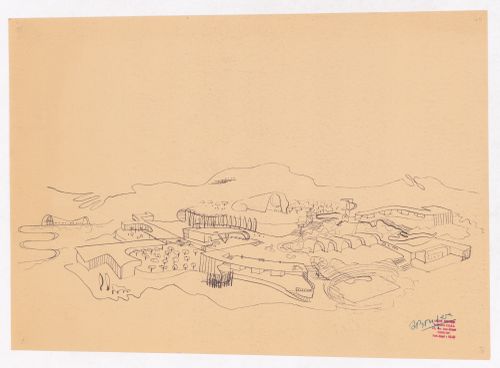
- Two groups of four pastel drawings were originally produced in connection with the Village Polychrome project. The architect André Bruyère had retained one group, while the other was given to the patron and client, Francisco de Assis Chateaubriand Bandeira de Melo, who then donated it to the Sao Paolo Museum of Modern Art. Bruyère subsequently gave one of the four drawings in his group to a friend. The three remaining drawings from Bruyère's group are in the CCA Prints and Drawings collection (DR1996:0001 - DR1996:0003) ("Projet de Village Polychrome, Biot, France").
DR1996:0004
Description:
- Two groups of four pastel drawings were originally produced in connection with the Village Polychrome project. The architect André Bruyère had retained one group, while the other was given to the patron and client, Francisco de Assis Chateaubriand Bandeira de Melo, who then donated it to the Sao Paolo Museum of Modern Art. Bruyère subsequently gave one of the four drawings in his group to a friend. The three remaining drawings from Bruyère's group are in the CCA Prints and Drawings collection (DR1996:0001 - DR1996:0003) ("Projet de Village Polychrome, Biot, France").
Personnes et institutions:
Sujet:
architecture, urbanisme
architecture, urbanisme
Date:
1952-1953
1952-1953
Titre:
Bird's-eye perspective for Village Polychrome, near Biot, France
Actions:
DR1996:0004
Description:
- Two groups of four pastel drawings were originally produced in connection with the Village Polychrome project. The architect André Bruyère had retained one group, while the other was given to the patron and client, Francisco de Assis Chateaubriand Bandeira de Melo, who then donated it to the Sao Paolo Museum of Modern Art. Bruyère subsequently gave one of the four drawings in his group to a friend. The three remaining drawings from Bruyère's group are in the CCA Prints and Drawings collection (DR1996:0001 - DR1996:0003) ("Projet de Village Polychrome, Biot, France").
Bird's-eye perspective for Village Polychrome, near Biot, France
Actions:
DR1996:0004
Description:
- Two groups of four pastel drawings were originally produced in connection with the Village Polychrome project. The architect André Bruyère had retained one group, while the other was given to the patron and client, Francisco de Assis Chateaubriand Bandeira de Melo, who then donated it to the Sao Paolo Museum of Modern Art. Bruyère subsequently gave one of the four drawings in his group to a friend. The three remaining drawings from Bruyère's group are in the CCA Prints and Drawings collection (DR1996:0001 - DR1996:0003) ("Projet de Village Polychrome, Biot, France").
Classification:
dessins
dessins
Date:
1952-1953
1952-1953
Personnes et institutions:
Sujet:
architecture, urbanisme
architecture, urbanisme


