


629 Résultats
Classification:
documents textuels
documents textuels

Numéro de référence:
ARCH401106
ARCH401106
Personnes et institutions:
Date:
circa 1983
circa 1983
Classification:
documents textuels
documents textuels
Date:
circa 1983
circa 1983
Personnes et institutions:
Classification:
documents textuels
documents textuels
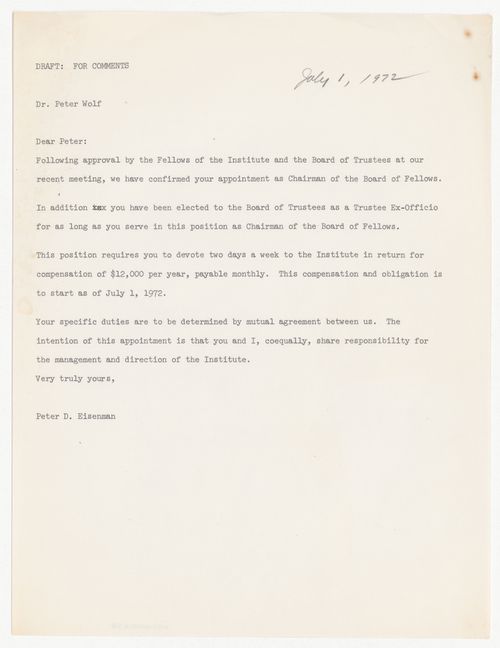
Numéro de référence:
ARCH401258
ARCH401258
Personnes et institutions:
Date:
1 July 1972
1 July 1972
Classification:
documents textuels
documents textuels
Date:
1 July 1972
1 July 1972
Personnes et institutions:
Classification:
recherche
recherche
Actions:
Localisation:
en ligne Mot(s)-clé(s):
programme de bourses de recherche virtuelle, brésil, autochtone
en ligne Mot(s)-clé(s):
programme de bourses de recherche virtuelle, brésil, autochtone
Date:
9 décembre, 16h30
9 décembre, 16h30
Classification:
recherche
recherche
Date:
9 décembre
16h30
9 décembre
16h30
Localisation:
en ligne Mot(s)-clé(s):
programme de bourses de recherche virtuelle, brésil, autochtone
en ligne Mot(s)-clé(s):
programme de bourses de recherche virtuelle, brésil, autochtone
Classification:
documents textuels
documents textuels
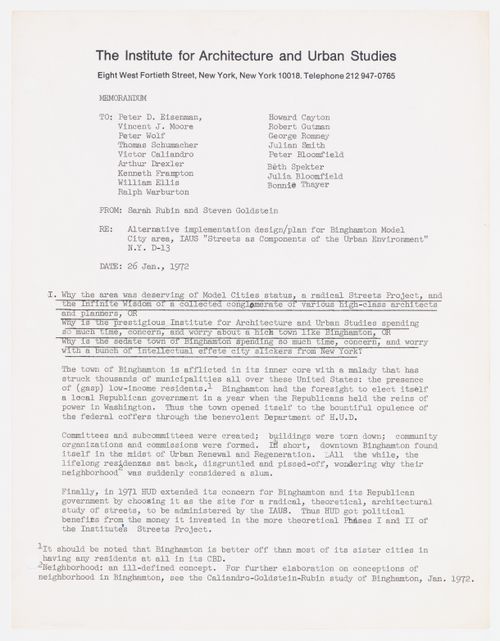
Numéro de référence:
ARCH272394
ARCH272394
Personnes et institutions:
Date:
26 January 1972
26 January 1972
Classification:
documents textuels
documents textuels
Date:
26 January 1972
26 January 1972
Personnes et institutions:
Classification:
événements
événements
Titre:
Quand notre abri nous expose
Quand notre abri nous expose
Actions:
Description:
Les résines à base de formol qui composent le bois pressé sont un agent ignoré, mais pourtant fondamental, du foyer nord-américain et de son imaginaire au milieu du XXe siècle. Irritant, allergène, neurotoxine et carcinogène, le formol sous-tend plusieurs aspects du confort, de la sécurité et de l’accessibilité de la maison moderne. Dans cette conférence, Nicholas(...)
Les résines à base de formol qui composent le bois pressé sont un agent ignoré, mais pourtant fondamental, du foyer nord-américain et de son imaginaire au milieu du XXe siècle. Irritant, allergène, neurotoxine et carcinogène, le formol sous-tend plusieurs aspects du confort, de la sécurité et de l’accessibilité de la maison moderne. Dans cette conférence, Nicholas(...)
Date:
9 mars 2017
9 mars 2017
Titre:
Quand notre abri nous expose
Actions:
Description:
Les résines à base de formol qui composent le bois pressé sont un agent ignoré, mais pourtant fondamental, du foyer nord-américain et de son imaginaire au milieu du XXe siècle. Irritant, allergène, neurotoxine et carcinogène, le formol sous-tend plusieurs aspects du confort, de la sécurité et de l’accessibilité de la maison moderne. Dans cette conférence, Nicholas(...)
Quand notre abri nous expose
Actions:
Description:
Les résines à base de formol qui composent le bois pressé sont un agent ignoré, mais pourtant fondamental, du foyer nord-américain et de son imaginaire au milieu du XXe siècle. Irritant, allergène, neurotoxine et carcinogène, le formol sous-tend plusieurs aspects du confort, de la sécurité et de l’accessibilité de la maison moderne. Dans cette conférence, Nicholas(...)
Classification:
événements
événements
Date:
9 mars 2017
9 mars 2017
Niveau de description archivistique:
Projet
Projet
Actions:
Numéro de référence:
CI005.S1.1936.PR2
Description:
The competition for the design of the new Amsterdam Town Hall was held in 1936 and overseen by several jurists. Oud's submission was disappointing as his entry was criticized by a fellow jurist and he was not among the four finalist who were selected to modify their plans. Oud's entry in 1937 featured a court surrounded by three office wings, another office wing for the council chamber and a formal main entrance, as well as a tower in the courtyard (Taverne et al. 2001, 409-410). Project series includes photographs of plans for Oud's competition entry for the Amsterdam Town Hall.
CI005.S1.1936.PR2
Description:
The competition for the design of the new Amsterdam Town Hall was held in 1936 and overseen by several jurists. Oud's submission was disappointing as his entry was criticized by a fellow jurist and he was not among the four finalist who were selected to modify their plans. Oud's entry in 1937 featured a court surrounded by three office wings, another office wing for the council chamber and a formal main entrance, as well as a tower in the courtyard (Taverne et al. 2001, 409-410). Project series includes photographs of plans for Oud's competition entry for the Amsterdam Town Hall.
Personnes et institutions:
Date:
1936-1937
1936-1937
Titre:
Competition Design for the Amsterdam Town Hall, Amsterdam, Netherlands (1936-1937)
Actions:
CI005.S1.1936.PR2
Description:
The competition for the design of the new Amsterdam Town Hall was held in 1936 and overseen by several jurists. Oud's submission was disappointing as his entry was criticized by a fellow jurist and he was not among the four finalist who were selected to modify their plans. Oud's entry in 1937 featured a court surrounded by three office wings, another office wing for the council chamber and a formal main entrance, as well as a tower in the courtyard (Taverne et al. 2001, 409-410). Project series includes photographs of plans for Oud's competition entry for the Amsterdam Town Hall.
Competition Design for the Amsterdam Town Hall, Amsterdam, Netherlands (1936-1937)
Actions:
CI005.S1.1936.PR2
Description:
The competition for the design of the new Amsterdam Town Hall was held in 1936 and overseen by several jurists. Oud's submission was disappointing as his entry was criticized by a fellow jurist and he was not among the four finalist who were selected to modify their plans. Oud's entry in 1937 featured a court surrounded by three office wings, another office wing for the council chamber and a formal main entrance, as well as a tower in the courtyard (Taverne et al. 2001, 409-410). Project series includes photographs of plans for Oud's competition entry for the Amsterdam Town Hall.
Niveau de description archivistique:
project
project
Date:
1936-1937
1936-1937
Personnes et institutions:
Classification:
événements
événements

Actions:
Localisation:
en ligne Mot(s)-clé(s):
research fellows 2021, joseph clarke, acoustique, travail d'équipe, bureaux
en ligne Mot(s)-clé(s):
research fellows 2021, joseph clarke, acoustique, travail d'équipe, bureaux
Date:
26 août 2021, 14h
26 août 2021, 14h
Classification:
événements
événements
Date:
26 août 2021
14h
26 août 2021
14h
Localisation:
en ligne Mot(s)-clé(s):
research fellows 2021, joseph clarke, acoustique, travail d'équipe, bureaux
en ligne Mot(s)-clé(s):
research fellows 2021, joseph clarke, acoustique, travail d'équipe, bureaux
Classification:
expositions
expositions
Titre:
Everlasting (Sans trêve)
Everlasting (Sans trêve)
Actions:
Description:
Un court-métrage de l’artiste multidisciplinaire Haudenosaunee Iako’tsi:rareh Amanda Lickers, récipiendaire de la bourse de recherche-création pour les chercheurs autochtones travaillant sur la restitution des terres 2023-2024 du CCA.
Un court-métrage de l’artiste multidisciplinaire Haudenosaunee Iako’tsi:rareh Amanda Lickers, récipiendaire de la bourse de recherche-création pour les chercheurs autochtones travaillant sur la restitution des terres 2023-2024 du CCA.
Localisation:
Maison Shaughnessy
Maison Shaughnessy
Date:
25 septembre 2025 au 8 novembre 2026
25 septembre 2025 au 8 novembre 2026
Titre:
Everlasting (Sans trêve)
Actions:
Description:
Un court-métrage de l’artiste multidisciplinaire Haudenosaunee Iako’tsi:rareh Amanda Lickers, récipiendaire de la bourse de recherche-création pour les chercheurs autochtones travaillant sur la restitution des terres 2023-2024 du CCA.
Everlasting (Sans trêve)
Actions:
Description:
Un court-métrage de l’artiste multidisciplinaire Haudenosaunee Iako’tsi:rareh Amanda Lickers, récipiendaire de la bourse de recherche-création pour les chercheurs autochtones travaillant sur la restitution des terres 2023-2024 du CCA.
Classification:
expositions
expositions
Date:
25 septembre 2025 au
8 novembre 2026
25 septembre 2025 au
8 novembre 2026
Localisation:
Maison Shaughnessy
Maison Shaughnessy
Niveau de description archivistique:
Projet
Projet
Actions:
Numéro de référence:
CI005.S1.1950.PR1
Description:
The mediaeval Sint Laurenskerk was damaged in the May 1940 bombardment of Rotterdam. At the time, Oud sat on a committee that was dedicated to the preservation of historic buildings. His fellow committee members included A. van der Steur and J.C. Meischke, who proposed a design for the restoration of Sint Laurenskerk in 1948. Because of the high costs involved, Oud was opposed to the restoration effort; he instead proposed restoring the church tower and creating a different nave building with a green space in between the two. Although his plans met with some positive reviews, a modified restoration plan by Van der Steur and Meischke was ultimately implemented (Taverne et al. 2001, 453-456). Project series contains one plan by Oud.
CI005.S1.1950.PR1
Description:
The mediaeval Sint Laurenskerk was damaged in the May 1940 bombardment of Rotterdam. At the time, Oud sat on a committee that was dedicated to the preservation of historic buildings. His fellow committee members included A. van der Steur and J.C. Meischke, who proposed a design for the restoration of Sint Laurenskerk in 1948. Because of the high costs involved, Oud was opposed to the restoration effort; he instead proposed restoring the church tower and creating a different nave building with a green space in between the two. Although his plans met with some positive reviews, a modified restoration plan by Van der Steur and Meischke was ultimately implemented (Taverne et al. 2001, 453-456). Project series contains one plan by Oud.
Personnes et institutions:
Date:
1950
1950
Titre:
Alternative Restoration Plan for Sint Laurenskerk (St Lawrence Church Tower), Rotterdam, Netherlands (1950)
Actions:
CI005.S1.1950.PR1
Description:
The mediaeval Sint Laurenskerk was damaged in the May 1940 bombardment of Rotterdam. At the time, Oud sat on a committee that was dedicated to the preservation of historic buildings. His fellow committee members included A. van der Steur and J.C. Meischke, who proposed a design for the restoration of Sint Laurenskerk in 1948. Because of the high costs involved, Oud was opposed to the restoration effort; he instead proposed restoring the church tower and creating a different nave building with a green space in between the two. Although his plans met with some positive reviews, a modified restoration plan by Van der Steur and Meischke was ultimately implemented (Taverne et al. 2001, 453-456). Project series contains one plan by Oud.
Alternative Restoration Plan for Sint Laurenskerk (St Lawrence Church Tower), Rotterdam, Netherlands (1950)
Actions:
CI005.S1.1950.PR1
Description:
The mediaeval Sint Laurenskerk was damaged in the May 1940 bombardment of Rotterdam. At the time, Oud sat on a committee that was dedicated to the preservation of historic buildings. His fellow committee members included A. van der Steur and J.C. Meischke, who proposed a design for the restoration of Sint Laurenskerk in 1948. Because of the high costs involved, Oud was opposed to the restoration effort; he instead proposed restoring the church tower and creating a different nave building with a green space in between the two. Although his plans met with some positive reviews, a modified restoration plan by Van der Steur and Meischke was ultimately implemented (Taverne et al. 2001, 453-456). Project series contains one plan by Oud.
Niveau de description archivistique:
project
project
Date:
1950
1950
Personnes et institutions:
Niveau de description archivistique:
Série(s)
Série(s)
Numéro de référence:
AP197.S3
Description:
This series consists of personal and professional correspondence as well as recommendation letters, 1958-2016, that Frampton either sent or received throughout his professional career. Correspondence documents Frampton’s role as: a tutor at the Royal College of Art; the technical editor of the magazine Architectural Design; a visiting professor at Princeton University; a Fellow of the Institute for Architecture and Urban Studies; and Associate professor and, subsequently, Ware professor of the Graduate School of Architecture, Planning and Preservation (GSAPP), Columbia University. Throughout his extensive career, Frampton corresponded with various students, architects, professors, publishers, editors, and architecture associations. This correspondence relates to : offers of teaching positions; requests to write articles; reviews; books and recommendation letters; requests to serve on juries; requests for research materials; invitations to teach, present, or attend lectures/symposiums/conferences; and more.
AP197.S3
Description:
This series consists of personal and professional correspondence as well as recommendation letters, 1958-2016, that Frampton either sent or received throughout his professional career. Correspondence documents Frampton’s role as: a tutor at the Royal College of Art; the technical editor of the magazine Architectural Design; a visiting professor at Princeton University; a Fellow of the Institute for Architecture and Urban Studies; and Associate professor and, subsequently, Ware professor of the Graduate School of Architecture, Planning and Preservation (GSAPP), Columbia University. Throughout his extensive career, Frampton corresponded with various students, architects, professors, publishers, editors, and architecture associations. This correspondence relates to : offers of teaching positions; requests to write articles; reviews; books and recommendation letters; requests to serve on juries; requests for research materials; invitations to teach, present, or attend lectures/symposiums/conferences; and more.
Personnes et institutions:
Date:
1958-2016
1958-2016
Titre:
Correspondence and recommendation letters
Actions:
AP197.S3
Description:
This series consists of personal and professional correspondence as well as recommendation letters, 1958-2016, that Frampton either sent or received throughout his professional career. Correspondence documents Frampton’s role as: a tutor at the Royal College of Art; the technical editor of the magazine Architectural Design; a visiting professor at Princeton University; a Fellow of the Institute for Architecture and Urban Studies; and Associate professor and, subsequently, Ware professor of the Graduate School of Architecture, Planning and Preservation (GSAPP), Columbia University. Throughout his extensive career, Frampton corresponded with various students, architects, professors, publishers, editors, and architecture associations. This correspondence relates to : offers of teaching positions; requests to write articles; reviews; books and recommendation letters; requests to serve on juries; requests for research materials; invitations to teach, present, or attend lectures/symposiums/conferences; and more.
Correspondence and recommendation letters
Actions:
AP197.S3
Description:
This series consists of personal and professional correspondence as well as recommendation letters, 1958-2016, that Frampton either sent or received throughout his professional career. Correspondence documents Frampton’s role as: a tutor at the Royal College of Art; the technical editor of the magazine Architectural Design; a visiting professor at Princeton University; a Fellow of the Institute for Architecture and Urban Studies; and Associate professor and, subsequently, Ware professor of the Graduate School of Architecture, Planning and Preservation (GSAPP), Columbia University. Throughout his extensive career, Frampton corresponded with various students, architects, professors, publishers, editors, and architecture associations. This correspondence relates to : offers of teaching positions; requests to write articles; reviews; books and recommendation letters; requests to serve on juries; requests for research materials; invitations to teach, present, or attend lectures/symposiums/conferences; and more.
Niveau de description archivistique:
Series
Series
Date:
1958-2016
1958-2016
Personnes et institutions:


