


1732 Résultats
Classification:
livres
livres
Titre:
Jonas Mekas: Images are real
Jonas Mekas: Images are real
Actions:
Prix:
$40.00
(disponible en magasin)
Résumé:
Through a wide selection of works from the 1960s to the late 2010s, this catalogue aims to read the Lithuanian filmmaker's work as a Dantesque journey leading to happiness, from the infernos of history, through a daily exercise in filmmaking. The title is a quote taken from the film ''Out-takes From the Life of a Happy Man'', in which the artist's voice-over reflects to(...)
$40.00
(disponible en magasin)
Résumé:
Through a wide selection of works from the 1960s to the late 2010s, this catalogue aims to read the Lithuanian filmmaker's work as a Dantesque journey leading to happiness, from the infernos of history, through a daily exercise in filmmaking. The title is a quote taken from the film ''Out-takes From the Life of a Happy Man'', in which the artist's voice-over reflects to(...)
Publication:
avril 2023
avril 2023
Titre:
Jonas Mekas: Images are real
Actions:
Prix:
$40.00
(disponible en magasin)
Résumé:
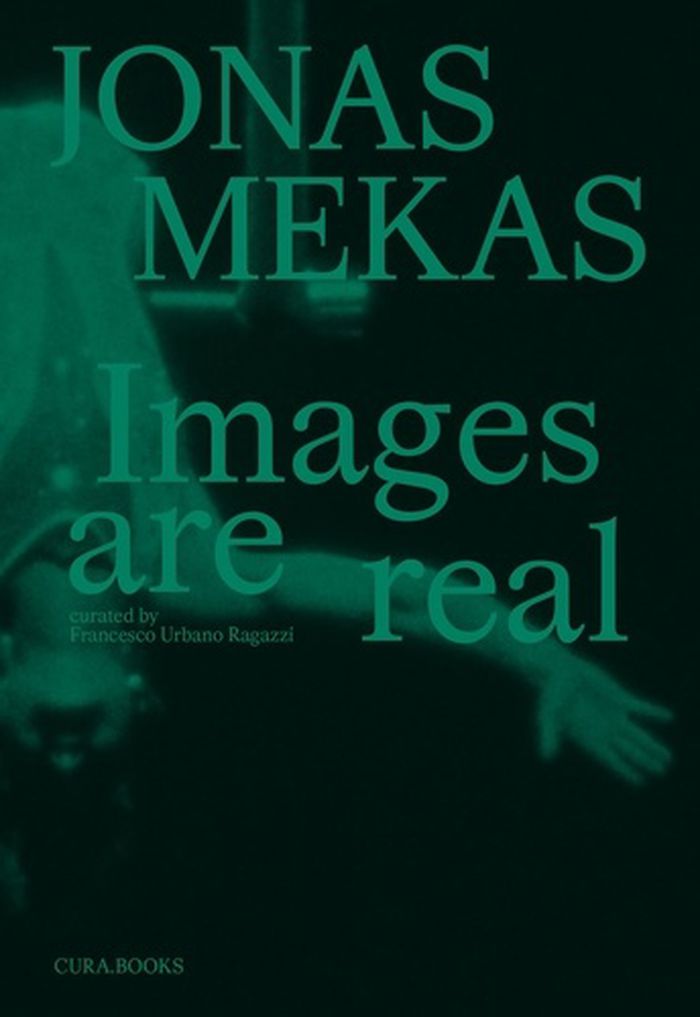
Through a wide selection of works from the 1960s to the late 2010s, this catalogue aims to read the Lithuanian filmmaker's work as a Dantesque journey leading to happiness, from the infernos of history, through a daily exercise in filmmaking. The title is a quote taken from the film ''Out-takes From the Life of a Happy Man'', in which the artist's voice-over reflects to himself, ''Memories are past, but images are here, and images are real!'' Completing the volume are a collection of texts by Francesco Urbano Ragazzi, Hollis Melton, P. Adams Sitney, Ieva Jasinskaite, and Philipp Scheid.
Jonas Mekas: Images are real
Actions:
Prix:
$40.00
(disponible en magasin)
Résumé:
Through a wide selection of works from the 1960s to the late 2010s, this catalogue aims to read the Lithuanian filmmaker's work as a Dantesque journey leading to happiness, from the infernos of history, through a daily exercise in filmmaking. The title is a quote taken from the film ''Out-takes From the Life of a Happy Man'', in which the artist's voice-over reflects to himself, ''Memories are past, but images are here, and images are real!'' Completing the volume are a collection of texts by Francesco Urbano Ragazzi, Hollis Melton, P. Adams Sitney, Ieva Jasinskaite, and Philipp Scheid.
Classification:
livres
livres
Publication:
avril 2023
avril 2023
Classification:
livres
livres
Actions:
Prix:
$88.00
(disponible sur commande)
Résumé:
"On the dance floor," a visual and literary compendium of nightclub revelries and sweat-soaked gymnasiums on-screen and off. Featuring deep dives into cinema’s most iconic dance moments and contributions from dance world legends, On the Dance Floor spins out from high school proms and house parties to discos, raves, and the joys of dancing on your own. Features a(...)
$88.00
(disponible sur commande)
Résumé:
"On the dance floor," a visual and literary compendium of nightclub revelries and sweat-soaked gymnasiums on-screen and off. Featuring deep dives into cinema’s most iconic dance moments and contributions from dance world legends, On the Dance Floor spins out from high school proms and house parties to discos, raves, and the joys of dancing on your own. Features a(...)
Titre:
On the dance floor: Spinning out on screen
Actions:
Prix:
$88.00
(disponible sur commande)
Résumé:
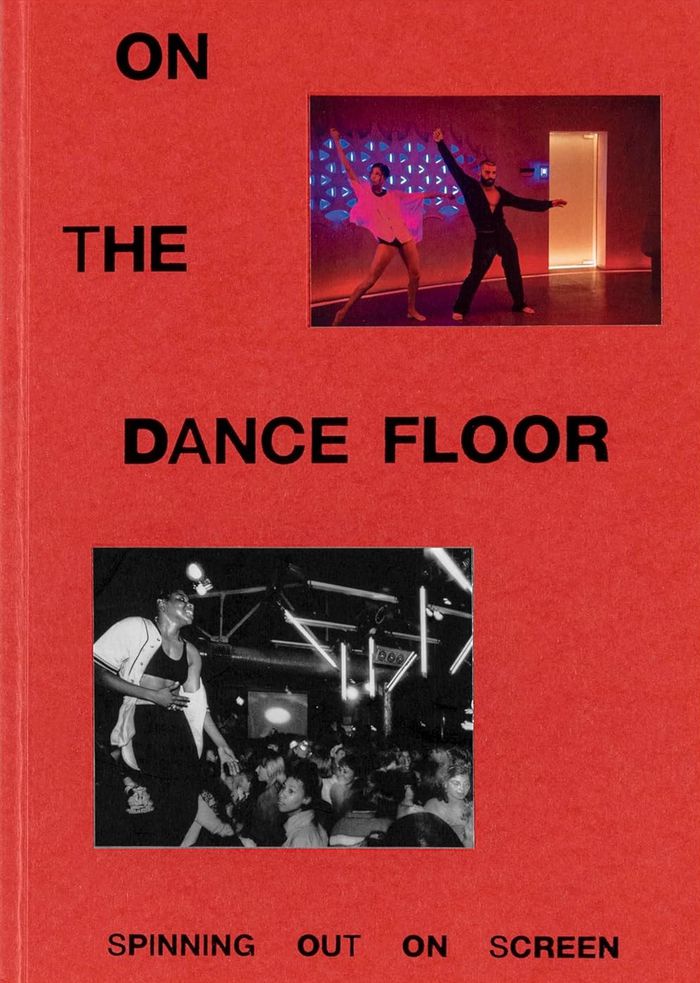
"On the dance floor," a visual and literary compendium of nightclub revelries and sweat-soaked gymnasiums on-screen and off. Featuring deep dives into cinema’s most iconic dance moments and contributions from dance world legends, On the Dance Floor spins out from high school proms and house parties to discos, raves, and the joys of dancing on your own. Features a foreword by Cher; dance floor dispatches from Charli XCX, Ryan Heffington, Lizzy Goodman, and more; conversations with filmmakers and choreographers including Whit Stillman and Kate Beckinsale; and original essays from writers such as Rachel Tashjian and Marlowe Granados.
On the dance floor: Spinning out on screen
Actions:
Prix:
$88.00
(disponible sur commande)
Résumé:
"On the dance floor," a visual and literary compendium of nightclub revelries and sweat-soaked gymnasiums on-screen and off. Featuring deep dives into cinema’s most iconic dance moments and contributions from dance world legends, On the Dance Floor spins out from high school proms and house parties to discos, raves, and the joys of dancing on your own. Features a foreword by Cher; dance floor dispatches from Charli XCX, Ryan Heffington, Lizzy Goodman, and more; conversations with filmmakers and choreographers including Whit Stillman and Kate Beckinsale; and original essays from writers such as Rachel Tashjian and Marlowe Granados.
Classification:
livres
livres
Publication:
septembre 2024
septembre 2024
Classification:
livres
livres
Prix:
$66.00
(disponible sur commande)
Résumé:
''Lost Days, Endless Nights'' tells a history from below—an account of the lives of the forgotten and dispossessed of Los Angeles: the unemployed, the precariously employed, the evicted, the alienated, the unhoused, the anxious, the exhausted. Through an analysis of abandoned archival works, experimental films, and other projects, Andrew Witt offers an expansive account(...)
$66.00
(disponible sur commande)
Résumé:
''Lost Days, Endless Nights'' tells a history from below—an account of the lives of the forgotten and dispossessed of Los Angeles: the unemployed, the precariously employed, the evicted, the alienated, the unhoused, the anxious, the exhausted. Through an analysis of abandoned archival works, experimental films, and other projects, Andrew Witt offers an expansive account(...)
Titre:
Lost days, endless nights: Photography and film from Los Angeles
Actions:
Prix:
$66.00
(disponible sur commande)
Résumé:
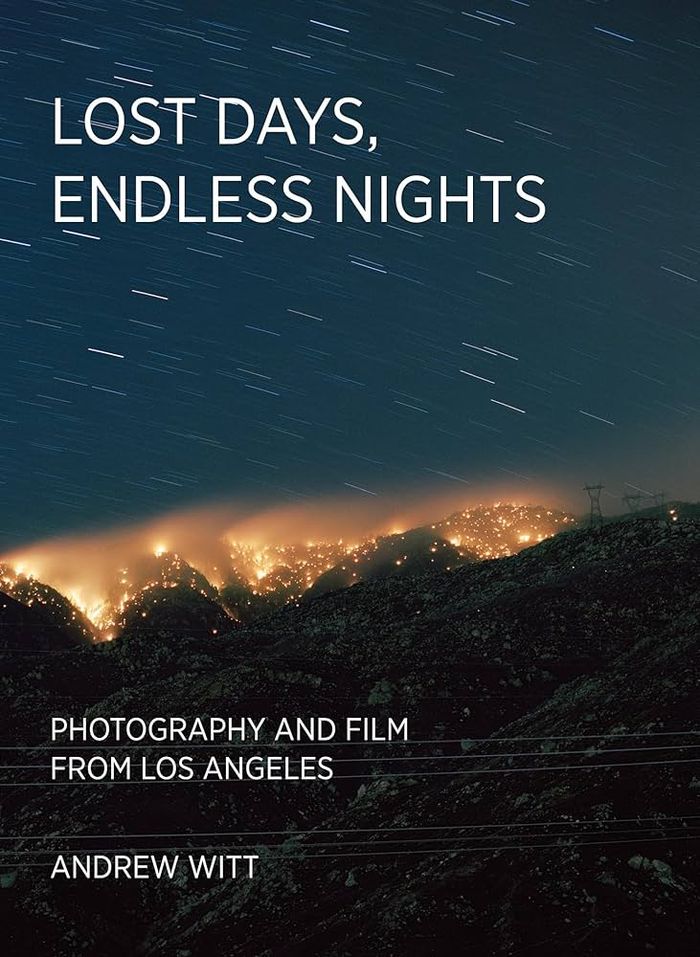
''Lost Days, Endless Nights'' tells a history from below—an account of the lives of the forgotten and dispossessed of Los Angeles: the unemployed, the precariously employed, the evicted, the alienated, the unhoused, the anxious, the exhausted. Through an analysis of abandoned archival works, experimental films, and other projects, Andrew Witt offers an expansive account of the artists who have lived or worked in Los Angeles, delving into the region's history and geography, highlighting its racial, gender, and class conflicts. Presented as a series of nine case studies, Witt explores how artists as diverse as Agnès Varda, Dana Lixenberg, Allan Sekula, Catherine Opie, John Divola, Gregory Halpern, Paul Sepuya, and Guadalupe Rosales have reimagined and reshaped our understanding of contemporary Los Angeles. The book features portraits of those who struggle and attempt to get by in the city: dock workers, students, bus riders, petty criminals, office workers, immigrants, queer and trans activists. Set against the landscape of economic turmoil and environmental crises that shadowed the 1970s, Witt highlights the urgent need for a historical perspective of cultural retrieval and counternarrative. Extending into the present, ''Lost Days, Endless Nights'' advocates for an approach that actively embraces the works and projects that have been overlooked and evicted from the historical imaginary
Lost days, endless nights: Photography and film from Los Angeles
Actions:
Prix:
$66.00
(disponible sur commande)
Résumé:
''Lost Days, Endless Nights'' tells a history from below—an account of the lives of the forgotten and dispossessed of Los Angeles: the unemployed, the precariously employed, the evicted, the alienated, the unhoused, the anxious, the exhausted. Through an analysis of abandoned archival works, experimental films, and other projects, Andrew Witt offers an expansive account of the artists who have lived or worked in Los Angeles, delving into the region's history and geography, highlighting its racial, gender, and class conflicts. Presented as a series of nine case studies, Witt explores how artists as diverse as Agnès Varda, Dana Lixenberg, Allan Sekula, Catherine Opie, John Divola, Gregory Halpern, Paul Sepuya, and Guadalupe Rosales have reimagined and reshaped our understanding of contemporary Los Angeles. The book features portraits of those who struggle and attempt to get by in the city: dock workers, students, bus riders, petty criminals, office workers, immigrants, queer and trans activists. Set against the landscape of economic turmoil and environmental crises that shadowed the 1970s, Witt highlights the urgent need for a historical perspective of cultural retrieval and counternarrative. Extending into the present, ''Lost Days, Endless Nights'' advocates for an approach that actively embraces the works and projects that have been overlooked and evicted from the historical imaginary
Classification:
livres
livres
Publication:
décembre 2024
décembre 2024
Classification:
livres
livres
Prix:
$62.00
(disponible sur commande)
Résumé:
"Architecture, film, and the in-between: spatio-cinematic betwixt" looks at the cinematic representation of architectural in-betweenness, as well as the in-between spaces within the architectural structure of films. As films seek to depict architecture in evolving, original ways, they can also expand betwixt areas, imbuing them with horror or fantasy. Spies can escape(...)
$62.00
(disponible sur commande)
Résumé:
"Architecture, film, and the in-between: spatio-cinematic betwixt" looks at the cinematic representation of architectural in-betweenness, as well as the in-between spaces within the architectural structure of films. As films seek to depict architecture in evolving, original ways, they can also expand betwixt areas, imbuing them with horror or fantasy. Spies can escape(...)
Publication:
septembre 2024
septembre 2024
Titre:
Architecture, film, and the in-between: Spatio-cinematic between
Actions:
Prix:
$62.00
(disponible sur commande)
Résumé:
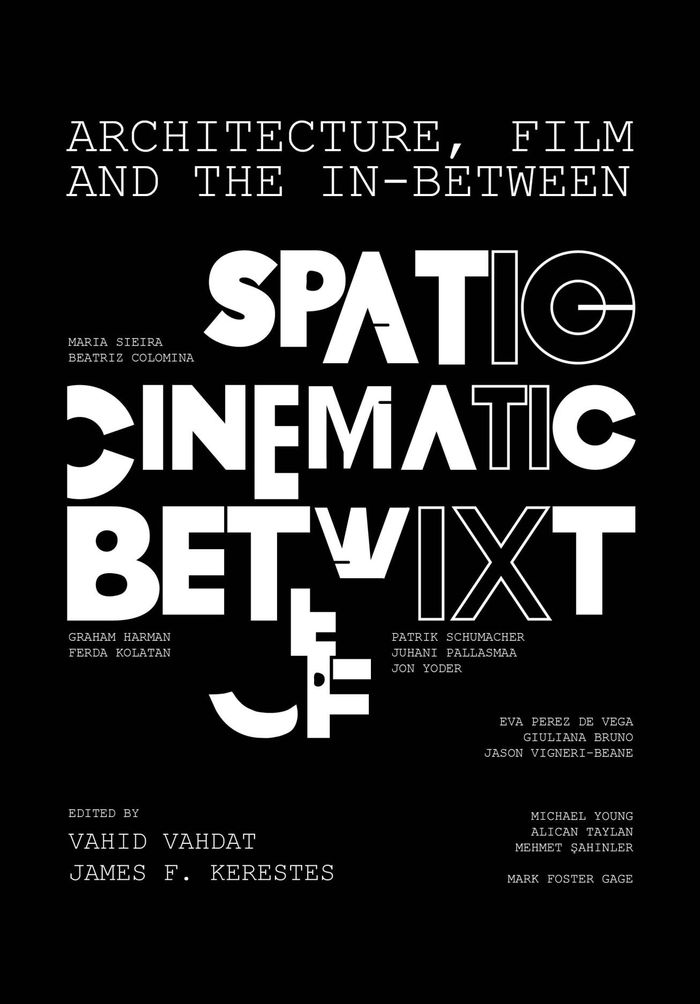
"Architecture, film, and the in-between: spatio-cinematic betwixt" looks at the cinematic representation of architectural in-betweenness, as well as the in-between spaces within the architectural structure of films. As films seek to depict architecture in evolving, original ways, they can also expand betwixt areas, imbuing them with horror or fantasy. Spies can escape inside unconvincingly stable ducts and children can slide through pipes with no discernible function. And just as subway routes and airplanes can stitch together two destinations, loopholes and magic architectural features can connect distinct realms via interstitial spaces. Contributors discuss a range of architects and filmmakers, including John Lautner, David Lynch, Christopher Nolan, Agnès Varda, and Mies van der Rohe, and take diverse approaches to the liminal space between architecture and film, touching on existential experience, post-phenomenological thinking, sociopolitical cinearchitecture, fictive ecologies, and more. Collecting essays by well-respected architects, thinkers, and philosophers—such as Juhani Pallasmaa, Beatriz Colomina, and Graham Harman—the book includes imagery and infographics that map filmic spaces, diagram narratives, and visualize the hidden spatial dimensions of movies.
Architecture, film, and the in-between: Spatio-cinematic between
Actions:
Prix:
$62.00
(disponible sur commande)
Résumé:
"Architecture, film, and the in-between: spatio-cinematic betwixt" looks at the cinematic representation of architectural in-betweenness, as well as the in-between spaces within the architectural structure of films. As films seek to depict architecture in evolving, original ways, they can also expand betwixt areas, imbuing them with horror or fantasy. Spies can escape inside unconvincingly stable ducts and children can slide through pipes with no discernible function. And just as subway routes and airplanes can stitch together two destinations, loopholes and magic architectural features can connect distinct realms via interstitial spaces. Contributors discuss a range of architects and filmmakers, including John Lautner, David Lynch, Christopher Nolan, Agnès Varda, and Mies van der Rohe, and take diverse approaches to the liminal space between architecture and film, touching on existential experience, post-phenomenological thinking, sociopolitical cinearchitecture, fictive ecologies, and more. Collecting essays by well-respected architects, thinkers, and philosophers—such as Juhani Pallasmaa, Beatriz Colomina, and Graham Harman—the book includes imagery and infographics that map filmic spaces, diagram narratives, and visualize the hidden spatial dimensions of movies.
Classification:
livres
livres
Publication:
septembre 2024
septembre 2024
Classification:
livres
livres
Titre:
The Darkroom
The Darkroom
Actions:
Prix:
$24.00
(disponible sur commande)
Résumé:
"The darkroom" contains the script for Marguerite Duras's 1977 radically experimental film "Le camion" ("The Truck"). Between images of a truck in motion, juxtaposed voiceovers, and cutaways to Duras in conversation with Gérard Depardieu, Le camion turns the art of film into a means of enabling the viewer to engage multiple faculties--not only the visual and the aural,(...)
$24.00
(disponible sur commande)
Résumé:
"The darkroom" contains the script for Marguerite Duras's 1977 radically experimental film "Le camion" ("The Truck"). Between images of a truck in motion, juxtaposed voiceovers, and cutaways to Duras in conversation with Gérard Depardieu, Le camion turns the art of film into a means of enabling the viewer to engage multiple faculties--not only the visual and the aural,(...)
Publication:
mars 2025
mars 2025
Titre:
The Darkroom
Actions:
Prix:
$24.00
(disponible sur commande)
Résumé:
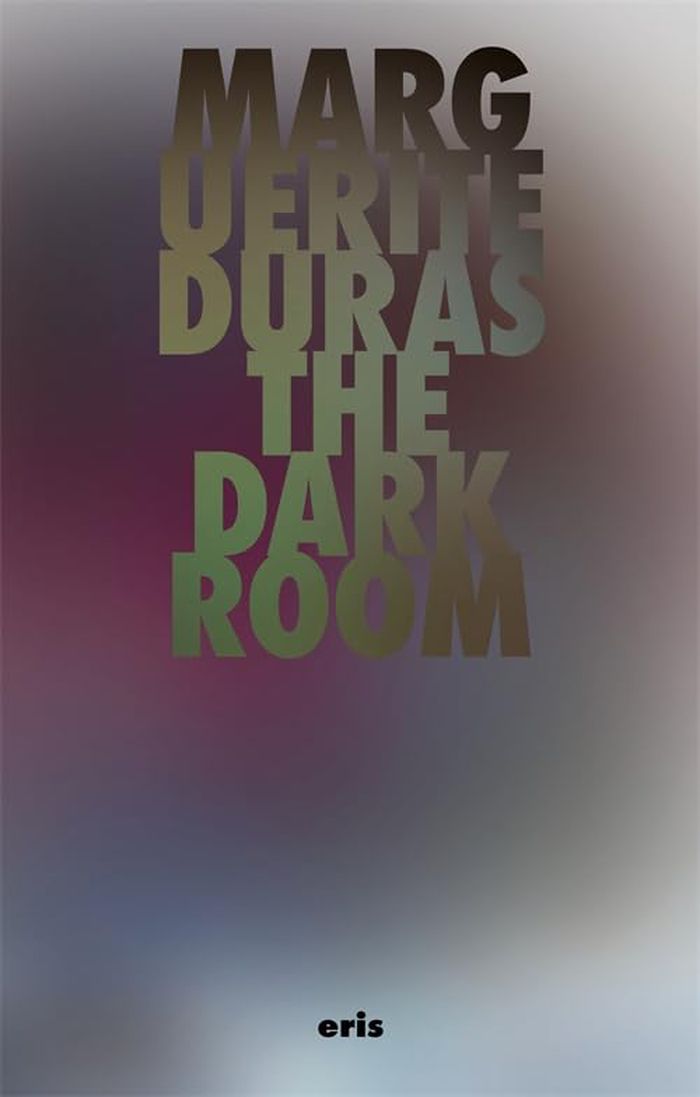
"The darkroom" contains the script for Marguerite Duras's 1977 radically experimental film "Le camion" ("The Truck"). Between images of a truck in motion, juxtaposed voiceovers, and cutaways to Duras in conversation with Gérard Depardieu, Le camion turns the art of film into a means of enabling the viewer to engage multiple faculties--not only the visual and the aural, but also memory, imagination, and desire. Also included here is a series of short essays in which Duras makes provocative connections between film and textuality, as well as a fascinating dialogue with Michelle Porte. Together amounting to a crucial contribution to the field of film theory, these texts make brilliantly apparent the depth and integrity of Duras's aesthetic, philosophical, and political thinking.
The Darkroom
Actions:
Prix:
$24.00
(disponible sur commande)
Résumé:
"The darkroom" contains the script for Marguerite Duras's 1977 radically experimental film "Le camion" ("The Truck"). Between images of a truck in motion, juxtaposed voiceovers, and cutaways to Duras in conversation with Gérard Depardieu, Le camion turns the art of film into a means of enabling the viewer to engage multiple faculties--not only the visual and the aural, but also memory, imagination, and desire. Also included here is a series of short essays in which Duras makes provocative connections between film and textuality, as well as a fascinating dialogue with Michelle Porte. Together amounting to a crucial contribution to the field of film theory, these texts make brilliantly apparent the depth and integrity of Duras's aesthetic, philosophical, and political thinking.
Classification:
livres
livres
Publication:
mars 2025
mars 2025
Classification:
livres
livres
Actions:
Prix:
$54.00
(disponible sur commande)
Résumé:
Video (television, film, the moving image generally) is today's most popular information medium. Two-thirds of the world's internet traffic is video. Americans get their news and information more often from screens and speakers than through any other means. "The moving image" is the first authoritative account of how we have arrived here, together with the first(...)
$54.00
(disponible sur commande)
Résumé:
Video (television, film, the moving image generally) is today's most popular information medium. Two-thirds of the world's internet traffic is video. Americans get their news and information more often from screens and speakers than through any other means. "The moving image" is the first authoritative account of how we have arrived here, together with the first(...)
Titre:
The moving image: A user's manual
Actions:
Prix:
$54.00
(disponible sur commande)
Résumé:
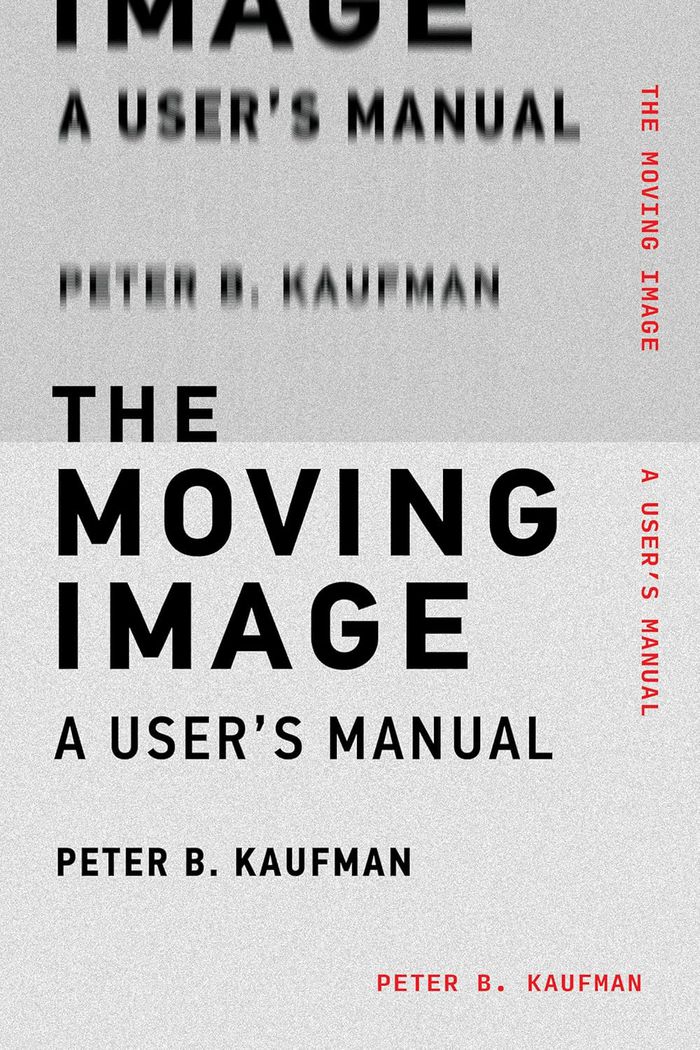
Video (television, film, the moving image generally) is today's most popular information medium. Two-thirds of the world's internet traffic is video. Americans get their news and information more often from screens and speakers than through any other means. "The moving image" is the first authoritative account of how we have arrived here, together with the first definitive manual to help writers, educators, and publishers use video more effectively. Drawing on decades as an educator, publisher, and producer, MIT's Peter Kaufman presents new tools, best practices, and community resources for integrating film and sound into media that matters.
The moving image: A user's manual
Actions:
Prix:
$54.00
(disponible sur commande)
Résumé:
Video (television, film, the moving image generally) is today's most popular information medium. Two-thirds of the world's internet traffic is video. Americans get their news and information more often from screens and speakers than through any other means. "The moving image" is the first authoritative account of how we have arrived here, together with the first definitive manual to help writers, educators, and publishers use video more effectively. Drawing on decades as an educator, publisher, and producer, MIT's Peter Kaufman presents new tools, best practices, and community resources for integrating film and sound into media that matters.
Classification:
livres
livres
Publication:
février 2025
février 2025
Classification:
livres
livres
Actions:
Prix:
$41.95
(disponible sur commande)
Résumé:
Although a few among us are intrepid architectural tourists, visiting buildings and landscapes our cameras at the ready, most of us experience architecture through the windshield of a moving vehicle, the architectural experience reduced to a blurry and momentary drive-by. And the rest of our architectural "tourism" is through the images of cameras, movies, and television(...)
$41.95
(disponible sur commande)
Résumé:
Although a few among us are intrepid architectural tourists, visiting buildings and landscapes our cameras at the ready, most of us experience architecture through the windshield of a moving vehicle, the architectural experience reduced to a blurry and momentary drive-by. And the rest of our architectural "tourism" is through the images of cameras, movies, and television(...)
Publication:
mai 2004, New York
mai 2004, New York
Titre:
Zoomscape : architecture and motion in media
Actions:
Prix:
$41.95
(disponible sur commande)
Résumé:
Although a few among us are intrepid architectural tourists, visiting buildings and landscapes our cameras at the ready, most of us experience architecture through the windshield of a moving vehicle, the architectural experience reduced to a blurry and momentary drive-by. And the rest of our architectural "tourism" is through the images of cameras, movies, and television programs—that is, through the lens of another's eye. Architectural historian Mitchell Schwarzer calls this new mediated architectural experience the "zoomscape." In this thought-provoking book, he argues that the perception of architecture has been fundamentally altered by the technologies of transportation and the camera - we now look at buildings, neighborhoods, cities, and even entire continents as we ride in trains, cars, and planes, and/or as we view photographs, movies, and television. "Zoomscape" shows how we now perceive buildings and places at high speeds, across great distances, through edited and multiple reproductions. Nowadays, our views of the architectural landscape are modulated by the accelerator pedal and the remote control, by studio production techniques and airplane flight paths. Using examples from high art and popular culture - from the novels of Don DeLillo to the opening credits of "The Sopranos" - Mitchell Schwarzer shows that the zoomscape has brought about unprecedented and often marvelous new ways of perceiving the built environment.
Zoomscape : architecture and motion in media
Actions:
Prix:
$41.95
(disponible sur commande)
Résumé:
Although a few among us are intrepid architectural tourists, visiting buildings and landscapes our cameras at the ready, most of us experience architecture through the windshield of a moving vehicle, the architectural experience reduced to a blurry and momentary drive-by. And the rest of our architectural "tourism" is through the images of cameras, movies, and television programs—that is, through the lens of another's eye. Architectural historian Mitchell Schwarzer calls this new mediated architectural experience the "zoomscape." In this thought-provoking book, he argues that the perception of architecture has been fundamentally altered by the technologies of transportation and the camera - we now look at buildings, neighborhoods, cities, and even entire continents as we ride in trains, cars, and planes, and/or as we view photographs, movies, and television. "Zoomscape" shows how we now perceive buildings and places at high speeds, across great distances, through edited and multiple reproductions. Nowadays, our views of the architectural landscape are modulated by the accelerator pedal and the remote control, by studio production techniques and airplane flight paths. Using examples from high art and popular culture - from the novels of Don DeLillo to the opening credits of "The Sopranos" - Mitchell Schwarzer shows that the zoomscape has brought about unprecedented and often marvelous new ways of perceiving the built environment.
Classification:
livres
livres
Publication:
mai 2004, New York
mai 2004, New York
Classification:
livres
livres

Prix:
$31.50
(disponible sur commande)
Résumé:
From Street Scene and Breakfast at Tiffany's to Rosemary's Baby, The Warriors, and 25th Hour , the sixteen essays in this book explore the cinematic representation of New York as a city of experience, as a locus of ideographic characters and spaces, as a city of moves and traps, and as a site of allurement and danger. Contributors consider the work of Woody Allen, Blake(...)
$31.50
(disponible sur commande)
Résumé:
From Street Scene and Breakfast at Tiffany's to Rosemary's Baby, The Warriors, and 25th Hour , the sixteen essays in this book explore the cinematic representation of New York as a city of experience, as a locus of ideographic characters and spaces, as a city of moves and traps, and as a site of allurement and danger. Contributors consider the work of Woody Allen, Blake(...)
Publication:
juillet 2007, New Brunswick New Jersey London
juillet 2007, New Brunswick New Jersey London
Titre:
City that never sleeps: New York and the filmic imagination
Actions:
Prix:
$31.50
(disponible sur commande)
Résumé:
From Street Scene and Breakfast at Tiffany's to Rosemary's Baby, The Warriors, and 25th Hour , the sixteen essays in this book explore the cinematic representation of New York as a city of experience, as a locus of ideographic characters and spaces, as a city of moves and traps, and as a site of allurement and danger. Contributors consider the work of Woody Allen, Blake Edwards, Alfred Hitchcock, Gregory La Cava, Spike Lee, Sidney Lumet, Vincente Minnelli, Roman Polanski, Martin Scorsese, Andy Warhol, and numerous others.
City that never sleeps: New York and the filmic imagination
Actions:
Prix:
$31.50
(disponible sur commande)
Résumé:
From Street Scene and Breakfast at Tiffany's to Rosemary's Baby, The Warriors, and 25th Hour , the sixteen essays in this book explore the cinematic representation of New York as a city of experience, as a locus of ideographic characters and spaces, as a city of moves and traps, and as a site of allurement and danger. Contributors consider the work of Woody Allen, Blake Edwards, Alfred Hitchcock, Gregory La Cava, Spike Lee, Sidney Lumet, Vincente Minnelli, Roman Polanski, Martin Scorsese, Andy Warhol, and numerous others.
Classification:
livres
livres
Publication:
juillet 2007, New Brunswick New Jersey London
juillet 2007, New Brunswick New Jersey London
Classification:
livres
livres
Titre:
Memoria, 2nd edition
Memoria, 2nd edition
Actions:
Prix:
$94.00
(disponible en magasin)
Résumé:
A chronicle of the genesis and creation of "Memoria," the new film by Apichatpong Weerasethakul. After visiting Colombia in 2017, Apichatpong chose the country as the location for his first feature shot outside of his native Thailand. In the following two years, he returned for several visits and travelled extensively, listening to the stories of the people he met along(...)
$94.00
(disponible en magasin)
Résumé:
A chronicle of the genesis and creation of "Memoria," the new film by Apichatpong Weerasethakul. After visiting Colombia in 2017, Apichatpong chose the country as the location for his first feature shot outside of his native Thailand. In the following two years, he returned for several visits and travelled extensively, listening to the stories of the people he met along(...)
Titre:
Memoria, 2nd edition
Actions:
Prix:
$94.00
(disponible en magasin)
Résumé:
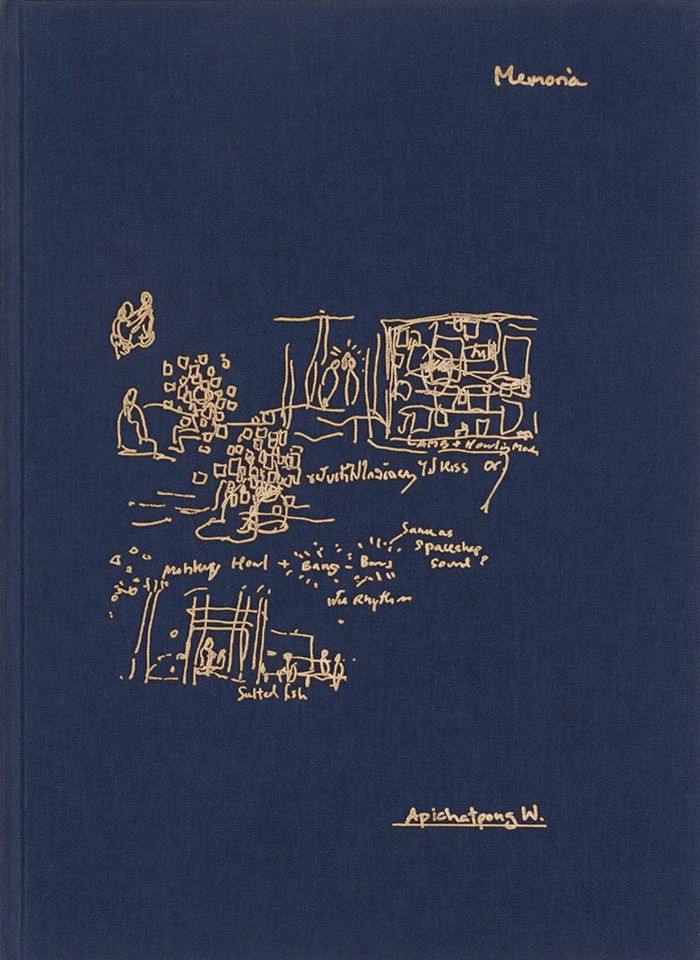
A chronicle of the genesis and creation of "Memoria," the new film by Apichatpong Weerasethakul. After visiting Colombia in 2017, Apichatpong chose the country as the location for his first feature shot outside of his native Thailand. In the following two years, he returned for several visits and travelled extensively, listening to the stories of the people he met along the way. The book "Memoria" gathers the memories he collected, in the form of photographs, a personal diary and sketchbook, research notes, treatment excerpts, and email correspondence.
Memoria, 2nd edition
Actions:
Prix:
$94.00
(disponible en magasin)
Résumé:
A chronicle of the genesis and creation of "Memoria," the new film by Apichatpong Weerasethakul. After visiting Colombia in 2017, Apichatpong chose the country as the location for his first feature shot outside of his native Thailand. In the following two years, he returned for several visits and travelled extensively, listening to the stories of the people he met along the way. The book "Memoria" gathers the memories he collected, in the form of photographs, a personal diary and sketchbook, research notes, treatment excerpts, and email correspondence.
Classification:
livres
livres
Publication:
mai 2024
mai 2024
Classification:
livres
livres
Titre:
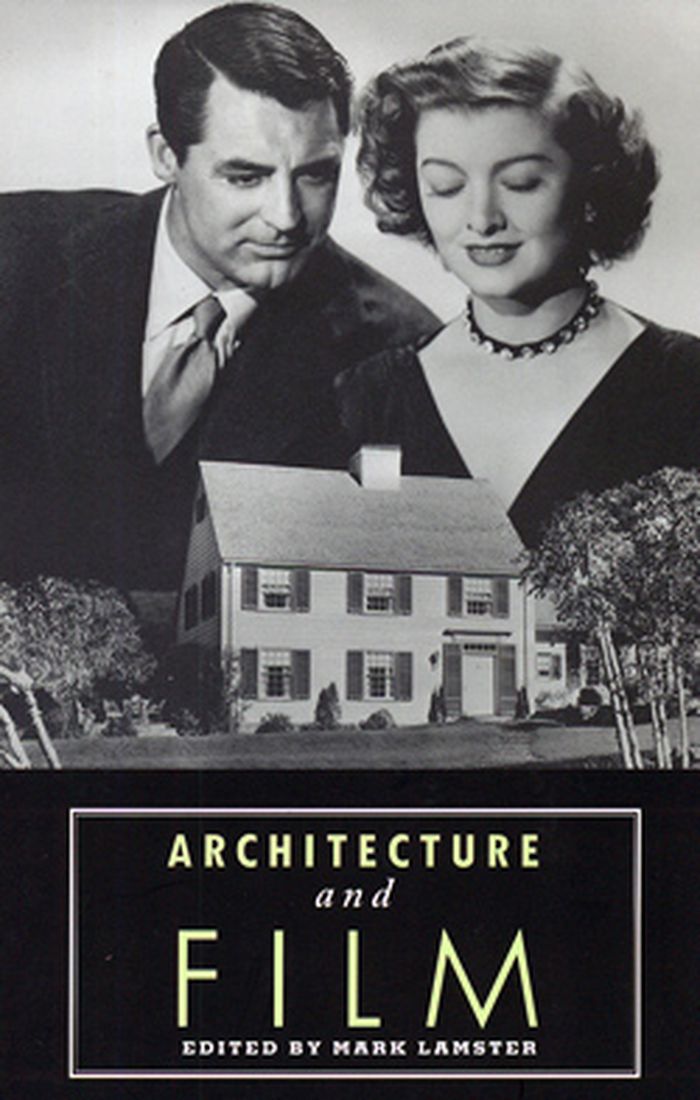
Architecture and film
Architecture and film
Actions:
Prix:
$32.50
(disponible sur commande)
Résumé:
"Architecture and Film" looks at the ways architecture and architects are treated on screen and, conversely, how these depictions filter and shape the ways we understand the built environment. It also examines the significant effect that the film industry has had on the (...)
$32.50
(disponible sur commande)
Résumé:
"Architecture and Film" looks at the ways architecture and architects are treated on screen and, conversely, how these depictions filter and shape the ways we understand the built environment. It also examines the significant effect that the film industry has had on the (...)
Publication:
février 2000, New York
février 2000, New York
Titre:
Architecture and film
Actions:
Prix:
$32.50
(disponible sur commande)
Résumé:
"Architecture and Film" looks at the ways architecture and architects are treated on screen and, conversely, how these depictions filter and shape the ways we understand the built environment. It also examines the significant effect that the film industry has had on the American public's perception of urban, suburban, and rural spaces. Contributors to this collection of essays come from a wide range of disciplines. Nancy Levinson writes on how films from "The Fountainhead" to "Jungle Fever" have depicted architects. Eric Rosenberg looks at how architecture and spatial relations shape the Beatles films "A Hard Day's Night", "Help!", and "Let It Be". Joseph Rosa discusses why modern domestic architecture in recent Hollywood films such as "The Ice Storm", "L.A. Confidential", and "The Big Lebowski" has become synonymous with unstable inhabitants. Peter Hall discusses the history of film titling, focusing on the groundbreaking work of Saul Bass and Maurice Binder. Editor Mark Lamster examines the anti-urbanism of the Star Wars trilogy. The collection also includes the voices of those from within the film industry, who are uniquely able to provide a "behind the scenes" perspective: film editor Bob Eisenhardt comments on the making of "Concert of Wills", a documentary on the construction of the Getty Museum; and Robert Kraft focuses on his work as a location director for Diane Keaton's upcoming film about Los Angeles. Also included are interviews with David Rockwell, architect of numerous Planet Hollywood restaurants worldwide and designer of a new hall to host the Academy Awards ceremony; Kyle Kooper, who created title sequences for "Seven" and "Mission Impossible"; and motion picture art director Jan Roelfs, whose credits include "Gattaca", "Orlando", and "Little Women". Previously priced at $41.50.
Architecture and film
Actions:
Prix:
$32.50
(disponible sur commande)
Résumé:
"Architecture and Film" looks at the ways architecture and architects are treated on screen and, conversely, how these depictions filter and shape the ways we understand the built environment. It also examines the significant effect that the film industry has had on the American public's perception of urban, suburban, and rural spaces. Contributors to this collection of essays come from a wide range of disciplines. Nancy Levinson writes on how films from "The Fountainhead" to "Jungle Fever" have depicted architects. Eric Rosenberg looks at how architecture and spatial relations shape the Beatles films "A Hard Day's Night", "Help!", and "Let It Be". Joseph Rosa discusses why modern domestic architecture in recent Hollywood films such as "The Ice Storm", "L.A. Confidential", and "The Big Lebowski" has become synonymous with unstable inhabitants. Peter Hall discusses the history of film titling, focusing on the groundbreaking work of Saul Bass and Maurice Binder. Editor Mark Lamster examines the anti-urbanism of the Star Wars trilogy. The collection also includes the voices of those from within the film industry, who are uniquely able to provide a "behind the scenes" perspective: film editor Bob Eisenhardt comments on the making of "Concert of Wills", a documentary on the construction of the Getty Museum; and Robert Kraft focuses on his work as a location director for Diane Keaton's upcoming film about Los Angeles. Also included are interviews with David Rockwell, architect of numerous Planet Hollywood restaurants worldwide and designer of a new hall to host the Academy Awards ceremony; Kyle Kooper, who created title sequences for "Seven" and "Mission Impossible"; and motion picture art director Jan Roelfs, whose credits include "Gattaca", "Orlando", and "Little Women". Previously priced at $41.50.
Classification:
livres
livres
Publication:
février 2000, New York
février 2000, New York


