


1732 Résultats
Classification:
livres
livres
Prix:
$44.50
(disponible sur commande)
Résumé:
In "Archiveology" Catherine Russell uses the work of Walter Benjamin to explore how the practice of archiveology-the reuse, recycling, appropriation, and borrowing of archival sounds and images by filmmakers-provides ways to imagine the past and the future. Noting how the film archive does not function simply as a place where moving images are preserved, Russell examines(...)
$44.50
(disponible sur commande)
Résumé:
In "Archiveology" Catherine Russell uses the work of Walter Benjamin to explore how the practice of archiveology-the reuse, recycling, appropriation, and borrowing of archival sounds and images by filmmakers-provides ways to imagine the past and the future. Noting how the film archive does not function simply as a place where moving images are preserved, Russell examines(...)
Titre:
Archiveology: Walter Benjamin and archival film practices
Actions:
Prix:
$44.50
(disponible sur commande)
Résumé:
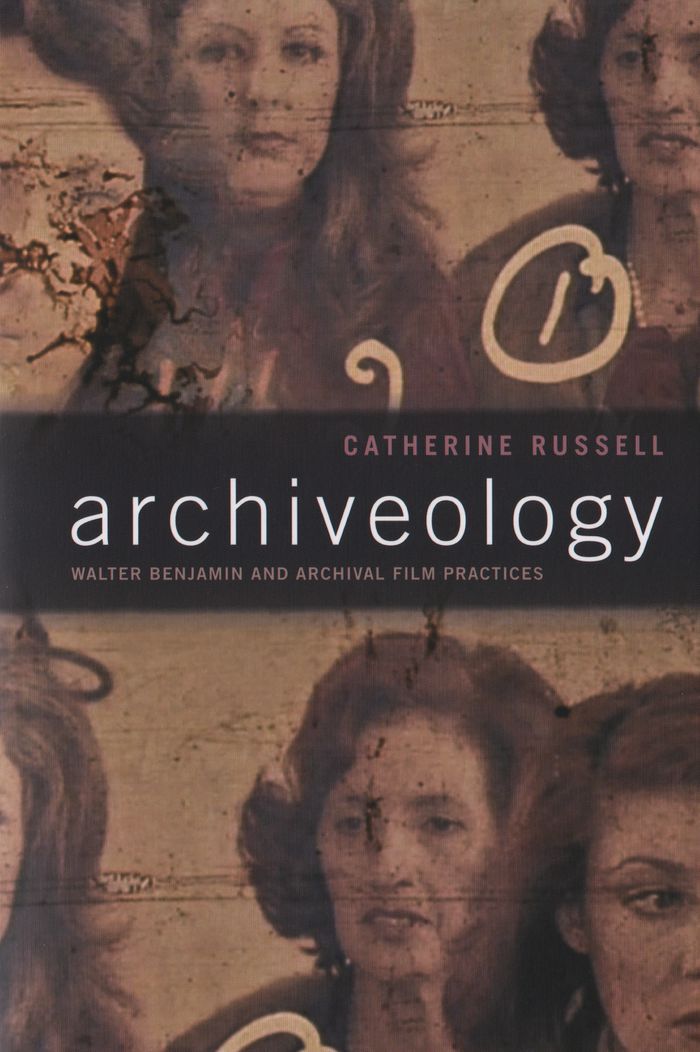
In "Archiveology" Catherine Russell uses the work of Walter Benjamin to explore how the practice of archiveology-the reuse, recycling, appropriation, and borrowing of archival sounds and images by filmmakers-provides ways to imagine the past and the future. Noting how the film archive does not function simply as a place where moving images are preserved, Russell examines a range of films alongside Benjamin's conceptions of memory, document, excavation, and historiography. She shows how city films such as Nicole Vedres's Paris 1900 (1947) and Thom Andersen's Los Angeles Plays Itself (2003) reconstruct notions of urban life and uses Christian Marclay's The Clock (2010) to draw parallels between critical cinephilia and Benjamin's theory of the phantasmagoria. Russell also discusses practices of collecting in archiveological film and rereads films by Joseph Cornell and Rania Stephan to explore an archival practice that dislocates and relocates the female image in film. In so doing, she not only shows how Benjamin's work is as relevant to film theory as ever; she shows how archiveology can awaken artists and audiences to critical forms of history and memory.
Archiveology: Walter Benjamin and archival film practices
Actions:
Prix:
$44.50
(disponible sur commande)
Résumé:
In "Archiveology" Catherine Russell uses the work of Walter Benjamin to explore how the practice of archiveology-the reuse, recycling, appropriation, and borrowing of archival sounds and images by filmmakers-provides ways to imagine the past and the future. Noting how the film archive does not function simply as a place where moving images are preserved, Russell examines a range of films alongside Benjamin's conceptions of memory, document, excavation, and historiography. She shows how city films such as Nicole Vedres's Paris 1900 (1947) and Thom Andersen's Los Angeles Plays Itself (2003) reconstruct notions of urban life and uses Christian Marclay's The Clock (2010) to draw parallels between critical cinephilia and Benjamin's theory of the phantasmagoria. Russell also discusses practices of collecting in archiveological film and rereads films by Joseph Cornell and Rania Stephan to explore an archival practice that dislocates and relocates the female image in film. In so doing, she not only shows how Benjamin's work is as relevant to film theory as ever; she shows how archiveology can awaken artists and audiences to critical forms of history and memory.
Classification:
livres
livres
Publication:
mars 2018
mars 2018
Classification:
livres
livres
Actions:
Prix:
$42.95
(disponible sur commande)
Résumé:
There has been plenty of scholarship on science fiction over the decades, but it has left one crucial aspect of the genre all but unanalysed: the visual. Ambitious and original, "Landscape and the Science Fiction Imaginary" corrects that oversight, making a powerful argument for science fiction as a visual cultural discourse. Taking influential historical works of visual(...)
$42.95
(disponible sur commande)
Résumé:
There has been plenty of scholarship on science fiction over the decades, but it has left one crucial aspect of the genre all but unanalysed: the visual. Ambitious and original, "Landscape and the Science Fiction Imaginary" corrects that oversight, making a powerful argument for science fiction as a visual cultural discourse. Taking influential historical works of visual(...)
Titre:
Landscape and the science fiction imaginary
Actions:
Prix:
$42.95
(disponible sur commande)
Résumé:
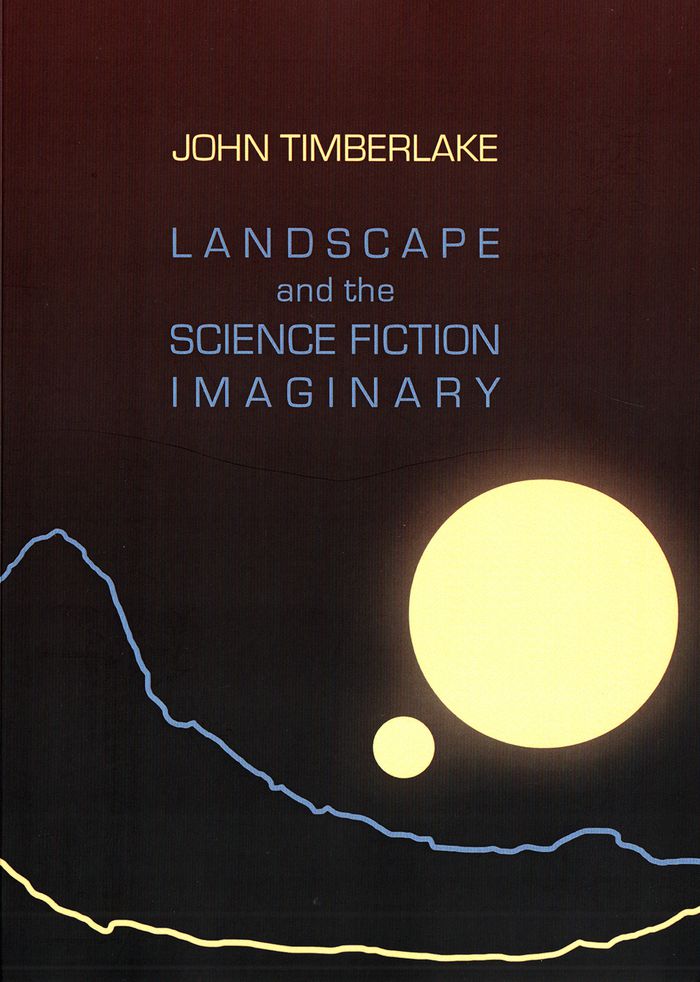
There has been plenty of scholarship on science fiction over the decades, but it has left one crucial aspect of the genre all but unanalysed: the visual. Ambitious and original, "Landscape and the Science Fiction Imaginary" corrects that oversight, making a powerful argument for science fiction as a visual cultural discourse. Taking influential historical works of visual art as starting points, along with illustrations, movie matte paintings, documentaries, artist’s impressions and digital environments, John Timberlake focuses on the notion of science fiction as an 'imaginary topos', one that draws principally on the intersection between landscape and historical/prehistorical time. Richly illustrated, this book will appeal to scholars, students, and fans of science fiction and the remarkable visual culture that surrounds it.
Landscape and the science fiction imaginary
Actions:
Prix:
$42.95
(disponible sur commande)
Résumé:
There has been plenty of scholarship on science fiction over the decades, but it has left one crucial aspect of the genre all but unanalysed: the visual. Ambitious and original, "Landscape and the Science Fiction Imaginary" corrects that oversight, making a powerful argument for science fiction as a visual cultural discourse. Taking influential historical works of visual art as starting points, along with illustrations, movie matte paintings, documentaries, artist’s impressions and digital environments, John Timberlake focuses on the notion of science fiction as an 'imaginary topos', one that draws principally on the intersection between landscape and historical/prehistorical time. Richly illustrated, this book will appeal to scholars, students, and fans of science fiction and the remarkable visual culture that surrounds it.
Classification:
livres
livres
Publication:
mars 2018
mars 2018
Classification:
livres
livres
Titre:
Sur le film
Sur le film
Actions:
Prix:
$75.95
(disponible en magasin)
Résumé:
Ce livre propose une lecture rétrospective, non linéaire et décentrée de l’histoire des images en mouvement : il s’appuie sur une analyse de la pensée filmique telle qu’elle se déploie, indépendamment de ses applications techniques, dans l’histoire des représentations, et constitue un repérage de la manière dont les propriétés du film, disjointes de l’appareil qui(...)
$75.95
(disponible en magasin)
Résumé:
Ce livre propose une lecture rétrospective, non linéaire et décentrée de l’histoire des images en mouvement : il s’appuie sur une analyse de la pensée filmique telle qu’elle se déploie, indépendamment de ses applications techniques, dans l’histoire des représentations, et constitue un repérage de la manière dont les propriétés du film, disjointes de l’appareil qui(...)
Titre:
Sur le film
Actions:
Prix:
$75.95
(disponible en magasin)
Résumé:
Ce livre propose une lecture rétrospective, non linéaire et décentrée de l’histoire des images en mouvement : il s’appuie sur une analyse de la pensée filmique telle qu’elle se déploie, indépendamment de ses applications techniques, dans l’histoire des représentations, et constitue un repérage de la manière dont les propriétés du film, disjointes de l’appareil qui conditionne le spectacle cinématographique, agissent dans les différents champs des pratiques artistiques.
Sur le film
Actions:
Prix:
$75.95
(disponible en magasin)
Résumé:
Ce livre propose une lecture rétrospective, non linéaire et décentrée de l’histoire des images en mouvement : il s’appuie sur une analyse de la pensée filmique telle qu’elle se déploie, indépendamment de ses applications techniques, dans l’histoire des représentations, et constitue un repérage de la manière dont les propriétés du film, disjointes de l’appareil qui conditionne le spectacle cinématographique, agissent dans les différents champs des pratiques artistiques.
Classification:
livres
livres
Publication:
mai 2016
mai 2016
Classification:
livres
livres
Actions:
Prix:
$74.10
(disponible sur commande)
Résumé:
"The films of Charles and Ray Eames" traces the history of the Eameses’ work, examining their evolution away from the design of mass-produced goods and toward projects created as educational experiences. Closely examining how the Eameses described their work reveals how the films and exhibitions they generated were completely at odds with the earlier objectives(...)
$74.10
(disponible sur commande)
Résumé:
"The films of Charles and Ray Eames" traces the history of the Eameses’ work, examining their evolution away from the design of mass-produced goods and toward projects created as educational experiences. Closely examining how the Eameses described their work reveals how the films and exhibitions they generated were completely at odds with the earlier objectives(...)
Titre:
The films of Charles and Ray Eames: a universal sense of expectation
Actions:
Prix:
$74.10
(disponible sur commande)
Résumé:
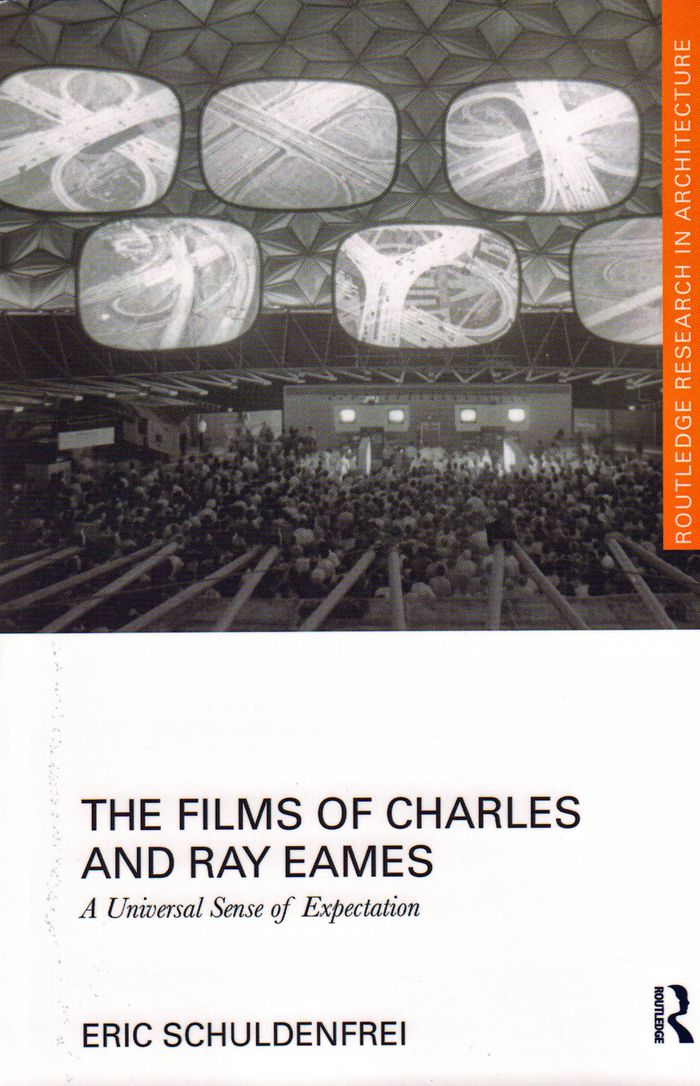
"The films of Charles and Ray Eames" traces the history of the Eameses’ work, examining their evolution away from the design of mass-produced goods and toward projects created as educational experiences. Closely examining how the Eameses described their work reveals how the films and exhibitions they generated were completely at odds with the earlier objectives exemplified in their furniture designs. Shifting away from promoting the consumer-culture, they turned their attention to the presentation of complex sets of scientific, artistic, and philosophical ideas.
The films of Charles and Ray Eames: a universal sense of expectation
Actions:
Prix:
$74.10
(disponible sur commande)
Résumé:
"The films of Charles and Ray Eames" traces the history of the Eameses’ work, examining their evolution away from the design of mass-produced goods and toward projects created as educational experiences. Closely examining how the Eameses described their work reveals how the films and exhibitions they generated were completely at odds with the earlier objectives exemplified in their furniture designs. Shifting away from promoting the consumer-culture, they turned their attention to the presentation of complex sets of scientific, artistic, and philosophical ideas.
Classification:
livres
livres
Publication:
octobre 2016
octobre 2016
Classification:
livres
livres
Prix:
$24.95
(disponible sur commande)
Résumé:
In 1983 visionary director John Cassavetes asked journalist Michael Ventura to write a unique film study - an on-set diary of the making of his film "Love Streams". Cassavetes laid out his expectations. He wanted 'a daring book, a tough book'. In Ventura's words, 'All I had to do for 'daring' and 'tough' was transcribe this man's audacity day by day.' "Cassavetes Directs"(...)
$24.95
(disponible sur commande)
Résumé:
In 1983 visionary director John Cassavetes asked journalist Michael Ventura to write a unique film study - an on-set diary of the making of his film "Love Streams". Cassavetes laid out his expectations. He wanted 'a daring book, a tough book'. In Ventura's words, 'All I had to do for 'daring' and 'tough' was transcribe this man's audacity day by day.' "Cassavetes Directs"(...)
Titre:
Cassavetes directs: John Cassavetes and the making of Love Streams
Actions:
Prix:
$24.95
(disponible sur commande)
Résumé:
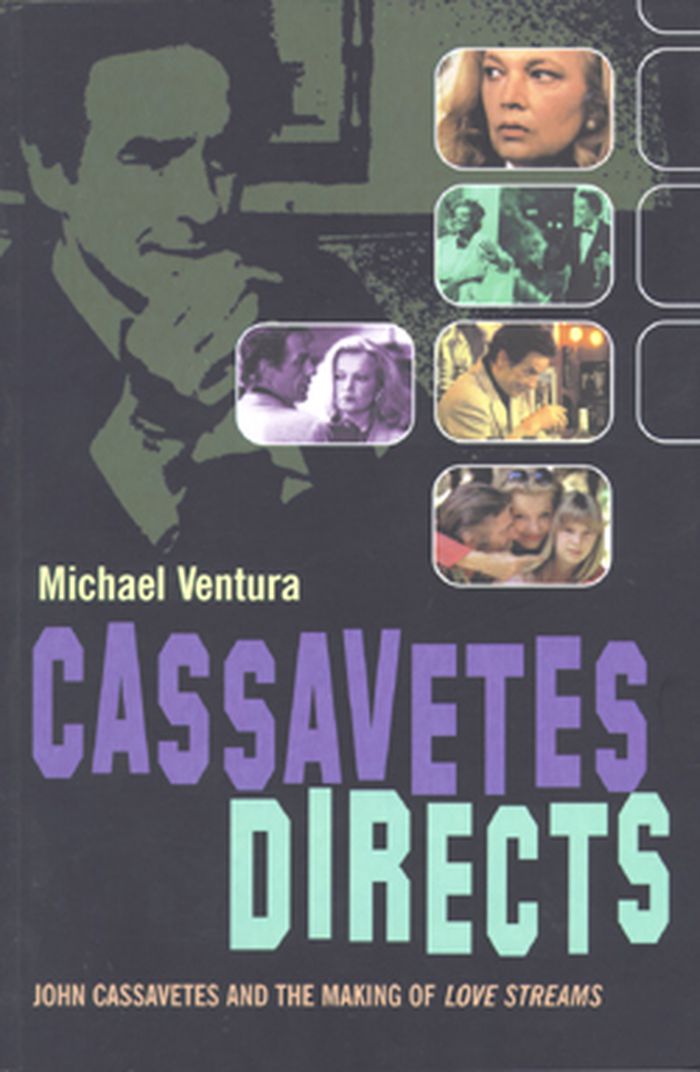
In 1983 visionary director John Cassavetes asked journalist Michael Ventura to write a unique film study - an on-set diary of the making of his film "Love Streams". Cassavetes laid out his expectations. He wanted 'a daring book, a tough book'. In Ventura's words, 'All I had to do for 'daring' and 'tough' was transcribe this man's audacity day by day.' "Cassavetes Directs" describes the creation of "Love Streams" shot by shot, crisis by crisis. During production, the director learned that he was seriously ill, that this film might, as it tragically turned out, be his last. Starring alongside actress and wife Gena Rowlands, Cassavetes shot in sequence, reconceiving and revising his film almost nightly, in order that "Love Streams" could stand as his final statement. Both an intimate portrait of the man and an insight into his unique filmmaking philosophy, "Cassavetes Directs" documents a heroic moment in the life of a great !
Cassavetes directs: John Cassavetes and the making of Love Streams
Actions:
Prix:
$24.95
(disponible sur commande)
Résumé:
In 1983 visionary director John Cassavetes asked journalist Michael Ventura to write a unique film study - an on-set diary of the making of his film "Love Streams". Cassavetes laid out his expectations. He wanted 'a daring book, a tough book'. In Ventura's words, 'All I had to do for 'daring' and 'tough' was transcribe this man's audacity day by day.' "Cassavetes Directs" describes the creation of "Love Streams" shot by shot, crisis by crisis. During production, the director learned that he was seriously ill, that this film might, as it tragically turned out, be his last. Starring alongside actress and wife Gena Rowlands, Cassavetes shot in sequence, reconceiving and revising his film almost nightly, in order that "Love Streams" could stand as his final statement. Both an intimate portrait of the man and an insight into his unique filmmaking philosophy, "Cassavetes Directs" documents a heroic moment in the life of a great !
Classification:
livres
livres
Publication:
février 2008
février 2008
Classification:
livres
livres
Actions:
Prix:
$56.50
(disponible sur commande)
Résumé:
The single-screen movie theaters that punctuated small-town America's main streets and city neighborhoods since the 1920s are all but gone. The well-dressed throng of moviegoers has vanished; the facades are boarded. In "Silent Screens", photographer Michael Putnam captures these once(...)
$56.50
(disponible sur commande)
Résumé:
The single-screen movie theaters that punctuated small-town America's main streets and city neighborhoods since the 1920s are all but gone. The well-dressed throng of moviegoers has vanished; the facades are boarded. In "Silent Screens", photographer Michael Putnam captures these once(...)
Publication:
juin 2000, Baltimore
juin 2000, Baltimore
Titre:
Silent screens : the decline and transformation of the American movie theater
Actions:
Prix:
$56.50
(disponible sur commande)
Résumé:
The single-screen movie theaters that punctuated small-town America's main streets and city neighborhoods since the 1920s are all but gone. The well-dressed throng of moviegoers has vanished; the facades are boarded. In "Silent Screens", photographer Michael Putnam captures these once prominent cinemas in decline and transformation. His photographs of abandoned movie houses and forlorn marquees are an elegy to this disappearing cultural icon. In the early 1980s, Putnam began photographing closed theaters, theaters that had been converted to other uses (a church, a swimming pool), theaters on the verge of collapse, theaters being demolished, and even vacant lots where theaters once stood. The result is an archive of images, large in quantity and geographically diffuse. Here is what has become of the Odeons, Strands, and Arcadias that existed as velvet and marble outposts of Hollywood drama next to barbershops, hardware stores, and five-and-dimes. Introduced by Robert Sklar, the starkly beautiful photographs are accompanied by original reminiscences on moviegoing by Peter Bogdanovich, Molly Haskell, Andrew Sarris, and Chester H. Liebs as well as excerpts from the works of poet John Hollander and writers Larry McMurtry and John Updike. Sklar begins by mapping the rise and fall of the local movie house, tracing the demise of small-town theaters to their role as bit players in the grand spectacle of Hollywood film distribution. "Under standard distribution practice," he writes, "a new film took from six months to a year to wend its way from picture palace to Podunk (the prints getting more and more frayed and scratched along the route). Even though the small-town theaters and their urban neighborhood counterparts made up the majority of the nation's movie houses, their significance, in terms of revenue returned to the major motion-picture companies that produced and distributed films, was paltry." In his essay, "Old Dreams," Last Picture Show director Peter Bogdanovich recalls the closing of New York City's great movie palaces -- the mammoth Roxy, the old Paramount near Times Square, the Capitol, and the Mayfair -- and the more innocent time in which they existed "when a quarter often bought you two features, a newsreel, a comedy short, a travelogue, a cartoon, a serial, and coming attractions." While the images in Putnam's book can be read as a metaphor for the death of many downtowns in America, "Silent Screens" goes beyond mere nostalgia to tell the important story of the disappearance of the single-screen theater, illuminating the layers of cultural and economic significance that still surround it.
Silent screens : the decline and transformation of the American movie theater
Actions:
Prix:
$56.50
(disponible sur commande)
Résumé:
The single-screen movie theaters that punctuated small-town America's main streets and city neighborhoods since the 1920s are all but gone. The well-dressed throng of moviegoers has vanished; the facades are boarded. In "Silent Screens", photographer Michael Putnam captures these once prominent cinemas in decline and transformation. His photographs of abandoned movie houses and forlorn marquees are an elegy to this disappearing cultural icon. In the early 1980s, Putnam began photographing closed theaters, theaters that had been converted to other uses (a church, a swimming pool), theaters on the verge of collapse, theaters being demolished, and even vacant lots where theaters once stood. The result is an archive of images, large in quantity and geographically diffuse. Here is what has become of the Odeons, Strands, and Arcadias that existed as velvet and marble outposts of Hollywood drama next to barbershops, hardware stores, and five-and-dimes. Introduced by Robert Sklar, the starkly beautiful photographs are accompanied by original reminiscences on moviegoing by Peter Bogdanovich, Molly Haskell, Andrew Sarris, and Chester H. Liebs as well as excerpts from the works of poet John Hollander and writers Larry McMurtry and John Updike. Sklar begins by mapping the rise and fall of the local movie house, tracing the demise of small-town theaters to their role as bit players in the grand spectacle of Hollywood film distribution. "Under standard distribution practice," he writes, "a new film took from six months to a year to wend its way from picture palace to Podunk (the prints getting more and more frayed and scratched along the route). Even though the small-town theaters and their urban neighborhood counterparts made up the majority of the nation's movie houses, their significance, in terms of revenue returned to the major motion-picture companies that produced and distributed films, was paltry." In his essay, "Old Dreams," Last Picture Show director Peter Bogdanovich recalls the closing of New York City's great movie palaces -- the mammoth Roxy, the old Paramount near Times Square, the Capitol, and the Mayfair -- and the more innocent time in which they existed "when a quarter often bought you two features, a newsreel, a comedy short, a travelogue, a cartoon, a serial, and coming attractions." While the images in Putnam's book can be read as a metaphor for the death of many downtowns in America, "Silent Screens" goes beyond mere nostalgia to tell the important story of the disappearance of the single-screen theater, illuminating the layers of cultural and economic significance that still surround it.
Classification:
livres
livres
Publication:
juin 2000, Baltimore
juin 2000, Baltimore
Classification:
livres
livres
Titre:
Cinematic city
Cinematic city
Actions:
Prix:
$52.95
(disponible sur commande)
Résumé:
Innovative and thought-provoking volume offering a wealth of insights into the cityscape, screenscape and the interconnections between the two. Illustrated throughout with movie stills, a diverse selection of film genres, cities and historical periods are examined by leading names in the field.
$52.95
(disponible sur commande)
Résumé:
Innovative and thought-provoking volume offering a wealth of insights into the cityscape, screenscape and the interconnections between the two. Illustrated throughout with movie stills, a diverse selection of film genres, cities and historical periods are examined by leading names in the field.
Titre:
Cinematic city
Actions:
Prix:
$52.95
(disponible sur commande)
Résumé:
Innovative and thought-provoking volume offering a wealth of insights into the cityscape, screenscape and the interconnections between the two. Illustrated throughout with movie stills, a diverse selection of film genres, cities and historical periods are examined by leading names in the field.
Cinematic city
Actions:
Prix:
$52.95
(disponible sur commande)
Résumé:
Innovative and thought-provoking volume offering a wealth of insights into the cityscape, screenscape and the interconnections between the two. Illustrated throughout with movie stills, a diverse selection of film genres, cities and historical periods are examined by leading names in the field.
Classification:
livres
livres
Publication:
mai 1997, London
mai 1997, London
Classification:
livres
livres
Actions:
Prix:
$40.00
(disponible sur commande)
Résumé:
There was a time when seeing a movie meant more than seeing a film. The theater itself shaped the very perception of events on screen. This multilayered history tells the story of American film through the evolution of theater architecture and the surprisingly varied ways movies were shown, ranging from Edison's 1896 projections to the 1968 Cinerama premiere of Stanley(...)
$40.00
(disponible sur commande)
Résumé:
There was a time when seeing a movie meant more than seeing a film. The theater itself shaped the very perception of events on screen. This multilayered history tells the story of American film through the evolution of theater architecture and the surprisingly varied ways movies were shown, ranging from Edison's 1896 projections to the 1968 Cinerama premiere of Stanley(...)
Titre:
When movies were theater: architecture, exhibition, and the evolution of American film
Actions:
Prix:
$40.00
(disponible sur commande)
Résumé:
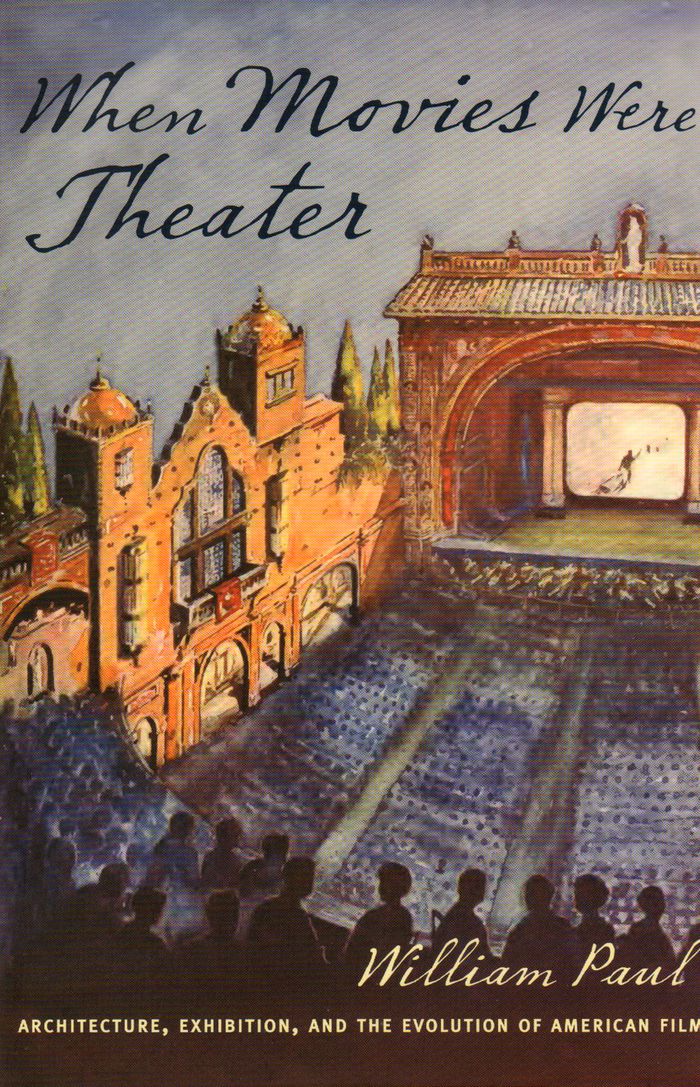
There was a time when seeing a movie meant more than seeing a film. The theater itself shaped the very perception of events on screen. This multilayered history tells the story of American film through the evolution of theater architecture and the surprisingly varied ways movies were shown, ranging from Edison's 1896 projections to the 1968 Cinerama premiere of Stanley Kubrick's 2001. William Paul matches distinct architectural forms to movie styles, showing how cinema's roots in theater influenced business practices, exhibition strategies, and film technologies.
When movies were theater: architecture, exhibition, and the evolution of American film
Actions:
Prix:
$40.00
(disponible sur commande)
Résumé:
There was a time when seeing a movie meant more than seeing a film. The theater itself shaped the very perception of events on screen. This multilayered history tells the story of American film through the evolution of theater architecture and the surprisingly varied ways movies were shown, ranging from Edison's 1896 projections to the 1968 Cinerama premiere of Stanley Kubrick's 2001. William Paul matches distinct architectural forms to movie styles, showing how cinema's roots in theater influenced business practices, exhibition strategies, and film technologies.
Classification:
livres
livres
Publication:
mai 2016
mai 2016
Classification:
livres
livres
Actions:
Prix:
$53.95
(disponible sur commande)
Résumé:
This book offers intersectional, intergenerational, and international perspectives on nonfiction film- and videomaking by and about women, examining practices that range from activist documentaries to avant-garde experiments. Concentrating primarily on the period between the 1970s and 1990s, the contributions revisit major figures, contexts, and debates across a(...)
$53.95
(disponible sur commande)
Résumé:
This book offers intersectional, intergenerational, and international perspectives on nonfiction film- and videomaking by and about women, examining practices that range from activist documentaries to avant-garde experiments. Concentrating primarily on the period between the 1970s and 1990s, the contributions revisit major figures, contexts, and debates across a(...)
Titre:
Feminist worldmaking and the moving image
Actions:
Prix:
$53.95
(disponible sur commande)
Résumé:
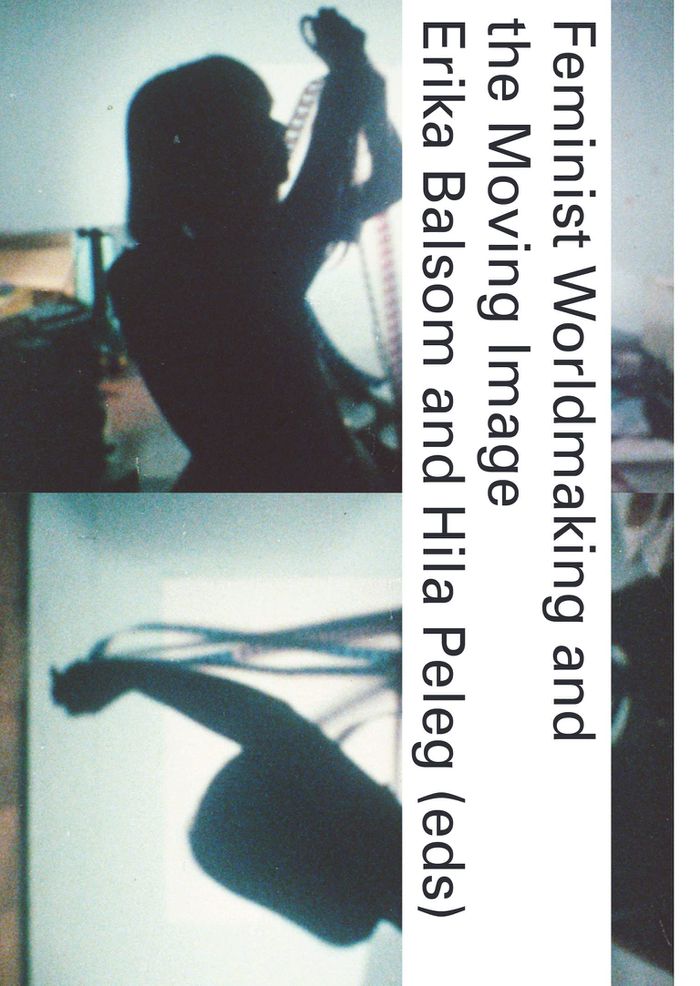
This book offers intersectional, intergenerational, and international perspectives on nonfiction film- and videomaking by and about women, examining practices that range from activist documentaries to avant-garde experiments. Concentrating primarily on the period between the 1970s and 1990s, the contributions revisit major figures, contexts, and debates across a polycentric, global geography. They explore how the moving image has been a crucial terrain of feminist struggle—a way of not only picturing the world but remaking it. The contributors consider key decolonial filmmakers, including Trinh T. Minh-ha and Sarah Maldoror; explore collectively produced films with ties to women's liberation movements in different countries; and investigate the cinematic expressions of tensions and alliances between feminism and anti-imperialist struggles. They grapple with the need for a broader more inclusive definition of the term ''feminism''; meditate on the figure of the grandmother; reflect on realist aesthetics; and ask what a feminist film historiography might look like.
Feminist worldmaking and the moving image
Actions:
Prix:
$53.95
(disponible sur commande)
Résumé:
This book offers intersectional, intergenerational, and international perspectives on nonfiction film- and videomaking by and about women, examining practices that range from activist documentaries to avant-garde experiments. Concentrating primarily on the period between the 1970s and 1990s, the contributions revisit major figures, contexts, and debates across a polycentric, global geography. They explore how the moving image has been a crucial terrain of feminist struggle—a way of not only picturing the world but remaking it. The contributors consider key decolonial filmmakers, including Trinh T. Minh-ha and Sarah Maldoror; explore collectively produced films with ties to women's liberation movements in different countries; and investigate the cinematic expressions of tensions and alliances between feminism and anti-imperialist struggles. They grapple with the need for a broader more inclusive definition of the term ''feminism''; meditate on the figure of the grandmother; reflect on realist aesthetics; and ask what a feminist film historiography might look like.
Classification:
livres
livres
Publication:
août 2022
août 2022
Classification:
livres
livres
Actions:
Prix:
$24.95
(disponible en magasin)
Résumé:
For more than 30 years, internationally renowned moving image artists and designers the Quay Brothers have been in the avant-garde of stop-motion puppet animation. Creating work in the tradition of Czech Surrealists Jan Svankmajer and Jiri Trnka, Russian animator Yuri Norstein and Polish animator Walerian Borowczyk, the twin brothers practice a design aesthetic influenced(...)
$24.95
(disponible en magasin)
Résumé:
For more than 30 years, internationally renowned moving image artists and designers the Quay Brothers have been in the avant-garde of stop-motion puppet animation. Creating work in the tradition of Czech Surrealists Jan Svankmajer and Jiri Trnka, Russian animator Yuri Norstein and Polish animator Walerian Borowczyk, the twin brothers practice a design aesthetic influenced(...)
Titre:
Quay Brothers: on deciphering the pharmacist’s prescription for lip-reading puppets
Actions:
Prix:
$24.95
(disponible en magasin)
Résumé:
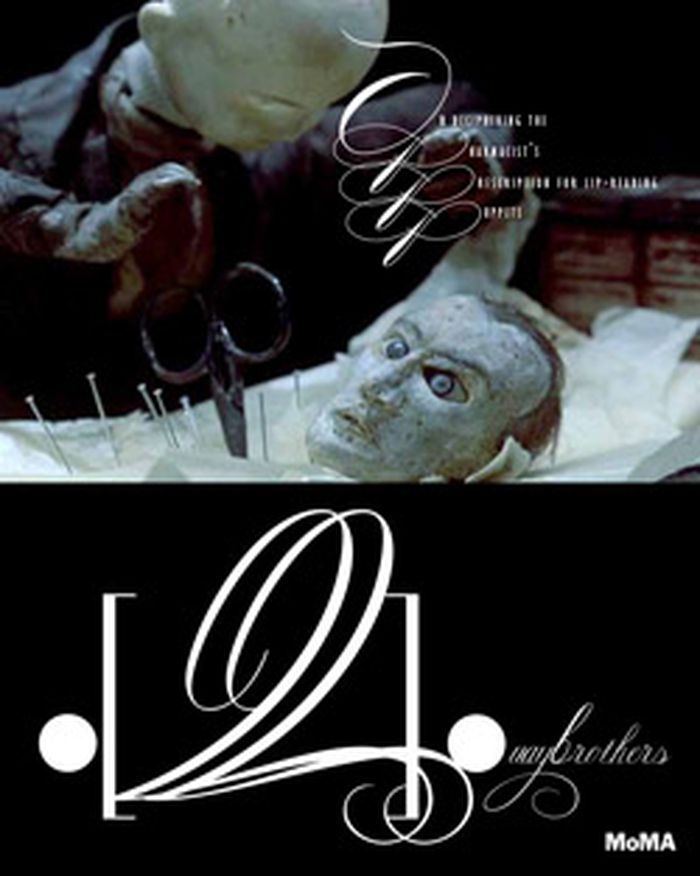
For more than 30 years, internationally renowned moving image artists and designers the Quay Brothers have been in the avant-garde of stop-motion puppet animation. Creating work in the tradition of Czech Surrealists Jan Svankmajer and Jiri Trnka, Russian animator Yuri Norstein and Polish animator Walerian Borowczyk, the twin brothers practice a design aesthetic influenced by the graphic surrealism of Polish poster artists of the 1950s and 1960s. Since 1971, they have produced more than 45 moving images, including features, music videos, dance films and documentaries, and have designed sets and projections for opera, drama and concert performances. Published to accompany an exhibition at The Museum of Modern Art, this publication presents their films as well as previously unseen moving image works and graphic design, drawings, typography and notebooks for films.
Quay Brothers: on deciphering the pharmacist’s prescription for lip-reading puppets
Actions:
Prix:
$24.95
(disponible en magasin)
Résumé:
For more than 30 years, internationally renowned moving image artists and designers the Quay Brothers have been in the avant-garde of stop-motion puppet animation. Creating work in the tradition of Czech Surrealists Jan Svankmajer and Jiri Trnka, Russian animator Yuri Norstein and Polish animator Walerian Borowczyk, the twin brothers practice a design aesthetic influenced by the graphic surrealism of Polish poster artists of the 1950s and 1960s. Since 1971, they have produced more than 45 moving images, including features, music videos, dance films and documentaries, and have designed sets and projections for opera, drama and concert performances. Published to accompany an exhibition at The Museum of Modern Art, this publication presents their films as well as previously unseen moving image works and graphic design, drawings, typography and notebooks for films.
Classification:
livres
livres
Publication:
août 2012
août 2012


