


12611 Résultats
Classification:
expositions
expositions
Actions:
Description:
None
None
Date:
22 mars 2018 au 2 septembre 2018
22 mars 2018 au 2 septembre 2018
Titre:
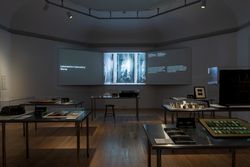
Culte du labo : une histoire non-conformiste des rapports entre la science et l’architecture
Actions:
Description:
None
Culte du labo : une histoire non-conformiste des rapports entre la science et l’architecture
Actions:
Description:
None
Classification:
expositions
expositions
Date:
22 mars 2018 au
2 septembre 2018
22 mars 2018 au
2 septembre 2018
Classification:
événements
événements
Description:
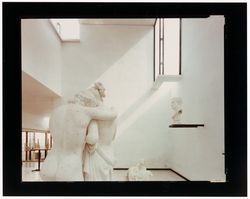
Comment les optiques computationnelles opèrent-t-elles dans et à travers l’environnement bâti? Comment sont-elles devenues si omniprésentes et considérées comme allant de soi, répondant aux désirs des centres dexécution et à la lisibilité dont l’informatique a besoin? Quelles logiques, quels imaginaires et quels cadres informatiques se situent en dehors de leurs modes(...)
Comment les optiques computationnelles opèrent-t-elles dans et à travers l’environnement bâti? Comment sont-elles devenues si omniprésentes et considérées comme allant de soi, répondant aux désirs des centres dexécution et à la lisibilité dont l’informatique a besoin? Quelles logiques, quels imaginaires et quels cadres informatiques se situent en dehors de leurs modes(...)
Localisation:
Maison Shaughnessy, CCA Mot(s)-clé(s):
Outils d'aujourd'hui, optiques computationnelles
Maison Shaughnessy, CCA Mot(s)-clé(s):
Outils d'aujourd'hui, optiques computationnelles
Date:
17 juillet 2025, 18h
17 juillet 2025, 18h
Titre:
Outils d’aujourd’hui : Défier les envies computationnelles
Actions:
Description:
Comment les optiques computationnelles opèrent-t-elles dans et à travers l’environnement bâti? Comment sont-elles devenues si omniprésentes et considérées comme allant de soi, répondant aux désirs des centres dexécution et à la lisibilité dont l’informatique a besoin? Quelles logiques, quels imaginaires et quels cadres informatiques se situent en dehors de leurs modes(...)
Outils d’aujourd’hui : Défier les envies computationnelles
Actions:
Description:
Comment les optiques computationnelles opèrent-t-elles dans et à travers l’environnement bâti? Comment sont-elles devenues si omniprésentes et considérées comme allant de soi, répondant aux désirs des centres dexécution et à la lisibilité dont l’informatique a besoin? Quelles logiques, quels imaginaires et quels cadres informatiques se situent en dehors de leurs modes(...)
Classification:
événements
événements
Date:
17 juillet 2025
18h
17 juillet 2025
18h
Localisation:
Maison Shaughnessy, CCA Mot(s)-clé(s):
Outils d'aujourd'hui, optiques computationnelles
Maison Shaughnessy, CCA Mot(s)-clé(s):
Outils d'aujourd'hui, optiques computationnelles
Classification:
documents textuels, photographies
Quantité:
34 file
documents textuels, photographies
Quantité:
34 file
Numéro de référence:
ARCH242854
Description:
Future Issues Any Future Issues Any: Future Issues Editorial Board Meeting - 1993 Any Planning Any Board Meeting Editorial Meeting notes Any magazine board Any magazine proposals Proposals- Space / Movement / Territory Architecture and Science (proposals) Ideology (proposals) Deleuze (proposal) Fold (Deleuze Issue - [John] Rajchman Free-Lance Inquiries Paul [Henninger] - miscellaneous Long-Range Planning / Jones High Concept (proposals) Projects Lost Files Edit Content Reports Writers Agreements Writer's Guidelines Any Writers Style Sheet Anyone Style Sheet Any ISSN (Library of Congress ISSN application) Copyright File Any - Library of Congress CD File Lists - Contributors MIT Press - catalogues Photo Research Image Requests Random - address lists, correspondence, invoices, 5 slides, 6 photos
ARCH242854
Description:
Future Issues Any Future Issues Any: Future Issues Editorial Board Meeting - 1993 Any Planning Any Board Meeting Editorial Meeting notes Any magazine board Any magazine proposals Proposals- Space / Movement / Territory Architecture and Science (proposals) Ideology (proposals) Deleuze (proposal) Fold (Deleuze Issue - [John] Rajchman Free-Lance Inquiries Paul [Henninger] - miscellaneous Long-Range Planning / Jones High Concept (proposals) Projects Lost Files Edit Content Reports Writers Agreements Writer's Guidelines Any Writers Style Sheet Anyone Style Sheet Any ISSN (Library of Congress ISSN application) Copyright File Any - Library of Congress CD File Lists - Contributors MIT Press - catalogues Photo Research Image Requests Random - address lists, correspondence, invoices, 5 slides, 6 photos
Personnes et institutions:
Date:
1992-1998
1992-1998
Titre:
ANY Magazine Editorial Files, 1992-1998
Actions:
ARCH242854
Description:
Future Issues Any Future Issues Any: Future Issues Editorial Board Meeting - 1993 Any Planning Any Board Meeting Editorial Meeting notes Any magazine board Any magazine proposals Proposals- Space / Movement / Territory Architecture and Science (proposals) Ideology (proposals) Deleuze (proposal) Fold (Deleuze Issue - [John] Rajchman Free-Lance Inquiries Paul [Henninger] - miscellaneous Long-Range Planning / Jones High Concept (proposals) Projects Lost Files Edit Content Reports Writers Agreements Writer's Guidelines Any Writers Style Sheet Anyone Style Sheet Any ISSN (Library of Congress ISSN application) Copyright File Any - Library of Congress CD File Lists - Contributors MIT Press - catalogues Photo Research Image Requests Random - address lists, correspondence, invoices, 5 slides, 6 photos
ANY Magazine Editorial Files, 1992-1998
Actions:
ARCH242854
Description:
Future Issues Any Future Issues Any: Future Issues Editorial Board Meeting - 1993 Any Planning Any Board Meeting Editorial Meeting notes Any magazine board Any magazine proposals Proposals- Space / Movement / Territory Architecture and Science (proposals) Ideology (proposals) Deleuze (proposal) Fold (Deleuze Issue - [John] Rajchman Free-Lance Inquiries Paul [Henninger] - miscellaneous Long-Range Planning / Jones High Concept (proposals) Projects Lost Files Edit Content Reports Writers Agreements Writer's Guidelines Any Writers Style Sheet Anyone Style Sheet Any ISSN (Library of Congress ISSN application) Copyright File Any - Library of Congress CD File Lists - Contributors MIT Press - catalogues Photo Research Image Requests Random - address lists, correspondence, invoices, 5 slides, 6 photos
Classification:
documents textuels, photographies
Quantité:
34 file
documents textuels, photographies
Quantité:
34 file
Date:
1992-1998
1992-1998
Personnes et institutions:
Classification:
événements
événements
Actions:
Description:
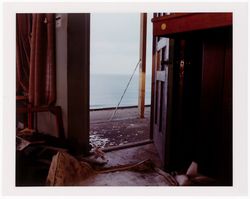
Maurice Cox et Mio Tsuneyama discutent de diverses expériences et réalités concrètes reliées aux espaces vacants, au-delà des frontières et des différents contextes urbains.
Maurice Cox et Mio Tsuneyama discutent de diverses expériences et réalités concrètes reliées aux espaces vacants, au-delà des frontières et des différents contextes urbains.
Date:
15 janvier 2026, 18h à 19h30
15 janvier 2026, 18h à 19h30
Titre:
Quels espaces peuvent définir l’état vacant?
Actions:
Description:
Maurice Cox et Mio Tsuneyama discutent de diverses expériences et réalités concrètes reliées aux espaces vacants, au-delà des frontières et des différents contextes urbains.
Quels espaces peuvent définir l’état vacant?
Actions:
Description:
Maurice Cox et Mio Tsuneyama discutent de diverses expériences et réalités concrètes reliées aux espaces vacants, au-delà des frontières et des différents contextes urbains.
Classification:
événements
événements
Date:
15 janvier 2026
18h à 19h30
15 janvier 2026
18h à 19h30
Classification:
archives
Niveau de description archivistique:
Fonds
archives
Niveau de description archivistique:
Fonds
Titre:
Fonds John Hejduk
Fonds John Hejduk
Numéro de référence:
AP145
Résumé:
The John Hejduk fonds documents the professional practice of architect John Hejduk. Drawings of nearly every project by Hejduk are present, with many of his most significant architectural, exhibition, and publishing projects particularly well represented. Material in this fonds was produced between 1947 and 2000.
AP145
Résumé:
The John Hejduk fonds documents the professional practice of architect John Hejduk. Drawings of nearly every project by Hejduk are present, with many of his most significant architectural, exhibition, and publishing projects particularly well represented. Material in this fonds was produced between 1947 and 2000.
Personnes et institutions:
Date:
1947-2000, predominant 1947-1996
1947-2000, predominant 1947-1996
Titre:
Fonds John Hejduk
Actions:
AP145
Résumé:
The John Hejduk fonds documents the professional practice of architect John Hejduk. Drawings of nearly every project by Hejduk are present, with many of his most significant architectural, exhibition, and publishing projects particularly well represented. Material in this fonds was produced between 1947 and 2000.
Fonds John Hejduk
Actions:
AP145
Résumé:
The John Hejduk fonds documents the professional practice of architect John Hejduk. Drawings of nearly every project by Hejduk are present, with many of his most significant architectural, exhibition, and publishing projects particularly well represented. Material in this fonds was produced between 1947 and 2000.
Classification:
archives
Niveau de description archivistique:
Fonds
archives
Niveau de description archivistique:
Fonds
Date:
1947-2000, predominant 1947-1996
1947-2000, predominant 1947-1996
Personnes et institutions:
Niveau de description archivistique:
Projet
Projet
Numéro de référence:
AP075.S1.2006.PR01
Description:
Project series documents Cornelia Hahn Oberlander's landscape project for the restauration of the Evergreen Building, a ten-story office tower on West Pender Street, in Vancouver, British Columbia. The building was previously known as the Laxton Building. The project consisted in renovations work to the building, design by architect Arthur Erickson in the 1980. Oberlander herself worked with Erickson at the time. After helping to save the building from demolition in the early 2000s, Oberlander worked as a landscape consultant for Omicron Architecture Engineering Construction Co. in 2006-2007. She was consulted for the restoration of the landscaping at the street level and the replanting of the planted balconies she had created while working with Erickson. As the building facade consisted in a stepped facade with an alternance of zigzag floor plates and straight floor plates, Oberlander chose cascading plants for the zigzag floors and upright planting for the straight floors. "Since the plants were brought to the structure's edges, the geometries of the building were dramatically amplified." [1] The Evergreen Building received a heritage status in the mid-2000s. This project series contains only materials related to the 2006-2007 renovations project. The project series comprises sketches, design development drawings, including site plans, plantings plans and landscape elevations, and buildings plans used as reference. The project series is also documented through corrsepondence, including correspondence with architects and contractors, specifications, plant lists, digital files of a presentation on the existing site condition, financial material, and research material for the project. Source: [1] Herrington, Susan. Cornelia Hahn Oberlander: Making the Modern Landscape, University of Virginia Press, 2014, 304 pages, p. 139.
AP075.S1.2006.PR01
Description:
Project series documents Cornelia Hahn Oberlander's landscape project for the restauration of the Evergreen Building, a ten-story office tower on West Pender Street, in Vancouver, British Columbia. The building was previously known as the Laxton Building. The project consisted in renovations work to the building, design by architect Arthur Erickson in the 1980. Oberlander herself worked with Erickson at the time. After helping to save the building from demolition in the early 2000s, Oberlander worked as a landscape consultant for Omicron Architecture Engineering Construction Co. in 2006-2007. She was consulted for the restoration of the landscaping at the street level and the replanting of the planted balconies she had created while working with Erickson. As the building facade consisted in a stepped facade with an alternance of zigzag floor plates and straight floor plates, Oberlander chose cascading plants for the zigzag floors and upright planting for the straight floors. "Since the plants were brought to the structure's edges, the geometries of the building were dramatically amplified." [1] The Evergreen Building received a heritage status in the mid-2000s. This project series contains only materials related to the 2006-2007 renovations project. The project series comprises sketches, design development drawings, including site plans, plantings plans and landscape elevations, and buildings plans used as reference. The project series is also documented through corrsepondence, including correspondence with architects and contractors, specifications, plant lists, digital files of a presentation on the existing site condition, financial material, and research material for the project. Source: [1] Herrington, Susan. Cornelia Hahn Oberlander: Making the Modern Landscape, University of Virginia Press, 2014, 304 pages, p. 139.
Personnes et institutions:
Date:
2006-2007
2006-2007
Titre:
Evergreen Building restoration, Vancouver, British Columbia (2006)
Actions:
AP075.S1.2006.PR01
Description:
Project series documents Cornelia Hahn Oberlander's landscape project for the restauration of the Evergreen Building, a ten-story office tower on West Pender Street, in Vancouver, British Columbia. The building was previously known as the Laxton Building. The project consisted in renovations work to the building, design by architect Arthur Erickson in the 1980. Oberlander herself worked with Erickson at the time. After helping to save the building from demolition in the early 2000s, Oberlander worked as a landscape consultant for Omicron Architecture Engineering Construction Co. in 2006-2007. She was consulted for the restoration of the landscaping at the street level and the replanting of the planted balconies she had created while working with Erickson. As the building facade consisted in a stepped facade with an alternance of zigzag floor plates and straight floor plates, Oberlander chose cascading plants for the zigzag floors and upright planting for the straight floors. "Since the plants were brought to the structure's edges, the geometries of the building were dramatically amplified." [1] The Evergreen Building received a heritage status in the mid-2000s. This project series contains only materials related to the 2006-2007 renovations project. The project series comprises sketches, design development drawings, including site plans, plantings plans and landscape elevations, and buildings plans used as reference. The project series is also documented through corrsepondence, including correspondence with architects and contractors, specifications, plant lists, digital files of a presentation on the existing site condition, financial material, and research material for the project. Source: [1] Herrington, Susan. Cornelia Hahn Oberlander: Making the Modern Landscape, University of Virginia Press, 2014, 304 pages, p. 139.
Evergreen Building restoration, Vancouver, British Columbia (2006)
Actions:
AP075.S1.2006.PR01
Description:
Project series documents Cornelia Hahn Oberlander's landscape project for the restauration of the Evergreen Building, a ten-story office tower on West Pender Street, in Vancouver, British Columbia. The building was previously known as the Laxton Building. The project consisted in renovations work to the building, design by architect Arthur Erickson in the 1980. Oberlander herself worked with Erickson at the time. After helping to save the building from demolition in the early 2000s, Oberlander worked as a landscape consultant for Omicron Architecture Engineering Construction Co. in 2006-2007. She was consulted for the restoration of the landscaping at the street level and the replanting of the planted balconies she had created while working with Erickson. As the building facade consisted in a stepped facade with an alternance of zigzag floor plates and straight floor plates, Oberlander chose cascading plants for the zigzag floors and upright planting for the straight floors. "Since the plants were brought to the structure's edges, the geometries of the building were dramatically amplified." [1] The Evergreen Building received a heritage status in the mid-2000s. This project series contains only materials related to the 2006-2007 renovations project. The project series comprises sketches, design development drawings, including site plans, plantings plans and landscape elevations, and buildings plans used as reference. The project series is also documented through corrsepondence, including correspondence with architects and contractors, specifications, plant lists, digital files of a presentation on the existing site condition, financial material, and research material for the project. Source: [1] Herrington, Susan. Cornelia Hahn Oberlander: Making the Modern Landscape, University of Virginia Press, 2014, 304 pages, p. 139.
Niveau de description archivistique:
Project
Project
Date:
2006-2007
2006-2007
Personnes et institutions:
Niveau de description archivistique:
Projet
Projet
Numéro de référence:
AP075.S1.2008.PR02
Description:
Project series documents Cornelia Hahn Oberlander's project for the Inuvik School, later known as East Three School, in Inuvik, Northwest Territories. The project consisted in the landscape design and a playground design for the new school replacing the Sir Alexander MacKenzie elementary school and the Samuel Herne Secondary School. Oberlander worked on this project from 2008 to 2012 with architects Pin/Taylor. During her design process, Oberlander consulted the teachers, parents, staff and students on ways to express their culture in the landscape design. She also had to adapt her design to the extreme climate of the region. Oberlander located the play court at the angle of the two buildings of the elementary school and the secondary school, to shelter it from the wind, and allowing small children to play outside. The plant selection was made by "harvesting local site and surrounding area for plant material" [1] and was also inspired by traditional cuisine. The project was completed in 2012. The project series also includes some documents related to a project possibly unrealized of the Jim Koe Park also in Inuvik, near the school. The project series contains design development drawings and working drawings, such as planting plans, irrigation plans, grading plans, landscape sections, and site plans. The drawings also includes sets of building plans used as reference. The project is also documented through correspondence, including with architects, suppliers, and consultants, specifications, scope of work, schematic design and design reports from architectural firm, minutes of meetings, and research material. Source: [1] Herrington, Susan. Cornelia Hahn Oberlander: Making the Modern Landscape, University of Virginia Press, 2014, 304 pages, p. 197.
AP075.S1.2008.PR02
Description:
Project series documents Cornelia Hahn Oberlander's project for the Inuvik School, later known as East Three School, in Inuvik, Northwest Territories. The project consisted in the landscape design and a playground design for the new school replacing the Sir Alexander MacKenzie elementary school and the Samuel Herne Secondary School. Oberlander worked on this project from 2008 to 2012 with architects Pin/Taylor. During her design process, Oberlander consulted the teachers, parents, staff and students on ways to express their culture in the landscape design. She also had to adapt her design to the extreme climate of the region. Oberlander located the play court at the angle of the two buildings of the elementary school and the secondary school, to shelter it from the wind, and allowing small children to play outside. The plant selection was made by "harvesting local site and surrounding area for plant material" [1] and was also inspired by traditional cuisine. The project was completed in 2012. The project series also includes some documents related to a project possibly unrealized of the Jim Koe Park also in Inuvik, near the school. The project series contains design development drawings and working drawings, such as planting plans, irrigation plans, grading plans, landscape sections, and site plans. The drawings also includes sets of building plans used as reference. The project is also documented through correspondence, including with architects, suppliers, and consultants, specifications, scope of work, schematic design and design reports from architectural firm, minutes of meetings, and research material. Source: [1] Herrington, Susan. Cornelia Hahn Oberlander: Making the Modern Landscape, University of Virginia Press, 2014, 304 pages, p. 197.
Personnes et institutions:
Date:
1999-2014
1999-2014
Titre:
Inuvik School, Inuvik, Northwest Territories (2008)
Actions:
AP075.S1.2008.PR02
Description:
Project series documents Cornelia Hahn Oberlander's project for the Inuvik School, later known as East Three School, in Inuvik, Northwest Territories. The project consisted in the landscape design and a playground design for the new school replacing the Sir Alexander MacKenzie elementary school and the Samuel Herne Secondary School. Oberlander worked on this project from 2008 to 2012 with architects Pin/Taylor. During her design process, Oberlander consulted the teachers, parents, staff and students on ways to express their culture in the landscape design. She also had to adapt her design to the extreme climate of the region. Oberlander located the play court at the angle of the two buildings of the elementary school and the secondary school, to shelter it from the wind, and allowing small children to play outside. The plant selection was made by "harvesting local site and surrounding area for plant material" [1] and was also inspired by traditional cuisine. The project was completed in 2012. The project series also includes some documents related to a project possibly unrealized of the Jim Koe Park also in Inuvik, near the school. The project series contains design development drawings and working drawings, such as planting plans, irrigation plans, grading plans, landscape sections, and site plans. The drawings also includes sets of building plans used as reference. The project is also documented through correspondence, including with architects, suppliers, and consultants, specifications, scope of work, schematic design and design reports from architectural firm, minutes of meetings, and research material. Source: [1] Herrington, Susan. Cornelia Hahn Oberlander: Making the Modern Landscape, University of Virginia Press, 2014, 304 pages, p. 197.
Inuvik School, Inuvik, Northwest Territories (2008)
Actions:
AP075.S1.2008.PR02
Description:
Project series documents Cornelia Hahn Oberlander's project for the Inuvik School, later known as East Three School, in Inuvik, Northwest Territories. The project consisted in the landscape design and a playground design for the new school replacing the Sir Alexander MacKenzie elementary school and the Samuel Herne Secondary School. Oberlander worked on this project from 2008 to 2012 with architects Pin/Taylor. During her design process, Oberlander consulted the teachers, parents, staff and students on ways to express their culture in the landscape design. She also had to adapt her design to the extreme climate of the region. Oberlander located the play court at the angle of the two buildings of the elementary school and the secondary school, to shelter it from the wind, and allowing small children to play outside. The plant selection was made by "harvesting local site and surrounding area for plant material" [1] and was also inspired by traditional cuisine. The project was completed in 2012. The project series also includes some documents related to a project possibly unrealized of the Jim Koe Park also in Inuvik, near the school. The project series contains design development drawings and working drawings, such as planting plans, irrigation plans, grading plans, landscape sections, and site plans. The drawings also includes sets of building plans used as reference. The project is also documented through correspondence, including with architects, suppliers, and consultants, specifications, scope of work, schematic design and design reports from architectural firm, minutes of meetings, and research material. Source: [1] Herrington, Susan. Cornelia Hahn Oberlander: Making the Modern Landscape, University of Virginia Press, 2014, 304 pages, p. 197.
Niveau de description archivistique:
Project
Project
Date:
1999-2014
1999-2014
Personnes et institutions:
Classification:
articles
articles
Titre:
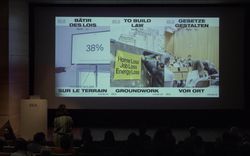
Une question de valeurs
Une question de valeurs
Actions:
Olaf Grawert et Alina Kolar présentent HouseEurope!
Mot(s)-clé(s):
b+, bplus, station+, ETHZ, Groundwork, To build law, rénovation, transformation, réutilisation, Europe, HouseEurope
b+, bplus, station+, ETHZ, Groundwork, To build law, rénovation, transformation, réutilisation, Europe, HouseEurope
Publié:
20 janvier 2025
20 janvier 2025
Niveau de description archivistique:
Projet
Projet
Titre:
Miragaia, Porto
Miragaia, Porto
Numéro de référence:
CD034.S1.1975.PR01
Description:
This project series contains reproductions of drawings and panels displayed in the exhibit to document the neighbourhood Miragaia, in Porto Portugal. The exhibit text explained that: ... although the Miragaia project was never built, its seminal and programmatic character contributed significantly to the development of the SAAL Process. The project architect Fernando Távora first worked on the Barredo Neighbourhood ― a very poor area in the Porto's historic centre ― as an architect and teacher at the city's School of Fine Arts, and the Miragaia project built on this research, demonstrating a knowledge of and sensitivity to both the physical terrain and the social landscape of Porto, presenting a nuanced view of life in an urban space. Despite the strengths of the plan, the city council's policy on Porto's historic centre subsequently did not include Távora's project for Miragaia. Nonetheless, in the seriousness of its design and the depth of knowledge that it displayed, the project was a significant attempt to recover and rationalize Miragaia's vacant riverside zone. The highly developed nature of the proposal, its level of surgical precision, and Fernando Távora's thoughtful notes reveal a great deal about SAAL, its structure, its relationship with residents, and the overall model for urban intervention. (The SAAL Process, Housing in Portugal 1974–76) Fernando Távora worked for SAAL/North with Antónia Nolo, Bernardo Ferrão, Gil Carneiro, Joaquim Jordão, Jorge Barros, Manuel Campos, Pedro Paredes and the residents' association Miragaia, that was founded on March 30th, 1976. The project was for 900 dwellings, but none were built. The operation began in June 1975. This project series contains reproductions of design development drawings, presentation panels, site plans and a study of a logo. The original drawings and panels were produced from 1975 to 1977 and were reproduced in 2015 for the exhibit.
CD034.S1.1975.PR01
Description:
This project series contains reproductions of drawings and panels displayed in the exhibit to document the neighbourhood Miragaia, in Porto Portugal. The exhibit text explained that: ... although the Miragaia project was never built, its seminal and programmatic character contributed significantly to the development of the SAAL Process. The project architect Fernando Távora first worked on the Barredo Neighbourhood ― a very poor area in the Porto's historic centre ― as an architect and teacher at the city's School of Fine Arts, and the Miragaia project built on this research, demonstrating a knowledge of and sensitivity to both the physical terrain and the social landscape of Porto, presenting a nuanced view of life in an urban space. Despite the strengths of the plan, the city council's policy on Porto's historic centre subsequently did not include Távora's project for Miragaia. Nonetheless, in the seriousness of its design and the depth of knowledge that it displayed, the project was a significant attempt to recover and rationalize Miragaia's vacant riverside zone. The highly developed nature of the proposal, its level of surgical precision, and Fernando Távora's thoughtful notes reveal a great deal about SAAL, its structure, its relationship with residents, and the overall model for urban intervention. (The SAAL Process, Housing in Portugal 1974–76) Fernando Távora worked for SAAL/North with Antónia Nolo, Bernardo Ferrão, Gil Carneiro, Joaquim Jordão, Jorge Barros, Manuel Campos, Pedro Paredes and the residents' association Miragaia, that was founded on March 30th, 1976. The project was for 900 dwellings, but none were built. The operation began in June 1975. This project series contains reproductions of design development drawings, presentation panels, site plans and a study of a logo. The original drawings and panels were produced from 1975 to 1977 and were reproduced in 2015 for the exhibit.
Personnes et institutions:
Date:
1975-1977
1975-1977
Titre:
Miragaia, Porto
Actions:
CD034.S1.1975.PR01
Description:
This project series contains reproductions of drawings and panels displayed in the exhibit to document the neighbourhood Miragaia, in Porto Portugal. The exhibit text explained that: ... although the Miragaia project was never built, its seminal and programmatic character contributed significantly to the development of the SAAL Process. The project architect Fernando Távora first worked on the Barredo Neighbourhood ― a very poor area in the Porto's historic centre ― as an architect and teacher at the city's School of Fine Arts, and the Miragaia project built on this research, demonstrating a knowledge of and sensitivity to both the physical terrain and the social landscape of Porto, presenting a nuanced view of life in an urban space. Despite the strengths of the plan, the city council's policy on Porto's historic centre subsequently did not include Távora's project for Miragaia. Nonetheless, in the seriousness of its design and the depth of knowledge that it displayed, the project was a significant attempt to recover and rationalize Miragaia's vacant riverside zone. The highly developed nature of the proposal, its level of surgical precision, and Fernando Távora's thoughtful notes reveal a great deal about SAAL, its structure, its relationship with residents, and the overall model for urban intervention. (The SAAL Process, Housing in Portugal 1974–76) Fernando Távora worked for SAAL/North with Antónia Nolo, Bernardo Ferrão, Gil Carneiro, Joaquim Jordão, Jorge Barros, Manuel Campos, Pedro Paredes and the residents' association Miragaia, that was founded on March 30th, 1976. The project was for 900 dwellings, but none were built. The operation began in June 1975. This project series contains reproductions of design development drawings, presentation panels, site plans and a study of a logo. The original drawings and panels were produced from 1975 to 1977 and were reproduced in 2015 for the exhibit.
Miragaia, Porto
Actions:
CD034.S1.1975.PR01
Description:
This project series contains reproductions of drawings and panels displayed in the exhibit to document the neighbourhood Miragaia, in Porto Portugal. The exhibit text explained that: ... although the Miragaia project was never built, its seminal and programmatic character contributed significantly to the development of the SAAL Process. The project architect Fernando Távora first worked on the Barredo Neighbourhood ― a very poor area in the Porto's historic centre ― as an architect and teacher at the city's School of Fine Arts, and the Miragaia project built on this research, demonstrating a knowledge of and sensitivity to both the physical terrain and the social landscape of Porto, presenting a nuanced view of life in an urban space. Despite the strengths of the plan, the city council's policy on Porto's historic centre subsequently did not include Távora's project for Miragaia. Nonetheless, in the seriousness of its design and the depth of knowledge that it displayed, the project was a significant attempt to recover and rationalize Miragaia's vacant riverside zone. The highly developed nature of the proposal, its level of surgical precision, and Fernando Távora's thoughtful notes reveal a great deal about SAAL, its structure, its relationship with residents, and the overall model for urban intervention. (The SAAL Process, Housing in Portugal 1974–76) Fernando Távora worked for SAAL/North with Antónia Nolo, Bernardo Ferrão, Gil Carneiro, Joaquim Jordão, Jorge Barros, Manuel Campos, Pedro Paredes and the residents' association Miragaia, that was founded on March 30th, 1976. The project was for 900 dwellings, but none were built. The operation began in June 1975. This project series contains reproductions of design development drawings, presentation panels, site plans and a study of a logo. The original drawings and panels were produced from 1975 to 1977 and were reproduced in 2015 for the exhibit.
Niveau de description archivistique:
Project
Project
Date:
1975-1977
1975-1977
Personnes et institutions:
Niveau de description archivistique:
Projet
Projet
Numéro de référence:
AP075.S1.1965.PR01
Description:
This project series documents Cornelia Hahn Oberlander's landscape project for the outdoor playground of the Children's Creative Centre. The Centre was part of the Canadian Federal Pavilion built for the Universal and International Exposition of 1967 (Expo 67), located at the south end of Notre-Dame Island in Montréal. Oberlander worked on this project from 1965-1966. She based her design on children's spontaneous exploration, to encourage self-motivation and creative play. The playground included a rolling terrain, looping paths, a wobble walk made of short logs embeded in the ground, a canal, and "giant wooden building pieces and a rocking boat in water replaced static sculptures". [1] The playground included a sand beach-like area with drifwood and plants to be used as play props. At the centre of the playground was a grass mound with an interior cave and a high wooden platform only reachable by a commando rope. A forty-foot long circulating water channel was situated in the east section of the playground and included two small islands linked by bridges, but was narrow enough to allow children to jump over it. The project series contains sketches, preliminary landscape concept plans, site plans, general landscape plans at different stages of design development, several sections and detail drawings for the playground's equipment and installations, and presentation drawings, including perspective views. The project series also contains architectural, electrical, and structural drawings of the Pavilion, which were provided to Oberlander for reference. Also included are photographs of the playground, research material on playgrounds, and articles and publications on the project, including Oberlander's writings, and publications on Expo '67. Source: [1] Herrington, Susan. Cornelia Hahn Oberlander: Making the Modern Landscape, University of Virginia Press, 2014, 304 pages. p. 106.
AP075.S1.1965.PR01
Description:
This project series documents Cornelia Hahn Oberlander's landscape project for the outdoor playground of the Children's Creative Centre. The Centre was part of the Canadian Federal Pavilion built for the Universal and International Exposition of 1967 (Expo 67), located at the south end of Notre-Dame Island in Montréal. Oberlander worked on this project from 1965-1966. She based her design on children's spontaneous exploration, to encourage self-motivation and creative play. The playground included a rolling terrain, looping paths, a wobble walk made of short logs embeded in the ground, a canal, and "giant wooden building pieces and a rocking boat in water replaced static sculptures". [1] The playground included a sand beach-like area with drifwood and plants to be used as play props. At the centre of the playground was a grass mound with an interior cave and a high wooden platform only reachable by a commando rope. A forty-foot long circulating water channel was situated in the east section of the playground and included two small islands linked by bridges, but was narrow enough to allow children to jump over it. The project series contains sketches, preliminary landscape concept plans, site plans, general landscape plans at different stages of design development, several sections and detail drawings for the playground's equipment and installations, and presentation drawings, including perspective views. The project series also contains architectural, electrical, and structural drawings of the Pavilion, which were provided to Oberlander for reference. Also included are photographs of the playground, research material on playgrounds, and articles and publications on the project, including Oberlander's writings, and publications on Expo '67. Source: [1] Herrington, Susan. Cornelia Hahn Oberlander: Making the Modern Landscape, University of Virginia Press, 2014, 304 pages. p. 106.
Personnes et institutions:
Date:
1965-1971
1965-1971
Titre:
Children's Creative Centre Playground, Canadian Federal Pavilion, Expo '67, Montréal, Québec (1965-1967)
Actions:
AP075.S1.1965.PR01
Description:
This project series documents Cornelia Hahn Oberlander's landscape project for the outdoor playground of the Children's Creative Centre. The Centre was part of the Canadian Federal Pavilion built for the Universal and International Exposition of 1967 (Expo 67), located at the south end of Notre-Dame Island in Montréal. Oberlander worked on this project from 1965-1966. She based her design on children's spontaneous exploration, to encourage self-motivation and creative play. The playground included a rolling terrain, looping paths, a wobble walk made of short logs embeded in the ground, a canal, and "giant wooden building pieces and a rocking boat in water replaced static sculptures". [1] The playground included a sand beach-like area with drifwood and plants to be used as play props. At the centre of the playground was a grass mound with an interior cave and a high wooden platform only reachable by a commando rope. A forty-foot long circulating water channel was situated in the east section of the playground and included two small islands linked by bridges, but was narrow enough to allow children to jump over it. The project series contains sketches, preliminary landscape concept plans, site plans, general landscape plans at different stages of design development, several sections and detail drawings for the playground's equipment and installations, and presentation drawings, including perspective views. The project series also contains architectural, electrical, and structural drawings of the Pavilion, which were provided to Oberlander for reference. Also included are photographs of the playground, research material on playgrounds, and articles and publications on the project, including Oberlander's writings, and publications on Expo '67. Source: [1] Herrington, Susan. Cornelia Hahn Oberlander: Making the Modern Landscape, University of Virginia Press, 2014, 304 pages. p. 106.
Children's Creative Centre Playground, Canadian Federal Pavilion, Expo '67, Montréal, Québec (1965-1967)
Actions:
AP075.S1.1965.PR01
Description:
This project series documents Cornelia Hahn Oberlander's landscape project for the outdoor playground of the Children's Creative Centre. The Centre was part of the Canadian Federal Pavilion built for the Universal and International Exposition of 1967 (Expo 67), located at the south end of Notre-Dame Island in Montréal. Oberlander worked on this project from 1965-1966. She based her design on children's spontaneous exploration, to encourage self-motivation and creative play. The playground included a rolling terrain, looping paths, a wobble walk made of short logs embeded in the ground, a canal, and "giant wooden building pieces and a rocking boat in water replaced static sculptures". [1] The playground included a sand beach-like area with drifwood and plants to be used as play props. At the centre of the playground was a grass mound with an interior cave and a high wooden platform only reachable by a commando rope. A forty-foot long circulating water channel was situated in the east section of the playground and included two small islands linked by bridges, but was narrow enough to allow children to jump over it. The project series contains sketches, preliminary landscape concept plans, site plans, general landscape plans at different stages of design development, several sections and detail drawings for the playground's equipment and installations, and presentation drawings, including perspective views. The project series also contains architectural, electrical, and structural drawings of the Pavilion, which were provided to Oberlander for reference. Also included are photographs of the playground, research material on playgrounds, and articles and publications on the project, including Oberlander's writings, and publications on Expo '67. Source: [1] Herrington, Susan. Cornelia Hahn Oberlander: Making the Modern Landscape, University of Virginia Press, 2014, 304 pages. p. 106.
Niveau de description archivistique:
Project
Project
Date:
1965-1971
1965-1971
Personnes et institutions:


