


1625 Résultats
Classification:
livres
livres
Actions:
Prix:
$9.95
(disponible en magasin)
Résumé:
Livret accompagnant la première exposition de jouets tirés de la collection du CCA. Texte de Witold Rybczynski et notes de Rosemary Haddad et Brooke Hodge. / Booklet accompanying the first exhibition from the CCA's toys collection. Text by Witold Rybczynski with notes by Rosemary Haddad and Brooke Hodge.
$9.95
(disponible en magasin)
Résumé:
Livret accompagnant la première exposition de jouets tirés de la collection du CCA. Texte de Witold Rybczynski et notes de Rosemary Haddad et Brooke Hodge. / Booklet accompanying the first exhibition from the CCA's toys collection. Text by Witold Rybczynski with notes by Rosemary Haddad and Brooke Hodge.
Titre:
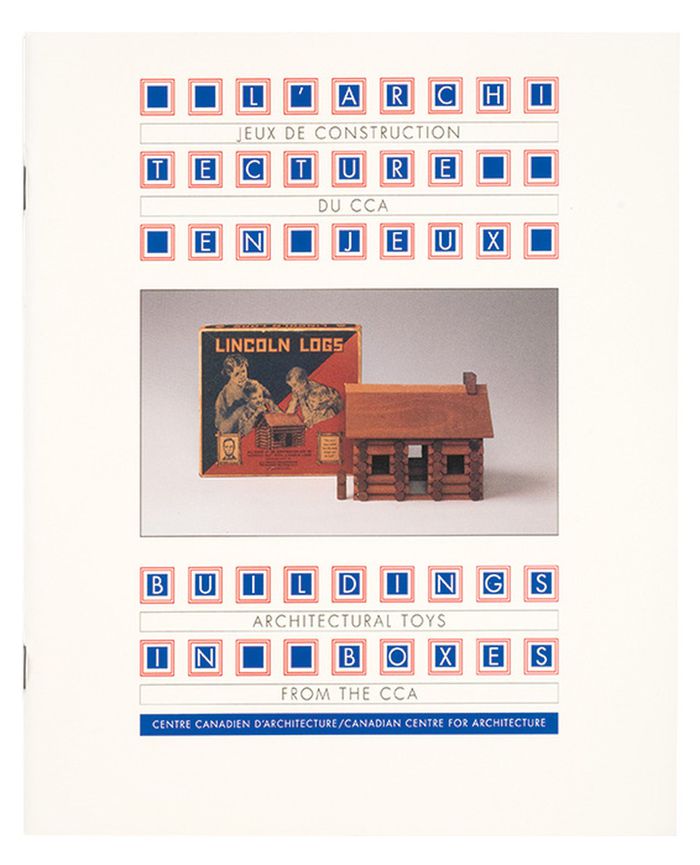
L'architecture en jeux : jeux de construction du CCA / Buildings in boxes: architectural toys from the CCA
Actions:
Prix:
$9.95
(disponible en magasin)
Résumé:
Livret accompagnant la première exposition de jouets tirés de la collection du CCA. Texte de Witold Rybczynski et notes de Rosemary Haddad et Brooke Hodge. / Booklet accompanying the first exhibition from the CCA's toys collection. Text by Witold Rybczynski with notes by Rosemary Haddad and Brooke Hodge.
L'architecture en jeux : jeux de construction du CCA / Buildings in boxes: architectural toys from the CCA
Actions:
Prix:
$9.95
(disponible en magasin)
Résumé:
Livret accompagnant la première exposition de jouets tirés de la collection du CCA. Texte de Witold Rybczynski et notes de Rosemary Haddad et Brooke Hodge. / Booklet accompanying the first exhibition from the CCA's toys collection. Text by Witold Rybczynski with notes by Rosemary Haddad and Brooke Hodge.
Classification:
livres
livres
Publication:
novembre 1990, Montréal
novembre 1990, Montréal
Sujet:
Publications du CCA
Publications du CCA
Classification:
livres
livres
Prix:
$39.00
(disponible sur commande)
Résumé:
Writing in the context of two Polaroid Corporation bankruptcies, not to mention the obsolescence of its film, Peter Buse argues that Polaroid was, and is, distinguished by its process—by the fact that, as the New York Times put it in 1947, “the camera does the rest.” Polaroid was often dismissed as a toy, but Buse takes it seriously, showing how it(...)
$39.00
(disponible sur commande)
Résumé:
Writing in the context of two Polaroid Corporation bankruptcies, not to mention the obsolescence of its film, Peter Buse argues that Polaroid was, and is, distinguished by its process—by the fact that, as the New York Times put it in 1947, “the camera does the rest.” Polaroid was often dismissed as a toy, but Buse takes it seriously, showing how it(...)
Titre:
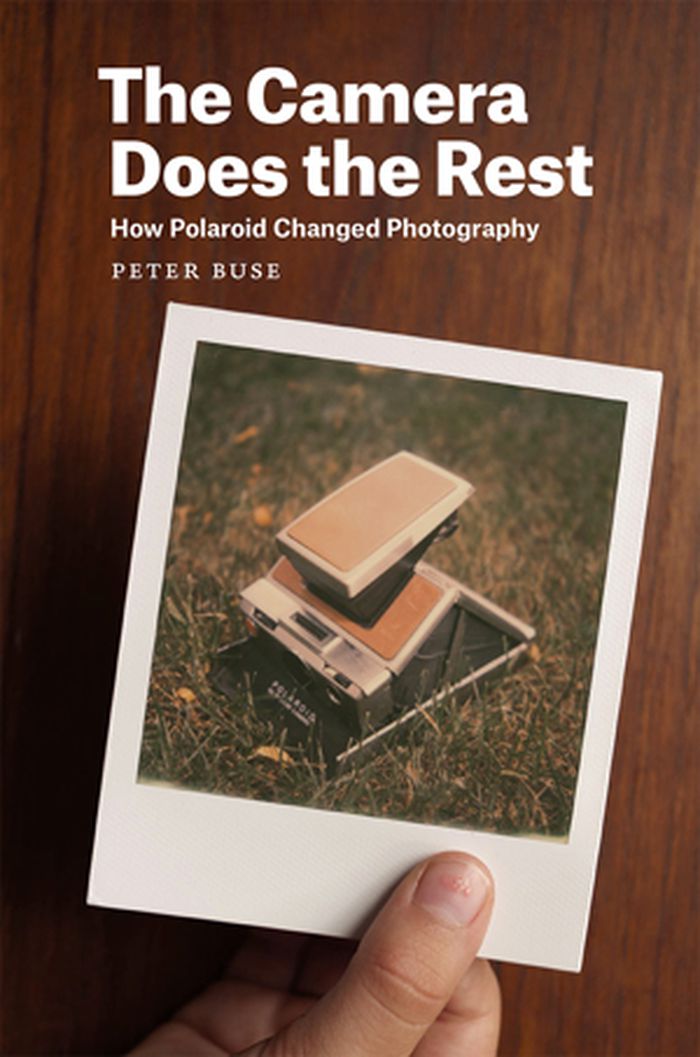
The camera does the rest: how Polaroid changed photography
Actions:
Prix:
$39.00
(disponible sur commande)
Résumé:
Writing in the context of two Polaroid Corporation bankruptcies, not to mention the obsolescence of its film, Peter Buse argues that Polaroid was, and is, distinguished by its process—by the fact that, as the New York Times put it in 1947, “the camera does the rest.” Polaroid was often dismissed as a toy, but Buse takes it seriously, showing how it encouraged photographic play as well as new forms of artistic practice. Drawing on unprecedented access to the archives of the Polaroid Corporation, Buse reveals Polaroid as photography at its most intimate, where the photographer, photograph, and subject sit in close proximity in both time and space—making Polaroid not only the perfect party camera but also the tool for frankly salacious pictures taking. Along the way, Buse tells the story of the Polaroid Corporation and its ultimately doomed hard-copy wager against the rising tide of digital imaging technology. He explores the continuities and the differences between Polaroid and digital, reflecting on what Polaroid can tell us about how we snap photos today. Richly illustrated, The Camera Does the Rest will delight historians, art critics, analog fanatics, photographers, and all those who miss the thrill of waiting to see what develops.
The camera does the rest: how Polaroid changed photography
Actions:
Prix:
$39.00
(disponible sur commande)
Résumé:
Writing in the context of two Polaroid Corporation bankruptcies, not to mention the obsolescence of its film, Peter Buse argues that Polaroid was, and is, distinguished by its process—by the fact that, as the New York Times put it in 1947, “the camera does the rest.” Polaroid was often dismissed as a toy, but Buse takes it seriously, showing how it encouraged photographic play as well as new forms of artistic practice. Drawing on unprecedented access to the archives of the Polaroid Corporation, Buse reveals Polaroid as photography at its most intimate, where the photographer, photograph, and subject sit in close proximity in both time and space—making Polaroid not only the perfect party camera but also the tool for frankly salacious pictures taking. Along the way, Buse tells the story of the Polaroid Corporation and its ultimately doomed hard-copy wager against the rising tide of digital imaging technology. He explores the continuities and the differences between Polaroid and digital, reflecting on what Polaroid can tell us about how we snap photos today. Richly illustrated, The Camera Does the Rest will delight historians, art critics, analog fanatics, photographers, and all those who miss the thrill of waiting to see what develops.
Classification:
livres
livres
Publication:
avril 2016
avril 2016
Sujet:
Théorie de la photographie
Théorie de la photographie
Classification:
livres
livres
Titre:
Hannah Höch album
Hannah Höch album
Actions:
Prix:
$91.00
(disponible sur commande)
Résumé:
As one of the protagonists of the Berlin Dada movement, Hannah Höch railed against tradition and conservatism in 1920s Germany. Höch and such cohorts as George Grosz and Raoul Hausmann raised anarchic revolution through cutting photomontage, nonsensical performance, and biting visual satire. A singular and important work in the artist's oeuvre is the so-called(...)
$91.00
(disponible sur commande)
Résumé:
As one of the protagonists of the Berlin Dada movement, Hannah Höch railed against tradition and conservatism in 1920s Germany. Höch and such cohorts as George Grosz and Raoul Hausmann raised anarchic revolution through cutting photomontage, nonsensical performance, and biting visual satire. A singular and important work in the artist's oeuvre is the so-called(...)
Titre:
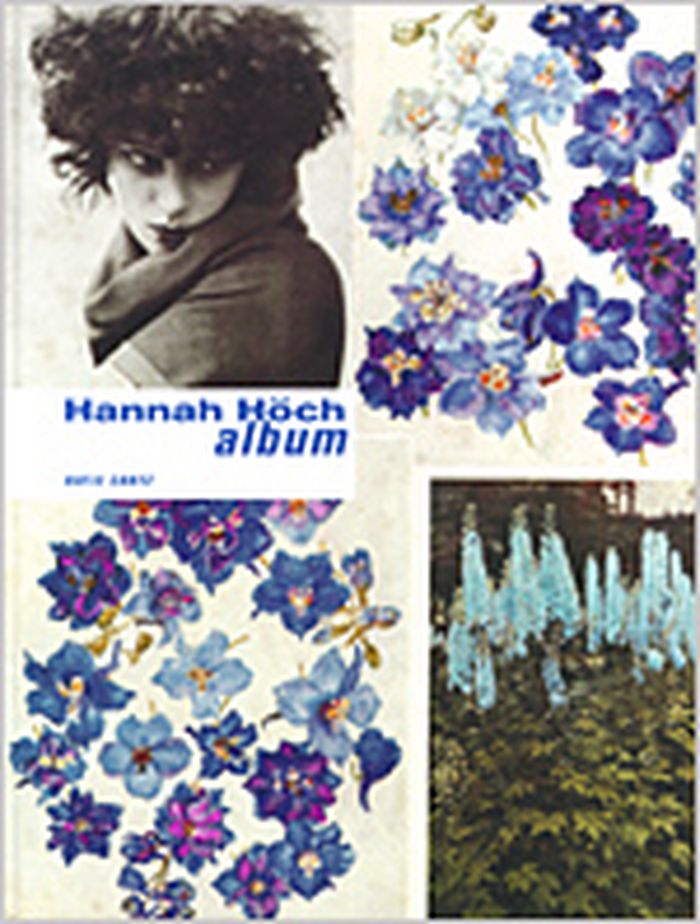
Hannah Höch album
Actions:
Prix:
$91.00
(disponible sur commande)
Résumé:
As one of the protagonists of the Berlin Dada movement, Hannah Höch railed against tradition and conservatism in 1920s Germany. Höch and such cohorts as George Grosz and Raoul Hausmann raised anarchic revolution through cutting photomontage, nonsensical performance, and biting visual satire. A singular and important work in the artist's oeuvre is the so-called "Sammelalbum," which she produced and pasted together from found imagery for her own pleasure and use, circa 1933. In it, she arranged a choice selection of newspaper and magazine photographs cut from popular German magazines of the time, such as the Berliner Illustrirte and Der Dame. A diverse, allusive group of images they are, representing everything from her favorite film stars to oddly captured animals and toy dolls, nudes, landscapes, scenic travel vistas, and synchronized dancers. By combining the collected pictures in continuous and sometimes contradictory sequences and double-page spreads, Höch created startling and often jarring photo collages. Never before published, Album can be considered to represent a heretofore unknown aspect of Höch's work, since its style of collage differs strongly from her well-known photomontages. This publication presents the entire Album in an exquisite facsimile reproduction, maintaining the filmic quality of its order and layout. In an accompanying essay, Gunda Luyken considers the content and history of the Album, locating it in the wider context of Höch’s oeuvre.
Hannah Höch album
Actions:
Prix:
$91.00
(disponible sur commande)
Résumé:
As one of the protagonists of the Berlin Dada movement, Hannah Höch railed against tradition and conservatism in 1920s Germany. Höch and such cohorts as George Grosz and Raoul Hausmann raised anarchic revolution through cutting photomontage, nonsensical performance, and biting visual satire. A singular and important work in the artist's oeuvre is the so-called "Sammelalbum," which she produced and pasted together from found imagery for her own pleasure and use, circa 1933. In it, she arranged a choice selection of newspaper and magazine photographs cut from popular German magazines of the time, such as the Berliner Illustrirte and Der Dame. A diverse, allusive group of images they are, representing everything from her favorite film stars to oddly captured animals and toy dolls, nudes, landscapes, scenic travel vistas, and synchronized dancers. By combining the collected pictures in continuous and sometimes contradictory sequences and double-page spreads, Höch created startling and often jarring photo collages. Never before published, Album can be considered to represent a heretofore unknown aspect of Höch's work, since its style of collage differs strongly from her well-known photomontages. This publication presents the entire Album in an exquisite facsimile reproduction, maintaining the filmic quality of its order and layout. In an accompanying essay, Gunda Luyken considers the content and history of the Album, locating it in the wider context of Höch’s oeuvre.
Classification:
livres
livres
Publication:
février 2004, Ostfildern
février 2004, Ostfildern
Sujet:
Monographies photo
Monographies photo
Classification:
livres
livres
Actions:
Prix:
$29.50
(disponible sur commande)
Résumé:
This book offers a novel view of the development of modern architecture through the prism of children’s construction toys. The authors discover a host of connections linking model-building sets with architectural movements, social history, and national identities. They investigate not only how model sets reflected building styles, but also whether they influenced the(...)
$29.50
(disponible sur commande)
Résumé:
This book offers a novel view of the development of modern architecture through the prism of children’s construction toys. The authors discover a host of connections linking model-building sets with architectural movements, social history, and national identities. They investigate not only how model sets reflected building styles, but also whether they influenced the(...)
Titre:
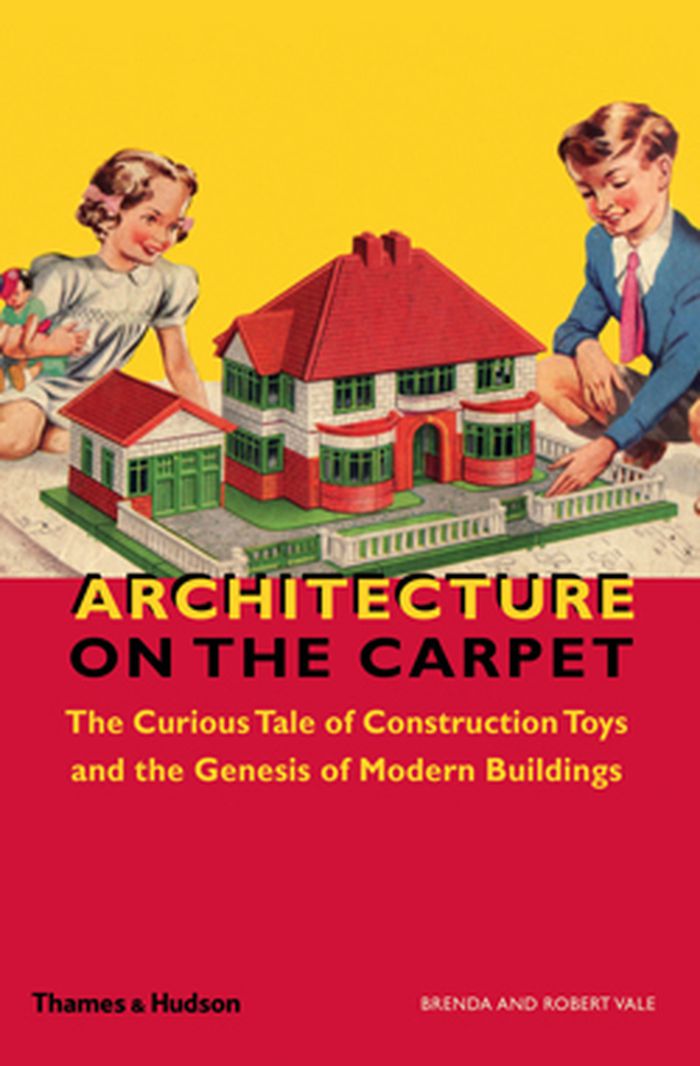
Architecture on the carpet : the curious tale of construction toys and the genesis of Modern buildings
Actions:
Prix:
$29.50
(disponible sur commande)
Résumé:
This book offers a novel view of the development of modern architecture through the prism of children’s construction toys. The authors discover a host of connections linking model-building sets with architectural movements, social history, and national identities. They investigate not only how model sets reflected building styles, but also whether they influenced the careers of children who grew up playing with them.
Architecture on the carpet : the curious tale of construction toys and the genesis of Modern buildings
Actions:
Prix:
$29.50
(disponible sur commande)
Résumé:
This book offers a novel view of the development of modern architecture through the prism of children’s construction toys. The authors discover a host of connections linking model-building sets with architectural movements, social history, and national identities. They investigate not only how model sets reflected building styles, but also whether they influenced the careers of children who grew up playing with them.
Classification:
livres
livres
Publication:
septembre 2013
septembre 2013
Sujet:
Théorie de l’architecture
Théorie de l’architecture
Classification:
livres
livres
Titre:
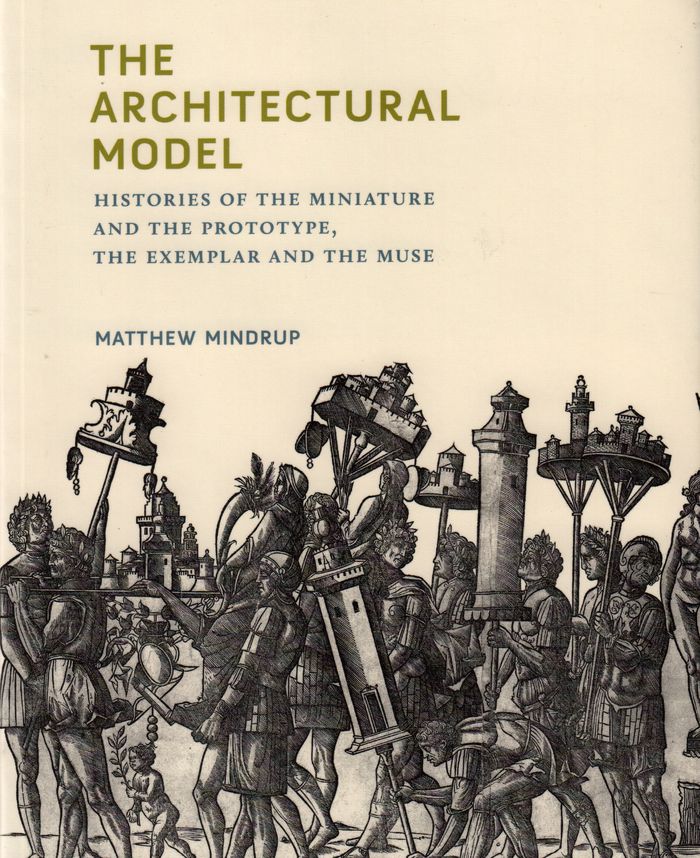
The architectural model: histories of the miniature and the prototype, the exemplar and the muse
The architectural model: histories of the miniature and the prototype, the exemplar and the muse
Actions:
Prix:
$60.00
(disponible sur commande)
Résumé:
For more than five hundred years, architects have employed three-dimensional models as tools to test, refine, and illustrate their ideas. But, as Matthew Mindrup shows, the uses of physical architectural models extend beyond mere representation. An architectural model can also simulate, instruct, inspire, and generate architectural designs. It can be, among other things,(...)
$60.00
(disponible sur commande)
Résumé:
For more than five hundred years, architects have employed three-dimensional models as tools to test, refine, and illustrate their ideas. But, as Matthew Mindrup shows, the uses of physical architectural models extend beyond mere representation. An architectural model can also simulate, instruct, inspire, and generate architectural designs. It can be, among other things,(...)
Titre:
The architectural model: histories of the miniature and the prototype, the exemplar and the muse
Actions:
Prix:
$60.00
(disponible sur commande)
Résumé:
For more than five hundred years, architects have employed three-dimensional models as tools to test, refine, and illustrate their ideas. But, as Matthew Mindrup shows, the uses of physical architectural models extend beyond mere representation. An architectural model can also simulate, instruct, inspire, and generate architectural designs. It can be, among other things, sign, souvenir, toy, funerary object, didactic tool, medium, or muse. In this book, Mindrup surveys the history of architectural models by investigating their uses, both theoretical and practical. Tracing the architectural model's development from antiquity to the present, Mindrup also offers an interpretive framework for understanding each of its applications in the context of time and place. He first examines models meant to portray extant, fantastic, or proposed structures, describing their use in ancient funerary or dedicatory practices, in which models are endowed with magical power; as a medium for architectural reverie and inspiration; and as prototypes for twentieth-century experimental designs. Mindrup then considers models that exemplify certain architectural uses, exploring the influence of Leon Battista Alberti's dictum that models be simple, lest they distract from the architect's ideas; analyzing the model as a generative tool; and investigating allegorical, analogical, and anagogical interpretations of models. Mindrup's histories show how the model can be a surrogate for the architectural structure itself, or for the experience of its formal, tactile, and sensory complexity; and beyond that, that the manipulation, play, experimentation, and dreaming enabled by models allow us to imagine architecture in new ways.
The architectural model: histories of the miniature and the prototype, the exemplar and the muse
Actions:
Prix:
$60.00
(disponible sur commande)
Résumé:
For more than five hundred years, architects have employed three-dimensional models as tools to test, refine, and illustrate their ideas. But, as Matthew Mindrup shows, the uses of physical architectural models extend beyond mere representation. An architectural model can also simulate, instruct, inspire, and generate architectural designs. It can be, among other things, sign, souvenir, toy, funerary object, didactic tool, medium, or muse. In this book, Mindrup surveys the history of architectural models by investigating their uses, both theoretical and practical. Tracing the architectural model's development from antiquity to the present, Mindrup also offers an interpretive framework for understanding each of its applications in the context of time and place. He first examines models meant to portray extant, fantastic, or proposed structures, describing their use in ancient funerary or dedicatory practices, in which models are endowed with magical power; as a medium for architectural reverie and inspiration; and as prototypes for twentieth-century experimental designs. Mindrup then considers models that exemplify certain architectural uses, exploring the influence of Leon Battista Alberti's dictum that models be simple, lest they distract from the architect's ideas; analyzing the model as a generative tool; and investigating allegorical, analogical, and anagogical interpretations of models. Mindrup's histories show how the model can be a surrogate for the architectural structure itself, or for the experience of its formal, tactile, and sensory complexity; and beyond that, that the manipulation, play, experimentation, and dreaming enabled by models allow us to imagine architecture in new ways.
Classification:
livres
livres
Publication:
octobre 2019
octobre 2019
Sujet:
Théorie de l’architecture
Théorie de l’architecture
Classification:
livres
livres
Actions:
Prix:
$42.00
(disponible sur commande)
Résumé:
Lee Friedlander's surreal sensibility is on full display in this set of photographs, originally published in 1970. Here Friedlander focuses on the role of his own physical presence in his images. He writes: "At first, my presence in my photos was fascinating and disturbing. But as time passed and I was more a part of other ideas in my photos, I was able to add a giggle to(...)
$42.00
(disponible sur commande)
Résumé:
Lee Friedlander's surreal sensibility is on full display in this set of photographs, originally published in 1970. Here Friedlander focuses on the role of his own physical presence in his images. He writes: "At first, my presence in my photos was fascinating and disturbing. But as time passed and I was more a part of other ideas in my photos, I was able to add a giggle to(...)
Sujet:
Monographies photo
Monographies photo
Publication:
juin 2005, New York
juin 2005, New York
Titre:
Lee Friedlander: self portrait
Actions:
Prix:
$42.00
(disponible sur commande)
Résumé:
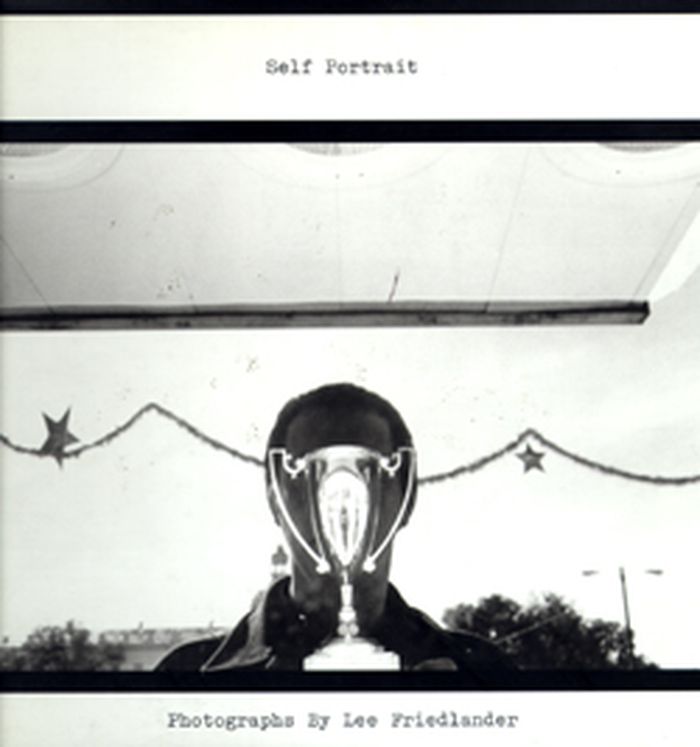
Lee Friedlander's surreal sensibility is on full display in this set of photographs, originally published in 1970. Here Friedlander focuses on the role of his own physical presence in his images. He writes: "At first, my presence in my photos was fascinating and disturbing. But as time passed and I was more a part of other ideas in my photos, I was able to add a giggle to those feelings." Here readers can witness this progression as Friedlander appears in the form of his shadow, or reflected in windows and mirrors, and only occasionally fully visible through his own camera. In some photos he visibly struggles with the notion of self-portraiture, desultorily shooting himself in household mirrors and other reflective surfaces. Soon, though, he begins to toy with the pictures, almost teasingly inserting his shadow into them to amusing and provocative effect--elongated and trailing a group of women seen only from the knees down; cast and bent over a chair as if seated in it; mirroring the silhouette of someone walking down the street ahead of him; or falling on the desert ground, a large bush standing in for hair. These uncanny self-portraits evoke a surprisingly full landscape of the artist's life and mind. This reprint edition of Lee Friedlander: Self Portrait contains nearly 50 duotone images and an afterword by John Szarkowski, former Director of the Department of Photography at The Museum of Modern Art.
Lee Friedlander: self portrait
Actions:
Prix:
$42.00
(disponible sur commande)
Résumé:
Lee Friedlander's surreal sensibility is on full display in this set of photographs, originally published in 1970. Here Friedlander focuses on the role of his own physical presence in his images. He writes: "At first, my presence in my photos was fascinating and disturbing. But as time passed and I was more a part of other ideas in my photos, I was able to add a giggle to those feelings." Here readers can witness this progression as Friedlander appears in the form of his shadow, or reflected in windows and mirrors, and only occasionally fully visible through his own camera. In some photos he visibly struggles with the notion of self-portraiture, desultorily shooting himself in household mirrors and other reflective surfaces. Soon, though, he begins to toy with the pictures, almost teasingly inserting his shadow into them to amusing and provocative effect--elongated and trailing a group of women seen only from the knees down; cast and bent over a chair as if seated in it; mirroring the silhouette of someone walking down the street ahead of him; or falling on the desert ground, a large bush standing in for hair. These uncanny self-portraits evoke a surprisingly full landscape of the artist's life and mind. This reprint edition of Lee Friedlander: Self Portrait contains nearly 50 duotone images and an afterword by John Szarkowski, former Director of the Department of Photography at The Museum of Modern Art.
Classification:
livres
livres
Publication:
juin 2005, New York
juin 2005, New York
Sujet:
Monographies photo
Monographies photo
Classification:
livres
livres
Actions:
Prix:
$25.95
(disponible sur commande)
Résumé:
"This is a book about science, technology, and love," writes Sherry Turkle. In it, we learn how a love for science can start with a love for an object--a microscope, a modem, a mud pie, a pair of dice, a fishing rod. Objects fire imagination and set young people on a path to a career in science. In this collection, distinguished scientists, engineers, and designers as(...)
$25.95
(disponible sur commande)
Résumé:
"This is a book about science, technology, and love," writes Sherry Turkle. In it, we learn how a love for science can start with a love for an object--a microscope, a modem, a mud pie, a pair of dice, a fishing rod. Objects fire imagination and set young people on a path to a career in science. In this collection, distinguished scientists, engineers, and designers as(...)
Titre:
Falling for science: objects in mind
Actions:
Prix:
$25.95
(disponible sur commande)
Résumé:
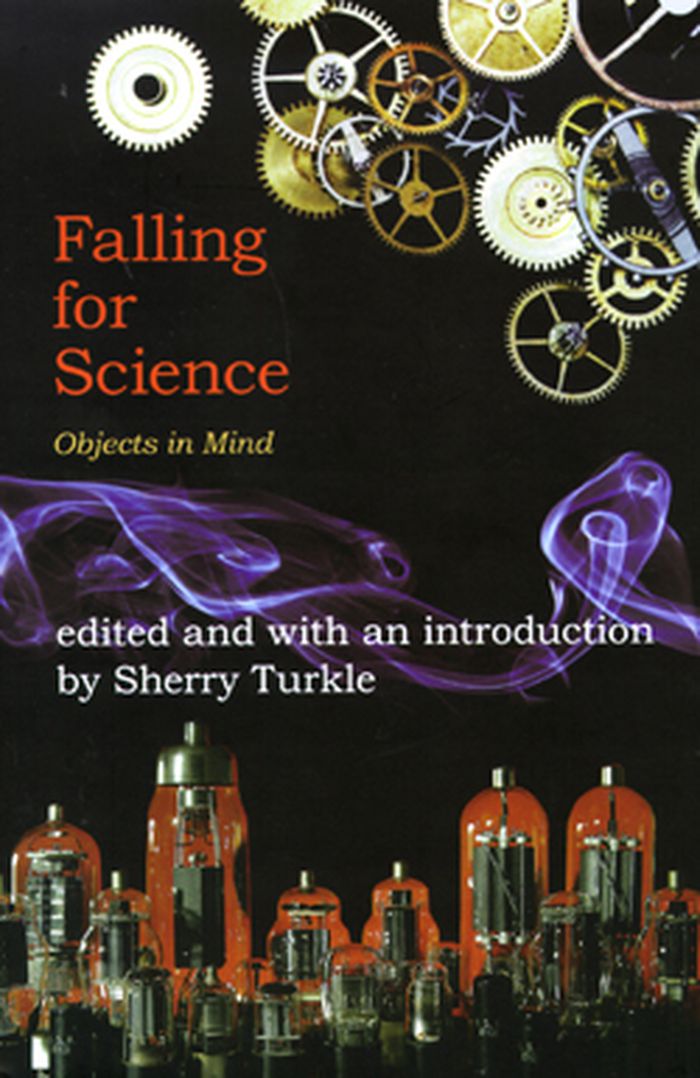
"This is a book about science, technology, and love," writes Sherry Turkle. In it, we learn how a love for science can start with a love for an object--a microscope, a modem, a mud pie, a pair of dice, a fishing rod. Objects fire imagination and set young people on a path to a career in science. In this collection, distinguished scientists, engineers, and designers as well as twenty-five years of MIT students describe how objects encountered in childhood became part of the fabric of their scientific selves. In two major essays that frame the collection, Turkle tells a story of inspiration and connection through objects that is often neglected in standard science education and in our preoccupation with the virtual. The senior scientists' essays trace the arc of a life: the gears of a toy car introduce the chain of cause and effect to artificial intelligence pioneer Seymour Papert; microscopes disclose the mystery of how things work to MIT President and neuroanatomist Susan Hockfield; architect Moshe Safdie describes how his boyhood fascination with steps, terraces, and the wax hexagons of beehives lead him to a life immersed in the complexities of design. The student essays tell stories that echo these narratives: plastic eggs in an Easter basket reveal the power of centripetal force; experiments with baking illuminate the geology of planets; LEGO bricks model worlds, carefully engineered and colonized. All of these voices--students and mentors-testify to the power of objects to awaken and inform young scientific minds. This is a truth that is simple, intuitive, and easily overlooked.
Falling for science: objects in mind
Actions:
Prix:
$25.95
(disponible sur commande)
Résumé:
"This is a book about science, technology, and love," writes Sherry Turkle. In it, we learn how a love for science can start with a love for an object--a microscope, a modem, a mud pie, a pair of dice, a fishing rod. Objects fire imagination and set young people on a path to a career in science. In this collection, distinguished scientists, engineers, and designers as well as twenty-five years of MIT students describe how objects encountered in childhood became part of the fabric of their scientific selves. In two major essays that frame the collection, Turkle tells a story of inspiration and connection through objects that is often neglected in standard science education and in our preoccupation with the virtual. The senior scientists' essays trace the arc of a life: the gears of a toy car introduce the chain of cause and effect to artificial intelligence pioneer Seymour Papert; microscopes disclose the mystery of how things work to MIT President and neuroanatomist Susan Hockfield; architect Moshe Safdie describes how his boyhood fascination with steps, terraces, and the wax hexagons of beehives lead him to a life immersed in the complexities of design. The student essays tell stories that echo these narratives: plastic eggs in an Easter basket reveal the power of centripetal force; experiments with baking illuminate the geology of planets; LEGO bricks model worlds, carefully engineered and colonized. All of these voices--students and mentors-testify to the power of objects to awaken and inform young scientific minds. This is a truth that is simple, intuitive, and easily overlooked.
Classification:
livres
livres
Publication:
mai 2008, Cambridge, London
mai 2008, Cambridge, London
Sujet:
Théorie du design
Théorie du design
Classification:
livres
livres
Titre:
Stik-trix
Stik-trix
Actions:
Prix:
$13.50
(disponible sur commande)
Résumé:
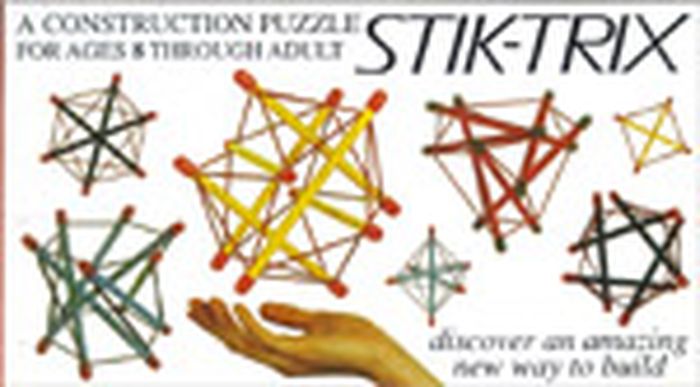
A fun and simple puzzle for exploring shape, structure and design. With just six sticks, you can build over 20 different geometric shapes, or design your own creation.
$13.50
(disponible sur commande)
Résumé:
A fun and simple puzzle for exploring shape, structure and design. With just six sticks, you can build over 20 different geometric shapes, or design your own creation.
Titre:
Stik-trix
Actions:
Prix:
$13.50
(disponible sur commande)
Résumé:
A fun and simple puzzle for exploring shape, structure and design. With just six sticks, you can build over 20 different geometric shapes, or design your own creation.
Stik-trix
Actions:
Prix:
$13.50
(disponible sur commande)
Résumé:
A fun and simple puzzle for exploring shape, structure and design. With just six sticks, you can build over 20 different geometric shapes, or design your own creation.
Classification:
livres
livres
Publication:
janvier 1900, Tivoli, New York
janvier 1900, Tivoli, New York
Sujet:
Littérature jeunesse
Littérature jeunesse
Classification:
livres
livres
Titre:
Photography by the book : Wall, Matta-Clark and the photobook after Ruscha / by Gregory J. Harris.
Photography by the book : Wall, Matta-Clark and the photobook after Ruscha / by Gregory J. Harris.
Actions:
Exemplaires:
Description:
1 online resource (iii, 83 leaves) : illustrations (chiefly color), facsimiles
Description:
1 online resource (iii, 83 leaves) : illustrations (chiefly color), facsimiles
Auteur:
Sujet:
Publication:
2010.
2010.
Titre:
Photography by the book : Wall, Matta-Clark and the photobook after Ruscha / by Gregory J. Harris.
Actions:
Exemplaires:
Description:
1 online resource (iii, 83 leaves) : illustrations (chiefly color), facsimiles
Photography by the book : Wall, Matta-Clark and the photobook after Ruscha / by Gregory J. Harris.
Actions:
Exemplaires:
Description:
1 online resource (iii, 83 leaves) : illustrations (chiefly color), facsimiles
Classification:
livres
livres
Publication:
2010.
2010.
Auteur:
Sujet:
Classification:
livres
livres
Titre:
London memory game
London memory game
Actions:
Prix:
$22.95
(disponible sur commande)
Résumé:
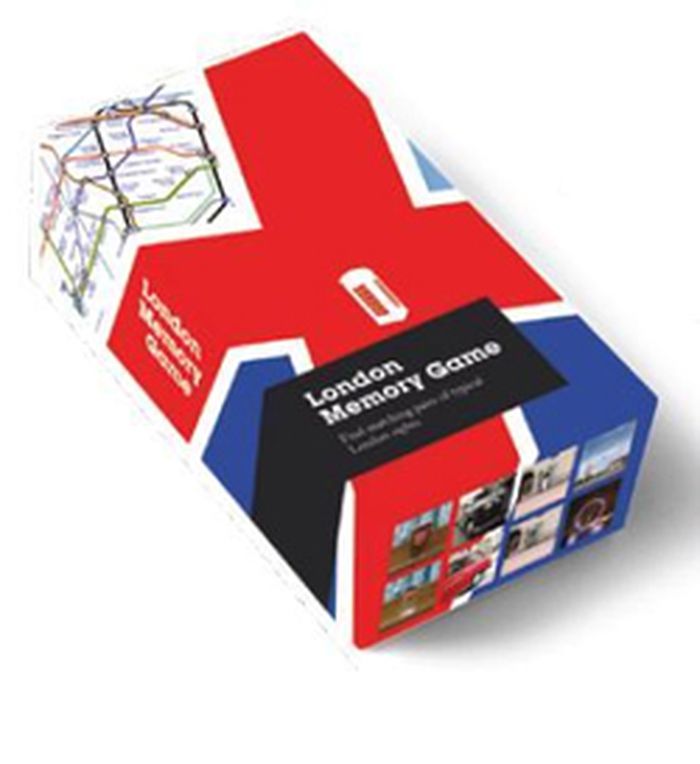
London Memory Game is made up of twenty-five pairs of cards featuring typical London themes: Big Ben, the city of London, shopping in London, London architecture, outdoor and indoor markets, bridges, museums, pubs, good eating, etc. Creatively visualized, it is an extra treat to play a game while learning to know the city better and from a new perspective.
$22.95
(disponible sur commande)
Résumé:
London Memory Game is made up of twenty-five pairs of cards featuring typical London themes: Big Ben, the city of London, shopping in London, London architecture, outdoor and indoor markets, bridges, museums, pubs, good eating, etc. Creatively visualized, it is an extra treat to play a game while learning to know the city better and from a new perspective.
Titre:
London memory game
Actions:
Prix:
$22.95
(disponible sur commande)
Résumé:
London Memory Game is made up of twenty-five pairs of cards featuring typical London themes: Big Ben, the city of London, shopping in London, London architecture, outdoor and indoor markets, bridges, museums, pubs, good eating, etc. Creatively visualized, it is an extra treat to play a game while learning to know the city better and from a new perspective.
London memory game
Actions:
Prix:
$22.95
(disponible sur commande)
Résumé:
London Memory Game is made up of twenty-five pairs of cards featuring typical London themes: Big Ben, the city of London, shopping in London, London architecture, outdoor and indoor markets, bridges, museums, pubs, good eating, etc. Creatively visualized, it is an extra treat to play a game while learning to know the city better and from a new perspective.
Classification:
livres
livres
Publication:
octobre 2010
octobre 2010
Sujet:
Jouets
Jouets


