


166 Résultats
Classification:
livres
livres
Titre:
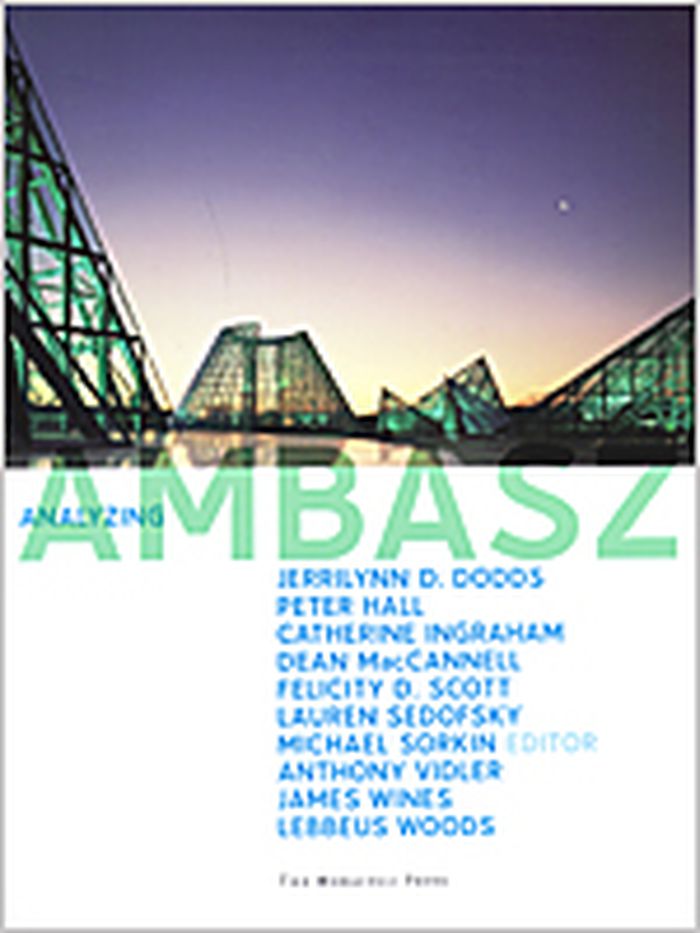
Analyzing Ambasz
Analyzing Ambasz
Actions:
Prix:
$7.99
(disponible sur commande)
Résumé:
Architect, museum curator, and industrial designer Emilio Ambasz is perhaps most renowned for projects that fuse architecture and landscape—high-rise buildings enveloped in verdant screens of trees and plants, and houses that virtually disappear beneath mounds of earth. It has been said that his work defies easy categorization and analysis, and terms such as poetry,(...)
$7.99
(disponible sur commande)
Résumé:
Architect, museum curator, and industrial designer Emilio Ambasz is perhaps most renowned for projects that fuse architecture and landscape—high-rise buildings enveloped in verdant screens of trees and plants, and houses that virtually disappear beneath mounds of earth. It has been said that his work defies easy categorization and analysis, and terms such as poetry,(...)
Publication:
mai 2004, New York
mai 2004, New York
Titre:
Analyzing Ambasz
Actions:
Prix:
$7.99
(disponible sur commande)
Résumé:
Architect, museum curator, and industrial designer Emilio Ambasz is perhaps most renowned for projects that fuse architecture and landscape—high-rise buildings enveloped in verdant screens of trees and plants, and houses that virtually disappear beneath mounds of earth. It has been said that his work defies easy categorization and analysis, and terms such as poetry, wonder, and myth are often ascribed to his designs. In this penetrating collection of essays, prominent scholars and architects take up the challenge and set about rigorously "analyzing Ambasz."
Analyzing Ambasz
Actions:
Prix:
$7.99
(disponible sur commande)
Résumé:
Architect, museum curator, and industrial designer Emilio Ambasz is perhaps most renowned for projects that fuse architecture and landscape—high-rise buildings enveloped in verdant screens of trees and plants, and houses that virtually disappear beneath mounds of earth. It has been said that his work defies easy categorization and analysis, and terms such as poetry, wonder, and myth are often ascribed to his designs. In this penetrating collection of essays, prominent scholars and architects take up the challenge and set about rigorously "analyzing Ambasz."
Classification:
livres
livres
Publication:
mai 2004, New York
mai 2004, New York
Classification:
livres
livres
Actions:
Prix:
$6.50
(disponible sur commande)
Résumé:
Photographer Jeff Brouws has crisscrossed the country for two decades, documenting an America that is at once quintessential and peculiar. Readymades is a quirky, multi-layered catalog of this ascendant photographer’s work: partially painted pickup trucks, bowling alley signs, vibrant-hued houses that defy the monotony of the suburbs, abandoned drive-in movie theaters.(...)
$6.50
(disponible sur commande)
Résumé:
Photographer Jeff Brouws has crisscrossed the country for two decades, documenting an America that is at once quintessential and peculiar. Readymades is a quirky, multi-layered catalog of this ascendant photographer’s work: partially painted pickup trucks, bowling alley signs, vibrant-hued houses that defy the monotony of the suburbs, abandoned drive-in movie theaters.(...)
Publication:
avril 2003, San Francisco
avril 2003, San Francisco
Titre:
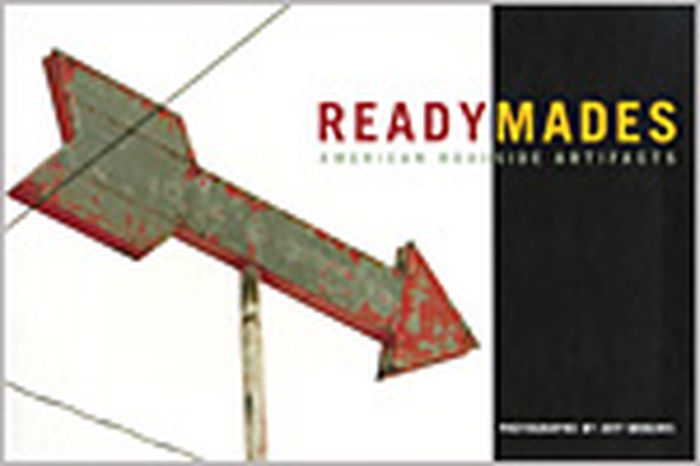
Readymades : American roadside artifacts
Actions:
Prix:
$6.50
(disponible sur commande)
Résumé:
Photographer Jeff Brouws has crisscrossed the country for two decades, documenting an America that is at once quintessential and peculiar. Readymades is a quirky, multi-layered catalog of this ascendant photographer’s work: partially painted pickup trucks, bowling alley signs, vibrant-hued houses that defy the monotony of the suburbs, abandoned drive-in movie theaters. Brouws treats his subjects as readymade art found in the landscape, brought together to create an idiosyncratic roadside panorama. Provocative essays by leading writers and cultural commentators such as Luc Sante, DJ Waldie, M. Mark, Diana Gaston, Bruce Caron, and Phil Patton are juxtaposed with these images of all that is unique in the uniform, and striking in the mundane.
Readymades : American roadside artifacts
Actions:
Prix:
$6.50
(disponible sur commande)
Résumé:
Photographer Jeff Brouws has crisscrossed the country for two decades, documenting an America that is at once quintessential and peculiar. Readymades is a quirky, multi-layered catalog of this ascendant photographer’s work: partially painted pickup trucks, bowling alley signs, vibrant-hued houses that defy the monotony of the suburbs, abandoned drive-in movie theaters. Brouws treats his subjects as readymade art found in the landscape, brought together to create an idiosyncratic roadside panorama. Provocative essays by leading writers and cultural commentators such as Luc Sante, DJ Waldie, M. Mark, Diana Gaston, Bruce Caron, and Phil Patton are juxtaposed with these images of all that is unique in the uniform, and striking in the mundane.
Classification:
livres
livres
Publication:
avril 2003, San Francisco
avril 2003, San Francisco
Classification:
livres
livres
Prix:
$19.95
(disponible sur commande)
Résumé:
A rediscovery of one of the most powerful schools of Modernism. Brazilian Modernism is the soulful alternative to its European parent, better known for theoretical rigor and cold precision. Using the modern materials of concrete and reinforced glass, as well as wood and steel, Brazilians brought to Modernism an unspoken philosophy that allowed for the free flow of nature(...)
$19.95
(disponible sur commande)
Résumé:
A rediscovery of one of the most powerful schools of Modernism. Brazilian Modernism is the soulful alternative to its European parent, better known for theoretical rigor and cold precision. Using the modern materials of concrete and reinforced glass, as well as wood and steel, Brazilians brought to Modernism an unspoken philosophy that allowed for the free flow of nature(...)
Publication:
octobre 2010
octobre 2010
Titre:
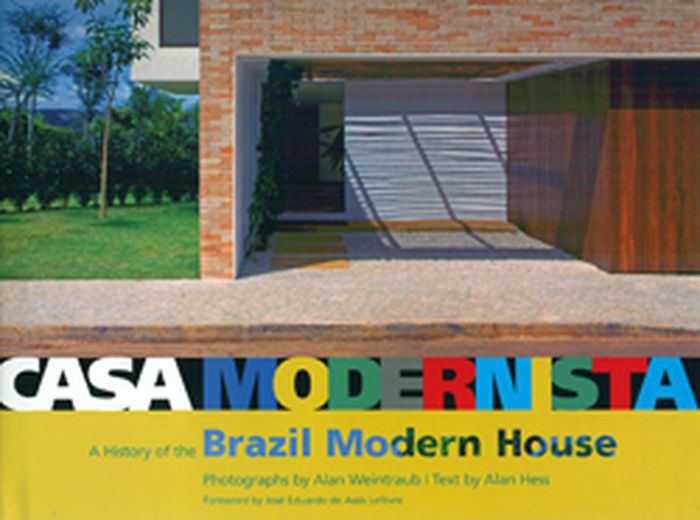
Casa Modernista: A history of the Brazil Modern house
Actions:
Prix:
$19.95
(disponible sur commande)
Résumé:
A rediscovery of one of the most powerful schools of Modernism. Brazilian Modernism is the soulful alternative to its European parent, better known for theoretical rigor and cold precision. Using the modern materials of concrete and reinforced glass, as well as wood and steel, Brazilians brought to Modernism an unspoken philosophy that allowed for the free flow of nature and built forms, so that the one was not dominated by the other. The undulating and amorphous buildings of Oscar Niemeyer are perhaps the best known expressions of this philosophy, in which the typical straight line of Europe’s Modern home becomes a graceful arabesque. Casa Modernista features not only the work of Niemeyer, but also that of the most important modern architects of this extremely rich, multifaceted nation, including Affonso Eduardo Reidy, Jorge Machado Moreira, Carlos Leao, Alvaro Vital Brazil, Paulo Mendes da Rocha, Joao Walter Toscano, and Abrahao Sanovicz.
Casa Modernista: A history of the Brazil Modern house
Actions:
Prix:
$19.95
(disponible sur commande)
Résumé:
A rediscovery of one of the most powerful schools of Modernism. Brazilian Modernism is the soulful alternative to its European parent, better known for theoretical rigor and cold precision. Using the modern materials of concrete and reinforced glass, as well as wood and steel, Brazilians brought to Modernism an unspoken philosophy that allowed for the free flow of nature and built forms, so that the one was not dominated by the other. The undulating and amorphous buildings of Oscar Niemeyer are perhaps the best known expressions of this philosophy, in which the typical straight line of Europe’s Modern home becomes a graceful arabesque. Casa Modernista features not only the work of Niemeyer, but also that of the most important modern architects of this extremely rich, multifaceted nation, including Affonso Eduardo Reidy, Jorge Machado Moreira, Carlos Leao, Alvaro Vital Brazil, Paulo Mendes da Rocha, Joao Walter Toscano, and Abrahao Sanovicz.
Classification:
livres
livres
Publication:
octobre 2010
octobre 2010
Classification:
livres
livres
Actions:
Prix:
$9.95
(disponible sur commande)
Résumé:
The use of glass as a building material was encouraged in particular by garden design, as the protection of exotic plants required the construction of greenhouses and orangeries. In a record time of just five months, Joseph Paxton, himself a garden designer, put up the Crystal Palace in London's Hyde Park for the Great Exhibition of 1851. A totally glazed exhibition hall,(...)
$9.95
(disponible sur commande)
Résumé:
The use of glass as a building material was encouraged in particular by garden design, as the protection of exotic plants required the construction of greenhouses and orangeries. In a record time of just five months, Joseph Paxton, himself a garden designer, put up the Crystal Palace in London's Hyde Park for the Great Exhibition of 1851. A totally glazed exhibition hall,(...)
Publication:
octobre 2008, Köln
octobre 2008, Köln
Titre:
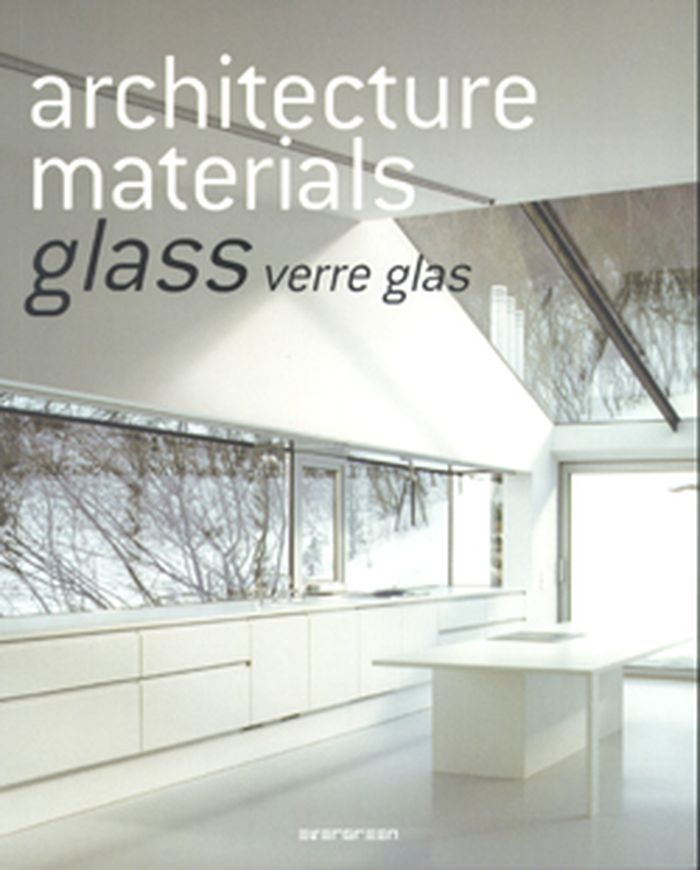
Architecture materials glass verre glas
Actions:
Prix:
$9.95
(disponible sur commande)
Résumé:
The use of glass as a building material was encouraged in particular by garden design, as the protection of exotic plants required the construction of greenhouses and orangeries. In a record time of just five months, Joseph Paxton, himself a garden designer, put up the Crystal Palace in London's Hyde Park for the Great Exhibition of 1851. A totally glazed exhibition hall, of gigantic proportions by the standards of the time, it was a milestone in the history of building in glass. The result was a totally new spatial quality and a new aesthetic, as interior and exterior could now enter into a quite unique mutual relationship. Since then, architecture without glass has been inconceivable, and glass has been used as a construction material by renowned architects worldwide for industrial buildings and private houses. Glass masterpieces, erected in particular in combination with other materials, for example, wood, stone or steel, demonstrate the potential and variety of glass architecture.
Architecture materials glass verre glas
Actions:
Prix:
$9.95
(disponible sur commande)
Résumé:
The use of glass as a building material was encouraged in particular by garden design, as the protection of exotic plants required the construction of greenhouses and orangeries. In a record time of just five months, Joseph Paxton, himself a garden designer, put up the Crystal Palace in London's Hyde Park for the Great Exhibition of 1851. A totally glazed exhibition hall, of gigantic proportions by the standards of the time, it was a milestone in the history of building in glass. The result was a totally new spatial quality and a new aesthetic, as interior and exterior could now enter into a quite unique mutual relationship. Since then, architecture without glass has been inconceivable, and glass has been used as a construction material by renowned architects worldwide for industrial buildings and private houses. Glass masterpieces, erected in particular in combination with other materials, for example, wood, stone or steel, demonstrate the potential and variety of glass architecture.
Classification:
livres
livres
Publication:
octobre 2008, Köln
octobre 2008, Köln
Classification:
livres
livres
Actions:
Prix:
$6.95
(disponible sur commande)
Résumé:
This small but comprehensive book documents the rich cultural past of vernacular building styles, from Irish sod houses to sub-Saharan wattle-and-daub huts and redwoods treehouses. It offers inspiration for home woodworking enthusiasts as well as architects, conservationists, and anyone interested in energy-efficient building and sustainability. The variety and ingenuity(...)
$6.95
(disponible sur commande)
Résumé:
This small but comprehensive book documents the rich cultural past of vernacular building styles, from Irish sod houses to sub-Saharan wattle-and-daub huts and redwoods treehouses. It offers inspiration for home woodworking enthusiasts as well as architects, conservationists, and anyone interested in energy-efficient building and sustainability. The variety and ingenuity(...)
Titre:
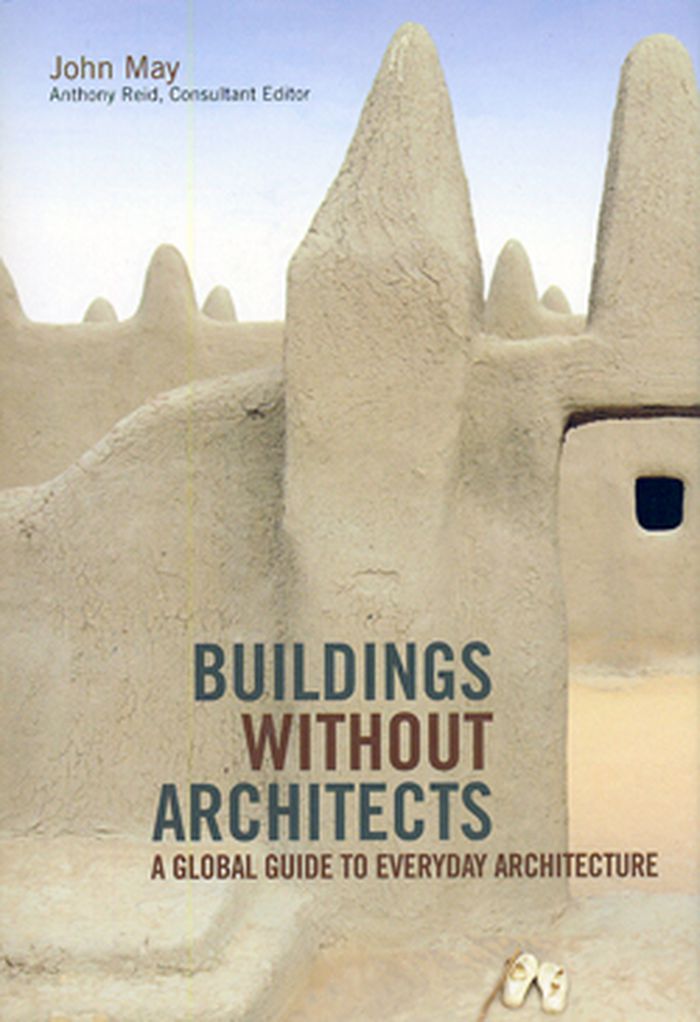
Buildings without architects: a global guide to everyday architecture
Actions:
Prix:
$6.95
(disponible sur commande)
Résumé:
This small but comprehensive book documents the rich cultural past of vernacular building styles, from Irish sod houses to sub-Saharan wattle-and-daub huts and redwoods treehouses. It offers inspiration for home woodworking enthusiasts as well as architects, conservationists, and anyone interested in energy-efficient building and sustainability. The variety and ingenuity of the world’s vernacular building traditions are illustrated, and the materials and techniques are explored. With examples from every continent, the book documents the diverse methods people have used to create shelter from locally available natural materials, and shows the impressively handmade finished products through diagrams, cross-sections, and photographs. Unlike modern buildings that rely on industrially produced materials and specialized tools and techniques, the everyday architecture featured here represents a rapidly disappearing genre of handcrafted and beautifully composed structures that are irretrievably "of their place." These structures are the work of unsung and often anonymous builders that combine artistic beauty, practical form, and necessity.
Buildings without architects: a global guide to everyday architecture
Actions:
Prix:
$6.95
(disponible sur commande)
Résumé:
This small but comprehensive book documents the rich cultural past of vernacular building styles, from Irish sod houses to sub-Saharan wattle-and-daub huts and redwoods treehouses. It offers inspiration for home woodworking enthusiasts as well as architects, conservationists, and anyone interested in energy-efficient building and sustainability. The variety and ingenuity of the world’s vernacular building traditions are illustrated, and the materials and techniques are explored. With examples from every continent, the book documents the diverse methods people have used to create shelter from locally available natural materials, and shows the impressively handmade finished products through diagrams, cross-sections, and photographs. Unlike modern buildings that rely on industrially produced materials and specialized tools and techniques, the everyday architecture featured here represents a rapidly disappearing genre of handcrafted and beautifully composed structures that are irretrievably "of their place." These structures are the work of unsung and often anonymous builders that combine artistic beauty, practical form, and necessity.
Classification:
livres
livres
Publication:
mai 2010
mai 2010
Classification:
livres
livres
Actions:
Exemplaires:
Description:
237 pages, 3 unnumbered pages : illustrations (chiefly color), facsimiles, color maps, color plans ; 33 cm
Description:
237 pages, 3 unnumbered pages : illustrations (chiefly color), facsimiles, color maps, color plans ; 33 cm
Auteur:
Sujet:
Publication:
Paris : Parigramme, 2006., ©2006
Paris : Parigramme, 2006., ©2006
Titre:
Atlas de Paris au Moyen Âge : espace urbain, habitat, société, religion, lieux de pouvoir / Philippe Lorentz & Dany Sandron ; photographies Jacques Lebar ; cartographie, Bénédicte Loisel.
Actions:
Exemplaires:
Description:
237 pages, 3 unnumbered pages : illustrations (chiefly color), facsimiles, color maps, color plans ; 33 cm
Atlas de Paris au Moyen Âge : espace urbain, habitat, société, religion, lieux de pouvoir / Philippe Lorentz & Dany Sandron ; photographies Jacques Lebar ; cartographie, Bénédicte Loisel.
Actions:
Exemplaires:
Description:
237 pages, 3 unnumbered pages : illustrations (chiefly color), facsimiles, color maps, color plans ; 33 cm
Classification:
livres
livres
Publication:
Paris : Parigramme, 2006., ©2006
Paris : Parigramme, 2006., ©2006
Auteur:
Sujet:


