


1734 Résultats
Classification:
livres
livres
Actions:
Prix:
$41.99
(disponible sur commande)
Résumé:
One of the fundamental dimensions of urbanization is its radical transformation of nature. Today domestic animals make up more than twice the biomass of people on the planet, and cities are replete with nonhuman life. Yet current accounts of the urban remain resolutely anthropocentric. ''Lively cities'' departs from conventions of urban studies to argue that cities are(...)
$41.99
(disponible sur commande)
Résumé:
One of the fundamental dimensions of urbanization is its radical transformation of nature. Today domestic animals make up more than twice the biomass of people on the planet, and cities are replete with nonhuman life. Yet current accounts of the urban remain resolutely anthropocentric. ''Lively cities'' departs from conventions of urban studies to argue that cities are(...)
Titre:
Lively cities: Reconfiguring urban ecology
Actions:
Prix:
$41.99
(disponible sur commande)
Résumé:
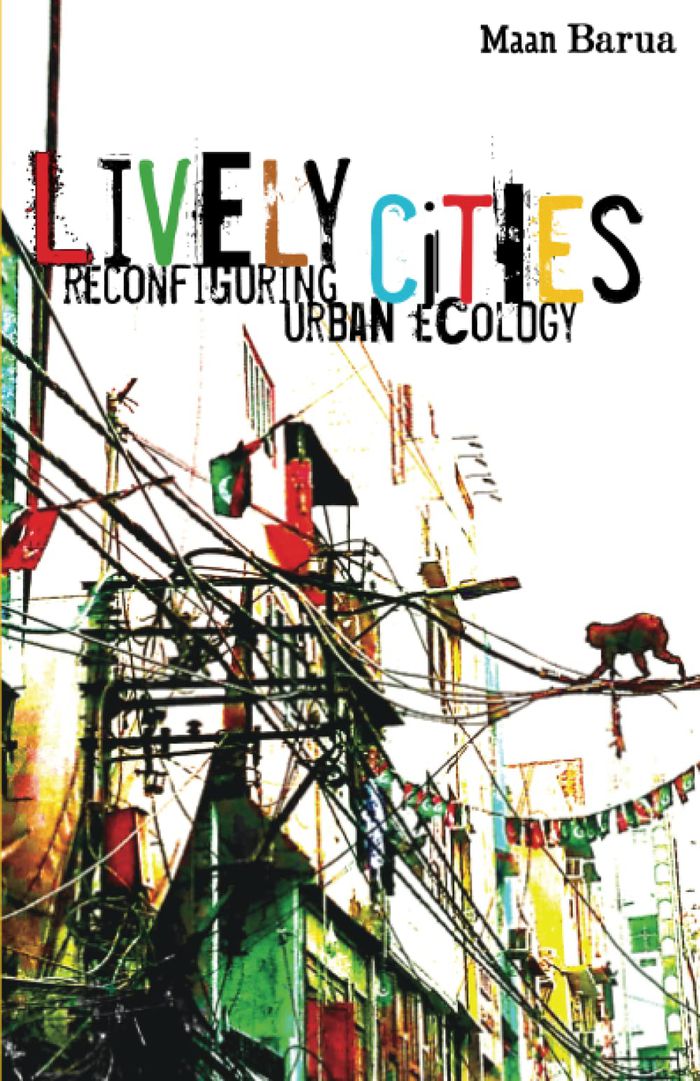
One of the fundamental dimensions of urbanization is its radical transformation of nature. Today domestic animals make up more than twice the biomass of people on the planet, and cities are replete with nonhuman life. Yet current accounts of the urban remain resolutely anthropocentric. ''Lively cities'' departs from conventions of urban studies to argue that cities are lived achievements forged by a multitude of entities, drawing attention to a suite of beings— human and nonhuman— that make up the material politics of city making. From macaques and cattle in Delhi to the invasive parakeet colonies in London, Maan Barua examines the rhythms, paths, and agency of nonhumans across the city. He reconceptualizes several key themes in urban thought, including infrastructure, the built environment, design, habitation, and everyday practices of dwelling and provides a critical intervention in animal and urban studies. Generating fresh conversations between posthumanism, postcolonialism, and political economy, Barua reveals how human and nonhuman actors shape, integrate, subsume, and relate to urban space in fascinating ways.
Lively cities: Reconfiguring urban ecology
Actions:
Prix:
$41.99
(disponible sur commande)
Résumé:
One of the fundamental dimensions of urbanization is its radical transformation of nature. Today domestic animals make up more than twice the biomass of people on the planet, and cities are replete with nonhuman life. Yet current accounts of the urban remain resolutely anthropocentric. ''Lively cities'' departs from conventions of urban studies to argue that cities are lived achievements forged by a multitude of entities, drawing attention to a suite of beings— human and nonhuman— that make up the material politics of city making. From macaques and cattle in Delhi to the invasive parakeet colonies in London, Maan Barua examines the rhythms, paths, and agency of nonhumans across the city. He reconceptualizes several key themes in urban thought, including infrastructure, the built environment, design, habitation, and everyday practices of dwelling and provides a critical intervention in animal and urban studies. Generating fresh conversations between posthumanism, postcolonialism, and political economy, Barua reveals how human and nonhuman actors shape, integrate, subsume, and relate to urban space in fascinating ways.
Classification:
livres
livres
Publication:
mai 2023
mai 2023
Sujet:
Théorie de l’urbanisme
Théorie de l’urbanisme
Classification:
livres
livres
Actions:
Prix:
$71.95
(disponible en magasin)
Résumé:
Detailing architect Florian Beigel's prize-winning land reclamation project, this book is a study of urban planning typology and the derivation of an urban land-use concept plan based thereon including solutions to environmental issues. Florian Beigel and the Architecture Research Unit were invited by the Provincial Government of Jeollabukdo, Korea in 2008, along with(...)
$71.95
(disponible en magasin)
Résumé:
Detailing architect Florian Beigel's prize-winning land reclamation project, this book is a study of urban planning typology and the derivation of an urban land-use concept plan based thereon including solutions to environmental issues. Florian Beigel and the Architecture Research Unit were invited by the Provincial Government of Jeollabukdo, Korea in 2008, along with(...)
Titre:
Architecture as city: Saemangeum island city
Actions:
Prix:
$71.95
(disponible en magasin)
Résumé:
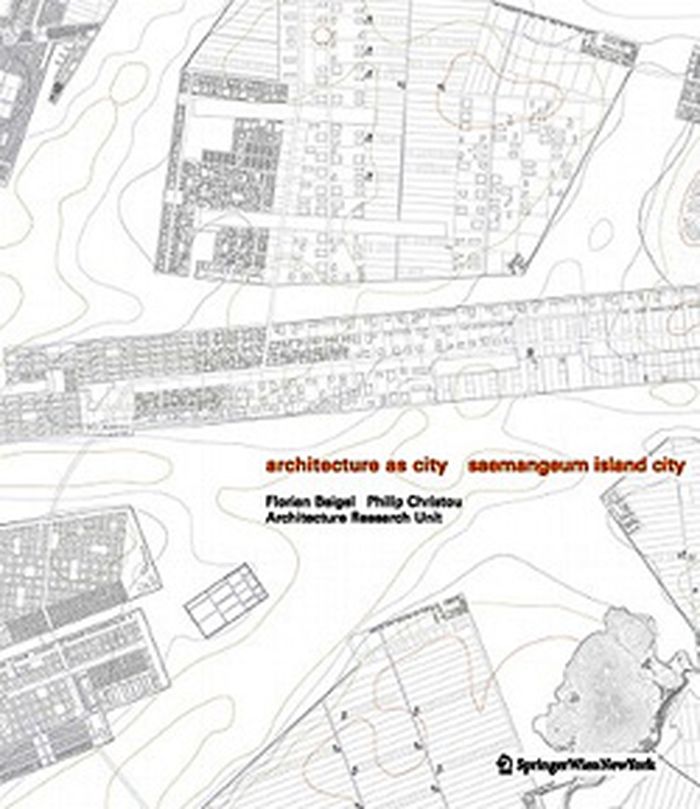
Detailing architect Florian Beigel's prize-winning land reclamation project, this book is a study of urban planning typology and the derivation of an urban land-use concept plan based thereon including solutions to environmental issues. Florian Beigel and the Architecture Research Unit were invited by the Provincial Government of Jeollabukdo, Korea in 2008, along with seven other teams to participate in an international ideas competition to develop urban design proposals for the Saemangeum land reclamation project. Saemangeum Island City comprises a surface area of some 400 km^2, more than a quarter of the area of Greater London (which is approx. 1.570 km^2). The design project by ARU / London Metropolitan University was declared one of three winning competition proposals and selected to be part of the main exhibition at the 2010 Venice Biennale. The urban land-use concept plan begins with a phased landscape infrastructure design of 8 new islands with a highly remarkable solution as to environmental issues.
Architecture as city: Saemangeum island city
Actions:
Prix:
$71.95
(disponible en magasin)
Résumé:
Detailing architect Florian Beigel's prize-winning land reclamation project, this book is a study of urban planning typology and the derivation of an urban land-use concept plan based thereon including solutions to environmental issues. Florian Beigel and the Architecture Research Unit were invited by the Provincial Government of Jeollabukdo, Korea in 2008, along with seven other teams to participate in an international ideas competition to develop urban design proposals for the Saemangeum land reclamation project. Saemangeum Island City comprises a surface area of some 400 km^2, more than a quarter of the area of Greater London (which is approx. 1.570 km^2). The design project by ARU / London Metropolitan University was declared one of three winning competition proposals and selected to be part of the main exhibition at the 2010 Venice Biennale. The urban land-use concept plan begins with a phased landscape infrastructure design of 8 new islands with a highly remarkable solution as to environmental issues.
Classification:
livres
livres
Publication:
octobre 2010
octobre 2010
Sujet:
Paysages urbains
Paysages urbains
Classification:
livres
livres
Actions:
Prix:
$27.00
(disponible sur commande)
Résumé:
In the fall of 2009, The Museum of Modern Art and MoMA PS1 selected five interdisciplinary teams of architects, engineers and landscape designers to propose solutions to the effects of climate change on New York's waterfront. The resulting proposals, exhibited at MoMA in 2010 in the exhibition "Rising Currents: Projects for New York's Waterfront," emphasize "soft"(...)
$27.00
(disponible sur commande)
Résumé:
In the fall of 2009, The Museum of Modern Art and MoMA PS1 selected five interdisciplinary teams of architects, engineers and landscape designers to propose solutions to the effects of climate change on New York's waterfront. The resulting proposals, exhibited at MoMA in 2010 in the exhibition "Rising Currents: Projects for New York's Waterfront," emphasize "soft"(...)
Titre:
Rising currents : projects for New York's waterfront
Actions:
Prix:
$27.00
(disponible sur commande)
Résumé:
In the fall of 2009, The Museum of Modern Art and MoMA PS1 selected five interdisciplinary teams of architects, engineers and landscape designers to propose solutions to the effects of climate change on New York's waterfront. The resulting proposals, exhibited at MoMA in 2010 in the exhibition "Rising Currents: Projects for New York's Waterfront," emphasize "soft" infrastructure interventions that would make New York City and its surrounding areas more ecologically sound and more resilient in responding to rising sea levels and storm surges. These innovative projects include the creation of salt- and freshwater wetlands, a Venice-like aqueous landscape, habitable piers and man-made islands, and a protective reef of living oysters. Published to document the exhibition, "Rising Currents: Projects for New York's Waterfront" presents these five projects in detail through essays that summarize the innovative workshop and exhibition, the dialogues they engendered with outside experts and political figures involved in regional planning, and the climate change and urban planning implications of the proposed solutions.
Rising currents : projects for New York's waterfront
Actions:
Prix:
$27.00
(disponible sur commande)
Résumé:
In the fall of 2009, The Museum of Modern Art and MoMA PS1 selected five interdisciplinary teams of architects, engineers and landscape designers to propose solutions to the effects of climate change on New York's waterfront. The resulting proposals, exhibited at MoMA in 2010 in the exhibition "Rising Currents: Projects for New York's Waterfront," emphasize "soft" infrastructure interventions that would make New York City and its surrounding areas more ecologically sound and more resilient in responding to rising sea levels and storm surges. These innovative projects include the creation of salt- and freshwater wetlands, a Venice-like aqueous landscape, habitable piers and man-made islands, and a protective reef of living oysters. Published to document the exhibition, "Rising Currents: Projects for New York's Waterfront" presents these five projects in detail through essays that summarize the innovative workshop and exhibition, the dialogues they engendered with outside experts and political figures involved in regional planning, and the climate change and urban planning implications of the proposed solutions.
Classification:
livres
livres
Publication:
juin 2011
juin 2011
Sujet:
Architecture écologique
Architecture écologique
Classification:
livres
livres
Actions:
Prix:
$24.95
(disponible sur commande)
Résumé:
Some cities seem destined to become major financial capitals, yet never do--Seville, for instance, was the centre of Spain's opulent New World Empire, but failed to become a financial metropolis. Others, like former colonial backwater Hong Kong, defy the odds by growing into major trading centres. What are the key factors distinguishing those cities that become wealthy(...)
$24.95
(disponible sur commande)
Résumé:
Some cities seem destined to become major financial capitals, yet never do--Seville, for instance, was the centre of Spain's opulent New World Empire, but failed to become a financial metropolis. Others, like former colonial backwater Hong Kong, defy the odds by growing into major trading centres. What are the key factors distinguishing those cities that become wealthy(...)
Titre:
The evolution of great world cities : urban wealth and economic growth
Actions:
Prix:
$24.95
(disponible sur commande)
Résumé:
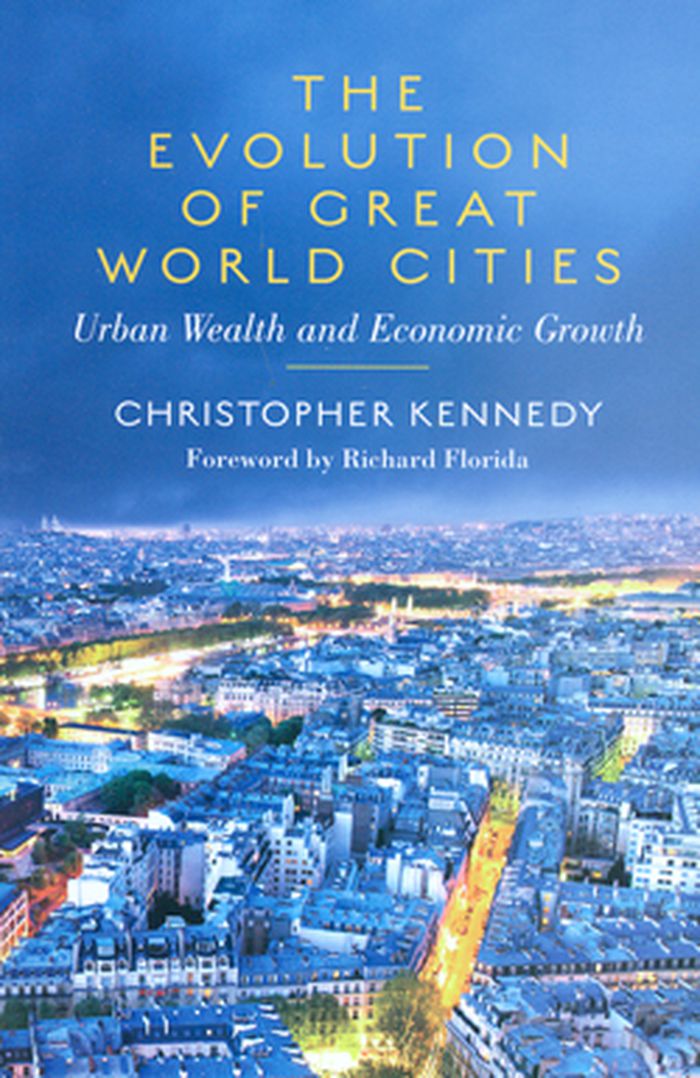
Some cities seem destined to become major financial capitals, yet never do--Seville, for instance, was the centre of Spain's opulent New World Empire, but failed to become a financial metropolis. Others, like former colonial backwater Hong Kong, defy the odds by growing into major trading centres. What are the key factors distinguishing those cities that become wealthy from those that don't? Christopher Kennedy illuminates how geography, technology, and especially the infrastructure of urban economies allow cities to develop and thrive. The Evolution of Great World Cities unfolds through the tales of several urban centres -including Venice, Amsterdam, London, and New York City - at key junctures in their histories. Kennedy weaves together significant insights from urbanists such as Jane Jacobs and economists such as John Maynard Keynes, drawing striking parallels between the functioning of ecosystems and of wealthy capitals. The Evolution of Great World Cities offers an accessible introduction to urban economies that "will change the way you think about cities."
The evolution of great world cities : urban wealth and economic growth
Actions:
Prix:
$24.95
(disponible sur commande)
Résumé:
Some cities seem destined to become major financial capitals, yet never do--Seville, for instance, was the centre of Spain's opulent New World Empire, but failed to become a financial metropolis. Others, like former colonial backwater Hong Kong, defy the odds by growing into major trading centres. What are the key factors distinguishing those cities that become wealthy from those that don't? Christopher Kennedy illuminates how geography, technology, and especially the infrastructure of urban economies allow cities to develop and thrive. The Evolution of Great World Cities unfolds through the tales of several urban centres -including Venice, Amsterdam, London, and New York City - at key junctures in their histories. Kennedy weaves together significant insights from urbanists such as Jane Jacobs and economists such as John Maynard Keynes, drawing striking parallels between the functioning of ecosystems and of wealthy capitals. The Evolution of Great World Cities offers an accessible introduction to urban economies that "will change the way you think about cities."
Classification:
livres
livres
Publication:
juin 2011
juin 2011
Sujet:
Théorie de l’urbanisme
Théorie de l’urbanisme
Classification:
livres
livres
Prix:
$54.95
(disponible sur commande)
Résumé:
In recent years and decades, dealing with the architectural legacy of the industrial age has been an increasingly common task for urban planning: industrial buildings and sites, infrastructure, and residential areas that have become vacant lots as a result of structural transformation cannot, if only because of their dimensions, be ignored within the urban space.(...)
$54.95
(disponible sur commande)
Résumé:
In recent years and decades, dealing with the architectural legacy of the industrial age has been an increasingly common task for urban planning: industrial buildings and sites, infrastructure, and residential areas that have become vacant lots as a result of structural transformation cannot, if only because of their dimensions, be ignored within the urban space.(...)
Sujet:
Théorie de l’urbanisme
Théorie de l’urbanisme
Publication:
novembre 2011
novembre 2011
Titre:
urbanRESET: how to activate immanent potential of urban spaces
Actions:
Prix:
$54.95
(disponible sur commande)
Résumé:
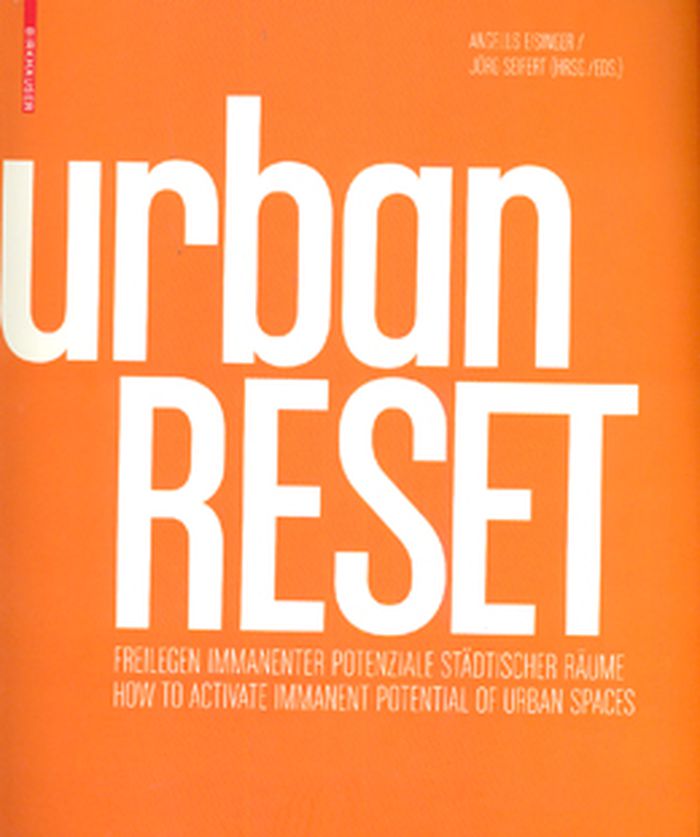
In recent years and decades, dealing with the architectural legacy of the industrial age has been an increasingly common task for urban planning: industrial buildings and sites, infrastructure, and residential areas that have become vacant lots as a result of structural transformation cannot, if only because of their dimensions, be ignored within the urban space. Innovative reinterpretations of such relics that update existing building fabric in a way that goes beyond critical reconstruction or revitalization, such as the Toni Site in Zurich or the Île de Nantes, can be observed throughout Europe these days. The publication urbanRESET brings together succinct examples of this separate category of urban-planning from throughout Europe. The projects are presented in detail with plans and color illustrations. Interviews with key players and theoretical essays show how local processes of reinterpretation and reactivation can produce sustainable effects. urbanRESET sheds light on the common foundations of these works and condenses them into methodological inferences for a forward-looking urban praxis.
urbanRESET: how to activate immanent potential of urban spaces
Actions:
Prix:
$54.95
(disponible sur commande)
Résumé:
In recent years and decades, dealing with the architectural legacy of the industrial age has been an increasingly common task for urban planning: industrial buildings and sites, infrastructure, and residential areas that have become vacant lots as a result of structural transformation cannot, if only because of their dimensions, be ignored within the urban space. Innovative reinterpretations of such relics that update existing building fabric in a way that goes beyond critical reconstruction or revitalization, such as the Toni Site in Zurich or the Île de Nantes, can be observed throughout Europe these days. The publication urbanRESET brings together succinct examples of this separate category of urban-planning from throughout Europe. The projects are presented in detail with plans and color illustrations. Interviews with key players and theoretical essays show how local processes of reinterpretation and reactivation can produce sustainable effects. urbanRESET sheds light on the common foundations of these works and condenses them into methodological inferences for a forward-looking urban praxis.
Classification:
livres
livres
Publication:
novembre 2011
novembre 2011
Sujet:
Théorie de l’urbanisme
Théorie de l’urbanisme
Classification:
livres
livres
Actions:
Prix:
$51.95
(disponible sur commande)
Résumé:
The Prudential Center anchors the Boston skyline with its tall, gray tower. Though unassuming architecturally, it is a historical beacon, representing a midcentury moment when insurance companies such as Prudential were particularly aware of how their physical presence and civic engagement reflected upon their intangible product: financial security. Looking to New York's(...)
$51.95
(disponible sur commande)
Résumé:
The Prudential Center anchors the Boston skyline with its tall, gray tower. Though unassuming architecturally, it is a historical beacon, representing a midcentury moment when insurance companies such as Prudential were particularly aware of how their physical presence and civic engagement reflected upon their intangible product: financial security. Looking to New York's(...)
Titre:
Insuring the city: the Prudential Center and the Postwar urban landscape
Actions:
Prix:
$51.95
(disponible sur commande)
Résumé:
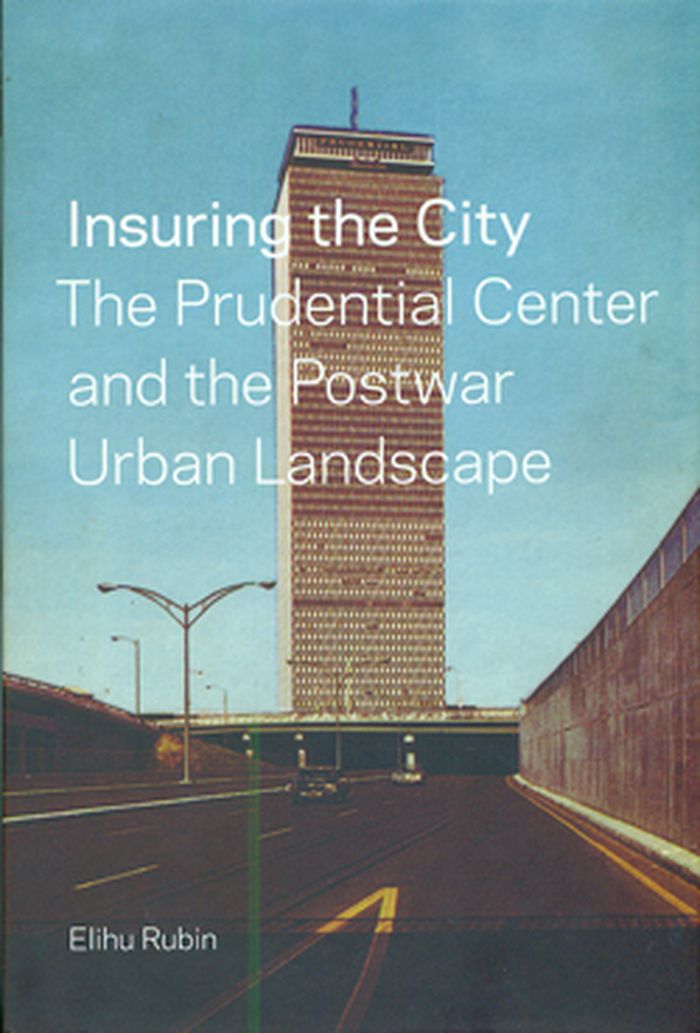
The Prudential Center anchors the Boston skyline with its tall, gray tower. Though unassuming architecturally, it is a historical beacon, representing a midcentury moment when insurance companies such as Prudential were particularly aware of how their physical presence and civic engagement reflected upon their intangible product: financial security. Looking to New York's Rockefeller Center, the creators of the Prudential Center aspired to use real estate development as a tool toward civic achievement, reinvigorating central Boston and integrating a large complex of buildings with new infrastructure for the automobile. Architectural historian Elihu Rubin tells the full story of "The Pru", placing it within the political, economic, and architectural contexts of the period. The Prudential Center played a pivotal role in the economic redevelopment of Boston and was arguably one of the most significant urban developments of the 1950s and '60s. It is an important story, and one that provides great insight into the evolution of the modern city in postwar America.
Insuring the city: the Prudential Center and the Postwar urban landscape
Actions:
Prix:
$51.95
(disponible sur commande)
Résumé:
The Prudential Center anchors the Boston skyline with its tall, gray tower. Though unassuming architecturally, it is a historical beacon, representing a midcentury moment when insurance companies such as Prudential were particularly aware of how their physical presence and civic engagement reflected upon their intangible product: financial security. Looking to New York's Rockefeller Center, the creators of the Prudential Center aspired to use real estate development as a tool toward civic achievement, reinvigorating central Boston and integrating a large complex of buildings with new infrastructure for the automobile. Architectural historian Elihu Rubin tells the full story of "The Pru", placing it within the political, economic, and architectural contexts of the period. The Prudential Center played a pivotal role in the economic redevelopment of Boston and was arguably one of the most significant urban developments of the 1950s and '60s. It is an important story, and one that provides great insight into the evolution of the modern city in postwar America.
Classification:
livres
livres
Publication:
mai 2012
mai 2012
Sujet:
Théorie de l’urbanisme
Théorie de l’urbanisme
Classification:
livres
livres
Actions:
Prix:
$27.95
(disponible sur commande)
Résumé:
With the invention of telecommunications technologies in the late nineteenth century, the radio-electric spectrum became a tool for rethinking the world in which we live. The emission of radio waves did away with physical distances, crossing borders and cultures and acting as a powerful catalyst for trade. Moreover, the radio spectrum is the invisible infrastructure on(...)
$27.95
(disponible sur commande)
Résumé:
With the invention of telecommunications technologies in the late nineteenth century, the radio-electric spectrum became a tool for rethinking the world in which we live. The emission of radio waves did away with physical distances, crossing borders and cultures and acting as a powerful catalyst for trade. Moreover, the radio spectrum is the invisible infrastructure on(...)
Titre:
Invisible fields: geographies of radio waves
Actions:
Prix:
$27.95
(disponible sur commande)
Résumé:
With the invention of telecommunications technologies in the late nineteenth century, the radio-electric spectrum became a tool for rethinking the world in which we live. The emission of radio waves did away with physical distances, crossing borders and cultures and acting as a powerful catalyst for trade. Moreover, the radio spectrum is the invisible infrastructure on which our information and communication technologies have been built. The history of its scientific discovery and how it was gradually colonized by the media, the military complex, and activists and hackers is one of the most fascinating stories of the twentieth century. The future uses of the radio-electric spectrum in the twenty-first century and its new potential are being decided now, with the end of analogue TV broadcasting worldwide marking the most important transformation of uses in the radio-electric space in decades. This catalog sets out to examine these issues and shed a little light on intriguing stories about radio-electric spectrum.
Invisible fields: geographies of radio waves
Actions:
Prix:
$27.95
(disponible sur commande)
Résumé:
With the invention of telecommunications technologies in the late nineteenth century, the radio-electric spectrum became a tool for rethinking the world in which we live. The emission of radio waves did away with physical distances, crossing borders and cultures and acting as a powerful catalyst for trade. Moreover, the radio spectrum is the invisible infrastructure on which our information and communication technologies have been built. The history of its scientific discovery and how it was gradually colonized by the media, the military complex, and activists and hackers is one of the most fascinating stories of the twentieth century. The future uses of the radio-electric spectrum in the twenty-first century and its new potential are being decided now, with the end of analogue TV broadcasting worldwide marking the most important transformation of uses in the radio-electric space in decades. This catalog sets out to examine these issues and shed a little light on intriguing stories about radio-electric spectrum.
Classification:
livres
livres
Publication:
mai 2012
mai 2012
Sujet:
Épistémologie et réseau
Épistémologie et réseau
Classification:
livres
livres
Actions:
Prix:
$178.50
(disponible sur commande)
Résumé:
Today, contemporary landscape design is increasingly drawing from ideas of sustainability and ecological stability. Not in fact new, the foundations of this approach stem from early twentieth century Germany, where architects and planners were already beginning to use the design concepts which are now referred to as "green." This ecological school of thought was(...)
$178.50
(disponible sur commande)
Résumé:
Today, contemporary landscape design is increasingly drawing from ideas of sustainability and ecological stability. Not in fact new, the foundations of this approach stem from early twentieth century Germany, where architects and planners were already beginning to use the design concepts which are now referred to as "green." This ecological school of thought was(...)
Titre:
When modern was green : life and work of landscape architect Leberecht Migge
Actions:
Prix:
$178.50
(disponible sur commande)
Résumé:
Today, contemporary landscape design is increasingly drawing from ideas of sustainability and ecological stability. Not in fact new, the foundations of this approach stem from early twentieth century Germany, where architects and planners were already beginning to use the design concepts which are now referred to as "green." This ecological school of thought was driven by modernist landscape architect Leberecht Migge (1881-1935). Working with significant modernist architects of the age including Martin Elsaesser, Ernst May, Bruno Taut, and Martin Wagner Migge was responsible for some of the most important housing and planning projects of the age; the mass housing settlements, or Gro siedlungen, of Frankfurt Main and Berlin. Using "biotechnic" principles to integrally link dwelling and garden, Migge was able to recycle household waste to grow foodstuffs through the use of innovative infrastructure and open space planning. Also a skilled park and garden designer, he drew together green and architectural elements in his "garden-architectonic" approach.
When modern was green : life and work of landscape architect Leberecht Migge
Actions:
Prix:
$178.50
(disponible sur commande)
Résumé:
Today, contemporary landscape design is increasingly drawing from ideas of sustainability and ecological stability. Not in fact new, the foundations of this approach stem from early twentieth century Germany, where architects and planners were already beginning to use the design concepts which are now referred to as "green." This ecological school of thought was driven by modernist landscape architect Leberecht Migge (1881-1935). Working with significant modernist architects of the age including Martin Elsaesser, Ernst May, Bruno Taut, and Martin Wagner Migge was responsible for some of the most important housing and planning projects of the age; the mass housing settlements, or Gro siedlungen, of Frankfurt Main and Berlin. Using "biotechnic" principles to integrally link dwelling and garden, Migge was able to recycle household waste to grow foodstuffs through the use of innovative infrastructure and open space planning. Also a skilled park and garden designer, he drew together green and architectural elements in his "garden-architectonic" approach.
Classification:
livres
livres
Publication:
avril 2012
avril 2012
Sujet:
Architecture, monographies
Architecture, monographies
Classification:
livres
livres
Actions:
Prix:
$46.95
(disponible sur commande)
Résumé:
En 75 photographies, Eric Tabuchi y dresse une typologie des postes de distribution - ces bâtiments qui servent à transformer le courant électrique haute-tension en courant basse-tension - et met en évidence la relation qu’entretient le géant du service public avec l’architecture régionale. Ces constructions techniques, auxquelles nous ne prêtons guère attention tant(...)
$46.95
(disponible sur commande)
Résumé:
En 75 photographies, Eric Tabuchi y dresse une typologie des postes de distribution - ces bâtiments qui servent à transformer le courant électrique haute-tension en courant basse-tension - et met en évidence la relation qu’entretient le géant du service public avec l’architecture régionale. Ces constructions techniques, auxquelles nous ne prêtons guère attention tant(...)
Titre:
Eric Tabuchi : électricité de France
Actions:
Prix:
$46.95
(disponible sur commande)
Résumé:
En 75 photographies, Eric Tabuchi y dresse une typologie des postes de distribution - ces bâtiments qui servent à transformer le courant électrique haute-tension en courant basse-tension - et met en évidence la relation qu’entretient le géant du service public avec l’architecture régionale. Ces constructions techniques, auxquelles nous ne prêtons guère attention tant elles font partie de notre environnement, prennent en effet, quand on les observe, des apparences très variées. Si elles sont majoritairement en béton et avant tout fonctionnelles, nombre d’entre elles, pour se fondre dans le décor, ont copié par le choix des matériaux ou la forme des toitures l’architecture des régions dans lesquelles elles prennent place. Ainsi trouve-t-on par exemple des transformateurs simulant les colombages en Normandie quand d’autres sont bâtis en granit rose dans le Trégor. En mettant en vis-à-vis une habitation et un poste de distribution, c’est à la mise en correspondance de l’architecture locale avec une infrastructure nationale que se livre non sans humour Électricité de France.
Eric Tabuchi : électricité de France
Actions:
Prix:
$46.95
(disponible sur commande)
Résumé:
En 75 photographies, Eric Tabuchi y dresse une typologie des postes de distribution - ces bâtiments qui servent à transformer le courant électrique haute-tension en courant basse-tension - et met en évidence la relation qu’entretient le géant du service public avec l’architecture régionale. Ces constructions techniques, auxquelles nous ne prêtons guère attention tant elles font partie de notre environnement, prennent en effet, quand on les observe, des apparences très variées. Si elles sont majoritairement en béton et avant tout fonctionnelles, nombre d’entre elles, pour se fondre dans le décor, ont copié par le choix des matériaux ou la forme des toitures l’architecture des régions dans lesquelles elles prennent place. Ainsi trouve-t-on par exemple des transformateurs simulant les colombages en Normandie quand d’autres sont bâtis en granit rose dans le Trégor. En mettant en vis-à-vis une habitation et un poste de distribution, c’est à la mise en correspondance de l’architecture locale avec une infrastructure nationale que se livre non sans humour Électricité de France.
Classification:
livres
livres
Publication:
novembre 2019
novembre 2019
Sujet:
Monographies photo
Monographies photo
Classification:
livres
livres
Actions:
Prix:
$37.99
(disponible sur commande)
Résumé:
Urban trauma describes a condition where conflict or catastrophe has disrupted and damaged not only the physical environment and infrastructure of a city, but also the social and cultural networks. Cities experiencing trauma dominate the daily news. But how is this trauma to be understood in its aftermath, and in urban terms? What is the response of the discipline to the(...)
$37.99
(disponible sur commande)
Résumé:
Urban trauma describes a condition where conflict or catastrophe has disrupted and damaged not only the physical environment and infrastructure of a city, but also the social and cultural networks. Cities experiencing trauma dominate the daily news. But how is this trauma to be understood in its aftermath, and in urban terms? What is the response of the discipline to the(...)
Titre:
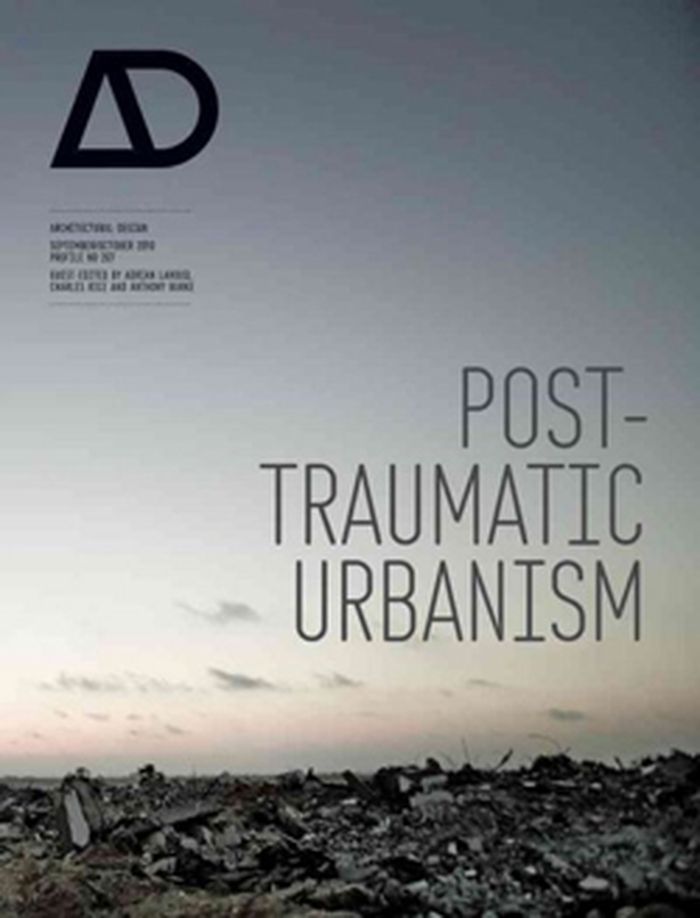
AD 80:05 Post-traumatic urbanism
Actions:
Prix:
$37.99
(disponible sur commande)
Résumé:
Urban trauma describes a condition where conflict or catastrophe has disrupted and damaged not only the physical environment and infrastructure of a city, but also the social and cultural networks. Cities experiencing trauma dominate the daily news. But how is this trauma to be understood in its aftermath, and in urban terms? What is the response of the discipline to the post-traumatic condition? On the one hand, one can try to restore and recover everything that has passed, or otherwise see the post-traumatic city as a resilient space poised on the cusp of new potentialities. While repair and reconstruction are automatic reflexes, the knowledge and practices of the disciplines need to be imbued with a deeper understanding of the effect of trauma on cities and their contingent realities. This issue will pursue this latter approach, using examples of post-traumatic urban conditions to rethink the agency of architecture and urbanism in the contemporary world.
AD 80:05 Post-traumatic urbanism
Actions:
Prix:
$37.99
(disponible sur commande)
Résumé:
Urban trauma describes a condition where conflict or catastrophe has disrupted and damaged not only the physical environment and infrastructure of a city, but also the social and cultural networks. Cities experiencing trauma dominate the daily news. But how is this trauma to be understood in its aftermath, and in urban terms? What is the response of the discipline to the post-traumatic condition? On the one hand, one can try to restore and recover everything that has passed, or otherwise see the post-traumatic city as a resilient space poised on the cusp of new potentialities. While repair and reconstruction are automatic reflexes, the knowledge and practices of the disciplines need to be imbued with a deeper understanding of the effect of trauma on cities and their contingent realities. This issue will pursue this latter approach, using examples of post-traumatic urban conditions to rethink the agency of architecture and urbanism in the contemporary world.
Classification:
livres
livres
Publication:
décembre 2010
décembre 2010
Sujet:
Revues
Revues


