


1732 Résultats
Classification:
livres
livres
Titre:
I colori / colors
I colori / colors
Actions:
Prix:
$32.95
(disponible sur commande)
Résumé:
Published for the first time in 1945, in the middle of Veronesi’s researches about abstract cinema and photography, the quality of its graphics and teaching aspects remains undimmed. In the first part of the book the three primary colours and their complementary are associated to everyday objects, while the second part, more suitable to Veronesi’s “abstract(...)
$32.95
(disponible sur commande)
Résumé:
Published for the first time in 1945, in the middle of Veronesi’s researches about abstract cinema and photography, the quality of its graphics and teaching aspects remains undimmed. In the first part of the book the three primary colours and their complementary are associated to everyday objects, while the second part, more suitable to Veronesi’s “abstract(...)
Titre:
I colori / colors
Actions:
Prix:
$32.95
(disponible sur commande)
Résumé:
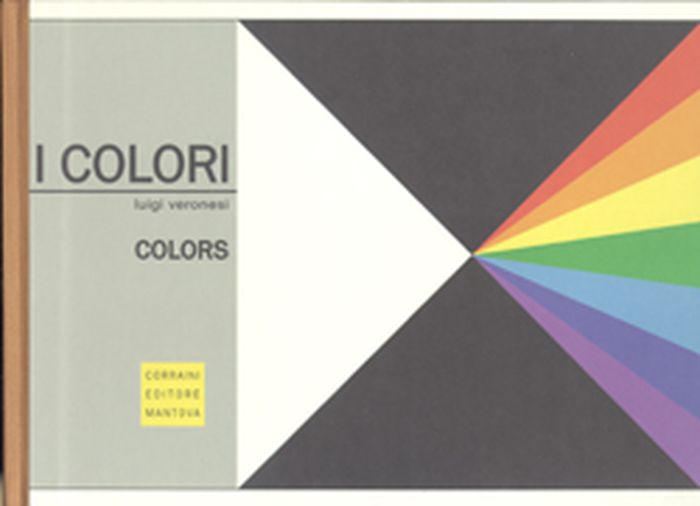
Published for the first time in 1945, in the middle of Veronesi’s researches about abstract cinema and photography, the quality of its graphics and teaching aspects remains undimmed. In the first part of the book the three primary colours and their complementary are associated to everyday objects, while the second part, more suitable to Veronesi’s “abstract rationalism”, is dedicated to overlapping colours, and creates pages that have become real painting masterpieces. Luigi Veronesi (Milan, 1908-1998) always thought art as an instrument that involves all the aspects of the aesthetic experience, and investigated its relationship with the age of mechanization. Famous for his colour transpositions of music scores, he was a member of the MAC (Movement for Concrete Art) and one of the most "european" among Italian abstract painters. He also was one of the first authors to use photography in childrens’ books.
I colori / colors
Actions:
Prix:
$32.95
(disponible sur commande)
Résumé:
Published for the first time in 1945, in the middle of Veronesi’s researches about abstract cinema and photography, the quality of its graphics and teaching aspects remains undimmed. In the first part of the book the three primary colours and their complementary are associated to everyday objects, while the second part, more suitable to Veronesi’s “abstract rationalism”, is dedicated to overlapping colours, and creates pages that have become real painting masterpieces. Luigi Veronesi (Milan, 1908-1998) always thought art as an instrument that involves all the aspects of the aesthetic experience, and investigated its relationship with the age of mechanization. Famous for his colour transpositions of music scores, he was a member of the MAC (Movement for Concrete Art) and one of the most "european" among Italian abstract painters. He also was one of the first authors to use photography in childrens’ books.
Classification:
livres
livres
Publication:
janvier 1997, Mantova
janvier 1997, Mantova
Sujet:
Littérature jeunesse
Littérature jeunesse
Classification:
livres
livres
Actions:
Prix:
$36.95
(disponible sur commande)
Résumé:
"Film X Autochthonous struggles today" brings together for the first time filmmakers, activists, film curators, and scholars who share a common interest in filmmaking practices that emerge from and participate in the various situations of struggle that the Autochthonous/Indigenous/Native/Aboriginal/First Nations peoples and communities are involved in worldwide. Starting(...)
$36.95
(disponible sur commande)
Résumé:
"Film X Autochthonous struggles today" brings together for the first time filmmakers, activists, film curators, and scholars who share a common interest in filmmaking practices that emerge from and participate in the various situations of struggle that the Autochthonous/Indigenous/Native/Aboriginal/First Nations peoples and communities are involved in worldwide. Starting(...)
Sujet:
Théorie de l’art
Théorie de l’art
Publication:
octobre 2024
octobre 2024
Titre:
Film X Autochthonous struggles today
Actions:
Prix:
$36.95
(disponible sur commande)
Résumé:
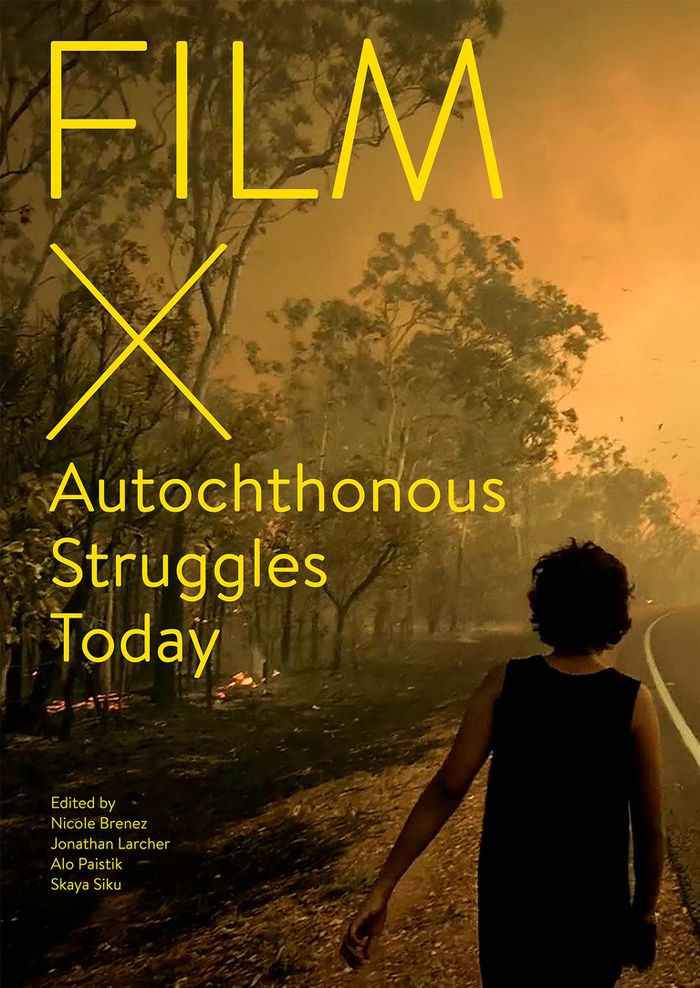
"Film X Autochthonous struggles today" brings together for the first time filmmakers, activists, film curators, and scholars who share a common interest in filmmaking practices that emerge from and participate in the various situations of struggle that the Autochthonous/Indigenous/Native/Aboriginal/First Nations peoples and communities are involved in worldwide. Starting with the Edison Studio’s 1894 short films Buffalo Dance and Sioux Ghost Dance, representations of Autochthonous peoples have been part of cinema right from its inception. The vast majority of these representations, however, have not been produced by nor for Autochthonous peoples. In the wake of political and cultural self-determination movements of the 1960s and 1970s, and with the gradual democratization and accessibility of the tools of moving-image making, Autochthonous communities have displaced and renewed cinema’s forms and means of production, increasingly reclaiming their right for self-representation by way of film and video.
Film X Autochthonous struggles today
Actions:
Prix:
$36.95
(disponible sur commande)
Résumé:
"Film X Autochthonous struggles today" brings together for the first time filmmakers, activists, film curators, and scholars who share a common interest in filmmaking practices that emerge from and participate in the various situations of struggle that the Autochthonous/Indigenous/Native/Aboriginal/First Nations peoples and communities are involved in worldwide. Starting with the Edison Studio’s 1894 short films Buffalo Dance and Sioux Ghost Dance, representations of Autochthonous peoples have been part of cinema right from its inception. The vast majority of these representations, however, have not been produced by nor for Autochthonous peoples. In the wake of political and cultural self-determination movements of the 1960s and 1970s, and with the gradual democratization and accessibility of the tools of moving-image making, Autochthonous communities have displaced and renewed cinema’s forms and means of production, increasingly reclaiming their right for self-representation by way of film and video.
Classification:
livres
livres
Publication:
octobre 2024
octobre 2024
Sujet:
Théorie de l’art
Théorie de l’art
Classification:
livres
livres
Actions:
Prix:
$37.95
(disponible sur commande)
Résumé:
Toyo Ito is one of the foremost architects working today. His architecture makes innovative use of steel and aluminium and includes such buildings as the White U House and the Eggs of Winds in Tokyo. This volume focuses on his Mediathèque in Sendai. This newly completed structure, which houses a library, art gallery, cinema, lecture theatre, and cybercafé, is predicated(...)
$37.95
(disponible sur commande)
Résumé:
Toyo Ito is one of the foremost architects working today. His architecture makes innovative use of steel and aluminium and includes such buildings as the White U House and the Eggs of Winds in Tokyo. This volume focuses on his Mediathèque in Sendai. This newly completed structure, which houses a library, art gallery, cinema, lecture theatre, and cybercafé, is predicated(...)
Titre:
Case : Toyo Ito - Sendai Mediatheque
Actions:
Prix:
$37.95
(disponible sur commande)
Résumé:
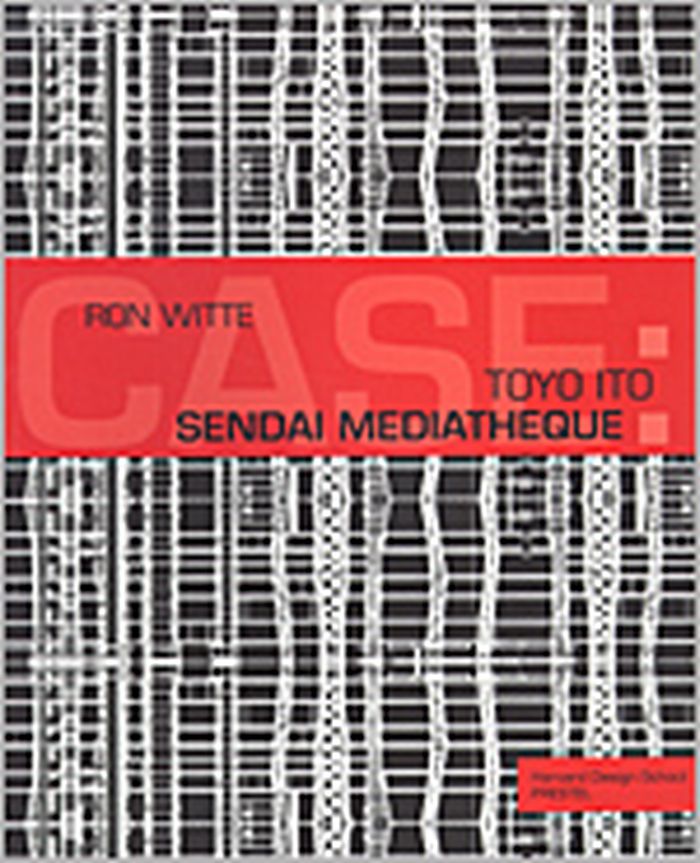
Toyo Ito is one of the foremost architects working today. His architecture makes innovative use of steel and aluminium and includes such buildings as the White U House and the Eggs of Winds in Tokyo. This volume focuses on his Mediathèque in Sendai. This newly completed structure, which houses a library, art gallery, cinema, lecture theatre, and cybercafé, is predicated on the idea that the users of the building occupy a media/ information landscape or “digital ecology. ”Through a series of extraordinary technical advances, floors supported by a system of occupiable hollow tubes and sophisticated information and media networks, the building creates an environment in which people can engage in cultural activities both internally (within the structure) and externally (through digital connections to the world at large). This volume investigates the evolution of the structure through a series of essays by experts on media, architectural technology, and digital culture.
Case : Toyo Ito - Sendai Mediatheque
Actions:
Prix:
$37.95
(disponible sur commande)
Résumé:
Toyo Ito is one of the foremost architects working today. His architecture makes innovative use of steel and aluminium and includes such buildings as the White U House and the Eggs of Winds in Tokyo. This volume focuses on his Mediathèque in Sendai. This newly completed structure, which houses a library, art gallery, cinema, lecture theatre, and cybercafé, is predicated on the idea that the users of the building occupy a media/ information landscape or “digital ecology. ”Through a series of extraordinary technical advances, floors supported by a system of occupiable hollow tubes and sophisticated information and media networks, the building creates an environment in which people can engage in cultural activities both internally (within the structure) and externally (through digital connections to the world at large). This volume investigates the evolution of the structure through a series of essays by experts on media, architectural technology, and digital culture.
Classification:
livres
livres
Publication:
octobre 2001, Munich
octobre 2001, Munich
Sujet:
Architecture, monographies
Architecture, monographies
Classification:
livres
livres
Titre:
Theory of seeing
Theory of seeing
Actions:
Prix:
$48.99
(disponible en magasin)
Résumé:
The first English translation of a radical and influential theory of art by a leader of Poland’s avant-garde After World War II, socialist realism became the official state doctrine of art in Poland, with abstract works deemed counterrevolutionary and forbidden from public view. Wladyslaw Strzeminski, a leader of the Polish constructivist avant-garde, developed a treatise(...)
$48.99
(disponible en magasin)
Résumé:
The first English translation of a radical and influential theory of art by a leader of Poland’s avant-garde After World War II, socialist realism became the official state doctrine of art in Poland, with abstract works deemed counterrevolutionary and forbidden from public view. Wladyslaw Strzeminski, a leader of the Polish constructivist avant-garde, developed a treatise(...)
Titre:
Theory of seeing
Actions:
Prix:
$48.99
(disponible en magasin)
Résumé:
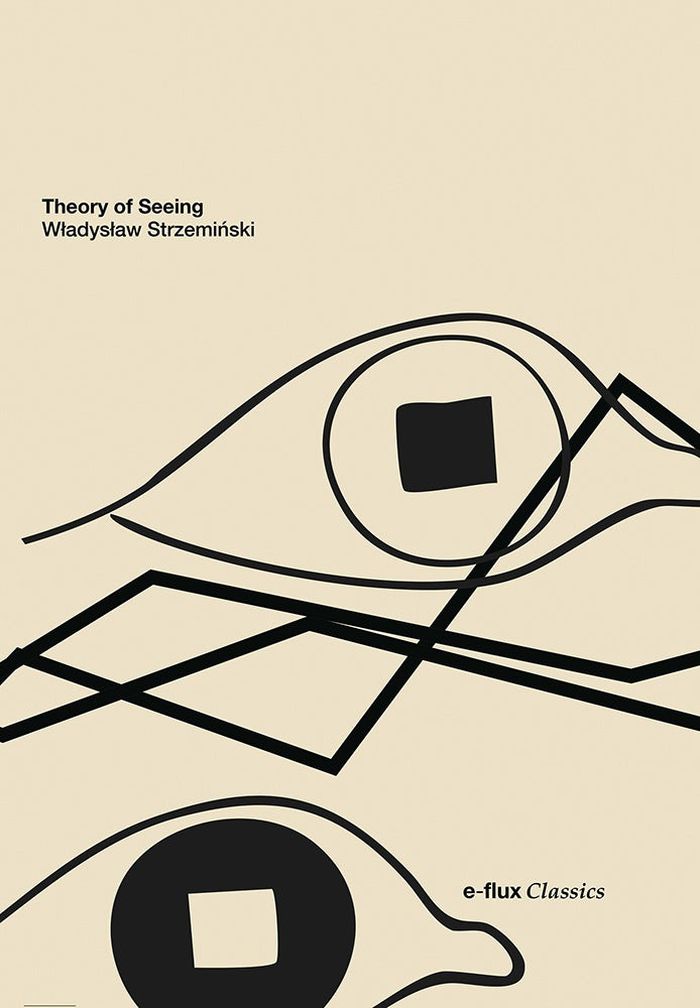
The first English translation of a radical and influential theory of art by a leader of Poland’s avant-garde After World War II, socialist realism became the official state doctrine of art in Poland, with abstract works deemed counterrevolutionary and forbidden from public view. Wladyslaw Strzeminski, a leader of the Polish constructivist avant-garde, developed a treatise of visual consciousness as a foundation for progressive art, emphasizing art’s autonomy. His application of Marxist aesthetics to the physiology of seeing is expressed in Theory of Seeing, which was published posthumously in 1958 by his students from notes collected from his lectures. Preceding the comparable perspectives developed by Jacques Rancière, David Hockney, and John Berger, and even the cinema of Jean-Luc Godard, Strzeminski’s "Theory of seeing" introduces the radical and groundbreaking ideas of one of Poland’s most important artists to English-speaking audiences for the first time.
Theory of seeing
Actions:
Prix:
$48.99
(disponible en magasin)
Résumé:
The first English translation of a radical and influential theory of art by a leader of Poland’s avant-garde After World War II, socialist realism became the official state doctrine of art in Poland, with abstract works deemed counterrevolutionary and forbidden from public view. Wladyslaw Strzeminski, a leader of the Polish constructivist avant-garde, developed a treatise of visual consciousness as a foundation for progressive art, emphasizing art’s autonomy. His application of Marxist aesthetics to the physiology of seeing is expressed in Theory of Seeing, which was published posthumously in 1958 by his students from notes collected from his lectures. Preceding the comparable perspectives developed by Jacques Rancière, David Hockney, and John Berger, and even the cinema of Jean-Luc Godard, Strzeminski’s "Theory of seeing" introduces the radical and groundbreaking ideas of one of Poland’s most important artists to English-speaking audiences for the first time.
Classification:
livres
livres
Publication:
septembre 2025
septembre 2025
Sujet:
Théorie de l’art
Théorie de l’art
Classification:
livres
livres
Titre:
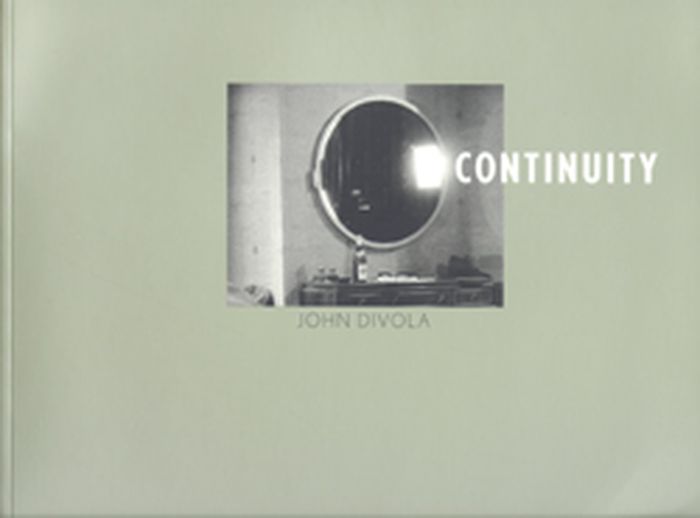
John Divola Continuity
John Divola Continuity
Actions:
Prix:
$35.00
(disponible sur commande)
Résumé:
The creation of seamless illusion remains a driving tenet of Hollywood cinema. In order to preserve this illusion, it is crucial that there are no jarring disruptions of cinematic space and time. This preservation of order is called continuity, and it has been the focus of John Divola's photographic work for the past several years, as beautifully represented in this(...)
$35.00
(disponible sur commande)
Résumé:
The creation of seamless illusion remains a driving tenet of Hollywood cinema. In order to preserve this illusion, it is crucial that there are no jarring disruptions of cinematic space and time. This preservation of order is called continuity, and it has been the focus of John Divola's photographic work for the past several years, as beautifully represented in this(...)
Titre:
John Divola Continuity
Actions:
Prix:
$35.00
(disponible sur commande)
Résumé:
The creation of seamless illusion remains a driving tenet of Hollywood cinema. In order to preserve this illusion, it is crucial that there are no jarring disruptions of cinematic space and time. This preservation of order is called continuity, and it has been the focus of John Divola's photographic work for the past several years, as beautifully represented in this striking book. Divola takes the original still photographs he has collected of Warner Bros. film sets from the 1930s, which were used to maintain continuity, and creates haunting installations of fictive reality. Divided into subject categories such as "Hallways" and "Broken Furniture and Evidence of Aggression," these images possess a glorious beauty, made possible by the use of 8 x 10 negatives, while being grounded in an intelligence found in the best of conceptual art. Features an elucidating essay by the noted film writer and critic Edward Dimendberg.
John Divola Continuity
Actions:
Prix:
$35.00
(disponible sur commande)
Résumé:
The creation of seamless illusion remains a driving tenet of Hollywood cinema. In order to preserve this illusion, it is crucial that there are no jarring disruptions of cinematic space and time. This preservation of order is called continuity, and it has been the focus of John Divola's photographic work for the past several years, as beautifully represented in this striking book. Divola takes the original still photographs he has collected of Warner Bros. film sets from the 1930s, which were used to maintain continuity, and creates haunting installations of fictive reality. Divided into subject categories such as "Hallways" and "Broken Furniture and Evidence of Aggression," these images possess a glorious beauty, made possible by the use of 8 x 10 negatives, while being grounded in an intelligence found in the best of conceptual art. Features an elucidating essay by the noted film writer and critic Edward Dimendberg.
Classification:
livres
livres
Publication:
octobre 1997, Santa Monica
octobre 1997, Santa Monica
Sujet:
Monographies photo
Monographies photo
Classification:
livres
livres
Titre:
Breathing aesthetics
Breathing aesthetics
Actions:
Prix:
$33.95
(disponible sur commande)
Résumé:
In this book, Jean-Thomas Tremblay argues that difficult breathing indexes the uneven distribution of risk in a contemporary era marked by the increasing contamination, weaponization, and monetization of air. Tremblay shows how biopolitical and necropolitical forces tied to the continuation of extractive capitalism, imperialism, and structural racism are embodied and(...)
$33.95
(disponible sur commande)
Résumé:
In this book, Jean-Thomas Tremblay argues that difficult breathing indexes the uneven distribution of risk in a contemporary era marked by the increasing contamination, weaponization, and monetization of air. Tremblay shows how biopolitical and necropolitical forces tied to the continuation of extractive capitalism, imperialism, and structural racism are embodied and(...)
Titre:
Breathing aesthetics
Actions:
Prix:
$33.95
(disponible sur commande)
Résumé:
In this book, Jean-Thomas Tremblay argues that difficult breathing indexes the uneven distribution of risk in a contemporary era marked by the increasing contamination, weaponization, and monetization of air. Tremblay shows how biopolitical and necropolitical forces tied to the continuation of extractive capitalism, imperialism, and structural racism are embodied and experienced through respiration. They identify responses to the crisis in breathing in aesthetic practices ranging from the film work of Cuban American artist Ana Mendieta to the disability diaries of Bob Flanagan, to the Black queer speculative fiction of Renee Gladman. In readings of these and other minoritarian works of experimental film, endurance performance, ecopoetics, and cinema-vérité, Tremblay contends that articulations of survival now depend on the management and dispersal of respiratory hazards. In so doing, they reveal how an aesthetic attention to breathing generates historically, culturally, and environmentally situated tactics and strategies for living under precarity.
Breathing aesthetics
Actions:
Prix:
$33.95
(disponible sur commande)
Résumé:
In this book, Jean-Thomas Tremblay argues that difficult breathing indexes the uneven distribution of risk in a contemporary era marked by the increasing contamination, weaponization, and monetization of air. Tremblay shows how biopolitical and necropolitical forces tied to the continuation of extractive capitalism, imperialism, and structural racism are embodied and experienced through respiration. They identify responses to the crisis in breathing in aesthetic practices ranging from the film work of Cuban American artist Ana Mendieta to the disability diaries of Bob Flanagan, to the Black queer speculative fiction of Renee Gladman. In readings of these and other minoritarian works of experimental film, endurance performance, ecopoetics, and cinema-vérité, Tremblay contends that articulations of survival now depend on the management and dispersal of respiratory hazards. In so doing, they reveal how an aesthetic attention to breathing generates historically, culturally, and environmentally situated tactics and strategies for living under precarity.
Classification:
livres
livres
Publication:
octobre 2022
octobre 2022
Sujet:
Théorie/ philosophie
Théorie/ philosophie
Classification:
livres
livres
Actions:
Prix:
$29.00
(disponible sur commande)
Résumé:
Le livre recueille les actes du colloque tenu à Cerisy-la-Salle, du 1 er au 8 septembre 2006. Le point de départ est la phrase de F. Hölderlin que M. Heidegger a rendu fameuse : « L’humain habite en poète ». Cette idée, peu à peu diffusée, a fini par subvertir les dogmes fonctionnalistes du mouvement moderne en architecture. Une maison est davantage qu’une « machine à(...)
$29.00
(disponible sur commande)
Résumé:
Le livre recueille les actes du colloque tenu à Cerisy-la-Salle, du 1 er au 8 septembre 2006. Le point de départ est la phrase de F. Hölderlin que M. Heidegger a rendu fameuse : « L’humain habite en poète ». Cette idée, peu à peu diffusée, a fini par subvertir les dogmes fonctionnalistes du mouvement moderne en architecture. Une maison est davantage qu’une « machine à(...)
Sujet:
Théorie de l’architecture
Théorie de l’architecture
Publication:
juin 2012
juin 2012
Titre:
L’habiter dans sa poétique première
Actions:
Prix:
$29.00
(disponible sur commande)
Résumé:
Le livre recueille les actes du colloque tenu à Cerisy-la-Salle, du 1 er au 8 septembre 2006. Le point de départ est la phrase de F. Hölderlin que M. Heidegger a rendu fameuse : « L’humain habite en poète ». Cette idée, peu à peu diffusée, a fini par subvertir les dogmes fonctionnalistes du mouvement moderne en architecture. Une maison est davantage qu’une « machine à habiter » ! Ce « davantage » de l’habiter humain – sa poétique – il s’est agi d’en saisir la dynamique première dans certains de ses motifs privilégiés, la spatialité, la temporalité, la corporéité, la musique, la poésie…, à partir de ce qui la fonde : la Terre, comme à la fois planète et sol phénoménologique. Cette poétique, c’est effectivement ce qui a peu à peu entraîné les participants et leurs spécialités diverses – architecture, anthropologie, chorégraphie, géographie, musique, informatique, peinture, littérature, cinema – dans la synergie que favorisait le lieu.
L’habiter dans sa poétique première
Actions:
Prix:
$29.00
(disponible sur commande)
Résumé:
Le livre recueille les actes du colloque tenu à Cerisy-la-Salle, du 1 er au 8 septembre 2006. Le point de départ est la phrase de F. Hölderlin que M. Heidegger a rendu fameuse : « L’humain habite en poète ». Cette idée, peu à peu diffusée, a fini par subvertir les dogmes fonctionnalistes du mouvement moderne en architecture. Une maison est davantage qu’une « machine à habiter » ! Ce « davantage » de l’habiter humain – sa poétique – il s’est agi d’en saisir la dynamique première dans certains de ses motifs privilégiés, la spatialité, la temporalité, la corporéité, la musique, la poésie…, à partir de ce qui la fonde : la Terre, comme à la fois planète et sol phénoménologique. Cette poétique, c’est effectivement ce qui a peu à peu entraîné les participants et leurs spécialités diverses – architecture, anthropologie, chorégraphie, géographie, musique, informatique, peinture, littérature, cinema – dans la synergie que favorisait le lieu.
Classification:
livres
livres
Publication:
juin 2012
juin 2012
Sujet:
Théorie de l’architecture
Théorie de l’architecture
Classification:
livres
livres
Actions:
Prix:
$31.95
(disponible sur commande)
Résumé:
"Jeff Wall" is published to accompany a major exhibition of photographs at Tate Modern. The exhibition, developed in close consultation with the artist, features works from throughout his career, together with new work produced especially for the exhibition. Wall (b. 1946) has been making photographs since 1967. He has helped to give photography a prominent place in(...)
$31.95
(disponible sur commande)
Résumé:
"Jeff Wall" is published to accompany a major exhibition of photographs at Tate Modern. The exhibition, developed in close consultation with the artist, features works from throughout his career, together with new work produced especially for the exhibition. Wall (b. 1946) has been making photographs since 1967. He has helped to give photography a prominent place in(...)
Titre:
Jeff Wall : photographs, 1978-2004
Actions:
Prix:
$31.95
(disponible sur commande)
Résumé:
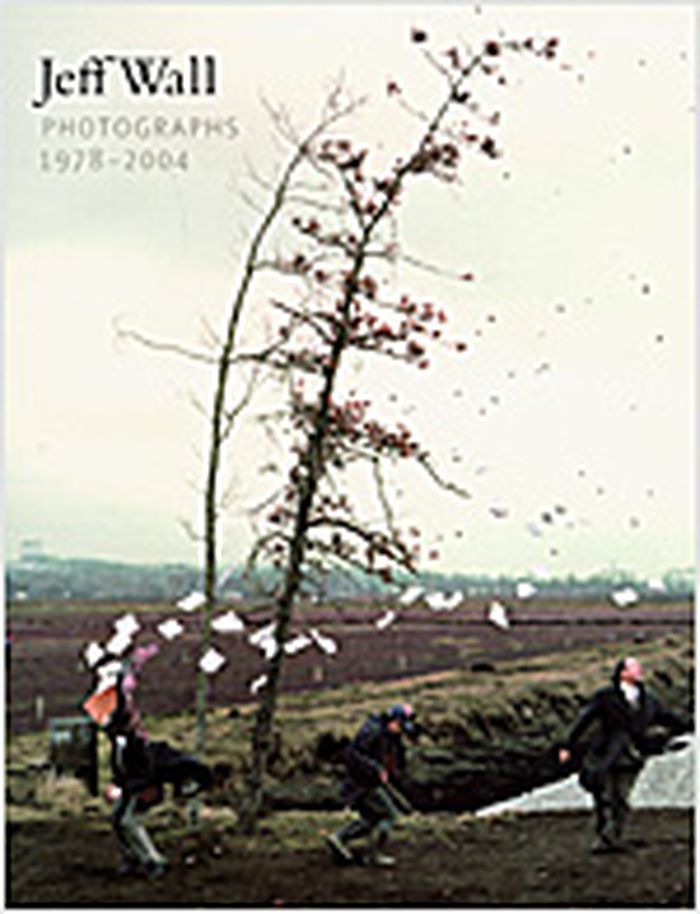
"Jeff Wall" is published to accompany a major exhibition of photographs at Tate Modern. The exhibition, developed in close consultation with the artist, features works from throughout his career, together with new work produced especially for the exhibition. Wall (b. 1946) has been making photographs since 1967. He has helped to give photography a prominent place in contemporary art as well as effecting one of the most radical new developments in the field. His highly innovative approach, best known through large color transparencies of carefully constructed scenes mounted in wall-hung light boxes, has been complemented for the past 10 years by large black-and-white photographs on paper. This book illustrates many of these important works, including "Picture for Women", "The Storyteller", and "After the Invisible Man", and explores the impact of the history of art and cinema on Wall's practice, revealing how he meshes documentary techniques with staged settings and digital collage.
Jeff Wall : photographs, 1978-2004
Actions:
Prix:
$31.95
(disponible sur commande)
Résumé:
"Jeff Wall" is published to accompany a major exhibition of photographs at Tate Modern. The exhibition, developed in close consultation with the artist, features works from throughout his career, together with new work produced especially for the exhibition. Wall (b. 1946) has been making photographs since 1967. He has helped to give photography a prominent place in contemporary art as well as effecting one of the most radical new developments in the field. His highly innovative approach, best known through large color transparencies of carefully constructed scenes mounted in wall-hung light boxes, has been complemented for the past 10 years by large black-and-white photographs on paper. This book illustrates many of these important works, including "Picture for Women", "The Storyteller", and "After the Invisible Man", and explores the impact of the history of art and cinema on Wall's practice, revealing how he meshes documentary techniques with staged settings and digital collage.
Classification:
livres
livres
Publication:
janvier 1900, London
janvier 1900, London
Sujet:
Monographies photo
Monographies photo
Classification:
livres
livres
Actions:
Prix:
$39.50
(disponible sur commande)
Résumé:
The early twentieth century was a time of extraordinary change in Europe. War and revolution shattered the traditional cohesion of European civilisation, while the machine age brought mass production and distribution and a new sense of internationalism. This ‘heroic’ period of modernity found particularly forceful expression in graphic design and photomontage throughout(...)
$39.50
(disponible sur commande)
Résumé:
The early twentieth century was a time of extraordinary change in Europe. War and revolution shattered the traditional cohesion of European civilisation, while the machine age brought mass production and distribution and a new sense of internationalism. This ‘heroic’ period of modernity found particularly forceful expression in graphic design and photomontage throughout(...)
Publication:
octobre 2004, London
octobre 2004, London
Titre:
Avant-garde graphics 1918- 1934
Actions:
Prix:
$39.50
(disponible sur commande)
Résumé:
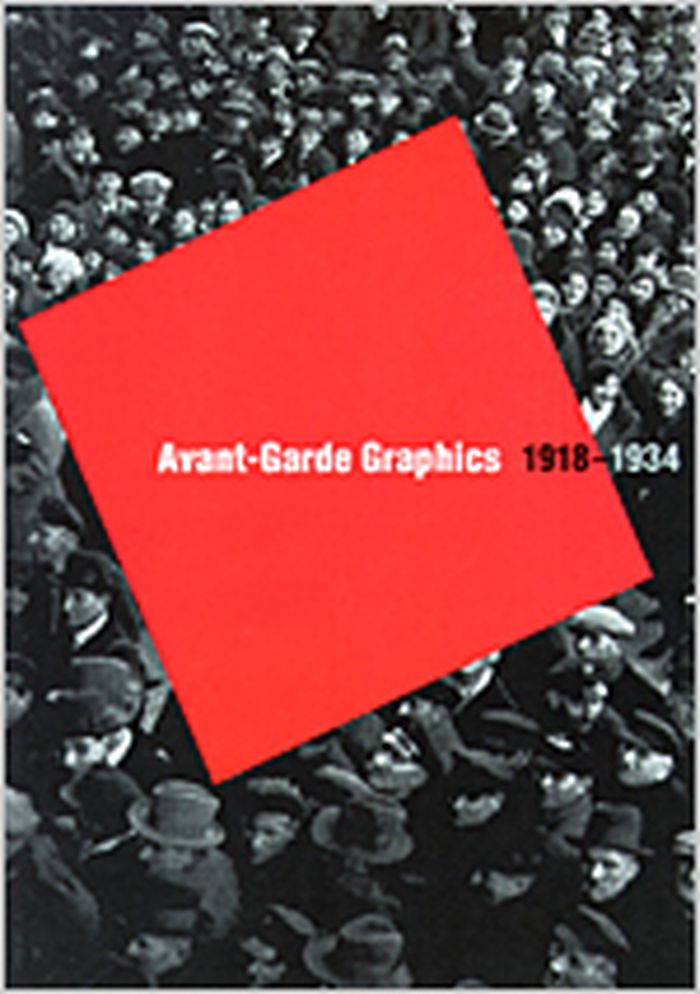
The early twentieth century was a time of extraordinary change in Europe. War and revolution shattered the traditional cohesion of European civilisation, while the machine age brought mass production and distribution and a new sense of internationalism. This ‘heroic’ period of modernity found particularly forceful expression in graphic design and photomontage throughout Europe, where new techniques allowed a fusion of typography, painting and photography, evoking the dynamism and fragmentation of cinema. "Avant-garde Graphics: 1918 – 34" showcases the work of many of the leading practitioners of the Modern movement, from Italian Futurists, the Dutch members of De Stijl and the German Bauhaus, to the Constructivists of Russia and central Europe. Drawn from the collection of Merrill C. Berman, one of the greatest collections of twentieth-century graphic art in the world, this book features colour reproductions of original posters, prints, book designs and political and commercial ephemera, together with original designers’ layouts and photomontages.
Avant-garde graphics 1918- 1934
Actions:
Prix:
$39.50
(disponible sur commande)
Résumé:
The early twentieth century was a time of extraordinary change in Europe. War and revolution shattered the traditional cohesion of European civilisation, while the machine age brought mass production and distribution and a new sense of internationalism. This ‘heroic’ period of modernity found particularly forceful expression in graphic design and photomontage throughout Europe, where new techniques allowed a fusion of typography, painting and photography, evoking the dynamism and fragmentation of cinema. "Avant-garde Graphics: 1918 – 34" showcases the work of many of the leading practitioners of the Modern movement, from Italian Futurists, the Dutch members of De Stijl and the German Bauhaus, to the Constructivists of Russia and central Europe. Drawn from the collection of Merrill C. Berman, one of the greatest collections of twentieth-century graphic art in the world, this book features colour reproductions of original posters, prints, book designs and political and commercial ephemera, together with original designers’ layouts and photomontages.
Classification:
livres
livres
Publication:
octobre 2004, London
octobre 2004, London
Classification:
livres
livres
Prix:
$49.95
(disponible sur commande)
Résumé:
Andy Warhol, Susan Sontag, John Lennon & Yoko Ono — Jonas Mekas was well acquainted with a great many New York artists. Born in Lithuania, he came to Brooklyn via Germany in 1949 and began shooting his first experimental films there. Mekas developed a form of film diary in which he recorded his daily observations. He became the barometer of the New York art scene and a(...)
$49.95
(disponible sur commande)
Résumé:
Andy Warhol, Susan Sontag, John Lennon & Yoko Ono — Jonas Mekas was well acquainted with a great many New York artists. Born in Lithuania, he came to Brooklyn via Germany in 1949 and began shooting his first experimental films there. Mekas developed a form of film diary in which he recorded his daily observations. He became the barometer of the New York art scene and a(...)
Titre:
Jonas Mekas: Scrapbook of the sixties, writings 1954-2010
Actions:
Prix:
$49.95
(disponible sur commande)
Résumé:
Andy Warhol, Susan Sontag, John Lennon & Yoko Ono — Jonas Mekas was well acquainted with a great many New York artists. Born in Lithuania, he came to Brooklyn via Germany in 1949 and began shooting his first experimental films there. Mekas developed a form of film diary in which he recorded his daily observations. He became the barometer of the New York art scene and a pioneer of American avant-garde cinema. Every week, starting in 1958 he published his legendary Movie Journal column in the Village Voice, writing on a range of subjects that were by no means restricted to the world of film. He conducted numerous interviews with artists, some of which will now appear for the first time in his Scrapbook of a Diarist. The book contains published and unpublished texts that reveal Mekas as a thoughtful diarist and an unparalleled chronicler of the day — a phenomenon that has continued now for over fifty years.
Jonas Mekas: Scrapbook of the sixties, writings 1954-2010
Actions:
Prix:
$49.95
(disponible sur commande)
Résumé:
Andy Warhol, Susan Sontag, John Lennon & Yoko Ono — Jonas Mekas was well acquainted with a great many New York artists. Born in Lithuania, he came to Brooklyn via Germany in 1949 and began shooting his first experimental films there. Mekas developed a form of film diary in which he recorded his daily observations. He became the barometer of the New York art scene and a pioneer of American avant-garde cinema. Every week, starting in 1958 he published his legendary Movie Journal column in the Village Voice, writing on a range of subjects that were by no means restricted to the world of film. He conducted numerous interviews with artists, some of which will now appear for the first time in his Scrapbook of a Diarist. The book contains published and unpublished texts that reveal Mekas as a thoughtful diarist and an unparalleled chronicler of the day — a phenomenon that has continued now for over fifty years.
Classification:
livres
livres
Publication:
avril 2020
avril 2020
Sujet:
Théorie de l’art
Théorie de l’art


