


1732 Résultats
Classification:
livres
livres
Titre:
Graftworld
Graftworld
Actions:
Prix:
$21.95
(disponible sur commande)
Résumé:
In addition to Graft’s the widely published projects, like the prize-winning Hotel Q in Berlin, Restaurants Fix and Stack in Las Vegas and several international houses, the exhibition will focus on the new and unpublished work of Graft, including numerous high-rise buildings, special hotel designs and private residences, research installations as well as public(...)
$21.95
(disponible sur commande)
Résumé:
In addition to Graft’s the widely published projects, like the prize-winning Hotel Q in Berlin, Restaurants Fix and Stack in Las Vegas and several international houses, the exhibition will focus on the new and unpublished work of Graft, including numerous high-rise buildings, special hotel designs and private residences, research installations as well as public(...)
Titre:
Graftworld
Actions:
Prix:
$21.95
(disponible sur commande)
Résumé:
In addition to Graft’s the widely published projects, like the prize-winning Hotel Q in Berlin, Restaurants Fix and Stack in Las Vegas and several international houses, the exhibition will focus on the new and unpublished work of Graft, including numerous high-rise buildings, special hotel designs and private residences, research installations as well as public projects. Graftworld refers to Graft’s specific method of work process, which fuses syntactic, semantic and phenomenological aspects into architecture. Graft uses narrative elements of cinema, exploiting space - time interconnections through storyboarding with progressive technical research of long term collaborations with various companies. The exhibit will showcase this methodology in an accessible, usable exhibition sculpture, an interactive lounge displaying not only projects of all three office locations but providing chillout zones to relax as well. Classical distinctive architecture elements like floor, wall and ceiling will be fused into a lounge-display-hybrid. Graftworld is thought to be inclusive and rather crosses and blurs boundaries than accepting their exclusive nature. This approach also touches on the increasing transition of distinct modern mono-functional living and working environments, that are blending into new urban lifestyles of the metropolitan nomads. Graftworld proposes architecture that can evolve to be sculpture, be furniture, be a product, be an urban scenario, be landscape at the same time. Design, methodology and technology are not classically “displayed”, but are integrated in the Graftworld.
Graftworld
Actions:
Prix:
$21.95
(disponible sur commande)
Résumé:
In addition to Graft’s the widely published projects, like the prize-winning Hotel Q in Berlin, Restaurants Fix and Stack in Las Vegas and several international houses, the exhibition will focus on the new and unpublished work of Graft, including numerous high-rise buildings, special hotel designs and private residences, research installations as well as public projects. Graftworld refers to Graft’s specific method of work process, which fuses syntactic, semantic and phenomenological aspects into architecture. Graft uses narrative elements of cinema, exploiting space - time interconnections through storyboarding with progressive technical research of long term collaborations with various companies. The exhibit will showcase this methodology in an accessible, usable exhibition sculpture, an interactive lounge displaying not only projects of all three office locations but providing chillout zones to relax as well. Classical distinctive architecture elements like floor, wall and ceiling will be fused into a lounge-display-hybrid. Graftworld is thought to be inclusive and rather crosses and blurs boundaries than accepting their exclusive nature. This approach also touches on the increasing transition of distinct modern mono-functional living and working environments, that are blending into new urban lifestyles of the metropolitan nomads. Graftworld proposes architecture that can evolve to be sculpture, be furniture, be a product, be an urban scenario, be landscape at the same time. Design, methodology and technology are not classically “displayed”, but are integrated in the Graftworld.
Classification:
livres
livres
Publication:
janvier 2007, Berlin
janvier 2007, Berlin
Sujet:
petits formats
petits formats
Classification:
livres
livres
Prix:
$34.95
(disponible sur commande)
Résumé:
In this second volume in the Chora series, contributing authors take an interdisciplinary approach to architecture and other cultural concerns, challenging readers to consider alternatives to conventional aesthetic and technological reductions. Karsten Harris provides a new and long-overdue reading of Martin Heidegger's well-known(...)
$34.95
(disponible sur commande)
Résumé:
In this second volume in the Chora series, contributing authors take an interdisciplinary approach to architecture and other cultural concerns, challenging readers to consider alternatives to conventional aesthetic and technological reductions. Karsten Harris provides a new and long-overdue reading of Martin Heidegger's well-known(...)
Sujet:
Théorie de l’architecture
Théorie de l’architecture
Publication:
septembre 1996, Montréal
septembre 1996, Montréal
Titre:
Chora 2 : intervals in the philosophy of architecture
Actions:
Prix:
$34.95
(disponible sur commande)
Résumé:
In this second volume in the Chora series, contributing authors take an interdisciplinary approach to architecture and other cultural concerns, challenging readers to consider alternatives to conventional aesthetic and technological reductions. Karsten Harris provides a new and long-overdue reading of Martin Heidegger's well-known essay "Building Dwelling Thinking." Donald Kunze and Stephen Parcell consider possibilities of meaningful architectural space for a visual culture, continuing themes they addressed in Chora 1. Further reflections on the spaces of literature, cinema, and architecture include an interview with French writer and film maker Alain Robbe-Grillet and articles by Dagmar Motycka Weston on the surrealist city, Tracey Eve Winton on the museum as a paradigmatic modern building, and Terrance Galvin on spiritual space in the works of Jean Cocteau. Jean-Pierre Chupin and Bram Ratner explore historical themes in their essays on French Renaissance architect Philibert de l'Orme and the Jewish myth of the Golem. Gregory Caicco addresses ethical questions in his essay on the Greek agora and the death of Socrates, as does Lily Chi in her meditation on the critical issue of use in architectural works. A concern with architectural representation and generative strategies for the making of architecture is present throughout, especially in the essay by Joanna Merwood on the provocative House by British artist Rachel Whiteread.
Chora 2 : intervals in the philosophy of architecture
Actions:
Prix:
$34.95
(disponible sur commande)
Résumé:
In this second volume in the Chora series, contributing authors take an interdisciplinary approach to architecture and other cultural concerns, challenging readers to consider alternatives to conventional aesthetic and technological reductions. Karsten Harris provides a new and long-overdue reading of Martin Heidegger's well-known essay "Building Dwelling Thinking." Donald Kunze and Stephen Parcell consider possibilities of meaningful architectural space for a visual culture, continuing themes they addressed in Chora 1. Further reflections on the spaces of literature, cinema, and architecture include an interview with French writer and film maker Alain Robbe-Grillet and articles by Dagmar Motycka Weston on the surrealist city, Tracey Eve Winton on the museum as a paradigmatic modern building, and Terrance Galvin on spiritual space in the works of Jean Cocteau. Jean-Pierre Chupin and Bram Ratner explore historical themes in their essays on French Renaissance architect Philibert de l'Orme and the Jewish myth of the Golem. Gregory Caicco addresses ethical questions in his essay on the Greek agora and the death of Socrates, as does Lily Chi in her meditation on the critical issue of use in architectural works. A concern with architectural representation and generative strategies for the making of architecture is present throughout, especially in the essay by Joanna Merwood on the provocative House by British artist Rachel Whiteread.
Classification:
livres
livres
Publication:
septembre 1996, Montréal
septembre 1996, Montréal
Sujet:
Théorie de l’architecture
Théorie de l’architecture
Classification:
livres
livres
Prix:
$60.00
(disponible en magasin)
Résumé:
The new volume in the series “from the Collection”, by André Tavares and Susanne Cotter, presents the documentary spectrum that makes up the Álvaro Siza Archive, recently integrated into the Serralves Collection. Taken as raw material to build knowledge and generate a new understanding of Siza's work, the Archive reveals the incessant use of drawing as a working tool,(...)
$60.00
(disponible en magasin)
Résumé:
The new volume in the series “from the Collection”, by André Tavares and Susanne Cotter, presents the documentary spectrum that makes up the Álvaro Siza Archive, recently integrated into the Serralves Collection. Taken as raw material to build knowledge and generate a new understanding of Siza's work, the Archive reveals the incessant use of drawing as a working tool,(...)
Publication:
janvier 2018
janvier 2018
Titre:
Materia-prima / Raw material : a view of Álvaro Siza's archive
Actions:
Prix:
$60.00
(disponible en magasin)
Résumé:
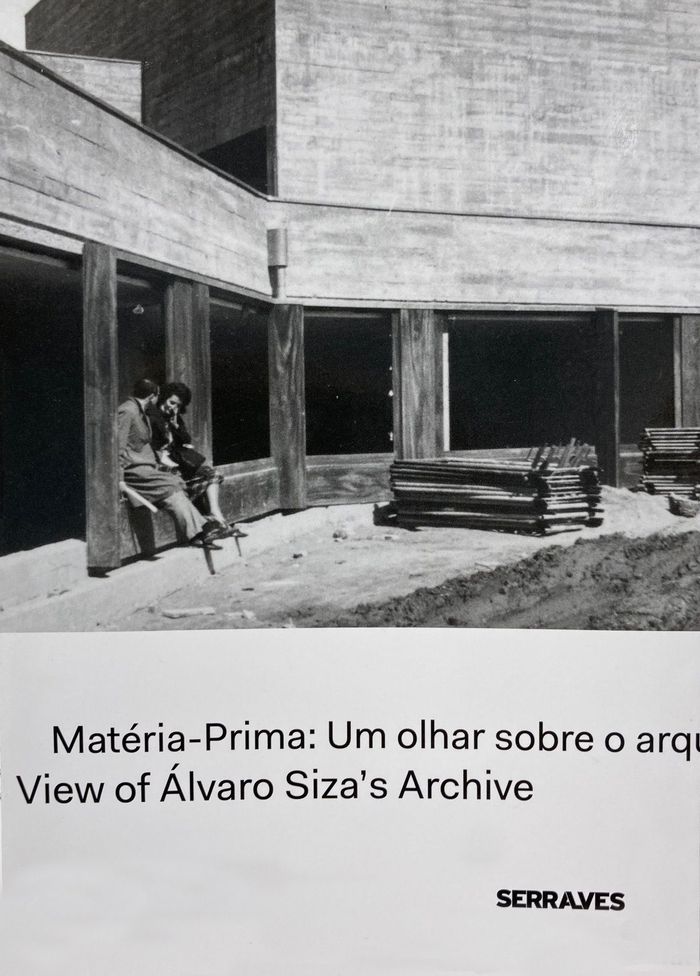
The new volume in the series “from the Collection”, by André Tavares and Susanne Cotter, presents the documentary spectrum that makes up the Álvaro Siza Archive, recently integrated into the Serralves Collection. Taken as raw material to build knowledge and generate a new understanding of Siza's work, the Archive reveals the incessant use of drawing as a working tool, the prefiguration of forms and spaces through sketch and technical drawing in a process of successive approximation to the desired result. But it also reveals various documentation — correspondence with clients, photographic records of places waiting for the works, opinions of the multiple actors involved in the construction processes, minutes of meetings and reports of tensions in the construction sites — which testify to an infinity of episodes that, despite invisible in the constructed work, contribute to the definition of a unique practice. Álvaro Siza is one of the most emblematic architects of the 20th century, and one of the names with which Portugal is associated in any part of the world, winner of the Pritzker Prize in 1992. It was in 1991 that Álvaro Siza was invited to design the Museum of Art Contemporary by Serralves, which opened in 1999. In 2019, he completed the architectural project for the Casa do Cinema Manoel de Oliveira and in 2021 the restoration and adaptation of the Casa de Serralves. Maintaining, until today, a collaborative relationship with the institution and its programming.
Materia-prima / Raw material : a view of Álvaro Siza's archive
Actions:
Prix:
$60.00
(disponible en magasin)
Résumé:
The new volume in the series “from the Collection”, by André Tavares and Susanne Cotter, presents the documentary spectrum that makes up the Álvaro Siza Archive, recently integrated into the Serralves Collection. Taken as raw material to build knowledge and generate a new understanding of Siza's work, the Archive reveals the incessant use of drawing as a working tool, the prefiguration of forms and spaces through sketch and technical drawing in a process of successive approximation to the desired result. But it also reveals various documentation — correspondence with clients, photographic records of places waiting for the works, opinions of the multiple actors involved in the construction processes, minutes of meetings and reports of tensions in the construction sites — which testify to an infinity of episodes that, despite invisible in the constructed work, contribute to the definition of a unique practice. Álvaro Siza is one of the most emblematic architects of the 20th century, and one of the names with which Portugal is associated in any part of the world, winner of the Pritzker Prize in 1992. It was in 1991 that Álvaro Siza was invited to design the Museum of Art Contemporary by Serralves, which opened in 1999. In 2019, he completed the architectural project for the Casa do Cinema Manoel de Oliveira and in 2021 the restoration and adaptation of the Casa de Serralves. Maintaining, until today, a collaborative relationship with the institution and its programming.
Classification:
livres
livres
Publication:
janvier 2018
janvier 2018
Classification:
livres
livres
Actions:
Prix:
$72.00
(disponible sur commande)
Résumé:
Transforming words into icons and images into wide-screen epics, Ed Ruscha has wholly reconceived the terms of painting for our era. Tagged variously as a Conceptualist, Pop artist or latter-day Surrealist, Ruscha flouts category, or rather incorporates all categories, always surprising and experimenting with both subject and method. His paintings are steeped in our(...)
$72.00
(disponible sur commande)
Résumé:
Transforming words into icons and images into wide-screen epics, Ed Ruscha has wholly reconceived the terms of painting for our era. Tagged variously as a Conceptualist, Pop artist or latter-day Surrealist, Ruscha flouts category, or rather incorporates all categories, always surprising and experimenting with both subject and method. His paintings are steeped in our(...)
Publication:
février 2010
février 2010
Titre:
Ed Ruscha: fifty years of painting
Actions:
Prix:
$72.00
(disponible sur commande)
Résumé:
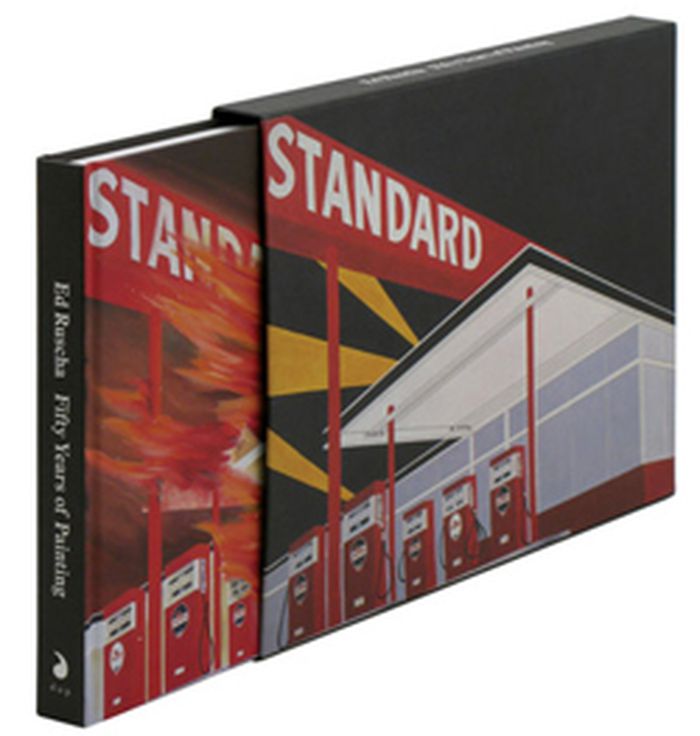
Transforming words into icons and images into wide-screen epics, Ed Ruscha has wholly reconceived the terms of painting for our era. Tagged variously as a Conceptualist, Pop artist or latter-day Surrealist, Ruscha flouts category, or rather incorporates all categories, always surprising and experimenting with both subject and method. His paintings are steeped in our times: cinema, advertising, logos, late capitalism and the twists and turns of postwar art have all informed his iconography since the early 1960s, arriving on the cool surfaces of his canvases with magnetic detachment. Ruscha eschews process and focuses exclusively on the final product: “the means to the end has always been secondary in my art,” he has said. Ruscha has also reinvented the use of words in art, finding disquieting ways to invest language with a weird, throbbing, ambient static, never aspiring to what he calls “word gestures,” since “each word is an excursion unto itself.” Fifty Years of Painting focuses on Ruscha's majestic oeuvre of paintings. A magnificent publication, it comes housed in a slipcase that sports the artist's classic painting “Standard Station” (1966), and, alongside fantastic reproductions, it contains a preface by novelist James Ellroy, essays by Ralph Rugoff, Alexandra Schwartz and Ulrich Wilmes, a text by novelist Bruce Wagner, an interview with the artist by Kristine McKenna, an illustrated chronology and an exhibition history. Ed Ruscha (born 1937) has made pioneering work in the media of painting, printmaking, drawing, bookmaking, photography and film since 1958.
Ed Ruscha: fifty years of painting
Actions:
Prix:
$72.00
(disponible sur commande)
Résumé:
Transforming words into icons and images into wide-screen epics, Ed Ruscha has wholly reconceived the terms of painting for our era. Tagged variously as a Conceptualist, Pop artist or latter-day Surrealist, Ruscha flouts category, or rather incorporates all categories, always surprising and experimenting with both subject and method. His paintings are steeped in our times: cinema, advertising, logos, late capitalism and the twists and turns of postwar art have all informed his iconography since the early 1960s, arriving on the cool surfaces of his canvases with magnetic detachment. Ruscha eschews process and focuses exclusively on the final product: “the means to the end has always been secondary in my art,” he has said. Ruscha has also reinvented the use of words in art, finding disquieting ways to invest language with a weird, throbbing, ambient static, never aspiring to what he calls “word gestures,” since “each word is an excursion unto itself.” Fifty Years of Painting focuses on Ruscha's majestic oeuvre of paintings. A magnificent publication, it comes housed in a slipcase that sports the artist's classic painting “Standard Station” (1966), and, alongside fantastic reproductions, it contains a preface by novelist James Ellroy, essays by Ralph Rugoff, Alexandra Schwartz and Ulrich Wilmes, a text by novelist Bruce Wagner, an interview with the artist by Kristine McKenna, an illustrated chronology and an exhibition history. Ed Ruscha (born 1937) has made pioneering work in the media of painting, printmaking, drawing, bookmaking, photography and film since 1958.
Classification:
livres
livres
Publication:
février 2010
février 2010
Classification:
livres
livres
Actions:
Prix:
$49.95
(disponible sur commande)
Résumé:
"Suspensions of Perception" is a major historical study of human attention and its volatile role in modern Western culture. It argues that the ways in which we intently look at or listen to anything result from crucial changes in the nature of perception that can be traced back to(...)
$49.95
(disponible sur commande)
Résumé:
"Suspensions of Perception" is a major historical study of human attention and its volatile role in modern Western culture. It argues that the ways in which we intently look at or listen to anything result from crucial changes in the nature of perception that can be traced back to(...)
Titre:
Suspensions of perception: attention, spectacle, and modern culture
Actions:
Prix:
$49.95
(disponible sur commande)
Résumé:
"Suspensions of Perception" is a major historical study of human attention and its volatile role in modern Western culture. It argues that the ways in which we intently look at or listen to anything result from crucial changes in the nature of perception that can be traced back to the second half of the nineteenth century. Focusing on the period from about 1880 to 1905, Jonathan Crary examines the connections between the modernization of subjectivity and the dramatic expansion and industrialization of visual/auditory culture. At the core of his project is the paradoxical nature of modern attention, which was both a fundamental condition of individual freedom, creativity, and experience and a central element in the efficient functioning of economic and disciplinary institutions as well as the emerging spaces of mass consumption and spectacle. Crary approaches these issues through multiple analyses of single works by three key modernist painters--Manet, Seurat, and Cézanne--who each engaged in a singular confrontation with the disruptions, vacancies, and rifts within a perceptual field. Each in his own way discovered that sustained attentiveness, rather than fixing or securing the world, led to perceptual disintegration and loss of presence, and each used this discovery as the basis for a reinvention of representational practices. Suspensions of Perception decisively relocates the problem of aesthetic contemplation within a broader collective encounter with the unstable nature of perception--in psychology, philosophy, neurology, early cinema, and photography. In doing so, it provides a historical framework for understanding the current social crisis of attention amid the accelerating metamorphoses of our contemporary technological culture.
Suspensions of perception: attention, spectacle, and modern culture
Actions:
Prix:
$49.95
(disponible sur commande)
Résumé:
"Suspensions of Perception" is a major historical study of human attention and its volatile role in modern Western culture. It argues that the ways in which we intently look at or listen to anything result from crucial changes in the nature of perception that can be traced back to the second half of the nineteenth century. Focusing on the period from about 1880 to 1905, Jonathan Crary examines the connections between the modernization of subjectivity and the dramatic expansion and industrialization of visual/auditory culture. At the core of his project is the paradoxical nature of modern attention, which was both a fundamental condition of individual freedom, creativity, and experience and a central element in the efficient functioning of economic and disciplinary institutions as well as the emerging spaces of mass consumption and spectacle. Crary approaches these issues through multiple analyses of single works by three key modernist painters--Manet, Seurat, and Cézanne--who each engaged in a singular confrontation with the disruptions, vacancies, and rifts within a perceptual field. Each in his own way discovered that sustained attentiveness, rather than fixing or securing the world, led to perceptual disintegration and loss of presence, and each used this discovery as the basis for a reinvention of representational practices. Suspensions of Perception decisively relocates the problem of aesthetic contemplation within a broader collective encounter with the unstable nature of perception--in psychology, philosophy, neurology, early cinema, and photography. In doing so, it provides a historical framework for understanding the current social crisis of attention amid the accelerating metamorphoses of our contemporary technological culture.
Classification:
livres
livres
Publication:
août 2001, Cambridge
août 2001, Cambridge
Sujet:
Théorie de l’architecture
Théorie de l’architecture
Classification:
livres
livres
Actions:
Prix:
$59.95
(disponible sur commande)
Résumé:
"Suspensions of Perception" is a major historical study of human attention and its volatile role in modern Western culture. It argues that the ways in which we intently look at or listen to anything result from crucial changes in the nature of perception that can be traced back to(...)
$59.95
(disponible sur commande)
Résumé:
"Suspensions of Perception" is a major historical study of human attention and its volatile role in modern Western culture. It argues that the ways in which we intently look at or listen to anything result from crucial changes in the nature of perception that can be traced back to(...)
Titre:
Suspensions of perception : attention, spectacle, and modern culture
Actions:
Prix:
$59.95
(disponible sur commande)
Résumé:
"Suspensions of Perception" is a major historical study of human attention and its volatile role in modern Western culture. It argues that the ways in which we intently look at or listen to anything result from crucial changes in the nature of perception that can be traced back to the second half of the nineteenth century. Focusing on the period from about 1880 to 1905, Jonathan Crary examines the connections between the modernization of subjectivity and the dramatic expansion and industrialization of visual/auditory culture. At the core of his project is the paradoxical nature of modern attention, which was both a fundamental condition of individual freedom, creativity, and experience and a central element in the efficient functioning of economic and disciplinary institutions as well as the emerging spaces of mass consumption and spectacle. Crary approaches these issues through multiple analyses of single works by three key modernist painters--Manet, Seurat, and Cézanne--who each engaged in a singular confrontation with the disruptions, vacancies, and rifts within a perceptual field. Each in his own way discovered that sustained attentiveness, rather than fixing or securing the world, led to perceptual disintegration and loss of presence, and each used this discovery as the basis for a reinvention of representational practices. Suspensions of Perception decisively relocates the problem of aesthetic contemplation within a broader collective encounter with the unstable nature of perception--in psychology, philosophy, neurology, early cinema, and photography. In doing so, it provides a historical framework for understanding the current social crisis of attention amid the accelerating metamorphoses of our contemporary technological culture.
Suspensions of perception : attention, spectacle, and modern culture
Actions:
Prix:
$59.95
(disponible sur commande)
Résumé:
"Suspensions of Perception" is a major historical study of human attention and its volatile role in modern Western culture. It argues that the ways in which we intently look at or listen to anything result from crucial changes in the nature of perception that can be traced back to the second half of the nineteenth century. Focusing on the period from about 1880 to 1905, Jonathan Crary examines the connections between the modernization of subjectivity and the dramatic expansion and industrialization of visual/auditory culture. At the core of his project is the paradoxical nature of modern attention, which was both a fundamental condition of individual freedom, creativity, and experience and a central element in the efficient functioning of economic and disciplinary institutions as well as the emerging spaces of mass consumption and spectacle. Crary approaches these issues through multiple analyses of single works by three key modernist painters--Manet, Seurat, and Cézanne--who each engaged in a singular confrontation with the disruptions, vacancies, and rifts within a perceptual field. Each in his own way discovered that sustained attentiveness, rather than fixing or securing the world, led to perceptual disintegration and loss of presence, and each used this discovery as the basis for a reinvention of representational practices. Suspensions of Perception decisively relocates the problem of aesthetic contemplation within a broader collective encounter with the unstable nature of perception--in psychology, philosophy, neurology, early cinema, and photography. In doing so, it provides a historical framework for understanding the current social crisis of attention amid the accelerating metamorphoses of our contemporary technological culture.
Classification:
livres
livres
Publication:
octobre 1999, Cambridge
octobre 1999, Cambridge
Sujet:
Théorie de l’architecture
Théorie de l’architecture
Classification:
livres
livres
Actions:
Prix:
$40.00
(disponible sur commande)
Résumé:
Wim Wenders (born 1945) started taking photographs at the age of 7. By the age of 12 he had equipped himself with his own darkroom, and by 17 he had acquired his first Leica. A few years later he was to emerge as a leading light in the New German Cinema movement of the late 1960s, making his feature-length directorial debut with Summer in the City (1970). Throughout his(...)
$40.00
(disponible sur commande)
Résumé:
Wim Wenders (born 1945) started taking photographs at the age of 7. By the age of 12 he had equipped himself with his own darkroom, and by 17 he had acquired his first Leica. A few years later he was to emerge as a leading light in the New German Cinema movement of the late 1960s, making his feature-length directorial debut with Summer in the City (1970). Throughout his(...)
Titre:
Wim Wenders : places, strange and quiet
Actions:
Prix:
$40.00
(disponible sur commande)
Résumé:
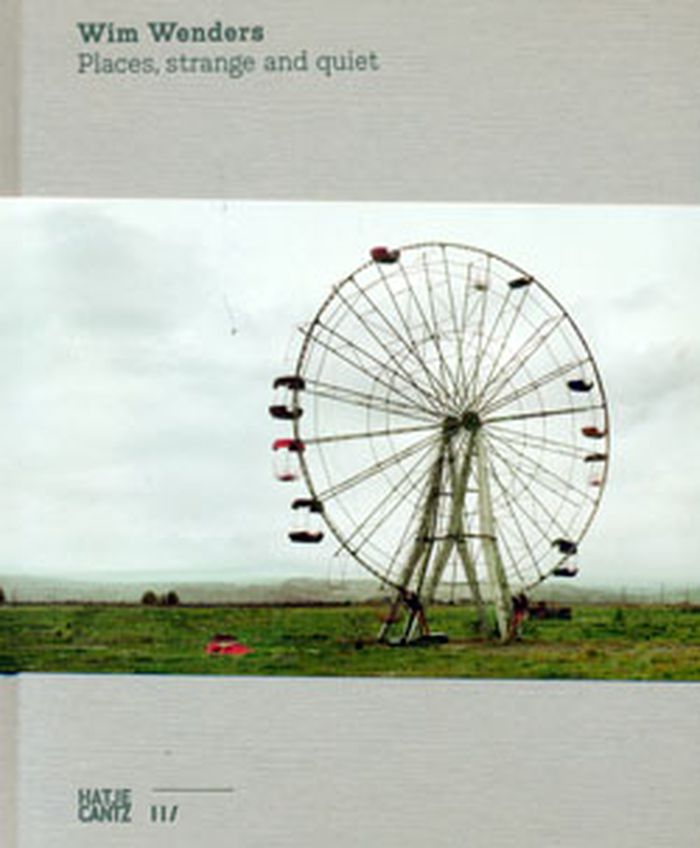
Wim Wenders (born 1945) started taking photographs at the age of 7. By the age of 12 he had equipped himself with his own darkroom, and by 17 he had acquired his first Leica. A few years later he was to emerge as a leading light in the New German Cinema movement of the late 1960s, making his feature-length directorial debut with Summer in the City (1970). Throughout his subsequent global acclaim as a director, Wenders has doggedly maintained his life as a photographer. In fact, the two careers have served each other well, as many of his photographs are created while location-scouting for films. His image repertoire of neglected industrial buildings, vacant lots, cemeteries, dilapidated urban niches and courtyards express a mixture of bemusement, melancholy and dislocation. “When you travel a lot, and when you love to just wander around and get lost, you can end up in the strangest spots,” Wenders says. “It must be some sort of built-in radar that often directs me to places that are strangely quiet, or quietly strange.” These strange and quiet color photographs are accompanied by poetical captions, some of which elucidate what is depicted, others of which lightly supplement with an anecdote (one characteristically deadpan caption accompanies an image of a cowboy clown standing at a rodeo: “It is amazing how many different ideas of 'fun' co-exist in this world” ). This publication gathers photographs from 1983 to 2011 in a full panorama of Wenders' photography to date.
Wim Wenders : places, strange and quiet
Actions:
Prix:
$40.00
(disponible sur commande)
Résumé:
Wim Wenders (born 1945) started taking photographs at the age of 7. By the age of 12 he had equipped himself with his own darkroom, and by 17 he had acquired his first Leica. A few years later he was to emerge as a leading light in the New German Cinema movement of the late 1960s, making his feature-length directorial debut with Summer in the City (1970). Throughout his subsequent global acclaim as a director, Wenders has doggedly maintained his life as a photographer. In fact, the two careers have served each other well, as many of his photographs are created while location-scouting for films. His image repertoire of neglected industrial buildings, vacant lots, cemeteries, dilapidated urban niches and courtyards express a mixture of bemusement, melancholy and dislocation. “When you travel a lot, and when you love to just wander around and get lost, you can end up in the strangest spots,” Wenders says. “It must be some sort of built-in radar that often directs me to places that are strangely quiet, or quietly strange.” These strange and quiet color photographs are accompanied by poetical captions, some of which elucidate what is depicted, others of which lightly supplement with an anecdote (one characteristically deadpan caption accompanies an image of a cowboy clown standing at a rodeo: “It is amazing how many different ideas of 'fun' co-exist in this world” ). This publication gathers photographs from 1983 to 2011 in a full panorama of Wenders' photography to date.
Classification:
livres
livres
Publication:
juillet 2011
juillet 2011
Sujet:
Monographies photo
Monographies photo
Classification:
livres
livres
Titre:
Aleksandr Rodchenko
Aleksandr Rodchenko
Actions:
Prix:
$55.00
(disponible sur commande)
Résumé:
A leading representative of the Russian avant-garde, Alexander Rodchenko (1891- 1956) revolutionized the world of graphic art, design and photography. The over 250 illustrations featured in this volume allow the reader to grasp the full force of this innovator and to appreciate the charisma he exerted on fellow artists as much as on the men of letters, directors and(...)
$55.00
(disponible sur commande)
Résumé:
A leading representative of the Russian avant-garde, Alexander Rodchenko (1891- 1956) revolutionized the world of graphic art, design and photography. The over 250 illustrations featured in this volume allow the reader to grasp the full force of this innovator and to appreciate the charisma he exerted on fellow artists as much as on the men of letters, directors and(...)
Titre:
Aleksandr Rodchenko
Actions:
Prix:
$55.00
(disponible sur commande)
Résumé:
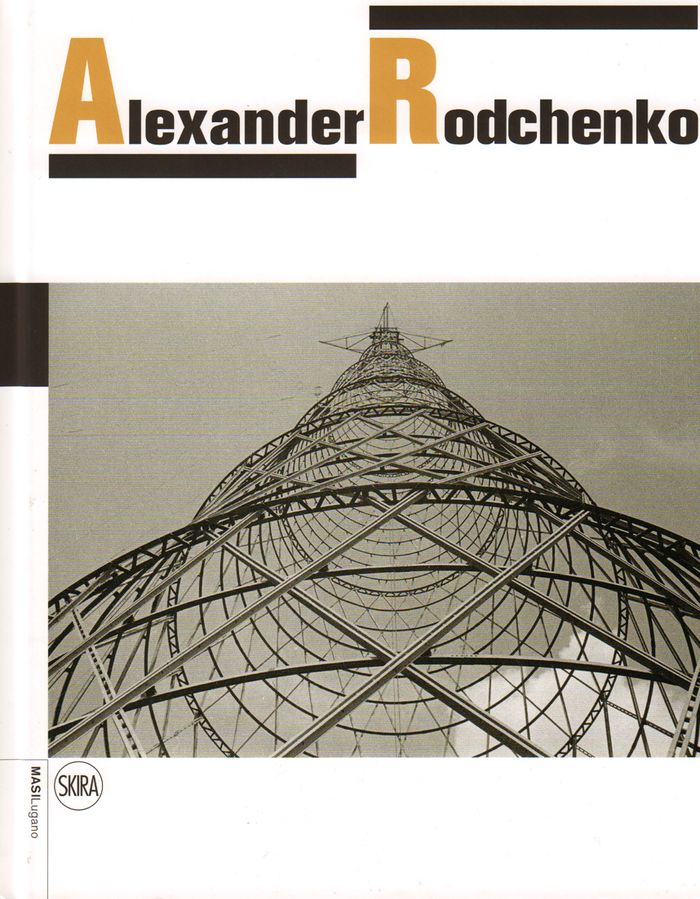
A leading representative of the Russian avant-garde, Alexander Rodchenko (1891- 1956) revolutionized the world of graphic art, design and photography. The over 250 illustrations featured in this volume allow the reader to grasp the full force of this innovator and to appreciate the charisma he exerted on fellow artists as much as on the men of letters, directors and intellectuals who shared his path. Whether it is the photomontages he created for Vladimir Mayakovsky's poem Pro Eto (About That), the covers designed for the magazine Novy LEF (New LEF) - a veritable point of reference for the revolutionary intelligentsia - or cinema posters and book illustrations, Rodchenko's works bear witness to his many collaborations and friendships, evoking not just the image of a brilliantly creative personality but a unique phase in twentieth-century history. The remarkable photographic portraits by the artist, his pictures of urban landscapes and architectures, as well as his photo-reportages in factories and building sites bring back both the faces and spirit of an age of great hopes and equally great contradictions. To this day, the style of Rodchenko the photographer, marked by unusual perspectives, sharp angles and diagonals, stands as the purest witness not just to the talent of an artist but to his eagerness to modernise art and the world at large. Complementing the volume are contributions by Olga Sviblova, the director of the House of Photography / Multimedia Art Museum of Moscow, by the grandson of the artist and leading scholar of his work Alexander Lavrentiev, in addition to writings and testimonies by Rodchenko himself and his daughter Varvara.
Aleksandr Rodchenko
Actions:
Prix:
$55.00
(disponible sur commande)
Résumé:
A leading representative of the Russian avant-garde, Alexander Rodchenko (1891- 1956) revolutionized the world of graphic art, design and photography. The over 250 illustrations featured in this volume allow the reader to grasp the full force of this innovator and to appreciate the charisma he exerted on fellow artists as much as on the men of letters, directors and intellectuals who shared his path. Whether it is the photomontages he created for Vladimir Mayakovsky's poem Pro Eto (About That), the covers designed for the magazine Novy LEF (New LEF) - a veritable point of reference for the revolutionary intelligentsia - or cinema posters and book illustrations, Rodchenko's works bear witness to his many collaborations and friendships, evoking not just the image of a brilliantly creative personality but a unique phase in twentieth-century history. The remarkable photographic portraits by the artist, his pictures of urban landscapes and architectures, as well as his photo-reportages in factories and building sites bring back both the faces and spirit of an age of great hopes and equally great contradictions. To this day, the style of Rodchenko the photographer, marked by unusual perspectives, sharp angles and diagonals, stands as the purest witness not just to the talent of an artist but to his eagerness to modernise art and the world at large. Complementing the volume are contributions by Olga Sviblova, the director of the House of Photography / Multimedia Art Museum of Moscow, by the grandson of the artist and leading scholar of his work Alexander Lavrentiev, in addition to writings and testimonies by Rodchenko himself and his daughter Varvara.
Classification:
livres
livres
Publication:
novembre 2016
novembre 2016
Sujet:
Monographies photo
Monographies photo
Classification:
livres
livres

Actions:
Prix:
$39.95
(disponible sur commande)
Résumé:
As we spend more and more of our time staring at the screens of movies, televisions, computers, and handheld devices--"windows" full of moving images, texts, and icons--how the world is framed has become as important as what is in the frame. In The Virtual Window, Anne Friedberg examines the window as metaphor, as architectural component, and as an opening to the(...)
$39.95
(disponible sur commande)
Résumé:
As we spend more and more of our time staring at the screens of movies, televisions, computers, and handheld devices--"windows" full of moving images, texts, and icons--how the world is framed has become as important as what is in the frame. In The Virtual Window, Anne Friedberg examines the window as metaphor, as architectural component, and as an opening to the(...)
Titre:
The virtual window : from Alberti to Microsoft
Actions:
Prix:
$39.95
(disponible sur commande)
Résumé:
As we spend more and more of our time staring at the screens of movies, televisions, computers, and handheld devices--"windows" full of moving images, texts, and icons--how the world is framed has become as important as what is in the frame. In The Virtual Window, Anne Friedberg examines the window as metaphor, as architectural component, and as an opening to the dematerialized reality we see on the screen. In De pictura (1435), Leon Battista Alberti famously instructed painters to consider the frame of the painting as an open window. Taking Alberti's metaphor as her starting point, Friedberg tracks shifts in the perspectival paradigm as she gives us histories of the architectural window, developments in glass and transparency, and the emerging apparatuses of photography, cinema, television, and digital imaging. Single-point perspective--Alberti's metaphorical window--has long been challenged by modern painting, modern architecture, and moving-image technologies. And yet, notes Friedberg, for most of the twentieth century the dominant form of the moving image was a single image in a single frame. The fractured modernism exemplified by cubist painting, for example, remained largely confined to experimental, avant-garde work. On the computer screen, however, where multiple "windows" coexist and overlap, perspective may have met its end. In this wide-ranging book, Friedberg considers such topics as the framed view of the camera obscura, Le Corbusier's mandates for the architectural window, Eisenstein's opinions on the shape of the movie screen, and the multiple images and nested windows commonly displayed on screens today. The Virtual Window proposes a new logic of visuality, framed and virtual: an architecture not only of space but of time.
The virtual window : from Alberti to Microsoft
Actions:
Prix:
$39.95
(disponible sur commande)
Résumé:
As we spend more and more of our time staring at the screens of movies, televisions, computers, and handheld devices--"windows" full of moving images, texts, and icons--how the world is framed has become as important as what is in the frame. In The Virtual Window, Anne Friedberg examines the window as metaphor, as architectural component, and as an opening to the dematerialized reality we see on the screen. In De pictura (1435), Leon Battista Alberti famously instructed painters to consider the frame of the painting as an open window. Taking Alberti's metaphor as her starting point, Friedberg tracks shifts in the perspectival paradigm as she gives us histories of the architectural window, developments in glass and transparency, and the emerging apparatuses of photography, cinema, television, and digital imaging. Single-point perspective--Alberti's metaphorical window--has long been challenged by modern painting, modern architecture, and moving-image technologies. And yet, notes Friedberg, for most of the twentieth century the dominant form of the moving image was a single image in a single frame. The fractured modernism exemplified by cubist painting, for example, remained largely confined to experimental, avant-garde work. On the computer screen, however, where multiple "windows" coexist and overlap, perspective may have met its end. In this wide-ranging book, Friedberg considers such topics as the framed view of the camera obscura, Le Corbusier's mandates for the architectural window, Eisenstein's opinions on the shape of the movie screen, and the multiple images and nested windows commonly displayed on screens today. The Virtual Window proposes a new logic of visuality, framed and virtual: an architecture not only of space but of time.
Classification:
livres
livres
Publication:
janvier 2006, Cambridge
janvier 2006, Cambridge
Sujet:
Théorie de l’architecture
Théorie de l’architecture
Classification:
livres
livres
Actions:
Prix:
$65.99
(disponible sur commande)
Résumé:
Today, the physical scale model is a centrepiece for design education, celebrated practices and architecture’s public relations. The development of digital fabrication devices has made model manufacture even more pervasive. The physical model is the most accessible form of architectural communication. Clients and the general public seem to immediately respond to and(...)
$65.99
(disponible sur commande)
Résumé:
Today, the physical scale model is a centrepiece for design education, celebrated practices and architecture’s public relations. The development of digital fabrication devices has made model manufacture even more pervasive. The physical model is the most accessible form of architectural communication. Clients and the general public seem to immediately respond to and(...)
Titre:
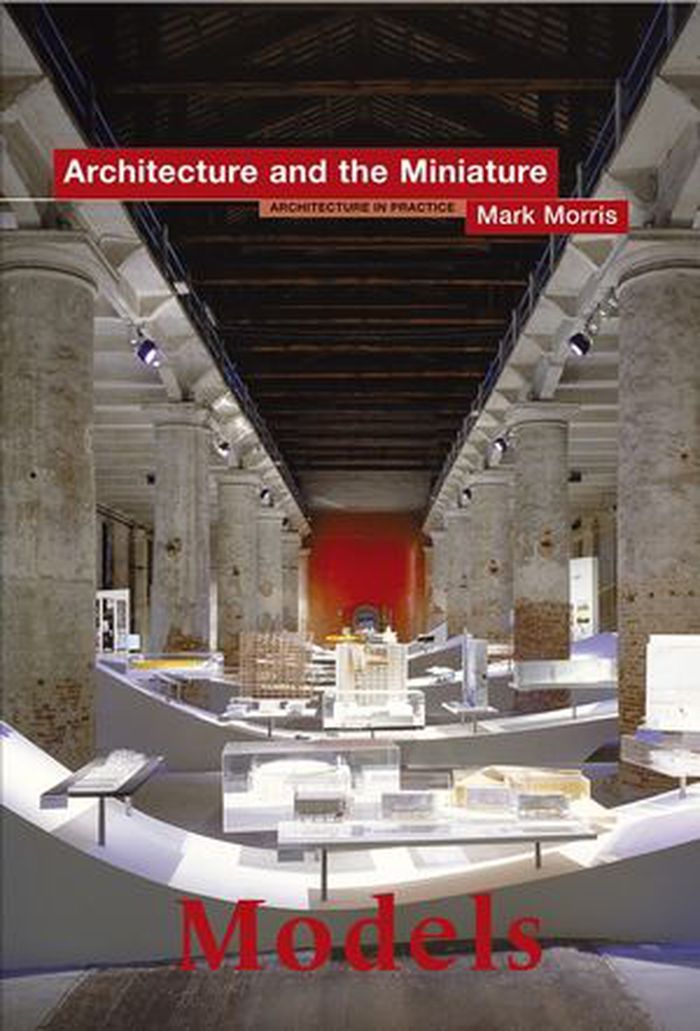
Architecture and the miniature : models
Actions:
Prix:
$65.99
(disponible sur commande)
Résumé:
Today, the physical scale model is a centrepiece for design education, celebrated practices and architecture’s public relations. The development of digital fabrication devices has made model manufacture even more pervasive. The physical model is the most accessible form of architectural communication. Clients and the general public seem to immediately respond to and understand the model, over blueprints and computer simulations. Many architects use finished models for presentations, competitions and exhibitions. Others also embrace sketch models as quick, economic and flexible generative tools. It is only with the rise of the virtual that the advantages and disadvantages of more traditional models can be fully evaluated. As attested by this book, we are now at an important watershed for the model in architecture. Practitioners and educators alike are seeking to fully understand the multiplicity of model types and how they might be strategically deployed at appropriate stages in the design process. The historic role that the model has played is outlined with attention paid to Alberti, John Soane, the Bauhaus and education reforms. A cultural history is offered by examining models in the guise of toys, food, cinema, product design, souvenirs, narrative and art. Model theories are considered and tied to specific examples in the field. New technologies and creative combinations of traditional model-making techniques are evaluated. Kinetic, multi-media, nightscape and interdisciplinary models reveal the broad scope and exceptional versatility offered by this important tool. Models: Architecture and the Miniature focuses on current model use and experimentation by architects across the globe including David Chipperfield, Peter Eisenman, Frank Gehry, Zaha Hadid, Coop Himmelb(l)au, Daniel Libeskind, Greg Lynn and UN Studio.
Architecture and the miniature : models
Actions:
Prix:
$65.99
(disponible sur commande)
Résumé:
Today, the physical scale model is a centrepiece for design education, celebrated practices and architecture’s public relations. The development of digital fabrication devices has made model manufacture even more pervasive. The physical model is the most accessible form of architectural communication. Clients and the general public seem to immediately respond to and understand the model, over blueprints and computer simulations. Many architects use finished models for presentations, competitions and exhibitions. Others also embrace sketch models as quick, economic and flexible generative tools. It is only with the rise of the virtual that the advantages and disadvantages of more traditional models can be fully evaluated. As attested by this book, we are now at an important watershed for the model in architecture. Practitioners and educators alike are seeking to fully understand the multiplicity of model types and how they might be strategically deployed at appropriate stages in the design process. The historic role that the model has played is outlined with attention paid to Alberti, John Soane, the Bauhaus and education reforms. A cultural history is offered by examining models in the guise of toys, food, cinema, product design, souvenirs, narrative and art. Model theories are considered and tied to specific examples in the field. New technologies and creative combinations of traditional model-making techniques are evaluated. Kinetic, multi-media, nightscape and interdisciplinary models reveal the broad scope and exceptional versatility offered by this important tool. Models: Architecture and the Miniature focuses on current model use and experimentation by architects across the globe including David Chipperfield, Peter Eisenman, Frank Gehry, Zaha Hadid, Coop Himmelb(l)au, Daniel Libeskind, Greg Lynn and UN Studio.
Classification:
livres
livres
Publication:
octobre 2005, Chichester
octobre 2005, Chichester
Sujet:
Maquettes
Maquettes


