


12071 Résultats
Classification:
livres
livres
Titre:
Grace and architecture
Grace and architecture
Actions:
Prix:
$31.95
(disponible en magasin)
Résumé:
Through a constructive way of looking at the timing of architecture, this reference explores the myths of a critical history. The featured ideas are made more concrete and specific by focusing the enquiry on a forgotten building outside Helsinki — Espoonlahti Church — designed by the architects Timo and Tuomo Suomalainen.
$31.95
(disponible en magasin)
Résumé:
Through a constructive way of looking at the timing of architecture, this reference explores the myths of a critical history. The featured ideas are made more concrete and specific by focusing the enquiry on a forgotten building outside Helsinki — Espoonlahti Church — designed by the architects Timo and Tuomo Suomalainen.
Titre:
Grace and architecture
Actions:
Prix:
$31.95
(disponible en magasin)
Résumé:
Through a constructive way of looking at the timing of architecture, this reference explores the myths of a critical history. The featured ideas are made more concrete and specific by focusing the enquiry on a forgotten building outside Helsinki — Espoonlahti Church — designed by the architects Timo and Tuomo Suomalainen.
Grace and architecture
Actions:
Prix:
$31.95
(disponible en magasin)
Résumé:
Through a constructive way of looking at the timing of architecture, this reference explores the myths of a critical history. The featured ideas are made more concrete and specific by focusing the enquiry on a forgotten building outside Helsinki — Espoonlahti Church — designed by the architects Timo and Tuomo Suomalainen.
Classification:
livres
livres
Publication:
février 1998, Helsinki
février 1998, Helsinki
Sujet:
Théorie de l’architecture
Théorie de l’architecture
Classification:
livres
livres
Titre:
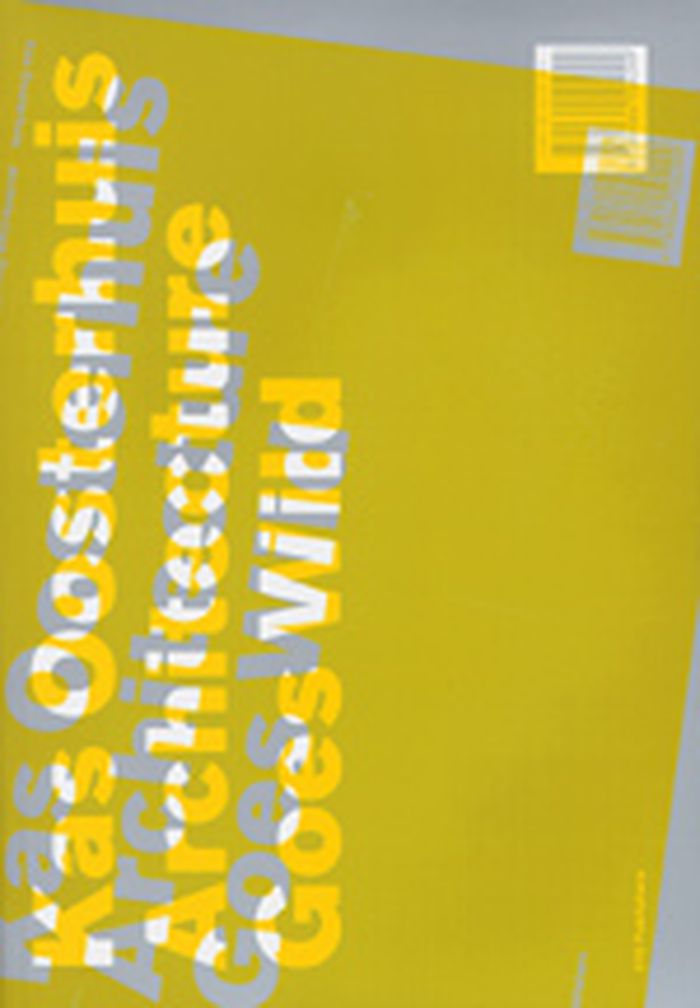
Architecture goes wild
Architecture goes wild
Actions:
Prix:
$29.95
(disponible sur commande)
Résumé:
In his writings, architect Kas Oosterhuis bridges the gap between theory and practice. His observations are based on the principle of concrete science fiction. He is convinced that every construct - hardware or software - that can be formulated as a consistent set of rules is realizable within the social constraints of our present-day culture. In his essay(...)
$29.95
(disponible sur commande)
Résumé:
In his writings, architect Kas Oosterhuis bridges the gap between theory and practice. His observations are based on the principle of concrete science fiction. He is convinced that every construct - hardware or software - that can be formulated as a consistent set of rules is realizable within the social constraints of our present-day culture. In his essay(...)
Titre:
Architecture goes wild
Actions:
Prix:
$29.95
(disponible sur commande)
Résumé:
In his writings, architect Kas Oosterhuis bridges the gap between theory and practice. His observations are based on the principle of concrete science fiction. He is convinced that every construct - hardware or software - that can be formulated as a consistent set of rules is realizable within the social constraints of our present-day culture. In his essay 'Space_Time_Volume' Kas Oosterhuis places himself in the local and temporary delamination point between the micro- and macroworlds. He speculates on a seamless continuity of these worlds where the instrumental human position is only one of many possible positions. Our perception of the universe is based on observations made by instruments. Language is seen as such an instrument. In 'Wild Bodies' Oosterhuis asserts that all true architecture inevitably will be programmed to perform in real time. This point of view is based on the observation that traditional fixed and static architecture is a highly unlikely state among all possible ones. An architectural construct is regarded as a body with real-time behaviour that is always in motion. Computer programs speak the new instrumental language in which potential new worlds are described. 'Automotive Styling' declares the human driver of the automobile to be the voluntary prisoner of the physical car-road communications network. In 'Vectorial Bodies' the human driver is nothing less than fuzzy software programming the car to lead it to his destinations. There is no place for romantic ideas such as freedom of movement, but there is the overwhelming desire of carbon-based life forms to exchange data with industrial and digital life forms.
Architecture goes wild
Actions:
Prix:
$29.95
(disponible sur commande)
Résumé:
In his writings, architect Kas Oosterhuis bridges the gap between theory and practice. His observations are based on the principle of concrete science fiction. He is convinced that every construct - hardware or software - that can be formulated as a consistent set of rules is realizable within the social constraints of our present-day culture. In his essay 'Space_Time_Volume' Kas Oosterhuis places himself in the local and temporary delamination point between the micro- and macroworlds. He speculates on a seamless continuity of these worlds where the instrumental human position is only one of many possible positions. Our perception of the universe is based on observations made by instruments. Language is seen as such an instrument. In 'Wild Bodies' Oosterhuis asserts that all true architecture inevitably will be programmed to perform in real time. This point of view is based on the observation that traditional fixed and static architecture is a highly unlikely state among all possible ones. An architectural construct is regarded as a body with real-time behaviour that is always in motion. Computer programs speak the new instrumental language in which potential new worlds are described. 'Automotive Styling' declares the human driver of the automobile to be the voluntary prisoner of the physical car-road communications network. In 'Vectorial Bodies' the human driver is nothing less than fuzzy software programming the car to lead it to his destinations. There is no place for romantic ideas such as freedom of movement, but there is the overwhelming desire of carbon-based life forms to exchange data with industrial and digital life forms.
Classification:
livres
livres
Publication:
mars 2001, Rotterdam
mars 2001, Rotterdam
Sujet:
Théorie de l’architecture
Théorie de l’architecture
Classification:
livres
livres
Titre:
Nature and architecture
Nature and architecture
Actions:
Prix:
$125.00
(disponible sur commande)
Résumé:
This book explores the natural origin of architectural archetypes; the column, the house, the wall, the door, the temple, the tower, etc. Evolving from research carried out in the sixties, this volume not only examines the differences and similarities between natural and architectural forms, but it also draws comparisons between natural forms and the(...)
$125.00
(disponible sur commande)
Résumé:
This book explores the natural origin of architectural archetypes; the column, the house, the wall, the door, the temple, the tower, etc. Evolving from research carried out in the sixties, this volume not only examines the differences and similarities between natural and architectural forms, but it also draws comparisons between natural forms and the(...)
Titre:
Nature and architecture
Actions:
Prix:
$125.00
(disponible sur commande)
Résumé:
This book explores the natural origin of architectural archetypes; the column, the house, the wall, the door, the temple, the tower, etc. Evolving from research carried out in the sixties, this volume not only examines the differences and similarities between natural and architectural forms, but it also draws comparisons between natural forms and the precepts and ideas that characterized architecture of different cultures.
Nature and architecture
Actions:
Prix:
$125.00
(disponible sur commande)
Résumé:
This book explores the natural origin of architectural archetypes; the column, the house, the wall, the door, the temple, the tower, etc. Evolving from research carried out in the sixties, this volume not only examines the differences and similarities between natural and architectural forms, but it also draws comparisons between natural forms and the precepts and ideas that characterized architecture of different cultures.
Classification:
livres
livres
Publication:
octobre 2000, Milan
octobre 2000, Milan
Sujet:
Théorie de l’architecture
Théorie de l’architecture
Classification:
livres
livres
Actions:
Prix:
$30.95
(disponible sur commande)
Résumé:
Bernard Rudofsky steps outside the narrowly defined discipline that has governed our sense of architectural history and discusses the art of building as a universal phenomenon. He introduces the reader to communal architecture--architecture produced not by specialists but by the spontaneous and continuing activity of a whole people with a common heritage, acting within a(...)
$30.95
(disponible sur commande)
Résumé:
Bernard Rudofsky steps outside the narrowly defined discipline that has governed our sense of architectural history and discusses the art of building as a universal phenomenon. He introduces the reader to communal architecture--architecture produced not by specialists but by the spontaneous and continuing activity of a whole people with a common heritage, acting within a(...)
Titre:
Architecture without architects
Actions:
Prix:
$30.95
(disponible sur commande)
Résumé:
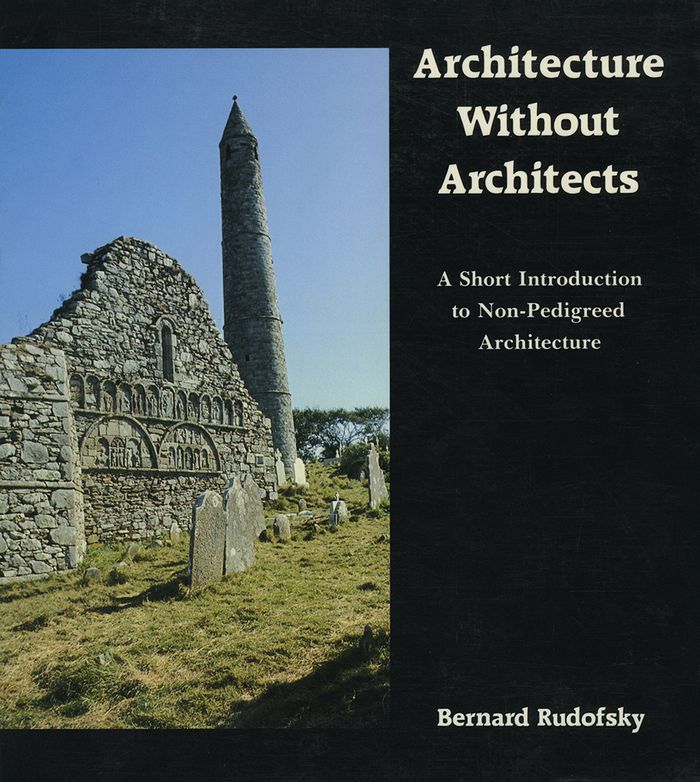
Bernard Rudofsky steps outside the narrowly defined discipline that has governed our sense of architectural history and discusses the art of building as a universal phenomenon. He introduces the reader to communal architecture--architecture produced not by specialists but by the spontaneous and continuing activity of a whole people with a common heritage, acting within a community experience. A prehistoric theater district for a hundred thousand spectators on the American continent and underground towns and villages (complete with schools, offices, and factories) inhabited by millions of people are among the unexpected phenomena he brings to light. The beauty of "primitive" architecture has often been dismissed as accidental, but today we recognize in it an art form that has resulted from human intelligence applied to uniquely human modes of life. Indeed, Rudofsky sees the philosophy and practical knowledge of the untutored builders as untapped sources of inspiration for industrial man trapped in his chaotic cities.
Architecture without architects
Actions:
Prix:
$30.95
(disponible sur commande)
Résumé:
Bernard Rudofsky steps outside the narrowly defined discipline that has governed our sense of architectural history and discusses the art of building as a universal phenomenon. He introduces the reader to communal architecture--architecture produced not by specialists but by the spontaneous and continuing activity of a whole people with a common heritage, acting within a community experience. A prehistoric theater district for a hundred thousand spectators on the American continent and underground towns and villages (complete with schools, offices, and factories) inhabited by millions of people are among the unexpected phenomena he brings to light. The beauty of "primitive" architecture has often been dismissed as accidental, but today we recognize in it an art form that has resulted from human intelligence applied to uniquely human modes of life. Indeed, Rudofsky sees the philosophy and practical knowledge of the untutored builders as untapped sources of inspiration for industrial man trapped in his chaotic cities.
Classification:
livres
livres
Publication:
juillet 1987
juillet 1987
Sujet:
Théorie de l’architecture
Théorie de l’architecture
Classification:
livres
livres
Actions:
Prix:
$34.95
(disponible sur commande)
Résumé:
L’architecture est un art ignoré. Par son texte et ses illustrations, l’ouvrage de Bruno Zevi constitue non seulement une histoire thématique de l’architecture depuis les Grecs jusqu’à Le Corbusier et Wright, mais surtout une explication de cet art. Qu’est-ce qui est de l’architecture? Qu’est-ce qui n’en est pas? L’intérêt de ce volume est de nous révéler cette notion(...)
$34.95
(disponible sur commande)
Résumé:
L’architecture est un art ignoré. Par son texte et ses illustrations, l’ouvrage de Bruno Zevi constitue non seulement une histoire thématique de l’architecture depuis les Grecs jusqu’à Le Corbusier et Wright, mais surtout une explication de cet art. Qu’est-ce qui est de l’architecture? Qu’est-ce qui n’en est pas? L’intérêt de ce volume est de nous révéler cette notion(...)
Titre:
Apprendre à voir l'architecture
Actions:
Prix:
$34.95
(disponible sur commande)
Résumé:
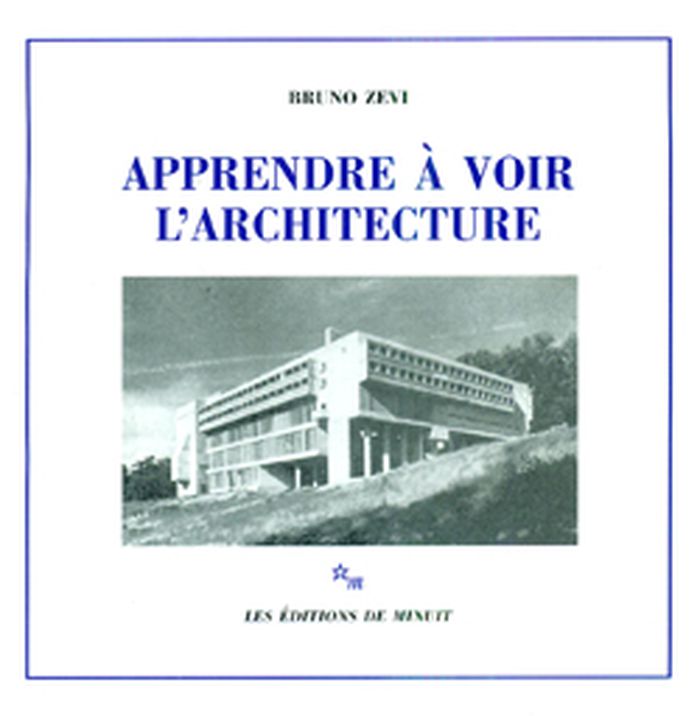
L’architecture est un art ignoré. Par son texte et ses illustrations, l’ouvrage de Bruno Zevi constitue non seulement une histoire thématique de l’architecture depuis les Grecs jusqu’à Le Corbusier et Wright, mais surtout une explication de cet art. Qu’est-ce qui est de l’architecture? Qu’est-ce qui n’en est pas? L’intérêt de ce volume est de nous révéler cette notion d’espace, élément fondamental de l’architecture.
Apprendre à voir l'architecture
Actions:
Prix:
$34.95
(disponible sur commande)
Résumé:
L’architecture est un art ignoré. Par son texte et ses illustrations, l’ouvrage de Bruno Zevi constitue non seulement une histoire thématique de l’architecture depuis les Grecs jusqu’à Le Corbusier et Wright, mais surtout une explication de cet art. Qu’est-ce qui est de l’architecture? Qu’est-ce qui n’en est pas? L’intérêt de ce volume est de nous révéler cette notion d’espace, élément fondamental de l’architecture.
Classification:
livres
livres
Publication:
octobre 2010
octobre 2010
Sujet:
Théorie de l’architecture
Théorie de l’architecture
Classification:
livres
livres
Titre:
Architecture & identity
Architecture & identity
Actions:
Prix:
$82.95
(disponible sur commande)
Résumé:
Second edition
$82.95
(disponible sur commande)
Résumé:
Second edition
Titre:
Architecture & identity
Actions:
Prix:
$82.95
(disponible sur commande)
Résumé:
Second edition
Architecture & identity
Actions:
Prix:
$82.95
(disponible sur commande)
Résumé:
Second edition
Classification:
livres
livres
Publication:
juin 1999, Oxford
juin 1999, Oxford
Sujet:
Théorie de l’architecture
Théorie de l’architecture
Classification:
livres
livres
Actions:
Prix:
$54.95
(disponible sur commande)
Résumé:
"Architecture, un art nécessaire" s'efforce de répondre à la question : " l'architecture, c'est quoi ? " Jean Jenger ne part pas de considérations historiques ou esthétiques. Il appréhende l'architecture dans sa réalité immédiate, matérielle et objective. En considérant que tout espace construit par l'homme pour l'homme est architecture, il offre un nouveau regard sur cet(...)
$54.95
(disponible sur commande)
Résumé:
"Architecture, un art nécessaire" s'efforce de répondre à la question : " l'architecture, c'est quoi ? " Jean Jenger ne part pas de considérations historiques ou esthétiques. Il appréhende l'architecture dans sa réalité immédiate, matérielle et objective. En considérant que tout espace construit par l'homme pour l'homme est architecture, il offre un nouveau regard sur cet(...)
Titre:
Architecture, un art nécessaire
Actions:
Prix:
$54.95
(disponible sur commande)
Résumé:
"Architecture, un art nécessaire" s'efforce de répondre à la question : " l'architecture, c'est quoi ? " Jean Jenger ne part pas de considérations historiques ou esthétiques. Il appréhende l'architecture dans sa réalité immédiate, matérielle et objective. En considérant que tout espace construit par l'homme pour l'homme est architecture, il offre un nouveau regard sur cet art omniprésent. L'architecture n'est pas le produit de l'architecte seul. Intimement enracinée dans la société, elle en retranscrit les forces et les faiblesses, les ambitions et les doutes. Art nécessaire et incontournable plus qu'aucun autre, elle peut rendre la vie des hommes plus facile ou plus malaisée. Elle est donc politique. Pourtant, le politique, qui lui porte généralement peu d'intérêt, en connaît mal l'importance et les enjeux. Le texte de l'auteur est étayé par de nombreux écrits puisés, depuis Vitruve, chez les historiens, architectes, ingénieurs, philosophes, hommes politiques... et par une iconographie abondante au service des idées. Préface de Paul Chemetov.
Architecture, un art nécessaire
Actions:
Prix:
$54.95
(disponible sur commande)
Résumé:
"Architecture, un art nécessaire" s'efforce de répondre à la question : " l'architecture, c'est quoi ? " Jean Jenger ne part pas de considérations historiques ou esthétiques. Il appréhende l'architecture dans sa réalité immédiate, matérielle et objective. En considérant que tout espace construit par l'homme pour l'homme est architecture, il offre un nouveau regard sur cet art omniprésent. L'architecture n'est pas le produit de l'architecte seul. Intimement enracinée dans la société, elle en retranscrit les forces et les faiblesses, les ambitions et les doutes. Art nécessaire et incontournable plus qu'aucun autre, elle peut rendre la vie des hommes plus facile ou plus malaisée. Elle est donc politique. Pourtant, le politique, qui lui porte généralement peu d'intérêt, en connaît mal l'importance et les enjeux. Le texte de l'auteur est étayé par de nombreux écrits puisés, depuis Vitruve, chez les historiens, architectes, ingénieurs, philosophes, hommes politiques... et par une iconographie abondante au service des idées. Préface de Paul Chemetov.
Classification:
livres
livres
Publication:
mai 2006, Paris
mai 2006, Paris
Sujet:
Théorie de l’architecture
Théorie de l’architecture
Classification:
livres
livres
Titre:
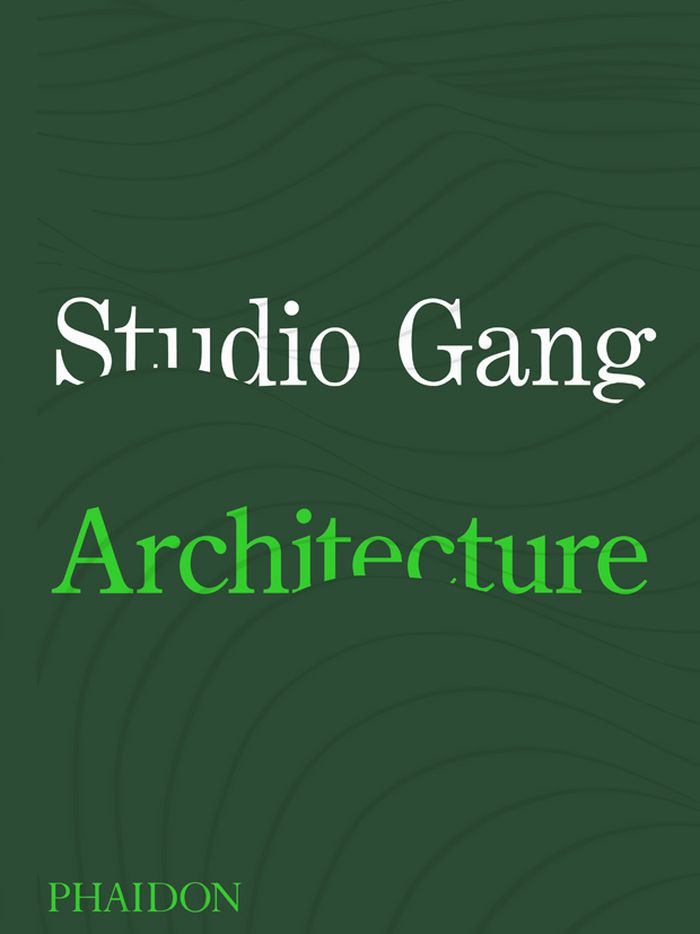
Studio Gang: Architecture
Studio Gang: Architecture
Actions:
Prix:
$105.00
(disponible sur commande)
Résumé:
For the last twenty years Studio Gang, led by Jeanne Gang, has created architecture that engages the urgent social and environmental challenges of our time. This monograph brings together 25 projects - from the award-winning Aqua Tower and Writers Theatre to upcoming buildings for the American Museum of Natural History and O'Hare International Airport - to reveal the(...)
$105.00
(disponible sur commande)
Résumé:
For the last twenty years Studio Gang, led by Jeanne Gang, has created architecture that engages the urgent social and environmental challenges of our time. This monograph brings together 25 projects - from the award-winning Aqua Tower and Writers Theatre to upcoming buildings for the American Museum of Natural History and O'Hare International Airport - to reveal the(...)
Titre:
Studio Gang: Architecture
Actions:
Prix:
$105.00
(disponible sur commande)
Résumé:
For the last twenty years Studio Gang, led by Jeanne Gang, has created architecture that engages the urgent social and environmental challenges of our time. This monograph brings together 25 projects - from the award-winning Aqua Tower and Writers Theatre to upcoming buildings for the American Museum of Natural History and O'Hare International Airport - to reveal the concepts and design approach that connect them.
Studio Gang: Architecture
Actions:
Prix:
$105.00
(disponible sur commande)
Résumé:
For the last twenty years Studio Gang, led by Jeanne Gang, has created architecture that engages the urgent social and environmental challenges of our time. This monograph brings together 25 projects - from the award-winning Aqua Tower and Writers Theatre to upcoming buildings for the American Museum of Natural History and O'Hare International Airport - to reveal the concepts and design approach that connect them.
Classification:
livres
livres
Publication:
juin 2020
juin 2020
Sujet:
Architecture, monographies
Architecture, monographies
Classification:
livres
livres
Actions:
Prix:
$49.95
(disponible en magasin)
Résumé:
'Architecture Beyond Experience' is a work in the service of one goal: the bringing about of a more relational, "posthuman" and yet humanist strain in architecture. It argues against the values that currently guide much architectural production (and the larger economy's too), which is the making, marketing, and staging of ever more arresting experiences. The result, in(...)
$49.95
(disponible en magasin)
Résumé:
'Architecture Beyond Experience' is a work in the service of one goal: the bringing about of a more relational, "posthuman" and yet humanist strain in architecture. It argues against the values that currently guide much architectural production (and the larger economy's too), which is the making, marketing, and staging of ever more arresting experiences. The result, in(...)
Titre:
Architecture beyond experience
Actions:
Prix:
$49.95
(disponible en magasin)
Résumé:
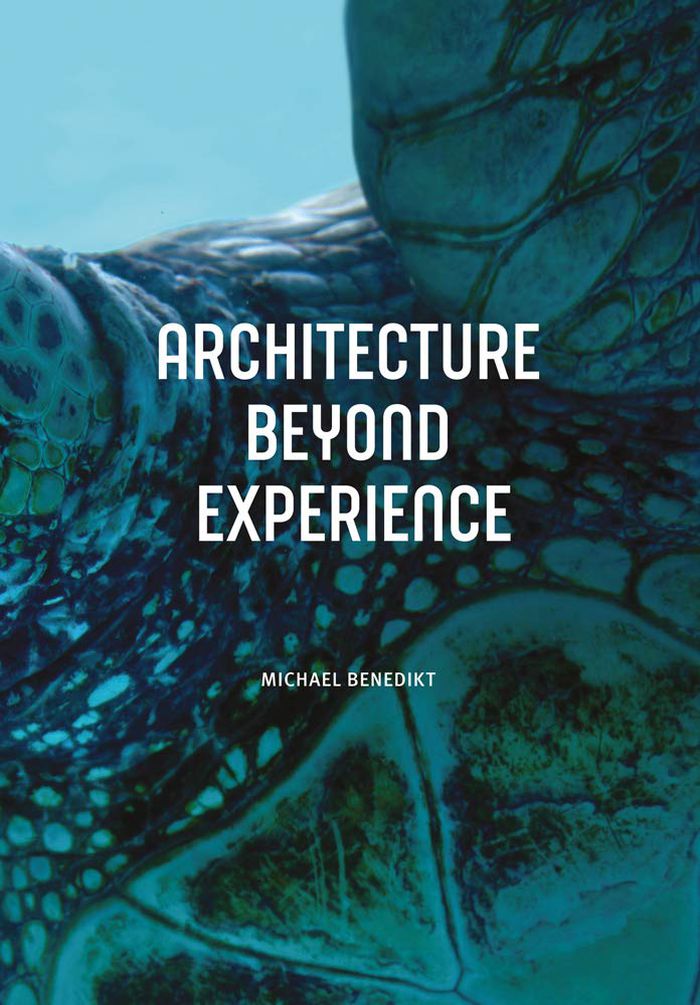
'Architecture Beyond Experience' is a work in the service of one goal: the bringing about of a more relational, "posthuman" and yet humanist strain in architecture. It argues against the values that currently guide much architectural production (and the larger economy's too), which is the making, marketing, and staging of ever more arresting experiences. The result, in architecture, is experientialism: the belief that what gives a building value, aside from fulfilling its shelter functions, is how its views and spaces make us personally feel as we move around it. The book argues that it's time to find a deeper basis for making and judging architecture, a basis which is not personal-experience-multiplied, but which is dialogical and relational from the start.
Architecture beyond experience
Actions:
Prix:
$49.95
(disponible en magasin)
Résumé:
'Architecture Beyond Experience' is a work in the service of one goal: the bringing about of a more relational, "posthuman" and yet humanist strain in architecture. It argues against the values that currently guide much architectural production (and the larger economy's too), which is the making, marketing, and staging of ever more arresting experiences. The result, in architecture, is experientialism: the belief that what gives a building value, aside from fulfilling its shelter functions, is how its views and spaces make us personally feel as we move around it. The book argues that it's time to find a deeper basis for making and judging architecture, a basis which is not personal-experience-multiplied, but which is dialogical and relational from the start.
Classification:
livres
livres
Publication:
mai 2020
mai 2020
Sujet:
Théorie de l’architecture
Théorie de l’architecture
Classification:
livres
livres
Titre:
Hip-hop Architecture
Hip-hop Architecture
Actions:
Prix:
$52.50
(disponible en magasin)
Résumé:
"This book is not for you. It is not for architectural academic elites. It is not for those who have gentrified our neighborhoods, overly intellectualized the profession, and ignored all contemporary Black theory within the discipline. You have made architecture a symbol of exclusion, oppression, and domination rather than expression, aspiration, and inspiration. This(...)
$52.50
(disponible en magasin)
Résumé:
"This book is not for you. It is not for architectural academic elites. It is not for those who have gentrified our neighborhoods, overly intellectualized the profession, and ignored all contemporary Black theory within the discipline. You have made architecture a symbol of exclusion, oppression, and domination rather than expression, aspiration, and inspiration. This(...)
Titre:
Hip-hop Architecture
Actions:
Prix:
$52.50
(disponible en magasin)
Résumé:
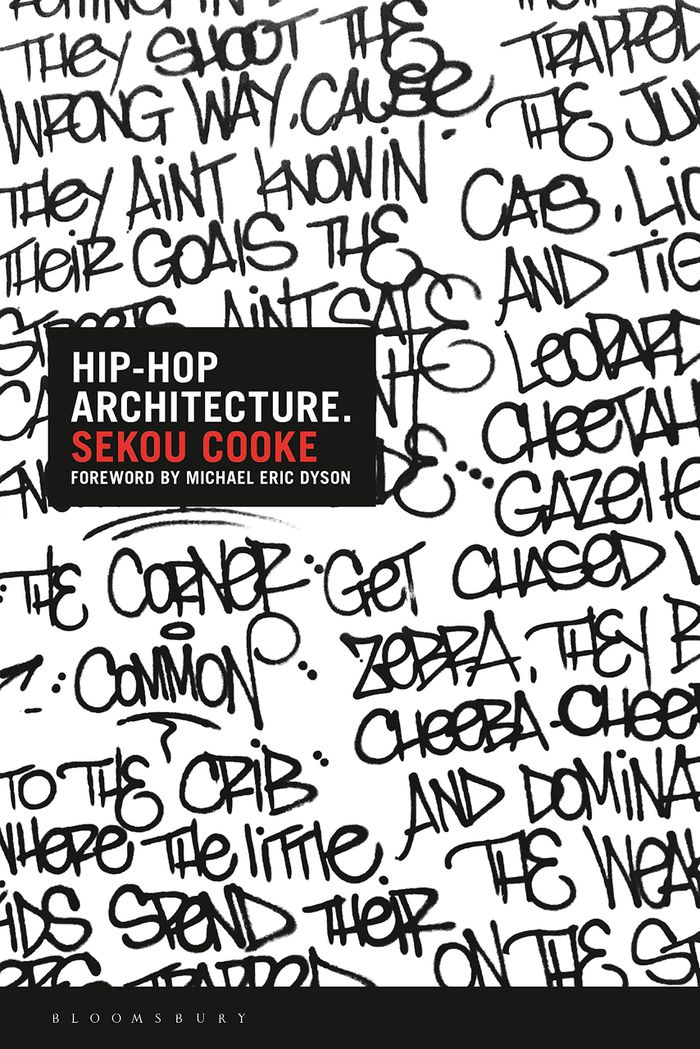
"This book is not for you. It is not for architectural academic elites. It is not for those who have gentrified our neighborhoods, overly intellectualized the profession, and ignored all contemporary Black theory within the discipline. You have made architecture a symbol of exclusion, oppression, and domination rather than expression, aspiration, and inspiration. This book is not for conformists-Black, White, or other." As architecture grapples with its own racist legacy, "Hip-Hop architecture" outlines a powerful new manifesto- the voice of the underrepresented, marginalized, and voiceless within the discipline. Exploring the production of spaces, buildings, and urban environments that embody the creative energies in hip-hop, it is a newly expanding design philosophy which sees architecture as a distinct part of hip-hop's cultural expression, and which uses hip-hop as a lens through which to provoke new architectural ideas. Examining the present and the future of "Hip-Hop architecture," the book also explores its historical antecedents and its theory, placing it in a wider context both within architecture and within Black and African American movements. Throughout, the work is illustrated with inspirational case studies of architectural projects and creative practices, and interspersed with interludes and interviews with key architects, designers, and academics in the field. This is a vital and provocative work that will appeal to architects, designers, students, theorists, and anyone interested in a fresh view of architecture, design, race and culture.
Hip-hop Architecture
Actions:
Prix:
$52.50
(disponible en magasin)
Résumé:
"This book is not for you. It is not for architectural academic elites. It is not for those who have gentrified our neighborhoods, overly intellectualized the profession, and ignored all contemporary Black theory within the discipline. You have made architecture a symbol of exclusion, oppression, and domination rather than expression, aspiration, and inspiration. This book is not for conformists-Black, White, or other." As architecture grapples with its own racist legacy, "Hip-Hop architecture" outlines a powerful new manifesto- the voice of the underrepresented, marginalized, and voiceless within the discipline. Exploring the production of spaces, buildings, and urban environments that embody the creative energies in hip-hop, it is a newly expanding design philosophy which sees architecture as a distinct part of hip-hop's cultural expression, and which uses hip-hop as a lens through which to provoke new architectural ideas. Examining the present and the future of "Hip-Hop architecture," the book also explores its historical antecedents and its theory, placing it in a wider context both within architecture and within Black and African American movements. Throughout, the work is illustrated with inspirational case studies of architectural projects and creative practices, and interspersed with interludes and interviews with key architects, designers, and academics in the field. This is a vital and provocative work that will appeal to architects, designers, students, theorists, and anyone interested in a fresh view of architecture, design, race and culture.
Classification:
livres
livres
Publication:
avril 2021
avril 2021
Sujet:
Théorie de l’architecture
Théorie de l’architecture


