


33494 Résultats
Niveau de description archivistique:
Projet
Projet
Numéro de référence:
AP178.S1.2003.PR04
Description:
This project series documents the Hospital de Toledo in Toledo, Spain. While the records were held in the office’s archives this project was assigned the number 57/00. The office assigned the date 2003 to this project. The project site is located in the Santa María de Benquerencia district on a 250 000 square meter site. The project was a collaboration with the architect Antonio Sánchez Horneros. The building included 800 hospital rooms, 600 beds, and 30 operating theaters. The design for the operating theaters [rooms?] accounts for potential future expansions to accomodate new technologies. The interior arrangement of the building was organized in collaboration with medical persone in order to design the space for their needs. In 2018, the hospital is presently in construction. Documenting this project are studies and plans. Textual documentation includes project documentation.
AP178.S1.2003.PR04
Description:
This project series documents the Hospital de Toledo in Toledo, Spain. While the records were held in the office’s archives this project was assigned the number 57/00. The office assigned the date 2003 to this project. The project site is located in the Santa María de Benquerencia district on a 250 000 square meter site. The project was a collaboration with the architect Antonio Sánchez Horneros. The building included 800 hospital rooms, 600 beds, and 30 operating theaters. The design for the operating theaters [rooms?] accounts for potential future expansions to accomodate new technologies. The interior arrangement of the building was organized in collaboration with medical persone in order to design the space for their needs. In 2018, the hospital is presently in construction. Documenting this project are studies and plans. Textual documentation includes project documentation.
Personnes et institutions:
Date:
2003-2008
2003-2008
Titre:
Hospital de Toledo [Toledo hospital], Toledo, Spain (2003)
Actions:
AP178.S1.2003.PR04
Description:
This project series documents the Hospital de Toledo in Toledo, Spain. While the records were held in the office’s archives this project was assigned the number 57/00. The office assigned the date 2003 to this project. The project site is located in the Santa María de Benquerencia district on a 250 000 square meter site. The project was a collaboration with the architect Antonio Sánchez Horneros. The building included 800 hospital rooms, 600 beds, and 30 operating theaters. The design for the operating theaters [rooms?] accounts for potential future expansions to accomodate new technologies. The interior arrangement of the building was organized in collaboration with medical persone in order to design the space for their needs. In 2018, the hospital is presently in construction. Documenting this project are studies and plans. Textual documentation includes project documentation.
Hospital de Toledo [Toledo hospital], Toledo, Spain (2003)
Actions:
AP178.S1.2003.PR04
Description:
This project series documents the Hospital de Toledo in Toledo, Spain. While the records were held in the office’s archives this project was assigned the number 57/00. The office assigned the date 2003 to this project. The project site is located in the Santa María de Benquerencia district on a 250 000 square meter site. The project was a collaboration with the architect Antonio Sánchez Horneros. The building included 800 hospital rooms, 600 beds, and 30 operating theaters. The design for the operating theaters [rooms?] accounts for potential future expansions to accomodate new technologies. The interior arrangement of the building was organized in collaboration with medical persone in order to design the space for their needs. In 2018, the hospital is presently in construction. Documenting this project are studies and plans. Textual documentation includes project documentation.
Niveau de description archivistique:
Project
Project
Date:
2003-2008
2003-2008
Personnes et institutions:
Classification:
expositions
expositions
Actions:
Description:
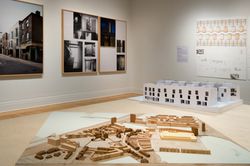
Cette exposition se consacre aux projets architecturaux récents de Stephen Taylor à Londres et de Ryue Nishizawa à Tokyo, qui proposent de nouvelles approches de la vie en milieu urbain. Perspectives de vie à Londres et à Tokyo imaginées par Stephen Taylor et Ryue Nishizawa marque la première présentation en Amérique du Nord des projets résidentiels de Taylor et Nishizawa(...)
Cette exposition se consacre aux projets architecturaux récents de Stephen Taylor à Londres et de Ryue Nishizawa à Tokyo, qui proposent de nouvelles approches de la vie en milieu urbain. Perspectives de vie à Londres et à Tokyo imaginées par Stephen Taylor et Ryue Nishizawa marque la première présentation en Amérique du Nord des projets résidentiels de Taylor et Nishizawa(...)
Localisation:
Salles principales
Salles principales
Date:
14 mai 2008 au 26 octobre 2008
14 mai 2008 au 26 octobre 2008
Titre:
Perspectives de vie à Londres et à Tokyo imaginées par Stephen Taylor et Ryue Nishizawa
Actions:
Description:
Cette exposition se consacre aux projets architecturaux récents de Stephen Taylor à Londres et de Ryue Nishizawa à Tokyo, qui proposent de nouvelles approches de la vie en milieu urbain. Perspectives de vie à Londres et à Tokyo imaginées par Stephen Taylor et Ryue Nishizawa marque la première présentation en Amérique du Nord des projets résidentiels de Taylor et Nishizawa(...)
Perspectives de vie à Londres et à Tokyo imaginées par Stephen Taylor et Ryue Nishizawa
Actions:
Description:
Cette exposition se consacre aux projets architecturaux récents de Stephen Taylor à Londres et de Ryue Nishizawa à Tokyo, qui proposent de nouvelles approches de la vie en milieu urbain. Perspectives de vie à Londres et à Tokyo imaginées par Stephen Taylor et Ryue Nishizawa marque la première présentation en Amérique du Nord des projets résidentiels de Taylor et Nishizawa(...)
Classification:
expositions
expositions
Date:
14 mai 2008 au
26 octobre 2008
14 mai 2008 au
26 octobre 2008
Localisation:
Salles principales
Salles principales
Niveau de description archivistique:
Projet
Projet
Titre:
Miragaia, Porto
Miragaia, Porto
Numéro de référence:
CD034.S1.1975.PR01
Description:
This project series contains reproductions of drawings and panels displayed in the exhibit to document the neighbourhood Miragaia, in Porto Portugal. The exhibit text explained that: ... although the Miragaia project was never built, its seminal and programmatic character contributed significantly to the development of the SAAL Process. The project architect Fernando Távora first worked on the Barredo Neighbourhood ― a very poor area in the Porto's historic centre ― as an architect and teacher at the city's School of Fine Arts, and the Miragaia project built on this research, demonstrating a knowledge of and sensitivity to both the physical terrain and the social landscape of Porto, presenting a nuanced view of life in an urban space. Despite the strengths of the plan, the city council's policy on Porto's historic centre subsequently did not include Távora's project for Miragaia. Nonetheless, in the seriousness of its design and the depth of knowledge that it displayed, the project was a significant attempt to recover and rationalize Miragaia's vacant riverside zone. The highly developed nature of the proposal, its level of surgical precision, and Fernando Távora's thoughtful notes reveal a great deal about SAAL, its structure, its relationship with residents, and the overall model for urban intervention. (The SAAL Process, Housing in Portugal 1974–76) Fernando Távora worked for SAAL/North with Antónia Nolo, Bernardo Ferrão, Gil Carneiro, Joaquim Jordão, Jorge Barros, Manuel Campos, Pedro Paredes and the residents' association Miragaia, that was founded on March 30th, 1976. The project was for 900 dwellings, but none were built. The operation began in June 1975. This project series contains reproductions of design development drawings, presentation panels, site plans and a study of a logo. The original drawings and panels were produced from 1975 to 1977 and were reproduced in 2015 for the exhibit.
CD034.S1.1975.PR01
Description:
This project series contains reproductions of drawings and panels displayed in the exhibit to document the neighbourhood Miragaia, in Porto Portugal. The exhibit text explained that: ... although the Miragaia project was never built, its seminal and programmatic character contributed significantly to the development of the SAAL Process. The project architect Fernando Távora first worked on the Barredo Neighbourhood ― a very poor area in the Porto's historic centre ― as an architect and teacher at the city's School of Fine Arts, and the Miragaia project built on this research, demonstrating a knowledge of and sensitivity to both the physical terrain and the social landscape of Porto, presenting a nuanced view of life in an urban space. Despite the strengths of the plan, the city council's policy on Porto's historic centre subsequently did not include Távora's project for Miragaia. Nonetheless, in the seriousness of its design and the depth of knowledge that it displayed, the project was a significant attempt to recover and rationalize Miragaia's vacant riverside zone. The highly developed nature of the proposal, its level of surgical precision, and Fernando Távora's thoughtful notes reveal a great deal about SAAL, its structure, its relationship with residents, and the overall model for urban intervention. (The SAAL Process, Housing in Portugal 1974–76) Fernando Távora worked for SAAL/North with Antónia Nolo, Bernardo Ferrão, Gil Carneiro, Joaquim Jordão, Jorge Barros, Manuel Campos, Pedro Paredes and the residents' association Miragaia, that was founded on March 30th, 1976. The project was for 900 dwellings, but none were built. The operation began in June 1975. This project series contains reproductions of design development drawings, presentation panels, site plans and a study of a logo. The original drawings and panels were produced from 1975 to 1977 and were reproduced in 2015 for the exhibit.
Personnes et institutions:
Date:
1975-1977
1975-1977
Titre:
Miragaia, Porto
Actions:
CD034.S1.1975.PR01
Description:
This project series contains reproductions of drawings and panels displayed in the exhibit to document the neighbourhood Miragaia, in Porto Portugal. The exhibit text explained that: ... although the Miragaia project was never built, its seminal and programmatic character contributed significantly to the development of the SAAL Process. The project architect Fernando Távora first worked on the Barredo Neighbourhood ― a very poor area in the Porto's historic centre ― as an architect and teacher at the city's School of Fine Arts, and the Miragaia project built on this research, demonstrating a knowledge of and sensitivity to both the physical terrain and the social landscape of Porto, presenting a nuanced view of life in an urban space. Despite the strengths of the plan, the city council's policy on Porto's historic centre subsequently did not include Távora's project for Miragaia. Nonetheless, in the seriousness of its design and the depth of knowledge that it displayed, the project was a significant attempt to recover and rationalize Miragaia's vacant riverside zone. The highly developed nature of the proposal, its level of surgical precision, and Fernando Távora's thoughtful notes reveal a great deal about SAAL, its structure, its relationship with residents, and the overall model for urban intervention. (The SAAL Process, Housing in Portugal 1974–76) Fernando Távora worked for SAAL/North with Antónia Nolo, Bernardo Ferrão, Gil Carneiro, Joaquim Jordão, Jorge Barros, Manuel Campos, Pedro Paredes and the residents' association Miragaia, that was founded on March 30th, 1976. The project was for 900 dwellings, but none were built. The operation began in June 1975. This project series contains reproductions of design development drawings, presentation panels, site plans and a study of a logo. The original drawings and panels were produced from 1975 to 1977 and were reproduced in 2015 for the exhibit.
Miragaia, Porto
Actions:
CD034.S1.1975.PR01
Description:
This project series contains reproductions of drawings and panels displayed in the exhibit to document the neighbourhood Miragaia, in Porto Portugal. The exhibit text explained that: ... although the Miragaia project was never built, its seminal and programmatic character contributed significantly to the development of the SAAL Process. The project architect Fernando Távora first worked on the Barredo Neighbourhood ― a very poor area in the Porto's historic centre ― as an architect and teacher at the city's School of Fine Arts, and the Miragaia project built on this research, demonstrating a knowledge of and sensitivity to both the physical terrain and the social landscape of Porto, presenting a nuanced view of life in an urban space. Despite the strengths of the plan, the city council's policy on Porto's historic centre subsequently did not include Távora's project for Miragaia. Nonetheless, in the seriousness of its design and the depth of knowledge that it displayed, the project was a significant attempt to recover and rationalize Miragaia's vacant riverside zone. The highly developed nature of the proposal, its level of surgical precision, and Fernando Távora's thoughtful notes reveal a great deal about SAAL, its structure, its relationship with residents, and the overall model for urban intervention. (The SAAL Process, Housing in Portugal 1974–76) Fernando Távora worked for SAAL/North with Antónia Nolo, Bernardo Ferrão, Gil Carneiro, Joaquim Jordão, Jorge Barros, Manuel Campos, Pedro Paredes and the residents' association Miragaia, that was founded on March 30th, 1976. The project was for 900 dwellings, but none were built. The operation began in June 1975. This project series contains reproductions of design development drawings, presentation panels, site plans and a study of a logo. The original drawings and panels were produced from 1975 to 1977 and were reproduced in 2015 for the exhibit.
Niveau de description archivistique:
Project
Project
Date:
1975-1977
1975-1977
Personnes et institutions:
Niveau de description archivistique:
Projet
Projet
Numéro de référence:
AP056.S1.1988.PR09
Description:
This project series documents renovations and additions to the Art Gallery of Ontario in Toronto from 1988-1993. The office identified the project number as 18703. This project, known as Phase 3, built upon two other major expansion projects to the art gallery, Phase I and Phase II, that were completed by the architecture firm Parkin Architects Planners in the 1970s. Phase 3 was the winning entry for a limited competition won by KPMB, with Thomas Payne as partner-in-charge, in joint venture with the firm of Barton Myers Inc. This project consisted of 100,000 square feet of additions to the building including a prints and drawings study centre, a reference library and administrative offices in the southwest corner and new vaulted galleries, a tower and pyramidal arrival hall along Dundas Street. The Dundas Street elevation was transformed by these additions and brick facades were added. A new double height sculpture atrium, connected to the Victorian Grange mansion, was also added. This project also included 190,000 square feet of renovations to the existing building including changes to galleries, circulation, vaults, staff areas, the restaurant, bookstore and volunteer shop. The goal of these changes was to create a more coherent design between old and new parts of the building and to reinforce the role of art galleries in contemporary life by increasing the scale of the building and creating new spaces for interaction and participation. This project won the Canadian Architect Award of Excellence in 1988. The project is recorded through drawings, photographic materials and accompanying notes dating from 1986-1992. The drawings include site plans and surveys, sketches, plans, elevations, sections, perspectives, details, studies, axonometric drawings, furnishing and structural drawings and some presentation drawings.
AP056.S1.1988.PR09
Description:
This project series documents renovations and additions to the Art Gallery of Ontario in Toronto from 1988-1993. The office identified the project number as 18703. This project, known as Phase 3, built upon two other major expansion projects to the art gallery, Phase I and Phase II, that were completed by the architecture firm Parkin Architects Planners in the 1970s. Phase 3 was the winning entry for a limited competition won by KPMB, with Thomas Payne as partner-in-charge, in joint venture with the firm of Barton Myers Inc. This project consisted of 100,000 square feet of additions to the building including a prints and drawings study centre, a reference library and administrative offices in the southwest corner and new vaulted galleries, a tower and pyramidal arrival hall along Dundas Street. The Dundas Street elevation was transformed by these additions and brick facades were added. A new double height sculpture atrium, connected to the Victorian Grange mansion, was also added. This project also included 190,000 square feet of renovations to the existing building including changes to galleries, circulation, vaults, staff areas, the restaurant, bookstore and volunteer shop. The goal of these changes was to create a more coherent design between old and new parts of the building and to reinforce the role of art galleries in contemporary life by increasing the scale of the building and creating new spaces for interaction and participation. This project won the Canadian Architect Award of Excellence in 1988. The project is recorded through drawings, photographic materials and accompanying notes dating from 1986-1992. The drawings include site plans and surveys, sketches, plans, elevations, sections, perspectives, details, studies, axonometric drawings, furnishing and structural drawings and some presentation drawings.
Personnes et institutions:
Date:
1986-1992
1986-1992
Titre:
Art Gallery of Ontario, Phase 3, Toronto (1988-1993)
Actions:
AP056.S1.1988.PR09
Description:
This project series documents renovations and additions to the Art Gallery of Ontario in Toronto from 1988-1993. The office identified the project number as 18703. This project, known as Phase 3, built upon two other major expansion projects to the art gallery, Phase I and Phase II, that were completed by the architecture firm Parkin Architects Planners in the 1970s. Phase 3 was the winning entry for a limited competition won by KPMB, with Thomas Payne as partner-in-charge, in joint venture with the firm of Barton Myers Inc. This project consisted of 100,000 square feet of additions to the building including a prints and drawings study centre, a reference library and administrative offices in the southwest corner and new vaulted galleries, a tower and pyramidal arrival hall along Dundas Street. The Dundas Street elevation was transformed by these additions and brick facades were added. A new double height sculpture atrium, connected to the Victorian Grange mansion, was also added. This project also included 190,000 square feet of renovations to the existing building including changes to galleries, circulation, vaults, staff areas, the restaurant, bookstore and volunteer shop. The goal of these changes was to create a more coherent design between old and new parts of the building and to reinforce the role of art galleries in contemporary life by increasing the scale of the building and creating new spaces for interaction and participation. This project won the Canadian Architect Award of Excellence in 1988. The project is recorded through drawings, photographic materials and accompanying notes dating from 1986-1992. The drawings include site plans and surveys, sketches, plans, elevations, sections, perspectives, details, studies, axonometric drawings, furnishing and structural drawings and some presentation drawings.
Art Gallery of Ontario, Phase 3, Toronto (1988-1993)
Actions:
AP056.S1.1988.PR09
Description:
This project series documents renovations and additions to the Art Gallery of Ontario in Toronto from 1988-1993. The office identified the project number as 18703. This project, known as Phase 3, built upon two other major expansion projects to the art gallery, Phase I and Phase II, that were completed by the architecture firm Parkin Architects Planners in the 1970s. Phase 3 was the winning entry for a limited competition won by KPMB, with Thomas Payne as partner-in-charge, in joint venture with the firm of Barton Myers Inc. This project consisted of 100,000 square feet of additions to the building including a prints and drawings study centre, a reference library and administrative offices in the southwest corner and new vaulted galleries, a tower and pyramidal arrival hall along Dundas Street. The Dundas Street elevation was transformed by these additions and brick facades were added. A new double height sculpture atrium, connected to the Victorian Grange mansion, was also added. This project also included 190,000 square feet of renovations to the existing building including changes to galleries, circulation, vaults, staff areas, the restaurant, bookstore and volunteer shop. The goal of these changes was to create a more coherent design between old and new parts of the building and to reinforce the role of art galleries in contemporary life by increasing the scale of the building and creating new spaces for interaction and participation. This project won the Canadian Architect Award of Excellence in 1988. The project is recorded through drawings, photographic materials and accompanying notes dating from 1986-1992. The drawings include site plans and surveys, sketches, plans, elevations, sections, perspectives, details, studies, axonometric drawings, furnishing and structural drawings and some presentation drawings.
Niveau de description archivistique:
Project
Project
Date:
1986-1992
1986-1992
Personnes et institutions:
Niveau de description archivistique:
Projet
Projet
Numéro de référence:
AP178.S1.1991.PR05
Description:
This project series documents the Urban plan for the city centre of Montreuil, France, also known as Coeur de ville. The office archivist identified this project as 24/90. The office assigned the date 1991 to this project. During the sixties and the seventies, the construction of a mall and office towers created a rupture in the downtown of Montreuil and caused traffic problems. Siza was chosen to find architectural and urban solutions to these challenges. Luis Mendes started as a collaborator at Siza's office and finished as the architect in charge for this project. Several other architects helped during the 20 years of the Coeur de ville project, including Laurent Beaudoin, Emanuelle Beaudoin, Michel Corajoud and Christian Devillers. The concept of substitution urbanization was introduced, in order to repair the rupture created in the sixties and seventies and to introduce urban continuity in Montreuil. The Coeur de ville project proposal included a new spacial reorganization, the Victor Hugo housing building, a theater, and public spaces. In 2006, the buildings C1 and C2 were built. The master plan purposes were to readapt the area to the singularity of the territory, reintroduce the cultural and commercial functions of the area, and to create connections between the districts. Due to a change of municipal administration in the middle of the project, only part of the plan was realized, including two housing buildings and part of the urban renewal. Siza received the Grand Prix spécial du jury de l'urbanisme in 2005 for his contribution to the Coeur de Ville project This project series includes two subseries. Plano Centre Ville de Montreuil and Edificio de Habitaçäo Montreuil (Hamo). The Plano Centre Ville de Montreuil documents the master plans and general documentations of the project. The Edificio de Habitaçäo Montreuil documents the housing project of Siza in Montreuil.
AP178.S1.1991.PR05
Description:
This project series documents the Urban plan for the city centre of Montreuil, France, also known as Coeur de ville. The office archivist identified this project as 24/90. The office assigned the date 1991 to this project. During the sixties and the seventies, the construction of a mall and office towers created a rupture in the downtown of Montreuil and caused traffic problems. Siza was chosen to find architectural and urban solutions to these challenges. Luis Mendes started as a collaborator at Siza's office and finished as the architect in charge for this project. Several other architects helped during the 20 years of the Coeur de ville project, including Laurent Beaudoin, Emanuelle Beaudoin, Michel Corajoud and Christian Devillers. The concept of substitution urbanization was introduced, in order to repair the rupture created in the sixties and seventies and to introduce urban continuity in Montreuil. The Coeur de ville project proposal included a new spacial reorganization, the Victor Hugo housing building, a theater, and public spaces. In 2006, the buildings C1 and C2 were built. The master plan purposes were to readapt the area to the singularity of the territory, reintroduce the cultural and commercial functions of the area, and to create connections between the districts. Due to a change of municipal administration in the middle of the project, only part of the plan was realized, including two housing buildings and part of the urban renewal. Siza received the Grand Prix spécial du jury de l'urbanisme in 2005 for his contribution to the Coeur de Ville project This project series includes two subseries. Plano Centre Ville de Montreuil and Edificio de Habitaçäo Montreuil (Hamo). The Plano Centre Ville de Montreuil documents the master plans and general documentations of the project. The Edificio de Habitaçäo Montreuil documents the housing project of Siza in Montreuil.
Personnes et institutions:
Date:
1991-2003
1991-2003
Titre:
Coeur de ville, Montreuil, France, (1991)
Actions:
AP178.S1.1991.PR05
Description:
This project series documents the Urban plan for the city centre of Montreuil, France, also known as Coeur de ville. The office archivist identified this project as 24/90. The office assigned the date 1991 to this project. During the sixties and the seventies, the construction of a mall and office towers created a rupture in the downtown of Montreuil and caused traffic problems. Siza was chosen to find architectural and urban solutions to these challenges. Luis Mendes started as a collaborator at Siza's office and finished as the architect in charge for this project. Several other architects helped during the 20 years of the Coeur de ville project, including Laurent Beaudoin, Emanuelle Beaudoin, Michel Corajoud and Christian Devillers. The concept of substitution urbanization was introduced, in order to repair the rupture created in the sixties and seventies and to introduce urban continuity in Montreuil. The Coeur de ville project proposal included a new spacial reorganization, the Victor Hugo housing building, a theater, and public spaces. In 2006, the buildings C1 and C2 were built. The master plan purposes were to readapt the area to the singularity of the territory, reintroduce the cultural and commercial functions of the area, and to create connections between the districts. Due to a change of municipal administration in the middle of the project, only part of the plan was realized, including two housing buildings and part of the urban renewal. Siza received the Grand Prix spécial du jury de l'urbanisme in 2005 for his contribution to the Coeur de Ville project This project series includes two subseries. Plano Centre Ville de Montreuil and Edificio de Habitaçäo Montreuil (Hamo). The Plano Centre Ville de Montreuil documents the master plans and general documentations of the project. The Edificio de Habitaçäo Montreuil documents the housing project of Siza in Montreuil.
Coeur de ville, Montreuil, France, (1991)
Actions:
AP178.S1.1991.PR05
Description:
This project series documents the Urban plan for the city centre of Montreuil, France, also known as Coeur de ville. The office archivist identified this project as 24/90. The office assigned the date 1991 to this project. During the sixties and the seventies, the construction of a mall and office towers created a rupture in the downtown of Montreuil and caused traffic problems. Siza was chosen to find architectural and urban solutions to these challenges. Luis Mendes started as a collaborator at Siza's office and finished as the architect in charge for this project. Several other architects helped during the 20 years of the Coeur de ville project, including Laurent Beaudoin, Emanuelle Beaudoin, Michel Corajoud and Christian Devillers. The concept of substitution urbanization was introduced, in order to repair the rupture created in the sixties and seventies and to introduce urban continuity in Montreuil. The Coeur de ville project proposal included a new spacial reorganization, the Victor Hugo housing building, a theater, and public spaces. In 2006, the buildings C1 and C2 were built. The master plan purposes were to readapt the area to the singularity of the territory, reintroduce the cultural and commercial functions of the area, and to create connections between the districts. Due to a change of municipal administration in the middle of the project, only part of the plan was realized, including two housing buildings and part of the urban renewal. Siza received the Grand Prix spécial du jury de l'urbanisme in 2005 for his contribution to the Coeur de Ville project This project series includes two subseries. Plano Centre Ville de Montreuil and Edificio de Habitaçäo Montreuil (Hamo). The Plano Centre Ville de Montreuil documents the master plans and general documentations of the project. The Edificio de Habitaçäo Montreuil documents the housing project of Siza in Montreuil.
Niveau de description archivistique:
Project
Project
Date:
1991-2003
1991-2003
Personnes et institutions:
Niveau de description archivistique:
Sous-série
Sous-série
Numéro de référence:
AP075.S3.SS2
Description:
This sub-series documents Cornelia Hahn Oberlander's administrative records of her practice as landscape architect from the end of the 1950s to the end ot the 2010s. It comprises material related to her consulting services on her own various landscape projects and urban planning projects, and also her consulting services for projects submitted as member of a larger project team for private or public projects. Her office records also contains documents related the planning of her work, her patents applications and designs for her own landscape or playground furnitures, and her professional correspondence. The sub-series also documents Oberlander press and promotional activities, such as interviews she gave, articles written about her, about her work as landscape architect, her statements or her activism for social and environmental causes or preservation landmark buildings and spaces. The sub-series contains documents related to Oberlander's consulting services, including requests for services, proposals by her or by the project team, correspondence, or documentation collected for projects calls of interest to Oberlander. Oberlander's office records for planning of projects and other activities includes professional correspondence files, agendas and planners, message books and notebooks, patents applications and plans for her designs, and office references, such landscape architecture regulations and guidelines, and landscape specifications templates. The sub-series also comprises promotional material, such as photographs of her previous projects, press clippings of articles or periodicals with articles about her or her work, promotional panels for some of her major projects, and brochures or leaflets on her most well known projects. It includes also contains recordings of interviews on TV or radio shows she gave, biographical information on Oberlander, versions of her CV's, portaits of her, and lists and project write-ups.
AP075.S3.SS2
Description:
This sub-series documents Cornelia Hahn Oberlander's administrative records of her practice as landscape architect from the end of the 1950s to the end ot the 2010s. It comprises material related to her consulting services on her own various landscape projects and urban planning projects, and also her consulting services for projects submitted as member of a larger project team for private or public projects. Her office records also contains documents related the planning of her work, her patents applications and designs for her own landscape or playground furnitures, and her professional correspondence. The sub-series also documents Oberlander press and promotional activities, such as interviews she gave, articles written about her, about her work as landscape architect, her statements or her activism for social and environmental causes or preservation landmark buildings and spaces. The sub-series contains documents related to Oberlander's consulting services, including requests for services, proposals by her or by the project team, correspondence, or documentation collected for projects calls of interest to Oberlander. Oberlander's office records for planning of projects and other activities includes professional correspondence files, agendas and planners, message books and notebooks, patents applications and plans for her designs, and office references, such landscape architecture regulations and guidelines, and landscape specifications templates. The sub-series also comprises promotional material, such as photographs of her previous projects, press clippings of articles or periodicals with articles about her or her work, promotional panels for some of her major projects, and brochures or leaflets on her most well known projects. It includes also contains recordings of interviews on TV or radio shows she gave, biographical information on Oberlander, versions of her CV's, portaits of her, and lists and project write-ups.
Personnes et institutions:
Date:
1953-2018
1953-2018
Titre:
Administrative records and promotional material
Actions:
AP075.S3.SS2
Description:
This sub-series documents Cornelia Hahn Oberlander's administrative records of her practice as landscape architect from the end of the 1950s to the end ot the 2010s. It comprises material related to her consulting services on her own various landscape projects and urban planning projects, and also her consulting services for projects submitted as member of a larger project team for private or public projects. Her office records also contains documents related the planning of her work, her patents applications and designs for her own landscape or playground furnitures, and her professional correspondence. The sub-series also documents Oberlander press and promotional activities, such as interviews she gave, articles written about her, about her work as landscape architect, her statements or her activism for social and environmental causes or preservation landmark buildings and spaces. The sub-series contains documents related to Oberlander's consulting services, including requests for services, proposals by her or by the project team, correspondence, or documentation collected for projects calls of interest to Oberlander. Oberlander's office records for planning of projects and other activities includes professional correspondence files, agendas and planners, message books and notebooks, patents applications and plans for her designs, and office references, such landscape architecture regulations and guidelines, and landscape specifications templates. The sub-series also comprises promotional material, such as photographs of her previous projects, press clippings of articles or periodicals with articles about her or her work, promotional panels for some of her major projects, and brochures or leaflets on her most well known projects. It includes also contains recordings of interviews on TV or radio shows she gave, biographical information on Oberlander, versions of her CV's, portaits of her, and lists and project write-ups.
Administrative records and promotional material
Actions:
AP075.S3.SS2
Description:
This sub-series documents Cornelia Hahn Oberlander's administrative records of her practice as landscape architect from the end of the 1950s to the end ot the 2010s. It comprises material related to her consulting services on her own various landscape projects and urban planning projects, and also her consulting services for projects submitted as member of a larger project team for private or public projects. Her office records also contains documents related the planning of her work, her patents applications and designs for her own landscape or playground furnitures, and her professional correspondence. The sub-series also documents Oberlander press and promotional activities, such as interviews she gave, articles written about her, about her work as landscape architect, her statements or her activism for social and environmental causes or preservation landmark buildings and spaces. The sub-series contains documents related to Oberlander's consulting services, including requests for services, proposals by her or by the project team, correspondence, or documentation collected for projects calls of interest to Oberlander. Oberlander's office records for planning of projects and other activities includes professional correspondence files, agendas and planners, message books and notebooks, patents applications and plans for her designs, and office references, such landscape architecture regulations and guidelines, and landscape specifications templates. The sub-series also comprises promotional material, such as photographs of her previous projects, press clippings of articles or periodicals with articles about her or her work, promotional panels for some of her major projects, and brochures or leaflets on her most well known projects. It includes also contains recordings of interviews on TV or radio shows she gave, biographical information on Oberlander, versions of her CV's, portaits of her, and lists and project write-ups.
Niveau de description archivistique:
Sub-series
Sub-series
Date:
1953-2018
1953-2018
Personnes et institutions:
Niveau de description archivistique:
Projet
Projet
Numéro de référence:
AP018.S1.1974.PR17
Description:
This project series documents renovations to the Minaki Lodge in Minaki, Ontario from 1974-1977. The office identified the project number as 7422. The Minaki Lodge, owned by the Government of Ontario at the time of this project, was located on the banks of the Winnipeg River and was originally built in 1914 by the Grand Trunk Pacific Railway. The site included an X-shaped main lodge, a motor lodge and power house, a ski chalet and Holst Point on a nearby island. This project, which was phase I of the work, consisted of renovations to the main lodge including a complete reimagining of the interior layouts and the addition of a new convention hall and approximately 200 new guest rooms. This project mainly consisted of work on the interior layouts, while work for the additions continued under a new project number assigned by the office (see project series AP018.S1.1974.PR18 in this fonds). Drawings in this project series include drawings of the building before this project, at several points in its history. Originals and reprographic copies from 1945 were prepared by architect John Schofield for the Canadian National Railways. Reprographic copies of drawings dating from 1925-1930 were prepared by the Canadian National Railways. Reprographic copies from 1972 were prepared by architect Jack M. Ross. The project is recorded through drawings, photographs and textual records dating primarily from 1974-1977. There are originals of drawings from 1925-1926 prepared by the Canadian National Railways for a different project. The photographs show the building before this project commenced. The textual records include correspondence, conference and site reports, interoffice letters, consultancy files, zoning documentation, financial records, tender documents, change orders, design notes, specifications and supplementary instructions.
AP018.S1.1974.PR17
Description:
This project series documents renovations to the Minaki Lodge in Minaki, Ontario from 1974-1977. The office identified the project number as 7422. The Minaki Lodge, owned by the Government of Ontario at the time of this project, was located on the banks of the Winnipeg River and was originally built in 1914 by the Grand Trunk Pacific Railway. The site included an X-shaped main lodge, a motor lodge and power house, a ski chalet and Holst Point on a nearby island. This project, which was phase I of the work, consisted of renovations to the main lodge including a complete reimagining of the interior layouts and the addition of a new convention hall and approximately 200 new guest rooms. This project mainly consisted of work on the interior layouts, while work for the additions continued under a new project number assigned by the office (see project series AP018.S1.1974.PR18 in this fonds). Drawings in this project series include drawings of the building before this project, at several points in its history. Originals and reprographic copies from 1945 were prepared by architect John Schofield for the Canadian National Railways. Reprographic copies of drawings dating from 1925-1930 were prepared by the Canadian National Railways. Reprographic copies from 1972 were prepared by architect Jack M. Ross. The project is recorded through drawings, photographs and textual records dating primarily from 1974-1977. There are originals of drawings from 1925-1926 prepared by the Canadian National Railways for a different project. The photographs show the building before this project commenced. The textual records include correspondence, conference and site reports, interoffice letters, consultancy files, zoning documentation, financial records, tender documents, change orders, design notes, specifications and supplementary instructions.
Personnes et institutions:
Date:
1974-1977
1974-1977
Titre:
Minaki Lodge, Renovations, Minaki, Ontario (1974-1977)
Actions:
AP018.S1.1974.PR17
Description:
This project series documents renovations to the Minaki Lodge in Minaki, Ontario from 1974-1977. The office identified the project number as 7422. The Minaki Lodge, owned by the Government of Ontario at the time of this project, was located on the banks of the Winnipeg River and was originally built in 1914 by the Grand Trunk Pacific Railway. The site included an X-shaped main lodge, a motor lodge and power house, a ski chalet and Holst Point on a nearby island. This project, which was phase I of the work, consisted of renovations to the main lodge including a complete reimagining of the interior layouts and the addition of a new convention hall and approximately 200 new guest rooms. This project mainly consisted of work on the interior layouts, while work for the additions continued under a new project number assigned by the office (see project series AP018.S1.1974.PR18 in this fonds). Drawings in this project series include drawings of the building before this project, at several points in its history. Originals and reprographic copies from 1945 were prepared by architect John Schofield for the Canadian National Railways. Reprographic copies of drawings dating from 1925-1930 were prepared by the Canadian National Railways. Reprographic copies from 1972 were prepared by architect Jack M. Ross. The project is recorded through drawings, photographs and textual records dating primarily from 1974-1977. There are originals of drawings from 1925-1926 prepared by the Canadian National Railways for a different project. The photographs show the building before this project commenced. The textual records include correspondence, conference and site reports, interoffice letters, consultancy files, zoning documentation, financial records, tender documents, change orders, design notes, specifications and supplementary instructions.
Minaki Lodge, Renovations, Minaki, Ontario (1974-1977)
Actions:
AP018.S1.1974.PR17
Description:
This project series documents renovations to the Minaki Lodge in Minaki, Ontario from 1974-1977. The office identified the project number as 7422. The Minaki Lodge, owned by the Government of Ontario at the time of this project, was located on the banks of the Winnipeg River and was originally built in 1914 by the Grand Trunk Pacific Railway. The site included an X-shaped main lodge, a motor lodge and power house, a ski chalet and Holst Point on a nearby island. This project, which was phase I of the work, consisted of renovations to the main lodge including a complete reimagining of the interior layouts and the addition of a new convention hall and approximately 200 new guest rooms. This project mainly consisted of work on the interior layouts, while work for the additions continued under a new project number assigned by the office (see project series AP018.S1.1974.PR18 in this fonds). Drawings in this project series include drawings of the building before this project, at several points in its history. Originals and reprographic copies from 1945 were prepared by architect John Schofield for the Canadian National Railways. Reprographic copies of drawings dating from 1925-1930 were prepared by the Canadian National Railways. Reprographic copies from 1972 were prepared by architect Jack M. Ross. The project is recorded through drawings, photographs and textual records dating primarily from 1974-1977. There are originals of drawings from 1925-1926 prepared by the Canadian National Railways for a different project. The photographs show the building before this project commenced. The textual records include correspondence, conference and site reports, interoffice letters, consultancy files, zoning documentation, financial records, tender documents, change orders, design notes, specifications and supplementary instructions.
Niveau de description archivistique:
Project
Project
Date:
1974-1977
1974-1977
Personnes et institutions:
Niveau de description archivistique:
Série(s)
Série(s)
Titre:
CIAM IV, CIRPAC and London
CIAM IV, CIRPAC and London
Numéro de référence:
AP112.S1
Description:
The series contains seven bands of negatives, divided into groups of two and three negatives a band. The first five bands document the 4th Congrès International d'Architecture Moderne (CIAM) held on board the SS Patris II from 29 July to 13 August 1933, as it travelled between Marseilles, France, and Athens, Greece, and then returned. The conference, themed "The Functional City", presented and discussed the results of an analysis of more than thirty cities, and sought to establish new principles in urban planning. Sise participated at the conference as the Canadian delegate and presented the city of Los Angeles, California. The resolutions adopted at the conference were published for the first time in November under the title "Constatations du quatrième CIAM". These findings formed the base of the Charte d'Athenès written by Le Corbusier in 1941. The negatives show some of the participants of the conference including: Le Corbusier (1887-1965), from the French delegation; László Moholy-Nagy (1895-1946), from the German delegation, who was in charge of filming the presentations; Alvar Aalto (1898-1976), representing Finland; and the painter Fernand Léger (1881-1955), also from the French delegatation, who presented on the importance of colour in architecture. The two other bands of negatives provide evidence of Sise's attendance at Comité International pour la Résolution des Problèmes d'Architecture Contemporaine (CIRPAC), held in May 1934 at the Royal Institute of British Architects in London, England, to establish the program for the next CIAM (1). They also show his meeting in London with Georges Braque during the summer of the same year. (1) Eric Mumford states in "The CIAM Discourse on Urbanism, 1928-1960" that Le Corbusier did not participate at this conference (p. 92). _____________________ La série contient des bandes de négatifs, qui contiennent soit deux, soit trois images, et sont au nombre de sept. Les cinq premières bandes documentent le IVe Congrès International d'Architecture Moderne (CIAM) tenu à bord du SS Patris II du 29 juillet au 13 août 1933, entre Marseilles, France et Athènes, Grèce, à Athènes même, et sur le même bateau de croisière durant le retour à Marseilles. Le Congrès, qui se déroulait autour du thème de "The functional city", consistait en la communication des résultats de l'analyse de plus de trente villes et l'objectif visait à établir de nouveaux principes d'urbanisme. Hazen Sise participait au Congrès à titre de délégué du Canada et présenta la ville de Los Angeles, Californie. Les résolutions prises lors du Congrès ont été publiées pour la première fois au mois de novembre suivant sous le titre de "Constatations du quatrième CIAM". Ces "Constatations" seront ensuite à la base de la Charte d'Athènes que Le Corbusier rédigea en 1941. Les clichés montrent quelques-uns des participants au Congrès, dont Le Corbusier (1887-1965), de la délégation française, alors qu'il faisait une communication; László Moholy-Nagy (1895-1946), de la délégation allemande, à qui on avait confié la tâche de filmer les exposés; Alvar Aalto (1898-1976), représentant la Finlande; et le peintre Fernand Léger (1881-1955), délégué de la France, qui présenta un discours à l'attention des architectes au sujet de l'importance de la couleur en architecture. Les deux autres bandes de négatifs témoignent de la présence de Sise au (Comité International pour la Résolution des Problèmes d'Architecture Contemporaine (CIRPAC) à Londres, Angleterre, tenu en mai 1934 au Royal Institute of British Architects pour établir le programme du prochain CIAM (1) et de sa rencontre à Londres avec Georges Braque durant l'été de la même année. (1) Eric Mumford affirme cependant dans "The CIAM Discourse on Urbanism, 1928-1960" que Le Corbusier n'a pas participé à ce congrès (p. 92).
AP112.S1
Description:
The series contains seven bands of negatives, divided into groups of two and three negatives a band. The first five bands document the 4th Congrès International d'Architecture Moderne (CIAM) held on board the SS Patris II from 29 July to 13 August 1933, as it travelled between Marseilles, France, and Athens, Greece, and then returned. The conference, themed "The Functional City", presented and discussed the results of an analysis of more than thirty cities, and sought to establish new principles in urban planning. Sise participated at the conference as the Canadian delegate and presented the city of Los Angeles, California. The resolutions adopted at the conference were published for the first time in November under the title "Constatations du quatrième CIAM". These findings formed the base of the Charte d'Athenès written by Le Corbusier in 1941. The negatives show some of the participants of the conference including: Le Corbusier (1887-1965), from the French delegation; László Moholy-Nagy (1895-1946), from the German delegation, who was in charge of filming the presentations; Alvar Aalto (1898-1976), representing Finland; and the painter Fernand Léger (1881-1955), also from the French delegatation, who presented on the importance of colour in architecture. The two other bands of negatives provide evidence of Sise's attendance at Comité International pour la Résolution des Problèmes d'Architecture Contemporaine (CIRPAC), held in May 1934 at the Royal Institute of British Architects in London, England, to establish the program for the next CIAM (1). They also show his meeting in London with Georges Braque during the summer of the same year. (1) Eric Mumford states in "The CIAM Discourse on Urbanism, 1928-1960" that Le Corbusier did not participate at this conference (p. 92). _____________________ La série contient des bandes de négatifs, qui contiennent soit deux, soit trois images, et sont au nombre de sept. Les cinq premières bandes documentent le IVe Congrès International d'Architecture Moderne (CIAM) tenu à bord du SS Patris II du 29 juillet au 13 août 1933, entre Marseilles, France et Athènes, Grèce, à Athènes même, et sur le même bateau de croisière durant le retour à Marseilles. Le Congrès, qui se déroulait autour du thème de "The functional city", consistait en la communication des résultats de l'analyse de plus de trente villes et l'objectif visait à établir de nouveaux principes d'urbanisme. Hazen Sise participait au Congrès à titre de délégué du Canada et présenta la ville de Los Angeles, Californie. Les résolutions prises lors du Congrès ont été publiées pour la première fois au mois de novembre suivant sous le titre de "Constatations du quatrième CIAM". Ces "Constatations" seront ensuite à la base de la Charte d'Athènes que Le Corbusier rédigea en 1941. Les clichés montrent quelques-uns des participants au Congrès, dont Le Corbusier (1887-1965), de la délégation française, alors qu'il faisait une communication; László Moholy-Nagy (1895-1946), de la délégation allemande, à qui on avait confié la tâche de filmer les exposés; Alvar Aalto (1898-1976), représentant la Finlande; et le peintre Fernand Léger (1881-1955), délégué de la France, qui présenta un discours à l'attention des architectes au sujet de l'importance de la couleur en architecture. Les deux autres bandes de négatifs témoignent de la présence de Sise au (Comité International pour la Résolution des Problèmes d'Architecture Contemporaine (CIRPAC) à Londres, Angleterre, tenu en mai 1934 au Royal Institute of British Architects pour établir le programme du prochain CIAM (1) et de sa rencontre à Londres avec Georges Braque durant l'été de la même année. (1) Eric Mumford affirme cependant dans "The CIAM Discourse on Urbanism, 1928-1960" que Le Corbusier n'a pas participé à ce congrès (p. 92).
Personnes et institutions:
Date:
1933-1934
1933-1934
Titre:
CIAM IV, CIRPAC and London
Actions:
AP112.S1
Description:
The series contains seven bands of negatives, divided into groups of two and three negatives a band. The first five bands document the 4th Congrès International d'Architecture Moderne (CIAM) held on board the SS Patris II from 29 July to 13 August 1933, as it travelled between Marseilles, France, and Athens, Greece, and then returned. The conference, themed "The Functional City", presented and discussed the results of an analysis of more than thirty cities, and sought to establish new principles in urban planning. Sise participated at the conference as the Canadian delegate and presented the city of Los Angeles, California. The resolutions adopted at the conference were published for the first time in November under the title "Constatations du quatrième CIAM". These findings formed the base of the Charte d'Athenès written by Le Corbusier in 1941. The negatives show some of the participants of the conference including: Le Corbusier (1887-1965), from the French delegation; László Moholy-Nagy (1895-1946), from the German delegation, who was in charge of filming the presentations; Alvar Aalto (1898-1976), representing Finland; and the painter Fernand Léger (1881-1955), also from the French delegatation, who presented on the importance of colour in architecture. The two other bands of negatives provide evidence of Sise's attendance at Comité International pour la Résolution des Problèmes d'Architecture Contemporaine (CIRPAC), held in May 1934 at the Royal Institute of British Architects in London, England, to establish the program for the next CIAM (1). They also show his meeting in London with Georges Braque during the summer of the same year. (1) Eric Mumford states in "The CIAM Discourse on Urbanism, 1928-1960" that Le Corbusier did not participate at this conference (p. 92). _____________________ La série contient des bandes de négatifs, qui contiennent soit deux, soit trois images, et sont au nombre de sept. Les cinq premières bandes documentent le IVe Congrès International d'Architecture Moderne (CIAM) tenu à bord du SS Patris II du 29 juillet au 13 août 1933, entre Marseilles, France et Athènes, Grèce, à Athènes même, et sur le même bateau de croisière durant le retour à Marseilles. Le Congrès, qui se déroulait autour du thème de "The functional city", consistait en la communication des résultats de l'analyse de plus de trente villes et l'objectif visait à établir de nouveaux principes d'urbanisme. Hazen Sise participait au Congrès à titre de délégué du Canada et présenta la ville de Los Angeles, Californie. Les résolutions prises lors du Congrès ont été publiées pour la première fois au mois de novembre suivant sous le titre de "Constatations du quatrième CIAM". Ces "Constatations" seront ensuite à la base de la Charte d'Athènes que Le Corbusier rédigea en 1941. Les clichés montrent quelques-uns des participants au Congrès, dont Le Corbusier (1887-1965), de la délégation française, alors qu'il faisait une communication; László Moholy-Nagy (1895-1946), de la délégation allemande, à qui on avait confié la tâche de filmer les exposés; Alvar Aalto (1898-1976), représentant la Finlande; et le peintre Fernand Léger (1881-1955), délégué de la France, qui présenta un discours à l'attention des architectes au sujet de l'importance de la couleur en architecture. Les deux autres bandes de négatifs témoignent de la présence de Sise au (Comité International pour la Résolution des Problèmes d'Architecture Contemporaine (CIRPAC) à Londres, Angleterre, tenu en mai 1934 au Royal Institute of British Architects pour établir le programme du prochain CIAM (1) et de sa rencontre à Londres avec Georges Braque durant l'été de la même année. (1) Eric Mumford affirme cependant dans "The CIAM Discourse on Urbanism, 1928-1960" que Le Corbusier n'a pas participé à ce congrès (p. 92).
CIAM IV, CIRPAC and London
Actions:
AP112.S1
Description:
The series contains seven bands of negatives, divided into groups of two and three negatives a band. The first five bands document the 4th Congrès International d'Architecture Moderne (CIAM) held on board the SS Patris II from 29 July to 13 August 1933, as it travelled between Marseilles, France, and Athens, Greece, and then returned. The conference, themed "The Functional City", presented and discussed the results of an analysis of more than thirty cities, and sought to establish new principles in urban planning. Sise participated at the conference as the Canadian delegate and presented the city of Los Angeles, California. The resolutions adopted at the conference were published for the first time in November under the title "Constatations du quatrième CIAM". These findings formed the base of the Charte d'Athenès written by Le Corbusier in 1941. The negatives show some of the participants of the conference including: Le Corbusier (1887-1965), from the French delegation; László Moholy-Nagy (1895-1946), from the German delegation, who was in charge of filming the presentations; Alvar Aalto (1898-1976), representing Finland; and the painter Fernand Léger (1881-1955), also from the French delegatation, who presented on the importance of colour in architecture. The two other bands of negatives provide evidence of Sise's attendance at Comité International pour la Résolution des Problèmes d'Architecture Contemporaine (CIRPAC), held in May 1934 at the Royal Institute of British Architects in London, England, to establish the program for the next CIAM (1). They also show his meeting in London with Georges Braque during the summer of the same year. (1) Eric Mumford states in "The CIAM Discourse on Urbanism, 1928-1960" that Le Corbusier did not participate at this conference (p. 92). _____________________ La série contient des bandes de négatifs, qui contiennent soit deux, soit trois images, et sont au nombre de sept. Les cinq premières bandes documentent le IVe Congrès International d'Architecture Moderne (CIAM) tenu à bord du SS Patris II du 29 juillet au 13 août 1933, entre Marseilles, France et Athènes, Grèce, à Athènes même, et sur le même bateau de croisière durant le retour à Marseilles. Le Congrès, qui se déroulait autour du thème de "The functional city", consistait en la communication des résultats de l'analyse de plus de trente villes et l'objectif visait à établir de nouveaux principes d'urbanisme. Hazen Sise participait au Congrès à titre de délégué du Canada et présenta la ville de Los Angeles, Californie. Les résolutions prises lors du Congrès ont été publiées pour la première fois au mois de novembre suivant sous le titre de "Constatations du quatrième CIAM". Ces "Constatations" seront ensuite à la base de la Charte d'Athènes que Le Corbusier rédigea en 1941. Les clichés montrent quelques-uns des participants au Congrès, dont Le Corbusier (1887-1965), de la délégation française, alors qu'il faisait une communication; László Moholy-Nagy (1895-1946), de la délégation allemande, à qui on avait confié la tâche de filmer les exposés; Alvar Aalto (1898-1976), représentant la Finlande; et le peintre Fernand Léger (1881-1955), délégué de la France, qui présenta un discours à l'attention des architectes au sujet de l'importance de la couleur en architecture. Les deux autres bandes de négatifs témoignent de la présence de Sise au (Comité International pour la Résolution des Problèmes d'Architecture Contemporaine (CIRPAC) à Londres, Angleterre, tenu en mai 1934 au Royal Institute of British Architects pour établir le programme du prochain CIAM (1) et de sa rencontre à Londres avec Georges Braque durant l'été de la même année. (1) Eric Mumford affirme cependant dans "The CIAM Discourse on Urbanism, 1928-1960" que Le Corbusier n'a pas participé à ce congrès (p. 92).
Niveau de description archivistique:
Series
Series
Date:
1933-1934
1933-1934
Personnes et institutions:
Niveau de description archivistique:
Série(s)
Série(s)
Numéro de référence:
AP175.S1
Description:
Series 1, Erasmus Bridge, Rotterdam, Netherlands, 1990-1996, documents the design, conception and construction of a third bridge for Rotterdam over the Nieuwe Maas River. The bridge connects the Kop van Zuid neighborhood, located on the south side of the river, to Willemsplein, located on the north side. The bridge is considered as a landmark in Rotterdam’s landscape. The Erasmus Bridge was a formative project in the thinking of UNStudio. It was originally supposed to be designed by architect Maarten Struijs who was the city of Rotterdam principal architect and who is responsible for the concept of the neighboring Willem Bridge. Ben van Berkel came later into the project and was hired as a designing consultant along with architect Wim Quist. Ben van Berkel proposed design was selected allowing him and his firm, which was called Van Berkel & Bos Architectuurbureau at that time, to supervise the conception and construction of the project, from the original concept to piers design to the selection of every item of bridge furniture such as traffic lights, bridge camera and handrails. The bridge was designed to fit the distinct character and industrial past of Rotterdam. The construction of this landmark was one component of a larger redevelopment project, coinciding with other major developments in the city of Rotterdam. The goal was to develop a dense urban intervention on the southern shore of the Nieuwe Maas, in the Kop van Zuid neighborhood. This explains the implication of UNStudio in the planning of urban configuration of the neighborhoods on both sides of the river and their work for Spido, a ferry company operating on the Nieuwe Maas, work spaces and parking garage. This commercial building was designed by the firm and also hosts The Grand Café and Jazz Café. This commercial building is integrated to one of the bridge pillar on the north shore of the river. For the design the firm used AutoCAD to work along with engineers and to conceptualize 3D models. They also used the software to evaluate the circulation flow of drivers, pedestrians and streetcars, measuring its impact on the structure and the urban configuration of the neighborhoods on both sides of the river. The records contain sketches for bridge and pier design, plans and sections for pier, Spido and bridge, architectural and construction details created by engineering companies for every component of the bridge, from drawbridge, to cable car system, to bridge furnitures such as traffic light, handrails and cameras and photographs documenting the research for precedent and the original configuration of the neighborhoods on both sides of the river. The record contains AutoCAD plans, details and sections for both the bridge and Spido parking garage. The records also contain one physical model: a small scale plastic, glass and metal model of the bridge.
AP175.S1
Description:
Series 1, Erasmus Bridge, Rotterdam, Netherlands, 1990-1996, documents the design, conception and construction of a third bridge for Rotterdam over the Nieuwe Maas River. The bridge connects the Kop van Zuid neighborhood, located on the south side of the river, to Willemsplein, located on the north side. The bridge is considered as a landmark in Rotterdam’s landscape. The Erasmus Bridge was a formative project in the thinking of UNStudio. It was originally supposed to be designed by architect Maarten Struijs who was the city of Rotterdam principal architect and who is responsible for the concept of the neighboring Willem Bridge. Ben van Berkel came later into the project and was hired as a designing consultant along with architect Wim Quist. Ben van Berkel proposed design was selected allowing him and his firm, which was called Van Berkel & Bos Architectuurbureau at that time, to supervise the conception and construction of the project, from the original concept to piers design to the selection of every item of bridge furniture such as traffic lights, bridge camera and handrails. The bridge was designed to fit the distinct character and industrial past of Rotterdam. The construction of this landmark was one component of a larger redevelopment project, coinciding with other major developments in the city of Rotterdam. The goal was to develop a dense urban intervention on the southern shore of the Nieuwe Maas, in the Kop van Zuid neighborhood. This explains the implication of UNStudio in the planning of urban configuration of the neighborhoods on both sides of the river and their work for Spido, a ferry company operating on the Nieuwe Maas, work spaces and parking garage. This commercial building was designed by the firm and also hosts The Grand Café and Jazz Café. This commercial building is integrated to one of the bridge pillar on the north shore of the river. For the design the firm used AutoCAD to work along with engineers and to conceptualize 3D models. They also used the software to evaluate the circulation flow of drivers, pedestrians and streetcars, measuring its impact on the structure and the urban configuration of the neighborhoods on both sides of the river. The records contain sketches for bridge and pier design, plans and sections for pier, Spido and bridge, architectural and construction details created by engineering companies for every component of the bridge, from drawbridge, to cable car system, to bridge furnitures such as traffic light, handrails and cameras and photographs documenting the research for precedent and the original configuration of the neighborhoods on both sides of the river. The record contains AutoCAD plans, details and sections for both the bridge and Spido parking garage. The records also contain one physical model: a small scale plastic, glass and metal model of the bridge.
Personnes et institutions:
Date:
1990-1996
1990-1996
Titre:
Erasmus Bridge, Rotterdam, Netherlands, 1990-1996
Actions:
AP175.S1
Description:
Series 1, Erasmus Bridge, Rotterdam, Netherlands, 1990-1996, documents the design, conception and construction of a third bridge for Rotterdam over the Nieuwe Maas River. The bridge connects the Kop van Zuid neighborhood, located on the south side of the river, to Willemsplein, located on the north side. The bridge is considered as a landmark in Rotterdam’s landscape. The Erasmus Bridge was a formative project in the thinking of UNStudio. It was originally supposed to be designed by architect Maarten Struijs who was the city of Rotterdam principal architect and who is responsible for the concept of the neighboring Willem Bridge. Ben van Berkel came later into the project and was hired as a designing consultant along with architect Wim Quist. Ben van Berkel proposed design was selected allowing him and his firm, which was called Van Berkel & Bos Architectuurbureau at that time, to supervise the conception and construction of the project, from the original concept to piers design to the selection of every item of bridge furniture such as traffic lights, bridge camera and handrails. The bridge was designed to fit the distinct character and industrial past of Rotterdam. The construction of this landmark was one component of a larger redevelopment project, coinciding with other major developments in the city of Rotterdam. The goal was to develop a dense urban intervention on the southern shore of the Nieuwe Maas, in the Kop van Zuid neighborhood. This explains the implication of UNStudio in the planning of urban configuration of the neighborhoods on both sides of the river and their work for Spido, a ferry company operating on the Nieuwe Maas, work spaces and parking garage. This commercial building was designed by the firm and also hosts The Grand Café and Jazz Café. This commercial building is integrated to one of the bridge pillar on the north shore of the river. For the design the firm used AutoCAD to work along with engineers and to conceptualize 3D models. They also used the software to evaluate the circulation flow of drivers, pedestrians and streetcars, measuring its impact on the structure and the urban configuration of the neighborhoods on both sides of the river. The records contain sketches for bridge and pier design, plans and sections for pier, Spido and bridge, architectural and construction details created by engineering companies for every component of the bridge, from drawbridge, to cable car system, to bridge furnitures such as traffic light, handrails and cameras and photographs documenting the research for precedent and the original configuration of the neighborhoods on both sides of the river. The record contains AutoCAD plans, details and sections for both the bridge and Spido parking garage. The records also contain one physical model: a small scale plastic, glass and metal model of the bridge.
Erasmus Bridge, Rotterdam, Netherlands, 1990-1996
Actions:
AP175.S1
Description:
Series 1, Erasmus Bridge, Rotterdam, Netherlands, 1990-1996, documents the design, conception and construction of a third bridge for Rotterdam over the Nieuwe Maas River. The bridge connects the Kop van Zuid neighborhood, located on the south side of the river, to Willemsplein, located on the north side. The bridge is considered as a landmark in Rotterdam’s landscape. The Erasmus Bridge was a formative project in the thinking of UNStudio. It was originally supposed to be designed by architect Maarten Struijs who was the city of Rotterdam principal architect and who is responsible for the concept of the neighboring Willem Bridge. Ben van Berkel came later into the project and was hired as a designing consultant along with architect Wim Quist. Ben van Berkel proposed design was selected allowing him and his firm, which was called Van Berkel & Bos Architectuurbureau at that time, to supervise the conception and construction of the project, from the original concept to piers design to the selection of every item of bridge furniture such as traffic lights, bridge camera and handrails. The bridge was designed to fit the distinct character and industrial past of Rotterdam. The construction of this landmark was one component of a larger redevelopment project, coinciding with other major developments in the city of Rotterdam. The goal was to develop a dense urban intervention on the southern shore of the Nieuwe Maas, in the Kop van Zuid neighborhood. This explains the implication of UNStudio in the planning of urban configuration of the neighborhoods on both sides of the river and their work for Spido, a ferry company operating on the Nieuwe Maas, work spaces and parking garage. This commercial building was designed by the firm and also hosts The Grand Café and Jazz Café. This commercial building is integrated to one of the bridge pillar on the north shore of the river. For the design the firm used AutoCAD to work along with engineers and to conceptualize 3D models. They also used the software to evaluate the circulation flow of drivers, pedestrians and streetcars, measuring its impact on the structure and the urban configuration of the neighborhoods on both sides of the river. The records contain sketches for bridge and pier design, plans and sections for pier, Spido and bridge, architectural and construction details created by engineering companies for every component of the bridge, from drawbridge, to cable car system, to bridge furnitures such as traffic light, handrails and cameras and photographs documenting the research for precedent and the original configuration of the neighborhoods on both sides of the river. The record contains AutoCAD plans, details and sections for both the bridge and Spido parking garage. The records also contain one physical model: a small scale plastic, glass and metal model of the bridge.
Niveau de description archivistique:
Series
Series
Date:
1990-1996
1990-1996
Personnes et institutions:
Classification:
photographies
photographies
Numéro de référence:
ARCH274358
Description:
Documentation and research relating to various projects, proposals and studies by Erickson/Massey Architects, includes: Stadhuis City Hall, Artaban, Banff School of Fine Arts, B.C. Research Council, Beaulieu Estates, Vancouver Botanical Gardens (proposal), British Virgin Islands (survey maps), Computime Canada Computer Centre, Dilworth, False Creek Development, F.P.19 Hostel, Federated Investments building, Goda, Alta Lake, Harbour Park, Nanaimo Marathon, Massey College, Mendel Gallery, Mitchell House, Osaka Competition presentation, Playhouse Theatre Co. (proposal), Russell and Dumoulin interiors, Sengara Residence, Simon Fraser University (men's residences, water tower section and construction plans), Simons, Skrog building, Standard Oil station airport, Staples House, traffic study, U.P.I. Hotel, Woodcraft Estates.
ARCH274358
Description:
Documentation and research relating to various projects, proposals and studies by Erickson/Massey Architects, includes: Stadhuis City Hall, Artaban, Banff School of Fine Arts, B.C. Research Council, Beaulieu Estates, Vancouver Botanical Gardens (proposal), British Virgin Islands (survey maps), Computime Canada Computer Centre, Dilworth, False Creek Development, F.P.19 Hostel, Federated Investments building, Goda, Alta Lake, Harbour Park, Nanaimo Marathon, Massey College, Mendel Gallery, Mitchell House, Osaka Competition presentation, Playhouse Theatre Co. (proposal), Russell and Dumoulin interiors, Sengara Residence, Simon Fraser University (men's residences, water tower section and construction plans), Simons, Skrog building, Standard Oil station airport, Staples House, traffic study, U.P.I. Hotel, Woodcraft Estates.
Personnes et institutions:
Date:
1967-1971
1967-1971
Titre:
Documentation and research relating to various projects, proposals and studies by Erickson/Massey Architects
Actions:
ARCH274358
Description:
Documentation and research relating to various projects, proposals and studies by Erickson/Massey Architects, includes: Stadhuis City Hall, Artaban, Banff School of Fine Arts, B.C. Research Council, Beaulieu Estates, Vancouver Botanical Gardens (proposal), British Virgin Islands (survey maps), Computime Canada Computer Centre, Dilworth, False Creek Development, F.P.19 Hostel, Federated Investments building, Goda, Alta Lake, Harbour Park, Nanaimo Marathon, Massey College, Mendel Gallery, Mitchell House, Osaka Competition presentation, Playhouse Theatre Co. (proposal), Russell and Dumoulin interiors, Sengara Residence, Simon Fraser University (men's residences, water tower section and construction plans), Simons, Skrog building, Standard Oil station airport, Staples House, traffic study, U.P.I. Hotel, Woodcraft Estates.
Documentation and research relating to various projects, proposals and studies by Erickson/Massey Architects
Actions:
ARCH274358
Description:
Documentation and research relating to various projects, proposals and studies by Erickson/Massey Architects, includes: Stadhuis City Hall, Artaban, Banff School of Fine Arts, B.C. Research Council, Beaulieu Estates, Vancouver Botanical Gardens (proposal), British Virgin Islands (survey maps), Computime Canada Computer Centre, Dilworth, False Creek Development, F.P.19 Hostel, Federated Investments building, Goda, Alta Lake, Harbour Park, Nanaimo Marathon, Massey College, Mendel Gallery, Mitchell House, Osaka Competition presentation, Playhouse Theatre Co. (proposal), Russell and Dumoulin interiors, Sengara Residence, Simon Fraser University (men's residences, water tower section and construction plans), Simons, Skrog building, Standard Oil station airport, Staples House, traffic study, U.P.I. Hotel, Woodcraft Estates.
Classification:
photographies
photographies
Date:
1967-1971
1967-1971
Personnes et institutions:


