


12071 Résultats
Classification:
livres
livres
Actions:
Prix:
$73.95
(disponible sur commande)
Résumé:
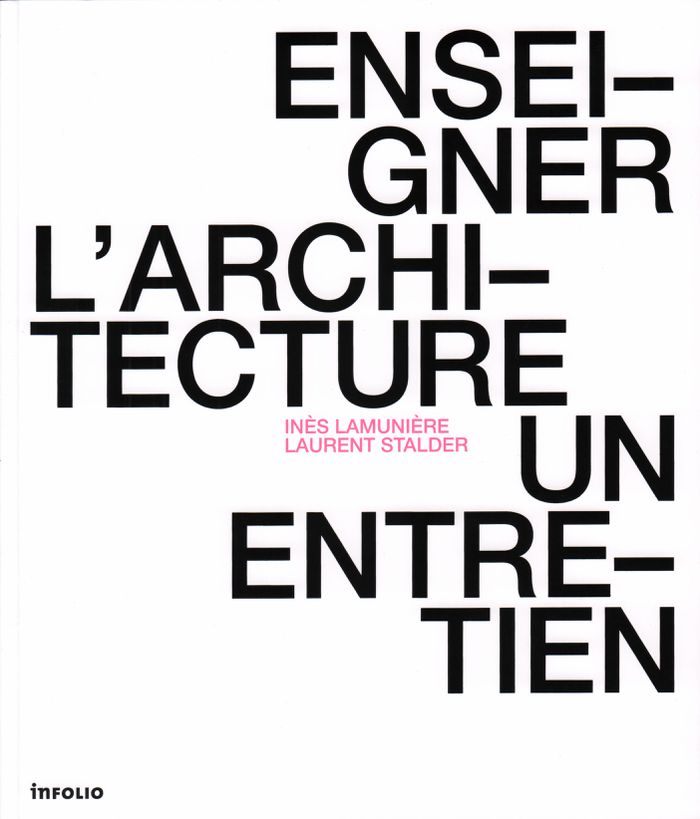
Entretien au cours duquel l'architecte et professeure examine les défis posés par l'architecture en termes d'enseignement, de recherche et de pratique de l'architecture. Une exploration intellectuelle, intuitive, systématique et pratique sous la forme d'un dialogue afin d'appréhender l'avenir de l'architecture.
$73.95
(disponible sur commande)
Résumé:
Entretien au cours duquel l'architecte et professeure examine les défis posés par l'architecture en termes d'enseignement, de recherche et de pratique de l'architecture. Une exploration intellectuelle, intuitive, systématique et pratique sous la forme d'un dialogue afin d'appréhender l'avenir de l'architecture.
Titre:
Enseigner l'architecture : un entretien
Actions:
Prix:
$73.95
(disponible sur commande)
Résumé:
Entretien au cours duquel l'architecte et professeure examine les défis posés par l'architecture en termes d'enseignement, de recherche et de pratique de l'architecture. Une exploration intellectuelle, intuitive, systématique et pratique sous la forme d'un dialogue afin d'appréhender l'avenir de l'architecture.
Enseigner l'architecture : un entretien
Actions:
Prix:
$73.95
(disponible sur commande)
Résumé:
Entretien au cours duquel l'architecte et professeure examine les défis posés par l'architecture en termes d'enseignement, de recherche et de pratique de l'architecture. Une exploration intellectuelle, intuitive, systématique et pratique sous la forme d'un dialogue afin d'appréhender l'avenir de l'architecture.
Classification:
livres
livres
Publication:
mars 2019
mars 2019
Sujet:
Théorie de l’architecture
Théorie de l’architecture
Classification:
livres
livres
Titre:
Open source architecture
Open source architecture
Actions:
Prix:
$27.95
(disponible sur commande)
Résumé:
This provocative book argues that it is high time the practice of architecture moved away from the ego-fuelled grand visions of starchitects to a networked, collaborative, inclusive model inspired by 21st-century trends such as crowd-sourcing, open access and mass customization. But how can collaborative design avoid becoming design-by-committee? Carlo Ratti and Matthew(...)
$27.95
(disponible sur commande)
Résumé:
This provocative book argues that it is high time the practice of architecture moved away from the ego-fuelled grand visions of starchitects to a networked, collaborative, inclusive model inspired by 21st-century trends such as crowd-sourcing, open access and mass customization. But how can collaborative design avoid becoming design-by-committee? Carlo Ratti and Matthew(...)
Titre:
Open source architecture
Actions:
Prix:
$27.95
(disponible sur commande)
Résumé:
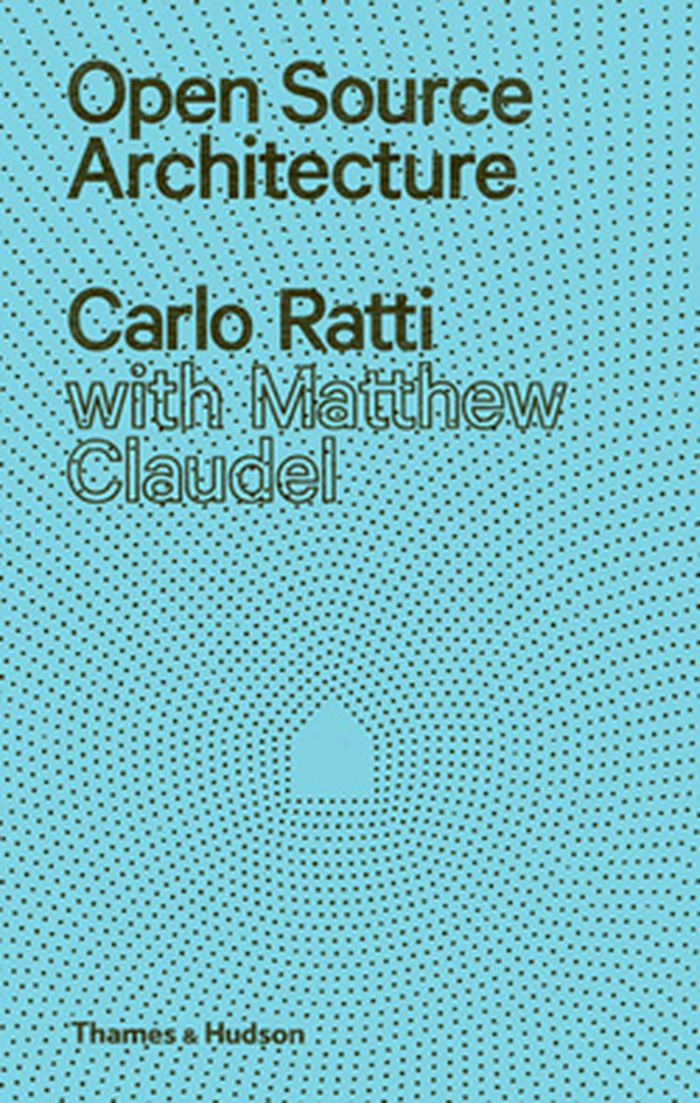
This provocative book argues that it is high time the practice of architecture moved away from the ego-fuelled grand visions of starchitects to a networked, collaborative, inclusive model inspired by 21st-century trends such as crowd-sourcing, open access and mass customization. But how can collaborative design avoid becoming design-by-committee? Carlo Ratti and Matthew Claudel deftly navigate this and other vital questions, considering along the way the applications of open-source architecture not only conceptually, but also in practice. Open Source Architecture is a rallying cry to students and open-minded professionals seeking new perspectives on a profession that the authors passionately believe to be moribund.
Open source architecture
Actions:
Prix:
$27.95
(disponible sur commande)
Résumé:
This provocative book argues that it is high time the practice of architecture moved away from the ego-fuelled grand visions of starchitects to a networked, collaborative, inclusive model inspired by 21st-century trends such as crowd-sourcing, open access and mass customization. But how can collaborative design avoid becoming design-by-committee? Carlo Ratti and Matthew Claudel deftly navigate this and other vital questions, considering along the way the applications of open-source architecture not only conceptually, but also in practice. Open Source Architecture is a rallying cry to students and open-minded professionals seeking new perspectives on a profession that the authors passionately believe to be moribund.
Classification:
livres
livres
Publication:
juin 2015
juin 2015
Sujet:
Architecture contemporaine
Architecture contemporaine
Classification:
livres
livres
Titre:
L'architecture du XXe siècle
L'architecture du XXe siècle
Actions:
Prix:
$49.95
(disponible sur commande)
Résumé:
Ce livre dresse un portrait de l'architecture contemporaine, de Frank Lloyd Wright à Antoni Gaudí, en passant par Frank O. Gehry ou Shigeru Ban, et beaucoup, beaucoup d'autres. Illustré par des centaines de photos grand format ainsi que par des dessins et des plans, l'ouvrage s'organise en chapitres classés par ordre chronologique, qui offrent une bonne remise en(...)
$49.95
(disponible sur commande)
Résumé:
Ce livre dresse un portrait de l'architecture contemporaine, de Frank Lloyd Wright à Antoni Gaudí, en passant par Frank O. Gehry ou Shigeru Ban, et beaucoup, beaucoup d'autres. Illustré par des centaines de photos grand format ainsi que par des dessins et des plans, l'ouvrage s'organise en chapitres classés par ordre chronologique, qui offrent une bonne remise en(...)
Sujet:
Architecture contemporaine
Architecture contemporaine
Publication:
novembre 2013
novembre 2013
Titre:
L'architecture du XXe siècle
Actions:
Prix:
$49.95
(disponible sur commande)
Résumé:
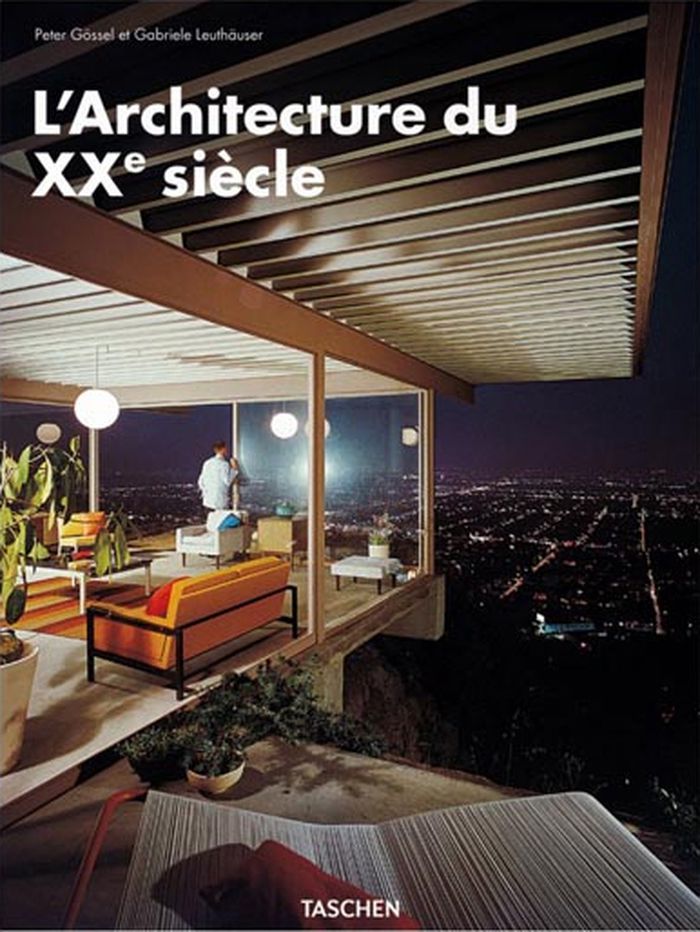
Ce livre dresse un portrait de l'architecture contemporaine, de Frank Lloyd Wright à Antoni Gaudí, en passant par Frank O. Gehry ou Shigeru Ban, et beaucoup, beaucoup d'autres. Illustré par des centaines de photos grand format ainsi que par des dessins et des plans, l'ouvrage s'organise en chapitres classés par ordre chronologique, qui offrent une bonne remise en perspective. L'appendice biographique regroupe les plus grands architectes du siècle comme les nouveaux talents d'aujourd'hui.
L'architecture du XXe siècle
Actions:
Prix:
$49.95
(disponible sur commande)
Résumé:
Ce livre dresse un portrait de l'architecture contemporaine, de Frank Lloyd Wright à Antoni Gaudí, en passant par Frank O. Gehry ou Shigeru Ban, et beaucoup, beaucoup d'autres. Illustré par des centaines de photos grand format ainsi que par des dessins et des plans, l'ouvrage s'organise en chapitres classés par ordre chronologique, qui offrent une bonne remise en perspective. L'appendice biographique regroupe les plus grands architectes du siècle comme les nouveaux talents d'aujourd'hui.
Classification:
livres
livres
Publication:
novembre 2013
novembre 2013
Sujet:
Architecture contemporaine
Architecture contemporaine
Classification:
livres
livres
Titre:
Deleuze and architecture
Deleuze and architecture
Actions:
Prix:
$43.95
(disponible sur commande)
Résumé:
Fifteen essays by interdisciplinary scholars, including John Rajchman (Columbia University), Elizabeth Grosz (Rutgers University), and Brian Massumi (European Graduate School) trace, among other concerns, Deleuze's influence on the emerging biotechnological paradigm and new practices of participatory design. They engage with contemporary approaches to the theory and(...)
$43.95
(disponible sur commande)
Résumé:
Fifteen essays by interdisciplinary scholars, including John Rajchman (Columbia University), Elizabeth Grosz (Rutgers University), and Brian Massumi (European Graduate School) trace, among other concerns, Deleuze's influence on the emerging biotechnological paradigm and new practices of participatory design. They engage with contemporary approaches to the theory and(...)
Titre:
Deleuze and architecture
Actions:
Prix:
$43.95
(disponible sur commande)
Résumé:
Fifteen essays by interdisciplinary scholars, including John Rajchman (Columbia University), Elizabeth Grosz (Rutgers University), and Brian Massumi (European Graduate School) trace, among other concerns, Deleuze's influence on the emerging biotechnological paradigm and new practices of participatory design. They engage with contemporary approaches to the theory and practice of architecture and outline radical agendas for the future practice of Deleuzian thought.
Deleuze and architecture
Actions:
Prix:
$43.95
(disponible sur commande)
Résumé:
Fifteen essays by interdisciplinary scholars, including John Rajchman (Columbia University), Elizabeth Grosz (Rutgers University), and Brian Massumi (European Graduate School) trace, among other concerns, Deleuze's influence on the emerging biotechnological paradigm and new practices of participatory design. They engage with contemporary approaches to the theory and practice of architecture and outline radical agendas for the future practice of Deleuzian thought.
Classification:
livres
livres
Publication:
juin 2013
juin 2013
Sujet:
Théorie de l’architecture
Théorie de l’architecture
Classification:
livres
livres
Actions:
Prix:
$35.00
(disponible en magasin)
Résumé:
Manuscrit retrouvé récemment dans la bibliothèque personnelle de la résidence secondaire d'Henri Lefebvre, « Vers une architecture de la jouissance » paraît pour la première fois en français. Manuscrit retrouvé récemment dans la bibliothèque personnelle de la résidence secondaire d'Henri Lefebvre à Saragosse, Vers une architecture de la jouissance interroge les(...)
$35.00
(disponible en magasin)
Résumé:
Manuscrit retrouvé récemment dans la bibliothèque personnelle de la résidence secondaire d'Henri Lefebvre, « Vers une architecture de la jouissance » paraît pour la première fois en français. Manuscrit retrouvé récemment dans la bibliothèque personnelle de la résidence secondaire d'Henri Lefebvre à Saragosse, Vers une architecture de la jouissance interroge les(...)
Titre:
Vers une architecture de la joissance
Actions:
Prix:
$35.00
(disponible en magasin)
Résumé:
Manuscrit retrouvé récemment dans la bibliothèque personnelle de la résidence secondaire d'Henri Lefebvre, « Vers une architecture de la jouissance » paraît pour la première fois en français. Manuscrit retrouvé récemment dans la bibliothèque personnelle de la résidence secondaire d'Henri Lefebvre à Saragosse, Vers une architecture de la jouissance interroge les différentes formes de jouissance que l'architecture contemporaine revêt. Terme difficilement traduisible, la jouissance dont parle Henri Lefebvre dans ce texte oscille entre le plaisir, la sensualité, la volupté, le délice, le bien-être. Elle devient ici la redécouverte d'un corps architectural à la mesure de la sensualité du corps de l'homme. Mais elle est surtout le rejet de l'ascétisme au sens où Nietzsche en parle dans le Zarathoustra quand il en fait l'expédient du prêtre qui assèche la vie en refusant toute légèreté. L'ouvrage réinterroge ainsi le principe d'habitation sur lequel Henri Lefebvre à travaillé tout au long de sa carrière. Professeur de sociologie à l'Université de Nanterre de 1965 à 1973, il a marqué toute une génération de sociologues, d'architectes et d'urbanistes. « Le Droit à la ville » de 1968 et « La Production de l'espace » de 1974 sont les piliers de son questionnement sur l'habitabilité de notre espace à vivre.
Vers une architecture de la joissance
Actions:
Prix:
$35.00
(disponible en magasin)
Résumé:
Manuscrit retrouvé récemment dans la bibliothèque personnelle de la résidence secondaire d'Henri Lefebvre, « Vers une architecture de la jouissance » paraît pour la première fois en français. Manuscrit retrouvé récemment dans la bibliothèque personnelle de la résidence secondaire d'Henri Lefebvre à Saragosse, Vers une architecture de la jouissance interroge les différentes formes de jouissance que l'architecture contemporaine revêt. Terme difficilement traduisible, la jouissance dont parle Henri Lefebvre dans ce texte oscille entre le plaisir, la sensualité, la volupté, le délice, le bien-être. Elle devient ici la redécouverte d'un corps architectural à la mesure de la sensualité du corps de l'homme. Mais elle est surtout le rejet de l'ascétisme au sens où Nietzsche en parle dans le Zarathoustra quand il en fait l'expédient du prêtre qui assèche la vie en refusant toute légèreté. L'ouvrage réinterroge ainsi le principe d'habitation sur lequel Henri Lefebvre à travaillé tout au long de sa carrière. Professeur de sociologie à l'Université de Nanterre de 1965 à 1973, il a marqué toute une génération de sociologues, d'architectes et d'urbanistes. « Le Droit à la ville » de 1968 et « La Production de l'espace » de 1974 sont les piliers de son questionnement sur l'habitabilité de notre espace à vivre.
Classification:
livres
livres
Publication:
juillet 2023
juillet 2023
Sujet:
Théorie de l’architecture
Théorie de l’architecture
Classification:
livres
livres
Titre:
Vers une architecture, n.é.
Vers une architecture, n.é.
Actions:
Prix:
$24.95
(disponible en magasin)
Résumé:
« Vers une architecture aura été le texte le plus célèbre, le plus publié, le plus traduit, le plus lu de tous les manifestes de l'architecture moderne à travers le monde ». Traité théorique, ouvrage polémique, manifeste programmatique, « Vers une architecture » tient de toutes ces catégories à la fois, sans appartenir à aucune. Appliqués à des bâtiments industriels, des(...)
$24.95
(disponible en magasin)
Résumé:
« Vers une architecture aura été le texte le plus célèbre, le plus publié, le plus traduit, le plus lu de tous les manifestes de l'architecture moderne à travers le monde ». Traité théorique, ouvrage polémique, manifeste programmatique, « Vers une architecture » tient de toutes ces catégories à la fois, sans appartenir à aucune. Appliqués à des bâtiments industriels, des(...)
Titre:
Vers une architecture, n.é.
Actions:
Prix:
$24.95
(disponible en magasin)
Résumé:
« Vers une architecture aura été le texte le plus célèbre, le plus publié, le plus traduit, le plus lu de tous les manifestes de l'architecture moderne à travers le monde ». Traité théorique, ouvrage polémique, manifeste programmatique, « Vers une architecture » tient de toutes ces catégories à la fois, sans appartenir à aucune. Appliqués à des bâtiments industriels, des objets mécaniques et des monuments historiques, le regard neuf et le style irrévérencieux de Le Corbusier ont révolutionné la pensée architecturale et la manière de prendre en compte les transformations de la vie moderne. Publié pour la première fois en 1923, Vers une architecture n'a cessé depuis lors de nourrir les conceptions des architectes et de guider leurs pas « vers » une architecture nouvelle.
Vers une architecture, n.é.
Actions:
Prix:
$24.95
(disponible en magasin)
Résumé:
« Vers une architecture aura été le texte le plus célèbre, le plus publié, le plus traduit, le plus lu de tous les manifestes de l'architecture moderne à travers le monde ». Traité théorique, ouvrage polémique, manifeste programmatique, « Vers une architecture » tient de toutes ces catégories à la fois, sans appartenir à aucune. Appliqués à des bâtiments industriels, des objets mécaniques et des monuments historiques, le regard neuf et le style irrévérencieux de Le Corbusier ont révolutionné la pensée architecturale et la manière de prendre en compte les transformations de la vie moderne. Publié pour la première fois en 1923, Vers une architecture n'a cessé depuis lors de nourrir les conceptions des architectes et de guider leurs pas « vers » une architecture nouvelle.
Classification:
livres
livres
Publication:
avril 2025
avril 2025
Sujet:
Architecture, monographies
Architecture, monographies
Classification:
livres
livres
Actions:
Prix:
$44.50
(disponible sur commande)
Résumé:
L’originalité même de cet ouvrage précis, documenté, neuf dans le champ de la critique architecturale, tient en sa capacité à démontrer que le lieu – c’est-à-dire l’espace singulier – a été travaillé et transformé par l’architecture à travers l’histoire, les cultures et les styles de toutes les époques, de tous les pays. Le lieu qui n’est jamais neutre permet, et mieux(...)
$44.50
(disponible sur commande)
Résumé:
L’originalité même de cet ouvrage précis, documenté, neuf dans le champ de la critique architecturale, tient en sa capacité à démontrer que le lieu – c’est-à-dire l’espace singulier – a été travaillé et transformé par l’architecture à travers l’histoire, les cultures et les styles de toutes les époques, de tous les pays. Le lieu qui n’est jamais neutre permet, et mieux(...)
Sujet:
Théorie de l’architecture
Théorie de l’architecture
Publication:
janvier 1900, Paris
janvier 1900, Paris
Titre:
Édifier : l'architecture et le lieu
Actions:
Prix:
$44.50
(disponible sur commande)
Résumé:
L’originalité même de cet ouvrage précis, documenté, neuf dans le champ de la critique architecturale, tient en sa capacité à démontrer que le lieu – c’est-à-dire l’espace singulier – a été travaillé et transformé par l’architecture à travers l’histoire, les cultures et les styles de toutes les époques, de tous les pays. Le lieu qui n’est jamais neutre permet, et mieux encore favorise, promeut un projet d’espace qui trouve dans l’architecture une résolution stable à travers la production et la cristallisation d’une forme lorsque celle-ci s’associe sur la durée à ses environnements naturel et social. « Le lieu est un espace inscrit, qualifié, valorisé. » Au moment où les villes historiques semblent vouées à disparaître dans des agglomérations qui ne sont plus des lieux parce qu’y vivre ensemble devient impossible, ces dernières « expriment » l’absence du projet par lequel elles se sont extraites du vide, se sont développées et se sont étendues sur un vaste territoire par la puissance (symbolique, imaginaire…) issue de la volonté d’édifier. Loin de ressasser un passé désormais révolu, défait par les coups de boutoir d’une modernité aujourd’hui dévastatrice, les auteurs ont pointé la radicalité du phénomène de destruction du projet de la ville en tant que lieu propre de l’édifier. Grâce à une recherche féconde menée depuis plusieurs années, à une grande érudition, et à un savoir puisant ses exemples dans le patrimoine architectural mondial, ils nous invitent à considérer l’édifier comme une dimension essentielle de notre existence.
Édifier : l'architecture et le lieu
Actions:
Prix:
$44.50
(disponible sur commande)
Résumé:
L’originalité même de cet ouvrage précis, documenté, neuf dans le champ de la critique architecturale, tient en sa capacité à démontrer que le lieu – c’est-à-dire l’espace singulier – a été travaillé et transformé par l’architecture à travers l’histoire, les cultures et les styles de toutes les époques, de tous les pays. Le lieu qui n’est jamais neutre permet, et mieux encore favorise, promeut un projet d’espace qui trouve dans l’architecture une résolution stable à travers la production et la cristallisation d’une forme lorsque celle-ci s’associe sur la durée à ses environnements naturel et social. « Le lieu est un espace inscrit, qualifié, valorisé. » Au moment où les villes historiques semblent vouées à disparaître dans des agglomérations qui ne sont plus des lieux parce qu’y vivre ensemble devient impossible, ces dernières « expriment » l’absence du projet par lequel elles se sont extraites du vide, se sont développées et se sont étendues sur un vaste territoire par la puissance (symbolique, imaginaire…) issue de la volonté d’édifier. Loin de ressasser un passé désormais révolu, défait par les coups de boutoir d’une modernité aujourd’hui dévastatrice, les auteurs ont pointé la radicalité du phénomène de destruction du projet de la ville en tant que lieu propre de l’édifier. Grâce à une recherche féconde menée depuis plusieurs années, à une grande érudition, et à un savoir puisant ses exemples dans le patrimoine architectural mondial, ils nous invitent à considérer l’édifier comme une dimension essentielle de notre existence.
Classification:
livres
livres
Publication:
janvier 1900, Paris
janvier 1900, Paris
Sujet:
Théorie de l’architecture
Théorie de l’architecture
Classification:
livres
livres
Actions:
Prix:
$74.95
(disponible sur commande)
Résumé:
Solar energy is set to play an ever-increasing role in generating the form and affecting the appearance and construction of buildings. This guide provides an overview of how photovoltaics work and how they are incorporated in the design of buildings.
$74.95
(disponible sur commande)
Résumé:
Solar energy is set to play an ever-increasing role in generating the form and affecting the appearance and construction of buildings. This guide provides an overview of how photovoltaics work and how they are incorporated in the design of buildings.
Titre:
Photovoltaics and architecture
Actions:
Prix:
$74.95
(disponible sur commande)
Résumé:
Solar energy is set to play an ever-increasing role in generating the form and affecting the appearance and construction of buildings. This guide provides an overview of how photovoltaics work and how they are incorporated in the design of buildings.
Photovoltaics and architecture
Actions:
Prix:
$74.95
(disponible sur commande)
Résumé:
Solar energy is set to play an ever-increasing role in generating the form and affecting the appearance and construction of buildings. This guide provides an overview of how photovoltaics work and how they are incorporated in the design of buildings.
Classification:
livres
livres
Publication:
mars 2001, London
mars 2001, London
Sujet:
Architecture écologique
Architecture écologique
Classification:
livres
livres
Titre:
Mind in architecture
Mind in architecture
Actions:
Prix:
$49.00
(disponible sur commande)
Résumé:
Although we spend more than ninety percent of our lives inside buildings, we understand very little about how the built environment affects our behavior, thoughts, emotions, and well-being. We are biological beings whose senses and neural systems have developed over millions of years; it stands to reason that research in the life sciences, particularly neuroscience, can(...)
$49.00
(disponible sur commande)
Résumé:
Although we spend more than ninety percent of our lives inside buildings, we understand very little about how the built environment affects our behavior, thoughts, emotions, and well-being. We are biological beings whose senses and neural systems have developed over millions of years; it stands to reason that research in the life sciences, particularly neuroscience, can(...)
Titre:
Mind in architecture
Actions:
Prix:
$49.00
(disponible sur commande)
Résumé:
Although we spend more than ninety percent of our lives inside buildings, we understand very little about how the built environment affects our behavior, thoughts, emotions, and well-being. We are biological beings whose senses and neural systems have developed over millions of years; it stands to reason that research in the life sciences, particularly neuroscience, can offer compelling insights into the ways our buildings shape our interactions with the world. This expanded understanding can help architects design buildings that support both mind and body. In Mind in Architecture, leading thinkers from architecture and other disciplines, including neuroscience, cognitive science, psychiatry, and philosophy, explore what architecture and neuroscience can learn from each other. They offer historical context, examine the implications for current architectural practice and education, and imagine a neuroscientifically informed architecture of the future.
Mind in architecture
Actions:
Prix:
$49.00
(disponible sur commande)
Résumé:
Although we spend more than ninety percent of our lives inside buildings, we understand very little about how the built environment affects our behavior, thoughts, emotions, and well-being. We are biological beings whose senses and neural systems have developed over millions of years; it stands to reason that research in the life sciences, particularly neuroscience, can offer compelling insights into the ways our buildings shape our interactions with the world. This expanded understanding can help architects design buildings that support both mind and body. In Mind in Architecture, leading thinkers from architecture and other disciplines, including neuroscience, cognitive science, psychiatry, and philosophy, explore what architecture and neuroscience can learn from each other. They offer historical context, examine the implications for current architectural practice and education, and imagine a neuroscientifically informed architecture of the future.
Classification:
livres
livres
Publication:
mars 2017
mars 2017
Sujet:
Théorie de l’architecture
Théorie de l’architecture
Classification:
livres
livres
Actions:
Prix:
$130.00
(disponible en magasin)
Résumé:
A visually immersive celebration of recent residential, commercial, institutional, and mixed-use projects, this book reveals the poetic spirit and guiding principles behind the firm’s unmistakable architectural language; the calming presence of water and fountains encourages reflection; bold, expressive color brings warmth and vitality; and the clarity of geometric form(...)
$130.00
(disponible en magasin)
Résumé:
A visually immersive celebration of recent residential, commercial, institutional, and mixed-use projects, this book reveals the poetic spirit and guiding principles behind the firm’s unmistakable architectural language; the calming presence of water and fountains encourages reflection; bold, expressive color brings warmth and vitality; and the clarity of geometric form(...)
Titre:
Legorreta: Mexican Architecture
Actions:
Prix:
$130.00
(disponible en magasin)
Résumé:
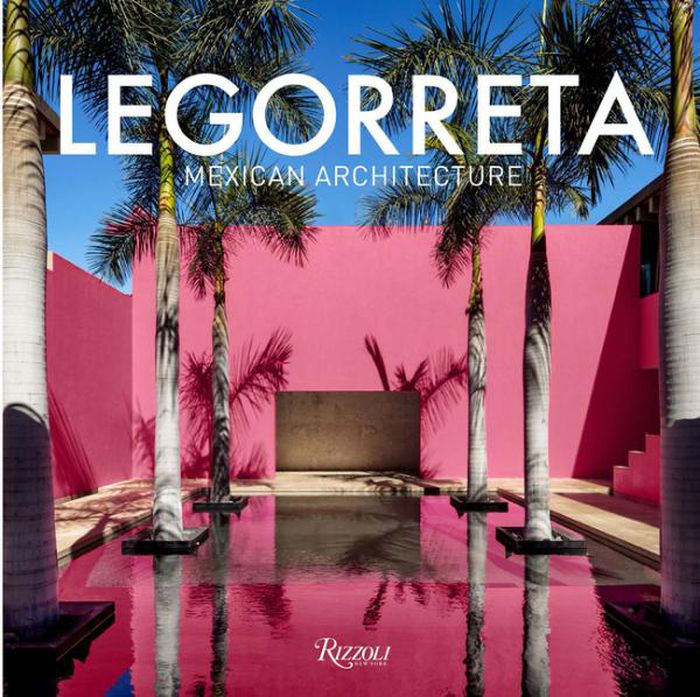
A visually immersive celebration of recent residential, commercial, institutional, and mixed-use projects, this book reveals the poetic spirit and guiding principles behind the firm’s unmistakable architectural language; the calming presence of water and fountains encourages reflection; bold, expressive color brings warmth and vitality; and the clarity of geometric form creates spaces that feel both uplifting and composed. Together, these qualities shape an architecture that is enduring, distinct, and profoundly human. Readers are transported into environments where architecture, art, and landscape converge—from the breathtaking, color-saturated Casa Grande located in Los Cabos, and La Pausa House seamlessly embedded in the landscape of Valle de Bravo, to the dramatic coast of Jalisco at the monumental Four Seasons Tamarindo. Rooted in Mexico’s cultural identity yet informed by a global perspective, Legorreta’s work reflects a commitment to material richness, environmental sensitivity, and designing spaces that enhance daily life.
Legorreta: Mexican Architecture
Actions:
Prix:
$130.00
(disponible en magasin)
Résumé:
A visually immersive celebration of recent residential, commercial, institutional, and mixed-use projects, this book reveals the poetic spirit and guiding principles behind the firm’s unmistakable architectural language; the calming presence of water and fountains encourages reflection; bold, expressive color brings warmth and vitality; and the clarity of geometric form creates spaces that feel both uplifting and composed. Together, these qualities shape an architecture that is enduring, distinct, and profoundly human. Readers are transported into environments where architecture, art, and landscape converge—from the breathtaking, color-saturated Casa Grande located in Los Cabos, and La Pausa House seamlessly embedded in the landscape of Valle de Bravo, to the dramatic coast of Jalisco at the monumental Four Seasons Tamarindo. Rooted in Mexico’s cultural identity yet informed by a global perspective, Legorreta’s work reflects a commitment to material richness, environmental sensitivity, and designing spaces that enhance daily life.
Classification:
livres
livres
Publication:
septembre 2026
septembre 2026
Sujet:
Architecture, monographies
Architecture, monographies


