


209 Résultats
Classification:
livres
livres
Actions:
Exemplaires:
Description:
x, 157 pages : illustrations (some color), portraits ; 23cm.
Description:
x, 157 pages : illustrations (some color), portraits ; 23cm.
Auteur:
Sujet:
Publication:
Halifax [Nova Scotia] : Fernwood Publishing, 2018., ©2018
Halifax [Nova Scotia] : Fernwood Publishing, 2018., ©2018
Titre:
On this patch of grass : city parks on occupied land / Daisy Couture, Sadie Couture, Selena Couture and Matt Hern ; with Denise Ferreira da Silva, Glen Coulthard, Erick Villagomez.
Actions:
Exemplaires:
Description:
x, 157 pages : illustrations (some color), portraits ; 23cm.
On this patch of grass : city parks on occupied land / Daisy Couture, Sadie Couture, Selena Couture and Matt Hern ; with Denise Ferreira da Silva, Glen Coulthard, Erick Villagomez.
Actions:
Exemplaires:
Description:
x, 157 pages : illustrations (some color), portraits ; 23cm.
Classification:
livres
livres
Publication:
Halifax [Nova Scotia] : Fernwood Publishing, 2018., ©2018
Halifax [Nova Scotia] : Fernwood Publishing, 2018., ©2018
Auteur:
Sujet:
Classification:
livres
livres
Titre:
African cinema and urbanism
African cinema and urbanism
Actions:
Prix:
$35.95
(disponible sur commande)
Résumé:
The changing nature of African landscapes, from rural to urbanized spaces, has been a pre-occupation of African media producers since the beginnings of the African film industry in the 1960s. The authors bring together several examples of African documentary and fiction screen media that present, evaluate and criticize urban and rural landscapes, and the rural and urban(...)
$35.95
(disponible sur commande)
Résumé:
The changing nature of African landscapes, from rural to urbanized spaces, has been a pre-occupation of African media producers since the beginnings of the African film industry in the 1960s. The authors bring together several examples of African documentary and fiction screen media that present, evaluate and criticize urban and rural landscapes, and the rural and urban(...)
Publication:
décembre 2024
décembre 2024
Titre:
African cinema and urbanism
Actions:
Prix:
$35.95
(disponible sur commande)
Résumé:
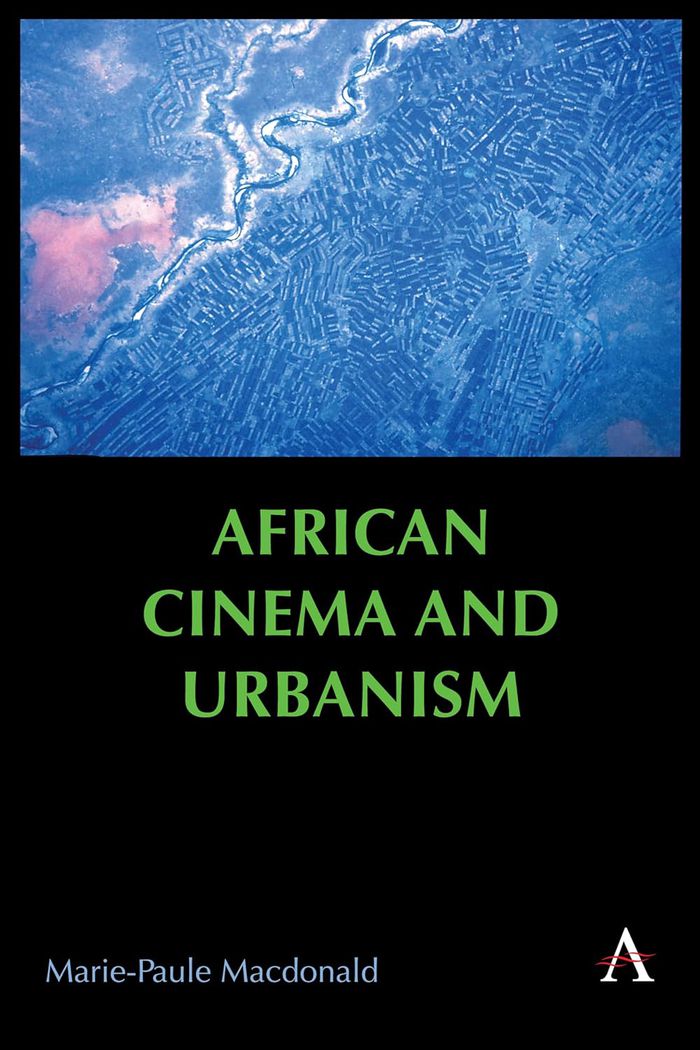
The changing nature of African landscapes, from rural to urbanized spaces, has been a pre-occupation of African media producers since the beginnings of the African film industry in the 1960s. The authors bring together several examples of African documentary and fiction screen media that present, evaluate and criticize urban and rural landscapes, and the rural and urban dynamic of development, in relation to contemporary issues, from biodiversity, sustainability and deforestation, to inequity, women’s rights, political instability, to climate change-related themes of water and food supply, security and sovereignty. These works, comprising multi-platform cinema, streamed moving images and especially documentaries, depict the situations and open the door to rethinking and eventually to the possibilities of proposals responding to the situations portrayed.
African cinema and urbanism
Actions:
Prix:
$35.95
(disponible sur commande)
Résumé:
The changing nature of African landscapes, from rural to urbanized spaces, has been a pre-occupation of African media producers since the beginnings of the African film industry in the 1960s. The authors bring together several examples of African documentary and fiction screen media that present, evaluate and criticize urban and rural landscapes, and the rural and urban dynamic of development, in relation to contemporary issues, from biodiversity, sustainability and deforestation, to inequity, women’s rights, political instability, to climate change-related themes of water and food supply, security and sovereignty. These works, comprising multi-platform cinema, streamed moving images and especially documentaries, depict the situations and open the door to rethinking and eventually to the possibilities of proposals responding to the situations portrayed.
Classification:
livres
livres
Publication:
décembre 2024
décembre 2024
Classification:
livres
livres
Titre:
What is a border?
What is a border?
Actions:
Prix:
$18.95
(disponible sur commande)
Résumé:
The fall of the Berlin Wall, symbol of the bipolar order that emerged after World War II, seemed to inaugurate an age of ever fewer borders. The liberalization and integration of markets, the creation of vast free-trade zones, the birth of a new political and monetary union in Europe—all seemed to point in that direction. Only thirty years later, the tendency appears to(...)
$18.95
(disponible sur commande)
Résumé:
The fall of the Berlin Wall, symbol of the bipolar order that emerged after World War II, seemed to inaugurate an age of ever fewer borders. The liberalization and integration of markets, the creation of vast free-trade zones, the birth of a new political and monetary union in Europe—all seemed to point in that direction. Only thirty years later, the tendency appears to(...)
Titre:
What is a border?
Actions:
Prix:
$18.95
(disponible sur commande)
Résumé:
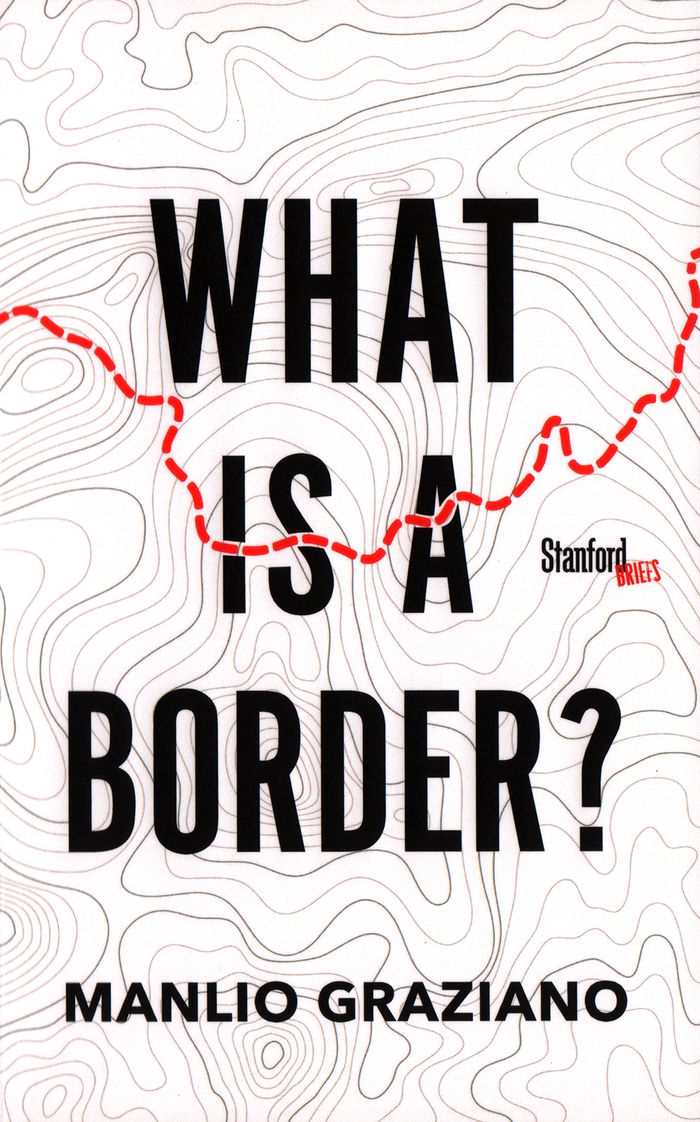
The fall of the Berlin Wall, symbol of the bipolar order that emerged after World War II, seemed to inaugurate an age of ever fewer borders. The liberalization and integration of markets, the creation of vast free-trade zones, the birth of a new political and monetary union in Europe—all seemed to point in that direction. Only thirty years later, the tendency appears to be quite the opposite. Talk of a wall with Mexico is only one sign among many that boundaries and borders are being revisited, expanding in number, and being reintroduced where they had virtually been abolished. Is this an out-of-step, deceptive last gasp of national sovereignty or the victory of the weight of history over the power of place?
What is a border?
Actions:
Prix:
$18.95
(disponible sur commande)
Résumé:
The fall of the Berlin Wall, symbol of the bipolar order that emerged after World War II, seemed to inaugurate an age of ever fewer borders. The liberalization and integration of markets, the creation of vast free-trade zones, the birth of a new political and monetary union in Europe—all seemed to point in that direction. Only thirty years later, the tendency appears to be quite the opposite. Talk of a wall with Mexico is only one sign among many that boundaries and borders are being revisited, expanding in number, and being reintroduced where they had virtually been abolished. Is this an out-of-step, deceptive last gasp of national sovereignty or the victory of the weight of history over the power of place?
Classification:
livres
livres
Publication:
février 2018
février 2018
Sujet:
Théorie de l’architecture
Théorie de l’architecture
Classification:
livres
livres
Actions:
Prix:
$24.95
(disponible sur commande)
Résumé:
The old dream of social belonging and political sovereignty--the dream of nation--was fraught with anxiety and contradiction for many artists and intellectuals in the 1950s. On the one hand, memories of the Second World War remained vivid and the chauvinism that had enabled it threatened to return with the growing tensions of the Cold War. On the other hand, the need to(...)
$24.95
(disponible sur commande)
Résumé:
The old dream of social belonging and political sovereignty--the dream of nation--was fraught with anxiety and contradiction for many artists and intellectuals in the 1950s. On the one hand, memories of the Second World War remained vivid and the chauvinism that had enabled it threatened to return with the growing tensions of the Cold War. On the other hand, the need to(...)
Titre:
The pivot of the world : photography and its nation
Actions:
Prix:
$24.95
(disponible sur commande)
Résumé:
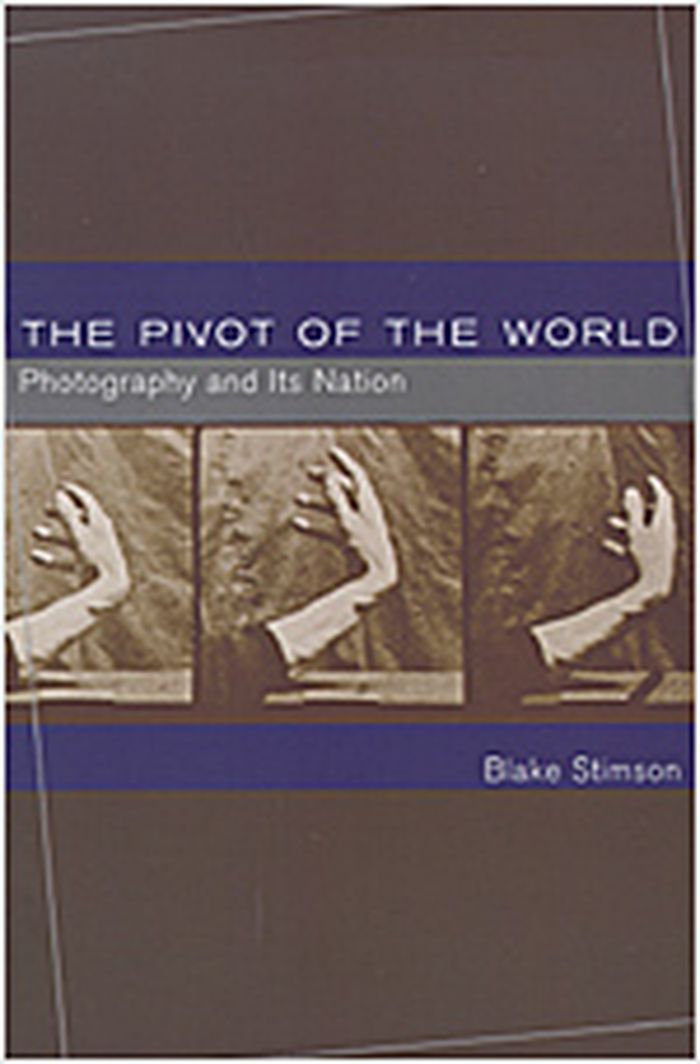
The old dream of social belonging and political sovereignty--the dream of nation--was fraught with anxiety and contradiction for many artists and intellectuals in the 1950s. On the one hand, memories of the Second World War remained vivid and the chauvinism that had enabled it threatened to return with the growing tensions of the Cold War. On the other hand, the need to bind together into a new global identity--into a world nation or "family of man"--seemed ever more pressing as a bulwark against the rapidly expanding threat of a nuclear World War III. The Pivot of the World looks at an exceptional effort to work out that geopolitical tension by cultural means as developed in three hugely ambitious photographic projects: The Family of Man exhibition that opened in 1955 and traveled the world for the next decade; Robert Frank's influential book The Americans, photographed in 1955-1956 and first published in 1958; and Bernd and Hilla Becher's typological record of industrial architecture, begun in 1957 and continuing today. Each of these projects worked to release the dream of nation--of belonging and sovereignty--from its old civic trappings through the medium of photography's serial form, in the experience of one photograph followed by another and another and another, so that all seem at once intimately connected and at the same time autonomous and distinct. Innovations in the serial composition of photographic form could open new possibilities for social form while the modern desire for political belonging could be made cosmopolitan, could be globalized--but in the most human of ways. This epic sense of purpose lasted only for a moment--it had already passed by the beginning of the 1960s--but it bears particular interest for any historical understanding of the contest over globalization that continues to hold such great consequence for us now.
The pivot of the world : photography and its nation
Actions:
Prix:
$24.95
(disponible sur commande)
Résumé:
The old dream of social belonging and political sovereignty--the dream of nation--was fraught with anxiety and contradiction for many artists and intellectuals in the 1950s. On the one hand, memories of the Second World War remained vivid and the chauvinism that had enabled it threatened to return with the growing tensions of the Cold War. On the other hand, the need to bind together into a new global identity--into a world nation or "family of man"--seemed ever more pressing as a bulwark against the rapidly expanding threat of a nuclear World War III. The Pivot of the World looks at an exceptional effort to work out that geopolitical tension by cultural means as developed in three hugely ambitious photographic projects: The Family of Man exhibition that opened in 1955 and traveled the world for the next decade; Robert Frank's influential book The Americans, photographed in 1955-1956 and first published in 1958; and Bernd and Hilla Becher's typological record of industrial architecture, begun in 1957 and continuing today. Each of these projects worked to release the dream of nation--of belonging and sovereignty--from its old civic trappings through the medium of photography's serial form, in the experience of one photograph followed by another and another and another, so that all seem at once intimately connected and at the same time autonomous and distinct. Innovations in the serial composition of photographic form could open new possibilities for social form while the modern desire for political belonging could be made cosmopolitan, could be globalized--but in the most human of ways. This epic sense of purpose lasted only for a moment--it had already passed by the beginning of the 1960s--but it bears particular interest for any historical understanding of the contest over globalization that continues to hold such great consequence for us now.
Classification:
livres
livres
Publication:
janvier 2006, Cambridge, Mass.
janvier 2006, Cambridge, Mass.
Sujet:
Théorie de la photographie
Théorie de la photographie
Classification:
livres
livres
Actions:
Prix:
$64.95
(disponible sur commande)
Résumé:
"Many norths: spatial practice in a polar territory" charts the unique spatial realities of Canada’s Arctic region, an immense territory populated with small, dispersed communities. The region has undergone dramatic transformations in the name of sovereignty, aboriginal affairs management, resources, and trade, among others. For most of the Arctic’s modern history,(...)
$64.95
(disponible sur commande)
Résumé:
"Many norths: spatial practice in a polar territory" charts the unique spatial realities of Canada’s Arctic region, an immense territory populated with small, dispersed communities. The region has undergone dramatic transformations in the name of sovereignty, aboriginal affairs management, resources, and trade, among others. For most of the Arctic’s modern history,(...)
Publication:
juin 2017
juin 2017
Titre:
Many norths: spatial practice in a polar territory
Actions:
Prix:
$64.95
(disponible sur commande)
Résumé:
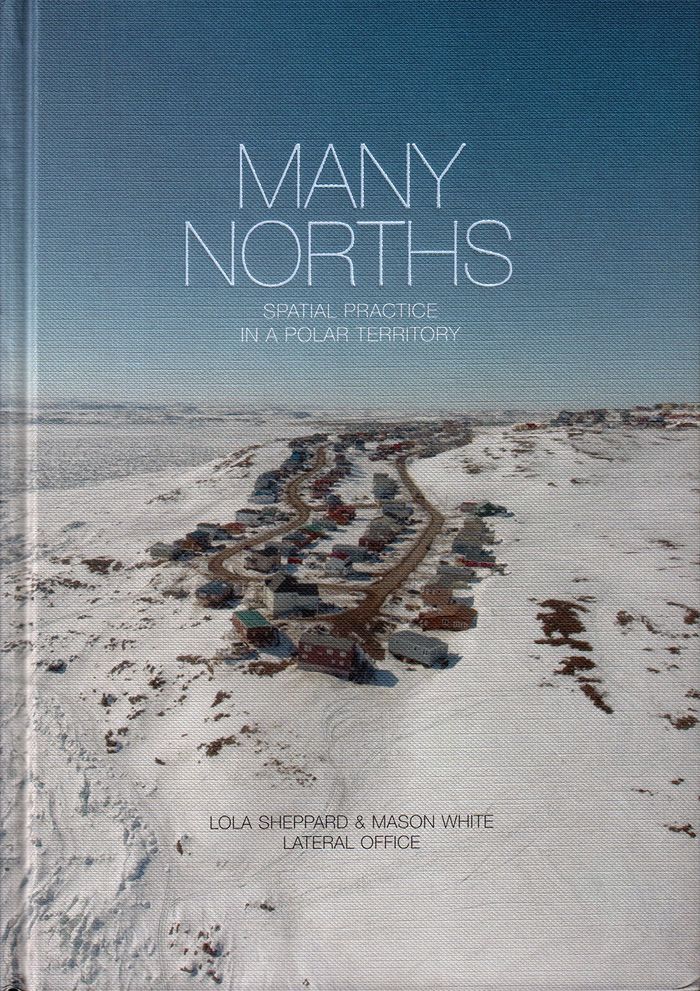
"Many norths: spatial practice in a polar territory" charts the unique spatial realities of Canada’s Arctic region, an immense territory populated with small, dispersed communities. The region has undergone dramatic transformations in the name of sovereignty, aboriginal affairs management, resources, and trade, among others. For most of the Arctic’s modern history, architecture, infrastructure, and settlements have been the tools of colonialism. Today, tradition and modernity are intertwined. Northerners have demonstrated remarkable adaptation and resilience as powerful climatic, social, and economic pressures collide. This unprecedented book documents—through the themes of urbanism, architecture, mobility, monitoring, and resources—the multiplicity of norths that appear and the spatial practices employed to negotiate it. Using innovative drawings, maps, timelines, as well as essays and interviews, Many Norths reveals a distinct northern vernacular.
Many norths: spatial practice in a polar territory
Actions:
Prix:
$64.95
(disponible sur commande)
Résumé:
"Many norths: spatial practice in a polar territory" charts the unique spatial realities of Canada’s Arctic region, an immense territory populated with small, dispersed communities. The region has undergone dramatic transformations in the name of sovereignty, aboriginal affairs management, resources, and trade, among others. For most of the Arctic’s modern history, architecture, infrastructure, and settlements have been the tools of colonialism. Today, tradition and modernity are intertwined. Northerners have demonstrated remarkable adaptation and resilience as powerful climatic, social, and economic pressures collide. This unprecedented book documents—through the themes of urbanism, architecture, mobility, monitoring, and resources—the multiplicity of norths that appear and the spatial practices employed to negotiate it. Using innovative drawings, maps, timelines, as well as essays and interviews, Many Norths reveals a distinct northern vernacular.
Classification:
livres
livres
Publication:
juin 2017
juin 2017
Classification:
livres
livres
Actions:
Prix:
$41.50
(disponible sur commande)
Résumé:
As the design industry reexamines its emphasis on Eurocentric ideologies and wrestles with its conventional practices, ''Centered'' advocates for highlighting and giving a voice to the people, places, methods, ideas, and beliefs that have been eclipsed or excluded by dominant design movements. Curated by Kaleena Sales, a powerful voice and noted advocate for diversity in(...)
$41.50
(disponible sur commande)
Résumé:
As the design industry reexamines its emphasis on Eurocentric ideologies and wrestles with its conventional practices, ''Centered'' advocates for highlighting and giving a voice to the people, places, methods, ideas, and beliefs that have been eclipsed or excluded by dominant design movements. Curated by Kaleena Sales, a powerful voice and noted advocate for diversity in(...)
Titre:
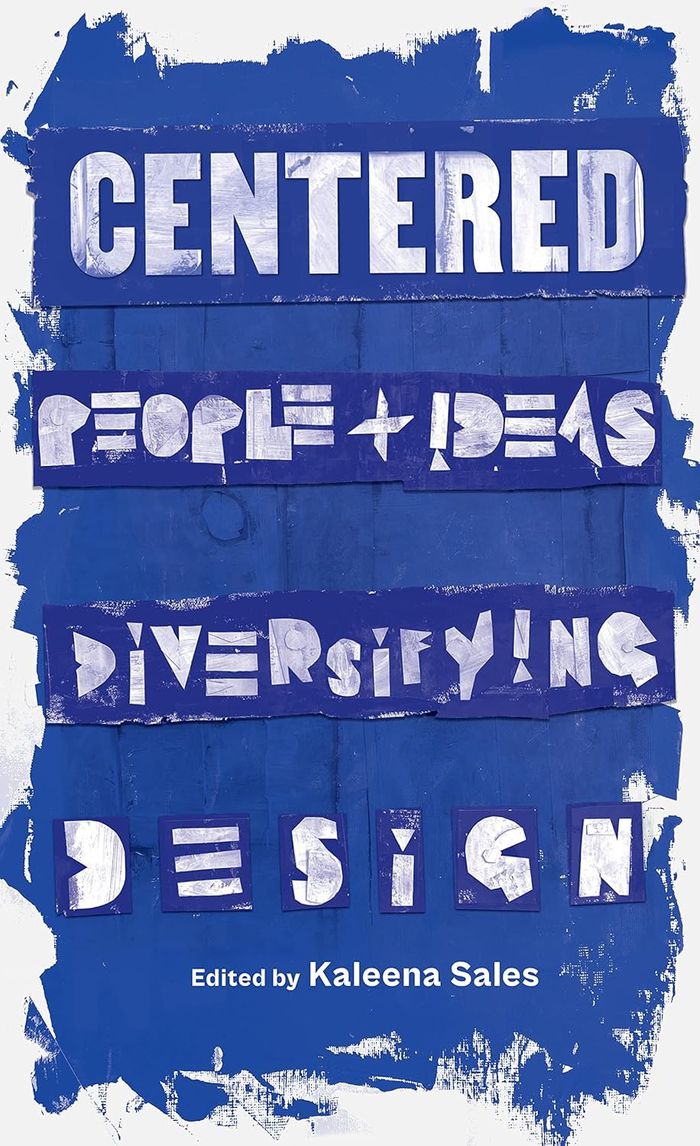
Centered: people and ideas diversifying design
Actions:
Prix:
$41.50
(disponible sur commande)
Résumé:
As the design industry reexamines its emphasis on Eurocentric ideologies and wrestles with its conventional practices, ''Centered'' advocates for highlighting and giving a voice to the people, places, methods, ideas, and beliefs that have been eclipsed or excluded by dominant design movements. Curated by Kaleena Sales, a powerful voice and noted advocate for diversity in the design community, the thirteen essays and interviews in this volume feature important and underrepresented design work and projects, both historical and present-day, including: Gee’s Bend Quilters, by Stephen Child and Isabella D’Agnenica; A Chinese Typographic Archive, by YuJune Park and Caspar Lam; Indigenous Sovereignty and Design: An Interview with Sadie Red Wing (Her Shawl is Yellow); The Truck Art of India, by Shantanu Suman; New Lessons from the Bauhaus: An Interview with Ellen Lupton; Vocal Type: An Interview with Tré Seals; Decolonizing Graphic Design, A Must, by Cheryl D. Miller.
Centered: people and ideas diversifying design
Actions:
Prix:
$41.50
(disponible sur commande)
Résumé:
As the design industry reexamines its emphasis on Eurocentric ideologies and wrestles with its conventional practices, ''Centered'' advocates for highlighting and giving a voice to the people, places, methods, ideas, and beliefs that have been eclipsed or excluded by dominant design movements. Curated by Kaleena Sales, a powerful voice and noted advocate for diversity in the design community, the thirteen essays and interviews in this volume feature important and underrepresented design work and projects, both historical and present-day, including: Gee’s Bend Quilters, by Stephen Child and Isabella D’Agnenica; A Chinese Typographic Archive, by YuJune Park and Caspar Lam; Indigenous Sovereignty and Design: An Interview with Sadie Red Wing (Her Shawl is Yellow); The Truck Art of India, by Shantanu Suman; New Lessons from the Bauhaus: An Interview with Ellen Lupton; Vocal Type: An Interview with Tré Seals; Decolonizing Graphic Design, A Must, by Cheryl D. Miller.
Classification:
livres
livres
Publication:
octobre 2023
octobre 2023
Sujet:
Théorie du design
Théorie du design
Classification:
livres
livres

Prix:
$34.95
(disponible sur commande)
Résumé:
From the advent of early colonial photography in the 19th century to contemporary 'white savior' social-media images, photography continues to play an integral role in the maintenance of white sovereignty. As various scholars have shown, the technology of the camera is not innocent, and neither are the images it produces. The invention and continuation of the 'white(...)
$34.95
(disponible sur commande)
Résumé:
From the advent of early colonial photography in the 19th century to contemporary 'white savior' social-media images, photography continues to play an integral role in the maintenance of white sovereignty. As various scholars have shown, the technology of the camera is not innocent, and neither are the images it produces. The invention and continuation of the 'white(...)
Titre:
The image of whiteness: Contemporary photography and racialization
Actions:
Prix:
$34.95
(disponible sur commande)
Résumé:
From the advent of early colonial photography in the 19th century to contemporary 'white savior' social-media images, photography continues to play an integral role in the maintenance of white sovereignty. As various scholars have shown, the technology of the camera is not innocent, and neither are the images it produces. The invention and continuation of the 'white race' is not just a political, social and legal phenomenon; it is also a complexly visual one. What does whiteness look like, and how might we begin to trace an antiracist history of artistic resistance that works against it? ''The image of whiteness'' seeks to introduce its reader to some important extracts from the troubling story of whiteness, to describe its falsehoods, its paradoxes and its oppressive nature, and to highlight some of the crucial work photographic artists have done to subvert and critique its image.
The image of whiteness: Contemporary photography and racialization
Actions:
Prix:
$34.95
(disponible sur commande)
Résumé:
From the advent of early colonial photography in the 19th century to contemporary 'white savior' social-media images, photography continues to play an integral role in the maintenance of white sovereignty. As various scholars have shown, the technology of the camera is not innocent, and neither are the images it produces. The invention and continuation of the 'white race' is not just a political, social and legal phenomenon; it is also a complexly visual one. What does whiteness look like, and how might we begin to trace an antiracist history of artistic resistance that works against it? ''The image of whiteness'' seeks to introduce its reader to some important extracts from the troubling story of whiteness, to describe its falsehoods, its paradoxes and its oppressive nature, and to highlight some of the crucial work photographic artists have done to subvert and critique its image.
Classification:
livres
livres
Publication:
juillet 2022
juillet 2022
Sujet:
Théorie de la photographie
Théorie de la photographie
Classification:
livres
livres

Titre:
And if I devoted my life to one of its feathers? Aesthetic responses to extraction, accumulation
And if I devoted my life to one of its feathers? Aesthetic responses to extraction, accumulation
Actions:
Prix:
$27.00
(disponible sur commande)
Résumé:
“And if I devoted my life to one of its feathers?” wrote the Chilean poet, artist, and feminist activist Cecilia Vicuña in the early 1970s. Vicuña countered anthropocentric and hetero-patriarchal urges with healing and appreciation, reviving the aesthetic and spiritual bonds between human and more-than-human entities and worlds. Revolving around this vision of(...)
$27.00
(disponible sur commande)
Résumé:
“And if I devoted my life to one of its feathers?” wrote the Chilean poet, artist, and feminist activist Cecilia Vicuña in the early 1970s. Vicuña countered anthropocentric and hetero-patriarchal urges with healing and appreciation, reviving the aesthetic and spiritual bonds between human and more-than-human entities and worlds. Revolving around this vision of(...)
Titre:
And if I devoted my life to one of its feathers? Aesthetic responses to extraction, accumulation
Actions:
Prix:
$27.00
(disponible sur commande)
Résumé:
“And if I devoted my life to one of its feathers?” wrote the Chilean poet, artist, and feminist activist Cecilia Vicuña in the early 1970s. Vicuña countered anthropocentric and hetero-patriarchal urges with healing and appreciation, reviving the aesthetic and spiritual bonds between human and more-than-human entities and worlds. Revolving around this vision of interconnectivity, this book, which accompanies a joint exhibition of the same name of Kunsthalle Wien and Wiener Festwochen, seeks to create a collective dialogue around unequal distribution of power, sovereignty, and social and ecological justice. The exhibited works and written contributions reflect on the rationale of exploitation, the fast-paced mining of raw materials, and environmental destruction as a colonial legacy. They deconstruct Western anthropocentric models and enduring colonial and racist discourses, trace the stories of indigenous struggles for collective survival, and celebrate encounters defined by solidarity in their resistance to capitalist extraction, misogyny, imperialist violence, and dispossession.
And if I devoted my life to one of its feathers? Aesthetic responses to extraction, accumulation
Actions:
Prix:
$27.00
(disponible sur commande)
Résumé:
“And if I devoted my life to one of its feathers?” wrote the Chilean poet, artist, and feminist activist Cecilia Vicuña in the early 1970s. Vicuña countered anthropocentric and hetero-patriarchal urges with healing and appreciation, reviving the aesthetic and spiritual bonds between human and more-than-human entities and worlds. Revolving around this vision of interconnectivity, this book, which accompanies a joint exhibition of the same name of Kunsthalle Wien and Wiener Festwochen, seeks to create a collective dialogue around unequal distribution of power, sovereignty, and social and ecological justice. The exhibited works and written contributions reflect on the rationale of exploitation, the fast-paced mining of raw materials, and environmental destruction as a colonial legacy. They deconstruct Western anthropocentric models and enduring colonial and racist discourses, trace the stories of indigenous struggles for collective survival, and celebrate encounters defined by solidarity in their resistance to capitalist extraction, misogyny, imperialist violence, and dispossession.
Classification:
livres
livres
Publication:
avril 2023
avril 2023
Sujet:
Théorie de l’art
Théorie de l’art
Classification:
livres
livres
Actions:
Prix:
$30.00
(disponible en magasin)
Résumé:
''The Mountain Speaks to the Sea'' delves into Tekla Aslanishvili’s experimental film trilogy, which investigates regimes of infrastructural governance by examining how ports, railways, and smart city projects act as technologies of citizenship and sovereignty. Images of distant geographies are connected with future orientations, revealing the disruptive impacts of(...)
$30.00
(disponible en magasin)
Résumé:
''The Mountain Speaks to the Sea'' delves into Tekla Aslanishvili’s experimental film trilogy, which investigates regimes of infrastructural governance by examining how ports, railways, and smart city projects act as technologies of citizenship and sovereignty. Images of distant geographies are connected with future orientations, revealing the disruptive impacts of(...)
Titre:
Tekla Aslanishvili: The Mountain Speaks to the Sea
Actions:
Prix:
$30.00
(disponible en magasin)
Résumé:
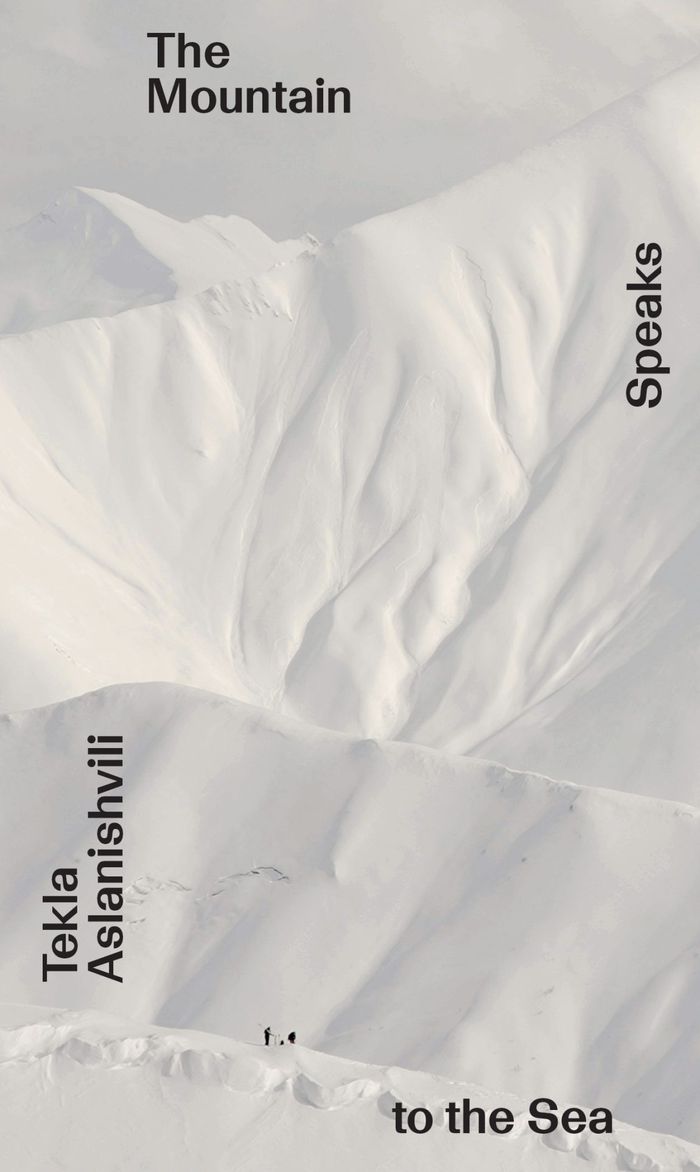
''The Mountain Speaks to the Sea'' delves into Tekla Aslanishvili’s experimental film trilogy, which investigates regimes of infrastructural governance by examining how ports, railways, and smart city projects act as technologies of citizenship and sovereignty. Images of distant geographies are connected with future orientations, revealing the disruptive impacts of large-scale energy and transportation projects on the ecologies of the South Caucasus. The publication focuses on the potentiality of moving images in the making and unmaking of infrastructures. By zooming in and out on the grand narratives of infrastructural development, it assembles fragmented (hi)stories of people who live and work around sites of transit and extraction, sabotaging their material systems to challenge violent practices of statecraft. Positioned between an artist’s book and a reader, ''The Mountain Speaks to the Sea'' features contributions from writers and scholars in visual culture, political science and critical geography, and experiments with ways of translating film into printed matter.
Tekla Aslanishvili: The Mountain Speaks to the Sea
Actions:
Prix:
$30.00
(disponible en magasin)
Résumé:
''The Mountain Speaks to the Sea'' delves into Tekla Aslanishvili’s experimental film trilogy, which investigates regimes of infrastructural governance by examining how ports, railways, and smart city projects act as technologies of citizenship and sovereignty. Images of distant geographies are connected with future orientations, revealing the disruptive impacts of large-scale energy and transportation projects on the ecologies of the South Caucasus. The publication focuses on the potentiality of moving images in the making and unmaking of infrastructures. By zooming in and out on the grand narratives of infrastructural development, it assembles fragmented (hi)stories of people who live and work around sites of transit and extraction, sabotaging their material systems to challenge violent practices of statecraft. Positioned between an artist’s book and a reader, ''The Mountain Speaks to the Sea'' features contributions from writers and scholars in visual culture, political science and critical geography, and experiments with ways of translating film into printed matter.
Classification:
livres
livres
Publication:
septembre 2025
septembre 2025
Sujet:
Théorie de l’art
Théorie de l’art
Classification:
périodiques
périodiques
Actions:
Prix:
$16.95
(disponible en magasin)
Résumé:
For this 63rd issue, The Funambulist teamed-up with Tunisian anthropologist and visual artist Myriam Amri and invites you to "Follow the money." In it, the issue enters the crevices of a capitalist system and trace it back to its central nodes: property, land, capital, and class. It reads how money is central to colonial and imperial projects, but also how sovereignty and(...)
$16.95
(disponible en magasin)
Résumé:
For this 63rd issue, The Funambulist teamed-up with Tunisian anthropologist and visual artist Myriam Amri and invites you to "Follow the money." In it, the issue enters the crevices of a capitalist system and trace it back to its central nodes: property, land, capital, and class. It reads how money is central to colonial and imperial projects, but also how sovereignty and(...)
Titre:
The Funambulist n.63 : follow the money
Actions:
Prix:
$16.95
(disponible en magasin)
Résumé:
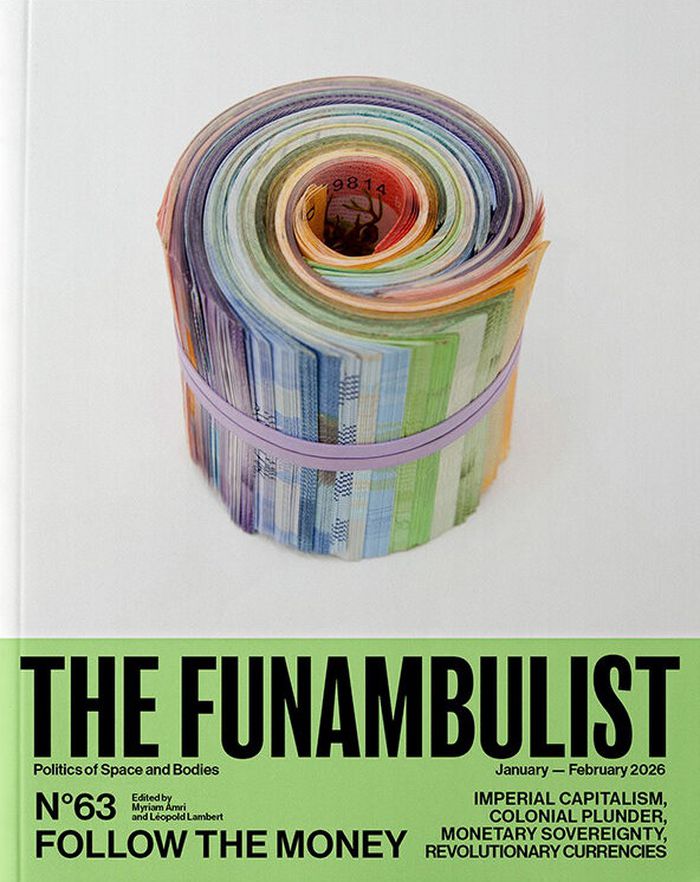
For this 63rd issue, The Funambulist teamed-up with Tunisian anthropologist and visual artist Myriam Amri and invites you to "Follow the money." In it, the issue enters the crevices of a capitalist system and trace it back to its central nodes: property, land, capital, and class. It reads how money is central to colonial and imperial projects, but also how sovereignty and the liberation of our monetary imaginary can be tools of emancipation. From the CFA franc (Ndongo Samba Sylla, Moses März) to the US dollar (Lily H. Chumley) or the Palestinian Pound (Hicham Safieddine), The Funambulist navigates monetary politics around the world, and more specifically in Sudan (Nisrin Elamin & Laleh Khalili), Puerto Rico (Roque Salas Rivera) or Brazil (Cho). The issue also contains a board game entitled "You’ve Got Yourselves a Revolution, Now What?" imagined by the issue editors Myriam Amri and Léopold Lambert and designed by Aude Abou Nasr. As for the cover, it features an artwork by Adriana Martínez Barón.
The Funambulist n.63 : follow the money
Actions:
Prix:
$16.95
(disponible en magasin)
Résumé:
For this 63rd issue, The Funambulist teamed-up with Tunisian anthropologist and visual artist Myriam Amri and invites you to "Follow the money." In it, the issue enters the crevices of a capitalist system and trace it back to its central nodes: property, land, capital, and class. It reads how money is central to colonial and imperial projects, but also how sovereignty and the liberation of our monetary imaginary can be tools of emancipation. From the CFA franc (Ndongo Samba Sylla, Moses März) to the US dollar (Lily H. Chumley) or the Palestinian Pound (Hicham Safieddine), The Funambulist navigates monetary politics around the world, and more specifically in Sudan (Nisrin Elamin & Laleh Khalili), Puerto Rico (Roque Salas Rivera) or Brazil (Cho). The issue also contains a board game entitled "You’ve Got Yourselves a Revolution, Now What?" imagined by the issue editors Myriam Amri and Léopold Lambert and designed by Aude Abou Nasr. As for the cover, it features an artwork by Adriana Martínez Barón.
Classification:
périodiques
périodiques
Publication:
janvier 2026
janvier 2026
Sujet:
Revues
Revues


