


33505 Résultats
Niveau de description archivistique:
Série(s)
Série(s)
Numéro de référence:
CD041.S1
Description:
This series documents eight projects that Eva Hollo Vecsei worked on while at the firm Affleck, Desbarats, Dimakopoulos, Lebensold & Sise Architect (Arcop). Vecsei worked for the firm from 1959 to 1971 and was made an associate in 1964. She was the designer in charge of several Massey Award winning projects such as: Saint Gerard Magella Church, Saint-Jean-sur-Richelieu, Québec (1960-1963); Place Bonaventure, Montréal, Québec (circa 1963-1969); Student Union building, McGill University, Montréal, Québec (1965); and the Life science building, Dalhousie University, Halifax, Nova Scotia (1971). This series includes documents related to the following projects: Tifereth Jerusalem Synagogue, Côte-Saint-Luc, Québec (circa 1959-1971); Saint Gerard Magella Church, Saint-Jean-sur-Richelieu, Québec (1960-1963); Centre civique Chomedey, Chomedey [now Laval], Québec (1962-1965); Place des Arts, Montréal, Québec (1963); Place Bonaventure, Montréal, Québec (circa 1963-1969); Student Union building, McGill University, Montréal, Québec (1965); and the Life science building, Dalhousie University, Halifax, Nova Scotia (1971). Collection material in this series was produced between 1959 and 2017. Documenting the series are photographs, presentation drawings, slides, publications, clippings, correspondence, and digital material (mainly photographs and versions of a filmed interview). Records are predominantly related to Place Bonaventure, a large multi-functional complex comprised of exhibition and convention halls, an international trade centre, shopping concourses, offices, and a 400-room hotel with rooftop gardens. Mostly constructed of concrete, the building is connected to an underground pedestrian network and the Place Bonaventure metro station.
CD041.S1
Description:
This series documents eight projects that Eva Hollo Vecsei worked on while at the firm Affleck, Desbarats, Dimakopoulos, Lebensold & Sise Architect (Arcop). Vecsei worked for the firm from 1959 to 1971 and was made an associate in 1964. She was the designer in charge of several Massey Award winning projects such as: Saint Gerard Magella Church, Saint-Jean-sur-Richelieu, Québec (1960-1963); Place Bonaventure, Montréal, Québec (circa 1963-1969); Student Union building, McGill University, Montréal, Québec (1965); and the Life science building, Dalhousie University, Halifax, Nova Scotia (1971). This series includes documents related to the following projects: Tifereth Jerusalem Synagogue, Côte-Saint-Luc, Québec (circa 1959-1971); Saint Gerard Magella Church, Saint-Jean-sur-Richelieu, Québec (1960-1963); Centre civique Chomedey, Chomedey [now Laval], Québec (1962-1965); Place des Arts, Montréal, Québec (1963); Place Bonaventure, Montréal, Québec (circa 1963-1969); Student Union building, McGill University, Montréal, Québec (1965); and the Life science building, Dalhousie University, Halifax, Nova Scotia (1971). Collection material in this series was produced between 1959 and 2017. Documenting the series are photographs, presentation drawings, slides, publications, clippings, correspondence, and digital material (mainly photographs and versions of a filmed interview). Records are predominantly related to Place Bonaventure, a large multi-functional complex comprised of exhibition and convention halls, an international trade centre, shopping concourses, offices, and a 400-room hotel with rooftop gardens. Mostly constructed of concrete, the building is connected to an underground pedestrian network and the Place Bonaventure metro station.
Personnes et institutions:
Date:
1959-2017
1959-2017
Titre:
Affleck, Desbarats, Dimakopoulos, Lebensold & Sise Architect (1959-1971)
Actions:
CD041.S1
Description:
This series documents eight projects that Eva Hollo Vecsei worked on while at the firm Affleck, Desbarats, Dimakopoulos, Lebensold & Sise Architect (Arcop). Vecsei worked for the firm from 1959 to 1971 and was made an associate in 1964. She was the designer in charge of several Massey Award winning projects such as: Saint Gerard Magella Church, Saint-Jean-sur-Richelieu, Québec (1960-1963); Place Bonaventure, Montréal, Québec (circa 1963-1969); Student Union building, McGill University, Montréal, Québec (1965); and the Life science building, Dalhousie University, Halifax, Nova Scotia (1971). This series includes documents related to the following projects: Tifereth Jerusalem Synagogue, Côte-Saint-Luc, Québec (circa 1959-1971); Saint Gerard Magella Church, Saint-Jean-sur-Richelieu, Québec (1960-1963); Centre civique Chomedey, Chomedey [now Laval], Québec (1962-1965); Place des Arts, Montréal, Québec (1963); Place Bonaventure, Montréal, Québec (circa 1963-1969); Student Union building, McGill University, Montréal, Québec (1965); and the Life science building, Dalhousie University, Halifax, Nova Scotia (1971). Collection material in this series was produced between 1959 and 2017. Documenting the series are photographs, presentation drawings, slides, publications, clippings, correspondence, and digital material (mainly photographs and versions of a filmed interview). Records are predominantly related to Place Bonaventure, a large multi-functional complex comprised of exhibition and convention halls, an international trade centre, shopping concourses, offices, and a 400-room hotel with rooftop gardens. Mostly constructed of concrete, the building is connected to an underground pedestrian network and the Place Bonaventure metro station.
Affleck, Desbarats, Dimakopoulos, Lebensold & Sise Architect (1959-1971)
Actions:
CD041.S1
Description:
This series documents eight projects that Eva Hollo Vecsei worked on while at the firm Affleck, Desbarats, Dimakopoulos, Lebensold & Sise Architect (Arcop). Vecsei worked for the firm from 1959 to 1971 and was made an associate in 1964. She was the designer in charge of several Massey Award winning projects such as: Saint Gerard Magella Church, Saint-Jean-sur-Richelieu, Québec (1960-1963); Place Bonaventure, Montréal, Québec (circa 1963-1969); Student Union building, McGill University, Montréal, Québec (1965); and the Life science building, Dalhousie University, Halifax, Nova Scotia (1971). This series includes documents related to the following projects: Tifereth Jerusalem Synagogue, Côte-Saint-Luc, Québec (circa 1959-1971); Saint Gerard Magella Church, Saint-Jean-sur-Richelieu, Québec (1960-1963); Centre civique Chomedey, Chomedey [now Laval], Québec (1962-1965); Place des Arts, Montréal, Québec (1963); Place Bonaventure, Montréal, Québec (circa 1963-1969); Student Union building, McGill University, Montréal, Québec (1965); and the Life science building, Dalhousie University, Halifax, Nova Scotia (1971). Collection material in this series was produced between 1959 and 2017. Documenting the series are photographs, presentation drawings, slides, publications, clippings, correspondence, and digital material (mainly photographs and versions of a filmed interview). Records are predominantly related to Place Bonaventure, a large multi-functional complex comprised of exhibition and convention halls, an international trade centre, shopping concourses, offices, and a 400-room hotel with rooftop gardens. Mostly constructed of concrete, the building is connected to an underground pedestrian network and the Place Bonaventure metro station.
Niveau de description archivistique:
Series
Series
Date:
1959-2017
1959-2017
Personnes et institutions:
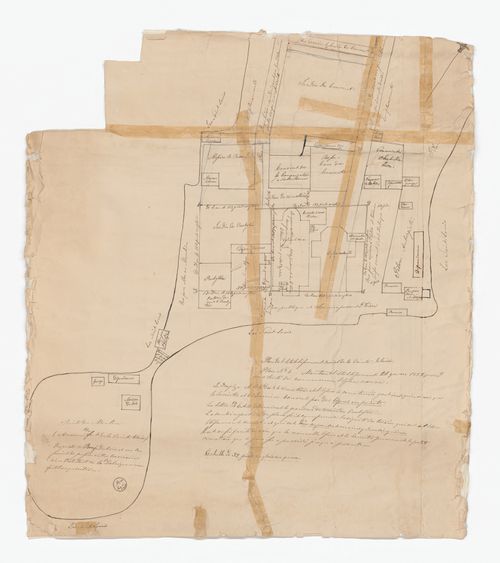
Numéro de référence:
DR2001:0050:001
Résumé:
Le Fonds Église Saint-Joachim de la Pointe-Claire comprend des dessins par divers architectes, tels que Victor Bourgeau, Napoléon Beauchamp et S. Brais. Le fonds comprend 8 dessins, 5 photocopies et 1 tube à dessins. Les documents ont été produits entre 1868 et 1929.
DR2001:0050:001
Résumé:
Le Fonds Église Saint-Joachim de la Pointe-Claire comprend des dessins par divers architectes, tels que Victor Bourgeau, Napoléon Beauchamp et S. Brais. Le fonds comprend 8 dessins, 5 photocopies et 1 tube à dessins. Les documents ont été produits entre 1868 et 1929.
Personnes et institutions:
Date:
ca 1858-1866
ca 1858-1866
Titre:
Plan de l'Etablissement curial de la Pointe-Claire
Actions:
DR2001:0050:001
Résumé:
Le Fonds Église Saint-Joachim de la Pointe-Claire comprend des dessins par divers architectes, tels que Victor Bourgeau, Napoléon Beauchamp et S. Brais. Le fonds comprend 8 dessins, 5 photocopies et 1 tube à dessins. Les documents ont été produits entre 1868 et 1929.
Plan de l'Etablissement curial de la Pointe-Claire
Actions:
DR2001:0050:001
Résumé:
Le Fonds Église Saint-Joachim de la Pointe-Claire comprend des dessins par divers architectes, tels que Victor Bourgeau, Napoléon Beauchamp et S. Brais. Le fonds comprend 8 dessins, 5 photocopies et 1 tube à dessins. Les documents ont été produits entre 1868 et 1929.
Date:
ca 1858-1866
ca 1858-1866
Personnes et institutions:
Actions:
Numéro de référence:
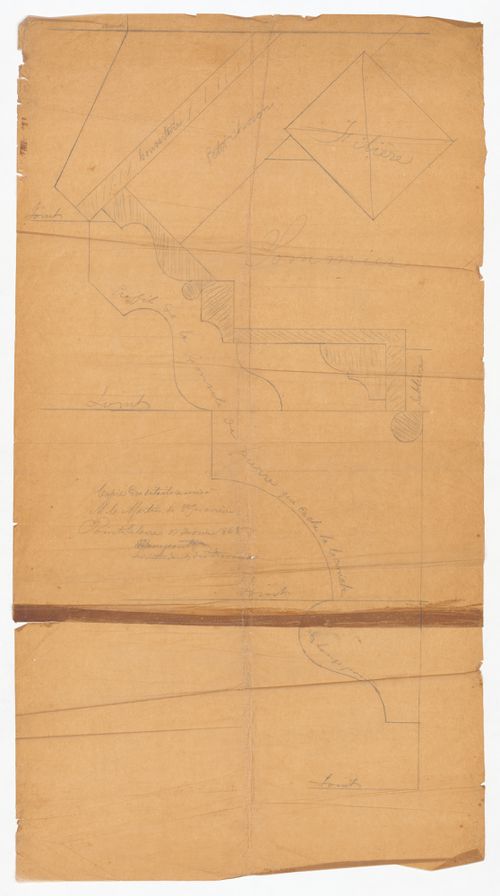
DR2001:0050:002
Résumé:
Le Fonds Église Saint-Joachim de la Pointe-Claire comprend des dessins par divers architectes, tels que Victor Bourgeau, Napoléon Beauchamp et S. Brais. Le fonds comprend 8 dessins, 5 photocopies et 1 tube à dessins. Les documents ont été produits entre 1868 et 1929.
DR2001:0050:002
Résumé:
Le Fonds Église Saint-Joachim de la Pointe-Claire comprend des dessins par divers architectes, tels que Victor Bourgeau, Napoléon Beauchamp et S. Brais. Le fonds comprend 8 dessins, 5 photocopies et 1 tube à dessins. Les documents ont été produits entre 1868 et 1929.
Personnes et institutions:
Date:
27 février 1868
27 février 1868
Titre:
Copie des détails de la corniche
Actions:
DR2001:0050:002
Résumé:
Le Fonds Église Saint-Joachim de la Pointe-Claire comprend des dessins par divers architectes, tels que Victor Bourgeau, Napoléon Beauchamp et S. Brais. Le fonds comprend 8 dessins, 5 photocopies et 1 tube à dessins. Les documents ont été produits entre 1868 et 1929.
Copie des détails de la corniche
Actions:
DR2001:0050:002
Résumé:
Le Fonds Église Saint-Joachim de la Pointe-Claire comprend des dessins par divers architectes, tels que Victor Bourgeau, Napoléon Beauchamp et S. Brais. Le fonds comprend 8 dessins, 5 photocopies et 1 tube à dessins. Les documents ont été produits entre 1868 et 1929.
Date:
27 février 1868
27 février 1868
Personnes et institutions:
Actions:
Numéro de référence:
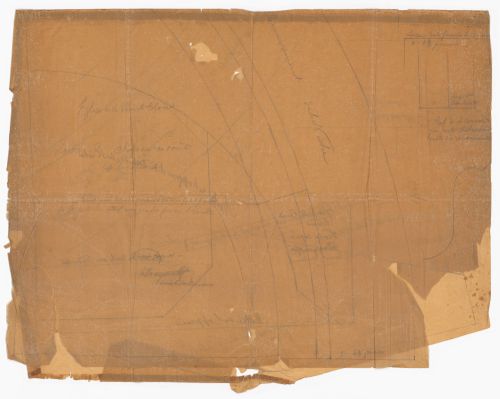
DR2001:0050:003
Résumé:
Le Fonds Église Saint-Joachim de la Pointe-Claire comprend des dessins par divers architectes, tels que Victor Bourgeau, Napoléon Beauchamp et S. Brais. Le fonds comprend 8 dessins, 5 photocopies et 1 tube à dessins. Les documents ont été produits entre 1868 et 1929.
DR2001:0050:003
Résumé:
Le Fonds Église Saint-Joachim de la Pointe-Claire comprend des dessins par divers architectes, tels que Victor Bourgeau, Napoléon Beauchamp et S. Brais. Le fonds comprend 8 dessins, 5 photocopies et 1 tube à dessins. Les documents ont été produits entre 1868 et 1929.
Personnes et institutions:
Date:
1868
1868
Titre:
Église de la Pointe-Claire, Moitié du chapeau ou voûte de la niche
Actions:
DR2001:0050:003
Résumé:
Le Fonds Église Saint-Joachim de la Pointe-Claire comprend des dessins par divers architectes, tels que Victor Bourgeau, Napoléon Beauchamp et S. Brais. Le fonds comprend 8 dessins, 5 photocopies et 1 tube à dessins. Les documents ont été produits entre 1868 et 1929.
Église de la Pointe-Claire, Moitié du chapeau ou voûte de la niche
Actions:
DR2001:0050:003
Résumé:
Le Fonds Église Saint-Joachim de la Pointe-Claire comprend des dessins par divers architectes, tels que Victor Bourgeau, Napoléon Beauchamp et S. Brais. Le fonds comprend 8 dessins, 5 photocopies et 1 tube à dessins. Les documents ont été produits entre 1868 et 1929.
Date:
1868
1868
Personnes et institutions:
Actions:
Numéro de référence:
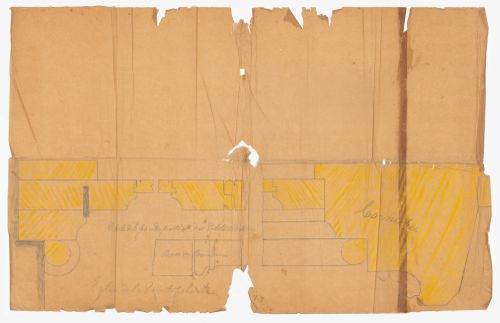
DR2001:0050:005
Résumé:
Le Fonds Église Saint-Joachim de la Pointe-Claire comprend des dessins par divers architectes, tels que Victor Bourgeau, Napoléon Beauchamp et S. Brais. Le fonds comprend 8 dessins, 5 photocopies et 1 tube à dessins. Les documents ont été produits entre 1868 et 1929.
DR2001:0050:005
Résumé:
Le Fonds Église Saint-Joachim de la Pointe-Claire comprend des dessins par divers architectes, tels que Victor Bourgeau, Napoléon Beauchamp et S. Brais. Le fonds comprend 8 dessins, 5 photocopies et 1 tube à dessins. Les documents ont été produits entre 1868 et 1929.
Personnes et institutions:
Date:
1868
1868
Titre:
Détails de la grande porte et des petites portes, Eglise de la Pointe-Claire
Actions:
DR2001:0050:005
Résumé:
Le Fonds Église Saint-Joachim de la Pointe-Claire comprend des dessins par divers architectes, tels que Victor Bourgeau, Napoléon Beauchamp et S. Brais. Le fonds comprend 8 dessins, 5 photocopies et 1 tube à dessins. Les documents ont été produits entre 1868 et 1929.
Détails de la grande porte et des petites portes, Eglise de la Pointe-Claire
Actions:
DR2001:0050:005
Résumé:
Le Fonds Église Saint-Joachim de la Pointe-Claire comprend des dessins par divers architectes, tels que Victor Bourgeau, Napoléon Beauchamp et S. Brais. Le fonds comprend 8 dessins, 5 photocopies et 1 tube à dessins. Les documents ont été produits entre 1868 et 1929.
Date:
1868
1868
Personnes et institutions:
Classification:
dessins, oeuvres d'art
Quantité:
32 drawing(s)
dessins, oeuvres d'art
Quantité:
32 drawing(s)
Numéro de référence:
DR1986:0379-0413
Description:
- This group of drawings and prints for Château de Marcoussis (designed by Charles Rohault de Fleury in 1862-1863), and for later additions to the château by Rohault de Fleury and other architects, is composed mostly of design development and presentation drawings and transfer lithographs - mainly plans and elevations. Three wash drawings and 13 transfer lithographs, some coloured with wash, are for the château as constructed and are mostly dated June 1863 (drawings: DR1986:0380, DR1986:0382, DR1986:0383; transfer lithographs: DR1986:0387 - DR1986:0389, DR1986:0397 - DR1986:0407). Drawings for two unexecuted designs for the château are included: the first is dated 3 May 1862, and possibly 23 May 1862 (DR1986:0379, DR1986:0393, DR1986:394), and the second 15 May 1862 (DR1986:0395 and DR1986:0396). Three untitled drawings may also be designs for Château Marcoussis, although the inscription "1er projet" in conjunction with the later date of April 1863, suggests that they are perhaps for a different unidentified project (DR1986:0390 - DR1986:0392). A proposal for a tower addition by Rohault de Fleury is dated 1 April 1864 (DR1986:0381). This tower also appears on a plan of Château Marcoussis by an unknown hand (DR1986:0408). A land survey for part of the château's park is signed and stamped by the landscape architect, L.L. Le Breton, whose stamp also appears on a drainage plan for the château (DR1986:0409 and DR1986:0397 R). Also included are a proposal for a winter garden for Château Marcoussis designed by Geriche (DR1986:0384), an unattributed project for modifications to the winter garden (DR1986:0385), and plans for an unidentified house (DR1986:0412 and DR1986:0413). Folder DR1986:0386 and mounts DR1986:0410 and DR1986:0411 were acquired with this group. All three objects are inscribed with titles, and those on the mounts indicate the existence of two drawings that were not acquired with the group: "Marcoussis / Mr le Mis de la Baume" (DR1986:0410) and "Escalier au tourelle / (projet) / 1900" (DR1986:0411). The inscribed title which figures on the verso of mount DR1986:0410 indicates that it was at one time used as a folder: "Château de Marcoussis / projets d'agrandissement / et de constructions".
DR1986:0379-0413
Description:
- This group of drawings and prints for Château de Marcoussis (designed by Charles Rohault de Fleury in 1862-1863), and for later additions to the château by Rohault de Fleury and other architects, is composed mostly of design development and presentation drawings and transfer lithographs - mainly plans and elevations. Three wash drawings and 13 transfer lithographs, some coloured with wash, are for the château as constructed and are mostly dated June 1863 (drawings: DR1986:0380, DR1986:0382, DR1986:0383; transfer lithographs: DR1986:0387 - DR1986:0389, DR1986:0397 - DR1986:0407). Drawings for two unexecuted designs for the château are included: the first is dated 3 May 1862, and possibly 23 May 1862 (DR1986:0379, DR1986:0393, DR1986:394), and the second 15 May 1862 (DR1986:0395 and DR1986:0396). Three untitled drawings may also be designs for Château Marcoussis, although the inscription "1er projet" in conjunction with the later date of April 1863, suggests that they are perhaps for a different unidentified project (DR1986:0390 - DR1986:0392). A proposal for a tower addition by Rohault de Fleury is dated 1 April 1864 (DR1986:0381). This tower also appears on a plan of Château Marcoussis by an unknown hand (DR1986:0408). A land survey for part of the château's park is signed and stamped by the landscape architect, L.L. Le Breton, whose stamp also appears on a drainage plan for the château (DR1986:0409 and DR1986:0397 R). Also included are a proposal for a winter garden for Château Marcoussis designed by Geriche (DR1986:0384), an unattributed project for modifications to the winter garden (DR1986:0385), and plans for an unidentified house (DR1986:0412 and DR1986:0413). Folder DR1986:0386 and mounts DR1986:0410 and DR1986:0411 were acquired with this group. All three objects are inscribed with titles, and those on the mounts indicate the existence of two drawings that were not acquired with the group: "Marcoussis / Mr le Mis de la Baume" (DR1986:0410) and "Escalier au tourelle / (projet) / 1900" (DR1986:0411). The inscribed title which figures on the verso of mount DR1986:0410 indicates that it was at one time used as a folder: "Château de Marcoussis / projets d'agrandissement / et de constructions".
Personnes et institutions:
Sujet:
architecture, architecture de paysage, design d'intérieur
architecture, architecture de paysage, design d'intérieur
Date:
prints executed in 1863
prints executed in 1863
Titre:
Drawings and prints for Château de Marcoussis, France
Actions:
DR1986:0379-0413
Description:
- This group of drawings and prints for Château de Marcoussis (designed by Charles Rohault de Fleury in 1862-1863), and for later additions to the château by Rohault de Fleury and other architects, is composed mostly of design development and presentation drawings and transfer lithographs - mainly plans and elevations. Three wash drawings and 13 transfer lithographs, some coloured with wash, are for the château as constructed and are mostly dated June 1863 (drawings: DR1986:0380, DR1986:0382, DR1986:0383; transfer lithographs: DR1986:0387 - DR1986:0389, DR1986:0397 - DR1986:0407). Drawings for two unexecuted designs for the château are included: the first is dated 3 May 1862, and possibly 23 May 1862 (DR1986:0379, DR1986:0393, DR1986:394), and the second 15 May 1862 (DR1986:0395 and DR1986:0396). Three untitled drawings may also be designs for Château Marcoussis, although the inscription "1er projet" in conjunction with the later date of April 1863, suggests that they are perhaps for a different unidentified project (DR1986:0390 - DR1986:0392). A proposal for a tower addition by Rohault de Fleury is dated 1 April 1864 (DR1986:0381). This tower also appears on a plan of Château Marcoussis by an unknown hand (DR1986:0408). A land survey for part of the château's park is signed and stamped by the landscape architect, L.L. Le Breton, whose stamp also appears on a drainage plan for the château (DR1986:0409 and DR1986:0397 R). Also included are a proposal for a winter garden for Château Marcoussis designed by Geriche (DR1986:0384), an unattributed project for modifications to the winter garden (DR1986:0385), and plans for an unidentified house (DR1986:0412 and DR1986:0413). Folder DR1986:0386 and mounts DR1986:0410 and DR1986:0411 were acquired with this group. All three objects are inscribed with titles, and those on the mounts indicate the existence of two drawings that were not acquired with the group: "Marcoussis / Mr le Mis de la Baume" (DR1986:0410) and "Escalier au tourelle / (projet) / 1900" (DR1986:0411). The inscribed title which figures on the verso of mount DR1986:0410 indicates that it was at one time used as a folder: "Château de Marcoussis / projets d'agrandissement / et de constructions".
Drawings and prints for Château de Marcoussis, France
Actions:
DR1986:0379-0413
Description:
- This group of drawings and prints for Château de Marcoussis (designed by Charles Rohault de Fleury in 1862-1863), and for later additions to the château by Rohault de Fleury and other architects, is composed mostly of design development and presentation drawings and transfer lithographs - mainly plans and elevations. Three wash drawings and 13 transfer lithographs, some coloured with wash, are for the château as constructed and are mostly dated June 1863 (drawings: DR1986:0380, DR1986:0382, DR1986:0383; transfer lithographs: DR1986:0387 - DR1986:0389, DR1986:0397 - DR1986:0407). Drawings for two unexecuted designs for the château are included: the first is dated 3 May 1862, and possibly 23 May 1862 (DR1986:0379, DR1986:0393, DR1986:394), and the second 15 May 1862 (DR1986:0395 and DR1986:0396). Three untitled drawings may also be designs for Château Marcoussis, although the inscription "1er projet" in conjunction with the later date of April 1863, suggests that they are perhaps for a different unidentified project (DR1986:0390 - DR1986:0392). A proposal for a tower addition by Rohault de Fleury is dated 1 April 1864 (DR1986:0381). This tower also appears on a plan of Château Marcoussis by an unknown hand (DR1986:0408). A land survey for part of the château's park is signed and stamped by the landscape architect, L.L. Le Breton, whose stamp also appears on a drainage plan for the château (DR1986:0409 and DR1986:0397 R). Also included are a proposal for a winter garden for Château Marcoussis designed by Geriche (DR1986:0384), an unattributed project for modifications to the winter garden (DR1986:0385), and plans for an unidentified house (DR1986:0412 and DR1986:0413). Folder DR1986:0386 and mounts DR1986:0410 and DR1986:0411 were acquired with this group. All three objects are inscribed with titles, and those on the mounts indicate the existence of two drawings that were not acquired with the group: "Marcoussis / Mr le Mis de la Baume" (DR1986:0410) and "Escalier au tourelle / (projet) / 1900" (DR1986:0411). The inscribed title which figures on the verso of mount DR1986:0410 indicates that it was at one time used as a folder: "Château de Marcoussis / projets d'agrandissement / et de constructions".
Classification:
dessins, oeuvres d'art
Quantité:
32 drawing(s)
dessins, oeuvres d'art
Quantité:
32 drawing(s)
Date:
prints executed in 1863
prints executed in 1863
Personnes et institutions:
Sujet:
architecture, architecture de paysage, design d'intérieur
architecture, architecture de paysage, design d'intérieur
Classification:
documents textuels, graphique
Quantité:
26 textual record(s)
documents textuels, graphique
Quantité:
26 textual record(s)
Actions:
Numéro de référence:
DR1987:0865:001-023
Description:
- This group of correspondence, clippings and other documents was compiled by the architect, Lloyd Wright, for his own record while he was pursuing the commission for Boeing Airport, Burbank, Los Angeles County, California. He was not successful in obtaining the commission. The correspondence includes letters to and from Lloyd Wright, drafts for and carbon copies of these same letters, and telegrams to Lloyd Wright. Other documents include three newspaper clippings, an estimate and notes. Of the clippings, one reports on the beginning of work on Boeing Airport, the second announces a new meteorological station for pilots in the San Fernando Valley, and includes details of other aviation industry investments in the area, and the third is another account of the initiation of Boeing Airport. The latter clipping is folded up with a sheet noting the address of Lloyd St. John. Although the estimate is not identified by project name, it was probably prepared for Lloyd Wright's Boeing Airport proposal, which included an airport, manufacturing plant and other amenities, all mentioned in the estimate.
DR1987:0865:001-023
Description:
- This group of correspondence, clippings and other documents was compiled by the architect, Lloyd Wright, for his own record while he was pursuing the commission for Boeing Airport, Burbank, Los Angeles County, California. He was not successful in obtaining the commission. The correspondence includes letters to and from Lloyd Wright, drafts for and carbon copies of these same letters, and telegrams to Lloyd Wright. Other documents include three newspaper clippings, an estimate and notes. Of the clippings, one reports on the beginning of work on Boeing Airport, the second announces a new meteorological station for pilots in the San Fernando Valley, and includes details of other aviation industry investments in the area, and the third is another account of the initiation of Boeing Airport. The latter clipping is folded up with a sheet noting the address of Lloyd St. John. Although the estimate is not identified by project name, it was probably prepared for Lloyd Wright's Boeing Airport proposal, which included an airport, manufacturing plant and other amenities, all mentioned in the estimate.
Personnes et institutions:
Sujet:
architecture
architecture
Date:
printed 1929 ?
printed 1929 ?
Titre:
Boeing Airport, Burbank, California: Correspondence and other documents relating to Lloyd Wright's design
Actions:
DR1987:0865:001-023
Description:
- This group of correspondence, clippings and other documents was compiled by the architect, Lloyd Wright, for his own record while he was pursuing the commission for Boeing Airport, Burbank, Los Angeles County, California. He was not successful in obtaining the commission. The correspondence includes letters to and from Lloyd Wright, drafts for and carbon copies of these same letters, and telegrams to Lloyd Wright. Other documents include three newspaper clippings, an estimate and notes. Of the clippings, one reports on the beginning of work on Boeing Airport, the second announces a new meteorological station for pilots in the San Fernando Valley, and includes details of other aviation industry investments in the area, and the third is another account of the initiation of Boeing Airport. The latter clipping is folded up with a sheet noting the address of Lloyd St. John. Although the estimate is not identified by project name, it was probably prepared for Lloyd Wright's Boeing Airport proposal, which included an airport, manufacturing plant and other amenities, all mentioned in the estimate.
Boeing Airport, Burbank, California: Correspondence and other documents relating to Lloyd Wright's design
Actions:
DR1987:0865:001-023
Description:
- This group of correspondence, clippings and other documents was compiled by the architect, Lloyd Wright, for his own record while he was pursuing the commission for Boeing Airport, Burbank, Los Angeles County, California. He was not successful in obtaining the commission. The correspondence includes letters to and from Lloyd Wright, drafts for and carbon copies of these same letters, and telegrams to Lloyd Wright. Other documents include three newspaper clippings, an estimate and notes. Of the clippings, one reports on the beginning of work on Boeing Airport, the second announces a new meteorological station for pilots in the San Fernando Valley, and includes details of other aviation industry investments in the area, and the third is another account of the initiation of Boeing Airport. The latter clipping is folded up with a sheet noting the address of Lloyd St. John. Although the estimate is not identified by project name, it was probably prepared for Lloyd Wright's Boeing Airport proposal, which included an airport, manufacturing plant and other amenities, all mentioned in the estimate.
Classification:
documents textuels, graphique
Quantité:
26 textual record(s)
documents textuels, graphique
Quantité:
26 textual record(s)
Date:
printed 1929 ?
printed 1929 ?
Personnes et institutions:
Sujet:
architecture
architecture
Classification:
dessins, photographies
dessins, photographies
Numéro de référence:
DR2012:0011:032
Description:
Ring binder containing drawings, photographs, reprographic copies, stats of architectural, art, and graphic design work, and a watercolour related to Melvin Charney's activities as a student at McGill University, and include the following early projects: - Kitchen details for Mr. and Mrs. A. Zion (1 stat); - Design of vol. 2, no. 2 of YES: A Creative Quarterly (1 copy); - Small weekend house (3 stats); - Curb-service restaurant, for summer use only, on a Laurentian road (2 stat); - Studio-house in the Laurentian mountains (2 stats); - Apartment house to complete an existing pattern of older garden apartments (3 stats); - Community library for the Town of Mount Royal (6 stats); - Motel near the St. Lawrence River (2 stats); - Child centre (3 stats); - Building for the Province of Quebec Architects Association (4 stats); - Cloverdale shopping centre (1 stat); - Morse Jewellers (4 stats); - Steinberg's supermarket, Montreal North; - Reinforced concrete canopy, Molson Stadium (1 sketch, 1 photograph, 1 stat); - Town of Dorval subdivision proposal (1 stat); - Ottawa City Hall, study of lighting of areas in the building (1 stat); - Entrance vestibule, 1552 St. Matthew Street, Montreal (1 stat).
DR2012:0011:032
Description:
Ring binder containing drawings, photographs, reprographic copies, stats of architectural, art, and graphic design work, and a watercolour related to Melvin Charney's activities as a student at McGill University, and include the following early projects: - Kitchen details for Mr. and Mrs. A. Zion (1 stat); - Design of vol. 2, no. 2 of YES: A Creative Quarterly (1 copy); - Small weekend house (3 stats); - Curb-service restaurant, for summer use only, on a Laurentian road (2 stat); - Studio-house in the Laurentian mountains (2 stats); - Apartment house to complete an existing pattern of older garden apartments (3 stats); - Community library for the Town of Mount Royal (6 stats); - Motel near the St. Lawrence River (2 stats); - Child centre (3 stats); - Building for the Province of Quebec Architects Association (4 stats); - Cloverdale shopping centre (1 stat); - Morse Jewellers (4 stats); - Steinberg's supermarket, Montreal North; - Reinforced concrete canopy, Molson Stadium (1 sketch, 1 photograph, 1 stat); - Town of Dorval subdivision proposal (1 stat); - Ottawa City Hall, study of lighting of areas in the building (1 stat); - Entrance vestibule, 1552 St. Matthew Street, Montreal (1 stat).
Personnes et institutions:
Date:
1955-1957
1955-1957
Titre:
Portfolio for application to the graduate program at Yale University
Actions:
DR2012:0011:032
Description:
Ring binder containing drawings, photographs, reprographic copies, stats of architectural, art, and graphic design work, and a watercolour related to Melvin Charney's activities as a student at McGill University, and include the following early projects: - Kitchen details for Mr. and Mrs. A. Zion (1 stat); - Design of vol. 2, no. 2 of YES: A Creative Quarterly (1 copy); - Small weekend house (3 stats); - Curb-service restaurant, for summer use only, on a Laurentian road (2 stat); - Studio-house in the Laurentian mountains (2 stats); - Apartment house to complete an existing pattern of older garden apartments (3 stats); - Community library for the Town of Mount Royal (6 stats); - Motel near the St. Lawrence River (2 stats); - Child centre (3 stats); - Building for the Province of Quebec Architects Association (4 stats); - Cloverdale shopping centre (1 stat); - Morse Jewellers (4 stats); - Steinberg's supermarket, Montreal North; - Reinforced concrete canopy, Molson Stadium (1 sketch, 1 photograph, 1 stat); - Town of Dorval subdivision proposal (1 stat); - Ottawa City Hall, study of lighting of areas in the building (1 stat); - Entrance vestibule, 1552 St. Matthew Street, Montreal (1 stat).
Portfolio for application to the graduate program at Yale University
Actions:
DR2012:0011:032
Description:
Ring binder containing drawings, photographs, reprographic copies, stats of architectural, art, and graphic design work, and a watercolour related to Melvin Charney's activities as a student at McGill University, and include the following early projects: - Kitchen details for Mr. and Mrs. A. Zion (1 stat); - Design of vol. 2, no. 2 of YES: A Creative Quarterly (1 copy); - Small weekend house (3 stats); - Curb-service restaurant, for summer use only, on a Laurentian road (2 stat); - Studio-house in the Laurentian mountains (2 stats); - Apartment house to complete an existing pattern of older garden apartments (3 stats); - Community library for the Town of Mount Royal (6 stats); - Motel near the St. Lawrence River (2 stats); - Child centre (3 stats); - Building for the Province of Quebec Architects Association (4 stats); - Cloverdale shopping centre (1 stat); - Morse Jewellers (4 stats); - Steinberg's supermarket, Montreal North; - Reinforced concrete canopy, Molson Stadium (1 sketch, 1 photograph, 1 stat); - Town of Dorval subdivision proposal (1 stat); - Ottawa City Hall, study of lighting of areas in the building (1 stat); - Entrance vestibule, 1552 St. Matthew Street, Montreal (1 stat).
Classification:
dessins, photographies
dessins, photographies
Date:
1955-1957
1955-1957
Personnes et institutions:
Classification:
documents textuels
documents textuels
Numéro de référence:
AP197.S3.002
Description:
This box is comprised of personal and professional correspondence, organized in chronological order, from 1984-1990. The box documents Frampton’s career as Ware professor at the Graduate School of Architecture, Planning and Preservation at Columbia University and his related professional activities. Correspondence in this box includes: various offers of teaching positions; requests to write articles, reviews, books and recommendation letters; invitations to teach, attend or present at lectures/symposiums/conferences; and requests to serve on juries such as the American Academy in Rome. Throughout this period, Frampton corresponded with architects, professors, publishers, and editors of various publications such as: Ignasi de Sola-Morales Rubio; Tadao Ando; Rafael Moneo; James Stirling; Marco Frascari; Alvaro Siza; Arata Isozaki; the Casabella; the Progressive Architecture; and Architecture and Urbanism. This correspondence includes Frampton’s invitation to be the Craig Francis Cullinan Visiting Lecturer at the School of Architecture, Rice University; correspondence with Rizzoli International Publications about the Tadao Ando book; correspondence with MIT Press for the Studies in Tectonic Culture publication; and correspondence about critical regionalism.
AP197.S3.002
Description:
This box is comprised of personal and professional correspondence, organized in chronological order, from 1984-1990. The box documents Frampton’s career as Ware professor at the Graduate School of Architecture, Planning and Preservation at Columbia University and his related professional activities. Correspondence in this box includes: various offers of teaching positions; requests to write articles, reviews, books and recommendation letters; invitations to teach, attend or present at lectures/symposiums/conferences; and requests to serve on juries such as the American Academy in Rome. Throughout this period, Frampton corresponded with architects, professors, publishers, and editors of various publications such as: Ignasi de Sola-Morales Rubio; Tadao Ando; Rafael Moneo; James Stirling; Marco Frascari; Alvaro Siza; Arata Isozaki; the Casabella; the Progressive Architecture; and Architecture and Urbanism. This correspondence includes Frampton’s invitation to be the Craig Francis Cullinan Visiting Lecturer at the School of Architecture, Rice University; correspondence with Rizzoli International Publications about the Tadao Ando book; correspondence with MIT Press for the Studies in Tectonic Culture publication; and correspondence about critical regionalism.
Personnes et institutions:
Date:
1984-1990
1984-1990
Titre:
Personal and professional correspondence from 1984-1990
Actions:
AP197.S3.002
Description:
This box is comprised of personal and professional correspondence, organized in chronological order, from 1984-1990. The box documents Frampton’s career as Ware professor at the Graduate School of Architecture, Planning and Preservation at Columbia University and his related professional activities. Correspondence in this box includes: various offers of teaching positions; requests to write articles, reviews, books and recommendation letters; invitations to teach, attend or present at lectures/symposiums/conferences; and requests to serve on juries such as the American Academy in Rome. Throughout this period, Frampton corresponded with architects, professors, publishers, and editors of various publications such as: Ignasi de Sola-Morales Rubio; Tadao Ando; Rafael Moneo; James Stirling; Marco Frascari; Alvaro Siza; Arata Isozaki; the Casabella; the Progressive Architecture; and Architecture and Urbanism. This correspondence includes Frampton’s invitation to be the Craig Francis Cullinan Visiting Lecturer at the School of Architecture, Rice University; correspondence with Rizzoli International Publications about the Tadao Ando book; correspondence with MIT Press for the Studies in Tectonic Culture publication; and correspondence about critical regionalism.
Personal and professional correspondence from 1984-1990
Actions:
AP197.S3.002
Description:
This box is comprised of personal and professional correspondence, organized in chronological order, from 1984-1990. The box documents Frampton’s career as Ware professor at the Graduate School of Architecture, Planning and Preservation at Columbia University and his related professional activities. Correspondence in this box includes: various offers of teaching positions; requests to write articles, reviews, books and recommendation letters; invitations to teach, attend or present at lectures/symposiums/conferences; and requests to serve on juries such as the American Academy in Rome. Throughout this period, Frampton corresponded with architects, professors, publishers, and editors of various publications such as: Ignasi de Sola-Morales Rubio; Tadao Ando; Rafael Moneo; James Stirling; Marco Frascari; Alvaro Siza; Arata Isozaki; the Casabella; the Progressive Architecture; and Architecture and Urbanism. This correspondence includes Frampton’s invitation to be the Craig Francis Cullinan Visiting Lecturer at the School of Architecture, Rice University; correspondence with Rizzoli International Publications about the Tadao Ando book; correspondence with MIT Press for the Studies in Tectonic Culture publication; and correspondence about critical regionalism.
Classification:
documents textuels
documents textuels
Date:
1984-1990
1984-1990
Personnes et institutions:
Classification:
documents textuels
documents textuels
Numéro de référence:
AP197.S3.009
Description:
The box is comprised of correspondence for the years of 1999-2000, organized in chronological order. The box documents Frampton’s career as Ware professor at the Graduate School of Architecture, Planning and Preservation, Columbia University and his related professional activities. Correspondence in this box includes: offers of teaching positions; requests to write articles, reviews, books and recommendation letters; invitations to teach, present, or attend at lectures/symposiums/conferences; and requests to serve on juries. Throughout this period, Frampton corresponded with various universities, architects, professors, publishers, and editors of various publications such as: Tadao Ando; Alvaro Siza; Norman Foster; the Architectural Society of China; and the Università della Svizzera italiana. Correspondence relates to his participation/involvement in: the Centennial Conference; the International Committee for Documentation and Conservation of Buildings, Sites and Neighbourhoods of the Modern Movement’s (do.co,mo.mo) conference in Brasilia; the Le Corbusier Seminar in France; the Aga Khan Award for Architecture; the Le Corbusier publication; Journal of Architectural Education (JAE)’s "Technology and Place;" and the English version of his essay in the publication Alvaro Siza: Complete works.
AP197.S3.009
Description:
The box is comprised of correspondence for the years of 1999-2000, organized in chronological order. The box documents Frampton’s career as Ware professor at the Graduate School of Architecture, Planning and Preservation, Columbia University and his related professional activities. Correspondence in this box includes: offers of teaching positions; requests to write articles, reviews, books and recommendation letters; invitations to teach, present, or attend at lectures/symposiums/conferences; and requests to serve on juries. Throughout this period, Frampton corresponded with various universities, architects, professors, publishers, and editors of various publications such as: Tadao Ando; Alvaro Siza; Norman Foster; the Architectural Society of China; and the Università della Svizzera italiana. Correspondence relates to his participation/involvement in: the Centennial Conference; the International Committee for Documentation and Conservation of Buildings, Sites and Neighbourhoods of the Modern Movement’s (do.co,mo.mo) conference in Brasilia; the Le Corbusier Seminar in France; the Aga Khan Award for Architecture; the Le Corbusier publication; Journal of Architectural Education (JAE)’s "Technology and Place;" and the English version of his essay in the publication Alvaro Siza: Complete works.
Personnes et institutions:
Date:
1999-2000
1999-2000
Titre:
Personal and professional correspondence from 1999-2000
Actions:
AP197.S3.009
Description:
The box is comprised of correspondence for the years of 1999-2000, organized in chronological order. The box documents Frampton’s career as Ware professor at the Graduate School of Architecture, Planning and Preservation, Columbia University and his related professional activities. Correspondence in this box includes: offers of teaching positions; requests to write articles, reviews, books and recommendation letters; invitations to teach, present, or attend at lectures/symposiums/conferences; and requests to serve on juries. Throughout this period, Frampton corresponded with various universities, architects, professors, publishers, and editors of various publications such as: Tadao Ando; Alvaro Siza; Norman Foster; the Architectural Society of China; and the Università della Svizzera italiana. Correspondence relates to his participation/involvement in: the Centennial Conference; the International Committee for Documentation and Conservation of Buildings, Sites and Neighbourhoods of the Modern Movement’s (do.co,mo.mo) conference in Brasilia; the Le Corbusier Seminar in France; the Aga Khan Award for Architecture; the Le Corbusier publication; Journal of Architectural Education (JAE)’s "Technology and Place;" and the English version of his essay in the publication Alvaro Siza: Complete works.
Personal and professional correspondence from 1999-2000
Actions:
AP197.S3.009
Description:
The box is comprised of correspondence for the years of 1999-2000, organized in chronological order. The box documents Frampton’s career as Ware professor at the Graduate School of Architecture, Planning and Preservation, Columbia University and his related professional activities. Correspondence in this box includes: offers of teaching positions; requests to write articles, reviews, books and recommendation letters; invitations to teach, present, or attend at lectures/symposiums/conferences; and requests to serve on juries. Throughout this period, Frampton corresponded with various universities, architects, professors, publishers, and editors of various publications such as: Tadao Ando; Alvaro Siza; Norman Foster; the Architectural Society of China; and the Università della Svizzera italiana. Correspondence relates to his participation/involvement in: the Centennial Conference; the International Committee for Documentation and Conservation of Buildings, Sites and Neighbourhoods of the Modern Movement’s (do.co,mo.mo) conference in Brasilia; the Le Corbusier Seminar in France; the Aga Khan Award for Architecture; the Le Corbusier publication; Journal of Architectural Education (JAE)’s "Technology and Place;" and the English version of his essay in the publication Alvaro Siza: Complete works.
Classification:
documents textuels
documents textuels
Date:
1999-2000
1999-2000
Personnes et institutions:


