


3095 Résultats
Classification:
livres
livres
Actions:
Prix:
$105.00
(disponible sur commande)
Résumé:
In 1930, Nikolai A. Milyutin presented his structural-engineering vision of the Marxist-stamped form of city and lifestyle with this book. The orientation towards Western ideas of design, but especially his demand for decentralised metropolises made him a reluctant enemy of the state, and Sozgorod immediately became forbidden literature. This facsimile edition, the first(...)
$105.00
(disponible sur commande)
Résumé:
In 1930, Nikolai A. Milyutin presented his structural-engineering vision of the Marxist-stamped form of city and lifestyle with this book. The orientation towards Western ideas of design, but especially his demand for decentralised metropolises made him a reluctant enemy of the state, and Sozgorod immediately became forbidden literature. This facsimile edition, the first(...)
Titre:
Sozgorod, faksimile der erstausgabe von 1930
Actions:
Prix:
$105.00
(disponible sur commande)
Résumé:
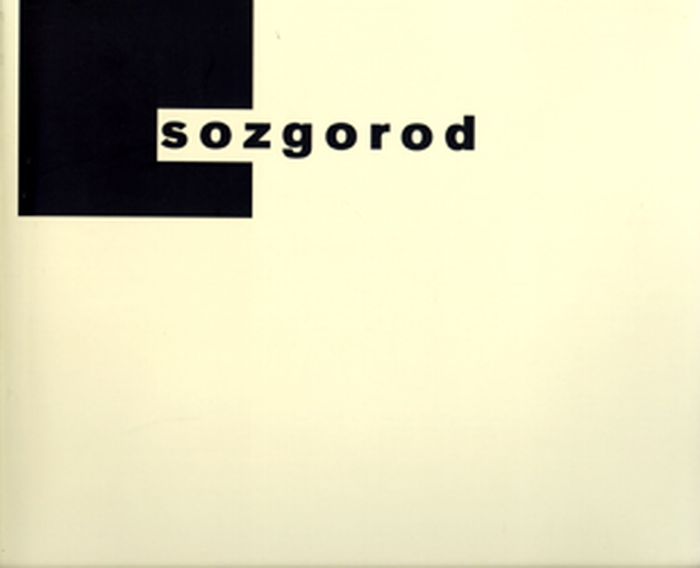
In 1930, Nikolai A. Milyutin presented his structural-engineering vision of the Marxist-stamped form of city and lifestyle with this book. The orientation towards Western ideas of design, but especially his demand for decentralised metropolises made him a reluctant enemy of the state, and Sozgorod immediately became forbidden literature. This facsimile edition, the first direct German translation of the original Russian, makes Milyutin’s legacy available again.
Sozgorod, faksimile der erstausgabe von 1930
Actions:
Prix:
$105.00
(disponible sur commande)
Résumé:
In 1930, Nikolai A. Milyutin presented his structural-engineering vision of the Marxist-stamped form of city and lifestyle with this book. The orientation towards Western ideas of design, but especially his demand for decentralised metropolises made him a reluctant enemy of the state, and Sozgorod immediately became forbidden literature. This facsimile edition, the first direct German translation of the original Russian, makes Milyutin’s legacy available again.
Classification:
livres
livres
Publication:
octobre 2008, Berlin
octobre 2008, Berlin
Sujet:
Modernisme
Modernisme
Classification:
livres
livres
Actions:
Prix:
$97.50
(disponible sur commande)
Résumé:
In 1919 the Social Democrat city council of Vienna initiated a radical program of reforms designed to reshape the city's infrastructure along socialist lines. The centrepiece and most enduring achievement of "Red" Vienna was the construction of the Wiener (...)
$97.50
(disponible sur commande)
Résumé:
In 1919 the Social Democrat city council of Vienna initiated a radical program of reforms designed to reshape the city's infrastructure along socialist lines. The centrepiece and most enduring achievement of "Red" Vienna was the construction of the Wiener (...)
Titre:
The architecture of red Vienna 1919-1934
Actions:
Prix:
$97.50
(disponible sur commande)
Résumé:
In 1919 the Social Democrat city council of Vienna initiated a radical program of reforms designed to reshape the city's infrastructure along socialist lines. The centrepiece and most enduring achievement of "Red" Vienna was the construction of the Wiener Gemeindebauten, 400 communal housing blocks, distributed throughout the city, in which workers' dwellings were incorporated with kindergartens, libraries, medical clinics, theaters, cooperative stores, and other public facilities. The 64,000 units housed one tenth of the city's population. Throughout this socialist building campaign, however, Austria was ruled by a conservative, clerical, and antisocialist political majority. Thus the architecture of Red Vienna took shape in the midst of highly charged, and often violent, political conflict between left and right. In this book, Eve Blau looks at how that ideological conflict shaped the buildings of Red Vienna--in terms of their programme, spatial conception, language, and use--as well as how political meaning itself is manifested in architecture. She shows how the architecture of Red Vienna constructed meaning in relation to the ideological conflicts that defined Austrian politics in the interwar period--how it was shaped by the conditions of its making, and how it engaged its own codes, practices, and history to stake out a political position in relation to those conditions. Her investigation sheds light both on the complex relationship among political program, architectural practice, and urban history in interwar Vienna, and on the process by which architecture can generate a collective discourse that includes all members of society.
The architecture of red Vienna 1919-1934
Actions:
Prix:
$97.50
(disponible sur commande)
Résumé:
In 1919 the Social Democrat city council of Vienna initiated a radical program of reforms designed to reshape the city's infrastructure along socialist lines. The centrepiece and most enduring achievement of "Red" Vienna was the construction of the Wiener Gemeindebauten, 400 communal housing blocks, distributed throughout the city, in which workers' dwellings were incorporated with kindergartens, libraries, medical clinics, theaters, cooperative stores, and other public facilities. The 64,000 units housed one tenth of the city's population. Throughout this socialist building campaign, however, Austria was ruled by a conservative, clerical, and antisocialist political majority. Thus the architecture of Red Vienna took shape in the midst of highly charged, and often violent, political conflict between left and right. In this book, Eve Blau looks at how that ideological conflict shaped the buildings of Red Vienna--in terms of their programme, spatial conception, language, and use--as well as how political meaning itself is manifested in architecture. She shows how the architecture of Red Vienna constructed meaning in relation to the ideological conflicts that defined Austrian politics in the interwar period--how it was shaped by the conditions of its making, and how it engaged its own codes, practices, and history to stake out a political position in relation to those conditions. Her investigation sheds light both on the complex relationship among political program, architectural practice, and urban history in interwar Vienna, and on the process by which architecture can generate a collective discourse that includes all members of society.
Classification:
livres
livres
Publication:
décembre 1998, Cambridge, Mass.
décembre 1998, Cambridge, Mass.
Sujet:
Modernisme
Modernisme
Classification:
livres
livres
Actions:
Prix:
$67.95
(disponible sur commande)
Résumé:
"Impossible histories" is the first critical survey of the extraordinary experiments in the arts that took place in the former Yugoslavia from the country's founding in 1918 to its breakup in 1991. The combination of Austro-Hungarian, French, German, Italian, and Turkish influences gave Yugoslavia's avant-gardes a distinct character unlike those of other Eastern and(...)
$67.95
(disponible sur commande)
Résumé:
"Impossible histories" is the first critical survey of the extraordinary experiments in the arts that took place in the former Yugoslavia from the country's founding in 1918 to its breakup in 1991. The combination of Austro-Hungarian, French, German, Italian, and Turkish influences gave Yugoslavia's avant-gardes a distinct character unlike those of other Eastern and(...)
Sujet:
Modernisme
Modernisme
Publication:
juillet 2003, Cambridge / London
juillet 2003, Cambridge / London
Titre:
Impossible histories : historical avant-gardes, neo-avant-gardes, and post-avant-gardes in Yugoslavia, 1918-1991
Actions:
Prix:
$67.95
(disponible sur commande)
Résumé:
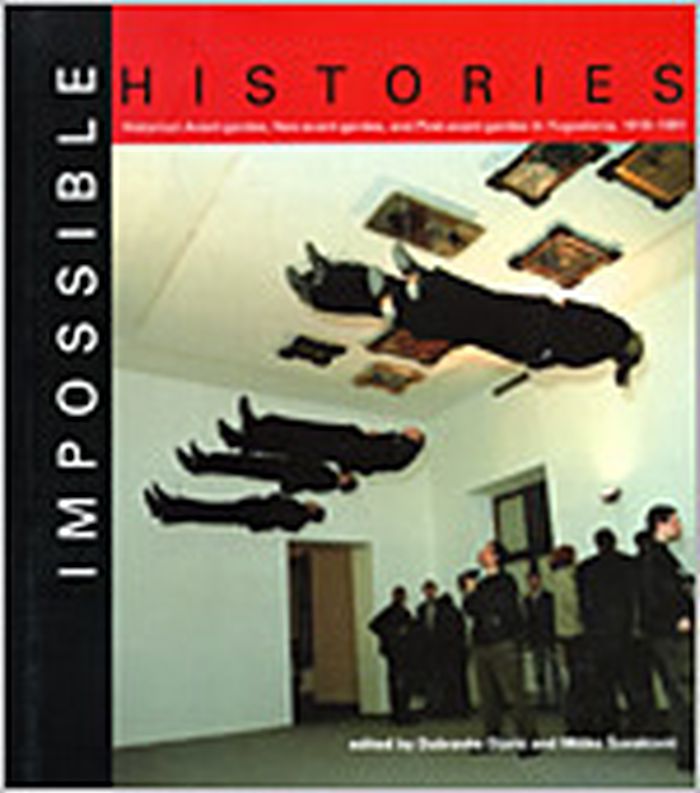
"Impossible histories" is the first critical survey of the extraordinary experiments in the arts that took place in the former Yugoslavia from the country's founding in 1918 to its breakup in 1991. The combination of Austro-Hungarian, French, German, Italian, and Turkish influences gave Yugoslavia's avant-gardes a distinct character unlike those of other Eastern and Central European avant-gardes. Censorship and suppression kept much of the work far from the eyes and ears of the Yugoslav people, while language barriers and the inaccessibility of archives caused it to remain largely unknown to Western scholars. Even at this late stage in the scholarly investigation of the avant-garde, few Westerners have heard of the movements Belgrade surrealism, signalism, Yugo-Dada, and zenitism; the groups Alfa, Exat 51, Gorgona, OHO, and Scipion Nasice Sisters Theater; or the magazines Danas, Red Pilot, Tank, Vecnost, and Zvrk. The pieces in this collection offer comparative and interpretive accounts of the avant-gardes in the former Yugoslavian countries of Croatia, Serbia, and Slovenia. The book is divided into four sections : art and politics; literature; visual art and architecture; and art in motion (covering theater, dance, music, film, and video). All of the contributors live in the region and many of them participated in the movements discussed. The book also reprints a selection of the most important manifestos generated by all phases of Yugoslav avant-garde activity.
Impossible histories : historical avant-gardes, neo-avant-gardes, and post-avant-gardes in Yugoslavia, 1918-1991
Actions:
Prix:
$67.95
(disponible sur commande)
Résumé:
"Impossible histories" is the first critical survey of the extraordinary experiments in the arts that took place in the former Yugoslavia from the country's founding in 1918 to its breakup in 1991. The combination of Austro-Hungarian, French, German, Italian, and Turkish influences gave Yugoslavia's avant-gardes a distinct character unlike those of other Eastern and Central European avant-gardes. Censorship and suppression kept much of the work far from the eyes and ears of the Yugoslav people, while language barriers and the inaccessibility of archives caused it to remain largely unknown to Western scholars. Even at this late stage in the scholarly investigation of the avant-garde, few Westerners have heard of the movements Belgrade surrealism, signalism, Yugo-Dada, and zenitism; the groups Alfa, Exat 51, Gorgona, OHO, and Scipion Nasice Sisters Theater; or the magazines Danas, Red Pilot, Tank, Vecnost, and Zvrk. The pieces in this collection offer comparative and interpretive accounts of the avant-gardes in the former Yugoslavian countries of Croatia, Serbia, and Slovenia. The book is divided into four sections : art and politics; literature; visual art and architecture; and art in motion (covering theater, dance, music, film, and video). All of the contributors live in the region and many of them participated in the movements discussed. The book also reprints a selection of the most important manifestos generated by all phases of Yugoslav avant-garde activity.
Classification:
livres
livres
Publication:
juillet 2003, Cambridge / London
juillet 2003, Cambridge / London
Sujet:
Modernisme
Modernisme
Classification:
livres
livres
Titre:
Paris Moderne 1914-1945
Paris Moderne 1914-1945
Actions:
Prix:
$94.95
(disponible en magasin)
Résumé:
En paix ou en guerre, le Paris de la première moitié du XX? siècle vibre d’énergie fébrile. Les imaginations les plus débridées s’expriment dans des formes nouvelles dont les créateurs viennent de l’Europe entière. Le défi de l’industrie et les attentes du marché nourrissent l’architecture et l’ ensemble des disciplines artistiques, qui donnent son visage quotidien à une(...)
$94.95
(disponible en magasin)
Résumé:
En paix ou en guerre, le Paris de la première moitié du XX? siècle vibre d’énergie fébrile. Les imaginations les plus débridées s’expriment dans des formes nouvelles dont les créateurs viennent de l’Europe entière. Le défi de l’industrie et les attentes du marché nourrissent l’architecture et l’ ensemble des disciplines artistiques, qui donnent son visage quotidien à une(...)
Titre:
Paris Moderne 1914-1945
Actions:
Prix:
$94.95
(disponible en magasin)
Résumé:
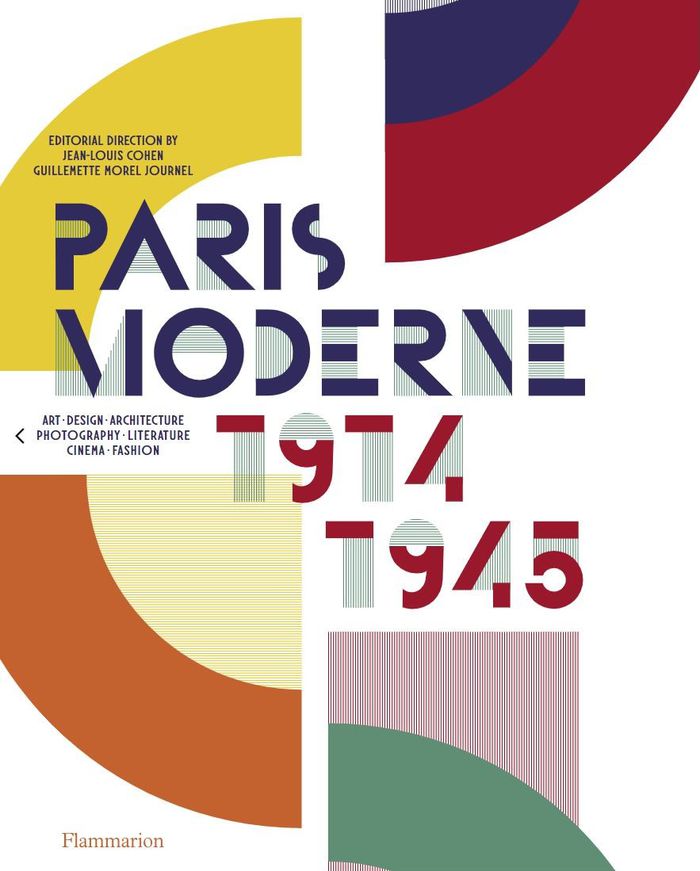
En paix ou en guerre, le Paris de la première moitié du XX? siècle vibre d’énergie fébrile. Les imaginations les plus débridées s’expriment dans des formes nouvelles dont les créateurs viennent de l’Europe entière. Le défi de l’industrie et les attentes du marché nourrissent l’architecture et l’ ensemble des disciplines artistiques, qui donnent son visage quotidien à une ville délibérément moderne. Ce foisonnement est retracé selon le principe d’un dictionnaire, de la lettre « A », comme la photographe Laure Albin-Guillot, à la lettre « Z », comme le critique d’art Christian Zervos, en passant par Josephine Baker, Marcel Carné, Coco Chanel, Le Corbusier, Fernand Léger, Adolf Loos, Charlotte Perriand, Helena Rubinstein ou Tristan Tzara. Près de cent entrées composent un portrait sous forme de kaléidoscope amplement illustré. Un reportage photographique d’Antonio Martinelli donne à voir ce que le paysage architectural et urbain d’aujourd’hui révèle du Paris d’il y a cent ans.
Paris Moderne 1914-1945
Actions:
Prix:
$94.95
(disponible en magasin)
Résumé:
En paix ou en guerre, le Paris de la première moitié du XX? siècle vibre d’énergie fébrile. Les imaginations les plus débridées s’expriment dans des formes nouvelles dont les créateurs viennent de l’Europe entière. Le défi de l’industrie et les attentes du marché nourrissent l’architecture et l’ ensemble des disciplines artistiques, qui donnent son visage quotidien à une ville délibérément moderne. Ce foisonnement est retracé selon le principe d’un dictionnaire, de la lettre « A », comme la photographe Laure Albin-Guillot, à la lettre « Z », comme le critique d’art Christian Zervos, en passant par Josephine Baker, Marcel Carné, Coco Chanel, Le Corbusier, Fernand Léger, Adolf Loos, Charlotte Perriand, Helena Rubinstein ou Tristan Tzara. Près de cent entrées composent un portrait sous forme de kaléidoscope amplement illustré. Un reportage photographique d’Antonio Martinelli donne à voir ce que le paysage architectural et urbain d’aujourd’hui révèle du Paris d’il y a cent ans.
Classification:
livres
livres
Publication:
novembre 2023
novembre 2023
Sujet:
Modernisme
Modernisme
Classification:
livres
livres
Actions:
Prix:
$69.95
(disponible en magasin)
Résumé:
In "That’s Brutal, What’s Modern?: The Smithsons," Banham, and the Mies-Image, Mark D. Linder offers an original understanding of New Brutalism as a consequential and generative episode in the history of post-photographic imaging practices. This episode exemplifies and anticipates the kinds of cognition and intelligence that dominate architectural imagination today.(...)
$69.95
(disponible en magasin)
Résumé:
In "That’s Brutal, What’s Modern?: The Smithsons," Banham, and the Mies-Image, Mark D. Linder offers an original understanding of New Brutalism as a consequential and generative episode in the history of post-photographic imaging practices. This episode exemplifies and anticipates the kinds of cognition and intelligence that dominate architectural imagination today.(...)
Titre:
That’s Brutal, What’s Modern?: The Smithsons, Banham, and the Mies-Image
Actions:
Prix:
$69.95
(disponible en magasin)
Résumé:
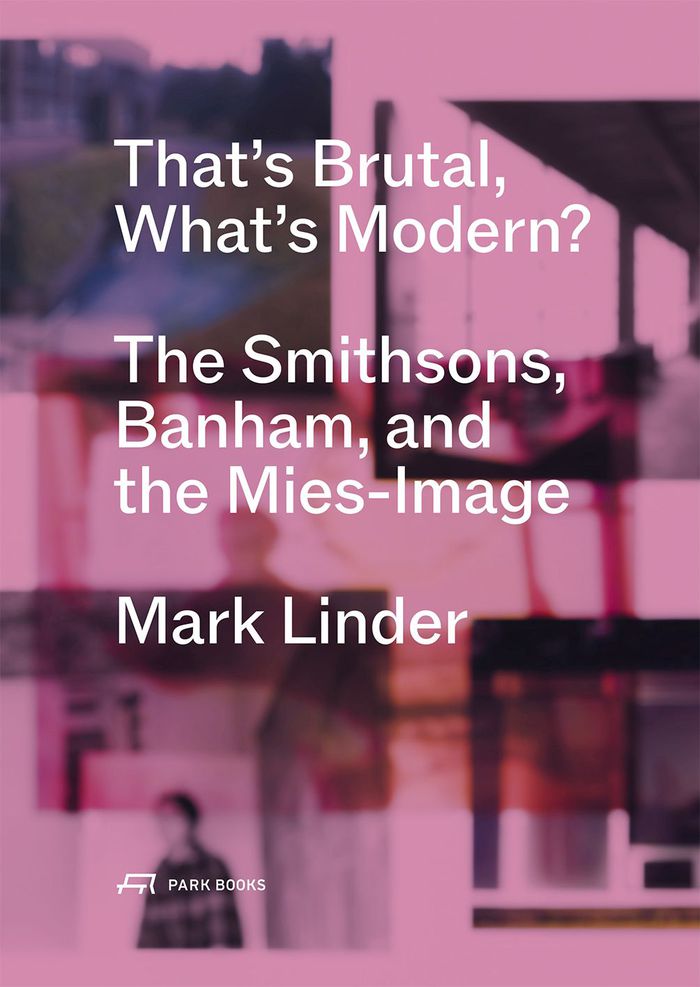
In "That’s Brutal, What’s Modern?: The Smithsons," Banham, and the Mies-Image, Mark D. Linder offers an original understanding of New Brutalism as a consequential and generative episode in the history of post-photographic imaging practices. This episode exemplifies and anticipates the kinds of cognition and intelligence that dominate architectural imagination today. Linder aims to recover a specific and integral, yet overlooked, aspect of the peculiar novelty of New Brutalism by reconsidering the entirety of Alison and Peter Smithson’s work as a fitful and evolving fifty-year fascination with the imaging potential they found in the architecture of Mies van der Rohe. In six chapters and some forty arrays of images, the book progresses from historical research to theoretical speculations on the historical legacy and contemporary potential of the Smithsons’ pursuit of the "Mies-Image."
That’s Brutal, What’s Modern?: The Smithsons, Banham, and the Mies-Image
Actions:
Prix:
$69.95
(disponible en magasin)
Résumé:
In "That’s Brutal, What’s Modern?: The Smithsons," Banham, and the Mies-Image, Mark D. Linder offers an original understanding of New Brutalism as a consequential and generative episode in the history of post-photographic imaging practices. This episode exemplifies and anticipates the kinds of cognition and intelligence that dominate architectural imagination today. Linder aims to recover a specific and integral, yet overlooked, aspect of the peculiar novelty of New Brutalism by reconsidering the entirety of Alison and Peter Smithson’s work as a fitful and evolving fifty-year fascination with the imaging potential they found in the architecture of Mies van der Rohe. In six chapters and some forty arrays of images, the book progresses from historical research to theoretical speculations on the historical legacy and contemporary potential of the Smithsons’ pursuit of the "Mies-Image."
Classification:
livres
livres
Publication:
décembre 2025
décembre 2025
Sujet:
Modernisme
Modernisme
Classification:
livres
livres
Titre:
Modernist travel guide
Modernist travel guide
Actions:
Prix:
$65.00
(disponible en magasin)
Résumé:
The "Modernist Travel Guide" is a pocket-sized reference book written and photographed by design historian Adam Štech (@okolo_architecture), featuring nearly 400 of his favourite examples of modernist architecture across 30 major cities worldwide. Drawing from Štech’s extensive archive of 150,000 photographs - documenting more than 6,000 buildings and interiors in 40(...)
$65.00
(disponible en magasin)
Résumé:
The "Modernist Travel Guide" is a pocket-sized reference book written and photographed by design historian Adam Štech (@okolo_architecture), featuring nearly 400 of his favourite examples of modernist architecture across 30 major cities worldwide. Drawing from Štech’s extensive archive of 150,000 photographs - documenting more than 6,000 buildings and interiors in 40(...)
Titre:
Modernist travel guide
Actions:
Prix:
$65.00
(disponible en magasin)
Résumé:
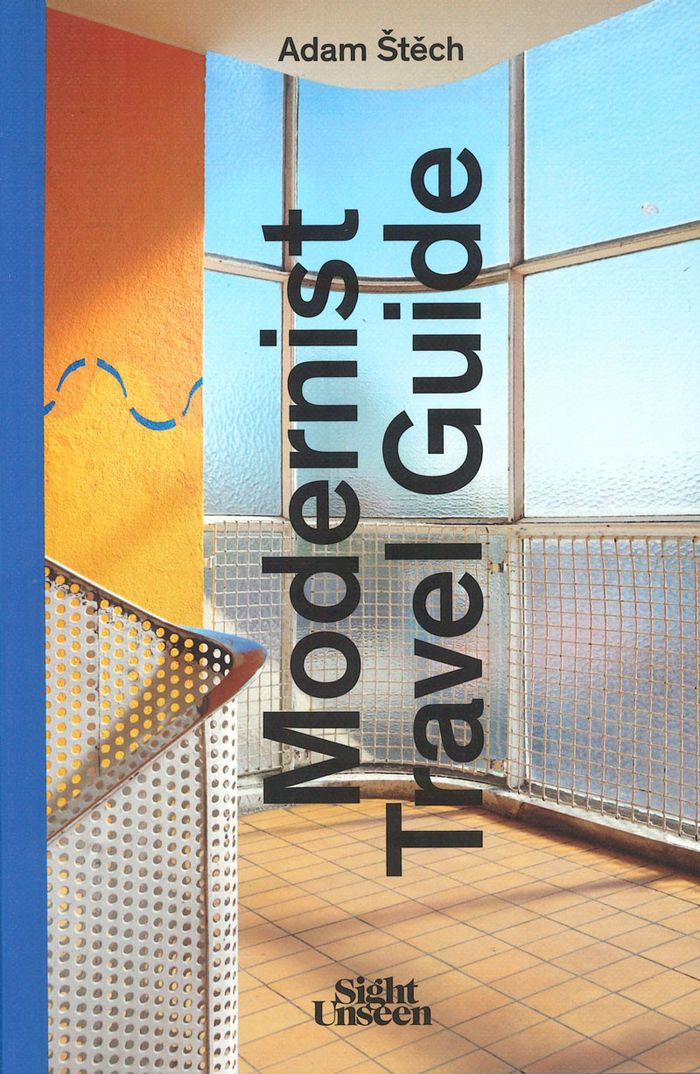
The "Modernist Travel Guide" is a pocket-sized reference book written and photographed by design historian Adam Štech (@okolo_architecture), featuring nearly 400 of his favourite examples of modernist architecture across 30 major cities worldwide. Drawing from Štech’s extensive archive of 150,000 photographs - documenting more than 6,000 buildings and interiors in 40 countries - the guide is an essential travel companion for design enthusiasts. It provides background stories, addresses, and accessibility details for both iconic landmarks and hidden gems.
Modernist travel guide
Actions:
Prix:
$65.00
(disponible en magasin)
Résumé:
The "Modernist Travel Guide" is a pocket-sized reference book written and photographed by design historian Adam Štech (@okolo_architecture), featuring nearly 400 of his favourite examples of modernist architecture across 30 major cities worldwide. Drawing from Štech’s extensive archive of 150,000 photographs - documenting more than 6,000 buildings and interiors in 40 countries - the guide is an essential travel companion for design enthusiasts. It provides background stories, addresses, and accessibility details for both iconic landmarks and hidden gems.
Classification:
livres
livres
Publication:
mai 2025
mai 2025
Sujet:
Modernisme
Modernisme
Classification:
livres
livres
Prix:
$54.95
(disponible en magasin)
Résumé:
Mass-produced from the 1970s to the 1990s, modular kiosks like the seminal K67, designed by the Slovenian architect Saša J. Mächtig, and similar systems – including the Polish Kami, the Macedonian KC190, and the Soviet ‘Bathyscaphe’ – could be found anywhere throughout the former Eastern Bloc and ex-Yugoslav countries, from bustling city squares to socialist-era housing(...)
$54.95
(disponible en magasin)
Résumé:
Mass-produced from the 1970s to the 1990s, modular kiosks like the seminal K67, designed by the Slovenian architect Saša J. Mächtig, and similar systems – including the Polish Kami, the Macedonian KC190, and the Soviet ‘Bathyscaphe’ – could be found anywhere throughout the former Eastern Bloc and ex-Yugoslav countries, from bustling city squares to socialist-era housing(...)
Titre:
Kiosk: The last modernist booths across Central and Eastern Europe
Actions:
Prix:
$54.95
(disponible en magasin)
Résumé:
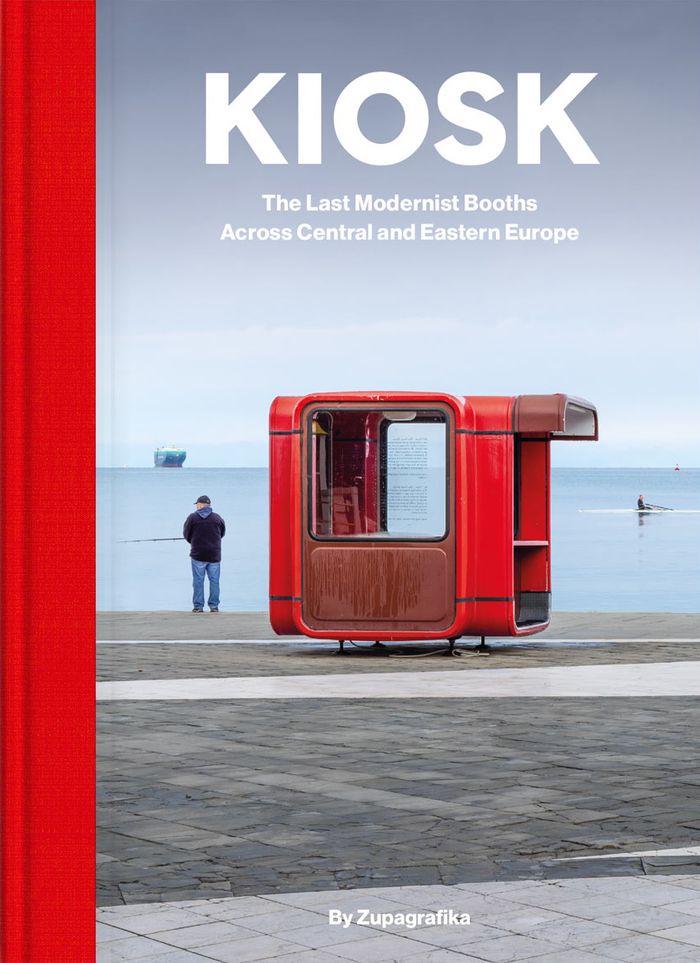
Mass-produced from the 1970s to the 1990s, modular kiosks like the seminal K67, designed by the Slovenian architect Saša J. Mächtig, and similar systems – including the Polish Kami, the Macedonian KC190, and the Soviet ‘Bathyscaphe’ – could be found anywhere throughout the former Eastern Bloc and ex-Yugoslav countries, from bustling city squares to socialist-era housing estates. They served as hot dog and Polish zapiekanka joints, farm egg and rotisserie chicken vendors, funeral flower shops, newsstands, car park booths, currency exchange offices, and more. Featuring over 150 kiosks – from Ljubljana to Warsaw, and from Belgrade to Berlin – this photobook provides previously unseen documentation of the remaining modernist booths that witnessed the socio-political transformation of Central and Eastern Europe at the end of the 20th century. While some remain active or have undergone refurbishment, others have been abandoned or have slowly faded from the urban landscape. The photographs in this unique collection were taken over the last decade by Zupagrafika’s founders, David Navarro and Martyna Sobecka. The book includes a foreword by urban explorer Maciej Czarnecki and an introduction by architectural historian Anna Cymer, offering invaluable insights into the history of these mobile structures.
Kiosk: The last modernist booths across Central and Eastern Europe
Actions:
Prix:
$54.95
(disponible en magasin)
Résumé:
Mass-produced from the 1970s to the 1990s, modular kiosks like the seminal K67, designed by the Slovenian architect Saša J. Mächtig, and similar systems – including the Polish Kami, the Macedonian KC190, and the Soviet ‘Bathyscaphe’ – could be found anywhere throughout the former Eastern Bloc and ex-Yugoslav countries, from bustling city squares to socialist-era housing estates. They served as hot dog and Polish zapiekanka joints, farm egg and rotisserie chicken vendors, funeral flower shops, newsstands, car park booths, currency exchange offices, and more. Featuring over 150 kiosks – from Ljubljana to Warsaw, and from Belgrade to Berlin – this photobook provides previously unseen documentation of the remaining modernist booths that witnessed the socio-political transformation of Central and Eastern Europe at the end of the 20th century. While some remain active or have undergone refurbishment, others have been abandoned or have slowly faded from the urban landscape. The photographs in this unique collection were taken over the last decade by Zupagrafika’s founders, David Navarro and Martyna Sobecka. The book includes a foreword by urban explorer Maciej Czarnecki and an introduction by architectural historian Anna Cymer, offering invaluable insights into the history of these mobile structures.
Classification:
livres
livres
Publication:
novembre 2024
novembre 2024
Sujet:
Modernisme
Modernisme
Classification:
livres
livres
Prix:
$50.00
(disponible en magasin)
Résumé:
Mass housing in post-war socialist countries was a quick and effective way to provide homes for the expanding city populations after WWII, but after the collapse of the Soviet Bloc the fate of these constructions became uncertain. While modernist estates are being renovated or prematurely demolished, their tenants remain undaunted. They have lived through the buildings’(...)
$50.00
(disponible en magasin)
Résumé:
Mass housing in post-war socialist countries was a quick and effective way to provide homes for the expanding city populations after WWII, but after the collapse of the Soviet Bloc the fate of these constructions became uncertain. While modernist estates are being renovated or prematurely demolished, their tenants remain undaunted. They have lived through the buildings’(...)
Titre:
The tenants: Concrete portraits of the former Eastern Bloc
Actions:
Prix:
$50.00
(disponible en magasin)
Résumé:
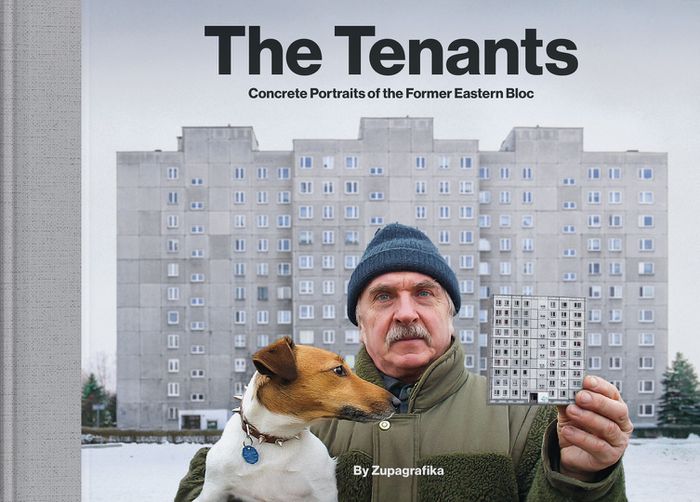
Mass housing in post-war socialist countries was a quick and effective way to provide homes for the expanding city populations after WWII, but after the collapse of the Soviet Bloc the fate of these constructions became uncertain. While modernist estates are being renovated or prematurely demolished, their tenants remain undaunted. They have lived through the buildings’ golden years and darker times. For the last decade, Zupagrafika has documented the housing estates erected in Central and Eastern Europe, still perceived by many as ‘eyesores,’ through photographs and illustrated paper models. The Tenants features over 40 housing projects in 37 different cities of the former Eastern Bloc and ex-Yugoslavia. From Berlin to Norilsk, and all the way through Kyiv to Tallinn, the album portrays the inhabitants of those complexes holding models of their homes, while sharing the stories of lives lived in the prefab panel blocks. Includes a foreword by the sociologist and urban researcher Maciej Frackowiak and an index of the featured housing estates, providing an insight into their history. The portraits were taken by David Navarro and Martyna Sobecka, with contributions by local photographers.
The tenants: Concrete portraits of the former Eastern Bloc
Actions:
Prix:
$50.00
(disponible en magasin)
Résumé:
Mass housing in post-war socialist countries was a quick and effective way to provide homes for the expanding city populations after WWII, but after the collapse of the Soviet Bloc the fate of these constructions became uncertain. While modernist estates are being renovated or prematurely demolished, their tenants remain undaunted. They have lived through the buildings’ golden years and darker times. For the last decade, Zupagrafika has documented the housing estates erected in Central and Eastern Europe, still perceived by many as ‘eyesores,’ through photographs and illustrated paper models. The Tenants features over 40 housing projects in 37 different cities of the former Eastern Bloc and ex-Yugoslavia. From Berlin to Norilsk, and all the way through Kyiv to Tallinn, the album portrays the inhabitants of those complexes holding models of their homes, while sharing the stories of lives lived in the prefab panel blocks. Includes a foreword by the sociologist and urban researcher Maciej Frackowiak and an index of the featured housing estates, providing an insight into their history. The portraits were taken by David Navarro and Martyna Sobecka, with contributions by local photographers.
Classification:
livres
livres
Publication:
septembre 2022
septembre 2022
Sujet:
Modernisme
Modernisme
Classification:
livres
livres
Prix:
$52.00
(disponible sur commande)
Résumé:
A photographic survey of Soviet-era playgrounds found in former members of the USSR, such as Ukraine, Lithuania, Latvia, Estonia, Russia, Belarus, Kazakhstan, Tajikistan, and Uzbekistan. Through five chapters containing more than 150 photographs, the book documents the mass-produced, yet diverse play equipment installed in the communal spaces of socialist-era housing(...)
$52.00
(disponible sur commande)
Résumé:
A photographic survey of Soviet-era playgrounds found in former members of the USSR, such as Ukraine, Lithuania, Latvia, Estonia, Russia, Belarus, Kazakhstan, Tajikistan, and Uzbekistan. Through five chapters containing more than 150 photographs, the book documents the mass-produced, yet diverse play equipment installed in the communal spaces of socialist-era housing(...)
Titre:
Soviet playgrounds: Playful landscapes of the former USSR
Actions:
Prix:
$52.00
(disponible sur commande)
Résumé:
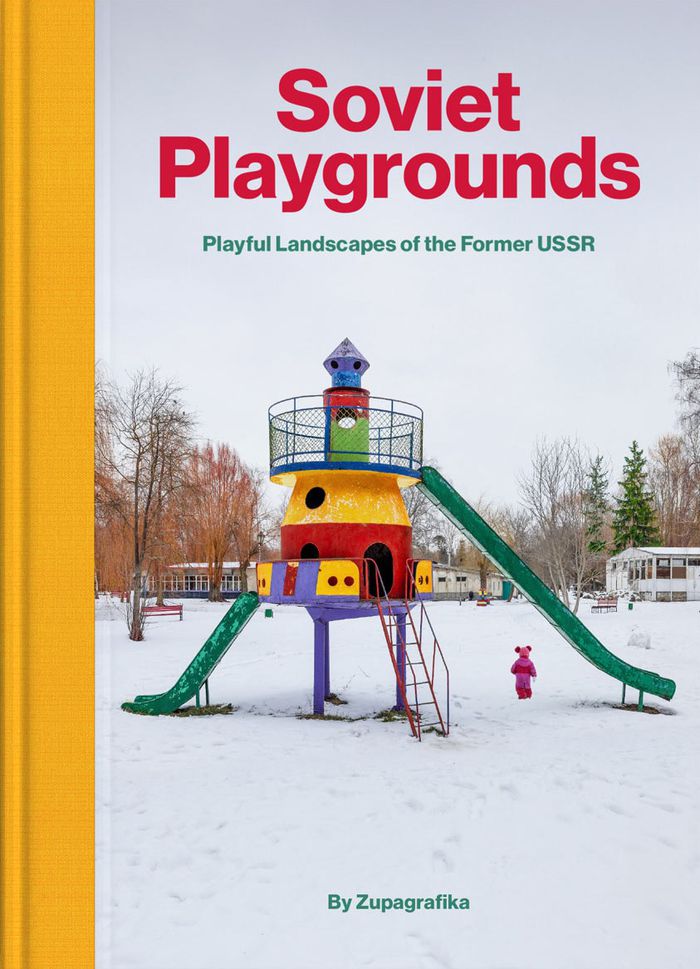
A photographic survey of Soviet-era playgrounds found in former members of the USSR, such as Ukraine, Lithuania, Latvia, Estonia, Russia, Belarus, Kazakhstan, Tajikistan, and Uzbekistan. Through five chapters containing more than 150 photographs, the book documents the mass-produced, yet diverse play equipment installed in the communal spaces of socialist-era housing estates, such as rocket slides and earth-shaped climbers, spaceships and animal-themed ladders, cosmic roundabouts and bizarre objects that would probably raise safety concerns nowadays. From Riga to Dushanbe and all the way from Kyiv to Vladivostok, children dreamt of becoming cosmonauts, and enjoyed the many space-themed playscapes which had proliferated since the onset of the Cold War era. While some are still in use, others are slowly disappearing to make way for modern equipment, or, more recently, being destroyed during the Russian invasion of Ukraine, becoming only a faint memory of a Soviet childhood. Includes a foreword by the Ukrainian urban planner Mykola Gorokhov and informative maps of the playgrounds featured in every chapter. Pictures were taken by Zupagrafika, with contributions by local photographers.
Soviet playgrounds: Playful landscapes of the former USSR
Actions:
Prix:
$52.00
(disponible sur commande)
Résumé:
A photographic survey of Soviet-era playgrounds found in former members of the USSR, such as Ukraine, Lithuania, Latvia, Estonia, Russia, Belarus, Kazakhstan, Tajikistan, and Uzbekistan. Through five chapters containing more than 150 photographs, the book documents the mass-produced, yet diverse play equipment installed in the communal spaces of socialist-era housing estates, such as rocket slides and earth-shaped climbers, spaceships and animal-themed ladders, cosmic roundabouts and bizarre objects that would probably raise safety concerns nowadays. From Riga to Dushanbe and all the way from Kyiv to Vladivostok, children dreamt of becoming cosmonauts, and enjoyed the many space-themed playscapes which had proliferated since the onset of the Cold War era. While some are still in use, others are slowly disappearing to make way for modern equipment, or, more recently, being destroyed during the Russian invasion of Ukraine, becoming only a faint memory of a Soviet childhood. Includes a foreword by the Ukrainian urban planner Mykola Gorokhov and informative maps of the playgrounds featured in every chapter. Pictures were taken by Zupagrafika, with contributions by local photographers.
Classification:
livres
livres
Publication:
septembre 2022
septembre 2022
Sujet:
Modernisme
Modernisme
Classification:
livres
livres
Prix:
$50.00
(disponible sur commande)
Résumé:
A photographic exploration of the Soviet monotowns - urban settlements erected around single industries in the hinterlands of the former USSR -; some thriving, others struggling to survive, still others partially abandoned. Through nine chapters with over 130 photographs taken by Russian photographer Alexander Veryovkin, Monotowns by Zupagrafika captures the(...)
$50.00
(disponible sur commande)
Résumé:
A photographic exploration of the Soviet monotowns - urban settlements erected around single industries in the hinterlands of the former USSR -; some thriving, others struggling to survive, still others partially abandoned. Through nine chapters with over 130 photographs taken by Russian photographer Alexander Veryovkin, Monotowns by Zupagrafika captures the(...)
Titre:
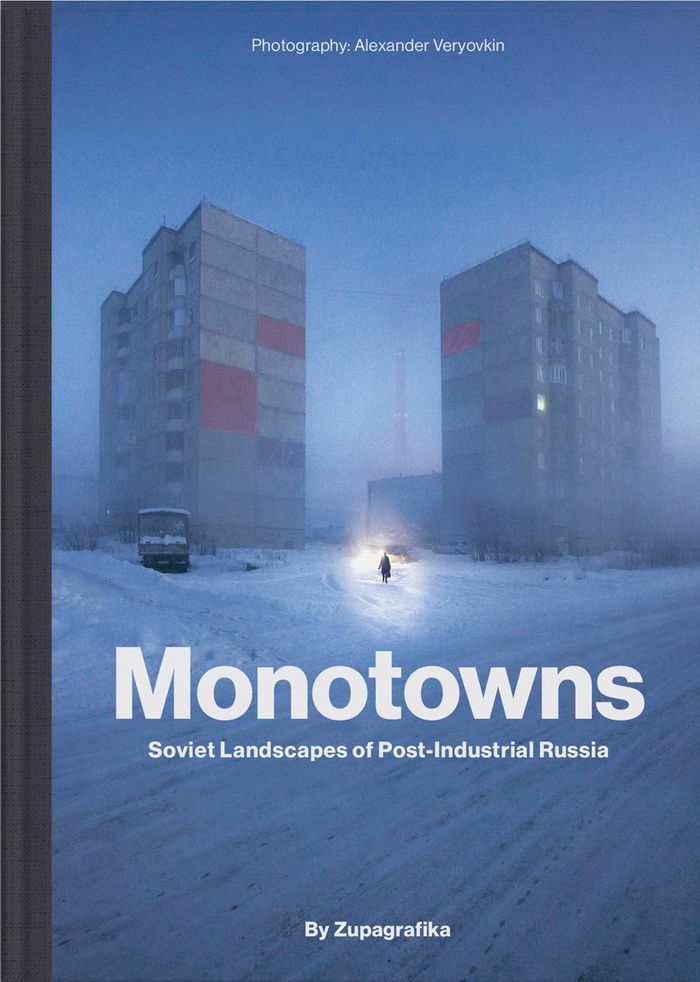
Monotowns: Soviet landscapes of post-industrial Russia
Actions:
Prix:
$50.00
(disponible sur commande)
Résumé:
A photographic exploration of the Soviet monotowns - urban settlements erected around single industries in the hinterlands of the former USSR -; some thriving, others struggling to survive, still others partially abandoned. Through nine chapters with over 130 photographs taken by Russian photographer Alexander Veryovkin, Monotowns by Zupagrafika captures the post-industrial landscapes and Soviet-era architecture of the monogorods extending from the Arctic Circle to the Russian Far East, such as Vorkuta, Norilsk, Mirny, Kirovsk, Tolyatti, Cherepovets, Magnitogorsk, Monchegorsk and Nikel, and the daily lives of their inhabitants. Includes informative texts providing a valuable insight into the urban development of the featured cities and a foreword by the architectural critic Konstantin Budarin.
Monotowns: Soviet landscapes of post-industrial Russia
Actions:
Prix:
$50.00
(disponible sur commande)
Résumé:
A photographic exploration of the Soviet monotowns - urban settlements erected around single industries in the hinterlands of the former USSR -; some thriving, others struggling to survive, still others partially abandoned. Through nine chapters with over 130 photographs taken by Russian photographer Alexander Veryovkin, Monotowns by Zupagrafika captures the post-industrial landscapes and Soviet-era architecture of the monogorods extending from the Arctic Circle to the Russian Far East, such as Vorkuta, Norilsk, Mirny, Kirovsk, Tolyatti, Cherepovets, Magnitogorsk, Monchegorsk and Nikel, and the daily lives of their inhabitants. Includes informative texts providing a valuable insight into the urban development of the featured cities and a foreword by the architectural critic Konstantin Budarin.
Classification:
livres
livres
Publication:
septembre 2021
septembre 2021
Sujet:
Modernisme
Modernisme


