


44178 Résultats
Niveau de description archivistique:
Sous-série
Sous-série
Titre:
Domestic Commissions
Domestic Commissions
Numéro de référence:
CI001.S2.D2
Description:
Hubert and Charles Rohault de Fleury received domestic commissions for both urban housing -hôtel particuliers and apartment houses- and rural dwellings -châteaux, country houses and estates. Hubert also executed designs for furniture and garden pavilions. Hubert' work is characterized by restrained classical exteriors and luxurious Empire style interiors; both Charles' exteriors and interiors, especially those for Hôtels Sauvage and Soltykoff, reflect the exuberance of the Second Empire. The CCA albums include drawings from all stages of the design process but with an emphasis on design development drawings. Hubert's albums contain cost calculations and estimates, notes and letters. In general, the drawings by Charles are from a more developed phase of design than Hubert's; Hubert's commissions are more varied than Charles'. Charles' Hôtel Soltykoff (1854)(DR1974:0002:003:001-105) is exemplary of the Second Empire not only in its architectural language, programme and interior decoration, but also its use of mixed stone and iron construction. The album for Hôtel Soltykoff is one of the most comprehensive in the CCA collection. The drawings incorporate several phases of the design process from conceptual ideas to post-construction revisions. Numerous drawings for the structure and exterior ornamentation are included as well as drawings for the embellishment of the interior spaces. The interior drawings are especially interesting for evidence they provide of the palette of colours and ornamental motifs utilized in the Second Empire. Several prints (plates XIX - XXIII) in 'Oeuvre de C. Rohault de Fleury, architecte', which include general plans and elevations (few of which are included in the Hôtel Solytkoff album), are a useful complement to more specific drawings in the album. The Hôtel Sauvage (ca. 1862) album (DR1974:0002:006:001-024) - a set of 24 contract drawings- consists exclusively general plans, sections and elevations. This group of drawings give a good overall sense of both the interior and exterior. Hôtel Sauvage, like Hôtel Soltykoff is also typical of the Second Empire in style and programme. Château de Marcoussis (ca. 1861), for which a group of drawings were acquired in 1986, diverges somewhat in character from the other examples of Charles' domestic works represented in the CCA collection (DR1986:0379 - DR1986:0413). While most of the other houses are strictly classical in planning and design, for Château de Marcoussis, Charles adopted a more romantic asymmetrical château style design. The domestic commissions (1838-1856) in album, DR1974:0002:002:001-094, roughly fall into two categories. The first category consists of single residences - both town and country. The regimentation of plans and façades in the hôtel particular and country houses manifests the continued influence of Durand, yet Charles was also clearly affected by the Second Empire propensity for elaborate façade treatments with decoratively-shaped windows, complex mouldings and extensive rustication. The second category consists of urban apartment building with stores or occasionally offices on the ground floor, apartments, generally two per floor, above and often servants' rooms in the attic. These buildings are articulated in a restrained manner with mouldings, decorative ironwork and some stone ornament.
CI001.S2.D2
Description:
Hubert and Charles Rohault de Fleury received domestic commissions for both urban housing -hôtel particuliers and apartment houses- and rural dwellings -châteaux, country houses and estates. Hubert also executed designs for furniture and garden pavilions. Hubert' work is characterized by restrained classical exteriors and luxurious Empire style interiors; both Charles' exteriors and interiors, especially those for Hôtels Sauvage and Soltykoff, reflect the exuberance of the Second Empire. The CCA albums include drawings from all stages of the design process but with an emphasis on design development drawings. Hubert's albums contain cost calculations and estimates, notes and letters. In general, the drawings by Charles are from a more developed phase of design than Hubert's; Hubert's commissions are more varied than Charles'. Charles' Hôtel Soltykoff (1854)(DR1974:0002:003:001-105) is exemplary of the Second Empire not only in its architectural language, programme and interior decoration, but also its use of mixed stone and iron construction. The album for Hôtel Soltykoff is one of the most comprehensive in the CCA collection. The drawings incorporate several phases of the design process from conceptual ideas to post-construction revisions. Numerous drawings for the structure and exterior ornamentation are included as well as drawings for the embellishment of the interior spaces. The interior drawings are especially interesting for evidence they provide of the palette of colours and ornamental motifs utilized in the Second Empire. Several prints (plates XIX - XXIII) in 'Oeuvre de C. Rohault de Fleury, architecte', which include general plans and elevations (few of which are included in the Hôtel Solytkoff album), are a useful complement to more specific drawings in the album. The Hôtel Sauvage (ca. 1862) album (DR1974:0002:006:001-024) - a set of 24 contract drawings- consists exclusively general plans, sections and elevations. This group of drawings give a good overall sense of both the interior and exterior. Hôtel Sauvage, like Hôtel Soltykoff is also typical of the Second Empire in style and programme. Château de Marcoussis (ca. 1861), for which a group of drawings were acquired in 1986, diverges somewhat in character from the other examples of Charles' domestic works represented in the CCA collection (DR1986:0379 - DR1986:0413). While most of the other houses are strictly classical in planning and design, for Château de Marcoussis, Charles adopted a more romantic asymmetrical château style design. The domestic commissions (1838-1856) in album, DR1974:0002:002:001-094, roughly fall into two categories. The first category consists of single residences - both town and country. The regimentation of plans and façades in the hôtel particular and country houses manifests the continued influence of Durand, yet Charles was also clearly affected by the Second Empire propensity for elaborate façade treatments with decoratively-shaped windows, complex mouldings and extensive rustication. The second category consists of urban apartment building with stores or occasionally offices on the ground floor, apartments, generally two per floor, above and often servants' rooms in the attic. These buildings are articulated in a restrained manner with mouldings, decorative ironwork and some stone ornament.
Personnes et institutions:
Date:
[between 1838 and 1861]
[between 1838 and 1861]
Titre:
Domestic Commissions
CI001.S2.D2
Description:
Hubert and Charles Rohault de Fleury received domestic commissions for both urban housing -hôtel particuliers and apartment houses- and rural dwellings -châteaux, country houses and estates. Hubert also executed designs for furniture and garden pavilions. Hubert' work is characterized by restrained classical exteriors and luxurious Empire style interiors; both Charles' exteriors and interiors, especially those for Hôtels Sauvage and Soltykoff, reflect the exuberance of the Second Empire. The CCA albums include drawings from all stages of the design process but with an emphasis on design development drawings. Hubert's albums contain cost calculations and estimates, notes and letters. In general, the drawings by Charles are from a more developed phase of design than Hubert's; Hubert's commissions are more varied than Charles'. Charles' Hôtel Soltykoff (1854)(DR1974:0002:003:001-105) is exemplary of the Second Empire not only in its architectural language, programme and interior decoration, but also its use of mixed stone and iron construction. The album for Hôtel Soltykoff is one of the most comprehensive in the CCA collection. The drawings incorporate several phases of the design process from conceptual ideas to post-construction revisions. Numerous drawings for the structure and exterior ornamentation are included as well as drawings for the embellishment of the interior spaces. The interior drawings are especially interesting for evidence they provide of the palette of colours and ornamental motifs utilized in the Second Empire. Several prints (plates XIX - XXIII) in 'Oeuvre de C. Rohault de Fleury, architecte', which include general plans and elevations (few of which are included in the Hôtel Solytkoff album), are a useful complement to more specific drawings in the album. The Hôtel Sauvage (ca. 1862) album (DR1974:0002:006:001-024) - a set of 24 contract drawings- consists exclusively general plans, sections and elevations. This group of drawings give a good overall sense of both the interior and exterior. Hôtel Sauvage, like Hôtel Soltykoff is also typical of the Second Empire in style and programme. Château de Marcoussis (ca. 1861), for which a group of drawings were acquired in 1986, diverges somewhat in character from the other examples of Charles' domestic works represented in the CCA collection (DR1986:0379 - DR1986:0413). While most of the other houses are strictly classical in planning and design, for Château de Marcoussis, Charles adopted a more romantic asymmetrical château style design. The domestic commissions (1838-1856) in album, DR1974:0002:002:001-094, roughly fall into two categories. The first category consists of single residences - both town and country. The regimentation of plans and façades in the hôtel particular and country houses manifests the continued influence of Durand, yet Charles was also clearly affected by the Second Empire propensity for elaborate façade treatments with decoratively-shaped windows, complex mouldings and extensive rustication. The second category consists of urban apartment building with stores or occasionally offices on the ground floor, apartments, generally two per floor, above and often servants' rooms in the attic. These buildings are articulated in a restrained manner with mouldings, decorative ironwork and some stone ornament.
Domestic Commissions
CI001.S2.D2
Description:
Hubert and Charles Rohault de Fleury received domestic commissions for both urban housing -hôtel particuliers and apartment houses- and rural dwellings -châteaux, country houses and estates. Hubert also executed designs for furniture and garden pavilions. Hubert' work is characterized by restrained classical exteriors and luxurious Empire style interiors; both Charles' exteriors and interiors, especially those for Hôtels Sauvage and Soltykoff, reflect the exuberance of the Second Empire. The CCA albums include drawings from all stages of the design process but with an emphasis on design development drawings. Hubert's albums contain cost calculations and estimates, notes and letters. In general, the drawings by Charles are from a more developed phase of design than Hubert's; Hubert's commissions are more varied than Charles'. Charles' Hôtel Soltykoff (1854)(DR1974:0002:003:001-105) is exemplary of the Second Empire not only in its architectural language, programme and interior decoration, but also its use of mixed stone and iron construction. The album for Hôtel Soltykoff is one of the most comprehensive in the CCA collection. The drawings incorporate several phases of the design process from conceptual ideas to post-construction revisions. Numerous drawings for the structure and exterior ornamentation are included as well as drawings for the embellishment of the interior spaces. The interior drawings are especially interesting for evidence they provide of the palette of colours and ornamental motifs utilized in the Second Empire. Several prints (plates XIX - XXIII) in 'Oeuvre de C. Rohault de Fleury, architecte', which include general plans and elevations (few of which are included in the Hôtel Solytkoff album), are a useful complement to more specific drawings in the album. The Hôtel Sauvage (ca. 1862) album (DR1974:0002:006:001-024) - a set of 24 contract drawings- consists exclusively general plans, sections and elevations. This group of drawings give a good overall sense of both the interior and exterior. Hôtel Sauvage, like Hôtel Soltykoff is also typical of the Second Empire in style and programme. Château de Marcoussis (ca. 1861), for which a group of drawings were acquired in 1986, diverges somewhat in character from the other examples of Charles' domestic works represented in the CCA collection (DR1986:0379 - DR1986:0413). While most of the other houses are strictly classical in planning and design, for Château de Marcoussis, Charles adopted a more romantic asymmetrical château style design. The domestic commissions (1838-1856) in album, DR1974:0002:002:001-094, roughly fall into two categories. The first category consists of single residences - both town and country. The regimentation of plans and façades in the hôtel particular and country houses manifests the continued influence of Durand, yet Charles was also clearly affected by the Second Empire propensity for elaborate façade treatments with decoratively-shaped windows, complex mouldings and extensive rustication. The second category consists of urban apartment building with stores or occasionally offices on the ground floor, apartments, generally two per floor, above and often servants' rooms in the attic. These buildings are articulated in a restrained manner with mouldings, decorative ironwork and some stone ornament.
Niveau de description archivistique:
File 2
File 2
Date:
[between 1838 and 1861]
[between 1838 and 1861]
Personnes et institutions:
Classification:
dessins
dessins
Numéro de référence:
AP046.S1.1983.PR02.013
Description:
This file includes topographic maps of the Old Port by Public Works Canada and J.P. Arsenault, land surveyor.
AP046.S1.1983.PR02.013
Description:
This file includes topographic maps of the Old Port by Public Works Canada and J.P. Arsenault, land surveyor.
Personnes et institutions:
Date:
1981-1984
1981-1984
Titre:
Topographic maps, Old Port of Montreal Master Plan, Montréal, Québec
Actions:
AP046.S1.1983.PR02.013
Description:
This file includes topographic maps of the Old Port by Public Works Canada and J.P. Arsenault, land surveyor.
Topographic maps, Old Port of Montreal Master Plan, Montréal, Québec
Actions:
AP046.S1.1983.PR02.013
Description:
This file includes topographic maps of the Old Port by Public Works Canada and J.P. Arsenault, land surveyor.
Classification:
dessins
dessins
Date:
1981-1984
1981-1984
Personnes et institutions:
Classification:
documents textuels
documents textuels
Numéro de référence:
ARCH258673
Description:
Correspondance avec Fred Béique et le fournisseur Montreal Architectural Iron Works, incluant des notes d'entrevue avec une liste de travaux (balustrade, grille porte, imposte, balcon).
ARCH258673
Description:
Correspondance avec Fred Béique et le fournisseur Montreal Architectural Iron Works, incluant des notes d'entrevue avec une liste de travaux (balustrade, grille porte, imposte, balcon).
Personnes et institutions:
Date:
1927-1928
1927-1928
Titre:
Correspondance avec fournisseurs
Actions:
ARCH258673
Description:
Correspondance avec Fred Béique et le fournisseur Montreal Architectural Iron Works, incluant des notes d'entrevue avec une liste de travaux (balustrade, grille porte, imposte, balcon).
Correspondance avec fournisseurs
Actions:
ARCH258673
Description:
Correspondance avec Fred Béique et le fournisseur Montreal Architectural Iron Works, incluant des notes d'entrevue avec une liste de travaux (balustrade, grille porte, imposte, balcon).
Classification:
documents textuels
documents textuels
Date:
1927-1928
1927-1928
Personnes et institutions:
Classification:
documents textuels
documents textuels
Numéro de référence:
AP149.S3.SS1.077
Description:
Contains documents related to a competition on low energy design and retrofit projects by Public Works Minister of Canada.
AP149.S3.SS1.077
Description:
Contains documents related to a competition on low energy design and retrofit projects by Public Works Minister of Canada.
Personnes et institutions:
Date:
1980-1981
1980-1981
Titre:
Application for a competition on low energy design and retrofit projects
Actions:
AP149.S3.SS1.077
Description:
Contains documents related to a competition on low energy design and retrofit projects by Public Works Minister of Canada.
Application for a competition on low energy design and retrofit projects
Actions:
AP149.S3.SS1.077
Description:
Contains documents related to a competition on low energy design and retrofit projects by Public Works Minister of Canada.
Classification:
documents textuels
documents textuels
Date:
1980-1981
1980-1981
Personnes et institutions:
Classification:
photographies
photographies
Numéro de référence:
ARCH280849
Description:
Épreuves commandées par Jacqueline Jeanneret. Prints commissioned by Jacqueline Jeanneret.
ARCH280849
Description:
Épreuves commandées par Jacqueline Jeanneret. Prints commissioned by Jacqueline Jeanneret.
Personnes et institutions:
Date:
between 1950 and 1966
between 1950 and 1966
Titre:
Photographs of everyday life in Chandigarh, India
Actions:
ARCH280849
Description:
Épreuves commandées par Jacqueline Jeanneret. Prints commissioned by Jacqueline Jeanneret.
Photographs of everyday life in Chandigarh, India
Actions:
ARCH280849
Description:
Épreuves commandées par Jacqueline Jeanneret. Prints commissioned by Jacqueline Jeanneret.
Classification:
photographies
photographies
Date:
between 1950 and 1966
between 1950 and 1966
Personnes et institutions:
Classification:
événements
événements
Actions:
Description:
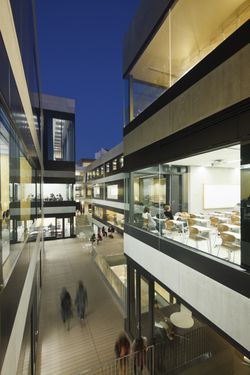
Dans cette causerie intitulée « Design the place for people to meet » (Concevoir le lieu pour que les gens se rencontrent), Manabu Chiba expliquera sa démarche de conception, soulignant la réalisation d’une architecture qui favorise les nouvelles interactions de lieu à lieu, de personne à personne et de personne à lieu. Son travail vise à révéler le contexte d’un(...)
Dans cette causerie intitulée « Design the place for people to meet » (Concevoir le lieu pour que les gens se rencontrent), Manabu Chiba expliquera sa démarche de conception, soulignant la réalisation d’une architecture qui favorise les nouvelles interactions de lieu à lieu, de personne à personne et de personne à lieu. Son travail vise à révéler le contexte d’un(...)
Date:
11 février 2016
11 février 2016
Titre:
Manabu Chiba veut vous parler
Actions:
Description:
Dans cette causerie intitulée « Design the place for people to meet » (Concevoir le lieu pour que les gens se rencontrent), Manabu Chiba expliquera sa démarche de conception, soulignant la réalisation d’une architecture qui favorise les nouvelles interactions de lieu à lieu, de personne à personne et de personne à lieu. Son travail vise à révéler le contexte d’un(...)
Manabu Chiba veut vous parler
Actions:
Description:
Dans cette causerie intitulée « Design the place for people to meet » (Concevoir le lieu pour que les gens se rencontrent), Manabu Chiba expliquera sa démarche de conception, soulignant la réalisation d’une architecture qui favorise les nouvelles interactions de lieu à lieu, de personne à personne et de personne à lieu. Son travail vise à révéler le contexte d’un(...)
Classification:
événements
événements
Date:
11 février 2016
11 février 2016
Classification:
expositions
expositions
Description:
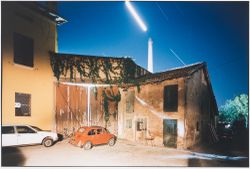
Trente-deux photographes italiens rendent hommage à Phyllis Lambert, directeur fondateur et président du CCA, à l’occasion de son soixante-dixième anniversaire. Les œuvres témoignent des préoccupations des photographes italiens depuis les années 1970, et elles nous donnent un aperçu de la culture photographique italienne contemporaine. L’exposition réunit des œuvres(...)
Trente-deux photographes italiens rendent hommage à Phyllis Lambert, directeur fondateur et président du CCA, à l’occasion de son soixante-dixième anniversaire. Les œuvres témoignent des préoccupations des photographes italiens depuis les années 1970, et elles nous donnent un aperçu de la culture photographique italienne contemporaine. L’exposition réunit des œuvres(...)
Localisation:
Salle octogonale
Salle octogonale
Date:
21 avril 1999 au 26 septembre 1999
21 avril 1999 au 26 septembre 1999
Titre:
32 photographes italiens : un hommage à Phyllis Lambert
Actions:
Description:
Trente-deux photographes italiens rendent hommage à Phyllis Lambert, directeur fondateur et président du CCA, à l’occasion de son soixante-dixième anniversaire. Les œuvres témoignent des préoccupations des photographes italiens depuis les années 1970, et elles nous donnent un aperçu de la culture photographique italienne contemporaine. L’exposition réunit des œuvres(...)
32 photographes italiens : un hommage à Phyllis Lambert
Actions:
Description:
Trente-deux photographes italiens rendent hommage à Phyllis Lambert, directeur fondateur et président du CCA, à l’occasion de son soixante-dixième anniversaire. Les œuvres témoignent des préoccupations des photographes italiens depuis les années 1970, et elles nous donnent un aperçu de la culture photographique italienne contemporaine. L’exposition réunit des œuvres(...)
Classification:
expositions
expositions
Date:
21 avril 1999 au
26 septembre 1999
21 avril 1999 au
26 septembre 1999
Localisation:
Salle octogonale
Salle octogonale
Classification:
dessins
dessins
Actions:
Numéro de référence:
DR1989:0015:077
Description:
- This drawing shows three plans for the wing which extends behind the west end of the chapel at St. Peter's Convent, Woking. There is a ground floor plan at l., and a first-floor plan at r. The center plan shows a third floor, or a modified part of the ground floor, without the dispensary. - This work is part of a group of drawings and reprographic prints of drawings for St. Peter's Home, Woking, and St. Peter's Convent, Woking, from the offices of John Loughborough Pearson and Frank Loughborough Pearson (DR1989:0015:011 - DR1989:0015:085 R/V). Composed of contract and working drawings including plans, site plans, sections, and elevations dated between 1881 and 1936, these drawings were sold at auction by the convent along with those for the older institution of St. Peter's Home, Kilburn (DR1989:0015:001 - DR1989:0015:010). Both St. Peter's Home, Kilburn, and St. Peter's Home, Woking were commissioned from John Loughborough Pearson by Benjamin Lancaster. The alterations to the Home at Kilburn were commissioned on behalf of Lancaster's wife, who founded the home and a lay nursing order which ran it. The institution at Woking was founded by Lancaster as a home for incurables in 1882 and dedicated to the memory of his deceased wife (Quiney 67-68, 254-255, and 284). It was probably first known as St. Peter's Home, Woking, not becoming a convent until ca. 1934.
DR1989:0015:077
Description:
- This drawing shows three plans for the wing which extends behind the west end of the chapel at St. Peter's Convent, Woking. There is a ground floor plan at l., and a first-floor plan at r. The center plan shows a third floor, or a modified part of the ground floor, without the dispensary. - This work is part of a group of drawings and reprographic prints of drawings for St. Peter's Home, Woking, and St. Peter's Convent, Woking, from the offices of John Loughborough Pearson and Frank Loughborough Pearson (DR1989:0015:011 - DR1989:0015:085 R/V). Composed of contract and working drawings including plans, site plans, sections, and elevations dated between 1881 and 1936, these drawings were sold at auction by the convent along with those for the older institution of St. Peter's Home, Kilburn (DR1989:0015:001 - DR1989:0015:010). Both St. Peter's Home, Kilburn, and St. Peter's Home, Woking were commissioned from John Loughborough Pearson by Benjamin Lancaster. The alterations to the Home at Kilburn were commissioned on behalf of Lancaster's wife, who founded the home and a lay nursing order which ran it. The institution at Woking was founded by Lancaster as a home for incurables in 1882 and dedicated to the memory of his deceased wife (Quiney 67-68, 254-255, and 284). It was probably first known as St. Peter's Home, Woking, not becoming a convent until ca. 1934.
Personnes et institutions:
Sujet:
architecture
architecture
Date:
1935-1936 ?
1935-1936 ?
Titre:
St. Peter's Convent, Woking: Plans for the children's ward with the chapter room below
Actions:
DR1989:0015:077
Description:
- This drawing shows three plans for the wing which extends behind the west end of the chapel at St. Peter's Convent, Woking. There is a ground floor plan at l., and a first-floor plan at r. The center plan shows a third floor, or a modified part of the ground floor, without the dispensary. - This work is part of a group of drawings and reprographic prints of drawings for St. Peter's Home, Woking, and St. Peter's Convent, Woking, from the offices of John Loughborough Pearson and Frank Loughborough Pearson (DR1989:0015:011 - DR1989:0015:085 R/V). Composed of contract and working drawings including plans, site plans, sections, and elevations dated between 1881 and 1936, these drawings were sold at auction by the convent along with those for the older institution of St. Peter's Home, Kilburn (DR1989:0015:001 - DR1989:0015:010). Both St. Peter's Home, Kilburn, and St. Peter's Home, Woking were commissioned from John Loughborough Pearson by Benjamin Lancaster. The alterations to the Home at Kilburn were commissioned on behalf of Lancaster's wife, who founded the home and a lay nursing order which ran it. The institution at Woking was founded by Lancaster as a home for incurables in 1882 and dedicated to the memory of his deceased wife (Quiney 67-68, 254-255, and 284). It was probably first known as St. Peter's Home, Woking, not becoming a convent until ca. 1934.
St. Peter's Convent, Woking: Plans for the children's ward with the chapter room below
Actions:
DR1989:0015:077
Description:
- This drawing shows three plans for the wing which extends behind the west end of the chapel at St. Peter's Convent, Woking. There is a ground floor plan at l., and a first-floor plan at r. The center plan shows a third floor, or a modified part of the ground floor, without the dispensary. - This work is part of a group of drawings and reprographic prints of drawings for St. Peter's Home, Woking, and St. Peter's Convent, Woking, from the offices of John Loughborough Pearson and Frank Loughborough Pearson (DR1989:0015:011 - DR1989:0015:085 R/V). Composed of contract and working drawings including plans, site plans, sections, and elevations dated between 1881 and 1936, these drawings were sold at auction by the convent along with those for the older institution of St. Peter's Home, Kilburn (DR1989:0015:001 - DR1989:0015:010). Both St. Peter's Home, Kilburn, and St. Peter's Home, Woking were commissioned from John Loughborough Pearson by Benjamin Lancaster. The alterations to the Home at Kilburn were commissioned on behalf of Lancaster's wife, who founded the home and a lay nursing order which ran it. The institution at Woking was founded by Lancaster as a home for incurables in 1882 and dedicated to the memory of his deceased wife (Quiney 67-68, 254-255, and 284). It was probably first known as St. Peter's Home, Woking, not becoming a convent until ca. 1934.
Classification:
dessins
dessins
Date:
1935-1936 ?
1935-1936 ?
Personnes et institutions:
Sujet:
architecture
architecture
Classification:
dessins
dessins
Actions:
Numéro de référence:
DR1989:0015:012
Description:
- This incomplete set of numbered contract drawings, DR1989:0015:012 - DR1989:0015:016, have the same scale, colour-coding, title format and script. With the exception of this drawing, which was probably cut down, the sheets are of similar dimensions and are signed by the architect in the l.r. corner. DR1989:0015:013 - DR1989:0015:016 are keyed to this drawing. - This work is part of a group of drawings and reprographic prints of drawings for St. Peter's Home, Woking, and St. Peter's Convent, Woking, from the offices of John Loughborough Pearson and Frank Loughborough Pearson (DR1989:0015:011 - DR1989:0015:085 R/V). Composed of contract and working drawings including plans, site plans, sections, and elevations dated between 1881 and 1936, these drawings were sold at auction by the convent along with those for the older institution of St. Peter's Home, Kilburn (DR1989:0015:001 - DR1989:0015:010). Both St. Peter's Home, Kilburn, and St. Peter's Home, Woking were commissioned from John Loughborough Pearson by Benjamin Lancaster. The alterations to the Home at Kilburn were commissioned on behalf of Lancaster's wife, who founded the home and a lay nursing order which ran it. The institution at Woking was founded by Lancaster as a home for incurables in 1882 and dedicated to the memory of his deceased wife (Quiney 67-68, 254-255, and 284). It was probably first known as St. Peter's Home, Woking, not becoming a convent until ca. 1934.
DR1989:0015:012
Description:
- This incomplete set of numbered contract drawings, DR1989:0015:012 - DR1989:0015:016, have the same scale, colour-coding, title format and script. With the exception of this drawing, which was probably cut down, the sheets are of similar dimensions and are signed by the architect in the l.r. corner. DR1989:0015:013 - DR1989:0015:016 are keyed to this drawing. - This work is part of a group of drawings and reprographic prints of drawings for St. Peter's Home, Woking, and St. Peter's Convent, Woking, from the offices of John Loughborough Pearson and Frank Loughborough Pearson (DR1989:0015:011 - DR1989:0015:085 R/V). Composed of contract and working drawings including plans, site plans, sections, and elevations dated between 1881 and 1936, these drawings were sold at auction by the convent along with those for the older institution of St. Peter's Home, Kilburn (DR1989:0015:001 - DR1989:0015:010). Both St. Peter's Home, Kilburn, and St. Peter's Home, Woking were commissioned from John Loughborough Pearson by Benjamin Lancaster. The alterations to the Home at Kilburn were commissioned on behalf of Lancaster's wife, who founded the home and a lay nursing order which ran it. The institution at Woking was founded by Lancaster as a home for incurables in 1882 and dedicated to the memory of his deceased wife (Quiney 67-68, 254-255, and 284). It was probably first known as St. Peter's Home, Woking, not becoming a convent until ca. 1934.
Personnes et institutions:
Sujet:
architecture
architecture
Date:
1882 ?
1882 ?
Titre:
St. Peter's Home, Woking: Ground plan
Actions:
DR1989:0015:012
Description:
- This incomplete set of numbered contract drawings, DR1989:0015:012 - DR1989:0015:016, have the same scale, colour-coding, title format and script. With the exception of this drawing, which was probably cut down, the sheets are of similar dimensions and are signed by the architect in the l.r. corner. DR1989:0015:013 - DR1989:0015:016 are keyed to this drawing. - This work is part of a group of drawings and reprographic prints of drawings for St. Peter's Home, Woking, and St. Peter's Convent, Woking, from the offices of John Loughborough Pearson and Frank Loughborough Pearson (DR1989:0015:011 - DR1989:0015:085 R/V). Composed of contract and working drawings including plans, site plans, sections, and elevations dated between 1881 and 1936, these drawings were sold at auction by the convent along with those for the older institution of St. Peter's Home, Kilburn (DR1989:0015:001 - DR1989:0015:010). Both St. Peter's Home, Kilburn, and St. Peter's Home, Woking were commissioned from John Loughborough Pearson by Benjamin Lancaster. The alterations to the Home at Kilburn were commissioned on behalf of Lancaster's wife, who founded the home and a lay nursing order which ran it. The institution at Woking was founded by Lancaster as a home for incurables in 1882 and dedicated to the memory of his deceased wife (Quiney 67-68, 254-255, and 284). It was probably first known as St. Peter's Home, Woking, not becoming a convent until ca. 1934.
St. Peter's Home, Woking: Ground plan
Actions:
DR1989:0015:012
Description:
- This incomplete set of numbered contract drawings, DR1989:0015:012 - DR1989:0015:016, have the same scale, colour-coding, title format and script. With the exception of this drawing, which was probably cut down, the sheets are of similar dimensions and are signed by the architect in the l.r. corner. DR1989:0015:013 - DR1989:0015:016 are keyed to this drawing. - This work is part of a group of drawings and reprographic prints of drawings for St. Peter's Home, Woking, and St. Peter's Convent, Woking, from the offices of John Loughborough Pearson and Frank Loughborough Pearson (DR1989:0015:011 - DR1989:0015:085 R/V). Composed of contract and working drawings including plans, site plans, sections, and elevations dated between 1881 and 1936, these drawings were sold at auction by the convent along with those for the older institution of St. Peter's Home, Kilburn (DR1989:0015:001 - DR1989:0015:010). Both St. Peter's Home, Kilburn, and St. Peter's Home, Woking were commissioned from John Loughborough Pearson by Benjamin Lancaster. The alterations to the Home at Kilburn were commissioned on behalf of Lancaster's wife, who founded the home and a lay nursing order which ran it. The institution at Woking was founded by Lancaster as a home for incurables in 1882 and dedicated to the memory of his deceased wife (Quiney 67-68, 254-255, and 284). It was probably first known as St. Peter's Home, Woking, not becoming a convent until ca. 1934.
Classification:
dessins
dessins
Date:
1882 ?
1882 ?
Personnes et institutions:
Sujet:
architecture
architecture
Classification:
archives
Niveau de description archivistique:
Fonds
archives
Niveau de description archivistique:
Fonds
Titre:
Fonds Zéphirin Perrault
Fonds Zéphirin Perrault
Numéro de référence:
AP107
Résumé:
The Zéphirin Perrault fonds, 1866-1885, documents architect Zéphirin Perrault’s design of approximately ten churches in rural Québec and the St. Michael Cathedral in Toronto, Ontario. A drawing by Victor Bourgneau (1809-1888) is also included in this fonds. Materials consist of approximately 42 drawings and 5 textual documents.
AP107
Résumé:
The Zéphirin Perrault fonds, 1866-1885, documents architect Zéphirin Perrault’s design of approximately ten churches in rural Québec and the St. Michael Cathedral in Toronto, Ontario. A drawing by Victor Bourgneau (1809-1888) is also included in this fonds. Materials consist of approximately 42 drawings and 5 textual documents.
Personnes et institutions:
Date:
1866-1885
1866-1885
Titre:
Fonds Zéphirin Perrault
Actions:
AP107
Résumé:
The Zéphirin Perrault fonds, 1866-1885, documents architect Zéphirin Perrault’s design of approximately ten churches in rural Québec and the St. Michael Cathedral in Toronto, Ontario. A drawing by Victor Bourgneau (1809-1888) is also included in this fonds. Materials consist of approximately 42 drawings and 5 textual documents.
Fonds Zéphirin Perrault
Actions:
AP107
Résumé:
The Zéphirin Perrault fonds, 1866-1885, documents architect Zéphirin Perrault’s design of approximately ten churches in rural Québec and the St. Michael Cathedral in Toronto, Ontario. A drawing by Victor Bourgneau (1809-1888) is also included in this fonds. Materials consist of approximately 42 drawings and 5 textual documents.
Classification:
archives
Niveau de description archivistique:
Fonds
archives
Niveau de description archivistique:
Fonds
Date:
1866-1885
1866-1885
Personnes et institutions:


