


12071 Résultats
Classification:
livres
livres
Actions:
Prix:
$88.00
(disponible sur commande)
Résumé:
This book presents the latest developments from the forefront of the digital revolution that is reshaping architecture. In the last few years, technological advances have enabled the realization of ideas that until now were only theories while also opening up new and unexpected areas of investigation.The innovations in the field are explored in this astonishing volume(...)
$88.00
(disponible sur commande)
Résumé:
This book presents the latest developments from the forefront of the digital revolution that is reshaping architecture. In the last few years, technological advances have enabled the realization of ideas that until now were only theories while also opening up new and unexpected areas of investigation.The innovations in the field are explored in this astonishing volume(...)
Titre:
Digital architecture: a radical future
Actions:
Prix:
$88.00
(disponible sur commande)
Résumé:
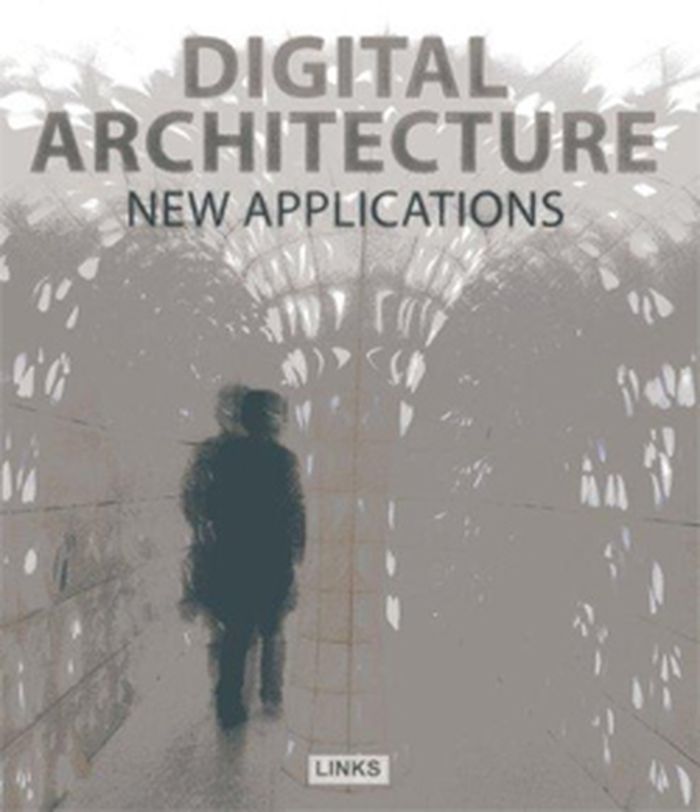
This book presents the latest developments from the forefront of the digital revolution that is reshaping architecture. In the last few years, technological advances have enabled the realization of ideas that until now were only theories while also opening up new and unexpected areas of investigation.The innovations in the field are explored in this astonishing volume through a selection of the most impressive projects from all over the world, each one illustrated with extensive visual material, commentaries by the designers and technical information.
Digital architecture: a radical future
Actions:
Prix:
$88.00
(disponible sur commande)
Résumé:
This book presents the latest developments from the forefront of the digital revolution that is reshaping architecture. In the last few years, technological advances have enabled the realization of ideas that until now were only theories while also opening up new and unexpected areas of investigation.The innovations in the field are explored in this astonishing volume through a selection of the most impressive projects from all over the world, each one illustrated with extensive visual material, commentaries by the designers and technical information.
Classification:
livres
livres
Publication:
août 2015
août 2015
Sujet:
Architecture numérique
Architecture numérique
Classification:
livres
livres
Prix:
$14.00
(disponible sur commande)
Résumé:
Deux ans après la mise en orbite du Spoutnik (1957), Nixon et Khrouchtchev inaugurent l'Exposition nationale américaine à Moscou. Auprès de la maison « Splitnik » exposant les articles et les valeurs de la société de consommation « à l'américaine », les designers Charles et Ray Eames sont chargés d'offrir un aperçu flatteur des USA. En un blitz de 12 minutes projeté sur 7(...)
$14.00
(disponible sur commande)
Résumé:
Deux ans après la mise en orbite du Spoutnik (1957), Nixon et Khrouchtchev inaugurent l'Exposition nationale américaine à Moscou. Auprès de la maison « Splitnik » exposant les articles et les valeurs de la société de consommation « à l'américaine », les designers Charles et Ray Eames sont chargés d'offrir un aperçu flatteur des USA. En un blitz de 12 minutes projeté sur 7(...)
Titre:
Cernés par les images: l'architecture de l'après-spoutnik
Actions:
Prix:
$14.00
(disponible sur commande)
Résumé:
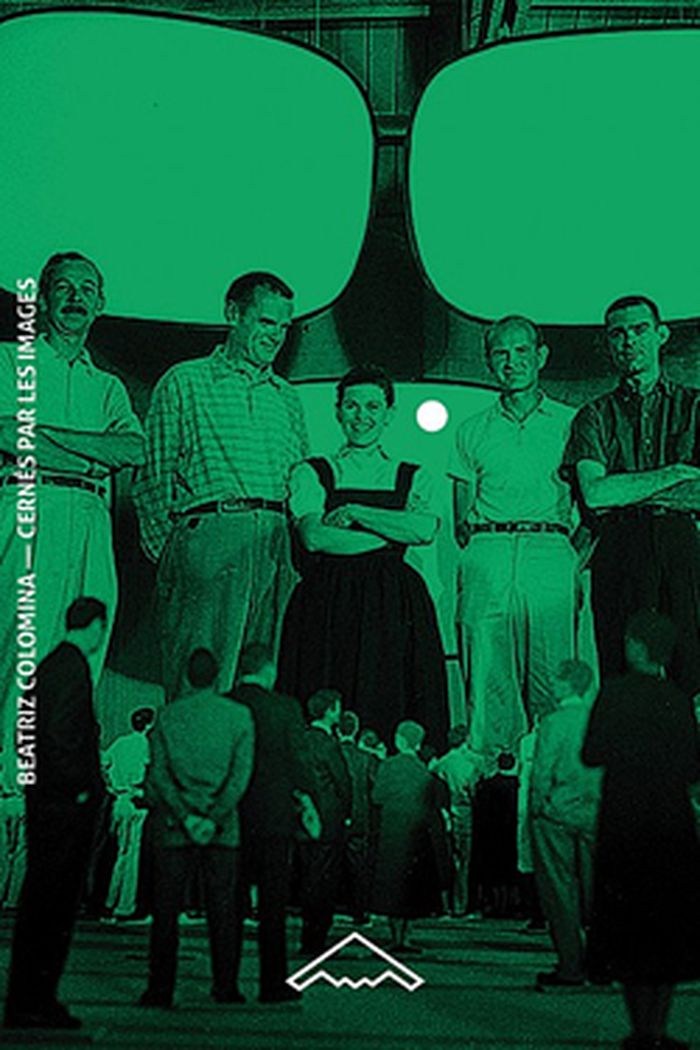
Deux ans après la mise en orbite du Spoutnik (1957), Nixon et Khrouchtchev inaugurent l'Exposition nationale américaine à Moscou. Auprès de la maison « Splitnik » exposant les articles et les valeurs de la société de consommation « à l'américaine », les designers Charles et Ray Eames sont chargés d'offrir un aperçu flatteur des USA. En un blitz de 12 minutes projeté sur 7 rétroviseurs géants abrités sous un dôme géodésique doré de Buckminster Fuller, cette pacifique guerre-éclair consiste à « cerner par les images » des Soviétiques ébahis. Prologue au pop art américain, le succès est total et immédiat. Les USA lancent le premier satellite de télécommunications Telstar et la mondovision en 1962. L'architecture de l'après-Spoutnik vient de naître...
Cernés par les images: l'architecture de l'après-spoutnik
Actions:
Prix:
$14.00
(disponible sur commande)
Résumé:
Deux ans après la mise en orbite du Spoutnik (1957), Nixon et Khrouchtchev inaugurent l'Exposition nationale américaine à Moscou. Auprès de la maison « Splitnik » exposant les articles et les valeurs de la société de consommation « à l'américaine », les designers Charles et Ray Eames sont chargés d'offrir un aperçu flatteur des USA. En un blitz de 12 minutes projeté sur 7 rétroviseurs géants abrités sous un dôme géodésique doré de Buckminster Fuller, cette pacifique guerre-éclair consiste à « cerner par les images » des Soviétiques ébahis. Prologue au pop art américain, le succès est total et immédiat. Les USA lancent le premier satellite de télécommunications Telstar et la mondovision en 1962. L'architecture de l'après-Spoutnik vient de naître...
Classification:
livres
livres
Publication:
novembre 2013
novembre 2013
Sujet:
Théorie de l’architecture
Théorie de l’architecture
Classification:
livres
livres

Actions:
Prix:
$38.99
(disponible en magasin)
Résumé:
Written in 1973 but only recently discovered in a private archive, this work extends Lefebvre’s influential theory of urban space to the question of architecture. Taking the practices and perspective of habitation as his starting place, Lefebvre redefines architecture as a mode of imagination rather than a specialized process or a collection of monuments. He calls for an(...)
$38.99
(disponible en magasin)
Résumé:
Written in 1973 but only recently discovered in a private archive, this work extends Lefebvre’s influential theory of urban space to the question of architecture. Taking the practices and perspective of habitation as his starting place, Lefebvre redefines architecture as a mode of imagination rather than a specialized process or a collection of monuments. He calls for an(...)
Titre:
Toward an architecture of enjoyment
Actions:
Prix:
$38.99
(disponible en magasin)
Résumé:
Written in 1973 but only recently discovered in a private archive, this work extends Lefebvre’s influential theory of urban space to the question of architecture. Taking the practices and perspective of habitation as his starting place, Lefebvre redefines architecture as a mode of imagination rather than a specialized process or a collection of monuments. He calls for an architecture of jouissance—of pleasure or enjoyment—centered on the body and its rhythms and based on the possibilities of the senses.
Toward an architecture of enjoyment
Actions:
Prix:
$38.99
(disponible en magasin)
Résumé:
Written in 1973 but only recently discovered in a private archive, this work extends Lefebvre’s influential theory of urban space to the question of architecture. Taking the practices and perspective of habitation as his starting place, Lefebvre redefines architecture as a mode of imagination rather than a specialized process or a collection of monuments. He calls for an architecture of jouissance—of pleasure or enjoyment—centered on the body and its rhythms and based on the possibilities of the senses.
Classification:
livres
livres
Publication:
mai 2014
mai 2014
Sujet:
Théorie de l’architecture
Théorie de l’architecture
Classification:
livres
livres
Actions:
Prix:
$98.00
(disponible sur commande)
Résumé:
Sauerbruch and Hutton are among contemporary architects in their redefinition of colour as an essential material of architecture. The polychromatic treatment of their buildings created over the past twenty years reflect and concentrate the colours, forms and energies of the contemporary city. Simultaneously image and sculpture, ornament and text, they allow the complex(...)
$98.00
(disponible sur commande)
Résumé:
Sauerbruch and Hutton are among contemporary architects in their redefinition of colour as an essential material of architecture. The polychromatic treatment of their buildings created over the past twenty years reflect and concentrate the colours, forms and energies of the contemporary city. Simultaneously image and sculpture, ornament and text, they allow the complex(...)
Titre:
Sauerbruch Hutton: colour in architecture
Actions:
Prix:
$98.00
(disponible sur commande)
Résumé:
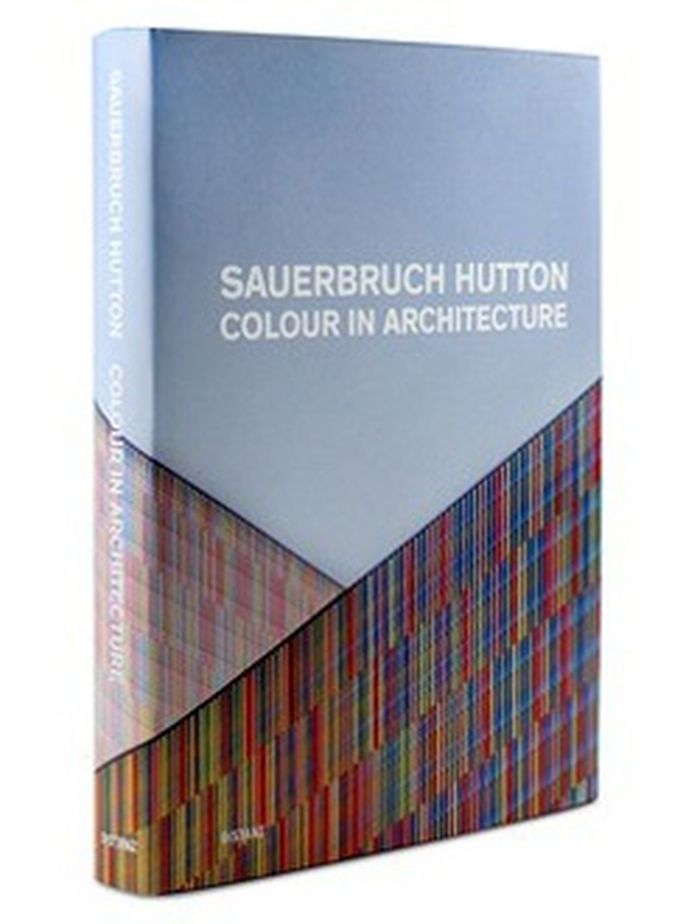
Sauerbruch and Hutton are among contemporary architects in their redefinition of colour as an essential material of architecture. The polychromatic treatment of their buildings created over the past twenty years reflect and concentrate the colours, forms and energies of the contemporary city. Simultaneously image and sculpture, ornament and text, they allow the complex technical reality of a building to disappear behind a powerful aesthetic experience. Beside Sauerbruch Hutton's renowned buildings such as the GSW Headquarters in Berlin, the Federal Environmental Agency Dessau or Munich's Brandhorst Museum, this book also shows their more recent work.
Sauerbruch Hutton: colour in architecture
Actions:
Prix:
$98.00
(disponible sur commande)
Résumé:
Sauerbruch and Hutton are among contemporary architects in their redefinition of colour as an essential material of architecture. The polychromatic treatment of their buildings created over the past twenty years reflect and concentrate the colours, forms and energies of the contemporary city. Simultaneously image and sculpture, ornament and text, they allow the complex technical reality of a building to disappear behind a powerful aesthetic experience. Beside Sauerbruch Hutton's renowned buildings such as the GSW Headquarters in Berlin, the Federal Environmental Agency Dessau or Munich's Brandhorst Museum, this book also shows their more recent work.
Classification:
livres
livres
Publication:
juillet 2014
juillet 2014
Sujet:
Architecture, monographies
Architecture, monographies
Classification:
livres
livres
Actions:
Prix:
$18.00
(disponible sur commande)
Résumé:
Un an avant le Summer of Love, la revue Progressive Architecture publie un dossier brûlant : le « LSD : un outil de conception ? » Mais comment le LSD pourrait-il le devenir, et surtout : pourquoi ? Auteure de Architecture or Techno-Utopia : Politics after Modernism (MIT Press, 2007), Felicity Scott y répond d'abord à travers la figure tutélaire de Buckminster Fuller, de(...)
$18.00
(disponible sur commande)
Résumé:
Un an avant le Summer of Love, la revue Progressive Architecture publie un dossier brûlant : le « LSD : un outil de conception ? » Mais comment le LSD pourrait-il le devenir, et surtout : pourquoi ? Auteure de Architecture or Techno-Utopia : Politics after Modernism (MIT Press, 2007), Felicity Scott y répond d'abord à travers la figure tutélaire de Buckminster Fuller, de(...)
Titre:
Acid visions : l'architecture sous LSD
Actions:
Prix:
$18.00
(disponible sur commande)
Résumé:
Un an avant le Summer of Love, la revue Progressive Architecture publie un dossier brûlant : le « LSD : un outil de conception ? » Mais comment le LSD pourrait-il le devenir, et surtout : pourquoi ? Auteure de Architecture or Techno-Utopia : Politics after Modernism (MIT Press, 2007), Felicity Scott y répond d'abord à travers la figure tutélaire de Buckminster Fuller, de sa « découverte » de l'acide lysergique et de l'adaptation de ses dômes géodésiques en zomes psychédéliques. Or, comme Drop City, les road trips des Merry Pranksters et d'USCO ajoutent à la prairie et à la forêt cybernétiques chères à Richard Brautigan une « vision acide », intermédia et stroboscopiquement amplifiée. Mais, s'agissait-il vraiment d'un Grand Pas pour le Village Global ou le Vaisseau spatial Terre ? Felicity D. Scott est professeure-adjointe à la Graduate School of Architecture de Columbia University.
Acid visions : l'architecture sous LSD
Actions:
Prix:
$18.00
(disponible sur commande)
Résumé:
Un an avant le Summer of Love, la revue Progressive Architecture publie un dossier brûlant : le « LSD : un outil de conception ? » Mais comment le LSD pourrait-il le devenir, et surtout : pourquoi ? Auteure de Architecture or Techno-Utopia : Politics after Modernism (MIT Press, 2007), Felicity Scott y répond d'abord à travers la figure tutélaire de Buckminster Fuller, de sa « découverte » de l'acide lysergique et de l'adaptation de ses dômes géodésiques en zomes psychédéliques. Or, comme Drop City, les road trips des Merry Pranksters et d'USCO ajoutent à la prairie et à la forêt cybernétiques chères à Richard Brautigan une « vision acide », intermédia et stroboscopiquement amplifiée. Mais, s'agissait-il vraiment d'un Grand Pas pour le Village Global ou le Vaisseau spatial Terre ? Felicity D. Scott est professeure-adjointe à la Graduate School of Architecture de Columbia University.
Classification:
livres
livres
Publication:
novembre 2012
novembre 2012
Sujet:
Théorie de l’architecture
Théorie de l’architecture
Classification:
livres
livres
Actions:
Prix:
$28.95
(disponible sur commande)
Résumé:
The first in a series by the Sikkens Foundation, this pocket-sized publication of the Mondrian Lecture given by Charles Jencks reprints his talk in full, along with various images. Jencks discusses the possibility that architecture and well-being can have a direct correlation, exploring how architecture can influence society, business productivity, profits and hospitals.(...)
$28.95
(disponible sur commande)
Résumé:
The first in a series by the Sikkens Foundation, this pocket-sized publication of the Mondrian Lecture given by Charles Jencks reprints his talk in full, along with various images. Jencks discusses the possibility that architecture and well-being can have a direct correlation, exploring how architecture can influence society, business productivity, profits and hospitals.(...)
Titre:
Can architecture affect your health?
Actions:
Prix:
$28.95
(disponible sur commande)
Résumé:
The first in a series by the Sikkens Foundation, this pocket-sized publication of the Mondrian Lecture given by Charles Jencks reprints his talk in full, along with various images. Jencks discusses the possibility that architecture and well-being can have a direct correlation, exploring how architecture can influence society, business productivity, profits and hospitals. He elaborates with examples of architectural determinism from both ancient and modern history, with a special focus on his experience with the Maggie’s Centres – cancer care centres set up throughout Britain by Jencks and designed by famous architects – whose purpose is to experiment with these ideas.
Can architecture affect your health?
Actions:
Prix:
$28.95
(disponible sur commande)
Résumé:
The first in a series by the Sikkens Foundation, this pocket-sized publication of the Mondrian Lecture given by Charles Jencks reprints his talk in full, along with various images. Jencks discusses the possibility that architecture and well-being can have a direct correlation, exploring how architecture can influence society, business productivity, profits and hospitals. He elaborates with examples of architectural determinism from both ancient and modern history, with a special focus on his experience with the Maggie’s Centres – cancer care centres set up throughout Britain by Jencks and designed by famous architects – whose purpose is to experiment with these ideas.
Classification:
livres
livres
Publication:
janvier 2013
janvier 2013
Sujet:
Théorie de l’architecture
Théorie de l’architecture
Classification:
livres
livres

Prix:
$29.95
(disponible sur commande)
Résumé:
Un architecte n’est pas un artiste, mais l’architecture, elle, peut s’apparenter à un travail d’auteur; un travail qui doit formaliser dans une vision singulière les attentes et les aspirations d’une époque. L’architecte doit construire une œuvre en prise avec le réel et celui-ci est devenu d’une extraordinaire complexité au cours du XXe siècle, entraînant l’architecture(...)
$29.95
(disponible sur commande)
Résumé:
Un architecte n’est pas un artiste, mais l’architecture, elle, peut s’apparenter à un travail d’auteur; un travail qui doit formaliser dans une vision singulière les attentes et les aspirations d’une époque. L’architecte doit construire une œuvre en prise avec le réel et celui-ci est devenu d’une extraordinaire complexité au cours du XXe siècle, entraînant l’architecture(...)
Titre:
La possibilité d'une ville : les cinq sens et l'architecture
Actions:
Prix:
$29.95
(disponible sur commande)
Résumé:
Un architecte n’est pas un artiste, mais l’architecture, elle, peut s’apparenter à un travail d’auteur; un travail qui doit formaliser dans une vision singulière les attentes et les aspirations d’une époque. L’architecte doit construire une œuvre en prise avec le réel et celui-ci est devenu d’une extraordinaire complexité au cours du XXe siècle, entraînant l’architecture loin des bases auxquelles elle a pu se rattacher pendant des siècles. Ce réel est aujourd’hui en crise : nous vivons un profond changement dans le mode de vie urbain, un changement qui concerne donc la majeure partie de la population et la planète toute entière. Ce changement appelle de nouvelles façons de penser la ville et l’architecture; mais, contrairement aux apparences, rien ne bouge vraiment : occupés à concevoir des bâtiments de plus en plus spectaculaires, quelques stars occupent le devant de la scène et occultent le malaise profond de l’architecture. Dans un même temps nous nous sommes condamnés à une architecture générique, prise dans l’engrenage d’une production effrénée ou les critères financiers priment sur les valeurs humaines, créant partout des mondes urbains sans qualités. L’urbanisme de géométrie, séparant le territoire urbain en cases fonctionnelles, s’est imposé comme correspondant le mieux à la rentabilité foncière, détruisant toute possibilité de créer une vie urbaine et collective pour des métropoles où doivent pourtant coexister plusieurs dizaines de millions d’habitants.
La possibilité d'une ville : les cinq sens et l'architecture
Actions:
Prix:
$29.95
(disponible sur commande)
Résumé:
Un architecte n’est pas un artiste, mais l’architecture, elle, peut s’apparenter à un travail d’auteur; un travail qui doit formaliser dans une vision singulière les attentes et les aspirations d’une époque. L’architecte doit construire une œuvre en prise avec le réel et celui-ci est devenu d’une extraordinaire complexité au cours du XXe siècle, entraînant l’architecture loin des bases auxquelles elle a pu se rattacher pendant des siècles. Ce réel est aujourd’hui en crise : nous vivons un profond changement dans le mode de vie urbain, un changement qui concerne donc la majeure partie de la population et la planète toute entière. Ce changement appelle de nouvelles façons de penser la ville et l’architecture; mais, contrairement aux apparences, rien ne bouge vraiment : occupés à concevoir des bâtiments de plus en plus spectaculaires, quelques stars occupent le devant de la scène et occultent le malaise profond de l’architecture. Dans un même temps nous nous sommes condamnés à une architecture générique, prise dans l’engrenage d’une production effrénée ou les critères financiers priment sur les valeurs humaines, créant partout des mondes urbains sans qualités. L’urbanisme de géométrie, séparant le territoire urbain en cases fonctionnelles, s’est imposé comme correspondant le mieux à la rentabilité foncière, détruisant toute possibilité de créer une vie urbaine et collective pour des métropoles où doivent pourtant coexister plusieurs dizaines de millions d’habitants.
Classification:
livres
livres
Publication:
février 2013
février 2013
Sujet:
Théorie de l’architecture
Théorie de l’architecture
Classification:
livres
livres

Prix:
$27.95
(disponible sur commande)
Résumé:
L'Architecture de l'air d'Hans-Walter Müller est l'une des plus significatives de son époque. Nomade et sédentaire, défiant la pesanteur et fondée sur un renouveau de la mécanique des fluides, cette architecture apparaît comme un pont entre le foisonnement des années soixante et les nouveaux intérêts des milieux de l'architecture contemporaine les plus investis dans la(...)
$27.95
(disponible sur commande)
Résumé:
L'Architecture de l'air d'Hans-Walter Müller est l'une des plus significatives de son époque. Nomade et sédentaire, défiant la pesanteur et fondée sur un renouveau de la mécanique des fluides, cette architecture apparaît comme un pont entre le foisonnement des années soixante et les nouveaux intérêts des milieux de l'architecture contemporaine les plus investis dans la(...)
Titre:
Hans-Walter Müller et l'Architecture de la disparition
Actions:
Prix:
$27.95
(disponible sur commande)
Résumé:
L'Architecture de l'air d'Hans-Walter Müller est l'une des plus significatives de son époque. Nomade et sédentaire, défiant la pesanteur et fondée sur un renouveau de la mécanique des fluides, cette architecture apparaît comme un pont entre le foisonnement des années soixante et les nouveaux intérêts des milieux de l'architecture contemporaine les plus investis dans la recherche d'un autre art de bâtir.
Hans-Walter Müller et l'Architecture de la disparition
Actions:
Prix:
$27.95
(disponible sur commande)
Résumé:
L'Architecture de l'air d'Hans-Walter Müller est l'une des plus significatives de son époque. Nomade et sédentaire, défiant la pesanteur et fondée sur un renouveau de la mécanique des fluides, cette architecture apparaît comme un pont entre le foisonnement des années soixante et les nouveaux intérêts des milieux de l'architecture contemporaine les plus investis dans la recherche d'un autre art de bâtir.
Classification:
livres
livres
Publication:
février 2013
février 2013
Sujet:
Architecture, monographies
Architecture, monographies
Classification:
livres
livres
Prix:
$41.95
(disponible sur commande)
Résumé:
Ce livre vise à faire découvrir le patrimoine moderne du Québec. Retraçant les actions menées en sa faveur ici et ailleurs, il permet de retracer quand et comment l'architecture novatrice du XXe siècle s'est imposée comme un nouveau domaine patrimonial. Le coeur de l'ouvrage propose une sélection d'éléments parmi lesquelles se retrouvent des grandes oeuvres de même que(...)
$41.95
(disponible sur commande)
Résumé:
Ce livre vise à faire découvrir le patrimoine moderne du Québec. Retraçant les actions menées en sa faveur ici et ailleurs, il permet de retracer quand et comment l'architecture novatrice du XXe siècle s'est imposée comme un nouveau domaine patrimonial. Le coeur de l'ouvrage propose une sélection d'éléments parmi lesquelles se retrouvent des grandes oeuvres de même que(...)
Titre:
Patrimoine en devenir : l'architecture moderne du Québec
Actions:
Prix:
$41.95
(disponible sur commande)
Résumé:
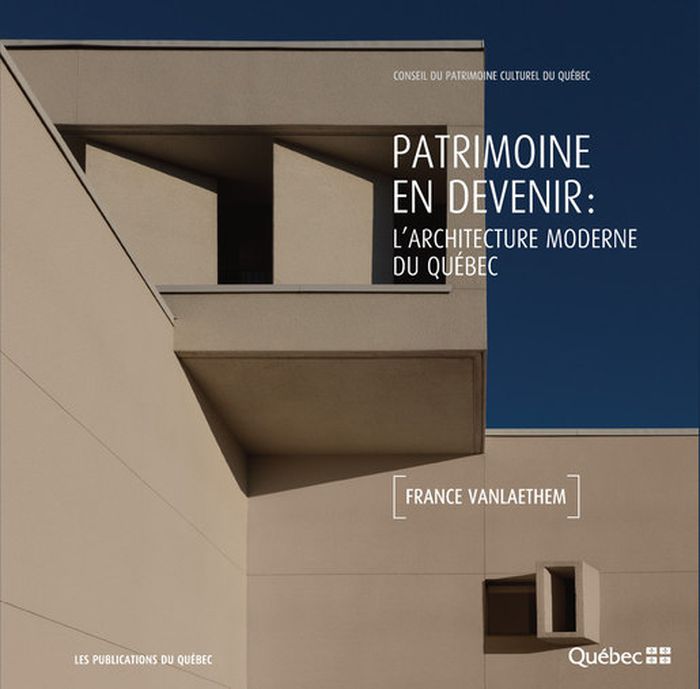
Ce livre vise à faire découvrir le patrimoine moderne du Québec. Retraçant les actions menées en sa faveur ici et ailleurs, il permet de retracer quand et comment l'architecture novatrice du XXe siècle s'est imposée comme un nouveau domaine patrimonial. Le coeur de l'ouvrage propose une sélection d'éléments parmi lesquelles se retrouvent des grandes oeuvres de même que des édifices plus communs, tous retenus pour leur double valeur historique et artistique. Quelques uns bénéficient d'un statut dans le cadre de la Loi sur le patrimoine culturel du Québec, alors que d’autres présentent un fort potentiel patrimonial.
Patrimoine en devenir : l'architecture moderne du Québec
Actions:
Prix:
$41.95
(disponible sur commande)
Résumé:
Ce livre vise à faire découvrir le patrimoine moderne du Québec. Retraçant les actions menées en sa faveur ici et ailleurs, il permet de retracer quand et comment l'architecture novatrice du XXe siècle s'est imposée comme un nouveau domaine patrimonial. Le coeur de l'ouvrage propose une sélection d'éléments parmi lesquelles se retrouvent des grandes oeuvres de même que des édifices plus communs, tous retenus pour leur double valeur historique et artistique. Quelques uns bénéficient d'un statut dans le cadre de la Loi sur le patrimoine culturel du Québec, alors que d’autres présentent un fort potentiel patrimonial.
Classification:
livres
livres
Publication:
janvier 2013
janvier 2013
Sujet:
Architecture du Québec
Architecture du Québec
Classification:
livres
livres
Actions:
Prix:
$44.95
(disponible en magasin)
Résumé:
Museum Architecture: A new biography focuses on the stories we tell of museum buildings in order to explore the nature of museum architecture and the problems of architectural history when applied to the museum and gallery. Starting from a discussion of the key issues in contemporary museum design, the book explores the role of architectural history in the(...)
$44.95
(disponible en magasin)
Résumé:
Museum Architecture: A new biography focuses on the stories we tell of museum buildings in order to explore the nature of museum architecture and the problems of architectural history when applied to the museum and gallery. Starting from a discussion of the key issues in contemporary museum design, the book explores the role of architectural history in the(...)
Titre:
Museum architecture: a new biography
Actions:
Prix:
$44.95
(disponible en magasin)
Résumé:
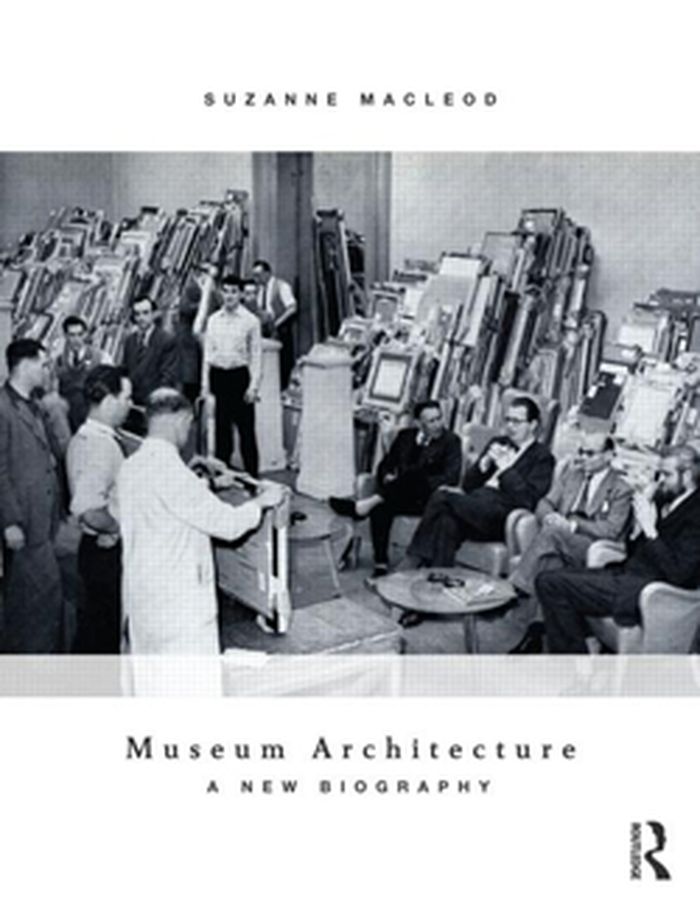
Museum Architecture: A new biography focuses on the stories we tell of museum buildings in order to explore the nature of museum architecture and the problems of architectural history when applied to the museum and gallery. Starting from a discussion of the key issues in contemporary museum design, the book explores the role of architectural history in the prioritisation of specific stories of museum building and museum architects and the exclusion of other actors from the history of museum making.
Museum architecture: a new biography
Actions:
Prix:
$44.95
(disponible en magasin)
Résumé:
Museum Architecture: A new biography focuses on the stories we tell of museum buildings in order to explore the nature of museum architecture and the problems of architectural history when applied to the museum and gallery. Starting from a discussion of the key issues in contemporary museum design, the book explores the role of architectural history in the prioritisation of specific stories of museum building and museum architects and the exclusion of other actors from the history of museum making.
Classification:
livres
livres
Publication:
juin 2013
juin 2013
Sujet:
Théorie de l’architecture
Théorie de l’architecture


